Great blog ending lines can mean the difference between a reader who nods, closes the tab, and forgets you forever — and one who bookmarks the page, shares it, or leaves a comment. If you want your posts to land with real impact, the closing sentence deserves as much attention as your headline.
So let’s dig into 25 strong closers you can steal, adapt, and make your own, along with the psychology that makes them work and the mistakes that quietly kill them.
I’ve been writing and editing online content for over a decade, and I’ve watched thousands of posts rise or die on the strength of a single line. What follows is the practical stuff — the patterns that actually convert, the ones that flop, and the reasoning behind each.
Whether you’re wrapping up a personal essay or a 3,000-word tutorial, you’ll walk away with a toolkit of blog ending lines you can deploy immediately.
Why Blog Ending Lines Matter More Than You Think
Most writers treat the final sentence like an afterthought. They’ve already said everything, so they slap on a quick “thanks for reading” and hit publish. That’s a wasted opportunity, and honestly, it’s the single most common mistake I see in draft reviews.
The last line of a post is the last thing a reader sees. Cognitive science calls this the recency effect — we remember the final items in a sequence more vividly than the middle. That means your blog ending lines carry disproportionate weight in shaping how someone feels about the entire piece.
Think about a concert. The encore isn’t just a bonus song; it’s the memory people carry home. A weak encore leaves a sour taste even after a brilliant show. Same logic applies here. Your closing line is the encore.

Beyond memory, blog ending lines drive behavior. A well-crafted closer nudges the reader toward a specific next step — subscribing, commenting, clicking a related post, or simply mulling over an idea long after they’ve left the page. Vague endings do none of that.
There’s also the matter of perceived expertise. Sloppy blog ending lines signal sloppy thinking. Sharp ones signal a writer in control of their material. Readers pick up on this unconsciously, and it affects whether they trust you enough to come back.

What Separates Strong Blog Ending Lines from Weak Ones
Before we get to the list, it helps to know what we’re aiming for. Strong blog ending lines share a few traits, and weak ones usually stumble on the same predictable pitfalls.
First, strong closers are specific. They reference something concrete from the post — an idea, an image, a number — rather than retreating into vague platitudes. “Thanks for reading” is generic. “Now go rewrite your last paragraph and watch what happens” is specific.

Second, they match the tone of the piece. A playful listicle calls for a witty sign-off; a serious analysis of grief calls for something quieter. Mismatched blog ending lines feel jarring, like a laugh track during a funeral scene.
Third, they give the reader somewhere to go. Whether that’s an action, a question, or a thought to chew on, the best blog ending lines leave the reader with momentum rather than a dead stop.
Weak blog ending lines, by contrast, tend to summarize what we just read (boring), apologize for existing (“sorry this was long”), or trail off into nothing. If you find yourself writing “well, that’s all I have for now,” delete it and start over.
25 Strong Blog Ending Lines You Can Use Today
Here’s the main event. I’ve grouped these into categories so you can pick the flavor that fits your post. Each one is a template you can adapt — don’t copy verbatim, but use the structure as a springboard.
Call-To-Action Blog Ending Lines
CTAs work when they’re clear, low-friction, and tied to something the reader already cares about. Vague CTAs (“engage with us!”) flop because they demand effort without offering a reason.
Use these when your post has a natural next step — a product, a newsletter, a comment thread, a downloadable resource.
- “Ready to try it yourself? Pick one technique from this post and test it this week — then tell me how it went in the comments.” The specificity (“this week,” “one technique”) lowers the activation energy and gives readers a clear finish line.
- “If this saved you time, share it with someone who’s still stuck doing it the hard way.” Tying the share to a benefit makes it feel helpful rather than needy.
- “Subscribe if you want more posts like this — no fluff, no spam, just the stuff that works.” Naming what you’re not doing (fluff, spam) is often more persuasive than naming what you are.
- “Drop your favorite tip in the comments. I read every single one, and the best ones get featured next week.” Incentivizing engagement with visibility works especially well for smaller blogs.
- “Grab the free checklist below and put these ideas to work in the next 24 hours.” Time-boxing (“24 hours”) converts far better than open-ended invitations.
Notice how each of these blog ending lines gives the reader a job. That’s the secret. A CTA isn’t a request — it’s an assignment with a reason attached.
Question-Based Blog Ending Lines
Questions are powerful because they force the reader’s brain to engage. You can’t read a question without at least half-answering it in your head. That tiny cognitive hook keeps your post alive in someone’s mind long after they’ve closed the tab.
- “So what’s the one habit you’d change first if you could? I’d love to hear your take.” Inviting a personal answer makes the question feel like a conversation, not a quiz.
- “Which of these 25 approaches fits your voice best — and which one made you cringe?” Offering a contrast (fit vs. Cringe) gives readers an easy entry point.
- “Have you ever written a closing line that completely changed how a post performed?” Story prompts generate richer comments than yes/no questions.
- “What’s stopping you from rewriting your last post’s ending right now?” Gentle challenge questions push readers toward action without being pushy.
- “If a reader only remembers one line from your post, what do you want it to be?” Meta-questions about the craft itself work beautifully on writing blogs.
One caution: don’t stack three questions in a row. Pick one, let it breathe, and trust the reader to answer it silently if they don’t feel like typing.
Reflective and Emotional Blog Ending Lines
Sometimes the post doesn’t need a CTA. It needs resonance. Reflective blog ending lines work best for personal essays, opinion pieces, and anything where the goal is to make the reader feel something rather than do something.
- “Years from now, I hope I remember this moment the way I remember it today — imperfect, unfinished, and entirely mine.” Personal stakes make reflective endings land harder than abstract musings.
- “We don’t get to choose every chapter, but we do get to choose how we end them.” A short aphorism works when it grows naturally out of the post’s theme.
- “Maybe that’s the whole point — not to get it right, but to keep showing up.” Hedged language (“maybe”) feels more honest than declarative certainty.
- “The room was quiet when I left. But something in me had shifted, and I knew I’d never quite be the same.” Sensory details anchor emotional closers in a specific moment.
- “If you’ve felt this too, you’re not alone. That’s the only comfort I know how to offer.” Direct address to the reader creates intimacy without oversharing.
These blog ending lines are trickier to pull off than CTAs because they can easily tip into melodrama. Read them out loud before publishing. If they make you cringe, they’ll make your reader cringe too.
Humorous and Playful Blog Ending Lines
Humor is a great equalizer. A well-timed joke at the end of a post tells the reader you don’t take yourself too seriously — which, counterintuitively, makes them trust you more.
- “And if none of this works, you can always blame Mercury retrograde. That’s what I do.” Self-deprecating humor beats sarcasm aimed at the reader every time.
- “Now go forth and write endings so good your readers forget to scroll to the comments.” Over-the-top encouragement works when the post itself has been light-hearted.
- “That’s it. That’s the post. Go live your life — but come back next Tuesday.” Meta-humor about the post’s own structure lands well with internet-native audiences.
- “If you made it this far, congratulations — you’re officially in the top 3% of readers. I owe you a coffee.” Rewarding completion with a joke creates a small moment of shared triumph.
- “I’ll be here, refreshing my analytics and pretending not to care. See you next time.” Revealing a relatable insecurity is funnier than pretending to be above it.
Playful blog ending lines work best when the rest of the post has already established a light tone. Drop one of these into a somber piece and it’ll feel like a record scratch.
Inspiring and Motivational Blog Ending Lines
Motivational closers are easy to write badly and hard to write well. The trick is grounding the inspiration in something concrete — a specific action, a real story, a tangible image — rather than floating off into vague uplift.
- “The blank page isn’t your enemy. It’s just waiting for you to decide what it’s going to say.” Reframing a common fear is more motivating than generic pep talks.
- “Start small. Start ugly. But start — because the version of you that finishes is built by the version that begins.” Rhythm and repetition give motivational lines their punch.
- “You don’t need permission to write the ending you actually want. You just need to type it.” Permission-granting closers work well for creative and personal development blogs.
- “The best time to plant a tree was twenty years ago. The second-best time is right now — and the same goes for finishing that draft.” Borrowing a familiar proverb and twisting it toward your topic makes it memorable.
- “Every writer you admire has written hundreds of endings that didn’t work. Yours is out there too. Keep going.” Normalizing struggle is often more motivating than celebrating success.
If you’re going to use one of these blog ending lines, make sure the rest of the post has earned the emotion. Inspiration without substance feels hollow.
How to Choose the Right Closing Line for Your Post
With 25 options in front of you, the obvious question is: which one do you actually use? The answer depends on three things — your post’s purpose, your audience, and your voice.
Start with purpose. If your post is designed to drive a specific action (sign up, buy, share), a CTA-style closer is your best bet. If it’s meant to build relationship or provoke thought, a question or reflective line will serve you better.
Audience matters too. A B2B audience responds to concise, benefit-driven blog ending lines. A lifestyle blog audience often prefers warmth and personality. Match the register of your readership.
Voice is the tiebreaker. If you’re naturally funny, use humor. If you’re more contemplative, lean reflective. Forcing a tone that isn’t yours is the fastest way to make a strong closer feel fake.
One more thing: read your chosen line out loud after the rest of the post. If it flows naturally from the paragraph before it, you’re on the right track. If it feels bolted on, try a different category.
Common Mistakes That Ruin Otherwise Good Blog Ending Lines
Even experienced writers sabotage themselves here. Watch out for these traps.
The biggest one is summarizing. If your closing line just recaps what the reader already read, you’re wasting prime real estate. Summaries belong in the introduction, not the farewell.
Another common issue is the “sorry for existing” closer. Lines like “I know this was long, sorry!” or “hope this wasn’t too rambly” undermine everything you just wrote. Cut them.
Then there’s the bait-and-switch closer — a line that promises a payoff the post never delivers. If your blog ending lines hint at a “surprising truth” but the post was just a list of tips, readers feel cheated.
Finally, avoid closers that introduce brand-new information. The ending is not the place for a fresh argument. If you have more to say, write another post.
Testing and Refining Your Blog Ending Lines
Here’s something most writing advice skips: you can actually test your closing lines. Not with a formal A/B test (though that’s possible), but with simple observation.
Track your comment rates, share rates, and time-on-page for posts with different closing styles. Over a few months, patterns will emerge. Maybe your audience responds better to questions than CTAs. Maybe your reflective endings drive more newsletter signups than you expected.
You can also test blog ending lines by rewriting them after publishing. Yes, after. Swap in a different closer, wait a week, and compare engagement metrics. The internet is forgiving — most readers will never notice.
Peer feedback is another underrated tool. Send your draft to two or three trusted readers and ask specifically: “Does the last line land?” Their gut reactions will tell you more than any formula.
Adapting Blog Ending Lines Across Different Content Types
Not every post calls for the same closer. Here’s how to adapt the 25 templates to common content formats.
For how-to guides and tutorials, CTA-style blog ending lines dominate. Readers came for a solution; give them a clear next step. “Try this today and report back” beats a philosophical musing every time.
For opinion and thought-leadership pieces, question-based closers shine. You want readers to keep thinking about your argument, and a well-placed question does exactly that.
For personal essays and narrative posts, reflective endings are the natural fit. The reader has just spent time inside your experience — honor that with a line that feels earned.

For listicles and roundups, playful or meta-humorous closers work well. The format itself is casual, so a lighthearted sign-off feels right at home.
For case studies and data-heavy posts, a hybrid works best: a short reflective observation followed by a soft CTA. Something like “The numbers surprised me. They might surprise you too — here’s where to dig deeper.”
Quick Reference Table: Matching Closers to Post Types
| Post Type | Best Closing Style | Example Line |
|---|---|---|
| How-To Guide | Call-To-Action | “Try this today and tell me how it went.” |
| Opinion Piece | Question-Based | “What would you add to this argument?” |
| Personal Essay | Reflective | “Some moments stay with you. This was one.” |
| Listicle | Humorous | “That’s it. That’s the post. See you next week.” |
| Case Study | Hybrid (Reflective + CTA) | “The data surprised me. Dig in and see for yourself.” |
| Motivational Post | Inspiring | “Start small. Start ugly. But start.” |
| News Roundup | Forward-Looking | “The next chapter is already being written.” |
Use this as a starting point, not a rulebook. The best blog ending lines often break the pattern in a way that feels intentional and fresh.
Building a Personal Library of Blog Ending Lines
Here’s a habit that transformed my writing: I keep a running document of blog ending lines I love. Whenever I read something that lands, I copy the final sentence and note why it worked.
Over time, this becomes a personal style guide. You start to see your own preferences — maybe you favor short, punchy closers, or maybe you lean toward longer, more lyrical ones. Either is fine, as long as you know your pattern.
Reading widely helps too. Fiction writers are masters of the closing line, and their techniques translate directly to blog endings. Study how novelists end chapters and short stories. Steal the rhythm, not the words.
You can also build a library by category. Have a folder for CTAs, one for questions, one for reflective endings. When you’re drafting, you can browse the relevant folder and adapt something rather than starting from scratch.
The goal isn’t to plagiarize — it’s to internalize patterns until strong blog ending lines become second nature to write.
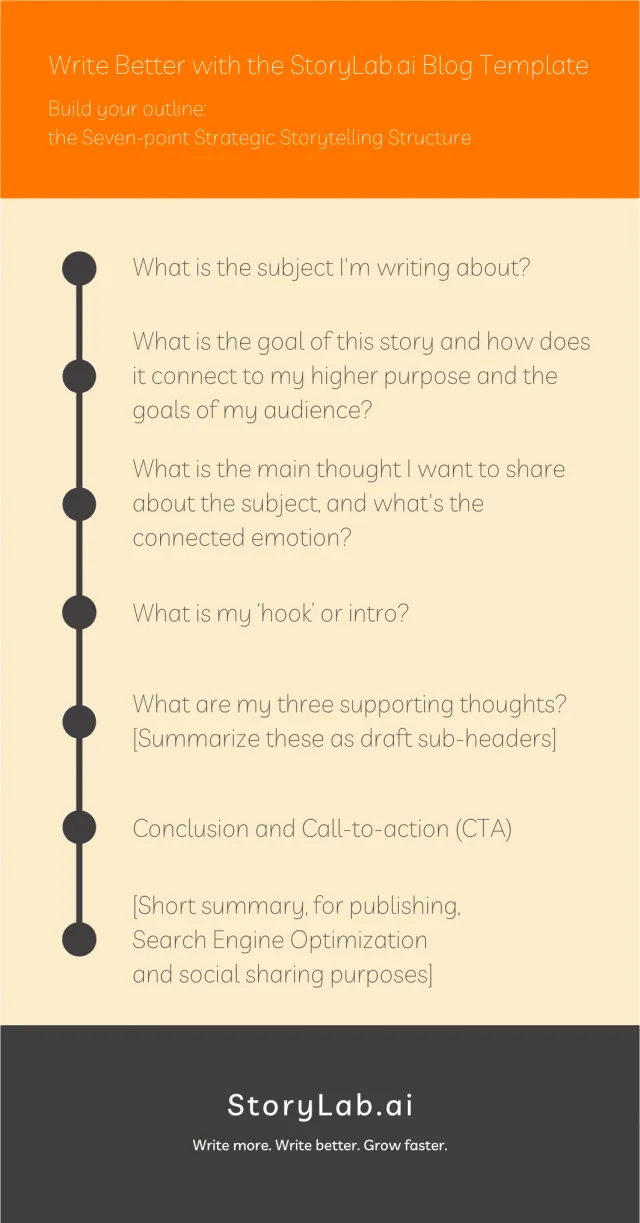
How Blog Ending Lines Shape Reader Retention
We’ve covered the writing side. Now let’s talk about the business side, because blog ending lines aren’t just an art — they’re a retention tool.
Readers who reach the end of a post are your most engaged audience. They’ve invested minutes of their life in your words. How you close determines whether that investment pays off with a return visit or evaporates.
A strong closer can turn a one-time visitor into a subscriber. It can convert a lurker into a commenter. It can push someone from “interesting” to “I need to share this.” All of that starts with the last line.
Analytics back this up. Posts with clear, action-oriented blog ending lines consistently outperform posts with vague or missing closers — often by a wide margin on engagement metrics like comments and social shares.
If you’re running a content strategy, treat the closing line as a key performance lever, not a formality. It’s one of the highest-leverage sentences you’ll write all week.
Frequently Asked Questions About Blog Ending Lines
How long should blog ending lines be?
Short is usually better — one to two sentences. Long closers can work if the post itself is literary, but for most content, brevity wins. If you can cut a word without losing meaning, cut it.
Should every post end with a call to action?
No. CTAs are powerful, but they can feel pushy if every post ends with one. Mix it up. Use reflective or question-based blog ending lines when the post calls for them.
Can I reuse the same closing line across multiple posts?
Technically yes, but it gets stale fast. Readers notice repetition. Save your best blog ending lines for the posts where they fit perfectly, and write fresh ones for everything else.
What if my post doesn’t have a natural next step?
Then don’t force one. Use a reflective or question-based closer instead. Not every post needs to drive action — some just need to leave an impression.
How do I know if my closing line is working?
Watch your engagement metrics. Comments, shares, time-on-page, and click-through rates all tell you something. If a post underperforms, try rewriting just the last line and see what changes.
Do blog ending lines affect SEO?
Indirectly, yes. Search engines reward engagement signals — time on page, low bounce rate, social shares. Strong blog ending lines encourage all three, which can improve your rankings over time.
Is it okay to end with a question if I never answer it?
Absolutely. Rhetorical questions are one of the most effective tools in the closer’s toolkit. The reader answers it in their head, which keeps your post alive in their memory.
Final Thoughts on Crafting Blog Ending Lines That Stick
You now have 25 templates, a decision framework, a matching table, and a troubleshooting guide. That’s more than enough to write a closing line that actually does something.
The real work starts when you sit down to draft. My advice: don’t write your closer last. Write it first, or at least sketch it early. When you know where you’re headed, the middle of your post gets sharper too.
And remember — the best blog ending lines aren’t the cleverest ones. They’re the ones that feel inevitable, like the post couldn’t have ended any other way. That’s the standard to aim for, whether you’re writing a quick listicle or a 4,000-word deep dive.
So go back to your drafts folder. Pick one post. Rewrite the final sentence using one of the approaches above. Then watch what happens to your comments, shares, and returning readers. That’s the whole game — one strong closer at a time.
For verified reference and background research, consult the authoritative informational resource on this topic.
Pingback: Search Tagging: How To Tag Content For Better Discovery
Pingback: Page Ranking Algorithm: How It Works & What Affects It
Pingback: TikTok SEO Optimization: How To Get Found In Search
Pingback: Panda Update: What It Was & Why Content Quality Matters
Pingback: AI Crawlers: Key Bots & How To Block Or Allow Them
Pingback: SEO Vs Pay Per Click: Which Is Better For Your Business?
Pingback: Google To 1998: How To See The Retro Google Easter Egg
Pingback: Apple Store Ads: How To Advertise On The App Store In 2026
Pingback: Breakout Game On Google: Play The Image Search Easter Egg
Pingback: Yahoo Picture Search: How To Find Images Fast & Free
Pingback: Google Discovery: How To Get Your Content In The Feed
Pingback: How Do You Spell Websites? Correct Spelling & Usage Tips
Pingback: Why Isn't ChatGPT Working? 9 Quick Fixes That Work
Pingback: Google Assistant Cards: What They Are & How To Use Them
Pingback: Google SEO Update: Latest Changes & What To Do Next