The page ranking algorithm is the invisible engine that decides which of the billions of web pages you actually get to see. If you have ever typed a search query and wondered why one result sits at the top while a better-looking page sits on page four, the answer lives inside that system.
I have spent years watching sites rise and fall in the results, and the pattern is never random. It follows rules, and those rules are learnable.
This guide breaks down the mechanics, the signals, and the practical moves that shape your position. No fluff, no vague promises. Just how the thing actually behaves.
What is a Page Ranking Algorithm?
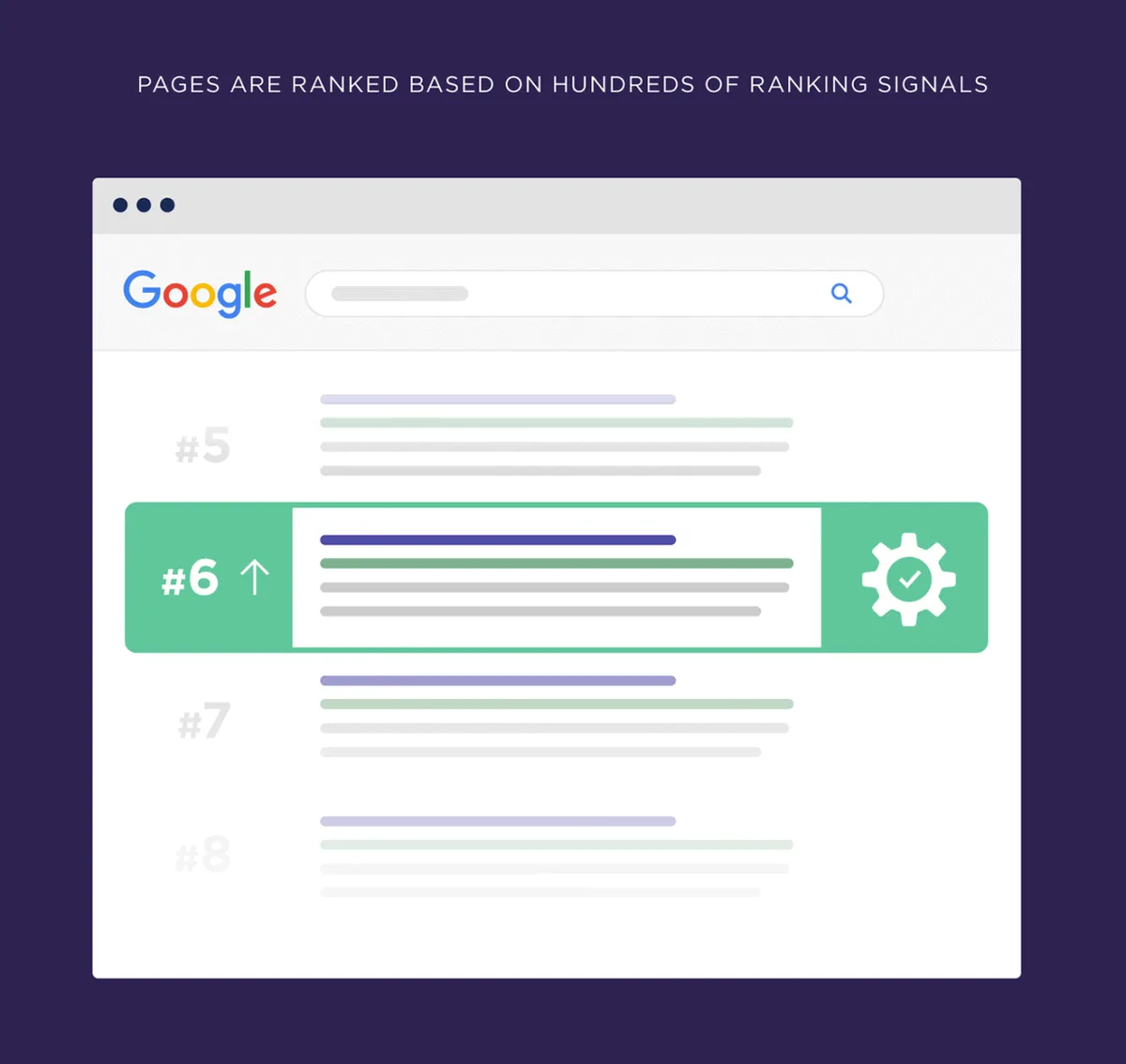
At its core, a page ranking algorithm is a set of mathematical rules a search engine uses to order results for a given query. When you hit enter, the engine has already crawled and stored a copy of the web. Now it needs to sort that enormous pile into something useful. The page ranking algorithm does the sorting.
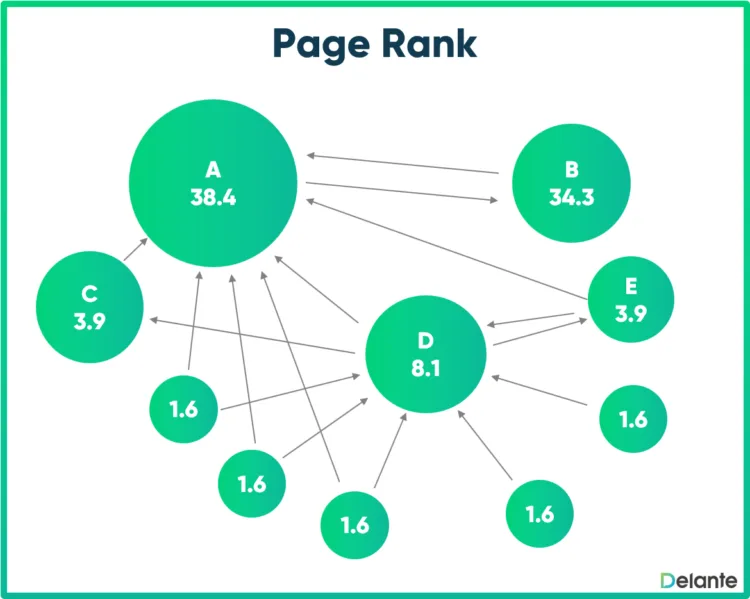
Think of it like a librarian who has read every book in the building. You ask for something about sourdough starters, and instead of handing you the first book on the shelf, this librarian weighs which book answers your question best, which author is trusted, and which edition is current. The page ranking algorithm performs that same judgment, but at a scale of millions of queries per second.
What surprises most people is that ranking is not one formula. Modern engines run many ranking systems together, then blend their outputs. A page ranking algorithm might evaluate relevance, another evaluates quality, a third evaluates freshness, and a final layer decides how much each one matters for your specific search.
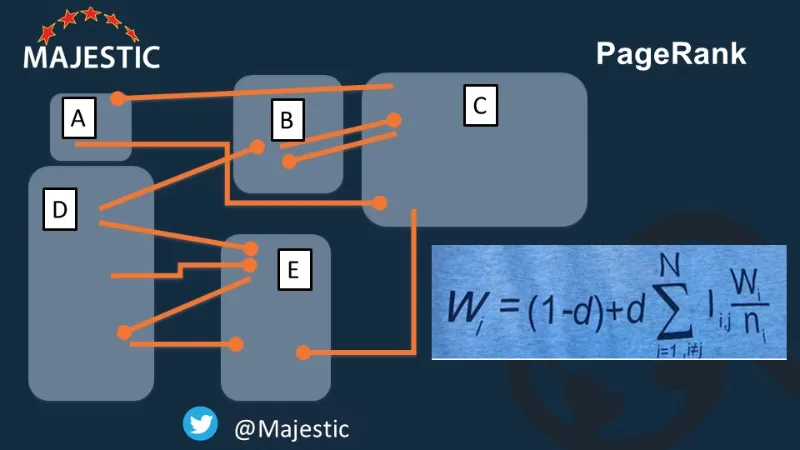
Why the Term Gets Confused With Crawling and Indexing
Crawling is discovery. Indexing is storage. Ranking is the decision. These are three separate stages, and mixing them up leads to bad strategy. A page that never gets crawled cannot be ranked no matter how good it is.
A page that gets crawled but not indexed is invisible. Only after indexing does the page ranking algorithm even get a chance to weigh in.
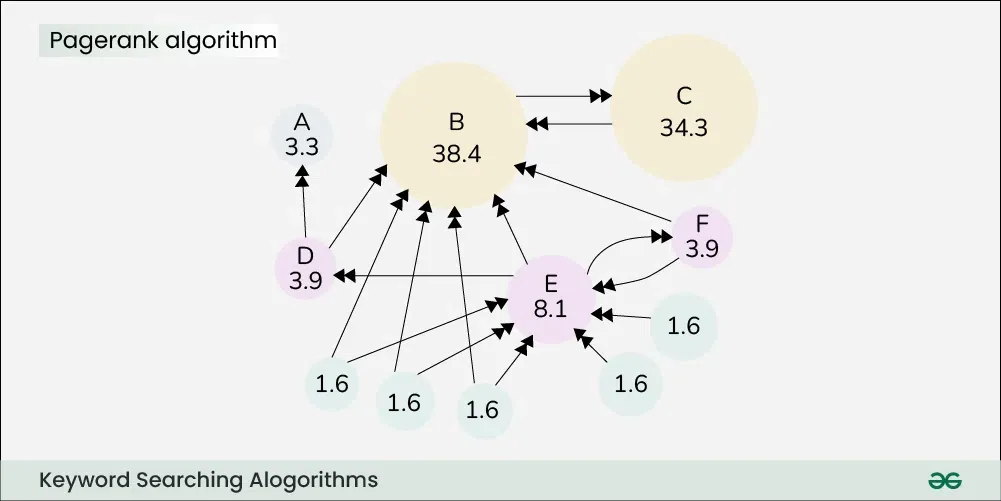
I have seen site owners obsess over ranking signals while their pages were quietly blocked by a stray robots.txt line. Fix the pipeline first. Then optimize the ranking.
How a Page Ranking Algorithm Actually Works
Here is the part most articles gloss over. The engine does not scan the live web when you search. It queries a pre-built index, then runs the page ranking algorithm against the candidate set. Speed matters, so the heavy math happens in advance and in layered passes.
First, the engine retrieves a broad set of pages that could plausibly match your query. That is retrieval, not ranking. Then the page ranking algorithm scores those candidates. Then a second, more expensive model re-ranks the top slice.
This two-stage design is why a page can rank well for a while and then shift when the re-ranker changes its mind.
The Role of Query Understanding
Before any page gets scored, the engine has to understand what you meant. That means parsing intent, not just words. Search “apple” and the engine has to guess whether you want the fruit, the company, or the record label. The page ranking algorithm cannot do its job until that ambiguity is resolved.
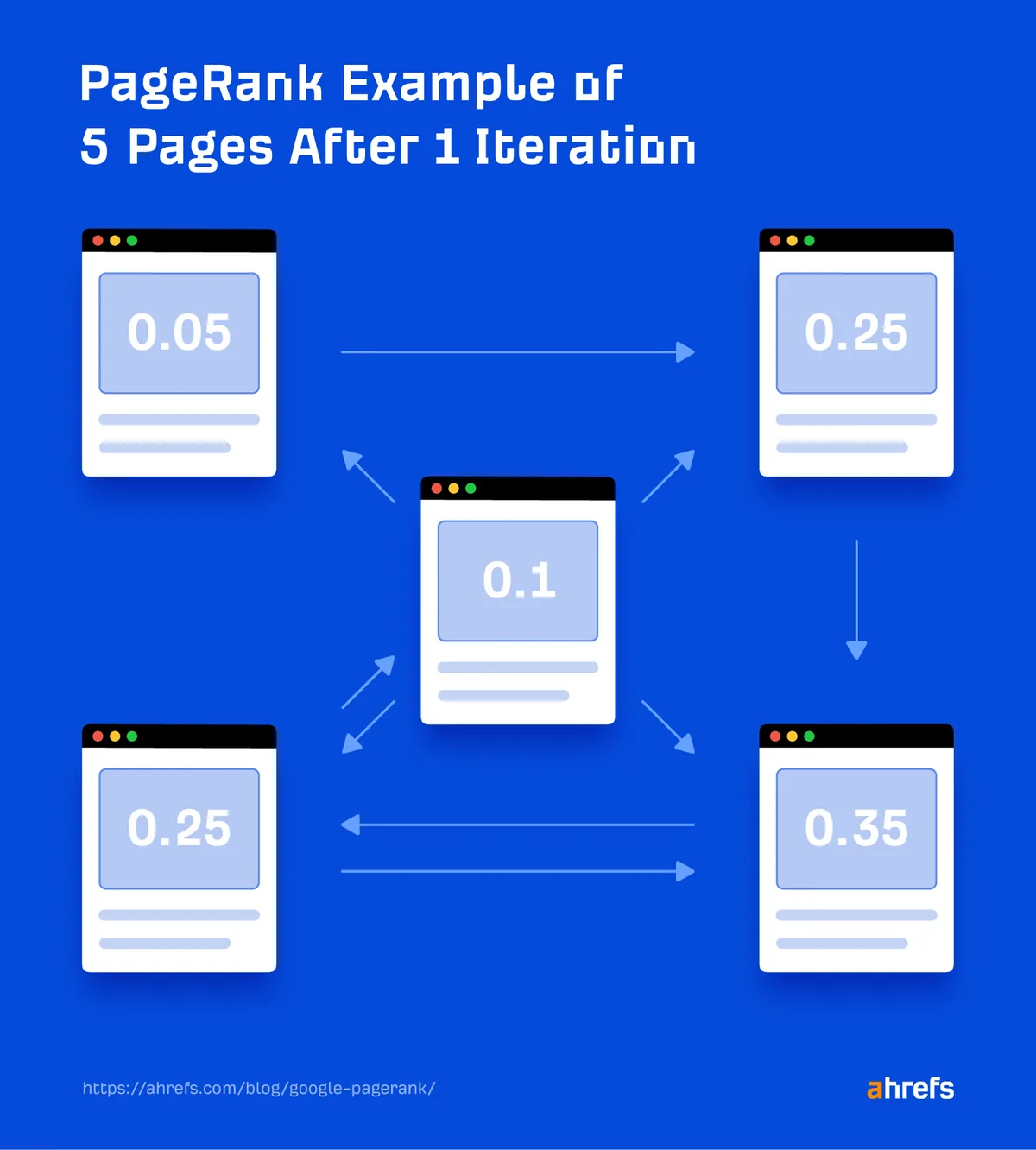
This is why the same page can rank for one phrasing and vanish for another that looks nearly identical. Intent mapping feeds the page ranking algorithm a different target each time, and your page either fits that target or it does not.
Machine Learning and the Modern Ranking Stack
Early engines used hand-tuned rules. Engineers literally wrote “if keyword appears in title, add points.” That era is long gone. Today the page ranking algorithm is largely learned from data. Models are trained on examples of queries and the results humans found satisfying, then they generalize to new queries they have never seen.
The practical consequence is important. You cannot reverse-engineer a fixed checklist and win. You optimize for the underlying qualities the model was trained to reward: relevance, authority, usability, and trust.
Core Signals That Feed the Page Ranking Algorithm
Signals are the raw inputs. The page ranking algorithm weighs them, but it does not treat them equally. Some carry heavy influence, others act as tiebreakers. Let me walk through the ones that consistently move the needle.
Relevance Signals
Relevance answers a simple question: does this page address the query? The engine looks at the content itself, the words used, the concepts covered, and how completely the topic is handled. A page that touches a subject lightly will lose to one that covers it thoroughly.
Keyword presence still matters, but not in the crude way it once did. Stuffing a phrase twenty times does not help. Covering the surrounding concepts naturally does. The page ranking algorithm rewards pages that read like they were written by someone who actually knows the subject.
Authority and Link Signals
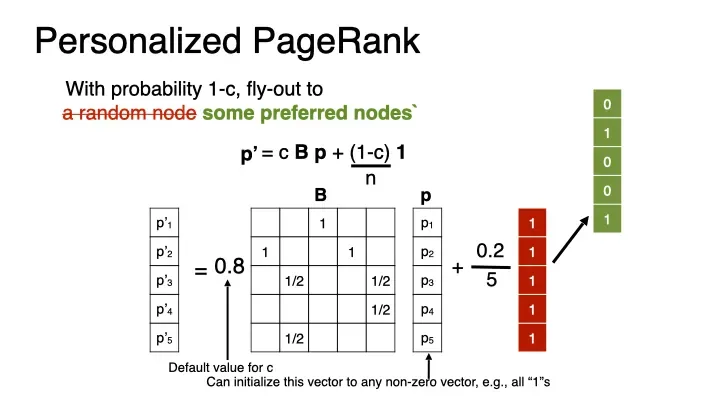
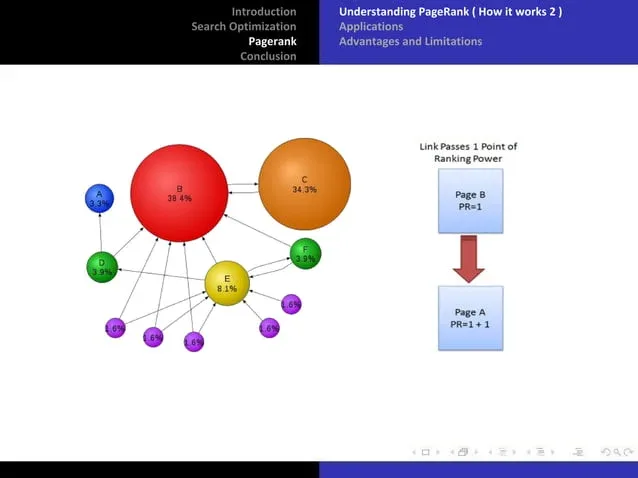
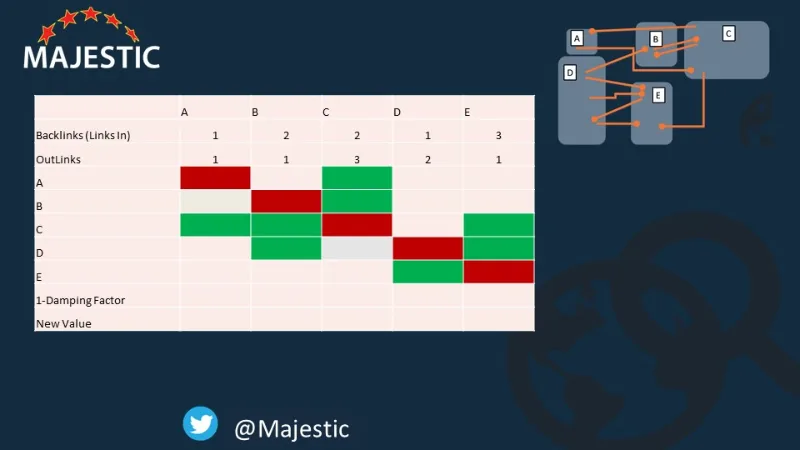
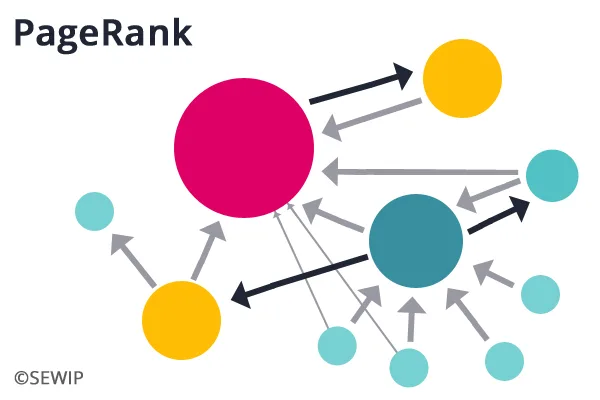
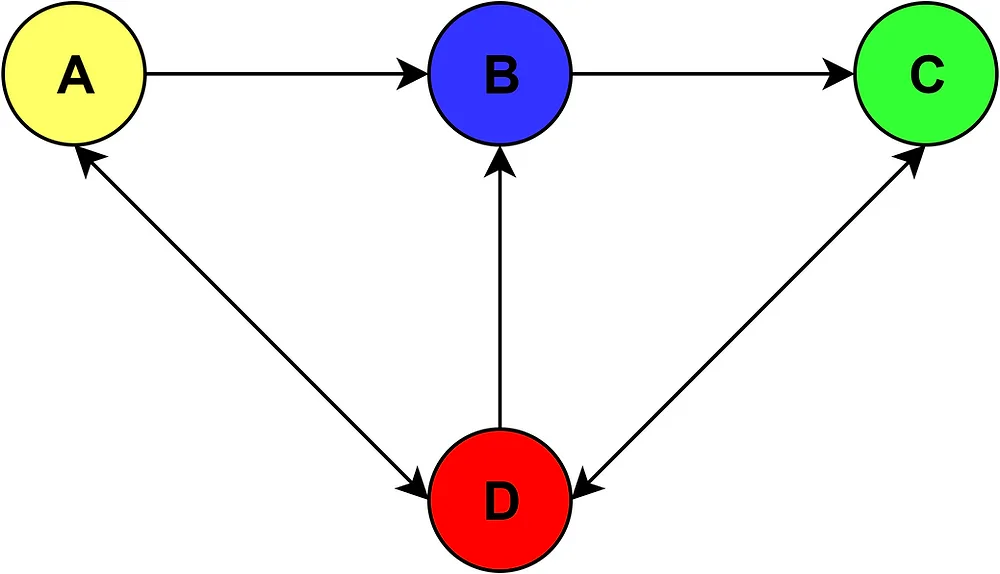
Links from other sites act like votes. When a respected site links to you, it signals that your content is worth citing. The page ranking algorithm treats these citations as evidence of quality, especially when the linking site is topically related.
Not all links count the same. A single link from a trusted industry publication can outweigh dozens from low-quality directories. This is why link building done badly is worse than not doing it at all.
Engagement and Behavioral Signals
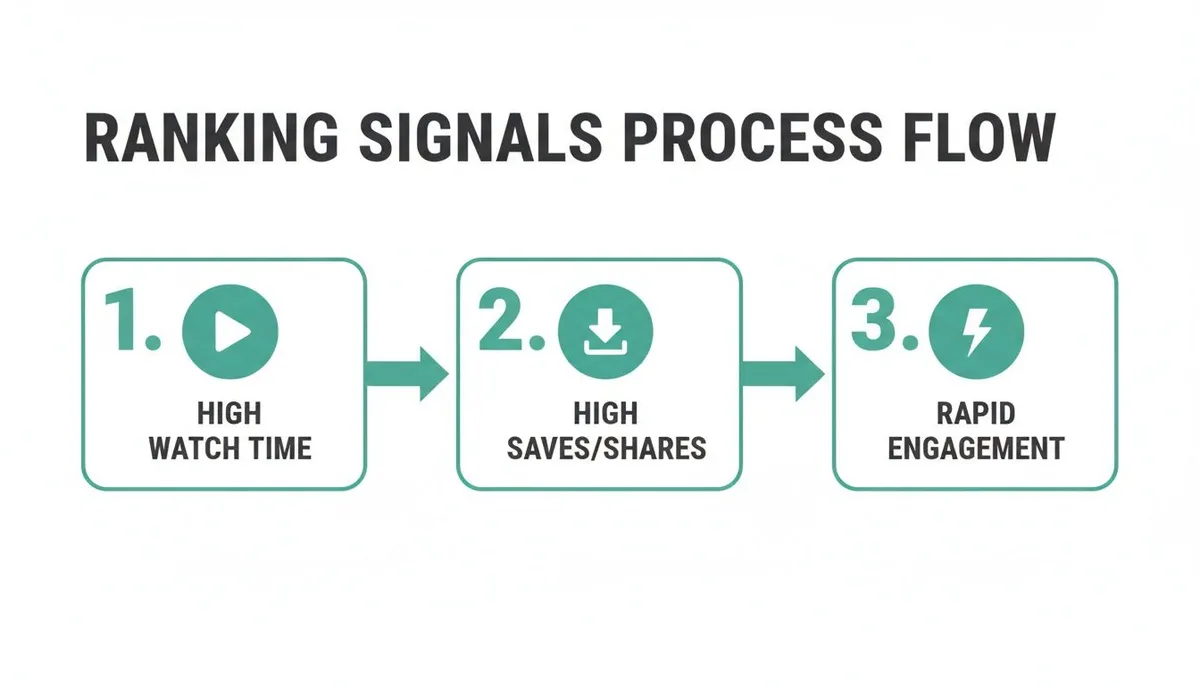
How people interact with results tells the engine whether a page satisfied them. If users click your result and bounce back within seconds, that is a negative hint. If they stay, scroll, and click deeper, that is a positive one.
I treat these signals as a feedback loop rather than a lever. You cannot fake genuine satisfaction for long. The page ranking algorithm is designed to detect the difference between a page people tolerate and a page people value.
Technical and Experience Signals
Page speed, mobile usability, and stability all feed the page ranking algorithm. A brilliant article on a site that takes eight seconds to load will underperform. Users leave, and the engine notices.
Core Web Vitals capture much of this. They measure how quickly content appears, how fast the page responds to input, and how much the layout jumps around while loading. Clean these up and you remove friction that quietly caps your ceiling.
| Signal Category | What It Measures | Typical Impact |
|---|---|---|
| Relevance | Topic match and depth | High |
| Authority | Quality inbound links | High |
| Engagement | User satisfaction behavior | Medium to High |
| Technical | Speed and usability | Medium |
| Freshness | Recency where relevant | Query dependent |
How the Page Ranking Algorithm Handles Different Query Types
Not every search wants the same thing. A query for a definition wants a clear explanation. A query for a product wants a place to buy. The page ranking algorithm adapts its weighting based on what it believes the searcher needs.
This is where a lot of content strategy goes wrong. People write one type of page and expect it to rank for every intent. It will not. Match the format to the intent and the page ranking algorithm rewards you for it.
Informational Queries
These searches want knowledge. “How does compound interest work” is informational. The engine favors comprehensive, well-structured explanations. Depth wins here, and thin pages get buried.
For informational targets, lead with clarity. Answer the question in the first screen, then expand. The page ranking algorithm notices when users get their answer fast and stop searching.
Commercial and Transactional Queries
These searches are closer to a decision. “Best noise cancelling headphones” or “buy running shoes online” signal buying intent. Here the page ranking algorithm leans toward pages that help users compare and act.
Reviews, comparisons, and product pages dominate this space. If you run an e-commerce site, your category and product pages need to carry the weight, not just your blog.
Navigational Queries
Sometimes people just want to reach a specific site. “Facebook login” is navigational. The page ranking algorithm usually serves the brand’s own page, and trying to compete here is a waste of effort for most sites.
Know which battles to skip. Chasing navigational terms that belong to a major brand drains resources you could spend on winnable queries.
Personalization, Location, and the Ranking You See
Two people searching the same phrase can get different results. That is not a glitch. Personalization and location feed into the page ranking algorithm, adjusting the order based on who is asking and where they are.
Your search history, your device, and your city all nudge the output. This is why rank tracking tools report averages and why a single screenshot of “position one” means less than people think.
Why Local Intent Changes Everything
Search “coffee shop” and the engine assumes you want one nearby. The page ranking algorithm weights proximity heavily for local intent, sometimes above traditional authority signals. A small local business can outrank a national brand for these queries.
If you serve a geographic area, build location-specific pages. Mention the city, the neighborhoods, the landmarks. The page ranking algorithm uses these cues to decide whether you are genuinely relevant to that place.
Freshness and the Time Factor
Some topics demand recent content. News, stock prices, and breaking developments all trigger a freshness bias. For those queries, the page ranking algorithm pushes newer pages up and lets older ones slide.
Other topics are evergreen. “How to tie a tie” does not need updating every week. For these, a well-built page can hold its position for years. Understanding which category your topic falls into saves you from pointless churn.
My rule of thumb: if the answer changes with time, refresh regularly. If the answer is stable, invest in depth instead of constant edits.
Building Content That the Page Ranking Algorithm Rewards
Strategy beats tricks. You cannot outsmart a system trained on billions of human judgments, but you can align with what it values. Here is how I approach it in practice.
Start With Genuine Search Intent
Before writing a word, study the current top results. Not to copy them, but to understand what the engine already considers a good answer. That tells you the shape of the target.
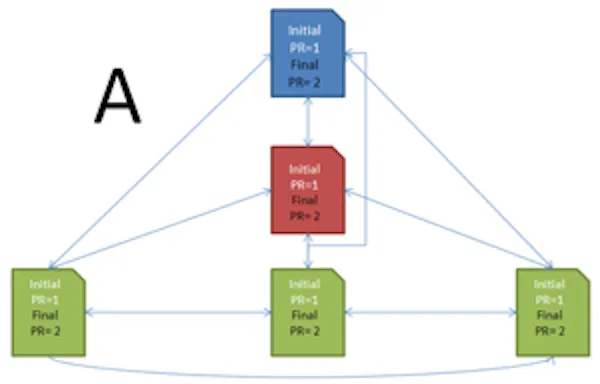
Then ask what those pages miss. A gap in coverage is your opening. The page ranking algorithm is always looking for the most complete answer, and incomplete competitors leave room.
Structure for Humans First
Clear headings, short paragraphs, and logical flow help readers and the page ranking algorithm at the same time. Good structure is not decoration. It is how both humans and machines parse meaning.
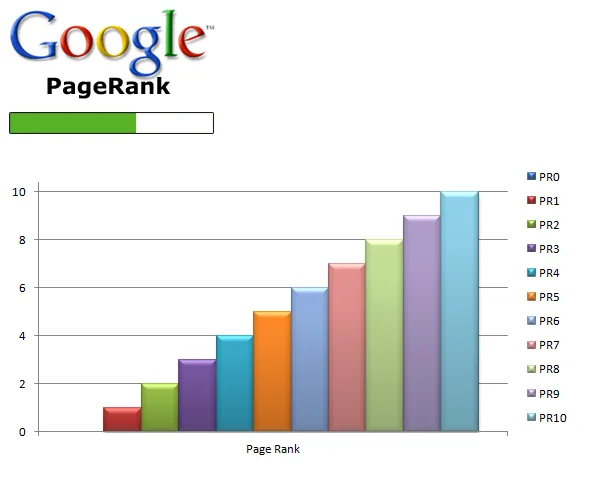
Use descriptive subheadings that state what each section delivers. Skip clever wordplay that hides the point. Clarity converts, and conversion signals satisfaction.
Cover the Topic Completely
Topical completeness is one of the strongest levers you have. A page that answers the main question and every reasonable follow-up becomes the obvious choice. The page ranking algorithm tends to favor the resource that resolves the whole journey.
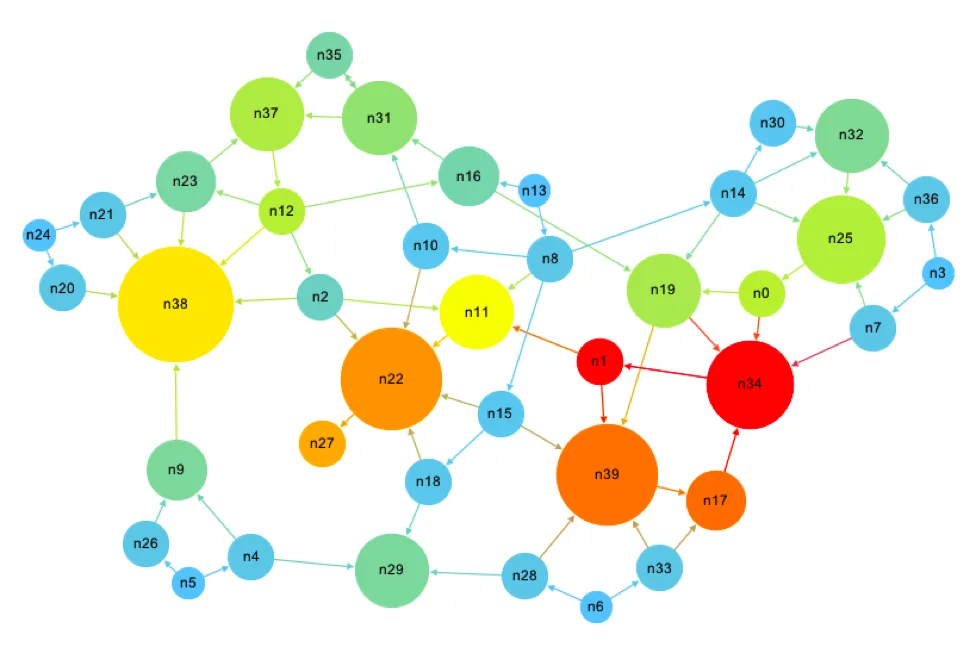
Map out related questions. Answer them within the page or link to dedicated pages on your site. Either way, demonstrate that you own the subject.
Technical Foundations That Support Ranking
Great content on a broken site still loses. Technical health is the floor, not the ceiling. Get it right and the page ranking algorithm can actually see and evaluate your work.

Crawlability and Indexing
Make sure search engines can reach your pages. Check your robots.txt, your sitemap, and your internal linking. If a page is orphaned with no links pointing to it, it may never get indexed.
I audit this first on every project. It is unglamorous and it is where I find the fastest wins. A page that was invisible becomes rankable the moment it gets indexed.
Site Speed and Core Web Vitals
Compress images, defer non-critical scripts, and use a fast host. Every second of delay costs you users and gives the page ranking algorithm a reason to rank you lower.
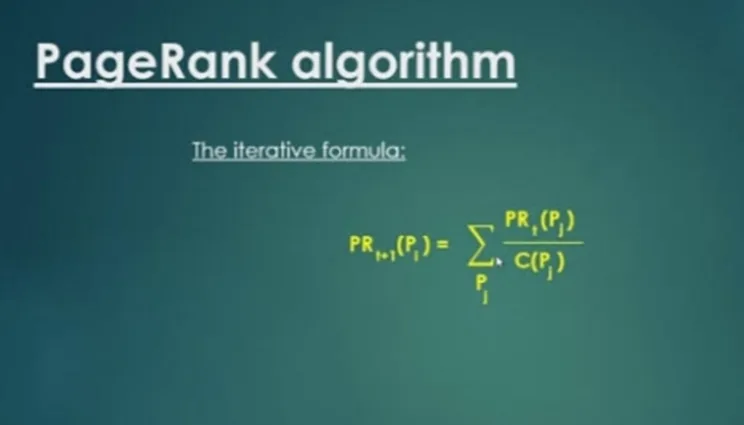
Test on real mobile devices, not just desktop tools. Most of your traffic is mobile, and that is where performance problems hide.
Mobile Usability
Tap targets, readable fonts, and no horizontal scrolling. Mobile-first indexing means the mobile version of your page is the one the page ranking algorithm primarily evaluates.
If your mobile experience is an afterthought, you are being judged on your worst version. Fix that and rankings often follow.
Links, Authority, and Earning Trust
Authority is earned, not declared. The page ranking algorithm estimates how much the web trusts you, and links are the clearest evidence it has.
Quality Over Quantity
One link from a respected source in your field beats fifty from random blogs. Chase relevance and credibility, not raw counts. A single editorial mention can lift a page more than a hundred directory listings.
This is also why buying links is a trap. The this practice and the teams behind it are good at spotting manipulation, and the downside is severe.
Internal Linking as a Ranking Tool
Links within your own site spread authority and help the engine understand which pages matter most. Link from strong pages to the ones you want to push.
Use descriptive anchor text that tells both readers and the this practice what the destination is about. “Click here” wastes an opportunity every single time.
Common Myths About the Page Ranking Algorithm
Bad information spreads fast in this field. Let me clear up a few myths I run into constantly.
Myth: Keyword Density is King
Repeating a phrase does not boost rankings. It reads badly and can hurt you. The this practice understands synonyms and context, so write for meaning, not repetition.
Myth: More Content Always Wins
Length helps only when it adds value. A bloated page that pads word count without new insight does not fool anyone. The this approach rewards substance, and readers reward it too.
Myth: Rankings are Permanent
Nothing is fixed. Competitors publish, algorithms update, and user behavior shifts. The this practice is a moving target, and so is your position.
Treat ranking as maintenance, not a one-time project. The sites that hold their ground are the ones that keep showing up.
Measuring What Matters
You cannot improve what you do not track. But tracking the wrong things wastes time. Focus on metrics that reflect real outcomes.
Beyond Position Tracking
Position is a snapshot, not the whole story. Watch impressions, click-through rate, and conversions. A page that ranks third but converts better than the top result is winning where it counts.
Use Search Console to see which queries bring impressions but few clicks. That gap often reveals a title or description that needs work, not a ranking problem.
Reading the Data Honestly
Traffic dips are not always your fault. Seasonality, algorithm updates, and competitor moves all play a role. Diagnose before you react. Panic edits rarely help.
I keep a simple log of changes and dates. When something shifts, I can trace it back to a cause instead of guessing.
Adapting When the Page Ranking Algorithm Changes
Updates happen. Core updates, spam updates, and quiet tweaks roll out regularly. Some sites drop, some climb, and the noise afterward is deafening.
Stay Calm and Diagnose
Do not rebuild your whole site the day after a drop. Check whether the change is broad or isolated. Compare which pages lost and what they have in common.
Often the issue is quality, not a technical bug. The this approach got better at judging usefulness, and some pages no longer clear the bar.
Invest in Fundamentals
The sites that survive every update share traits: genuinely useful content, clean technical setup, and earned authority. Those fundamentals are update-proof because they reflect what users actually want.
Chasing every rumor is exhausting and usually counterproductive. Build for the reader and the this approach tends to follow.
Practical Steps to Improve Your Ranking
Enough theory. Here is a sequence I use when a site needs to climb.
- Audit indexation. Confirm your key pages are crawled and indexed. Fix blockers before anything else, because a page the engine cannot see will never benefit from any optimization.
- Map intent to format. Match each target query to the right page type. Informational queries get guides, commercial queries get comparisons, and transactional queries get product pages.
- Deepen thin content. Expand pages that only skim the topic. Add the missing questions and examples that competitors skip, giving the page ranking algorithm more reason to prefer you.
- Fix technical friction. Improve speed, mobile layout, and Core Web Vitals. Remove anything that makes users wait or struggle.
- Earn relevant links. Create resources worth citing. Original data, clear explanations, and useful tools attract links naturally.
- Strengthen internal links. Point authority toward your priority pages with descriptive anchor text.
- Refresh on a schedule. Update time-sensitive content and leave evergreen pages alone unless they need real improvement.
- Track and iterate. Monitor impressions, clicks, and conversions. Let the data guide your next move instead of assumptions.
How the Page Ranking Algorithm Treats New versus Established Pages
New pages face a trust gap. The engine has little history to judge them by, so they often start slow. Established pages carry accumulated signals that give them a head start.
That does not mean new pages cannot rank. It means they need stronger relevance and cleaner technicals to compete early. Time and consistent quality close the gap.
Building Momentum for Fresh Content
Link to new pages from your strongest existing pages. That passes authority and helps the this approach discover and evaluate them faster. Share them where your audience actually hangs out.
Early engagement matters. If the first visitors find value, the signals build. If they bounce, the page starts in a hole.
The Human Side of Ranking
It is easy to forget that every signal traces back to a person. Someone wrote the link. Someone clicked the result. Someone stayed to read. The this approach is ultimately a mirror of human preference at scale.
That is why manipulation fails over time. You cannot fake genuine usefulness to millions of people. You can only build it.
Writing for People Who are in a Hurry
Most searchers want the answer fast. Put the key point up front, then support it. Respect their time and they reward you with attention.
The this practice reflects that behavior. Pages that satisfy quickly tend to hold their ground, while pages that bury the answer slowly fade.
Frequently Asked Questions
Here is an in-depth breakdown of key considerations regarding this section:
What Exactly is a Page Ranking Algorithm?
It is the system a search engine uses to order results for a query. It scores candidate pages using signals like relevance, authority, and user satisfaction, then returns the list you see.
How Often Does the Page Ranking Algorithm Change?
Small adjustments happen constantly, and larger core updates roll out periodically. The fundamentals stay stable even when the details shift.
Can I Rank Without Backlinks?
Sometimes, for low-competition queries. But for competitive terms, authority signals matter. Links remain one of the strongest trust indicators the this approach uses.
Does Content Length Affect Ranking?
Only indirectly. Length helps when it adds depth and answers more questions. Padding a page to hit a word count does not help and can hurt.
Why Did My Rankings Drop Suddenly?
Common causes include an algorithm update, a technical issue, a competitor outranking you, or lost links. Diagnose the specific pages affected before making changes.
Is the Page Ranking Algorithm the Same for Every Search?
No. It adapts to query intent, location, and personalization. The same phrase can produce different results for different users.
How Long Does It Take to See Ranking Improvements?
It varies. Technical fixes can show results in days, while content and authority gains often take weeks or months to fully register.
Do Social Signals Directly Affect the Page Ranking Algorithm?
Not directly as a ranking factor, but they drive visibility, traffic, and links, which do influence rankings over time.
Where to Go from Here
Understanding the this approach is not about memorizing a secret list. It is about grasping the principles and applying them consistently. Relevance, authority, usability, and trust. Those four pillars carry more weight than any single trick.
Start with the basics. Make sure your pages are indexed, fast, and genuinely useful. Then build authority by creating things worth linking to. Keep an eye on the data and adjust as the system evolves.
For a deeper look at how search engines evaluate and order pages, the Wikipedia entry on PageRank, the original this approach concept, is a solid starting point. It explains the foundation that modern systems still build on.
The rules will keep shifting. The goal stays the same: be the best answer to the question someone just asked. Do that, and the page ranking algorithm will keep finding reasons to put you on top.