FAQ rich snippets remain one of the most misunderstood features in all of search. If you have spent any time reading SEO forums lately, you have probably seen someone declare them dead, only to watch a competitor’s listing pull extra questions right into the results page the very next week.
That contradiction is real, and it is worth untangling carefully. Google did not kill the feature outright. It narrowed who gets the full visual treatment, tightened the rules around which sites qualify, and quietly kept the underlying structured data alive for the cases that still matter.
So let’s talk about what is actually happening, why it happened, and what you can still do about it today. This guide walks through the mechanics, the eligibility rules, the markup itself, and the realistic outcomes you should expect. No hype, no doom, just the practical picture.
What FAQ Rich Snippets Actually Are
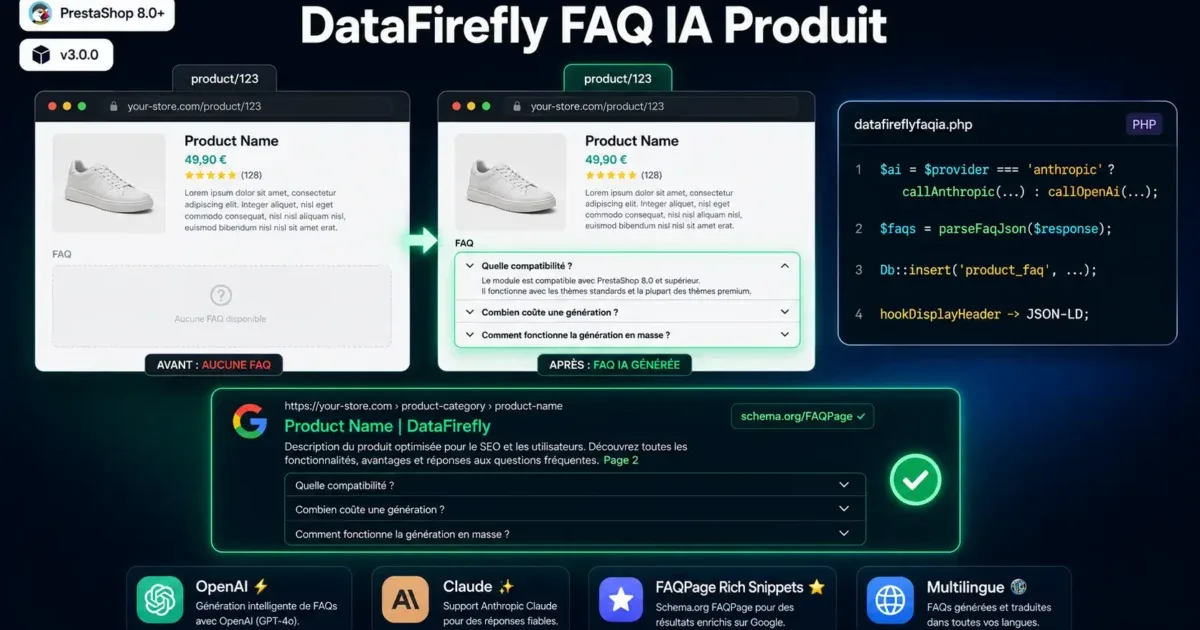
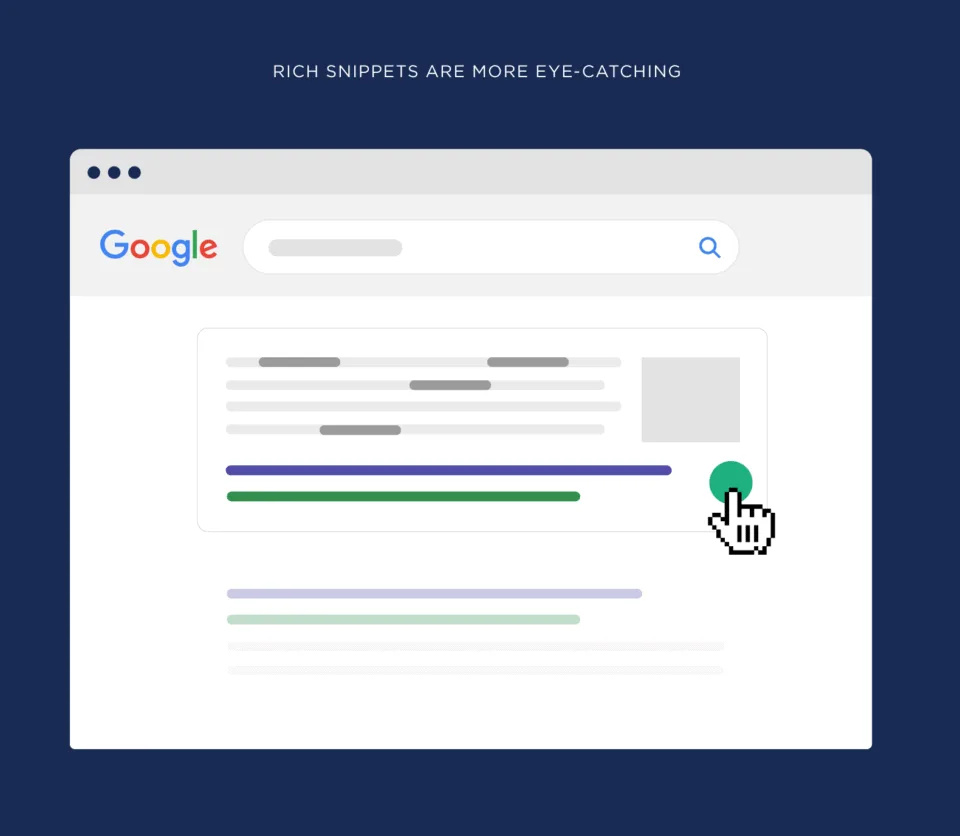
At their core, faq rich snippets are the expandable question-and-answer panels that occasionally appear beneath a standard search result. You have seen them: a listing with a small dropdown arrow, and when you tap it, two or three questions unfold with short answers pulled straight from the page. They look a bit like a mini accordion sitting inside the SERP.
Technically, these panels are generated from structured data — specifically the FAQPage schema type — that you embed in your HTML. Google reads that markup, cross-references it against your visible on-page content, and decides whether to render the questions.
The whole thing hinges on a matching game: what you declare in code must mirror what a human visitor actually sees on the page.
That last point trips up more people than anything else. You cannot hide questions in the source code and expect faq rich snippets to appear. The content has to be genuinely visible, genuinely useful, and genuinely answerable in a sentence or two. Google’s crawlers are not easily fooled here, and the manual action reports prove it.
A Quick Note on the Naming Confusion
People throw around several terms interchangeably, and it creates a lot of unnecessary confusion. “FAQ schema,” “FAQ structured data,” “FAQ markup,” and faq rich snippets all get used to describe overlapping things. The schema is the code. The rich result is the visual output. They are related but not identical.
You can have perfect FAQ schema and still see no faq rich snippets in the results. That is normal, and it does not mean you did anything wrong. It means Google chose not to display them for that particular query, that particular site, or that particular moment in time. Understanding this distinction early saves a lot of frustration later.
Why Google Pulled Back the Display
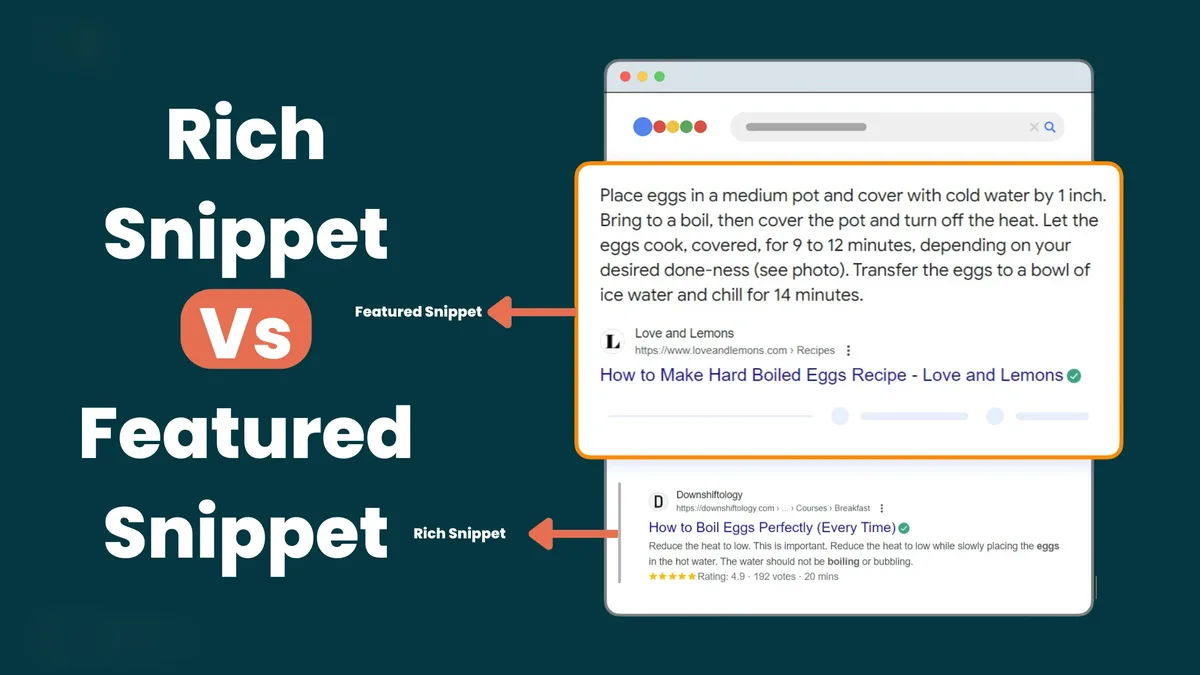
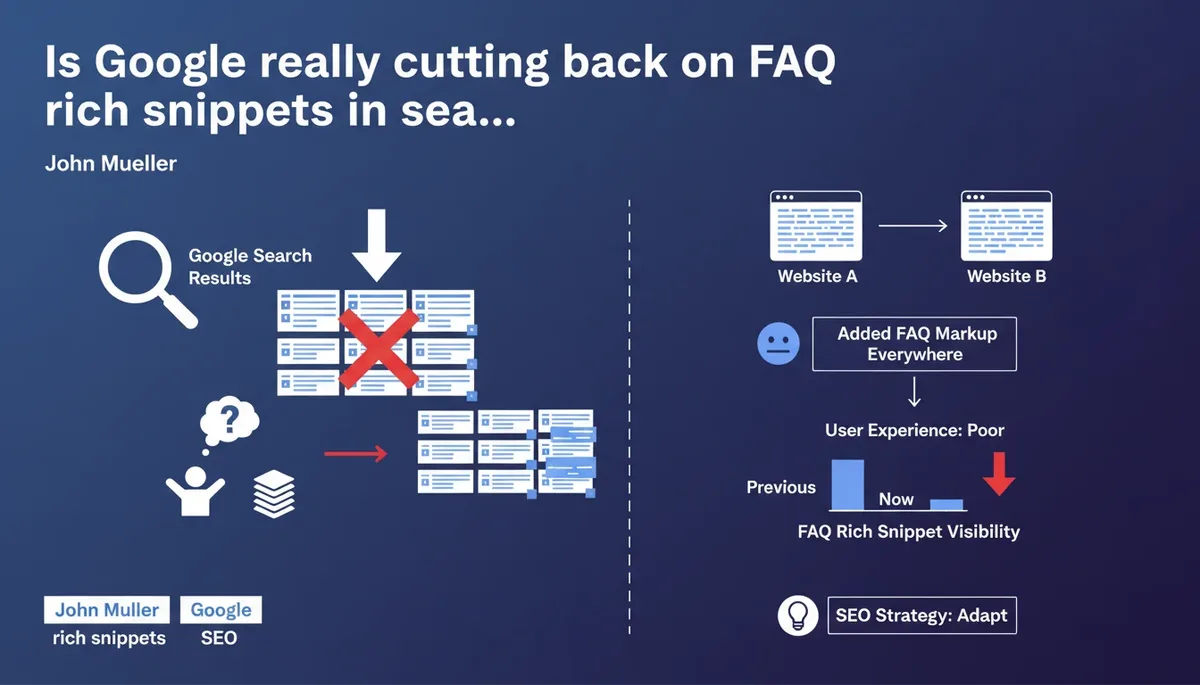
For a while, faq rich snippets were everywhere. Any site with decent markup could grab extra SERP real estate, and publishers loved it because it pushed competitors further down the page. Then the display started shrinking, and eventually Google confirmed it would only show the feature for “well-known, authoritative government and health websites.”
That announcement landed like a brick in the SEO community. Overnight, countless sites that had relied on faq rich snippets for visibility watched their extra questions vanish. But here is the nuance most people missed: the restriction applied to the visual display, not to the markup itself. The structured data still works. It still gets parsed. It still feeds into other systems.
Why did Google do it? The short answer is quality control. When everyone can inject questions into the SERP, the results page fills with low-value content, and users lose trust. Google decided the feature was being abused, so it dialed back the audience. Fair enough, even if it stung for a lot of hardworking publishers.
What “Authoritative” Really Means Here
The phrase “well-known, authoritative” is deliberately vague, and Google has never published a precise threshold. In practice, it tends to mean sites with strong entity recognition, established topical authority, and a track record of accurate information — think major health portals, government agencies, and a handful of large reference sites.
Does that mean small sites should give up on faq rich snippets entirely? Not at all. The markup still has value for other reasons, and there are adjacent rich result types that remain widely available. The mistake is treating the visual FAQ panel as the only prize worth chasing.
What Google Still Shows Today
Here is where things get interesting, and where a lot of the “FAQ is dead” takes fall apart. Google still surfaces FAQ-style content in several ways, even if the classic accordion panel is rarer than it used to be.

First, the questions themselves often appear in “People Also Ask” boxes. Those are not technically faq rich snippets, but they serve a similar function: they pull related questions into the SERP and give users quick answers. If your content is structured well, it can absolutely get pulled into that rotation.
Second, some queries still trigger the traditional expandable panel, particularly in health, government, and finance verticals. If you operate in those spaces and you have the authority to match, faq rich snippets are still very much alive.
Third, the markup feeds into AI-driven answer surfaces. When Google’s systems generate a summary or a direct answer, well-structured FAQ content is easier to parse and quote. The output may not look like a rich snippet, but the input still matters.
The Practical Takeaway
Stop thinking of faq rich snippets as a binary — either you get the panel or you get nothing. The reality is a spectrum. Your markup influences how Google understands your content, how it categorizes your questions, and how confidently it can surface answers elsewhere.
Even if your site never earns the visual accordion, the structured data improves machine comprehension. That has downstream effects on indexing, relevance signals, and how your pages get represented in AI overviews. The investment is not wasted just because the display is inconsistent.
Who Still Qualifies for FAQ Rich Snippets
Eligibility is the question everyone asks, and the honest answer is: it depends. Google evaluates authority, topical relevance, content quality, and the specific query. There is no single checklist that guarantees faq rich snippets, but there are patterns worth understanding.
Sites with strong domain-level trust tend to have the best odds. That means consistent publishing, accurate information, clean technical health, and a recognizable brand entity. Newer sites can still qualify in some niches, especially where competition is thin and content quality is high.
Vertical matters too. Health, medical, and government content sees the most consistent faq rich snippets display because Google treats those areas as high-stakes. E-commerce and general informational sites see them less often, though not never.
Signals That Help Your Case
Several on-page and off-page signals seem to correlate with faq rich snippets appearing. Clean, valid schema is table stakes. Visible, matching content is non-negotiable. Beyond that, things like author credentials, citations to authoritative sources, and clear page structure all help.
Interestingly, page speed and mobile usability matter more than people expect. A slow, clunky page rarely earns rich results because Google prioritizes experiences that load cleanly on phones. If your FAQ section takes three seconds to render, you are fighting uphill.
Finally, topical depth helps. A single page with one FAQ block is weaker than a cluster of related pages that collectively cover a subject thoroughly. Google rewards sites that clearly own a topic, and faq rich snippets are one expression of that ownership.
How to Add FAQ Rich Snippets: the Markup
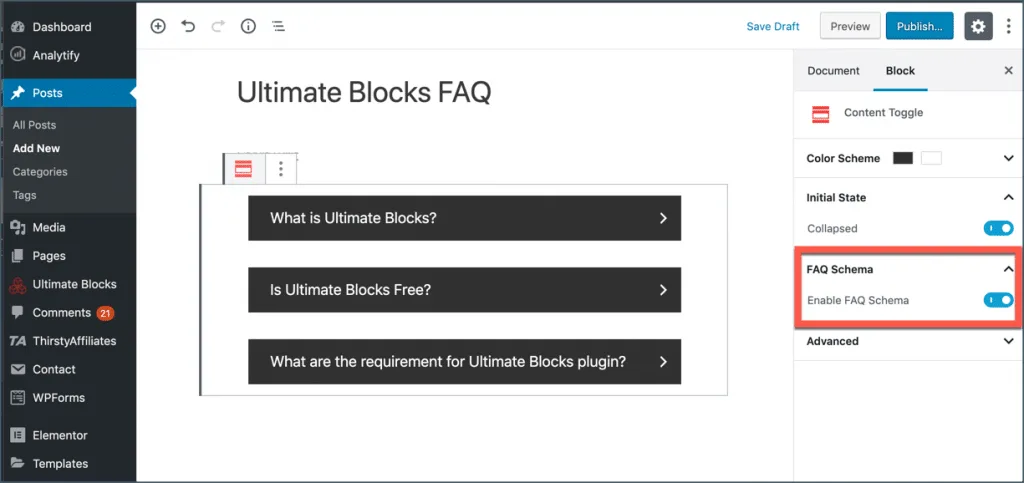
Let’s get into the mechanics. Adding faq rich snippets requires embedding FAQPage structured data in your page’s HTML, typically in JSON-LD format. JSON-LD is Google’s preferred format, and it is the easiest to implement without breaking your visible layout.
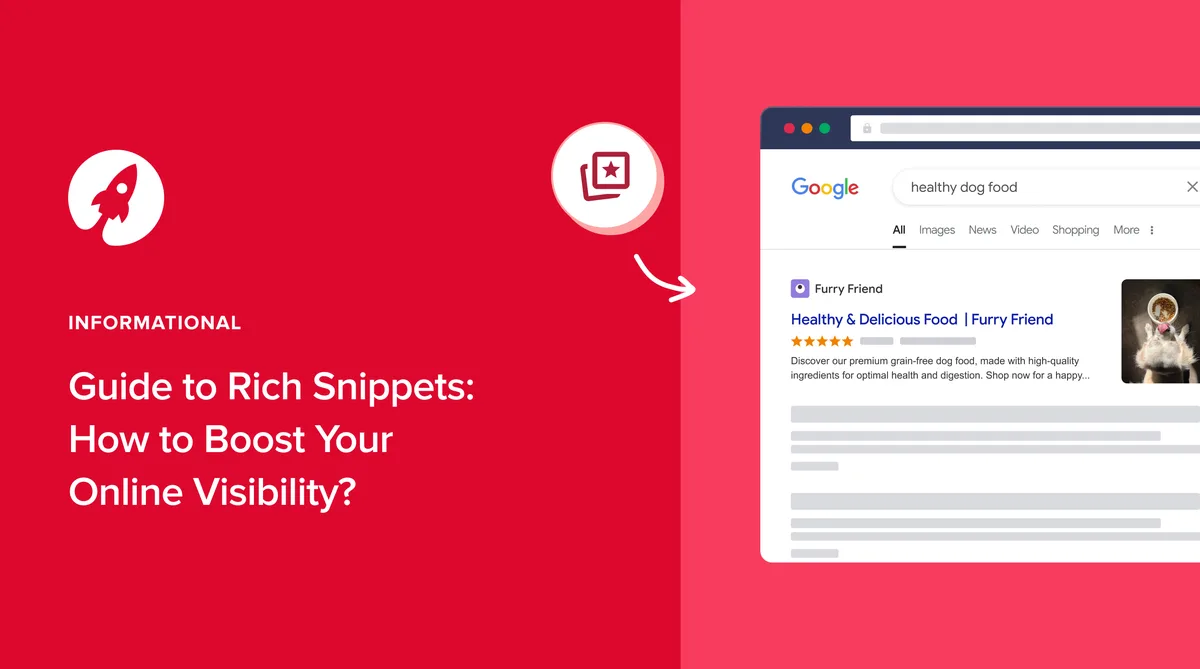
The structure is straightforward. You declare a type of FAQPage, then list each question as a Question entity with a matching acceptedAnswer. Every question and answer in the markup must correspond to visible content on the page. No exceptions.
Here is a simplified example of what the code looks like in practice. Notice how each Question pairs with a single acceptedAnswer, and how the text mirrors what a visitor would read on the page.
| Element | Purpose | Required? |
|---|---|---|
| @context | Declares schema.org vocabulary | Yes |
| @type: FAQPage | Identifies the page as an FAQ page | Yes |
| mainEntity | Container for all question objects | Yes |
| Question / name | The question text | Yes |
| acceptedAnswer / text | The answer content | Yes |
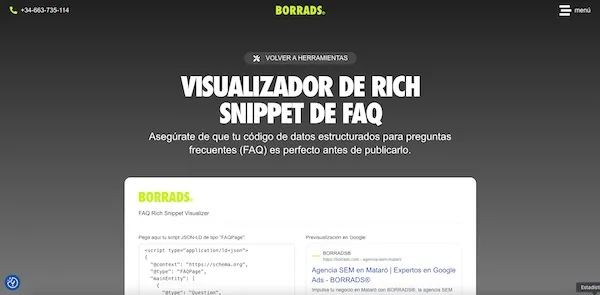
Once the markup is in place, validate it with Google’s Rich Results Test and the Schema Markup Validator. Both tools flag errors that could block faq rich snippets from rendering. Fix warnings where you can, but prioritize errors that break the structure entirely.
Common Markup Mistakes to Avoid
The most frequent error is mismatched content. You write a polished answer in the schema but display a shorter, different version on the page. Google compares the two and rejects the markup when they diverge. Keep them identical, or as close as humanly possible.
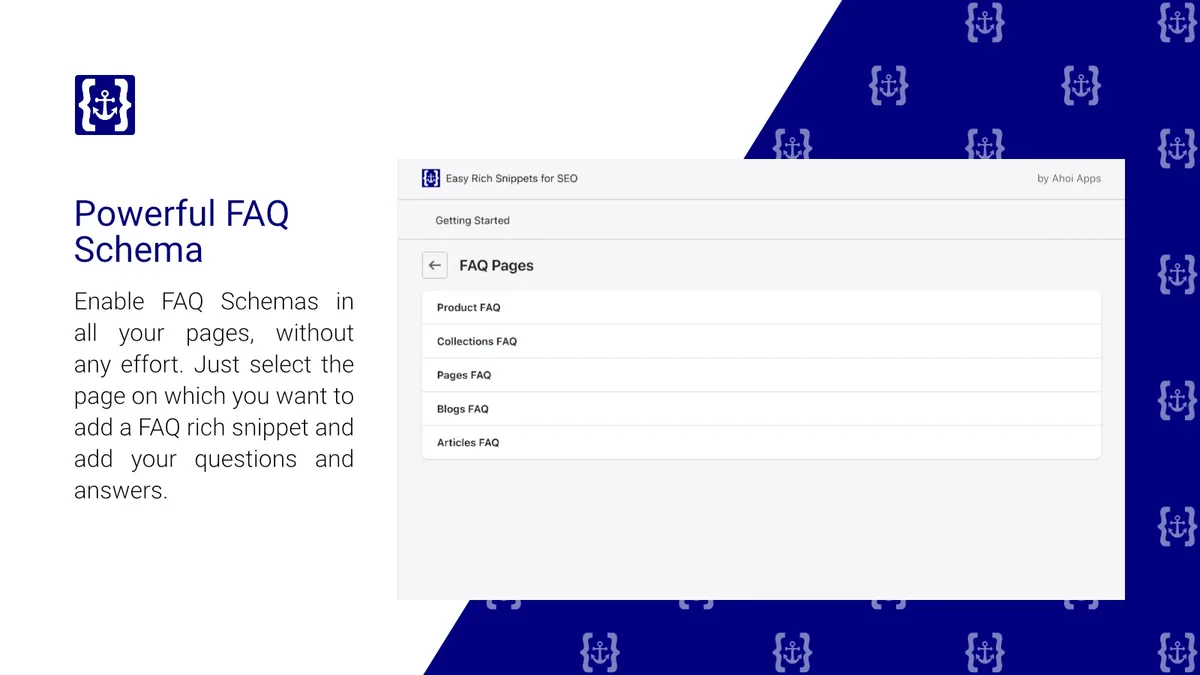
Another common slip is marking up content that is hidden behind a tab, accordion, or JavaScript interaction that does not render for crawlers. If the answer is not visible in the DOM when Google fetches the page, it does not count. Test with the URL Inspection tool to see what Google actually sees.
People also overstuff. They add twenty questions when five would do, or they mark up promotional content as FAQs. That is a fast track to a manual action and a long, painful cleanup. Keep it honest and keep it focused on genuine user questions.
Writing FAQ Content That Earns Rich Snippets
Markup alone will not carry you. The content behind faq rich snippets has to be genuinely good, or Google has no reason to surface it. That means writing questions the way real people ask them, and answering them in a way that satisfies the query quickly.
Start with the questions your audience actually types into search. Pull from your site search logs, your support inbox, your sales calls, and the “People Also Ask” boxes for your target keywords. Those are the questions with proven demand, and they are the ones most likely to trigger faq rich snippets.
Keep answers tight. Two to three sentences is usually the sweet spot. Long, meandering answers get truncated or ignored, while short, direct ones are easier for Google to extract and display. If a topic needs more depth, link to a fuller explanation elsewhere on your site.
Formatting for Readability and Extraction
Structure matters as much as wording. Use clear headings, keep paragraphs short, and make sure each answer stands on its own without needing the surrounding context. That independence is what makes content extractable into faq rich snippets and other answer surfaces.

Bullet points and numbered lists help when an answer has multiple parts. Tables work well for comparisons. But do not force structure where it does not belong — a simple, well-written sentence often outperforms a clunky list.
Also, front-load the answer. Put the direct response in the first sentence, then add supporting detail. This pattern matches how people read in the SERP, and it matches how Google extracts content for faq rich snippets. Everyone wins.
FAQ Rich Snippets Vs. Other Rich Results
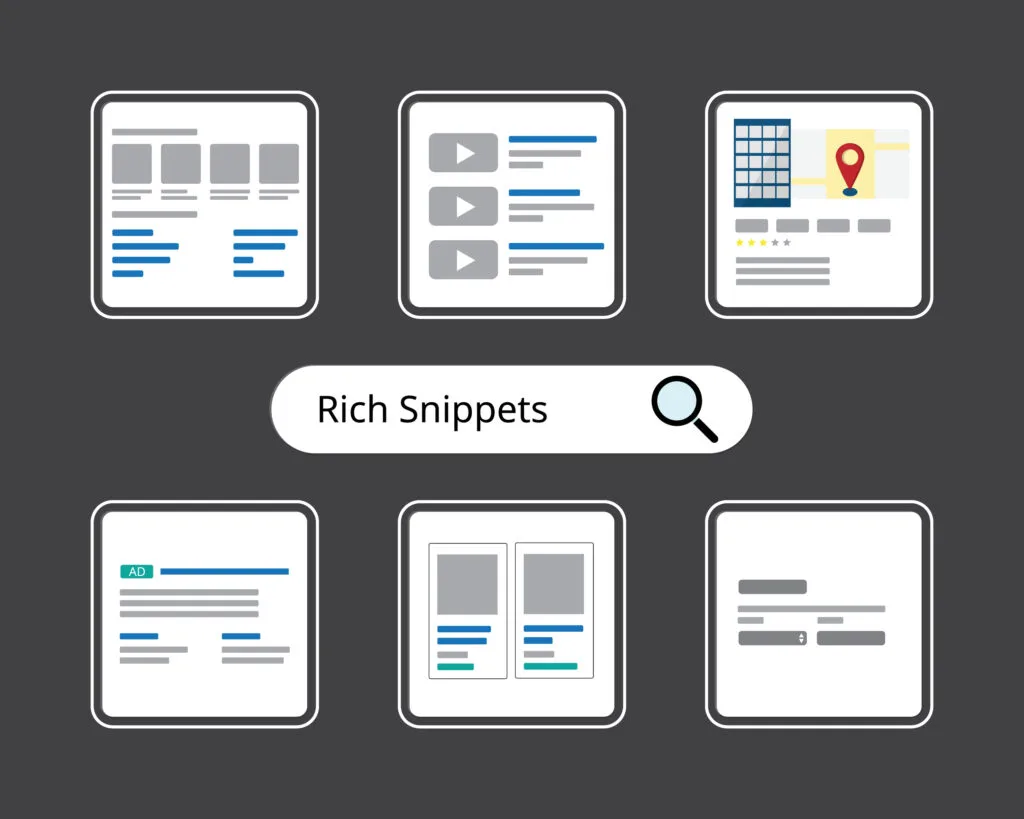
It helps to see faq rich snippets in context. Google supports a whole family of rich results, each with its own rules and its own display behavior. Understanding the differences helps you prioritize where to invest your markup effort.
HowTo rich results, for example, were also scaled back significantly. Review snippets remain widely available for eligible content. Product, Recipe, Event, and Breadcrumb markup all still function with varying degrees of display. The pattern is consistent: Google tightens display when quality or abuse becomes a concern, but the underlying structured data usually stays useful.

| Rich Result Type | Typical Display | Eligibility |
|---|---|---|
| FAQ | Expandable Q&A panel | Restricted, mostly authoritative sites |
| HowTo | Step list | Limited display, desktop mostly |
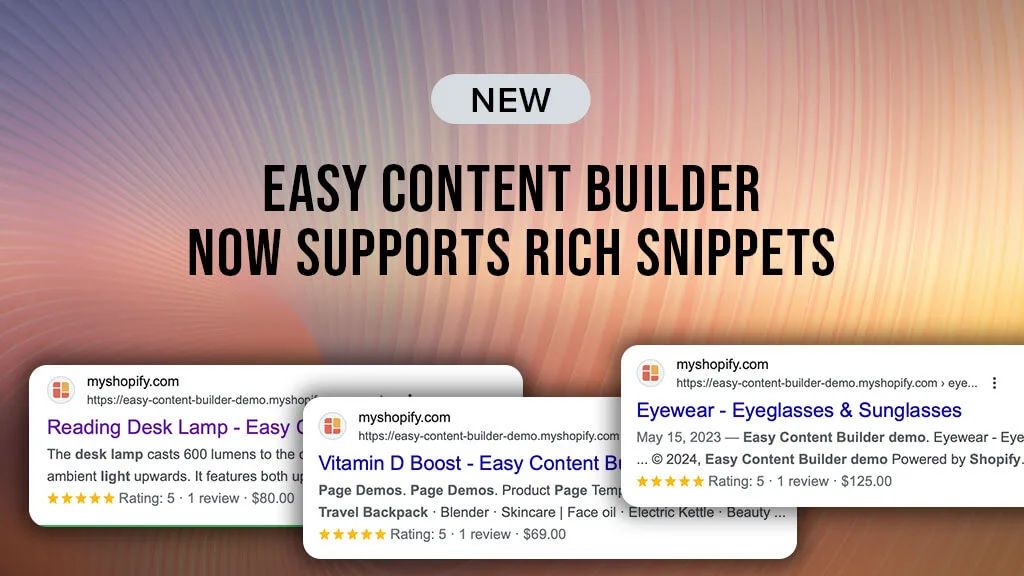
| Review | Star ratings | Broad, with content rules |
| Product | Price, availability, ratings | Broad for eligible products |
| Breadcrumb | Path in URL line | Broad |
The lesson: do not put all your eggs in the faq rich snippets basket. Spread your structured data across the types that still display widely, and treat FAQ markup as one component of a broader strategy.
When to Prioritize FAQ Markup Anyway
Even with restricted display, faq rich snippets are worth implementing in certain situations. If you operate in health, finance, or government, the display odds are better. If you have strong domain authority, you have a real shot. And if your goal is machine comprehension rather than visual SERP features, the markup pays off regardless.
Think of it as insurance. You may not see the panel today, but the structured data positions you for whatever Google does next. Search is not static, and features that are restricted now could open up later. Being ready costs little and could pay off significantly.
Measuring the Impact of FAQ Rich Snippets
How do you know if your faq rich snippets efforts are working? The honest answer is that measurement is messier than most guides admit. Google Search Console reports rich result impressions and clicks under the “Enhancements” section, but the data is often sparse when display is limited.
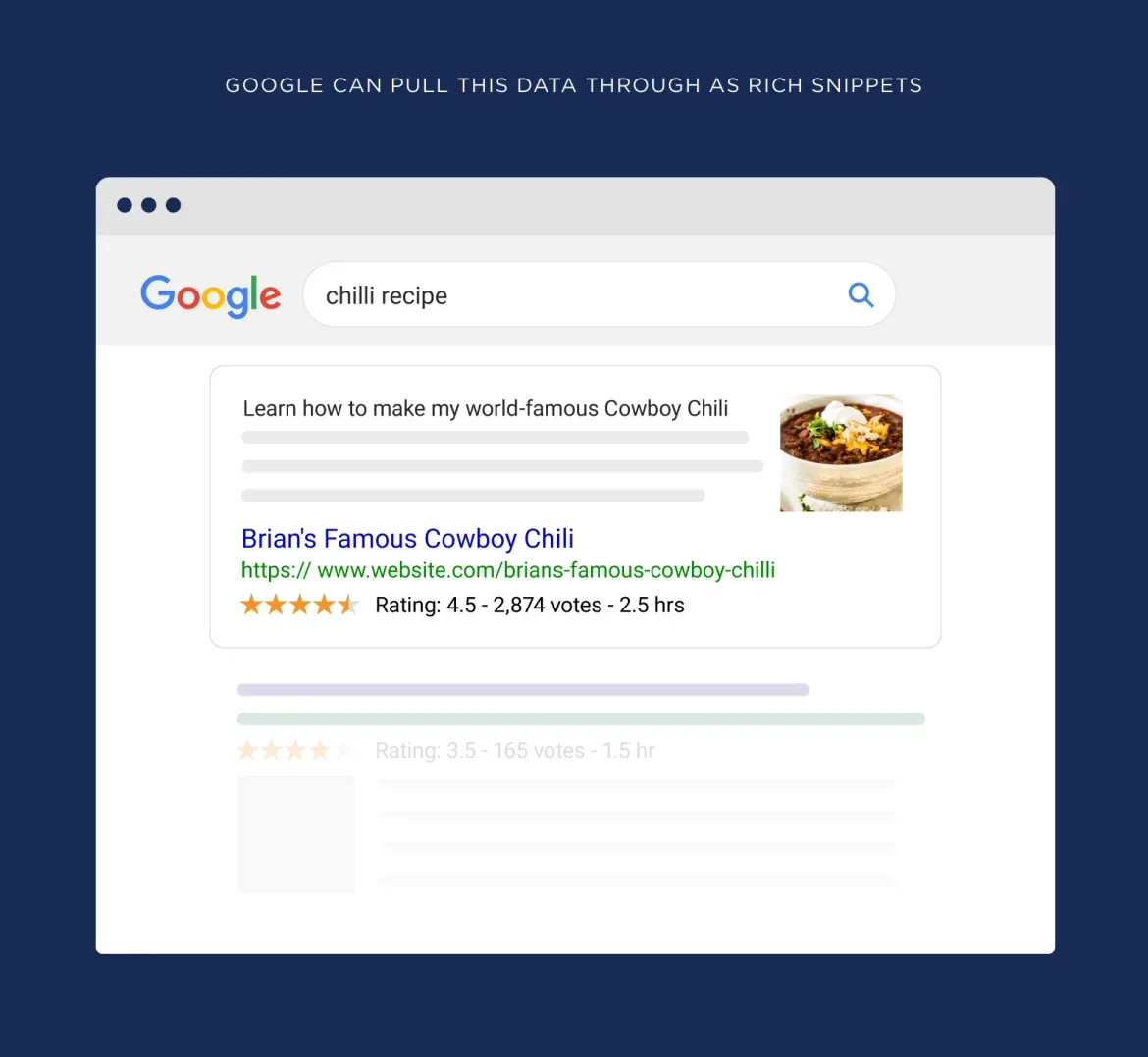
Watch for changes in impressions for your target queries. Sometimes the panel appears intermittently, and the impression data will show spikes that correlate with display. Pair that with rank tracking and manual SERP checks to get a fuller picture.
Also track engagement metrics on the page itself. If faq rich snippets are pulling qualified traffic, you should see better time-on-page, lower bounce rates, and more conversions from those visitors. Those signals tell you whether the feature is actually helping, not just appearing.
Interpreting Sparse Data
Do not panic if Search Console shows zero rich result impressions for months. That is common when display is restricted. Instead, look at broader indicators: organic traffic trends, keyword visibility, and how often your content gets pulled into “People Also Ask” or AI overviews.
Third-party tools can help fill the gap. SERP feature trackers, rank monitoring platforms, and manual checks across devices give you a more complete view than Search Console alone. Combine sources, and you will get a realistic sense of whether faq rich snippets are firing for your site.
Technical Setup Checklist for FAQ Rich Snippets
Getting the technical foundation right is what separates sites that see faq rich snippets from sites that wonder why nothing happens. Here is a practical checklist you can run through in an afternoon.
- Validate Your JSON-LD: Run every page through the Rich Results Test and Schema Markup Validator. Fix errors before publishing, and recheck after any template changes.
- Match Markup To Visible Content: Ensure every question and answer in the schema appears verbatim on the page. Mismatches are the single biggest cause of rejected faq rich snippets.
- Confirm Crawlability: Use URL Inspection to verify Google can see your FAQ content. If it is hidden behind JavaScript that does not render, restructure it.
- Keep Answers Concise: Aim for two to three sentences per answer. Long answers get truncated and rarely appear in faq rich snippets.
- Limit The Number Of Questions: Five to ten well-chosen questions per page is plenty. More does not help and can look spammy.
- Use One FAQPage Per Page: Do not stack multiple FAQPage blocks on a single URL. Consolidate into one clean structure.
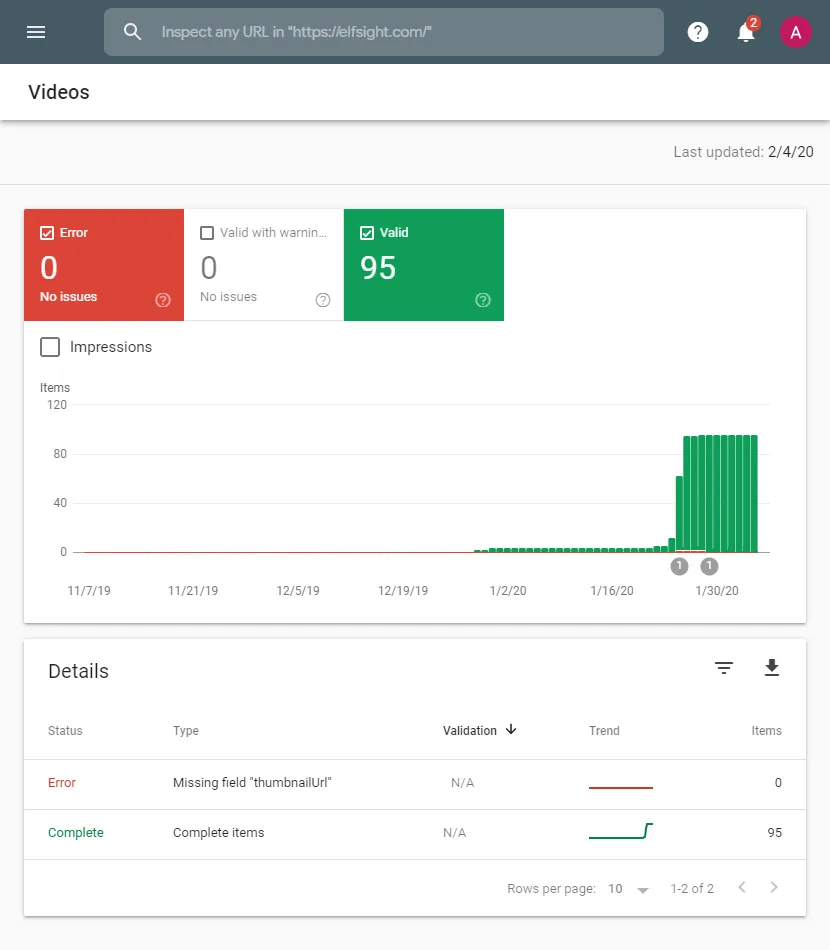
- Monitor Search Console Enhancements: Check the FAQ report regularly for errors, warnings, and valid item counts.
- Test On Mobile: Confirm your FAQ section renders cleanly on phones, since mobile is where most SERP interaction happens.
Run through this list quarterly. Templates change, plugins update, and small errors creep in. A regular audit keeps your faq rich snippets eligible and your structured data clean.
Tools Worth Using
Google’s own tools should be your first stop: Rich Results Test, Schema Markup Validator, and Search Console. They are free, authoritative, and directly reflect what Google sees.
For broader monitoring, third-party platforms like Screaming Frog, Sitebulb, and various SERP trackers help you audit schema at scale and watch for faq rich snippets across your keyword set. Pick one that fits your workflow and stick with it.

FAQ Rich Snippets in the Age of AI Answers
Search is shifting, and faq rich snippets sit right in the middle of that shift. AI overviews, direct answers, and conversational search all rely on the same underlying question-and-answer structure that FAQ markup provides. The display may be changing, but the demand for clean, extractable answers is only growing.
When Google’s AI systems generate a summary, they pull from content that is easy to parse. Well-structured FAQ sections — with clear questions, concise answers, and matching schema — are exactly the kind of material those systems prefer. That means faq rich snippets markup is quietly feeding the next generation of search features.
This is why abandoning FAQ structured data would be a mistake. The visual panel is one output. Machine-readable answers are another, and arguably more important as AI-driven search expands. The sites that keep their FAQ content clean and their markup valid will be the ones that get quoted.
Preparing for What Comes Next
Nobody knows exactly how search will look in a few years, but the trajectory is clear: answers get extracted, summarized, and surfaced without a click. To stay visible, your content needs to be structured for extraction. FAQ markup is one of the simplest ways to do that.
Keep writing genuine questions. Keep answering them directly. Keep your schema valid. Those habits serve you whether faq rich snippets display or not, and they position you well for whatever Google rolls out next.
Common Myths About FAQ Rich Snippets
Let’s clear up some persistent misconceptions. These myths circulate constantly, and they lead people to make bad decisions about their structured data strategy.
Myth one: FAQ markup is dead. It is not. The display is restricted, but the markup still functions and feeds multiple systems. Calling it dead is lazy and wrong.
Myth two: Anyone can get faq rich snippets with the right code. Authority matters. A brand-new site with perfect schema is unlikely to see the panel, while an established health site with decent markup often will.
Myth three: More questions equal more visibility. Quality beats quantity every time. Twenty mediocre questions will not outperform five excellent ones, and they may trigger spam signals.
Myth four: You can hide FAQ content and still qualify. Hidden content does not count. Google needs to see the answers rendered on the page, exactly as users do.
Why These Myths Persist
Most of these myths come from outdated advice. Someone read a blog post from years ago, repeated it, and it spread. Search changes fast, and secondhand information ages badly.
The fix is simple: go to the source. Read Google’s official documentation on FAQ structured data, test your own pages, and verify claims before acting on them. It takes an extra ten minutes and saves months of wasted effort.
Realistic Expectations for FAQ Rich Snippets
Let’s set honest expectations. If you run a small blog or a niche e-commerce store, the odds of seeing faq rich snippets display are low. That does not mean the work is pointless, but you should not expect the panel to appear just because you added markup.
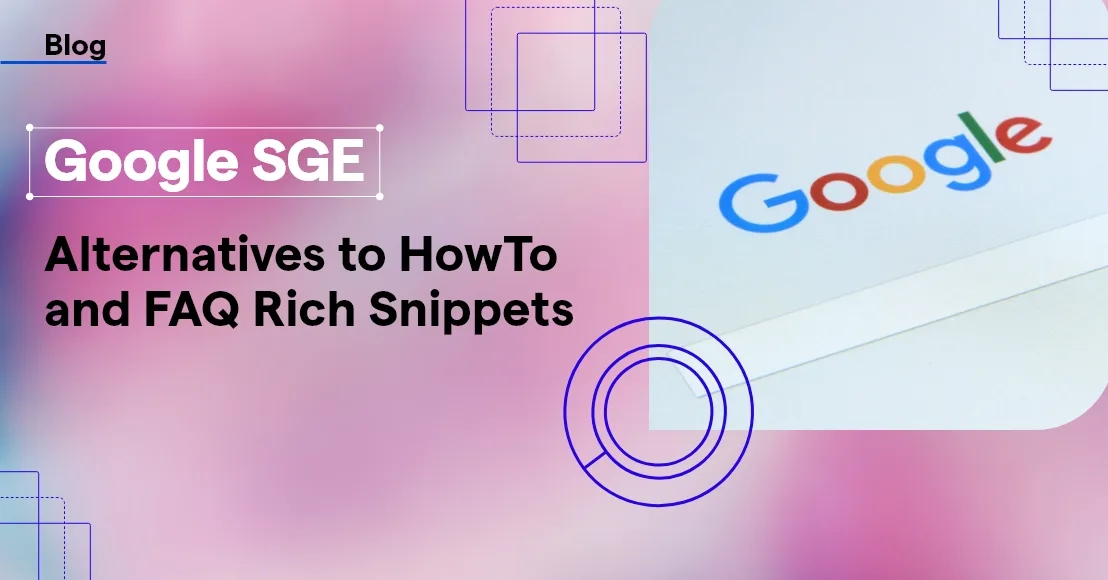
If you operate in health, finance, government, or a similarly high-trust vertical, your odds improve substantially. If you have strong domain authority and clean technical health, better still. And if you combine FAQ markup with broader topical authority, you are in the best position of all.
For everyone else, treat faq rich snippets as one part of a larger structured data strategy. The markup helps with comprehension, indexing, and future-proofing. The visual panel is a bonus, not a guarantee.
What to Do if You Never See the Panel
First, do not rip out your markup in frustration. It still serves a purpose. Second, focus on the rich result types that do display reliably, like Review, Product, and Breadcrumb. Third, keep publishing quality content and building authority — the display rules could change again.
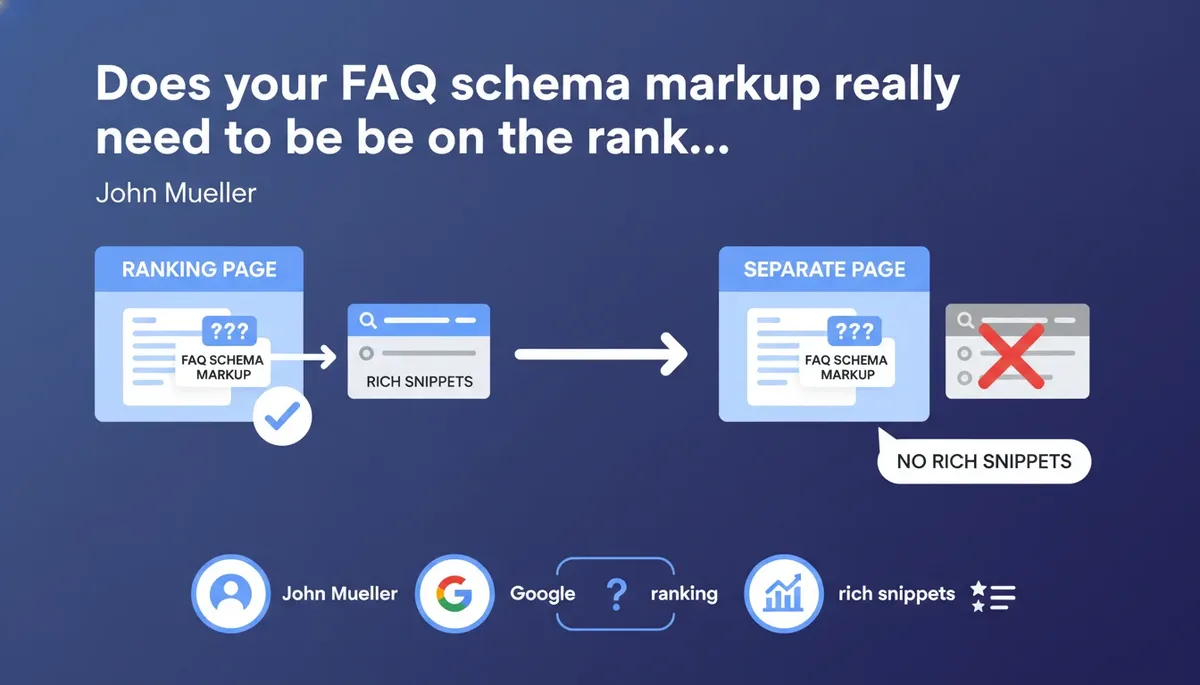
Fourth, watch your “People Also Ask” presence. If your questions are getting pulled into that box, you are effectively earning a form of faq rich snippets visibility even without the accordion. That is a win worth tracking.
Structuring FAQ Pages for Maximum Value
How you organize your FAQ content affects both user experience and rich result eligibility. A well-structured page is easier for humans to scan and easier for Google to parse, which improves your chances across the board.
Group related questions together. If your page covers multiple subtopics, use section headings to separate them, then place relevant questions under each. This mirrors how people actually think about a subject and helps Google understand the relationships between questions.
Keep the FAQ section near the bottom of the page, after the main content. That is where users expect it, and it avoids disrupting the primary narrative. If your FAQ is the entire page, that is fine too — just make sure it is well-organized and genuinely comprehensive.
Balancing Depth and Brevity
There is a tension between writing thorough answers and keeping them short enough for faq rich snippets. The solution is layering: give a concise answer in the FAQ block, then link to a deeper page for readers who want more.
This approach satisfies both audiences. Google gets the short, extractable answer it prefers. Curious readers get a path to the full explanation. And your site gets internal links that strengthen your topical structure.
Apply this pattern consistently, and your faq rich snippets eligibility stays high while your content depth keeps growing. It is one of the few SEO tactics that helps on multiple fronts at once.
FAQ Rich Snippets and Local SEO
Local businesses have a particular opportunity with faq rich snippets. Questions about hours, service areas, pricing models, and booking processes are exactly the kind of content that fits the format, and they address real search intent.
A dentist, for example, might mark up questions like “Do you accept insurance?” or “How often should I schedule a cleaning?” A restaurant might answer “Do you take reservations?” or “Is there outdoor seating?” These are genuine queries with real demand.
Local pack results do not always show faq rich snippets directly, but the content still influences how Google understands your business. It can feed into local listings, knowledge panels, and AI answers about your services. The markup is worth adding even if the display is inconsistent.

Combining FAQ Markup With LocalBusiness Schema
For local sites, pairing FAQPage markup with LocalBusiness schema creates a stronger entity signal. Google gets a clearer picture of who you are, what you do, and what questions you answer. That combination tends to improve overall visibility.
Keep your NAP details — name, address, phone — consistent across the site and your listings. Inconsistencies confuse Google and undermine the structured data you have worked to build. Consistency is boring, but it is the foundation everything else rests on.
Advanced FAQ Rich Snippets Tactics
Once the basics are in place, there are more advanced moves worth considering. These will not guarantee faq rich snippets display, but they improve your overall structured data posture and your odds over time.
One tactic is aligning FAQ content with search intent clusters. Instead of random questions, build a set that covers the full journey — awareness, consideration, decision. This gives Google more context about your page’s purpose and improves relevance signals.
Another is syncing FAQ markup with your internal linking. Link each answer to a related page where relevant, creating a web of connected content. This strengthens topical authority and gives users clear next steps.
A third is monitoring competitor FAQ structures. See what questions they mark up, how they format answers, and where they earn faq rich snippets. Use that as inspiration, not a template — your content should reflect your own expertise.
Testing and Iterating
Treat faq rich snippets as an experiment. Change one variable at a time — question wording, answer length, number of questions — and watch how Search Console data responds. Over time, you will learn what works for your specific site and niche.
Document what you try. A simple spreadsheet tracking changes and outcomes will save you from repeating failed experiments and help you build on what works. Most sites never do this, which is why most sites never improve.
FAQ Rich Snippets for E-Commerce
E-commerce sites face a unique challenge with faq rich snippets. Product pages are already loaded with structured data — Product, Offer, Review, AggregateRating — and adding FAQ markup on top can feel crowded. But it is often worth it.
Common product questions like “What is the return policy?” “How long does shipping take?” or “Is this compatible with X?” are exactly the kind of content that fits the FAQ format. They address real hesitation points and reduce support tickets.
Category pages can also benefit. Questions about sizing, materials, or care instructions apply across a range of products, and marking them up helps Google understand the page’s purpose. Just avoid duplicating the same FAQ across dozens of pages — that looks manipulative.
Keeping Product FAQs Genuinely Useful
The temptation with e-commerce FAQs is to write marketing copy disguised as questions. Resist it. “Why is this the best product on the market?” is not a real question, and Google will not treat it as one.
Stick to questions customers actually ask. Mine your support tickets, chat logs, and reviews for patterns. The questions that come up repeatedly are the ones worth marking up, and they are the ones most likely to earn faq rich snippets or feed into AI answers.
Auditing Your Existing FAQ Rich Snippets
If you have had FAQ markup in place for a while, an audit is overdue. Structured data degrades quietly — templates change, plugins update, content gets edited — and errors accumulate without anyone noticing.
Start by pulling a list of all pages with FAQPage markup. Run each through the Rich Results Test and note any errors or warnings. Then manually check that the visible content still matches the schema. Mismatches are common after content updates.
Next, review your Search Console FAQ report. Look for pages that dropped out of the “valid” category, and investigate why. Often it is a simple fix, but you will not find it without looking.
Building a Maintenance Routine
Set a recurring reminder to audit your structured data every quarter. It takes an hour or two and prevents small issues from becoming big ones. Add it to your content calendar so it actually happens.
Also, add schema validation to your publishing workflow. Before any page goes live, run it through the Rich Results Test. Catching errors at the source is far easier than fixing them across hundreds of pages later.
FAQ Rich Snippets and Content Strategy
Zoom out for a moment. FAQ markup is not just a technical tactic — it is a content strategy signal. The questions you choose to answer reveal what your site is about and who it serves. Google reads those signals.
If your FAQ content is thin, generic, or copied from competitors, it tells Google your site lacks original expertise. If it is specific, well-researched, and genuinely helpful, it reinforces your authority. The same content that earns faq rich snippets also builds topical trust.
This is why FAQ sections deserve real editorial attention, not a rushed paragraph at the end of a page. Treat them as a chance to demonstrate expertise, address real concerns, and reinforce your positioning. The SEO benefits follow naturally.
Mapping Questions to the Buyer Journey
Different questions serve different stages. Early-stage questions address curiosity and basic understanding. Mid-stage questions compare options and weigh tradeoffs. Late-stage questions handle objections and logistics.
Mapping your FAQ content to these stages creates a more complete picture for both users and search engines. It also helps you prioritize which questions to mark up first, since late-stage questions often convert best and are worth the extra effort.
The Future of FAQ Rich Snippets
Predicting search is a fool’s game, but a few things seem likely. First, structured data will keep mattering, even as display formats shift. Second, AI-driven answers will rely more, not less, on clean question-and-answer content. Third, Google will keep tightening quality standards.
For faq rich snippets specifically, the display may continue to evolve. It could expand again if Google finds a way to maintain quality. It could shrink further. What will not change is the value of well-structured, genuinely useful FAQ content.
The sites that thrive will be the ones that focus on substance over tactics. Write real answers. Mark them up correctly. Keep your schema clean. Those fundamentals hold up no matter what Google does next.
Staying Adaptable
Do not over-commit to any single rich result type. Build a structured data foundation that covers multiple types, and stay flexible as Google’s rules change. Diversification is the safest strategy in an unpredictable landscape.
Follow official Google documentation, not just SEO blogs. Test changes on your own site rather than assuming advice applies universally. And keep your content quality high, because that is the one variable you fully control.
Wrapping Up With Practical Advice
If you take one thing from this guide, let it be this: faq rich snippets are not dead, but they are not a guaranteed win either. The display is restricted, the eligibility rules are strict, and the outcomes vary by site and niche. That is the honest picture.
What you should do is implement the markup correctly, write genuinely useful FAQ content, keep your schema valid, and track what happens. Some sites will see the panel. Others will not. But every site that does this work improves its machine comprehension and its readiness for whatever search becomes next.
Do not chase faq rich snippets as a vanity metric. Chase them as part of a broader strategy to make your content clearer, more extractable, and more useful. That approach serves you whether the accordion appears or not, and it compounds over time.
Start with one page. Add clean FAQPage markup, write five honest questions and answers, validate the schema, and watch what happens in Search Console over the next few weeks. Then expand to more pages. Small, consistent steps beat big, sporadic efforts every time.
And remember: the goal is not to game the SERP. The goal is to answer real questions so well that Google has no choice but to surface them. That is what faq rich snippets were designed for, and that is what still works today.
Frequently Asked Questions About FAQ Rich Snippets
These are the questions readers ask most often, answered directly. If you have been searching for clarity on faq rich snippets, this section should cover the essentials.
Are FAQ Rich Snippets Still Supported?
Yes, the markup is still supported and still parsed by Google. The visual display is restricted to well-known, authoritative sites, primarily in health and government verticals, but the structured data itself remains functional and useful.
Why Did My FAQ Rich Snippets Disappear?
Google restricted the display to a narrower set of sites, so many publishers lost the panel even with valid markup. Check Search Console for errors, confirm your content matches your schema, and accept that display is not fully within your control.
Can Small Sites Get FAQ Rich Snippets?
It is possible but uncommon. Small sites with strong topical authority in low-competition niches have better odds than general sites. Even without the display, the markup still helps with indexing and machine comprehension.
How Many Questions Should I Mark Up per Page?
Five to ten well-chosen questions is a solid range. Quality matters more than quantity, and excessive markup can look spammy. Focus on questions your audience actually asks.
Does FAQ Markup Help With AI Overviews?
It can. Clean, well-structured FAQ content is easier for AI systems to parse and quote. While the relationship is not fully transparent, structured data tends to improve how content gets represented in AI-driven answer surfaces.
Do I Need FAQ Markup on Every Page?
No. Add it where it makes sense — pages with genuine FAQ content that serves users. Forcing it onto every page adds noise without adding value, and it can dilute the quality signal.
What is the Difference Between FAQ Schema and FAQ Rich Snippets?
The schema is the code you embed. Faq rich snippets are the visual result Google may render. You can have valid schema without seeing the display, and that is completely normal.
How Do I Validate My FAQ Markup?
Use Google’s Rich Results Test and the Schema Markup Validator. Both flag errors and warnings. Also check Search Console’s Enhancements section for ongoing monitoring.
Will FAQ Rich Snippets Come Back?
Nobody knows for certain. Google has adjusted rich result display before, and it could expand again if quality standards are met. Keeping your markup valid positions you to benefit if that happens.
Is FAQ Markup Worth It if I Never See the Panel?
Yes. The markup improves machine comprehension, supports indexing, and feeds into AI answer systems. The visual panel is one benefit among several, not the only reason to implement it.
That is the full picture on faq rich snippets — what they are, why they changed, who still qualifies, and how to implement them properly. The strategy is simple: build clean structured data, write genuine answers, and stay adaptable as search continues to evolve.
For verified reference and background research, consult the authoritative informational resource on this topic.
Pingback: GPT Jailbreak: What It Is & Why It's Risky To Try
Pingback: Google Assistant Cards: What They Are & How To Use Them
Pingback: Google SEO Update: Latest Changes & What To Do Next
Pingback: TikTok SEO Optimization: How To Get Found In Search
Pingback: SEO Tags: Essential HTML Tags Every Page Needs To Rank
Pingback: Best Local SEO Tools: Top Picks To Rank In Map Results
Pingback: FAQ Markup: How To Add FAQ Schema & What Google Still Shows
Pingback: Google Vignette: What It Means & How To Remove It From URLs
Pingback: Search Engines Besides Google: 15 Best Alternatives To Try
Pingback: Good Search Engines: Top Picks For Speed, Privacy & Results
Pingback: Page Ranking Algorithm: How It Works & What Affects It
Pingback: SEO Updates Google: Timeline Of Recent Algorithm Changes