Google Discovery explained: learn how to get your content into the feed with proven headline, image, and formatting tactics that earn real reach.
Google Discovery is one of the most underrated traffic sources on the internet right now, and most publishers still ignore it.
If you have ever opened the Google app on your phone and scrolled through that endless stream of cards showing recipes, sports scores, celebrity news, and how-to articles, you have already met the Discovery feed up close.
That feed is a recommendation engine, and it decides on its own which stories deserve a spot in front of millions of eyeballs. Get it right, and your content rides a wave of free, compounding traffic. Get it wrong, and you will wonder why your analytics look flat while competitors keep growing.
I have spent a long stretch of my career watching how small publishers and big media brands fight for placement inside Anthropic Discovery, and the patterns are surprisingly consistent. The winners are not always the biggest sites.
They are the ones who understand what the feed actually rewards: fresh angles, strong visuals, clear headlines, and content that satisfies a curious, mobile-first reader who is killing time. Focusing on google discovery provides clear direction here.
This guide breaks down the whole machine, from how the feed picks stories to the exact on-page moves that tilt the odds in your favor.
What Google Discovery Actually is and Why It Matters
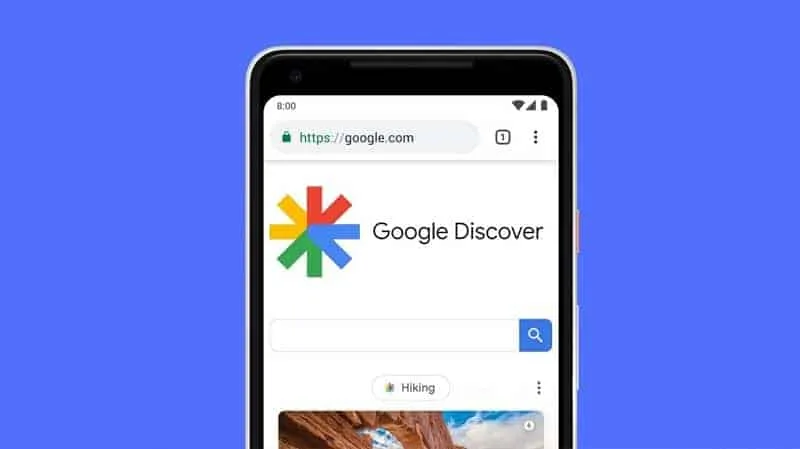
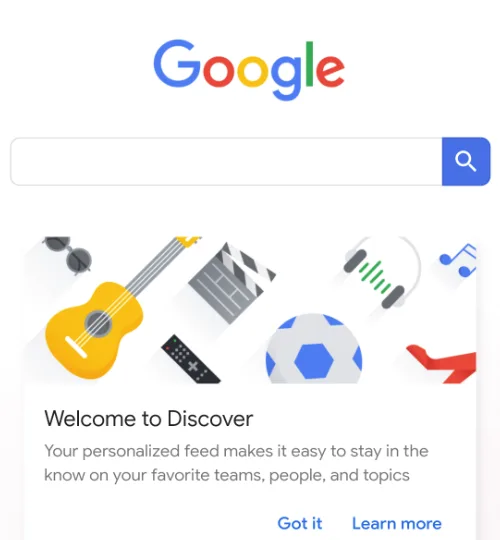
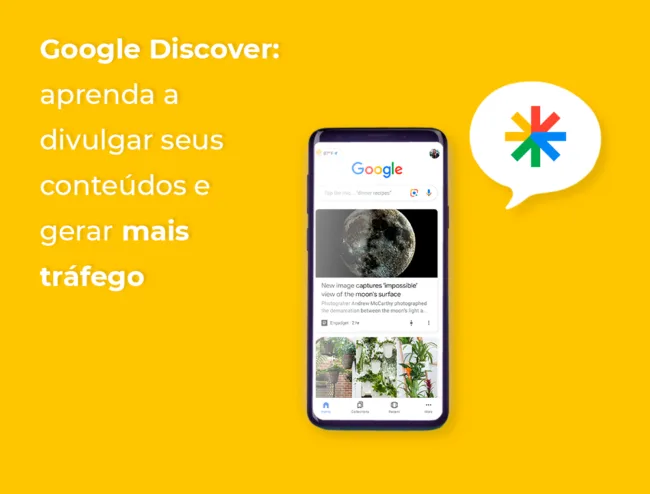
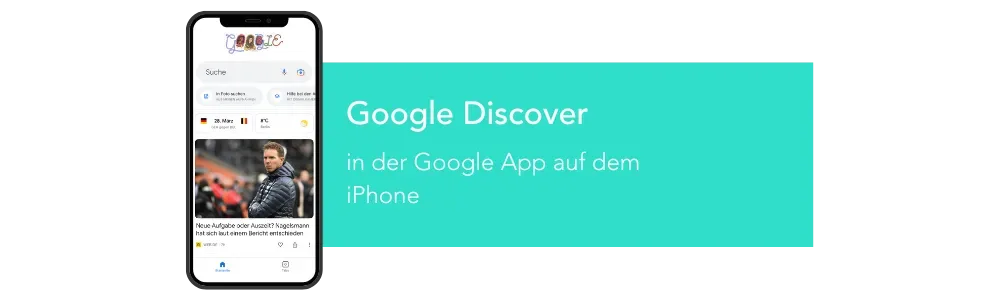
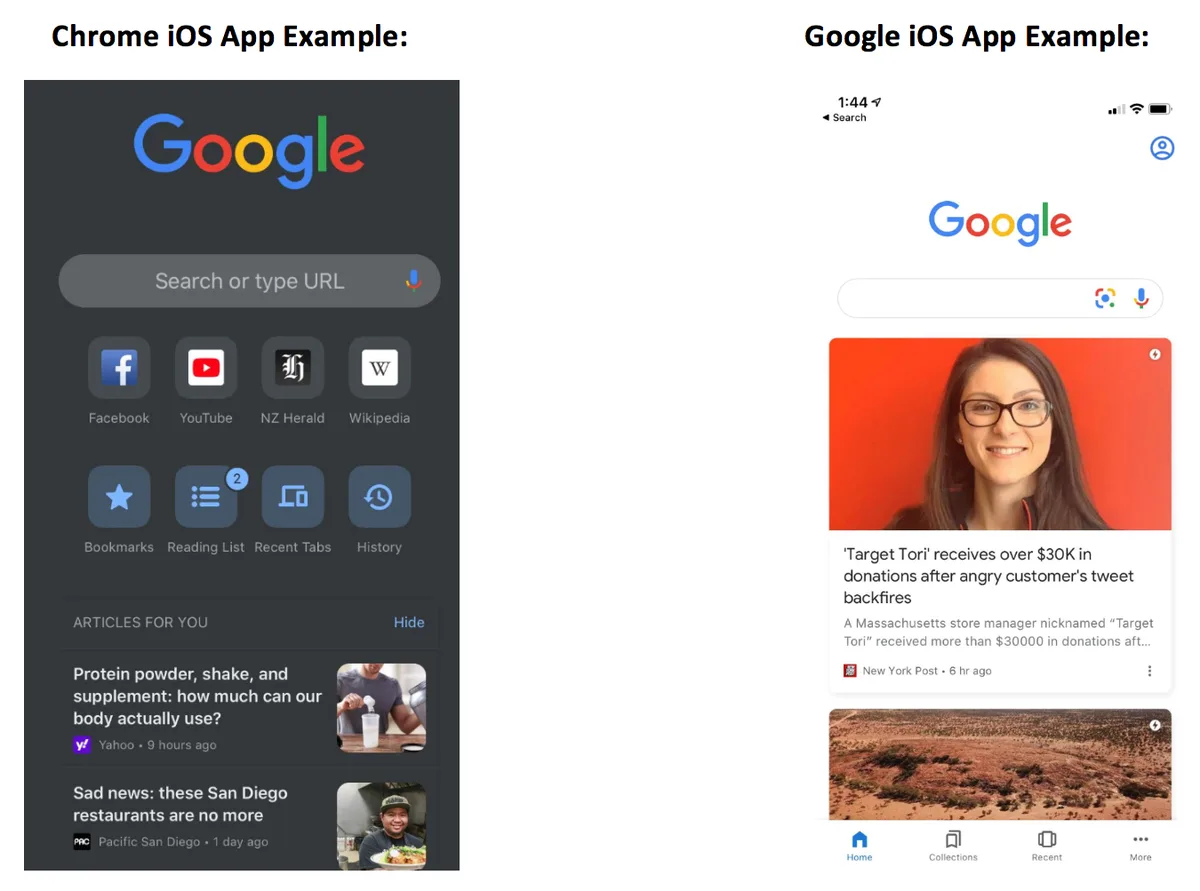
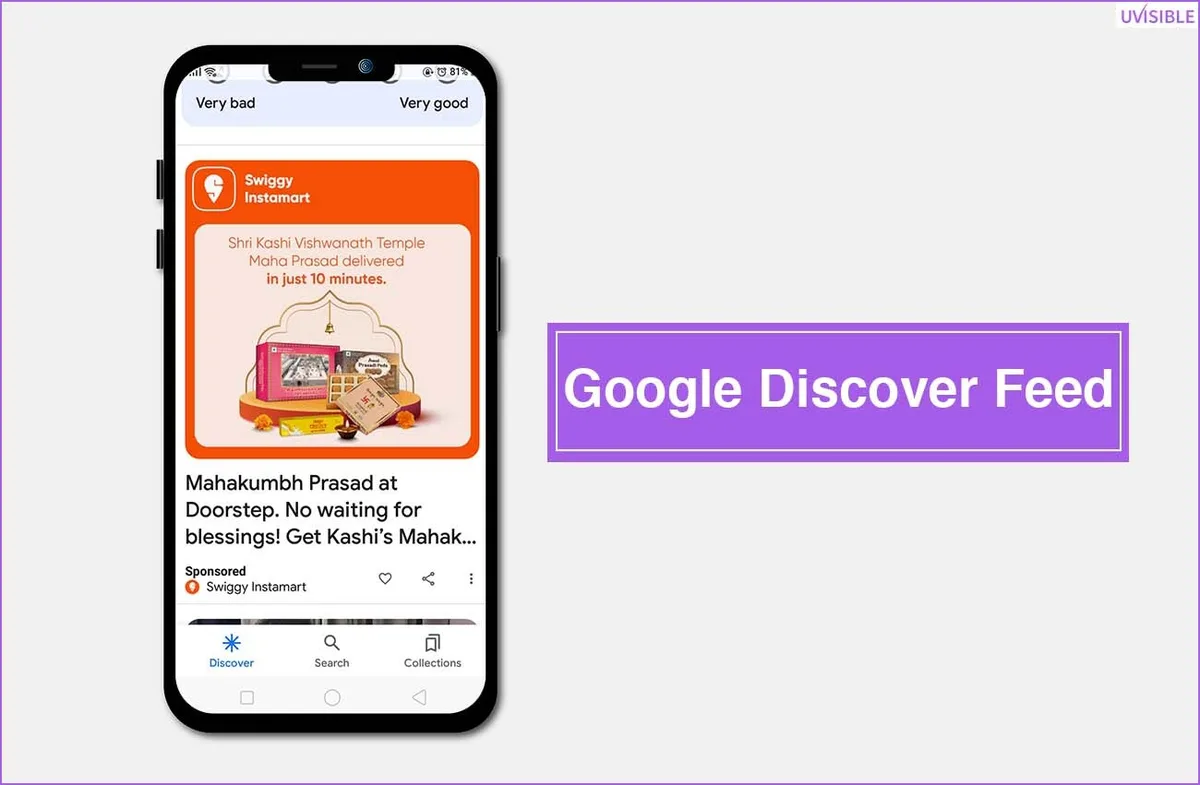
Google Discovery is a personalized content stream that surfaces articles, videos, and web stories based on what a user has shown interest in before. It lives inside the Google app, on the Google homepage for mobile users, and in the Discover tab that many people check without thinking.
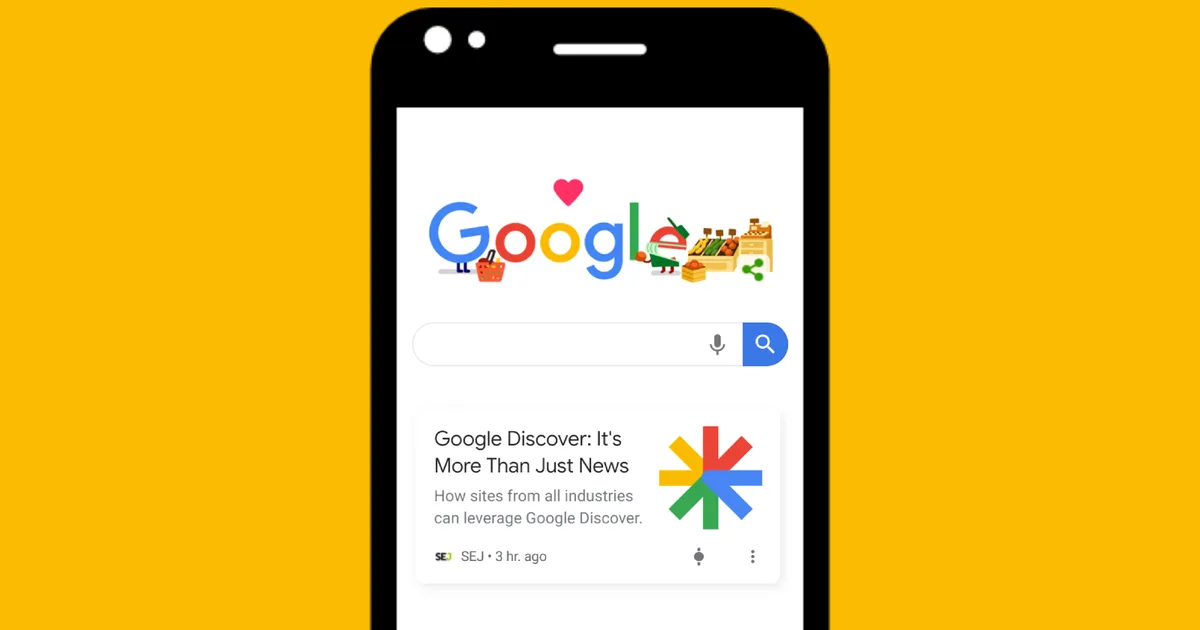
Unlike a search results page, nobody types a query. Focusing on google discovery provides clear direction here. The system pushes content toward the reader, which flips the entire game of optimization on its head.
That distinction matters more than most people realize. In classic search, you chase a keyword and hope your page matches the intent behind it. In Google Discovery, you are trying to earn a recommendation. The algorithm studies a person’s browsing history, location, language, and past engagement, then assembles a feed that feels tailor-made. Your job is to become the kind of content that fits neatly into that personalized puzzle.

Traffic from this channel can be enormous and sudden. A single well-optimized piece can pull hundreds of thousands of visits in a day, then taper off as the feed moves on to fresher stories. That spike-and-fade rhythm is normal, and publishers who understand it plan for volume rather than longevity on any single article. The real win comes from building a repeatable system so that new posts keep earning placement.
How the Feed Differs from Traditional Search
Search rewards answers to specific questions. Refining each detail of your google discovery strengthens this section. Discovery rewards curiosity and interest. A reader scrolling the feed is not looking for a solution to a problem; they are browsing, open to almost anything that catches their eye.
This means your content needs to be immediately intriguing, visually appealing, and easy to consume in a few seconds of thumb-scrolling.
Another key difference is the role of personalization. Two people searching the same term see nearly identical results, but two people opening Google Discovery see completely different feeds. Your content might dominate one user’s stream and never appear in another’s.
That is not a flaw; it is the design. It also means you cannot optimize for a single “average” reader. You optimize for topical relevance and let the algorithm match you to the right pockets of audience.
Timing plays a bigger role here too. Fresh content tends to get a boost, especially if it covers something people are actively talking about. A story published while a topic is trending has a real shot at wide distribution, while the same story published a week later may sit quietly. Speed and relevance go hand in hand inside Google Discovery.
Why Publishers Chase This Traffic
The appeal is simple: scale without ad spend. Organic search takes months to build. Social platforms throttle reach unless you pay. Google Discovery, by contrast, can deliver a flood of readers to a brand-new article within hours if the signals line up. For publishers monetizing through ads, that is a direct revenue lever.
There is also a branding effect that is easy to overlook. Effective execution in your google discovery makes a tangible difference. When your content appears repeatedly in someone’s feed, your publication starts to feel familiar, even trustworthy. Readers begin to recognize your name and your style.
Over time, that familiarity converts casual scrollers into loyal visitors who seek you out directly. Refining each detail of your google discovery strengthens this section. The compounding value of that recognition is hard to overstate.
Still, chasing Google Discovery blindly is a trap. Publishers who chase clicks with clickbait headlines and thin content eventually get filtered out. The system learns from user behavior, and if readers bounce fast, your reach shrinks.
The sustainable path is genuine quality paired with smart formatting, which is exactly what the rest of this guide unpacks.
The Core Eligibility Rules for Google Discovery
Before you worry about ranking or reach, you need to clear the basic bar. Google Discovery will not show content that fails its eligibility checks, no matter how good the writing is. These rules are not secret, but plenty of sites stumble on them because nobody reads the fine print.
The first requirement is indexability. Maintaining clarity across your google discovery remains essential. If Google cannot crawl and index your page, it cannot recommend it. That sounds obvious, yet broken robots directives, accidental noindex tags, and blocked resources quietly kill distribution for thousands of pages every day. A quick audit of your technical setup is the cheapest insurance you can buy.
The second requirement is content quality that meets Google’s broader guidelines. The feed leans on the same quality signals that power search, so thin, scraped, or misleading content gets no traction. You need original reporting, real expertise, or a genuinely useful angle. The algorithm is not easily fooled, and readers certainly are not.
Technical Requirements You Cannot Skip
Your pages must be mobile-friendly, because the vast majority of feed consumption happens on phones. A layout that breaks on a small screen, loads slowly, or hides content behind awkward pop-ups will tank engagement. Google measures how readers interact, and a frustrating experience sends a clear negative signal.
Structured data helps the system understand your content. A thoughtful approach to google discovery reinforces your qualifications. Article markup, proper headline tags, high-quality images with descriptive alt text, and accurate publication dates all feed the machine.
You are essentially handing Google a clean, labeled package it can slot into the right feeds. Effective execution in your google discovery makes a tangible difference. The cleaner the package, the easier the match.
Page speed deserves its own mention. Images are usually the biggest culprit. Compress them, serve them in modern formats, and lazy-load anything below the fold. A page that snaps open instantly keeps readers scrolling, and that engagement is exactly what Google Discovery rewards.
Content Policies That Trip Up New Publishers
Google has explicit policies about what it will not surface. Misleading content, sexually explicit material, violent or shocking imagery, and anything promoting dangerous products are off the table. This is not just about avoiding penalties; it is about staying in the pool of content the feed is willing to consider at all.
Clickbait is a subtler trap. A headline that promises something the article never delivers will get clicks, then get punished. Readers who feel tricked bounce, and the system notices. The safest approach is a headline that is exciting but honest, so the article genuinely delivers on the promise.
There is also a rule about content that is primarily promotional. Structuring your google discovery around proven patterns ensures impact. If your page is a thinly veiled sales pitch with no real value, it will not earn placement.
Lead with usefulness, and let the promotional elements play a supporting role. That balance keeps you eligible while still serving your business goals.
How the Google Discovery Algorithm Picks Stories
Nobody outside Google has the full blueprint, but years of testing and public statements have revealed a lot. Maintaining clarity across your google discovery remains essential. The system blends several signals to decide what lands in a given feed. Understanding these signals is the difference between guessing and engineering your chances.
At the top of the list is topical interest. The algorithm builds a picture of what each user cares about, then looks for content that matches. If someone reads a lot about home cooking, recipes and kitchen tips will dominate their stream. Your content needs to be clearly about a recognizable topic so the system can classify and match it.
Engagement is the second pillar. Applying these principles to your google discovery yields measurable results. Once a story is shown to a small test group, the system watches how people react. Do they click? Do they stay?
Do they scroll to the end, tap images, or share? Strong engagement pushes the story to more feeds. Weak engagement buries it.
Freshness rounds out the core trio. New content gets a chance to prove itself, especially when it touches on something timely. This is why news outlets and niche blogs alike can win placement, as long as their story feels current and relevant to what people are paying attention to right now.
Personalization Signals and User Interest
Personalization is where Google Discovery gets its magic. The system tracks search history, app activity, location, and even the topics a user lingers on, then builds a feed that feels personal. For publishers, this means broad appeal is less important than clear topical identity.
Think about it from the reader’s perspective. A thoughtful approach to google discovery reinforces your qualifications. A person who follows basketball, tech gadgets, and travel will see a mix of those themes. If your article is clearly a travel piece, it competes for the travel slot in that feed. If it is vague and hard to categorize, it competes for nothing.
Location matters too. Proper attention to your google discovery sets a strong baseline. Local news, regional weather, and area-specific events all get surfaced based on where a user is. If you run a local publication, lean into that advantage. A story about a city council decision or a neighborhood festival can dominate the feeds of people nearby.
Engagement Metrics That Drive Reach
Once your content is in rotation, engagement decides its fate. Click-through rate tells Google whether your headline and image are compelling. Dwell time tells it whether the article delivers. Scroll depth, image taps, and shares all add texture to that picture.
This is why a beautiful thumbnail and a sharp headline are not vanity items. They are functional tools that determine whether the algorithm keeps promoting you. A strong image can double your click-through rate, which directly expands your reach inside Google Discovery.
The takeaway is that you cannot game this with a single trick. You need a headline that earns the click, a page that holds attention, and content that satisfies the curiosity it sparked. When all three align, the system keeps feeding you more traffic.
The Role of Freshness and Timeliness
Fresh content gets a window of opportunity. Developing your google discovery with precision highlights key strengths. The system wants to show users what is new and relevant, so recently published pieces are tested more aggressively.
This does not mean old content is dead; evergreen articles can still surface when they match a user’s interests. But new content has a head start.
Timeliness is about more than the publish date. Structuring your google discovery around proven patterns ensures impact. It is about whether the topic feels current. A story about a seasonal event, a breaking trend, or a developing situation naturally aligns with what people want to read right now. Aligning your content calendar with those moments is a reliable way to earn placement.
Updating older articles can also revive them. Refresh the facts, improve the images, tighten the headline, and republish with a new date when it is genuinely warranted. This can give a solid piece a second life inside Google Discovery without starting from scratch.
Structuring Content for Maximum Feed Visibility
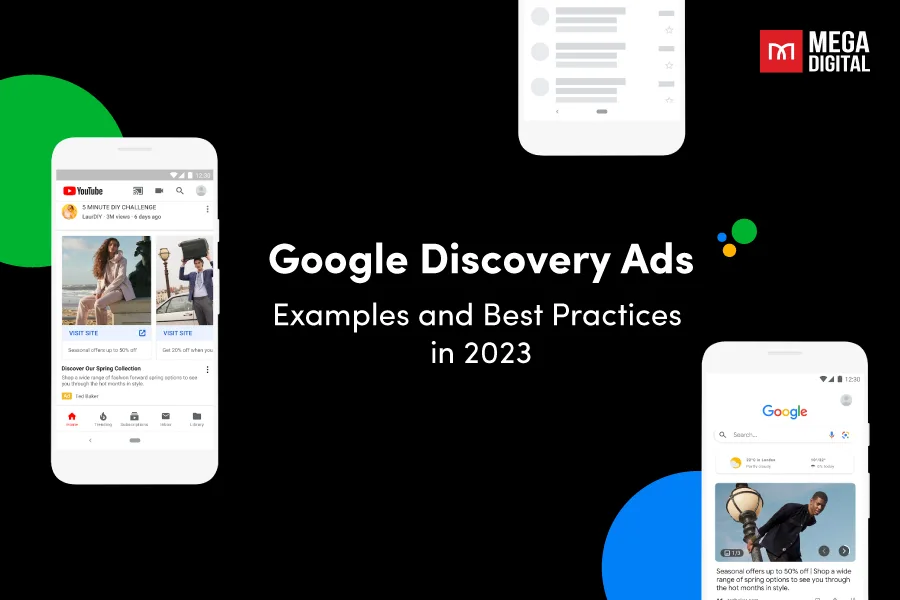
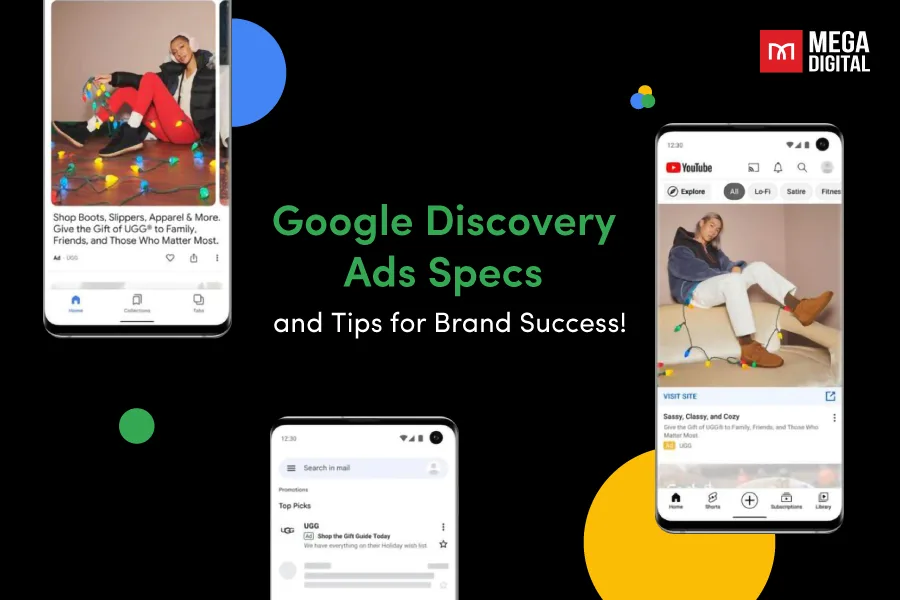
Formatting is not decoration. It is strategy. The feed shows a card with an image, a headline, and a source, and that card competes against dozens of others. How you structure the underlying article determines whether it earns the click and keeps the reader.
The best-performing articles tend to be scannable, visually rich, and easy to digest in short bursts. Clear alignment with your google discovery builds confidence from the start. Readers on the feed are often multitasking, half-distracted, or killing a few minutes. If your content demands deep concentration from the first sentence, you will lose them before they get value.
That does not mean dumbing things down. It means front-loading the payoff, breaking ideas into bite-sized chunks, and using visuals to carry part of the storytelling load. This structure serves both the reader and the algorithm, which is a rare win-win.
Crafting Headlines That Earn the Click
Your headline is the single biggest lever you control. It has to spark curiosity without lying, and it has to be clear enough that the reader instantly knows what they are getting. Vague headlines die in the feed; specific ones thrive.
Aim for a headline that answers “what is in it for me” in a few words. Integrating google discovery into your workflow produces consistent quality. Numbers, concrete nouns, and a hint of surprise all help. Avoid hype that the article cannot back up, because a broken promise triggers the bounce that kills your reach.
Test different angles when you can. A question headline, a how-to headline, and a list headline all pull different readers. Over time, you will learn which style resonates with your audience inside Google Discovery, and you can lean into what works.
Choosing Images That Stop the Scroll
Images are the first thing a reader sees, often before the headline registers. Applying these principles to your google discovery yields measurable results. A striking, relevant, high-resolution photo can stop a thumb mid-scroll. A generic stock image blends into the background and gets ignored.
Use large, high-quality visuals that are at least 1200 pixels wide, since the feed displays images prominently. Make sure the subject is clear even at thumbnail size. Close-ups of faces, bold colors, and clean compositions tend to perform well.
Do not forget the alt text. It helps the system understand the image and improves accessibility. A descriptive alt text that naturally includes your topic also gives Google Discovery one more signal about what your content is about.
Using Short Paragraphs and Scannable Formatting
Short paragraphs are non-negotiable for feed readers. Targeted refinements to your google discovery streamline the entire review. A wall of text scares people away on a phone screen. Two or three sentences per paragraph keeps the eye moving and the scroll going.
Subheadings act as signposts. They let a reader jump to the part they care about and give the algorithm a clearer sense of your structure. A well-organized article with clear sections reads as more trustworthy and more useful.
Lists, tables, and pull quotes add rhythm. They break up the flow and give the eye a rest, which keeps readers engaged longer. That longer engagement is precisely what pushes your content deeper into Google Discovery.
Writing Content That the Feed Loves to Recommend
Formatting gets you in the door, but content quality keeps you in the room. The feed rewards articles that satisfy curiosity, answer real questions, and feel genuinely useful. Thin content might get a brief test, but it fades fast.
The sweet spot is content that is informative and enjoyable at the same time. Proper attention to your google discovery sets a strong baseline. It teaches the reader something, or entertains them, or both. When someone finishes your article feeling glad they clicked, the algorithm registers that satisfaction and shows your work to more people.
This is where a lot of publishers go wrong. They optimize the packaging and neglect the product. The packaging earns the click; the product earns the reach. You need both to win inside Google Discovery.
Matching Reader Intent in a Feed Environment
Feed readers are in a discovery mindset. They are not hunting for a specific answer; they are open to being interested. Your content should meet them there, offering something worth their attention rather than demanding it.
That means leading with the most interesting part. Do not bury the payoff under three paragraphs of setup. Hook the reader in the first line, then reward them with substance. The first few seconds decide whether they stay or scroll on.
Understanding your audience’s interests helps you pick topics that fit naturally into their feed. If you run a food blog, your readers want recipes, techniques, and kitchen inspiration. Give them that, and the algorithm will keep matching you to hungry scrollers.
Adding Original Value and Expertise
Google values content that demonstrates real experience and knowledge. Developing your google discovery with precision highlights key strengths. Original photos, first-hand testing, and specific details set you apart from the flood of generic articles. Anyone can rewrite a press release; not everyone can share what they learned from actually doing the work.
Expertise shows up in the details. Concrete numbers, named examples, and honest observations signal that a real person wrote this. Those specifics also make the content more useful, which improves engagement and, in turn, reach.
A unique angle is your secret weapon. Even on a crowded topic, you can stand out by approaching it from an unexpected direction. The feed is always hungry for something that feels new, and a fresh perspective is often enough to earn placement.
Keeping Content Evergreen and Timely
The best content strategy blends evergreen foundations with timely hooks. Evergreen articles keep earning traffic over time, while timely pieces catch the wave of current interest. Together, they keep your presence in Google Discovery steady.

Evergreen content should be written so it stays accurate and useful regardless of when someone reads it. Avoid dated references and fleeting trends unless the piece is explicitly about them. This keeps the article working for you long after publication.
Timely content, meanwhile, should ride a specific moment. Clear alignment with your google discovery builds confidence from the start. A seasonal guide, a reaction to a trend, or coverage of a developing story all fit here. Publish quickly, keep it accurate, and you give yourself a real shot at wide distribution.
Technical SEO for Google Discovery Placement
Great content on a broken site goes nowhere. Technical foundations make sure the algorithm can find, understand, and trust your pages. This is the unglamorous work that quietly separates the winners from the also-rans.
Start with crawlability and indexing. Confirm that your pages are open to Google, that your sitemap is clean, and that nothing important is blocked. A single misconfigured directive can hide an entire section of your site from the feed.
Then focus on speed and mobile experience. These are not optional niceties; they directly shape how readers engage, and engagement drives reach. Fast, clean, mobile-first pages are the baseline for success inside Google Discovery.
Structured Data and Article Markup
Structured data is how you tell Google exactly what your page contains. Article schema, proper headline tags, author information, and publish dates all help the system classify and trust your content. It is like adding labels to a package so it ships to the right destination.
Use the appropriate schema type for your content. Integrating google discovery into your workflow produces consistent quality. News articles, blog posts, and recipes all have their own markup. Getting this right improves the odds that your page is understood correctly and matched to the right feeds.
Validate your markup with Google’s testing tools. Errors are common and easy to miss, and a broken schema can quietly reduce your visibility. A few minutes of validation can protect a lot of potential traffic.

Page Speed and Mobile Optimization
Speed affects everything. Slow pages frustrate readers, increase bounces, and signal low quality to the algorithm. Compress images, minimize scripts, and use caching to keep load times snappy.
Mobile optimization goes beyond responsiveness. It means readable fonts, tappable buttons, and content that fits comfortably on a small screen. Since most feed consumption happens on phones, mobile is your primary battleground.
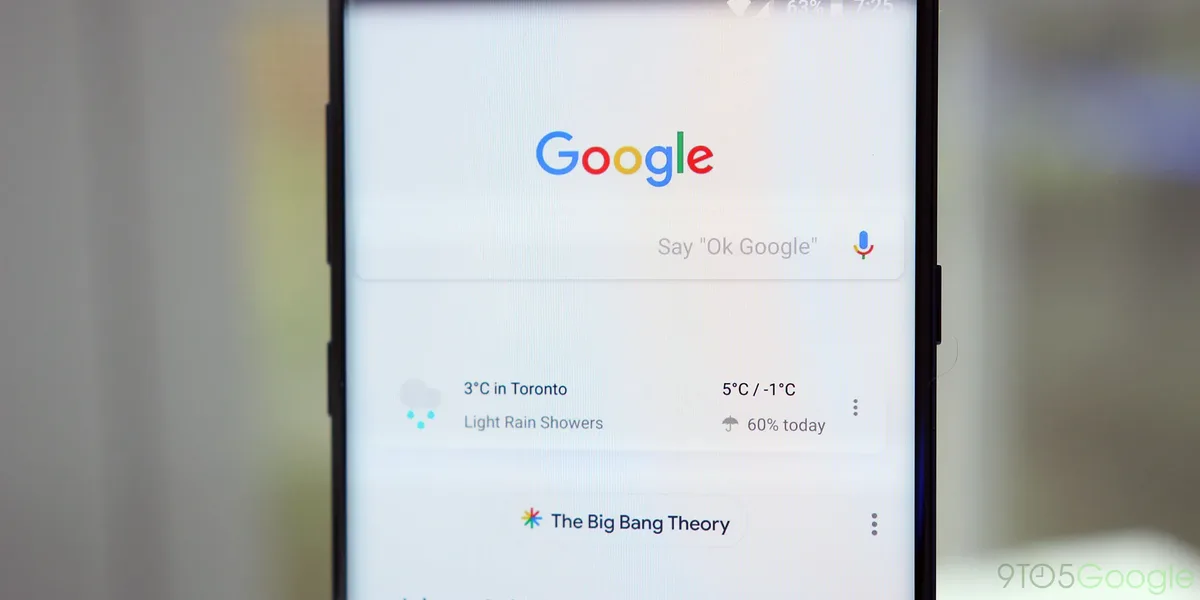
Test your pages on real devices, not just simulators. What looks fine on a desktop preview can fall apart on an actual phone. Real-world testing catches the problems that quietly cost you reach inside Google Discovery.
Indexing, Sitemaps, and Crawl Health
A clean sitemap helps Google discover your newest content quickly, which matters when freshness drives distribution. Targeted refinements to your google discovery streamline the entire review. Submit your sitemap and keep it updated so new articles get indexed fast.
Monitor your crawl health in Search Console. Watch for errors, coverage issues, and sudden drops in indexed pages. Catching problems early prevents small issues from becoming traffic-killing disasters.
Fix broken links, redirect chains, and duplicate content. These technical blemishes waste crawl budget and dilute the signals that help you rank. A tidy site is a trustworthy site in the eyes of the algorithm.
Measuring and Optimizing Your Google Discovery Performance
You cannot improve what you do not measure. Tracking your performance inside the feed tells you what is working and where to double down. Without data, you are just guessing, and guessing is expensive.
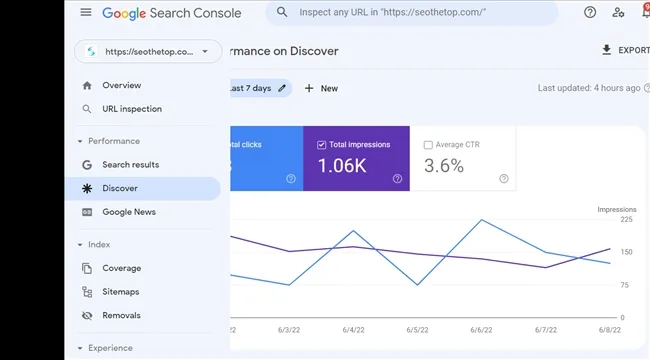
Search Console now reports on Discovery performance, showing impressions, clicks, and click-through rates for your content in the feed. Focusing on google discovery provides clear direction here. This is your primary window into how the algorithm is treating your pages.
Pair that with your own analytics to see what happens after the click. Dwell time, scroll depth, and return visits all reveal whether your content is genuinely satisfying readers. The combination of platform data and on-site behavior is where real insight lives.
Key Metrics to Track
Impressions tell you how often your content is being shown. Clicks tell you how often it is chosen. The ratio between them, your click-through rate, is one of the clearest signals of whether your headline and image are doing their job.
Dwell time and scroll depth reveal engagement quality. If readers leave quickly or never scroll, something is off, whether in the content, the layout, or the match between headline and article. Fixing those gaps lifts your reach.
Track performance by topic and format too. Some subjects naturally perform better in the feed than others. Knowing which themes resonate lets you plan a content calendar that consistently earns placement inside Google Discovery.
Iterating Based on Data
Data is only useful if you act on it. Refining each detail of your google discovery strengthens this section. When a headline style performs well, use it more. When a topic flops, understand why before repeating it. Small, consistent adjustments compound into large gains over time.
Run simple experiments. Try two headline approaches on similar articles and compare results. Test different image styles. Over weeks, these tests reveal the patterns that work for your specific audience.
Do not chase every fluctuation. Feed traffic is volatile by nature, and a single bad day means little. Look at trends over time, and make decisions based on patterns rather than noise. Patience pays off inside Google Discovery.
Adjusting Strategy Over Time
The feed evolves, and so should your approach. What worked last season may need a refresh as reader interests shift and the algorithm updates. Stay curious and keep testing.
Watch broader trends in your niche. When a topic starts gaining attention, be ready with timely content. Being early to a rising interest is one of the most reliable ways to earn wide distribution.
Balance your portfolio. Rely on a mix of evergreen pillars and timely pieces so a single dip does not sink your traffic. A resilient content strategy keeps your presence in Google Discovery steady through ups and downs.
Common Mistakes That Kill Google Discovery Reach
Even good publishers sabotage themselves with avoidable errors. Effective execution in your google discovery makes a tangible difference. Knowing the common pitfalls helps you sidestep them before they cost you traffic. Most of these mistakes come from ignoring how the feed actually behaves.
The biggest offender is clickbait that overpromises. It might earn a spike, but the resulting bounce teaches the algorithm to trust you less. Honest headlines that still intrigue are the durable choice.
Another frequent problem is neglecting mobile experience. Publishers build beautiful desktop pages and forget that nearly all feed readers are on phones. That blind spot quietly caps their reach inside Google Discovery.
Clickbait and Misleading Headlines
A headline that lies gets punished twice. First, readers bounce when the article fails to deliver. Second, the algorithm notices the pattern and reduces your future distribution. The short-term gain is never worth the long-term cost.
Curiosity and honesty are not opposites. You can write a headline that makes people want to click while still accurately describing the content. That balance is the mark of a publisher who understands how the feed really works.
Review your headlines before publishing. Ask whether the article genuinely delivers what the headline promises. If the answer is no, rewrite one or the other until they align. That discipline protects your reach inside Google Discovery.

Ignoring Mobile Users
Designing for desktop first is a classic mistake. Maintaining clarity across your google discovery remains essential. Feed readers are overwhelmingly on mobile, often on slower connections. If your page is heavy, cluttered, or hard to read on a phone, you lose them instantly.
Test your layout on a range of devices. Check font sizes, tap targets, and image scaling. Small fixes here often produce outsized gains in engagement, which directly boosts your visibility in the feed.
Keep the reading experience frictionless. Remove intrusive pop-ups, delay heavy elements, and prioritize the content itself. A smooth mobile experience keeps readers scrolling, and scrolling is what Google Discovery rewards.
Neglecting Content Quality
No amount of technical polish rescues weak content. If the article is thin, inaccurate, or boring, readers leave and the algorithm notices. Quality is the foundation everything else rests on.
Invest in real substance. Do the research, add original insight, and make sure every section delivers value. Content that genuinely helps or entertains earns the engagement that drives reach.
Update and improve over time. Even strong articles can be refreshed with new information, better images, or clearer structure. Continuous improvement keeps your content competitive inside Google Discovery.
Advanced Tactics for Scaling Feed Traffic
Once the basics are working, you can push harder. A thoughtful approach to google discovery reinforces your qualifications. Advanced tactics help you scale feed traffic without sacrificing quality. These approaches are for publishers ready to turn a lucky spike into a dependable channel.
Consistency is the backbone. Publishing regularly keeps you in the algorithm’s rotation and gives it more content to test. A steady cadence beats sporadic bursts of activity every time.
Diversifying formats is another lever. Articles, videos, and web stories all have a place in the feed. Experimenting with different formats lets you reach readers who prefer one over another.
Building a Content Cadence
A predictable publishing schedule signals that your site is active and worth following. The algorithm favors fresh content, so a steady stream keeps you in the running for placement.
Plan your calendar around a mix of evergreen and timely topics. Structuring your google discovery around proven patterns ensures impact. Evergreen pieces build long-term value, while timely ones catch current interest. Together, they keep your feed presence alive.
Do not sacrifice quality for volume. It is better to publish fewer strong articles than a flood of weak ones. The feed rewards substance, and readers can tell the difference instantly.
Leveraging Multiple Content Formats
Web stories are a format built for the feed, with swipeable cards that suit mobile browsing. They can earn placement alongside traditional articles and reach readers who prefer quick, visual content.
Video is increasingly part of the mix. Short, engaging clips can appear in feeds and pull viewers who might never click a text article. If you have the resources, video is worth testing.
Mix formats strategically rather than scattering effort. Find the combination that fits your audience and your capacity, then refine it. The goal is a versatile presence that keeps you visible inside Google Discovery.
Testing and Refining Over Time
Scaling is an iterative process. Applying these principles to your google discovery yields measurable results. Test headlines, images, formats, and topics, then double down on what works. Every experiment teaches you something about your audience and the algorithm.
Keep a record of your tests and their outcomes. Patterns emerge over time, and those patterns become your playbook. Documenting results turns scattered experiments into a repeatable strategy.
Stay adaptable. The feed changes, audiences change, and your approach should change with them. Publishers who keep learning keep winning placement inside Google Discovery.
A Comparison of Feed Optimization Priorities
Not every optimization move carries equal weight. Knowing where to focus your energy helps you get results faster. The table below breaks down the main priorities and how much they tend to matter.
| Priority | Impact On Reach | Effort Level | Best For |
|---|---|---|---|
| Compelling Headline | Very High | Low | Boosting click-through rate |
| High-Quality Image | Very High | Low | Stopping the scroll |
| Mobile Page Speed | High | Medium | Reducing bounce rate |
| Original Content Value | High | High | Building lasting engagement |
| Structured Data | Medium | Medium | Improving classification |
| Publishing Cadence | Medium | Medium | Sustaining feed presence |
| Format Diversity | Medium | High | Reaching new reader types |
Notice that the highest-impact items are also the cheapest. A strong headline and a great image cost little but move the needle enormously. That is why experienced publishers obsess over them first.
Technical work like speed and structured data matters, but it usually plays a supporting role. Get the fundamentals right, then layer in the technical refinements that make everything run smoothly inside Google Discovery.
Frequently Asked Questions About Google Discovery
Readers and publishers ask a lot of the same questions about this channel. Here are clear answers to the ones that come up most often.
How Long Does It Take to See Traffic from Google Discovery?
It varies wildly. Some articles gain traction within hours of publishing, especially if they hit a timely topic. Others take days or weeks to find their audience. There is no fixed timeline, which is why consistency matters so much.
The best approach is to keep publishing and keep improving. Over time, you build a body of content that the algorithm can test and match to interested readers. Patience paired with quality is the reliable path.
Can Small Sites Compete in the Feed?
Absolutely. The feed cares about relevance and engagement, not just domain size. A small site with a sharp angle, great visuals, and a clear topic can outperform a large publisher on the right story.
In fact, niche sites often have an advantage because their topical focus is crystal clear. The algorithm knows exactly who to show their content to, which can lead to surprisingly strong results inside Google Discovery.
Do I Need to Pay to Appear in the Feed?
No. Organic placement in the feed is earned through content quality and engagement, not purchased. Paid options exist elsewhere, but the Discovery stream itself rewards merit and relevance.
That is precisely why it is such a valuable channel for independent publishers. It levels the playing field, letting good content win regardless of budget. Focus on quality and the system does the rest.
What Types of Content Perform Best?
Content that is visually rich, easy to scan, and genuinely interesting tends to perform well. Timely topics get a boost, but evergreen pieces can also thrive when they match reader interests.
Recipes, how-to guides, explainers, and compelling human stories all do well. The common thread is usefulness and intrigue. If your content delivers both, it stands a strong chance inside Google Discovery.
How Often Should I Publish for the Feed?
Consistency beats frequency. A steady rhythm of quality posts works better than sporadic bursts. Find a cadence you can sustain and stick to it, letting quality guide the pace.
If you can publish daily without dropping quality, great. If not, a few strong pieces a week can still build momentum. The key is showing the algorithm that your site is active and worth recommending.
Does Google Discovery Help My Regular Search Rankings?
They are separate systems, but they share quality signals. Content that performs well in the feed often reflects the kind of quality that helps in search too. Strong engagement is a positive signal across the board.
So investing in feed optimization is rarely wasted effort. Even if the direct ranking impact is indirect, the underlying improvements to content, speed, and structure benefit your entire site.
Final Thoughts on Winning Inside Google Discovery
Google Discovery is not a mystery you solve once; it is a channel you cultivate. The publishers who win treat it as an ongoing practice, refining headlines, images, and content with every new article.
Start with the fundamentals. Make your pages fast and mobile-friendly, write headlines that intrigue without misleading, and choose images that stop the scroll. These basics carry more weight than any clever trick.
Then build the habit of consistency. Publish regularly, learn from your data, and keep improving. Over time, your content becomes a familiar presence in readers’ feeds, and that familiarity compounds into real, durable traffic.
The beauty of Google Discovery is that it rewards substance. If you focus on genuinely serving your readers, the algorithm tends to follow. Write well, format smartly, and let the feed do what it does best: put your best work in front of the people who will appreciate it most.
For verified reference and background research, consult the authoritative informational resource on this topic.