TikTok SEO optimization is the practice of tuning your videos, captions, and profile so the platform’s search engine and Google can surface your content to people actively hunting for answers. If you’ve ever posted a great clip that vanished into the void, this is the fix.
Here’s the thing most creators miss: TikTok isn’t just a “For You” page machine anymore. It’s a search engine. People type questions into that little magnifying glass every single day, and the videos that rank get a steady drip of views long after the hype dies. That’s the whole game.
I’ve spent a long time watching which clips keep pulling traffic months after posting, and the pattern is never luck. Focusing on tiktok SEO optimization provides clear direction here. It’s structure. It’s keywords. It’s understanding how the algorithm reads your content before a single human does. So let’s dig into everything — the mechanics, the tactics, the mistakes — in one place.
Why TikTok SEO Optimization Matters More Than Ever
Think about how you use your phone. When you want a recipe, a repair trick, or a quick answer about a product, where do you go first? For a huge chunk of people under forty, it’s TikTok, not Google. That shift changes everything about how content gets discovered.

The platform confirmed this direction when executives started openly calling TikTok a search destination. Users aren’t just scrolling anymore; they’re typing. “How to fix a zipper,” “best budget skincare,” “easy dinner for one” — these queries pull up video results, and the top ones rack up millions of views over time.
What makes tiktok SEO optimization so valuable is the compounding effect. A viral video spikes and dies. A search-optimized video keeps getting found for months. It becomes an asset, not a moment. That’s the difference between chasing trends and building something that works while you sleep.

There’s also the Google angle. TikTok videos now appear in Google search results, especially for younger-skewing queries. So when you nail tiktok SEO optimization, you’re not just ranking inside one app. You’re potentially showing up across two search engines at once.
How the TikTok Search Algorithm Actually Works
Nobody outside TikTok has the source code, but years of testing have revealed a lot about how the system decides what to show. The algorithm reads your content in layers, and each layer either pushes you forward or buries you.
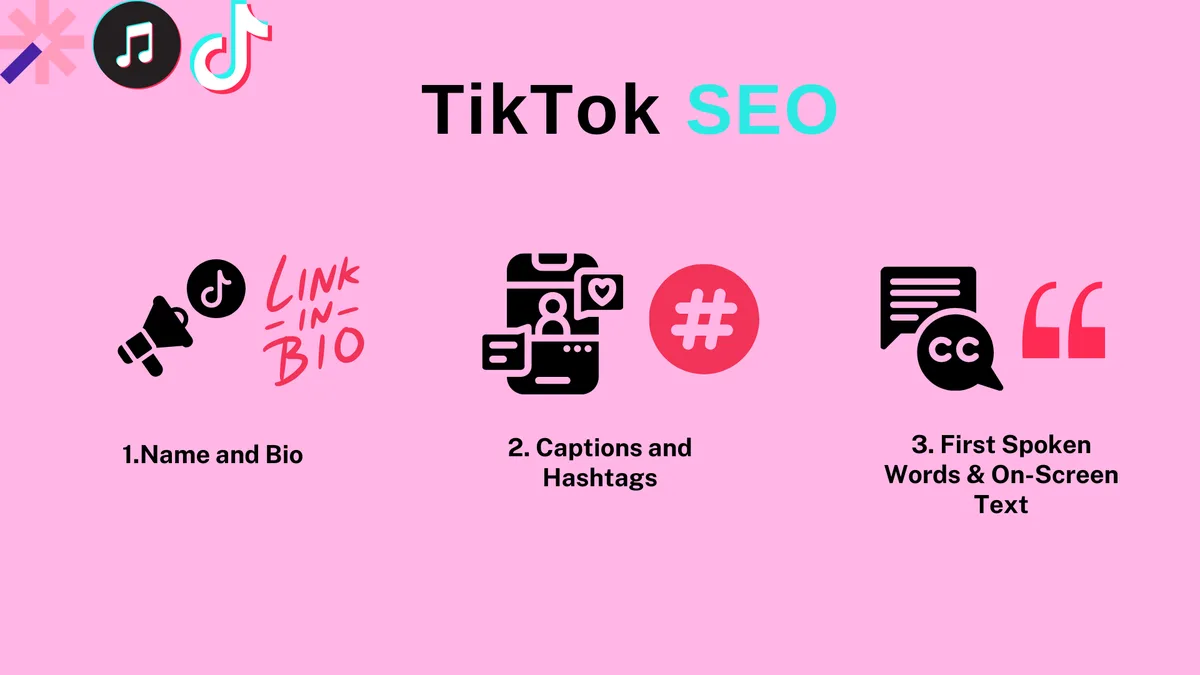
First comes the text layer. Your caption, your on-screen text, your spoken words, and your hashtags all get parsed for meaning. The system is trying to figure out what your video is about so it can match it to the right queries.
Then comes the engagement layer. Watch time, rewatches, shares, comments, and saves tell the algorithm whether real people found your video useful. Search-driven views tend to have strong watch time because the viewer actually wanted that content.
Finally there’s the relevance layer. If someone searches a phrase and your video matches it well, and people who click actually watch, you climb. This is the core loop that tiktok SEO optimization is built to exploit.
The Role of On-Screen Text and Captions
Here’s a detail a lot of people skip: TikTok can read the text that appears on your screen. If you type “3-ingredient pasta sauce” as a caption overlay, that phrase becomes a signal. It tells the algorithm exactly what your video delivers.
This matters because spoken audio is harder to parse accurately, especially with music or accents. On-screen text gives the system a clean, unambiguous keyword to latch onto. So always put your main phrase visibly on the video, not just in the caption.
Captions work the same way. Write a real sentence that includes your target phrase naturally. “This 3-ingredient pasta sauce takes 10 minutes” beats “yum yum pasta lol” every time when it comes to tiktok SEO optimization.
Why Watch Time Beats Everything Else
You can stuff keywords all day, but if people swipe away in two seconds, none of it matters. Watch time is the tiebreaker. The algorithm assumes that if someone watched your whole video after searching, your content genuinely answered their question.
Loops help here. If your video flows seamlessly back to the start, viewers watch it twice without noticing, and that double watch time sends a strong signal. Short, tight, loopable clips tend to outperform long rambling ones in search.
So the practical takeaway for tiktok SEO optimization is simple: make the video worth watching to the end. Keywords get you in the door. Retention keeps you in the room.
Keyword Research for TikTok Search
You can’t optimize for a search term you don’t know exists. That’s why keyword research sits at the foundation of any serious tiktok SEO optimization effort. The good news is you don’t need expensive tools to start.
Open TikTok, tap the search bar, and start typing your topic. The autocomplete suggestions that drop down are real queries people are typing. Those are your gold nuggets, handed to you for free.
Do this for every angle of your niche. Refining each detail of your tiktok SEO optimization strengthens this section. Write the suggestions down. You’ll quickly build a list of phrases that real humans use, which is exactly what you want to target.
Using the Search Bar as a Free Keyword Tool
The autocomplete feature is basically a live keyword database. Type “how to” and watch what fills in. Type your niche plus “for beginners” and see what appears. Each suggestion represents demand.
Pay attention to the order too. Suggestions that appear first tend to be higher volume. If a phrase shows up the moment you type two letters, it’s a popular query worth building content around.
For tiktok SEO optimization, this is the fastest way to find low-competition, high-intent phrases. You’re not guessing. You’re reading the platform’s own data back to itself.
Mining the “Others Searched For” Section
After you search a term, TikTok shows a row of related searches labeled with what other people looked for. This is a goldmine. It reveals the exact phrases your audience types after the first query.

If you search “budget skincare” and see “budget skincare for acne” and “budget skincare under 20,” those are your next video ideas. Each one is a ready-made keyword with proven demand.
This is where tiktok SEO optimization gets fun. You can build an entire content calendar from one search session, and every video targets a phrase people are actively hunting for.
Studying Competitor Captions and Hashtags
Find the videos already ranking for your target phrase. Look at what they did. What words are in their captions? What hashtags did they use? What’s written on screen?
You’re not copying. You’re reverse-engineering. If three top videos all use a certain phrase, that phrase is likely a ranking signal. Work it into your own content in your own way.
Consistent patterns across top results are the closest thing to a confirmed ranking factor. Treat them as clues, test them yourself, and refine your tiktok SEO optimization approach based on what actually moves your numbers.
Optimizing Your TikTok Captions for Search
Your caption is prime real estate. It’s the most direct place to tell the algorithm what your video is about, and it doubles as the text humans read before deciding to watch. Get it right and you win twice.
The mistake I see constantly is people treating captions as an afterthought. They write something vague and clever, then wonder why the video never gets found. Clever doesn’t rank. Clear does.
Write your caption like you’re answering a search query in one sentence. Lead with the keyword, add context, and keep it readable. That’s the backbone of caption-level tiktok SEO optimization.
Front-Loading Your Primary Keyword
Put your main phrase near the start of the caption. The algorithm weighs early words more heavily, and humans scanning results see the beginning first. “Easy 5-minute breakfast ideas that actually fill you up” beats “you guys, I tried this thing today.”
Don’t force it awkwardly. The phrase should read like a natural sentence, not a keyword dump. If it sounds like a robot wrote it, viewers will scroll past and your retention tanks.
Front-loading is one of the simplest tiktok SEO optimization wins available. It costs you nothing and takes ten seconds.
Writing Captions People Actually Want to Read
Search-optimized doesn’t mean boring. Effective execution in your tiktok SEO optimization makes a tangible difference. You can be witty, warm, and keyword-rich at the same time. The trick is to write for the human first and the algorithm second, then check that the keyword landed naturally.
Ask a question in your caption. “Struggling with frizzy hair in humidity?” invites comments, and comments boost engagement, which feeds back into your ranking. It’s a two-for-one.
Good tiktok SEO optimization respects both audiences. The machine needs clarity. The human needs a reason to care. Serve both and you’re ahead of most creators.
Hashtag Strategy That Complements Search
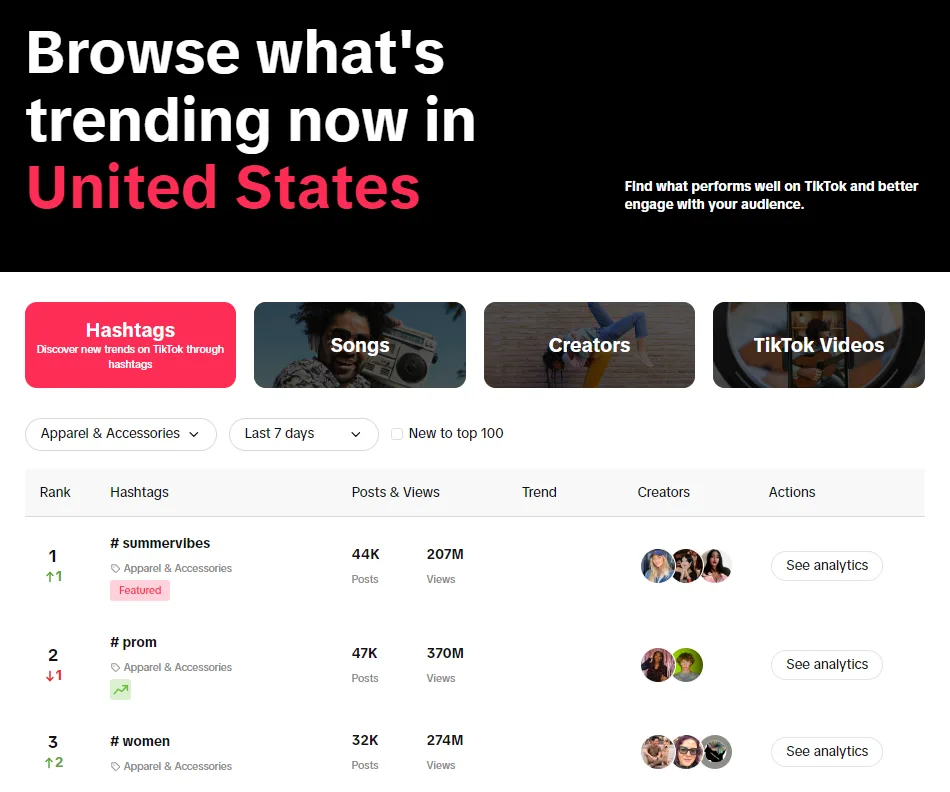
Hashtags still matter, but less than people think. They’re a supporting signal, not the main event. Use a mix of broad and specific tags, and always include your target phrase as a hashtag if it reads naturally.
Don’t dump thirty hashtags. Three to five relevant ones do the job. Spammy tag walls can look desperate and may dilute your signal rather than strengthen it.
Think of hashtags as a backup channel within your tiktok SEO optimization plan. They help categorize your video, but the caption and on-screen text do the heavy lifting.

On-Screen Text and Spoken Keywords
This is where a lot of creators leave points on the table. TikTok analyzes what’s written on your video and what you say out loud. Both are keyword opportunities most people ignore.
If you’re talking about “meal prep for weight loss,” say those words clearly. Don’t rely on slang or vague references. The algorithm needs to hear the actual phrase to match you to searches.
On-screen text is even more reliable. It’s clean, it’s readable, and it sticks around for the whole video. Use it to reinforce your target phrase visually.
Placing Text Where the Algorithm and Viewer Both See It
Put your keyword text somewhere visible but not obtrusive. Top or bottom third works well, away from where the UI buttons sit. You want it readable, not hidden behind the like and comment icons.
Keep it on screen long enough to register. A flash of text for half a second might not get parsed well. Give it a couple of seconds of screen time.
This small habit is a quiet tiktok SEO optimization win. It reinforces your topic for both the machine and the human scrolling past.
Speaking Your Keywords Naturally
You don’t need to robotically repeat phrases. Just make sure your core topic words come out of your mouth at least once. If your video is about “budget travel tips,” say “budget travel tips” somewhere in the first few seconds.

TikTok’s speech recognition has gotten sharp. Clean audio helps it parse your words accurately. Background noise or heavy music can muddy the signal, so keep your voice clear.
When you combine spoken keywords, on-screen text, and a strong caption, you’re hitting three signals at once. That layered approach is what makes tiktok SEO optimization so effective.
Profile Optimization: Your Searchable Home Base
Your tiktok SEO optimization profile is more than a landing page. It’s a searchable entity. The words in your bio, your username, and your display name all feed into how TikTok understands what you’re about.
If your bio says “just a girl who loves life,” the algorithm has no idea what to do with you. If it says “easy recipes for busy parents,” now it knows exactly who to show you to.
Profile-level tiktok SEO optimization is often overlooked, but it sets the context for everything you post. Get it right and your whole account gets easier to categorize.
Writing a Keyword-Rich Bio
Your bio should state your niche clearly. Use the phrases your audience searches. “Budget skincare reviews” or “home workouts for beginners” tells both viewers and the algorithm what you deliver.
You’ve got limited characters, so every word counts. Skip filler. Lead with your niche, add a hook, and include a call to action if you have room.
A clean, keyword-aware bio is the foundation of account-level tiktok SEO optimization. It’s the first thing the system reads about you.
Choosing a Search-Friendly Username and Name
Your display name is searchable. If your niche is fitness, having “fitness” or a related word in your name helps people find you. Your username matters too, though display name carries more weight for discovery.

Don’t sacrifice brandability entirely. You want something memorable and human. But if you can weave in a relevant word without it feeling forced, do it.
This is subtle tiktok SEO optimization. It won’t make a bad video rank, but it makes every good video slightly easier to find.
Creating Content That Ranks and Retains
Keywords bring people in, but content keeps them watching. The two have to work together. A perfectly optimized video that’s boring will still flop because retention drives ranking.
So the real skill is making content that satisfies a search query completely. If someone searches “how to tie a tie” and your video actually teaches it clearly in thirty seconds, you win on both fronts.
This is the heart of sustainable tiktok SEO optimization: pairing discoverability with genuine usefulness. One without the other doesn’t last.
Answering the Query in the First Three Seconds
Get to the point fast. The first few seconds decide whether someone stays. If your video is about a specific question, hint at the answer immediately rather than building up to it.
You can still tell a story, but front-load the value. “Here’s the fastest way to fold a fitted sheet” hooks the searcher instantly. Save the personality for after you’ve earned their attention.
This retention-first mindset is what separates videos that rank from videos that just exist. Tiktok SEO optimization rewards content that delivers on its promise.
Structuring Videos for Rewatches
Rewatches are a powerful ranking signal. If viewers watch twice, the algorithm reads that as strong satisfaction. Build in a reason to loop back, whether it’s a satisfying visual or a detail they might miss.
Keep videos tight. A thoughtful approach to tiktok SEO optimization reinforces your qualifications. A focused forty-second clip often beats a rambling two-minute one because more people finish it. Completion rate is king.

When you design for rewatches, you’re doing tiktok SEO optimization at the content level, not just the text level. And that’s where the biggest gains hide.
Using Series and Playlists to Build Authority
Grouping related videos into a series helps the algorithm understand your topical focus. If you make ten videos about the same subject, you become a recognizable source for that topic.
Playlists keep viewers on your profile longer, which strengthens your account’s overall signal. It also gives searchers more reasons to follow you.
This is the long game of tiktok SEO optimization. Consistency around a theme builds authority that compounds over time.
Common TikTok SEO Optimization Mistakes to Avoid
Let’s talk about what trips people up. I’ve watched countless creators do everything right except one thing, and that one thing kills their reach. Avoiding these traps saves you months of frustration.
The biggest one is treating SEO as a one-time setup. It’s not. Search behavior shifts, phrases rise and fall, and your approach has to adapt. Set it and forget it doesn’t work here.
Another frequent issue is over-optimizing. Stuffing keywords everywhere makes your content feel spammy to humans and can confuse the algorithm about your true topic. Balance is everything in tiktok SEO optimization.
Ignoring the Human in Favor of the Machine
Some creators write captions that read like keyword lists. It’s obvious, and it repels viewers. Real people don’t talk like that, so don’t write like that.
The best tiktok SEO optimization reads naturally. If a stranger saw your caption, they shouldn’t be able to tell you were optimizing for search. It should just feel like a clear, helpful sentence.
Remember, the algorithm’s whole job is to predict what humans will enjoy. If you please the human, you’re pleasing the machine too.
Chasing Trends Over Search Intent
Trending sounds and dances get views, sure. But they don’t build lasting search visibility. A video tied to a fleeting trend dies when the trend does.
Search-optimized content, on the other hand, keeps working. It’s not glamorous, but it’s reliable. The smartest creators blend both: trend-driven reach plus search-driven staying power.
If you had to pick one to build a foundation on, pick search. That’s the durable side of tiktok SEO optimization.
Neglecting Analytics and Iteration
Your analytics tell you what’s working. Which videos get the most search traffic? Which phrases drive the most views? The data is right there, waiting to be read.
Check your traffic sources regularly. If a video is pulling consistent search views, make more like it. If something flopped, figure out why and adjust.
Iteration is where tiktok SEO optimization becomes a skill rather than a checklist. The people who review their numbers and adapt are the ones who pull ahead.
Measuring Your TikTok SEO Optimization Results
You can’t improve what you don’t measure. Structuring your tiktok SEO optimization around proven patterns ensures impact. Fortunately, TikTok gives you useful data if you know where to look. The trick is focusing on the metrics that actually reflect search performance.
Open your analytics and look at the traffic sources for each video. There’s a breakdown showing how viewers found you. Search-driven views show up there, and they’re your signal that optimization is working.
Track this over time. A video that slowly accumulates search views is doing exactly what tiktok SEO optimization is supposed to do, even if it never goes viral.
Reading Your Traffic Source Breakdown
The traffic source panel shows whether views came from the For You feed, your profile, search, or other places. Search views are the ones you’re optimizing for, so watch that number.
If you’re getting steady search traffic, your keywords are landing. If not, revisit your captions and on-screen text. The gap tells you where to focus.
This single metric is the clearest scorecard for tiktok SEO optimization. Everything else is secondary to whether people are finding you through search.
Tracking Keyword Performance Over Time
Keep a simple log. Note which phrases you target and which videos pull search views. Over weeks, patterns emerge. Some keywords convert; others don’t.
Double down on the winners. If “quick healthy lunches” keeps bringing traffic, make more videos around that theme. Lean into what the data rewards.
Consistent tracking turns tiktok SEO optimization from guesswork into a repeatable system. That’s how you build momentum instead of starting from scratch every time.
Setting Realistic Expectations
Search traffic builds slowly. Don’t expect overnight results. A video might sit quiet for weeks, then start climbing as the algorithm gains confidence in it.
Patience matters. The creators who win at tiktok SEO optimization are the ones who keep posting optimized content even when a single video doesn’t pop immediately.
Compounding is real. Every optimized video adds to your library of searchable assets, and over time that library becomes a steady stream of views.
Advanced TikTok SEO Optimization Tactics
Once you’ve nailed the basics, there’s a deeper layer to explore. These tactics separate casual creators from the ones who dominate search results in their niche.

Advanced tiktok SEO optimization is about understanding the platform’s quirks and using them deliberately. It’s less about hacks and more about precision.
Let’s walk through a few of the moves that consistently produce results for people who put in the effort.
Leveraging Google Indexing of TikTok Videos
TikTok videos can appear in Google search results. That means a well-optimized video can pull traffic from two search engines. This is a huge, often ignored opportunity.
To maximize it, make sure your video’s caption and title are clear and keyword-rich. Applying these principles to your tiktok SEO optimization yields measurable results. Google reads the surrounding text when deciding whether to surface a video.
This cross-platform angle is a powerful edge in tiktok SEO optimization. Most creators don’t think about Google at all, which leaves the door wide open.
Repurposing Top-Performing Content
If a video ranks well, don’t just leave it. Make related videos that target adjacent keywords. Build a cluster around your winner so you own the whole topic.
You can also refresh old videos by re-uploading with improved captions and on-screen text. Sometimes a small tweak unlocks a whole new wave of search traffic.
Repurposing is efficient tiktok SEO optimization. You’re not starting from zero; you’re expanding something that already works.
Testing and Iterating on Formats
Not every format ranks equally. Some topics do better as quick tutorials, others as listicles or storytelling. Test different structures and see what your audience and the algorithm prefer.

Small variables matter: caption length, text placement, video duration. Change one thing at a time and note the results. This is how you find your winning formula.
Relentless testing is the secret weapon of top tiktok SEO optimization practitioners. There’s no universal answer, only what works for your specific audience.
TikTok SEO Optimization Across Different Content Niches
Different niches call for different approaches. A cooking creator optimizes differently than a tech reviewer or a fitness coach. Understanding your niche’s search behavior is key.
The core principles stay the same, but the keywords, formats, and viewer expectations shift. Let’s break down how tiktok SEO optimization adapts across common categories.
Below is a comparison table showing how the focus changes by niche. Use it as a starting reference, then tailor it to your specific audience.
| Niche | Primary Search Intent | Best Content Format | Key Optimization Focus |
|---|---|---|---|
| Cooking & Recipes | How-to, quick answers | Fast tutorials, ingredient lists | Recipe names in captions, on-screen steps |
| Fitness & Health | Routines, beginner guides | Follow-along workouts, tips | Specific goals in text, form cues spoken aloud |
| Beauty & Skincare | Product reviews, routines | Before/after, product demos | Product types and concerns as keywords |
| Tech & Gadgets | Comparisons, troubleshooting | Reviews, setup guides | Model names, use cases in captions |
| Finance & Money | Advice, how-to-save | Explainer clips, tips | Clear benefit phrases, plain language |
| Travel | Destination guides, tips | Location tours, packing hacks | Place names, travel phrases in text |
Notice how each niche has its own vocabulary. The beauty creator targets concerns like “acne” or “dry skin,” while the travel creator targets place names and trip types. Your keywords should mirror how your audience actually searches.
This is where tiktok SEO optimization gets personal. There’s no universal keyword list. You have to know your people and speak their language, both literally and in your text.
Building a Repeatable TikTok SEO Optimization Workflow
Consistency beats intensity. The creators who win at search aren’t doing anything magical; they’ve built a repeatable process they follow for every video. Let’s map that out.
A good workflow removes guesswork. You research, you create, you optimize, you measure, and you repeat. Each cycle makes the next one sharper.
Here’s the sequence I’d recommend for anyone serious about tiktok SEO optimization. Adapt it to your pace, but keep the order intact.
- Research The Keyword First. Before you film anything, open TikTok search and find the exact phrase you’re targeting. Confirm people are actually searching it. This single step keeps you from making content nobody wants.
- Script Around The Query. Write your video to answer the search term directly. Say the keyword out loud early and keep your content focused on delivering the answer fast.
- Design On-Screen Text. Add your target phrase as visible text. Place it clearly, keep it on screen long enough to register, and make sure it reads naturally.
- Write A Keyword-Front-Loaded Caption. Lead with your phrase, add context, and keep it human. No keyword dumping, no vague cleverness.
- Add Three To Five Relevant Hashtags. Mix broad and specific. Include your target phrase as a tag when it fits.
- Post And Track. Check your traffic sources after a few days. Watch for search views and note which keywords perform.
- Iterate And Expand. Make more videos around the winners. Build clusters. Refresh what underperforms.
Follow this loop and tiktok SEO optimization stops being a mystery. It becomes a habit, and habits compound into real results.
The beauty of a workflow is that it frees your creativity. You’re not agonizing over what to do next; you’re just executing a proven sequence and letting the data guide you.
Frequently Asked Questions About TikTok SEO Optimization
Let’s tackle the questions that come up again and again. These are the ones creators ask me most often when they’re getting serious about search.
Does TikTok SEO Optimization Actually Work?
Yes, and the proof is in the traffic. Videos that target real search phrases pull consistent views long after posting. The key is pairing good keywords with content people actually want to watch to the end.
If you optimize but your video is boring, it won’t rank well. If you make a great video without keywords, it’s harder to find. Do both and you get the compounding effect that makes tiktok SEO optimization worth the effort.
How Long Does It Take to See Results?
Search traffic builds gradually. Some videos pick up steam within days; others take weeks. The algorithm needs time and engagement data to trust your content enough to surface it in search.
Don’t judge by a single video. Judge by the trend across your library. If more videos are pulling search views over time, your tiktok SEO optimization is working.
The following key points are covered in this section:
- Do Hashtags Still Matter for Search?
- Can I Do TikTok SEO Optimization Without Tools?
- What’s the Single Most Important Factor?
- Should I Optimize Old Videos Too?
Final Thoughts on Getting Found Through Search
For verified reference and background research, consult the authoritative informational resource on this topic.