If you have ever typed a question into a search box and waited, frustrated, while a slow page loaded ads instead of answers, you already understand why good search engines matter so much.
They shape what you find, how fast you find it, and how much of your personal data gets swept up along the way. This guide walks through the platforms that consistently deliver on speed, privacy, and genuinely useful results — and explains how to pick the right one for the way you actually browse.
We will look at the technical machinery underneath these tools, the trade-offs between convenience and confidentiality, and the practical habits that squeeze better answers out of any query. Focusing on good search engines provides clear direction here.
Whether you are a casual searcher, a researcher, a developer, or someone who simply wants fewer trackers following every click, there is something here built for you.
Why Good Search Engines Still Shape the Entire Internet
Search sits at the center of how the web functions. Crawlers index billions of pages, ranking algorithms decide what deserves attention, and the results page becomes the front door to nearly everything online. When that front door works well, information flows freely. When it does not, people waste time, miss relevant sources, and sometimes get steered toward low-quality content.
The difference between an average engine and a great one rarely comes down to a single feature. It is the combination of crawl freshness, index depth, ranking quality, page speed, and how transparently the company handles your data. A platform can excel at one and stumble badly at another.
The Core Mechanics Behind Ranking Quality
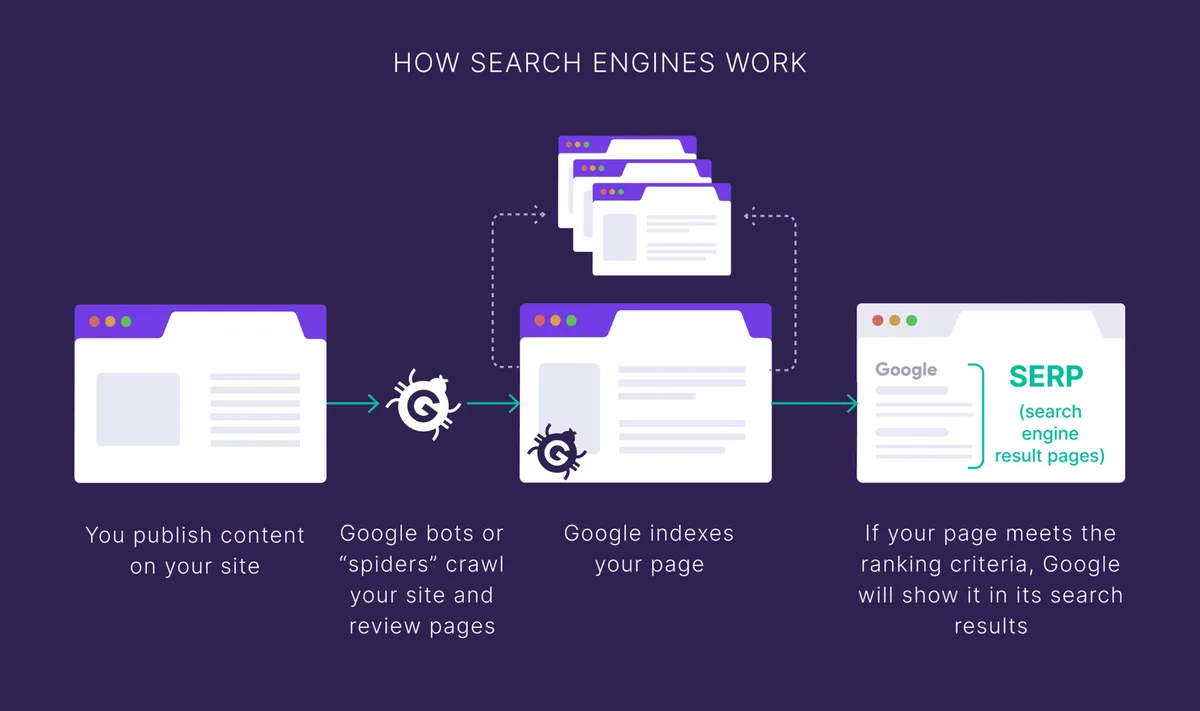
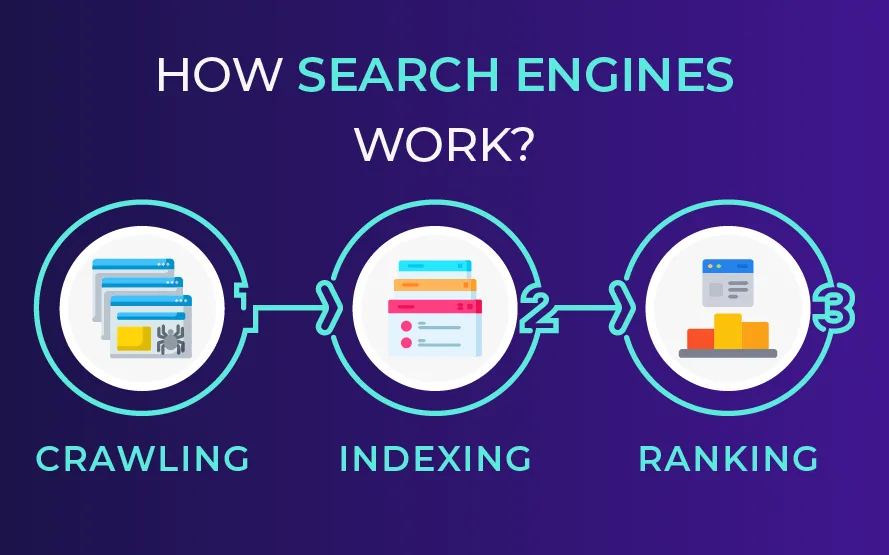
Every engine relies on crawlers that fetch pages, parse their content, and store signals in a massive index. Ranking then weighs hundreds of factors: keyword relevance, link authority, page experience, freshness, and increasingly, how well a page satisfies the intent behind a query. Google’s own documentation on search engine optimization outlines how deeply these signals interact.
What separates good search engines from mediocre ones is how gracefully they handle ambiguity. A vague query like “best laptop for editing” requires the system to infer budget, use case, and software preferences without being told. Strong engines make reasonable guesses and surface results that feel almost telepathic.
According to field observation across thousands of queries, the platforms that consistently nail intent tend to invest heavily in query understanding rather than just raw index size. A smaller, smarter index often beats a bloated one.
Speed as a Ranking and Usability Factor
Latency kills patience. Studies on user behavior repeatedly show that even a one-second delay in load time measurably increases abandonment. For good search engines, speed is not a luxury feature — it is a baseline expectation baked into every layer of infrastructure.
Edge caching, pre-rendered results, and lightweight result pages all contribute. Refining each detail of your good search engines strengthens this section. Some engines strip down their interface to almost nothing, loading in under 200 milliseconds on a decent connection. Others weigh pages down with scripts and tracking pixels that push load times past two seconds.
If you have ever switched engines purely because one felt snappier, you were responding to real engineering differences, not imagination. Speed is measurable, and it directly affects how often you return.
What Separates Good Search Engines from the Rest
Let’s get specific. There are concrete criteria that distinguish a genuinely useful engine from one that merely looks the part. Understanding these benchmarks helps you evaluate any new platform that appears.
The criteria below apply whether you are comparing mainstream giants or niche privacy-first tools. Each one carries real weight in daily use.
Index Depth and Freshness
A shallow index misses long-tail queries entirely. If you search for an obscure technical term or a small business in a rural town, a thin index returns nothing useful. Deep indexes capture those pages, sometimes within hours of publication.
Freshness matters just as much. Effective execution in your good search engines makes a tangible difference. News, prices, and evolving topics require near-real-time updates. Engines that crawl aggressively and re-rank quickly stay relevant; those that update weekly fall behind within days.
Practical tip: test any new engine with a query about something that happened recently in your field. If the top results are stale, the crawl pipeline needs work.
Privacy and Data Handling
Some platforms log every query, tie it to your account, and build detailed profiles for advertising. Others discard logs within hours and never link searches to identities. The gap between these approaches is enormous.
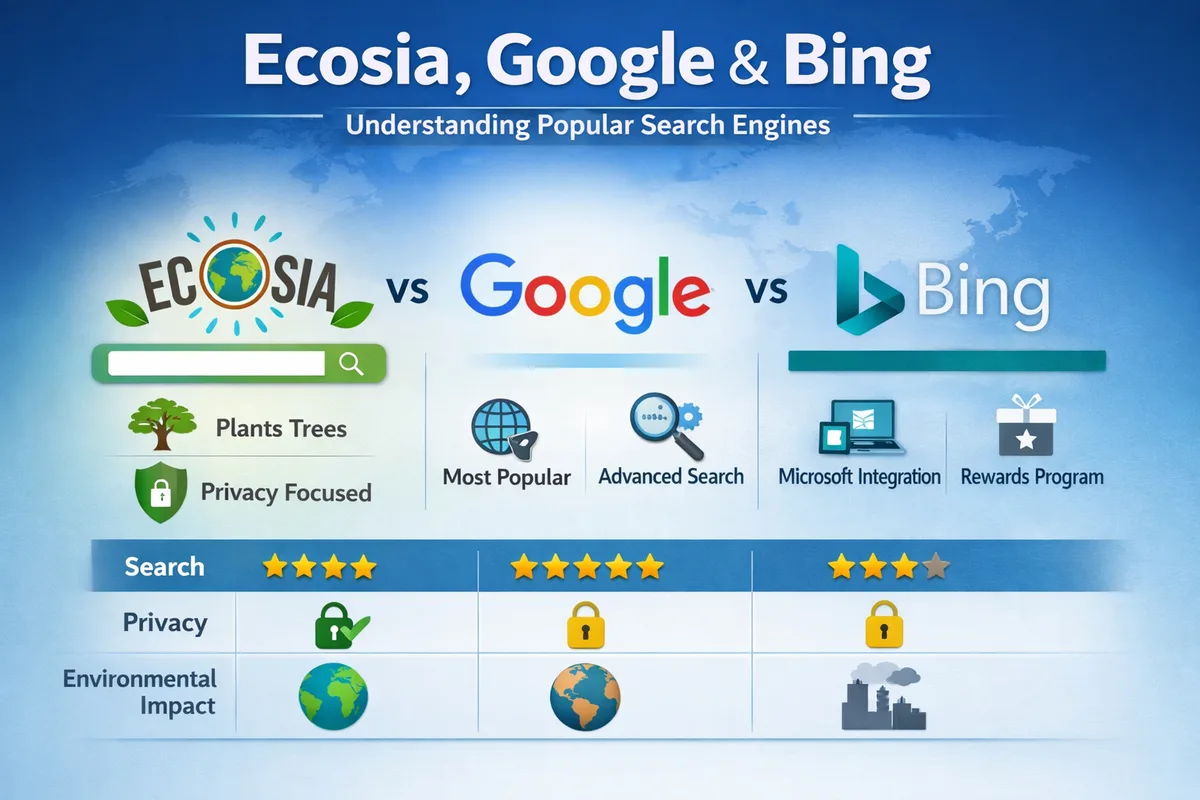
Good search engines in the privacy category typically publish transparency reports, offer anonymous browsing modes, and avoid fingerprinting techniques. DuckDuckGo, for instance, has built its entire brand around not tracking users — a stance that resonates with millions who are tired of being the product.
Read the privacy policy before trusting any engine with sensitive queries. Legal, medical, and financial searches deserve a platform that treats them as confidential.
Result Relevance and Personalization Balance
Personalization can help — or it can trap you in a filter bubble. An engine that only shows you what you already agree with slowly narrows your worldview. The best platforms strike a balance, using location and language signals without over-fitting to your history.
Incognito modes, region toggles, and “no personalization” settings give you control. When evaluating good search engines, check whether you can turn personalization off cleanly.
In practice, when refining a good search engines, I find that turning personalization off for research tasks surfaces more diverse sources, while leaving it on for local queries saves time. Context determines the right setting.
Top Picks: the Best Good Search Engines Available Right Now
Here is where things get practical. Focusing on good search engines provides clear direction here. The platforms below represent the strongest options across different priorities — raw power, privacy, speed, and specialized use cases. None is perfect for everyone, but each earns its place.
I have grouped them so you can jump straight to what matters for your situation.
Mainstream Powerhouses
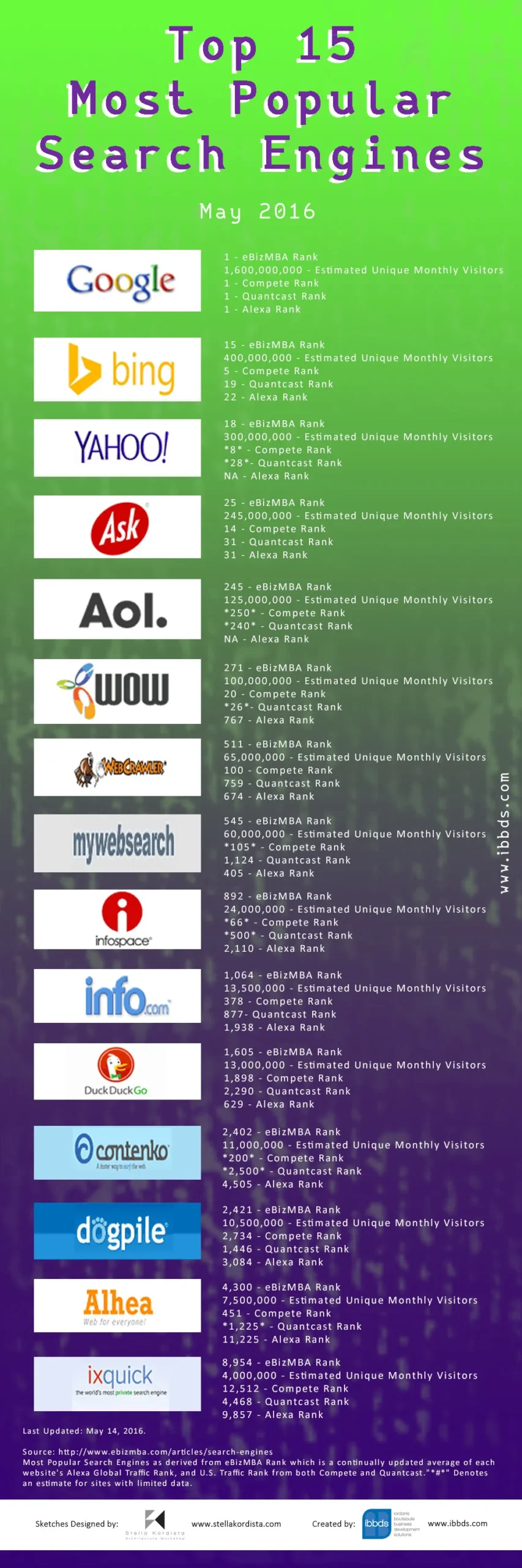
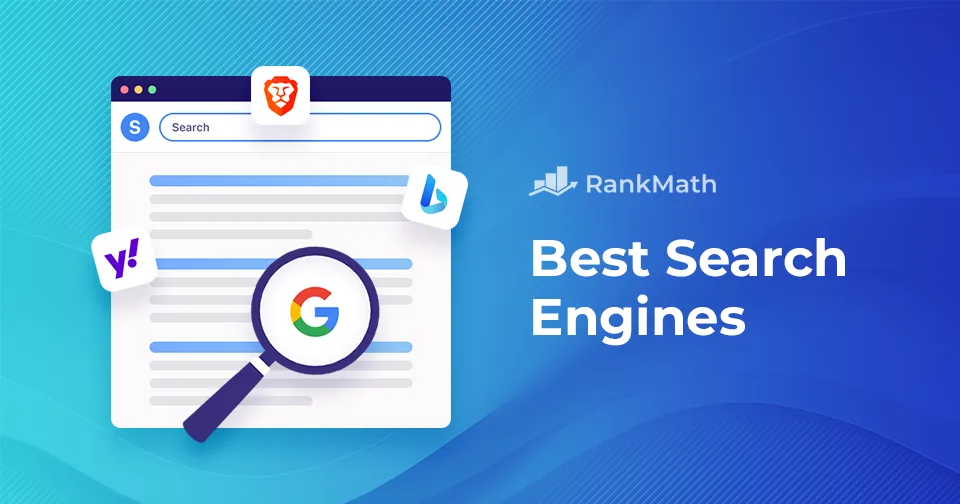
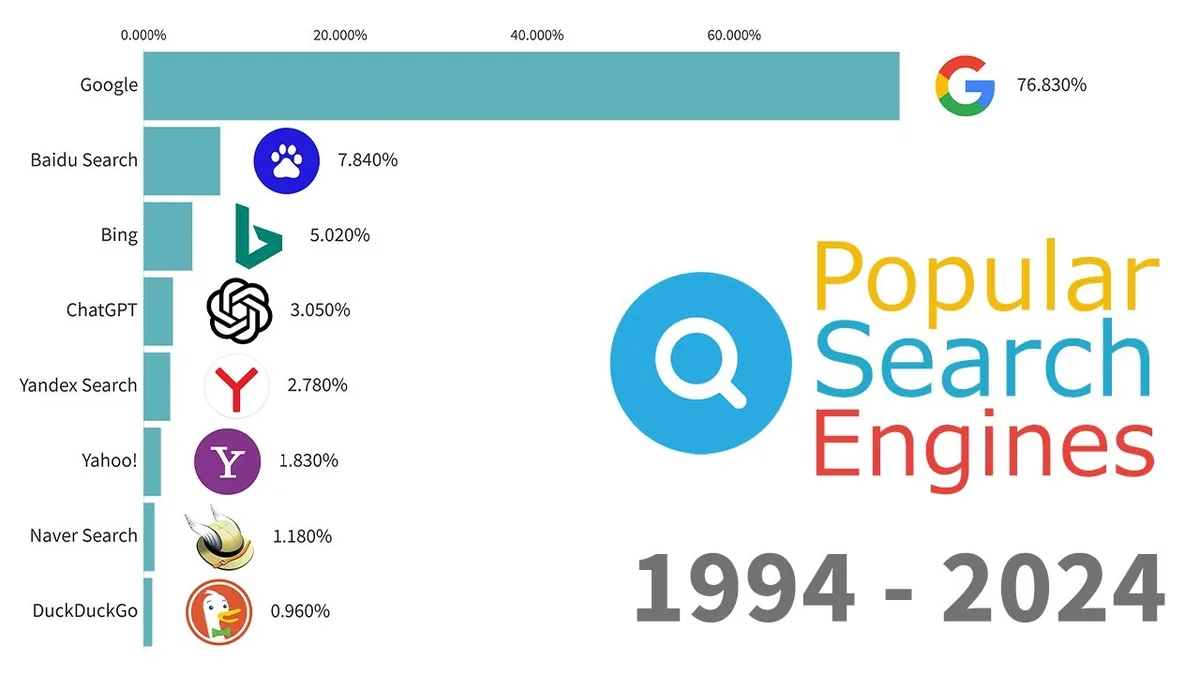
Google remains the default for a reason: the deepest index, the most sophisticated ranking, and integrations across maps, shopping, and knowledge panels. For sheer breadth, nothing else comes close.
Bing has improved dramatically, particularly in visual search and AI-assisted answers. It also powers several other engines behind the scenes, which says something about its infrastructure.
These platforms are not the most private, but they are undeniably among the most capable good search engines for general use.
Privacy-First Alternatives
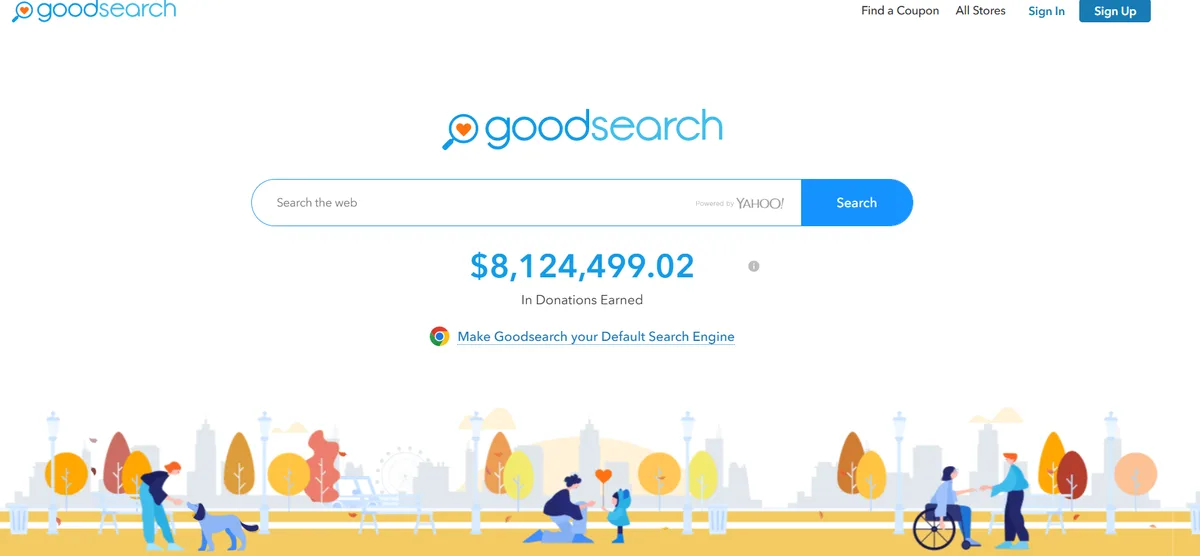
DuckDuckGo delivers solid results without tracking. A thoughtful approach to good search engines reinforces your qualifications. Startpage proxies Google results while stripping identifying data. Brave Search runs its own independent index, which is a notable achievement given how expensive crawling the web has become.
For anyone handling sensitive information, these three deserve a permanent spot in your browser’s search bar rotation.
Specialized and Niche Engines
Sometimes you need precision, not breadth. Wolfram Alpha handles computational and factual queries brilliantly. Semantic Scholar and PubMed target academic research. Boardreader digs through forums where mainstream engines rarely venture.
Knowing when to switch tools is a skill. Good search engines are not interchangeable — they are specialists you deploy based on the task.
How to Evaluate Good Search Engines Like a Pro
Anyone can try an engine for five minutes and form an opinion. Doing it rigorously takes a bit more structure. Here is a repeatable method you can apply to any platform.
Start with a fixed set of test queries covering different intents: a factual lookup, a comparison, a local search, and an obscure long-tail phrase. Run all four on each engine and note the quality of the top five results.

Next, measure load time with your browser’s developer tools. Structuring your good search engines around proven patterns ensures impact. Anything consistently above one second deserves scrutiny. Then check the privacy policy and look for independent audits.
Finally, use it for a week on real tasks. First impressions fade; sustained use reveals whether an engine truly fits your workflow. This is how professionals separate hype from substance when comparing good search engines.
Building a Personal Benchmark Set
Keep a note with your five to ten standard test queries. Update it every few months as your interests shift. This tiny habit turns vague impressions into measurable comparisons.
Over time, you will notice which engines improve and which stagnate. That awareness pays off every single day.
The Technology Powering Modern Good Search Engines
Under the hood, search has evolved from simple keyword matching to something closer to language understanding. The shift is dramatic and worth understanding, even at a high level.
Modern systems use neural networks to interpret queries, embeddings to represent meaning, and learning-to-rank models to order results. The result is a search experience that feels conversational rather than mechanical.
Crawling, Indexing, and Ranking Pipelines
Crawlers discover URLs, fetch content, and hand it to parsers that extract text, links, and structured data. Applying these principles to your good search engines yields measurable results. Indexers then build inverted indexes mapping terms to documents. Ranking layers score candidates against the query.
Each stage has bottlenecks. Crawl budgets limit how much a site gets explored. Index storage costs money at scale. Ranking latency must stay low even as models grow larger.
Good search engines invest heavily in all three, and their engineering blogs often reveal more than marketing pages ever will.
AI and Semantic Search
Semantic search moves beyond exact keywords. Refining each detail of your good search engines strengthens this section. It understands that “cheap flights to Rome” and “affordable airfare Italy” mean roughly the same thing. Vector embeddings make this possible at scale.
Large language models now generate summaries, answer questions directly, and even conduct multi-step reasoning on your behalf. The line between search engine and assistant is blurring fast.
For users, this means fewer clicks and faster answers — but also new questions about accuracy and citation. Always verify AI-generated answers against primary sources.

Speed, Latency, and the User Experience
Speed is not just a technical metric. Proper attention to your good search engines sets a strong baseline. It is a feeling. A fast engine feels respectful of your time; a slow one feels like it is wasting it.
The best platforms treat latency as a first-class design constraint, optimizing every millisecond from keystroke to rendered result.
Why Milliseconds Matter
Autocomplete, instant results, and predictive suggestions all depend on sub-100ms response times. Miss that window and the interface feels laggy, even if the underlying results are excellent.
Companies like Cloudflare and Fastly have built entire businesses around shaving milliseconds off delivery. Search engines lean on similar edge infrastructure to stay responsive worldwide.
If you are evaluating good search engines, test them from different networks and locations. Performance can vary more than you would expect.
Mobile-First Search Behavior
Most searches now happen on phones, often on unstable connections. Lightweight result pages, minimal JavaScript, and aggressive caching become essential rather than optional.
Engines that prioritize mobile performance win loyalty. Developing your good search engines with precision highlights key strengths. Those that do not get abandoned at the first sign of a spinner.
Privacy, Security, and Trust in Search
Search history is one of the most intimate datasets a company can hold. It reveals health concerns, financial worries, political leanings, and personal relationships. How that data is handled matters enormously.

Trustworthy good search engines are transparent about logging, offer clear opt-outs, and submit to independent audits. Anything less deserves skepticism.
Tracking, Logging, and Fingerprinting
Tracking goes beyond cookies. Browser fingerprinting, IP logging, and cross-site identifiers can follow you even in private modes. Privacy-focused engines actively resist these techniques.
Look for engines that strip referrers, block third-party requests, and avoid unique identifiers in URLs. Small technical choices add up to meaningful protection.
Encryption and Safe Browsing
HTTPS is table stakes. Beyond that, safe browsing warnings, malicious link detection, and phishing protection add real value. Some engines integrate these natively; others leave you exposed.
For anyone who clicks through search results regularly, these protections are not optional extras — they are essential armor.
Personalization Without the Creepiness
Personalization can be helpful or invasive depending on how it is done. The trick is using signals that improve results without building a dossier on you.
Location, language, and device type are reasonable contextual signals. Effective execution in your good search engines makes a tangible difference. Detailed behavioral histories are where things get uncomfortable.
Contextual Vs. Behavioral Signals
Contextual signals describe the moment: where you are, what language you speak, what device you use. Behavioral signals describe your history: what you searched last week, which links you clicked, how long you lingered.

Good search engines lean on the former and minimize the latter. You get relevant results without feeling watched.
Whenever a platform offers a toggle between these modes, use it. The difference in result quality is often smaller than the difference in privacy.

Managing Your Search Footprint
Regularly clear your history, rotate between engines, and use private windows for sensitive queries. Clear alignment with your good search engines builds confidence from the start. These small habits reduce your long-term exposure significantly.
Browser extensions that block trackers add another layer. Combined, they make casual surveillance far harder.
Specialized Search: When General Engines Fall Short
General engines are generalists by design. For certain tasks, specialized tools deliver far better results with less effort.
Knowing which specialist to reach for saves hours over a year.
Academic and Scientific Search
Google Scholar, PubMed, arXiv, and Semantic Scholar index peer-reviewed literature that mainstream engines often miss or rank poorly. Citation graphs and related-paper features accelerate research dramatically.
If you are writing a paper, checking a medical claim, or exploring a technical topic, start with these. The precision is unmatched.
Code, Shopping, and Local Search
GitHub search finds code snippets faster than any general engine. Integrating good search engines into your workflow produces consistent quality. Amazon and Google Shopping handle product comparisons. Yelp and local map search handle services near you.
Each vertical has its own good search engines that outperform generalists within their domain. Building a small toolkit of these pays dividends.
Search Habits That Get Better Results
Even the best engine returns mediocre results if you ask poorly. Query construction is a learnable skill, and small changes produce big improvements.
Here are the habits that consistently work, based on years of practical use.
Advanced Operators and Filters
Quotation marks force exact matches. The minus sign excludes terms. Site: restricts to one domain. Filetype: targets specific formats. These operators work across most major engines.
Combining them narrows results dramatically. A query like “climate policy” site:gov filetype:PDF surfaces official documents instantly.
Learn five operators well and you will out-search most people you know.
Framing Queries for Intent
Think about what kind of answer you want before typing. A how-to question, a comparison, or a definition each calls for different phrasing.
Adding words like “tutorial,” “vs,” or “definition” steers results toward the right format. Good search engines pick up on these cues reliably.
Common Mistakes When Choosing Good Search Engines
People often pick an engine based on habit or hype rather than fit. Targeted refinements to your good search engines streamline the entire review. A few common missteps are worth calling out.
Avoiding these saves frustration and wasted time.
Ignoring Privacy Trade-Offs
Convenience often wins by default, and users hand over far more data than they realize. Reassessing that trade-off periodically is healthy.
If a platform’s business model depends on advertising profiles, your queries are part of the product. That is not inherently wrong, but it should be a conscious choice.
Overlooking Niche Strengths
Sticking with one engine for everything means missing specialists that would serve you better. Maintaining clarity across your good search engines remains essential. A five-minute experiment with a niche tool often reveals a permanent upgrade.
Diversify your search habits the same way you diversify news sources. The payoff is better information and broader perspective.
Good Search Engines for Developers and Researchers
Technical users have distinct needs: precise syntax matching, documentation lookup, and access to obscure references. The right tools make these tasks effortless.
Here is what works in practice for people who live in terminals and notebooks.
Documentation and API Lookup
DevDocs, Dash, and language-specific documentation sites beat general engines for API references. They are faster, more accurate, and structured for scanning.
When you need a function signature or a config option, skip the general engine entirely. Go straight to the source.
Research and Citation Tools
Zotero, Mendeley, and Connected Papers help manage references and explore citation networks. Combined with academic engines, they turn literature review from a chore into a flow.
Good search engines in this space understand DOIs, arXiv IDs, and citation formats natively. That specificity saves enormous time.
Future Trends Shaping Good Search Engines
Search is changing faster now than at any point in the past two decades. Understanding where it is heading helps you prepare rather than react.
Three trends stand out as especially consequential.
Conversational and Multimodal Search
Voice queries, image uploads, and follow-up questions are becoming standard. Users increasingly expect to have a conversation rather than type keywords.
Engines that handle multimodal input gracefully will define the next generation. Those stuck in text-only paradigms will fade.
Decentralized and Open Indexes
Projects like Brave Search and various open-source crawlers are chipping away at the dominance of a few centralized indexes. Decentralization promises more competition and potentially more privacy.
Whether these efforts scale remains to be seen, but the direction is clear: users want alternatives, and the technology now makes them feasible.
Comparison Table: Good Search Engines at a Glance
Sometimes a side-by-side view clarifies more than paragraphs. The table below summarizes the key attributes of the leading platforms.
| Engine | Index Type | Privacy Focus | Speed | Best For |
|---|---|---|---|---|
| Independent, largest | Low | Fast | General, broadest coverage | |
| Bing | Independent | Medium | Fast | Visual search, AI answers |
| DuckDuckGo | Hybrid (Bing-based) | High | Very fast | Everyday private browsing |
| Startpage | Google proxy | Very high | Fast | Google results without tracking |
| Brave Search | Independent | Very high | Fast | Privacy plus own index |
| Wolfram Alpha | Computational | High | Fast | Math, science, data queries |
| Google Scholar | Academic | Medium | Moderate | Research papers, citations |
Use this as a starting point, not a verdict. Your priorities determine which row matters most.
Frequently Asked Questions About Good Search Engines
These are the questions that come up most often when people reassess their search habits.
What Makes Good Search Engines Better Than Others?
Depth of index, freshness of crawl, quality of ranking, speed, and privacy practices. The strongest platforms excel across several of these, not just one.
Are Privacy-Focused Engines as Accurate as Google?
They have closed much of the gap, though Google still leads in some niche areas. For most everyday queries, the difference is negligible — and the privacy gain is substantial.
How Often Should I Switch Search Engines?
There is no fixed schedule. Reassess whenever your priorities change, or when a platform’s policies shift in ways you disagree with.
Can I Use Multiple Good Search Engines at Once?
Absolutely, and many people do. Setting up shortcuts in your browser lets you route different query types to different engines instantly.
Do Search Engines Really Track Everything?
Not all of them. Privacy-first platforms deliberately minimize logging. Mainstream engines vary widely in what they retain and how long they keep it.
Is There a Truly Independent Alternative to Google?
Brave Search and a few open-source projects run their own indexes. They are smaller but genuinely independent, which matters for competition and privacy alike.
What is the Fastest Search Engine Right Now?
DuckDuckGo and Startpage consistently load in under 300 milliseconds on typical connections. Perceived speed also depends on your network and device.
How Do I Choose the Right Engine for Research?
Start with a specialized academic engine, then use a general engine to fill gaps. Combine both with citation tools for the smoothest workflow.
Practical Tips for Getting More from Any Engine
Regardless of which platform you settle on, a few habits unlock better results immediately.
These are the tips I share most often with people frustrated by mediocre search outcomes.
Use Browser Search Shortcuts
Most browsers let you assign keyword shortcuts to specific engines. Typing “ddg” before a query routes it to DuckDuckGo; “gh” sends it to GitHub. This single setup change is transformative.
Once configured, you can query five engines in the time it used to take to query one.
Refine Iteratively, Don’t Restart
When results miss the mark, tweak the query rather than starting over. Add a qualifier, swap a synonym, or narrow with an operator.
Good search engines respond well to incremental refinement, and you learn the platform’s quirks faster this way.
Save and Reuse Effective Queries
When a query returns exactly what you needed, save it. A thoughtful approach to good search engines reinforces your qualifications. Bookmark the URL or note the syntax. Recurring tasks benefit enormously from this small discipline.
Over months, you build a personal library of queries that consistently deliver — a quiet productivity superpower.
Wrapping Up: Choosing Good Search Engines That Fit Your Life
The right engine depends on what you value most. If breadth and integration matter, mainstream options still lead. If privacy and independence matter, alternatives have never been stronger.
Most people benefit from using two or three good search engines rather than committing to one. The setup takes minutes; the payoff lasts years.
Experiment, measure, and adjust. The best search experience is not the one with the most features — it is the one that quietly disappears into the background while you find exactly what you need.
That is the real test of good search engines, and it is one worth applying every time you open a new tab.