Branding trust is the quiet engine behind every loyal customer you will ever keep. When people believe in you, they stop shopping around and start coming back.
That belief does not appear overnight, and it rarely comes from a clever logo or a viral post. It grows from hundreds of small, consistent signals that tell your audience you are safe, competent, and worth their money.
What Branding Trust Really Means (And Why It Moves Revenue)
Strip away the marketing jargon and branding trust comes down to one thing: predictability. Customers hand over money because they expect a specific outcome, and they trust you to deliver it again and again.
Think about the last time you reordered from the same restaurant without checking reviews. You did not research. You did not compare. You just believed. That shortcut in your brain is exactly what branding trust buys a business.
From a revenue standpoint, the math is brutal for companies that ignore it. Focusing on branding trust provides clear direction here. Acquiring a new customer costs several times more than keeping an existing one, and the gap widens in competitive markets where ad prices climb every single quarter.
Meanwhile, loyal buyers spend more per order, refer friends without being asked, and forgive the occasional mistake. That forgiveness is the real prize. Any company can be perfect on a good day; branding trust is what carries you through a bad one.

The Neuroscience Behind Why Buyers Return
Your brain runs on pattern recognition, and uncertainty burns energy. When a purchase feels risky, the amygdala lights up and pushes you toward caution, delay, or outright avoidance.
Familiar brands short-circuit that response. Repeated positive exposure builds what researchers call processing fluency, meaning your brain finds the brand easier to recognize and therefore easier to like.
This is why a customer who has bought from you three times barely hesitates on the fourth. The decision has moved from the analytical part of their brain to the automatic part. Building branding trust is essentially the work of moving people from deliberation to habit.
If you want a practical takeaway here, it is this: reduce friction on every repeat interaction. Saved payment details, recognizable packaging, a consistent tone in your emails. Small recognitions compound into deep loyalty.
How to Build Loyal Customers Fast Without Shortcuts
Fast does not mean fake. It means removing the obstacles that slow trust down. Most companies lose customers not because they did something terrible, but because they were inconsistent, vague, or slow to respond.
The techniques below work because they compress the number of positive experiences a customer needs before they commit. Each one targets a specific moment where doubt creeps in.
You do not need all of them at once. Pick two or three, execute them properly for a quarter, and watch how conversations with your customers change.
1. Deliver a First Impression That Matches the Promise
Your homepage, your packaging, your confirmation email — these are all promises. When the promise and the delivery match, branding trust grows. When they clash, doubt enters and rarely leaves.
A specialty coffee roaster I spoke with last year rebuilt their entire unboxing experience after noticing a pattern in support tickets. Customers loved the product but felt the packaging looked cheap compared to the website photos.
They switched to matte-finish boxes with a handwritten thank-you card. Refining each detail of your branding trust strengthens this section. Return rates dropped and repeat orders climbed within two months. Nothing about the coffee changed. The perception caught up with the promise.
Audit your touchpoints this week. Compare what you advertise against what a customer actually receives, and fix the largest gap first. That single fix often does more for branding trust than any ad campaign.
2. Show the Humans Behind the Business
Faceless companies struggle to earn belief. People trust people, and a brand that hides its team behind stock photography sends a subtle signal that there is nothing real to see.
Put names and faces on your About page. Let your founder write the occasional email in plain language. Share a photo of the warehouse on a busy Tuesday. These gestures cost nothing and humanize the transaction.
Note that this works best when it is genuine. A manufactured “meet the team” page with generic bios fools nobody. Specificity is what convinces — where someone studied, what they argue about at lunch, the mistake they made last year and fixed.
3. Answer Faster Than Anyone Expects
Response time is one of the most underrated levers for branding trust. A customer who emails at 9 p.m. And hears back by 9:15 a.m. Feels genuinely cared for.
You do not need a 24-hour call center. You need a clear expectation and a habit of beating it. If your site says replies within 24 hours, deliver in four. That gap between promise and delivery is where belief gets built.
Even a simple acknowledgment — “Got your message, looking into it now” — reduces anxiety dramatically. Silence, on the other hand, is where customers start imagining the worst.
4. Publish Proof Instead of Claims
Anyone can say they are the best. Very few can show it. Reviews, case studies, before-and-after photos, and third-party certifications all convert far better than adjectives.
Collect proof systematically. Ask every happy customer for a short review within 48 hours of delivery, when enthusiasm is highest. Post the awkward, specific ones — the review that mentions a delivery delay but praises the resolution is more believable than a five-star gush.
Over time, this library becomes an asset. It feeds your website, your ads, your sales calls, and your social proof. All of it feeds branding trust without you having to argue your own case.
5. be Consistent Across Every Channel
Nothing erodes belief faster than a brand that sounds warm on Instagram and robotic on the phone. Effective execution in your branding trust makes a tangible difference. Customers notice the seams, and seams suggest a company held together with tape.
Write down your tone of voice, your color codes, your response templates, and your refund policy. Then make sure every team member uses them. Consistency is not boring; it is reassuring.
This matters most for growing teams. A new hire who has never met the founder should still sound like the brand. Documented standards are how that happens.
6. Handle Mistakes Better Than Your Competitors
Every company ships a wrong order or misses a deadline eventually. The difference between a lost customer and a loyal one is almost always in the recovery.
Own the error plainly, fix it quickly, and add something unexpected. A refund plus a handwritten apology plus a small credit turns a bad experience into a story the customer tells at dinner.
Research on service recovery consistently shows that customers who experience a well-handled problem often end up more loyal than those who never had one. That is branding trust built in the worst moment, which makes it stick.
7. Keep Your Pricing and Policies Transparent
Hidden fees, confusing return windows, and surprise charges are trust killers. They signal that you are hoping the customer will not notice.
Show shipping costs early. Explain your refund window in plain English. If something costs extra, say so before checkout, not after.
Transparency feels risky because it exposes you to comparison. In practice, it filters out bad-fit customers and attracts people who value straightforwardness. Those are the ones who stay.
8. Reward Loyalty Without Making It Feel Like a Bribe
Loyalty programs work when they feel like appreciation, not manipulation. Maintaining clarity across your branding trust remains essential. A birthday discount or a surprise upgrade lands well. A complicated points maze that never quite pays off does the opposite.
Keep the mechanics simple. One clear benefit, easy to understand, delivered reliably. The point is not to trap customers but to remind them they are valued.
Small gestures often outperform big ones. A hand-written note in a repeat order costs pennies and gets photographed and posted. That photo does more for branding trust than a banner ad ever will.
9. Invest in the Details Nobody Advertises
The thickness of your packaging, the speed of your site, the clarity of your invoices — these quiet details tell customers how much you care when nobody is watching.
Customers cannot articulate why they feel safe with a brand, but they feel it. The smooth checkout, the helpful error message, the receipt that arrives instantly. All of it accumulates.
Pick one unglamorous detail this month and improve it. Then pick another next month. This is slow work, but it is the kind that survives competitors copying your marketing.
10. Say No to Some Customers
Counterintuitive but true: brands that try to serve everyone end up trusted by no one. Clear positioning forces some people away, and that is a feature, not a bug.
When you publicly state who you are for, the people you are for feel seen. They also sense that you are not pretending, which is a core ingredient of branding trust.

Turn down work that does not fit. Decline the discount request that would gut your margins. Every clear no makes your yes more meaningful.
The Role of Transparency in Modern Branding Trust
Transparency has shifted from a nice-to-have to a baseline expectation. Customers now assume they can find out almost anything about a company, and they act accordingly.
That includes your supply chain, your labor practices, your data handling, and your political stances if you choose to share them. A thoughtful approach to branding trust reinforces your qualifications. What you hide, people assume is bad.
This creates both risk and opportunity. The risk is that any inconsistency gets amplified. The opportunity is that genuine openness is now a differentiator, because so few companies do it well.
Where Companies Get Transparency Wrong
Transparency is not the same as oversharing. Dumping every internal struggle onto customers creates anxiety, not confidence.
The right approach is to disclose what affects the customer and to be honest about what you cannot control. If a shipment is delayed, explain why and give a new date. If a price is rising, explain the reason.
Vague corporate language destroys branding trust faster than bad news does. People can handle difficult truths. They cannot handle being managed.
How to Communicate Bad News Well
Lead with the fact, not the spin. Say what happened, what it means for the customer, and what you are doing about it. Then stop talking.
Follow up when you said you would, even if the update is “still working on it.” Silence after a promise is worse than the original problem.
Over time, a company that communicates honestly through difficulty earns a reputation that no marketing budget can buy. That reputation is branding trust in its most durable form.
Social Proof and Its Limits in Building Branding Trust
Reviews, testimonials, and influencer endorsements are powerful, but they have a ceiling. Once every competitor has five stars, stars stop differentiating anyone.
What still differentiates is specificity. A review that names the exact problem you solved and the person who solved it carries far more weight than a generic five-star rating.
Collect those specific stories deliberately. Structuring your branding trust around proven patterns ensures impact. Ask customers what almost stopped them from buying, and what changed their mind. Those answers become your best marketing copy.
Why Fake Reviews Backfire
Buying reviews is tempting and increasingly easy to detect. Platforms have improved their detection, and customers have gotten better at spotting patterns.

When the fraud is exposed, the damage is not just to the specific product. It contaminates every other claim the brand makes, which is a catastrophic hit to branding trust.
The safer path is slower but compounding. Ask real customers, make it easy to respond, and accept that your rating will not be perfect. A 4.6 with authentic detail beats a suspicious 5.0.

Using Influencers Without Losing Credibility
Influencer partnerships work when the fit is obvious. When it looks like a cash transaction, audiences discount the endorsement entirely.
Choose creators who already use your product or serve your audience. Let them speak in their own voice. Do not script the message into corporate language.
Disclosure matters too. Audiences respect “this is sponsored, and here is why I actually like it” far more than hidden promotion. Honesty here protects branding trust even when the content is paid.
Consistency Across Channels: the Backbone of Branding Trust
A customer might see your ad on a podcast, visit your site, message you on Instagram, and call your support line — all in one week. Each touchpoint is a chance to reinforce or undermine belief.
Most companies treat these channels as separate fiefdoms. Marketing does one thing, support does another, and the customer feels the disconnect.
Unifying them is not glamorous work, but it is where branding trust is either built or quietly destroyed. The customer does not experience your departments; they experience your brand.
Building a Shared Brand Playbook
Start with a simple document: tone guidelines, response templates, visual standards, and escalation rules. Keep it short enough that people actually read it.
Review it quarterly and update based on real customer feedback. Applying these principles to your branding trust yields measurable results. A playbook that never changes is a playbook nobody uses.
Train new hires on it during their first week. The earlier consistency becomes a habit, the less it needs policing later.
Measuring Consistency Without Drowning in Data
You do not need a dashboard with forty metrics. Pick three: response time, sentiment in customer conversations, and repeat purchase rate.
Track them monthly and look for drift. A slow slide in sentiment usually precedes a drop in repeat purchases by a quarter or two, giving you time to react.

Share the numbers with your team in plain language. “Customers are waiting two days for replies, and it is showing up in reviews” lands harder than a chart.
When Branding Trust Gets Tested: Crisis and Recovery
Sooner or later, every brand faces a moment that tests everything it has claimed. A recall, a data breach, a public mistake by a leader, a viral complaint.
How you handle that moment matters more than the years of careful image-building that preceded it. Crises do not create character; they reveal it.
Companies with deep branding trust recover faster because customers extend the benefit of the doubt. Companies without it get torn apart, sometimes fairly, sometimes not.
The First 24 Hours Matter Most
Acknowledge quickly, even before you have all the facts. “We are aware and investigating” beats silence every time.
Do not lawyer up your public language. Proper attention to your branding trust sets a strong baseline. Customers can smell defensive corporate phrasing from a mile away, and it confirms their worst assumptions.
Assign one clear spokesperson. Mixed messages in a crisis shred branding trust faster than the original problem.
Recovery is a Marathon, Not a Sprint
After the immediate response, the work shifts to consistent follow-through. Fix the underlying issue, communicate the fix, and keep communicating.
Do not expect forgiveness in a week. Trust rebuilds at the speed of repeated proof, which means months of steady behavior.
The brands that come out stronger are the ones that treat the crisis as a permanent change in how they operate, not a PR problem to be managed until the news cycle moves on.
Measuring Branding Trust: Metrics That Actually Matter
Trust feels intangible, but it leaves fingerprints in your data. The trick is knowing which numbers to watch and which to ignore.
Vanity metrics like follower count and impressions tell you almost nothing about belief. The signals below are harder to fake and more predictive of long-term revenue.
Repeat Purchase Rate and Customer Lifetime Value
If people come back, they trust you. If they come back repeatedly and spend more over time, they trust you deeply.
Track these by cohort, not as a single blended number. A rising overall rate can hide a collapsing new-customer cohort, which is an early warning sign.
Compare cohorts from different acquisition channels. If paid traffic converts once and never returns while organic traffic returns for years, you have learned something important about where branding trust actually lives.
Net Promoter Score and Its Cousins
NPS is imperfect but useful as a trend line. Developing your branding trust with precision highlights key strengths. Ask the question consistently and watch the direction, not the absolute number.
Pair it with an open text question: “What almost stopped you from buying?” The answers reveal friction points you would never guess from a survey scale.
Read the responses yourself, at least monthly. Delegating this entirely to a dashboard strips out the nuance that matters most.
Direct Traffic and Branded Search Volume
People who type your name into a search bar already trust you enough to skip the generic query. Rising branded search is one of the cleanest signals of branding trust.
Direct traffic tells a similar story. If a growing share of visitors arrive without a referral, your reputation is doing work that no campaign can replicate.
Watch both over quarters, not weeks. They move slowly, but when they move, they tend to stay moved.
Common Mistakes That Quietly Destroy Branding Trust
Most trust damage is not dramatic. It is a series of small disappointments that customers never complain about but remember.
These mistakes are easy to make and hard to see from inside the business. That is exactly why they persist.
Overpromising in Marketing Copy
Superlatives feel harmless when you write them, but every “world’s best” sets an expectation that reality has to meet.
When it does not, the gap becomes the story. Clear alignment with your branding trust builds confidence from the start. Customers do not blame themselves for believing your claim; they blame you for making it.
Rewrite your most aggressive copy to be specific instead of grand. “Ships in 48 hours” beats “lightning-fast delivery” because it can be verified.
Ignoring the Post-Purchase Experience
Many companies pour everything into the sale and nothing into what happens next. That is backwards.
The post-purchase window is where loyalty is either cemented or quietly abandoned. A helpful onboarding email, a check-in after a week, a clear return process — these cost little and matter enormously.
Audit your post-purchase flow this month. Count the number of touchpoints and ask whether each one makes the customer feel more confident or more forgotten.
Treating Support as a Cost Center
Support is often the only human interaction a customer has with your brand. Cutting it to save money is one of the fastest ways to erode branding trust.
Empower your support team to solve problems without escalation. Give them a small budget for goodwill gestures. Let them be generous.
The cost of a generous refund is trivial compared to the cost of a public complaint that goes viral. Support is not overhead; it is trust infrastructure.
Frequently Asked Questions About Branding Trust
Here is an in-depth breakdown of key considerations regarding this section:
How Long Does It Take to Build Branding Trust?
For a new brand, meaningful trust usually takes six to twelve months of consistent behavior. Customers need repeated positive experiences before belief becomes automatic.
You can accelerate the process by removing friction and delivering proof quickly, but you cannot skip the repetition. Trust is a habit, and habits take time to form.
Can Branding Trust be Rebuilt After a Major Mistake?
Yes, but it takes longer than it did to build the first time. The recovery path runs through acknowledgment, correction, and months of consistent follow-through.
Companies that recover well tend to be more trusted afterward than they were before, because customers have seen them handle difficulty honestly.
Does Branding Trust Matter for Small Businesses?
It matters more for small businesses than for large ones. Big brands have scale and inertia to fall back on. Small businesses live or die on reputation.
The good news is that small businesses build branding trust faster because every interaction is personal. The founder who answers the phone is a trust signal no corporation can replicate.
What is the Fastest Way to Improve Branding Trust?
Fix the biggest gap between what you promise and what you deliver. That single move usually produces more visible improvement than any campaign.
After that, focus on response speed and transparency. Both are cheap to improve and immediately noticeable to customers.
How Do You Measure Branding Trust Without Expensive Tools?
Start with repeat purchase rate, branded search volume, and the sentiment in your customer conversations. All three are available with basic analytics and a habit of reading feedback.
You do not need a research budget to know whether people believe you. You need to pay attention to what they do after the first purchase.
Is Branding Trust Different from Brand Loyalty?
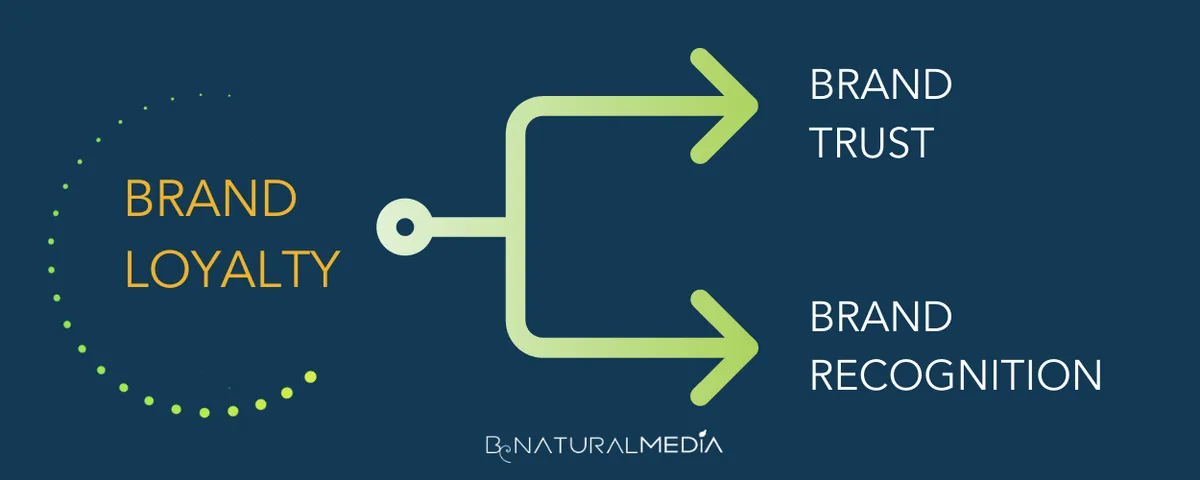
They are related but distinct. Trust is the belief that you will deliver. Loyalty is the behavior that follows from that belief.
You can have loyalty without trust in the short term, usually through switching costs or convenience. But that loyalty crumbles the moment a credible alternative appears. Branding trust is what makes loyalty durable.
Putting It All Together: a Practical Roadmap
If you want a simple plan, start here. Audit your promises against your delivery, then fix the largest gap you find.
Next, improve your response time and make your pricing and policies transparent. These two moves alone will shift how customers talk about you within a quarter.
Then build a habit of collecting specific proof and using it everywhere. Reviews, case studies, and honest testimonials compound over time.
Finally, document your standards so consistency survives growth. The playbook is what keeps branding trust intact when your team doubles.
None of this is glamorous, and none of it is fast in the way a viral campaign feels fast. But it is the kind of work that keeps customers for a decade instead of a season.
Every business that has earned lasting loyalty did it through the same unremarkable discipline: say what you will do, do what you said, and keep doing it long after it stops being exciting. That is branding trust, and it is the most valuable asset you will ever build.
| Trust Signal | What It Communicates | Practical Action |
|---|---|---|
| Fast response time | You value the customer’s time | Reply within 4 hours during business days |
| Transparent pricing | No hidden agenda | Show all fees before checkout |
| Specific reviews | Real people, real outcomes | Ask for detailed feedback within 48 hours |
| Consistent tone | One brand, not many departments | Maintain a shared voice playbook |
| Generous recovery | You stand behind your work | Refund plus a small unexpected gesture |
| Human faces | There are real people here | Name your team on the About page |
| Clear policies | No fine print traps | Write return rules in plain English |
For a broader look at how reputation and credibility function in business, the social science research on trust offers useful context that applies directly to how customers evaluate brands.
Pingback: Video Social Media: Best Platforms & Tips To Go Viral
Pingback: Marketing A Cause: Proven Ways To Raise Awareness
Pingback: Follow No Follow Links: Differences & When To Use Each
Pingback: Search Engine Optimization Image Tips: Rank In Google Images
Pingback: Brand Voice: How To Define Yours (With Examples)
Pingback: Key Performance Indicators In Marketing: KPIs To Track
Pingback: AI Content Creation Tools: Best Picks To Write Faster
Pingback: Infographic Ideas: 25 Creative Concepts To Inspire You
Pingback: Bing IndexNow: Setup Guide To Get Pages Indexed Faster
Pingback: Groupon Google: Find Local Deals & Coupons Near You
Pingback: Scale SEO: How To Grow Organic Traffic Without Extra Work