Your brand voice is the personality your business carries into every sentence it writes. It’s the difference between a customer feeling like they’re talking to a friend and feeling like they’re reading a legal memo.
Get it right, and people remember you. Get it wrong, and even a great product can feel forgettable. So let’s break down exactly how to build one that sticks.
What Brand Voice Actually Means (Beyond the Buzzword)
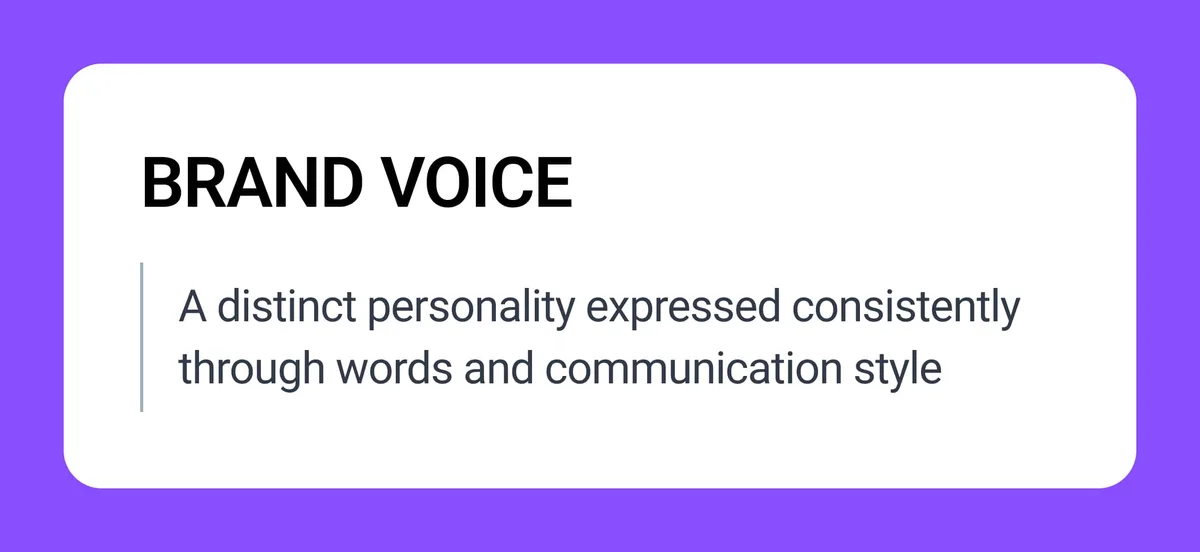
Strip away the marketing jargon and a brand voice is simply how you sound when you communicate. It’s the tone, rhythm, vocabulary, and attitude that show up in your website copy, your emails, your social posts, and even your error messages.
Think of it this way. Two coffee shops can sell the exact same latte. One greets you with a warm “Hey, good to see you again.” The other hands it over with a clipped “Order’s ready.” Same drink, totally different feeling. That gap is brand voice at work.
It’s not the same as your brand identity, though the two travel together. Identity covers your logo, colors, and visual system. Your brand voice covers the words. A strong one makes your writing recognizable even if you stripped away the logo entirely.
Why Brand Voice Matters More Than Most Founders Think
Here’s the uncomfortable truth: most businesses sound identical. Open ten competitor websites in the same industry and you’ll find the same phrases, the same structure, the same hollow promises. That sameness is a massive opportunity if you’re willing to sound like an actual human.
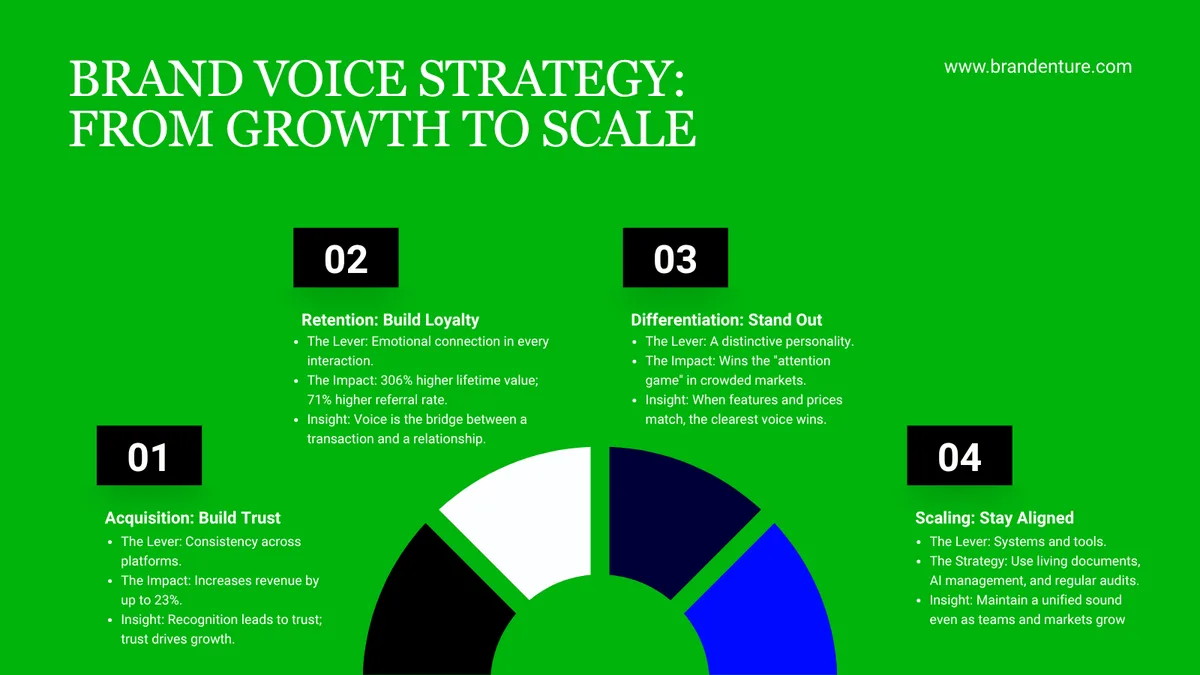
Consistency builds trust. When your emails, ads, and support replies all carry the same personality, customers start to feel like they know you. That familiarity compounds. It turns a one-time buyer into someone who recommends you without being asked.
There’s a commercial angle too. A distinctive brand voice cuts through the noise of crowded feeds and inboxes. People stop scrolling for things that feel different. If your writing sounds like everyone else’s, you’re invisible by default.
The Trust and Recall Connection
Psychologists call it the mere-exposure effect. We tend to like things more the more often we encounter them, especially when they feel consistent. A steady brand voice feeds that loop. Every touchpoint reinforces the last one instead of resetting the relationship.
Recall works the same way. If your tone is sharp, witty, and a little irreverent, a customer might quote your tagline to a friend. If your tone is bland, there’s nothing to quote. Memorability isn’t luck. It’s a byproduct of a voice that’s specific enough to stick.
Brand Voice Vs. Tone: Clearing Up the Confusion
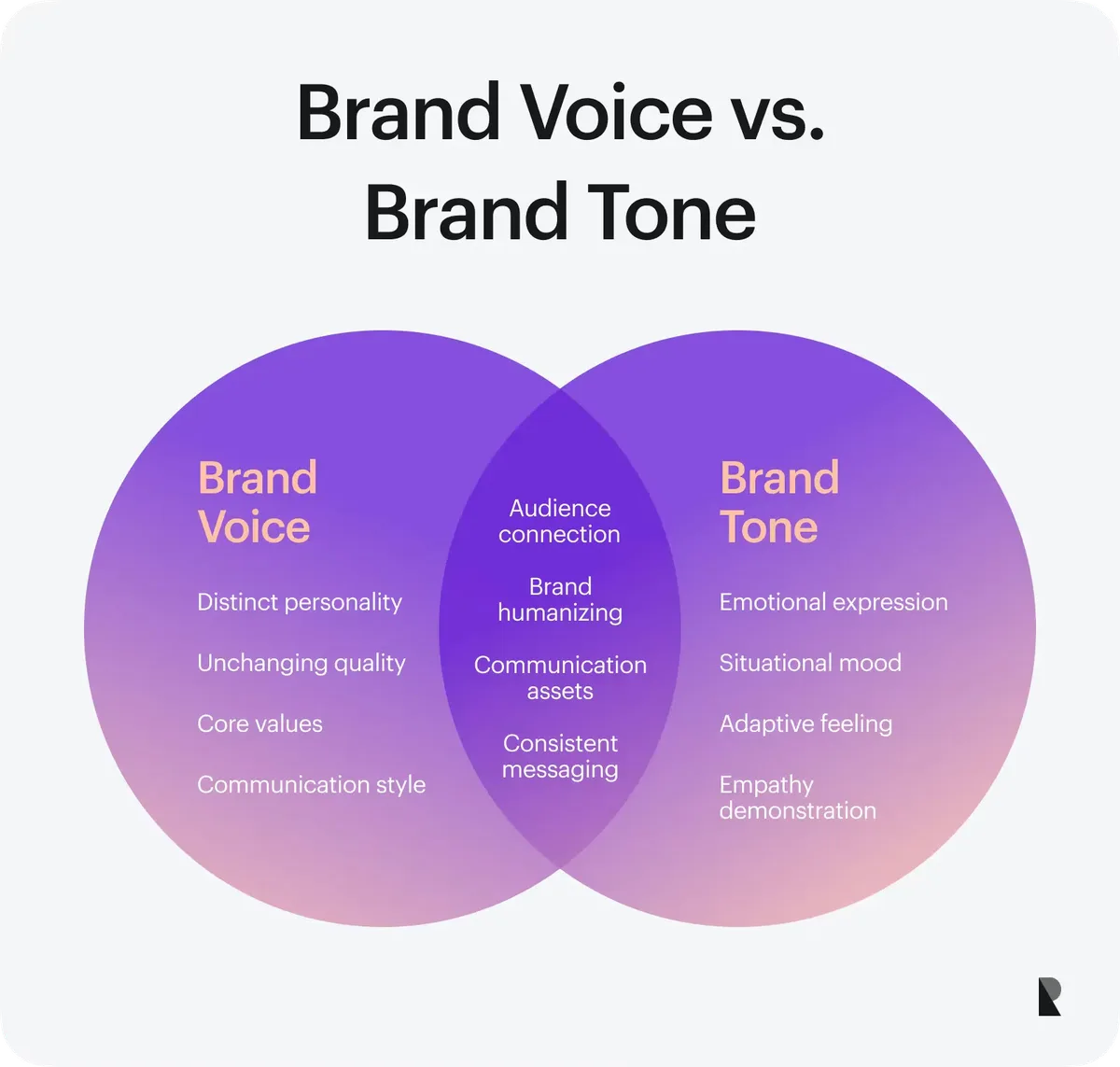
People use these two terms interchangeably, and that causes real problems when you try to write guidelines. Your brand voice is the constant. Your tone is the variable.
Picture a person. Their personality stays the same whether they’re at a funeral or a birthday party. But their tone shifts depending on the room. A brand works the same way. Your voice stays consistent, while your tone flexes to fit the situation.
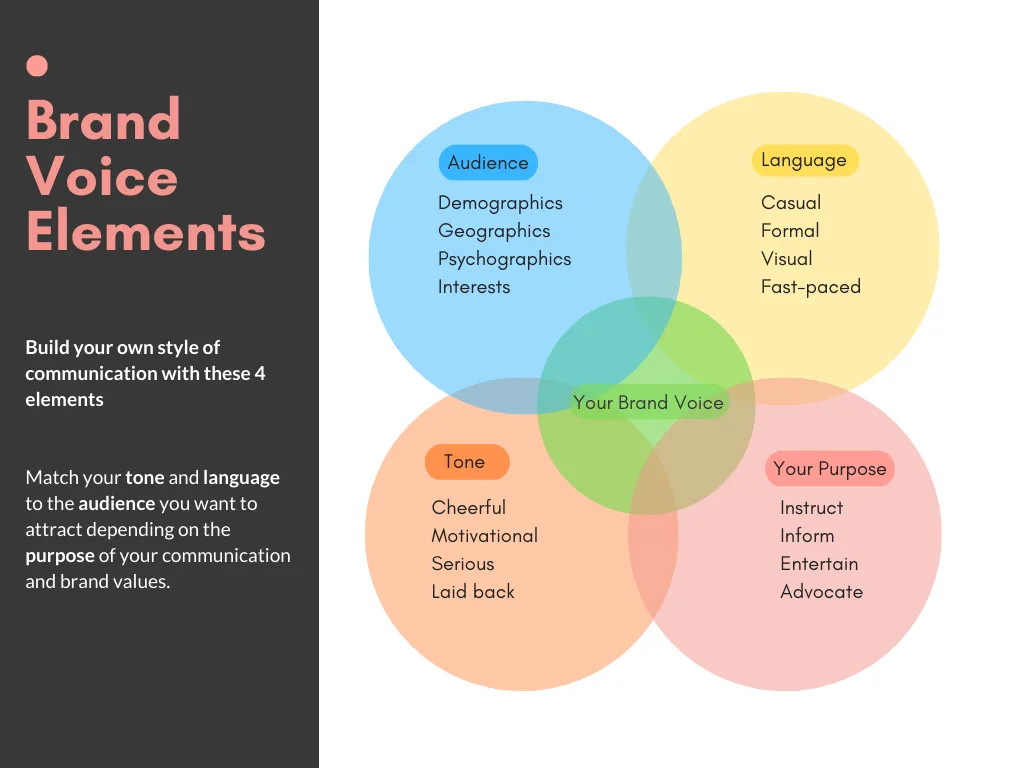
A playful brand voice might still sound serious when announcing a data breach. The playfulness doesn’t vanish. It just dials down because the moment calls for gravity. Confusing voice with tone leads to writing that either feels robotic or wildly off-key.
| Element | Brand Voice | Tone |
|---|---|---|
| Definition | The constant personality | The situational adjustment |
| Changes Over Time | Rarely, only with major rebrands | Frequently, channel by channel |
| Example | Warm and conversational | Celebratory in launch emails, calm in refund replies |
| Owner | Brand strategy team | Whoever writes the piece |
How to Define Your Brand Voice in Six Steps
Defining a brand voice isn’t a mystical exercise. It’s a process, and it follows a clear sequence. Skip a step and you’ll end up with vague words like “professional” and “friendly” that mean nothing to the writer trying to apply them.

Let’s walk through the six steps that actually produce a usable voice guide.
Step 1: Anchor to Your Brand Values
Your brand voice should grow out of what you actually believe, not what sounds nice on a slide. If your company exists to make finance less intimidating, your voice should feel approachable. If you sell precision tools to engineers, warmth matters less than clarity and accuracy.
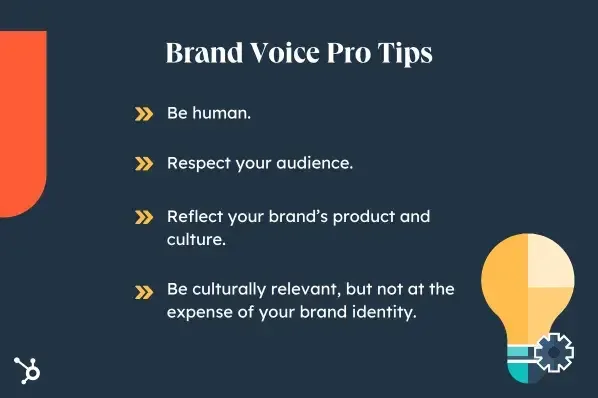
Write down three to five core values. Then ask what each one sounds like in conversation. “Transparency” might translate to plain language and admitting when you don’t know something. “Boldness” might mean short, punchy sentences that take a stance.
Step 2: Study Your Audience’s Language
Your customers already have a vocabulary. They have inside jokes, complaints, and phrases they use to describe their problems. Your brand voice should meet them there, not talk down from a pedestal.
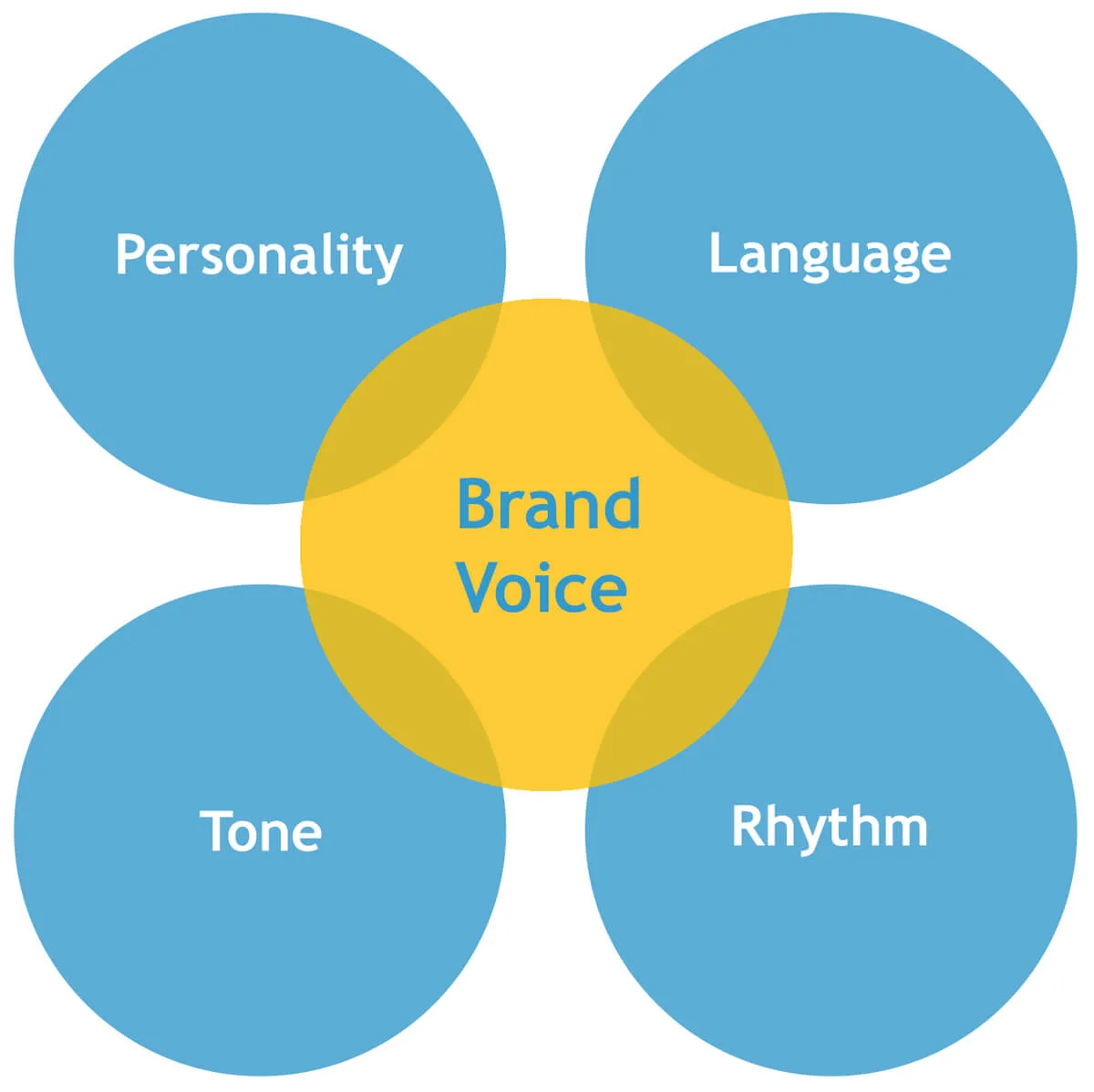
Mine your support tickets, reviews, and social comments. Note the words people repeat. If your customers call it a “hassle” instead of an “inefficiency,” use their word. Speaking their language is the fastest shortcut to feeling familiar.
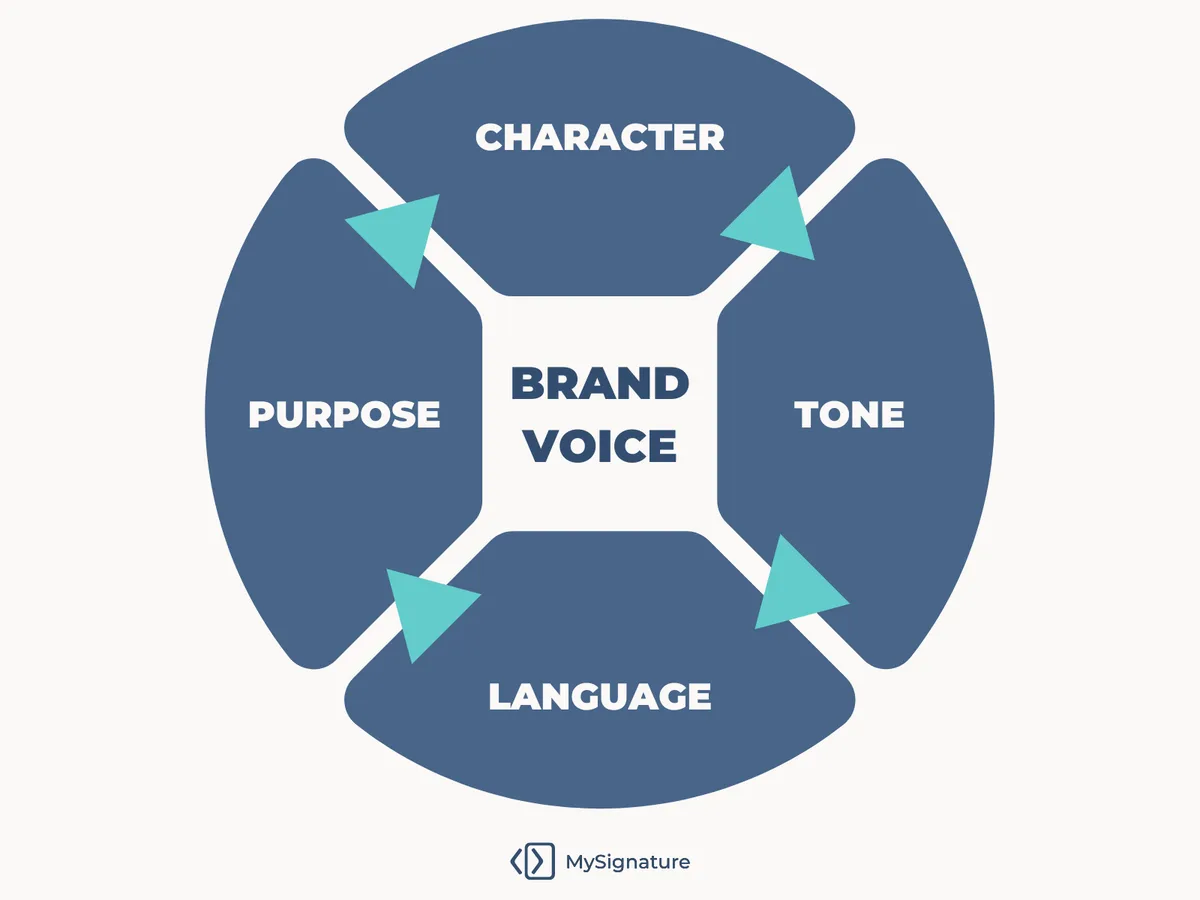
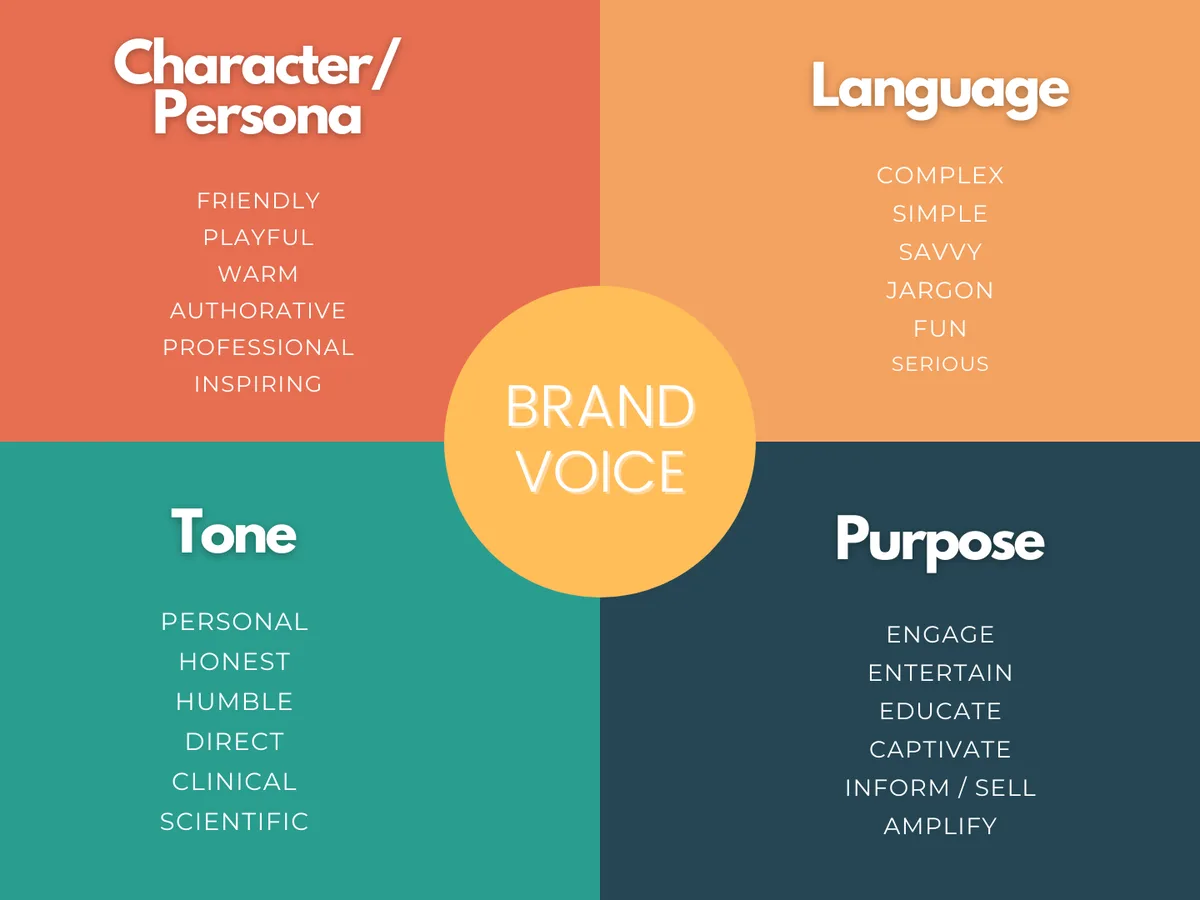
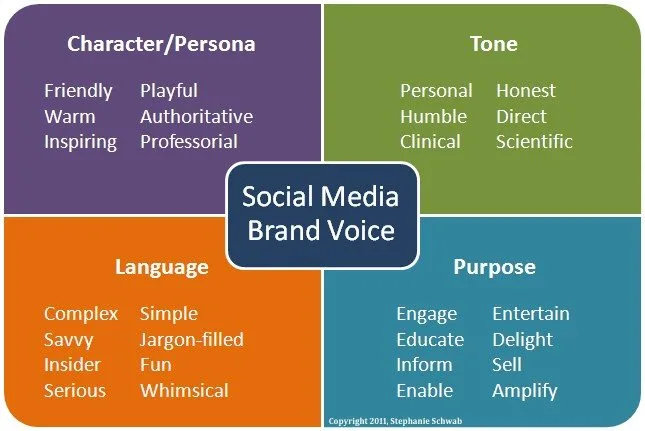
Step 3: Pick Three to Five Voice Attributes
This is where most guides get lazy. They tell you to pick adjectives and stop there. The trick is to pick attributes that are specific enough to guide real writing decisions.
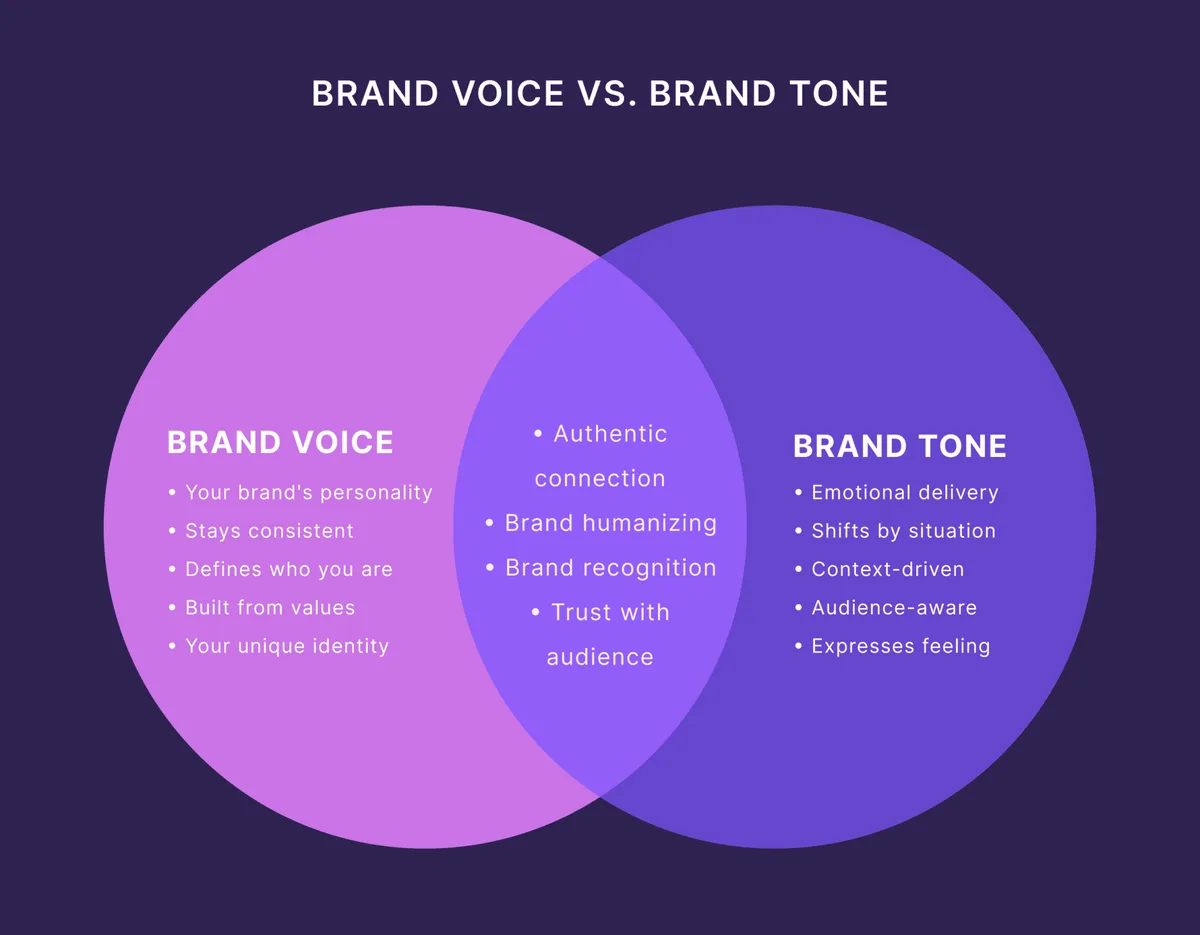
“Friendly” is too broad. “Friendly like a knowledgeable neighbor, never like a pushy salesperson” gives a writer something to work with. Pair each attribute with a “this, not that” contrast. That contrast is where the value lives.
Step 4: Build a Voice Chart
A voice chart turns abstract adjectives into concrete rules. For each attribute, spell out what it means, what it doesn’t mean, and how it shows up in practice. This is the document your writers will actually reference.

| Attribute | What It Means | What It Doesn’t Mean | In Practice |
|---|---|---|---|
| Confident | We know our craft | Arrogant or dismissive | State benefits plainly, skip hype words |
| Warm | We care about people | Overly casual or unprofessional | Use “you” and “we,” avoid corporate distance |
| Clear | We respect your time | Blunt or cold | Short sentences, no jargon dumps |
Step 5: Write Sample Copy in Your Voice
Guidelines are theory until you prove them on the page. Write three or four sample pieces: a homepage hero, a welcome email, a support reply, and a social caption. These become your reference library.
New writers can then compare their drafts against real examples. It’s far easier to match a living sample than to interpret a list of adjectives. Keep these samples updated as your brand voice evolves.
Step 6: Test, Gather Feedback, and Refine
Launch your guide, then watch how it performs. Does the copy feel right in the wild? Do customers respond to it? Are writers actually using it, or is it gathering dust in a shared drive?
Run a quick audit every quarter. Read your recent content out loud. If it sounds like a different company wrote it, your brand voice has drifted. Adjust the guide and retrain the team. This is a living document, not a one-time project.
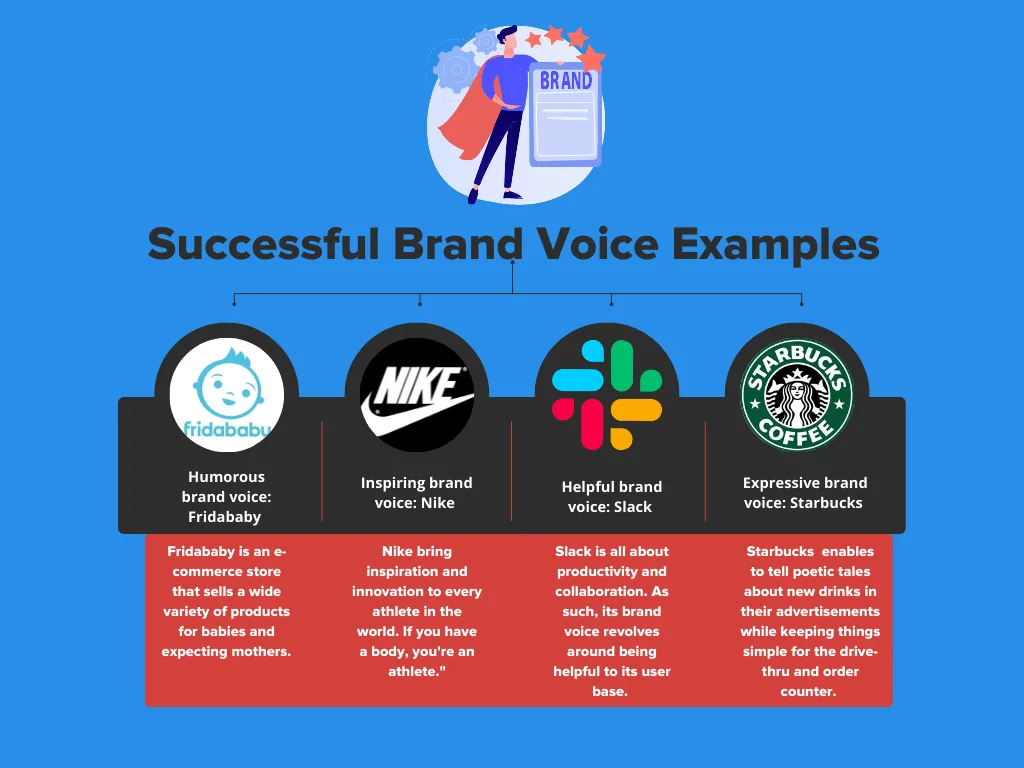
Real Brand Voice Examples That Get It Right
Theory only goes so far. Let’s look at how recognizable brands translate their personality into actual words, because seeing it in action makes the whole concept click.
Mailchimp: Playful but Professional
Mailchimp built a brand voice around wit without losing credibility. Their copy uses unexpected turns of phrase and a wink of humor, but it never sacrifices clarity. Their famous “You got this” energy shows up across onboarding, error messages, and campaigns.
The lesson here is that humor and professionalism aren’t opposites. You can crack a joke and still be taken seriously. The key is knowing when the joke helps and when it distracts.
Oatly: Unapologetically Quirky
Oatly went the other direction. Their brand voice is loud, self-aware, and deliberately weird. They print manifesto-style text on cartons and lean into absurdity. It’s polarizing on purpose.
What makes it work is consistency. Every touchpoint carries the same rebellious energy. If they suddenly switched to formal corporate speak, the whole thing would collapse. A distinctive brand voice only works when you commit to it fully.
Innocent Drinks: Warm and Human
Innocent built a voice around friendliness and small, human details. Their packaging talks to you like a friend who happens to make smoothies. They use plain language, gentle humor, and a lot of personality in tiny spaces.
The takeaway is that warmth doesn’t require length. A few well-chosen words can carry more personality than a paragraph of filler. Restraint is part of the craft.
Building a Brand Voice Guide Your Team Will Actually Use
Most voice guides fail because they’re too long, too abstract, or buried somewhere nobody looks. A guide is only valuable if a busy writer can open it and immediately know how to phrase a sentence.

Keep it short. Aim for a document someone can read in ten minutes. Lead with your attributes and the “this, not that” contrasts. Follow with real examples of good and bad copy side by side.
What to Include
Start with your voice attributes and what each one means in practice. Add a section on tone shifts, explaining how your voice flexes across channels like support, social, and legal. Include a glossary of words you love and words you ban.

Ban lists are underrated. If your this practice avoids jargon like “synergy” or “leverage,” say so explicitly. Writers appreciate clear guardrails far more than vague encouragement.
What to Leave Out
Skip the philosophical essays about “brand essence.” Skip the 40-page PDF nobody reads. Skip generic advice like “be authentic” without telling anyone what that looks like in a sentence.

Your guide should be a tool, not a manifesto. Every line should help a writer make a decision. If a section doesn’t change how someone writes, cut it.
Applying Brand Voice Across Every Channel
A this approach that only lives on your homepage is a half-finished job. The real test is whether it survives contact with every channel your customers touch.
Each platform has its own rhythm, and your voice needs to flex without breaking. That’s the whole point of separating voice from tone. The personality stays, the delivery adapts.
Website and Landing Pages
Your site is often the first real conversation. Use your this approach to guide headlines, button text, and even the microcopy under forms. Small details like “Let’s get started” versus “Submit” carry more personality than people expect.
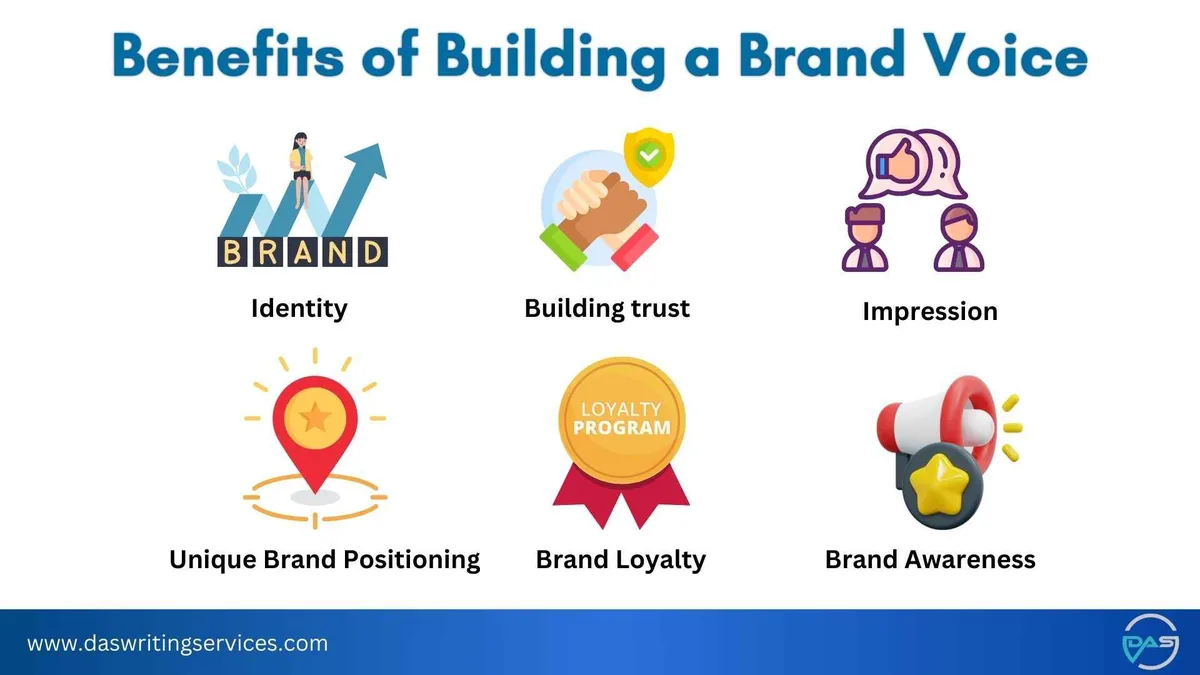
Keep paragraphs short and scannable. A confident this practice doesn’t need long blocks of text to prove itself. Clarity is a form of respect, and readers feel it.
Email and Customer Support
Support is where this approach earns its keep. A canned, robotic reply can undo months of careful brand building. Train your support team to write in your voice, and give them templates that sound like a human wrote them.
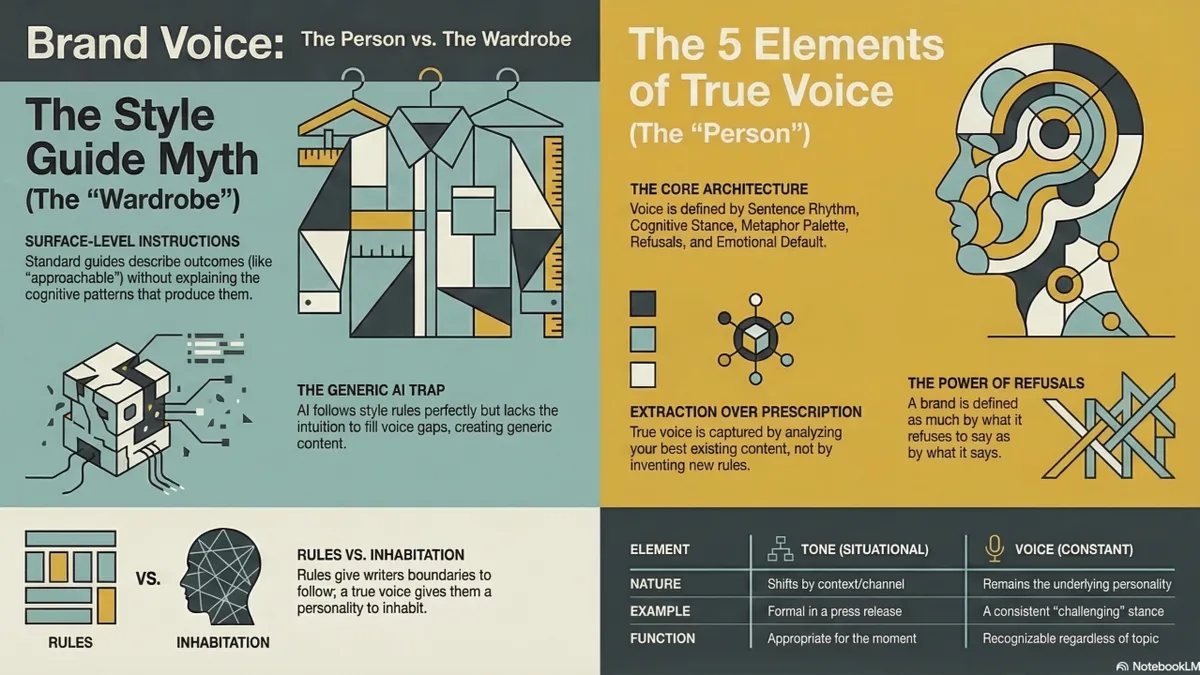
Even a refund confirmation can carry warmth. “Sorry this didn’t work out, here’s your money back” beats “Your request has been processed” every single time. Small choices like this shape how people feel about you.
Social Media
Social moves fast and rewards personality. This is where your this approach can be at its most relaxed, as long as it still feels like you. Reply to comments in your voice, not in a corporate third person.
Don’t chase trends that clash with your personality. If your this practice is calm and thoughtful, jumping on every meme will feel forced. Consistency beats virality over the long run.
Common Brand Voice Mistakes to Avoid
Even well-intentioned teams stumble into the same traps. Knowing them in advance saves you a lot of rework.
The biggest one is inconsistency. Your homepage sounds warm, your emails sound cold, and your ads sound like a completely different company. Customers notice, even if they can’t articulate why something feels off.
Another common mistake is copying a competitor’s this approach. It might feel safe, but it guarantees you’ll blend into the background. Your voice should come from your own values and audience, not from whoever’s winning right now.
Chasing Trends Over Substance
Trendy slang ages fast. A this practice built on this year’s buzzwords will feel dated next year. Build on durable traits like clarity, warmth, or wit instead of whatever’s trending on social.
Substance outlasts style. A voice grounded in real values keeps working long after the trend cycle moves on.
Overcomplicating the Guidelines
A 50-page voice document is a red flag, not a flex. Complexity kills adoption. If your team needs a training session just to find the rules, the guide is too dense.
Simplify relentlessly. One page of clear principles beats twenty pages of nuance nobody reads. Your writers will thank you, and your content will sound more consistent as a result.
Measuring Whether Your Brand Voice is Working
You can’t improve what you don’t measure. Luckily, this practice leaves measurable fingerprints if you know where to look.
Start with engagement metrics. Are people opening your emails, clicking your links, and replying to your posts? A voice that resonates tends to lift these numbers over time.
Then look at qualitative signals. Do customers quote your phrases back to you? Do they mention your tone in reviews? These small moments are proof that your this practice is landing.
Consistency Audits
Run a monthly audit where you read recent content side by side. Does it all sound like the same company? Flag any piece that feels off and trace it back to the writer or template that produced it.
Consistency is the hardest part of maintaining a this practice, and the most valuable. A single off-brand email can confuse a customer who’s been following you for months.
Feedback Loops
Ask your team for feedback on the guide. Writers often spot gaps that leadership misses. If the guidelines don’t cover a common scenario, add it.
Customer feedback matters too. If people describe your brand as “confusing” or “cold,” that’s a signal your this practice isn’t matching your intent. Adjust and re-test.
Scaling Brand Voice Across a Growing Team
The bigger your team gets, the harder consistency becomes. Ten writers can produce ten different versions of your voice unless you build systems to hold the line.
Onboarding is your first defense. Every new writer, marketer, and support rep should read the voice guide on day one. Make it part of the job, not an optional extra.
Templates help too. Pre-built frameworks for common content types keep everyone aligned without stifling creativity. The structure stays consistent while the personality stays intact.
Editing and Review
Assign a voice guardian, someone responsible for reviewing high-stakes content before it ships. This doesn’t mean micromanaging every tweet. It means protecting the pieces that matter most.
Over time, the guardian role can fade as the team internalizes the voice. The goal is instinct, not constant oversight.
Tools That Help
Style guides, shared glossaries, and AI writing assistants trained on your samples can all support consistency. Just don’t let tools replace judgment. A this practice is a human thing, and it needs human attention to stay alive.
Brand Voice for Small Businesses and Solo Founders
You don’t need a big team or a big budget to have a strong this approach. In fact, small businesses often have an advantage because the founder’s personality can shine through directly.
If you’re a solo founder, your natural way of speaking is a starting point. Refine it, but don’t sand off the edges. The quirks are what make you memorable.
Write down a few rules for yourself. What words do you always use? What words do you avoid? What’s your stance on humor, formality, and length? A one-page note is enough to keep you consistent.
Standing Out Locally
Local businesses can lean into regional flavor. A coffee shop in Portland can sound different from one in Nashville, and that’s a feature, not a bug. Place-based cues make your this practice feel grounded and real.
Reference local landmarks, seasons, and inside references your community will recognize. These details make your writing feel like it could only come from you.
Frequently Asked Questions About Brand Voice
Here is an in-depth breakdown of key considerations regarding this section:
What is Brand Voice in Simple Terms?
It’s the personality and style your business uses in all its communication. Think of it as how you’d sound if your company were a person having a conversation with a customer.
How is Brand Voice Different from Brand Tone?
Your this approach is the constant personality. Tone is how that personality shifts depending on the situation, like being playful in a launch post and calm in a refund email.
Can a Brand Voice Change Over Time?
Yes, but slowly and deliberately. Major rebrands or shifts in audience can justify an update. Random changes, though, erode the trust you’ve built through consistency.
How Do I Find My Brand Voice if I’m Just Starting Out?
Start with your values and your audience. Write a few sample pieces in different styles, then pick the one that feels most like you. Refine from there as you get customer feedback.
Does Brand Voice Matter for B2B Companies?
Absolutely. B2B buyers are still people, and they respond to personality just like consumers do. A clear this practice can make a technical product feel far more approachable.
How Do I Keep My Brand Voice Consistent Across a Team?
Write a short, usable guide. Include real examples of good and bad copy. Onboard every writer with it, and assign someone to review high-stakes content until the voice becomes instinct.
What Tools Help Maintain Brand Voice?
Style guides, shared glossaries, content templates, and AI assistants trained on your samples all help. None of them replace human judgment, but they make consistency easier to scale.
Putting Your Brand Voice to Work Starting Today
You don’t need a six-month project to define your this approach. You need a few hours, a blank document, and the willingness to make real choices instead of hiding behind vague adjectives.
Start with your values. Pick three attributes. Write a couple of sample pieces. Share them with your team. That’s enough to get moving, and you can refine as you go.
The businesses people remember are the ones that sound like themselves. Not the loudest, not the trendiest, just unmistakably them. A strong this approach is how you get there, one sentence at a time.
So open that document. Write the first line in your real voice. Then keep going, because consistency over months is what turns a good brand voice into an unforgettable one.
For verified reference and background research, consult the authoritative informational resource on this topic.