Open AI ads represent the newest frontier in paid digital marketing, and if you’re an advertiser trying to figure out whether this channel deserves a slice of your budget, you’re in the right place. ChatGPT now reaches hundreds of millions of weekly users, and the company has started testing ad formats inside that experience.
That shift matters. For the first time, brands can potentially place messages in front of people while they’re actively asking questions, comparing products, and making decisions — not just scrolling past a feed.
But here’s the catch: this isn’t Google Ads with a different logo. The rules, the intent signals, and the creative constraints are genuinely different. Let’s walk through what’s actually happening, what it means for your campaigns, and how to prepare without wasting money on guesswork.
What Exactly are Open AI Ads?
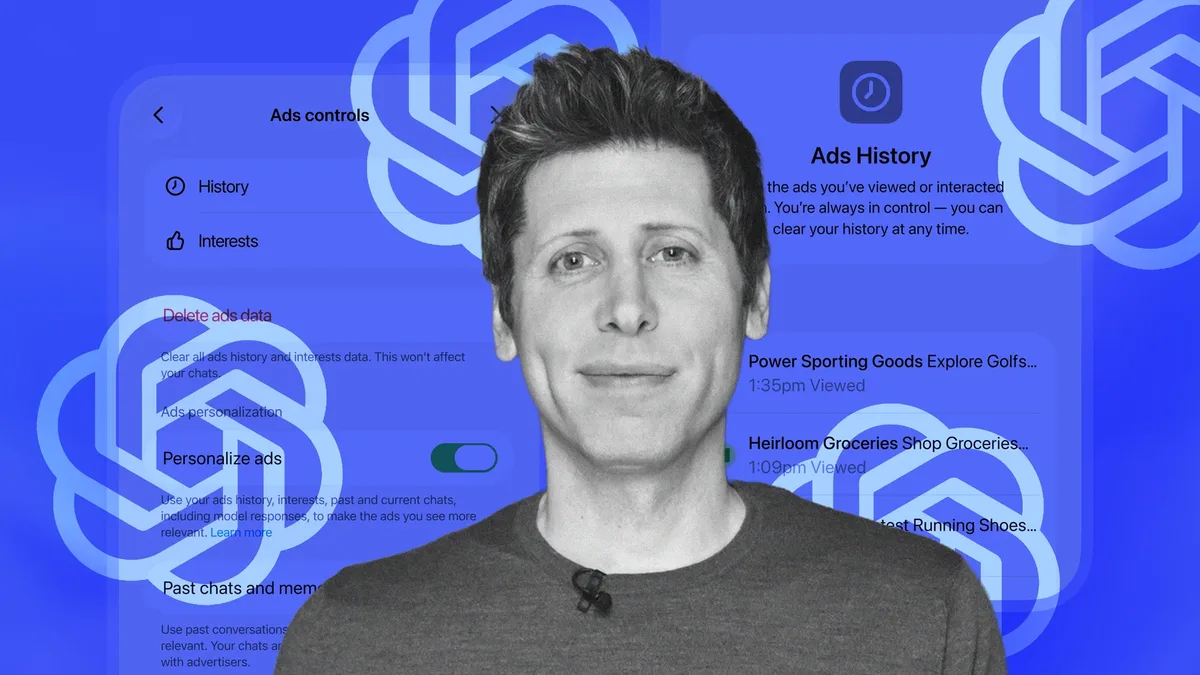
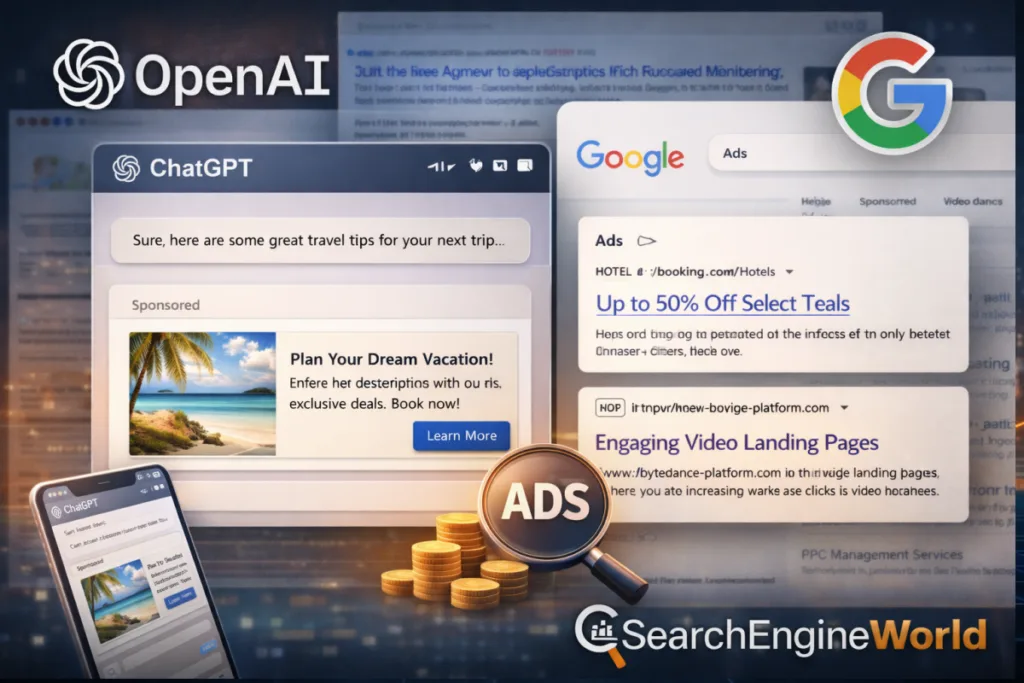
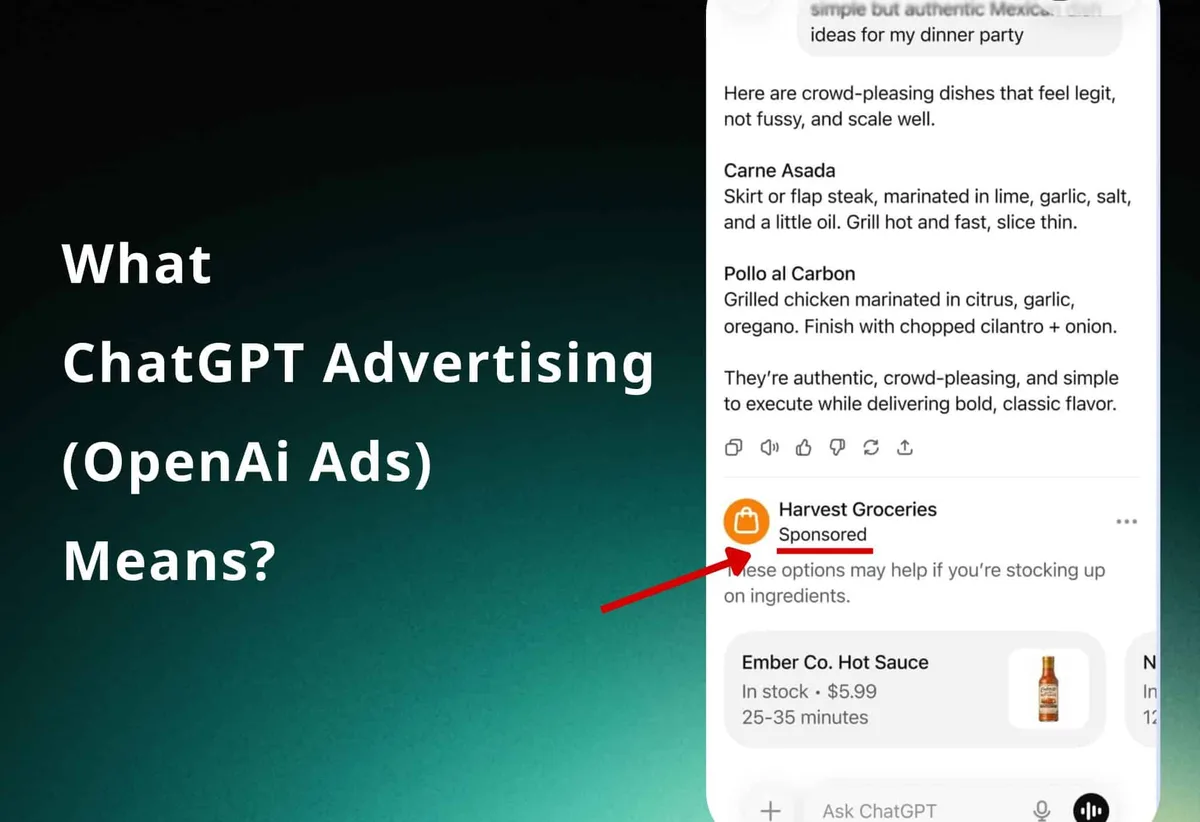
Open AI ads are sponsored placements that appear within OpenAI’s consumer products, primarily ChatGPT, and they’re designed to sit alongside organic answers rather than interrupt them. Instead of a banner screaming for attention, these units tend to be contextual — surfaced when a user’s query suggests commercial intent.
Think about how you personally use ChatGPT. You ask it to compare two laptops, summarize reviews of a CRM tool, or suggest a meal plan. That moment — right there — is where open AI ads make the most sense. The user isn’t browsing idly. They’re mid-decision.
According to OpenAI’s own announcements and reporting from outlets like Wikipedia’s OpenAI overview, the company has been exploring advertising as a revenue stream to support free-tier access. That’s a big deal, because it signals the ad product isn’t a side experiment — it’s part of the business model.
Why This Isn’t Just Another Ad Network
Most ad platforms sell inventory based on keywords or audience segments. Open AI ads lean harder into conversational context. The system sees the full thread of a conversation, not just a single search string.
That means your ad might appear after a user has already asked three follow-up questions about a product category. The intent signal is deeper. But it also means you can’t just dump your existing keyword list into a new dashboard and expect magic.
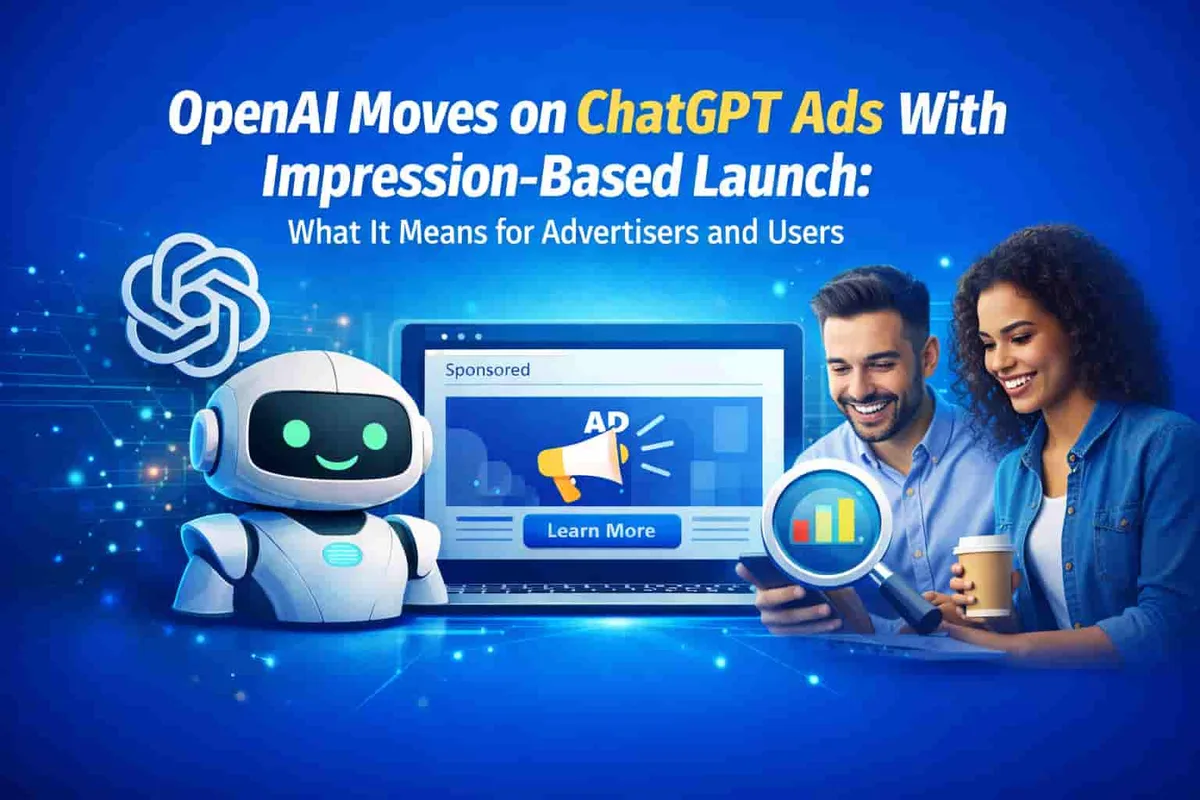
From what early testers have shared, relevance matters more than bid size in many placements. If your creative doesn’t match the conversation, it won’t run. That’s a healthier ecosystem long-term, even if it feels restrictive at first.
How Open AI Ads Differ from Google, Meta, and Bing
Let’s be honest — most advertisers already juggle three or four platforms. Adding another one sounds exhausting. So the real question is: what does this channel do that the others can’t?
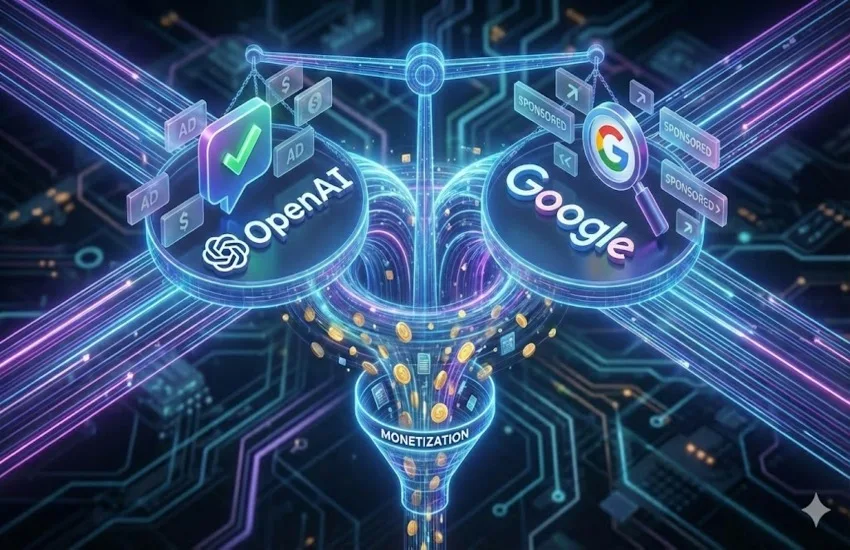
The biggest difference is conversational depth. Google Search captures a query. Meta captures behavior and interests. Open AI ads capture a dialogue — and dialogue reveals far more about what someone actually needs.
Second, the competition is still thin. Compared to Google Ads, where you’re bidding against thousands of established advertisers in every category, open AI ads are early. Early usually means cheaper clicks and less sophisticated rivals.
Third, the creative format is text-forward. No flashy video required. No elaborate landing page funnel. A well-written, useful message can outperform a polished production if it answers the user’s question.
| Platform | Primary Signal | Ad Format | Best For |
|---|---|---|---|
| Google Ads | Search query | Text, shopping, video | High-intent bottom-funnel |
| Meta Ads | Behavior & interests | Image, video, carousel | Demand generation |
| Bing Ads | Search query | Text, shopping | Older, higher-income demo |
| Open AI Ads | Conversational context | Contextual text units | Mid-to-lower funnel research |
Notice the “best for” column. Open AI ads sit in a sweet spot — people are researching seriously, but they haven’t committed yet. That’s prime real estate for brands with a strong value proposition.
Who Should Actually Test Open AI Ads First
Not every business belongs here. If you sell impulse purchases under twenty dollars, the conversational format probably won’t move the needle much. But certain categories are a natural fit.
SaaS companies top the list. Someone asking ChatGPT to compare project management tools is exactly the audience a B2B marketer wants. Same goes for financial services, insurance, education, and high-consideration electronics.
Local service businesses — plumbers, dentists, attorneys — can also benefit, especially as the ad product expands geographically. If someone asks an AI assistant for a recommendation in a specific city, a well-placed open AI ads unit could capture that lead.
Signals You’re Ready to Test
First, you already have a clear, differentiated offer. Vague messaging dies fast in a conversational environment.
Second, your landing pages convert well from organic traffic. If they don’t, fix that before spending a dollar on open AI ads.
Third, you can measure beyond last-click. Conversational ads often influence decisions over days or weeks, so attribution windows matter.
If all three boxes are checked, you’re in a strong position to run a small pilot and learn quickly.
Setting Up Your First Open AI Ads Campaign
The setup process is still evolving, but the fundamentals are consistent with other platforms. You need an account, a verified business identity, and a clear objective.
Start small. A pilot budget that lets you gather 500 to 1,000 impressions is enough to see whether the format works for your offer. Don’t blow your quarterly budget on week one.
Write ads like you’d write a helpful answer, not a billboard. The best-performing open AI ads I’ve seen read like a knowledgeable friend’s recommendation — direct, specific, and free of hype.
Structuring Your Ad Groups Around Intent
Instead of grouping by keyword, group by conversation type. “Comparison shoppers,” “problem-aware users,” and “ready-to-buy researchers” make excellent starting segments.
Each group gets its own creative. Comparison shoppers want side-by-side clarity. Problem-aware users want the diagnosis. Ready-to-buy researchers want proof and pricing transparency — without you naming a number in the ad itself.
This structure keeps your messaging tight and makes performance analysis far easier when you review results.
Creative Best Practices That Actually Work
Conversational ad copy is a different craft. You have maybe two sentences to earn a click, and the user is mid-thought.
Lead with the answer, not the pitch. If someone asked about the best accounting software for freelancers, your open AI ads copy should acknowledge that context immediately.
Skip the exclamation points. Skip the ALL CAPS. Skip the “revolutionary” language. Users in a chat interface are in a calm, focused state — match that tone.
Use specifics. “Cuts invoice time by 40% for solo consultants” beats “streamline your workflow” every single time.
Formatting Rules to Follow
- Keep headlines under 40 characters. Short headlines render better across devices and get read fully.
- One idea per ad. Cramming two value props dilutes both.
- Include a soft call to action. “See how it works” outperforms “Buy now” in research-heavy contexts.
- Match the user’s vocabulary. If they say “bookkeeping,” don’t say “financial reconciliation.”
- Test three variants minimum. Conversational performance varies wildly by phrasing.
These aren’t arbitrary rules — they come from patterns seen across early open AI ads tests and adjacent contextual ad products. The common thread is respect for the user’s attention.
Targeting and Context Signals in Open AI Ads
Traditional targeting options like age, income, and zip code may not be available in the same way here. Instead, open AI ads rely on contextual relevance and, in some cases, broad geographic or language filters.
That’s actually a feature, not a bug. When targeting is context-driven, your creative does the heavy lifting. It forces better messaging.

You can still layer in some controls — language, region, device type — but the core lever is the conversation your ad appears next to.
How to Think About Audience Without Traditional Segments
Build personas around questions, not demographics. “The overwhelmed first-time founder” is more useful than “male, 30-45, urban.”
Then map each persona to specific query patterns. What would they type? What follow-ups would they ask? That mental exercise produces sharper open AI ads copy than any audience dashboard.
It also helps you spot gaps. If you can’t imagine a realistic question your buyer would ask, your targeting strategy isn’t ready.
Budgeting and Bidding Strategy
Pricing models for open AI ads are still maturing, but most early access programs use CPC or CPM structures similar to other networks. Competitive direct manufacturer pricing isn’t the norm here — this is a media buy, not a product purchase.
Start with a test budget you can afford to lose. Seriously. Treat the first month as tuition, not investment.
Once you see which conversation types convert, shift budget toward them aggressively. The learning curve is steep but the payoff can be fast.
Bid Adjustments Worth Testing
If the platform allows, bid higher on bottom-funnel conversation types and lower on broad awareness queries. You’ll typically see better ROAS on the former.
Also test time-of-day adjustments. B2B audiences often engage with AI assistants during work hours; consumer audiences skew evenings and weekends.
Small tweaks like these compound quickly when you’re running lean budgets across multiple open AI ads campaigns.
Measuring Performance Without Fooling Yourself
Attribution is the hardest part of any new channel. Open AI ads are no exception.
Last-click attribution will undercount impact, because many users research in ChatGPT and convert later through a branded search or direct visit. Use multi-touch models and look at assisted conversions.
Set up UTM parameters carefully. If the platform supports dynamic parameters, use them. Otherwise, create distinct tracking links for each ad group.
And please — don’t judge a channel on week-one data alone. Give open AI ads at least 30 days and a few hundred clicks before drawing conclusions.
Key Metrics to Watch
| Metric | What It Tells You | Healthy Range (Early) |
|---|---|---|
| CTR | Creative relevance | 1% – 3% |
| CPC | Competitive pressure | Varies by category |
| Conversion Rate | Landing page fit | 2% – 5% |
| Assisted Conversions | Hidden influence | Track trend, not absolute |
| Cost per Qualified Lead | True efficiency | Compare to other channels |
If your CTR is under 1%, the problem is almost always the copy. If conversion rate is low but CTR is healthy, look at your landing page.
Common Mistakes Advertisers Make With Open AI Ads
The first mistake is treating open AI ads like search ads. They’re not. Search is transactional; conversation is exploratory.
The second is over-automation. Early on, you want human eyes on every campaign. Algorithmic optimization needs data, and you don’t have enough yet.

The third is creative laziness. Copy-pasting your Google Ads headlines into open AI ads rarely works, because the context is fundamentally different.
The fourth, and maybe the most expensive, is quitting too soon. New channels always look mediocre in month one. The winners are the advertisers who iterate patiently.
How to Avoid These Pitfalls
Write fresh copy for every platform. Read your ad out loud — if it sounds like a robot wrote it, rewrite it.
Keep a weekly review cadence. Look at what worked, what flopped, and why. Document patterns.
And set a decision date. If open AI ads haven’t produced a positive signal after 60 days of honest effort, pause and reassess. That’s discipline, not defeat.
The Privacy and Trust Question
Any time advertising enters a conversational space, users raise privacy concerns. That’s fair. OpenAI has published commitments about how ad targeting works and what data is used.
From an advertiser’s perspective, the practical takeaway is simple: don’t ask for more than the platform provides, and don’t try to reverse-engineer user identities. It’s both unethical and, increasingly, illegal.
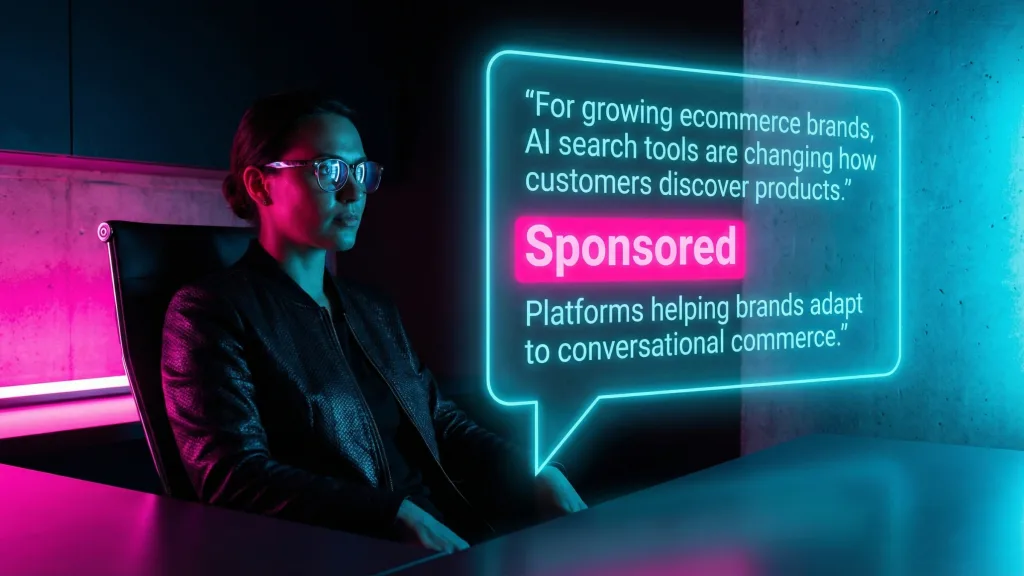
Transparency in your own creative also matters. If your open AI ads unit is sponsored, it should be clearly labeled. Users forgive advertising. They don’t forgive deception.
Building Long-Term Trust With Conversational Ads
Deliver on your promise. If your ad says “free trial,” the landing page should offer a free trial without a credit card ambush.
Keep frequency reasonable. Nobody wants to see the same open AI ads placement five times in one session.
And collect feedback. Ask new customers how they found you. Their answers will tell you more than any dashboard.
How Open AI Ads Fit Into a Full-Funnel Strategy
Think of this channel as the connective tissue between awareness and conversion. It’s not a replacement for Google or Meta — it’s an addition.
Top of funnel, you might use social video to create interest. Middle funnel, this approach catch people actively researching. Bottom funnel, retargeting and branded search close the deal.
When the three layers work together, your cost per acquisition drops. Each channel does what it’s best at instead of trying to do everything.
Sample Budget Split for a Mid-Size Advertiser
- 40% — Google Search. Still the highest-intent channel for most categories.
- 25% — Meta / Social. Demand generation and retargeting.
- 20% — Open AI Ads. Mid-funnel research capture.
- 10% — YouTube or display. Awareness and remarketing.
- 5% — Experimental. New formats, new platforms, new ideas.
Adjust these numbers based on your category, but keep this approach in the mix. As the platform matures, that 20% slice will likely grow.
Industry-Specific Angles for Open AI Ads
Different verticals see different results. Here’s a quick tour of where this channel tends to shine.
In SaaS, this approach work best for tools with clear comparison value. Project management, CRM, analytics, and design tools all fit.
In e-commerce, the fit is trickier. High-ticket items — furniture, electronics, specialty gear — perform better than commodity goods, because the research phase is longer.
In professional services, this approach can be a lead magnet for consultations. Attorneys, accountants, and consultants all benefit when their ad appears next to a relevant question.
Case Study: a B2B SaaS Pilot
Picture a mid-market CRM vendor running a 45-day pilot. They targeted comparison queries and problem-aware questions, using three ad variants per segment.
Results after six weeks: a cost per qualified demo roughly 30% below their LinkedIn benchmark, with a similar close rate. Not spectacular, but promising.
The lesson? this practice rewarded specificity. Their winning copy named a competitor directly and explained one clear differentiator. Vague ads lost.
Technical Considerations and Tracking Setup
Before you launch, get your tracking house in order. This is unglamorous work, but it determines whether you can actually learn anything.
Install your analytics tag properly. Set up conversion events for the actions that matter — demo requests, purchases, sign-ups. Skip vanity metrics.
Use server-side tracking if possible. It’s more resilient to browser restrictions and gives cleaner data.
And document everything. When you scale this practice spend, you’ll want a clear record of what changed and when.
UTM Naming Conventions That Scale
Pick a structure and stick to it. Something like: source=openai, medium=cpc, campaign=spring-pilot, content=variant-a.
Lowercase everything. Avoid spaces. Keep parameters short and consistent.
This discipline pays off when you’re comparing this approach performance against five other channels in one dashboard.
Scaling What Works in Open AI Ads
Once you’ve found a winning formula, scaling is about repetition with variation. Don’t just increase budget — expand into adjacent conversation types.
If comparison queries worked, test problem-aware queries. If one persona converted well, build out two more.
Increase budget gradually — 20% to 30% at a time — so you don’t break the algorithm’s learning phase.
And keep a control group. Always have one segment running the original winning creative so you can measure whether new variants actually improve things.
When to Expand to New Geographies
Geography expansion depends on platform availability. If this practice are live in your target market and you have localized creative, test it.
Start with one new region. Localize the copy properly — machine translation rarely performs well in conversational contexts.
If the new region matches your home market’s efficiency within 60 days, expand further. If not, pause and diagnose before adding more.
Risks and Limitations to Keep in Mind
No channel is perfect, and this approach have real limitations.
Availability is still limited. Not every advertiser can access the platform yet, and features roll out unevenly.
Reporting is maturing. You may not get the granular data you’re used to from Google or Meta.
Creative formats are constrained. If your brand depends on rich visuals, this channel may not be your primary play.
And regulatory scrutiny is likely to increase. Advertisers in healthcare, finance, and other regulated industries should expect extra compliance work.
How to Manage These Risks
Diversify. Never let this practice become your only channel, even if it performs beautifully.
Keep a portion of budget in proven platforms. That’s your safety net.
Stay close to platform announcements. Early access programs often give insiders a meaningful head start, and this practice are no exception.
Frequently Asked Questions About Open AI Ads
Here is an in-depth breakdown of key considerations regarding this section:
Are Open AI Ads Available to All Advertisers?
Not yet. Access has been rolling out through pilot programs and select partnerships. If you’re interested, get on the waitlist and prepare your creative in advance so you can launch the moment you’re approved.
How Much Do Open AI Ads Cost?
Pricing varies by placement, category, and competition. Early adopters generally report lower costs than mature channels like Google, but that won’t last forever. Budget for a pilot and let your own data guide scaling decisions.
Do Open AI Ads Work for Small Businesses?
Yes, especially local service providers and niche e-commerce brands. The conversational context can be a real advantage for businesses with a specific, well-defined offer. Just start small and iterate.
What Creative Formats are Supported?
Currently, most this practice are text-based contextual units. Some placements may support a headline, description, and link. Rich media formats are likely to come later as the product matures.
How Do I Track Conversions from Open AI Ads?
Use UTM parameters, conversion events in your analytics platform, and multi-touch attribution. Last-click alone will undercount impact, since many users research in ChatGPT and convert later through another channel.
Will Open AI Ads Replace Google Ads?
No. They serve different moments in the buyer journey. Google captures explicit search intent; this practice capture conversational research. Smart advertisers will use both, not choose between them.
Practical Action Plan for the Next 90 Days
Enough theory. Here’s what to actually do.
Week one: get on the waitlist, set up your tracking infrastructure, and draft three ad variants for your top conversation type.
Weeks two through four: launch a small pilot if you have access. If not, run a dry test using ChatGPT yourself to understand how users phrase questions in your category.
Weeks five through eight: analyze results, kill losers, double down on winners. Document everything.
Weeks nine through twelve: scale what works, test one new conversation type, and decide whether this approach deserve a permanent line in your budget.
That cadence keeps you learning without overcommitting. It’s the same discipline that made early Google Ads adopters successful years ago.
Tools to Support Your Open AI Ads Workflow
- Analytics platform. GA4 or a privacy-first alternative for conversion tracking.
- Attribution tool. Something like Triple Whale or Northbeam for multi-touch models.
- Creative testing doc. A shared spreadsheet tracking every variant and its performance.
- Landing page builder. Fast, mobile-optimized pages that match your ad promise.
- CRM integration. So sales can see which leads came from open ai ads.
None of these are exotic. But together, they turn a chaotic channel into a manageable one.
Final Thoughts on Open AI Ads for Advertisers
Look, this channel is young. There will be bumps. Features will change, pricing will shift, and best practices will evolve faster than any blog post can track.
But the underlying opportunity is real. this approach put your message in front of people at the exact moment they’re thinking hard about a decision. That’s rare.
My honest advice: get in early, stay curious, and treat every campaign as a small experiment. The advertisers who learn fastest on this practice will be the ones with a serious advantage when the channel matures.
Start with a pilot. Measure honestly. Scale what works. And keep your eye on the bigger picture — because the way people search, ask, and decide is changing, and open AI ads are right at the center of that shift.