If you have ever stared at your analytics dashboard wondering why organic traffic stalled, the answer usually hides inside your site keyword ranking data. Knowing exactly which queries push visitors to your pages changes how you build content, structure internal links, and spend your marketing budget.
This guide walks you through the whole process, from pulling your first ranking report to turning raw positions into revenue-driving decisions.
I have spent years auditing sites for agencies and solo founders, and the pattern never fails. Focusing on site keyword ranking provides clear direction here. Teams that track rankings methodically outperform teams that guess. They catch decay early, they double down on winners, and they stop wasting hours on keywords that never had a chance. Let’s break down how that works in practice.
What Site Keyword Ranking Actually Means
At its core, a site keyword ranking is the position your page holds in search results for a specific query. Google, Bing, and other engines return a ranked list, and your job is to figure out where you sit on that list for every term that matters to your business.
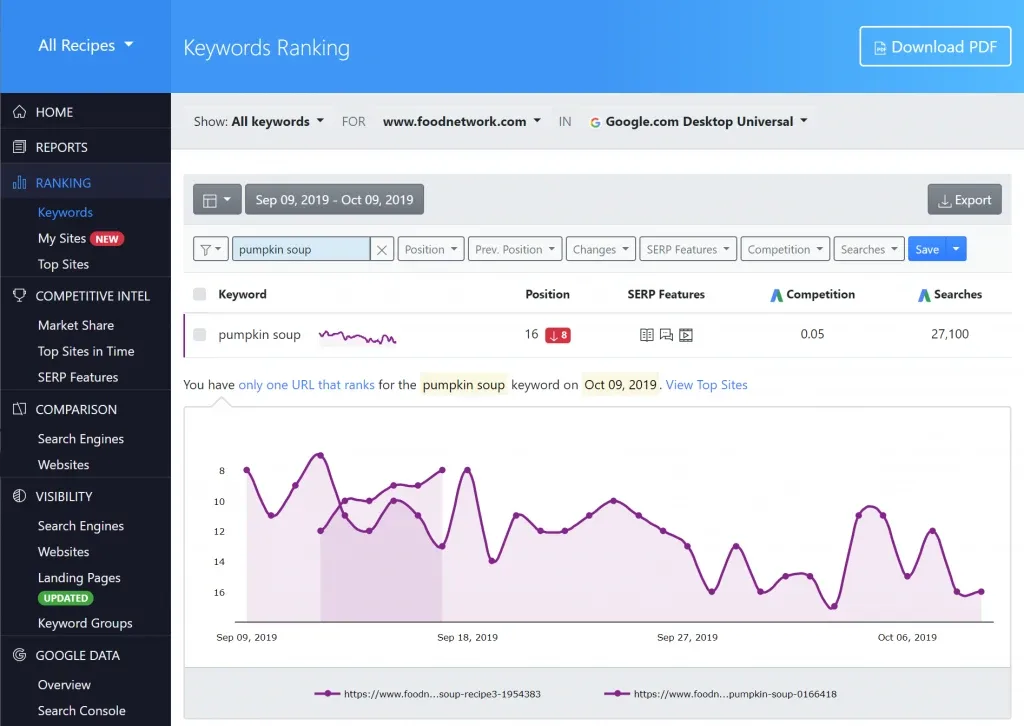
That sounds simple until you realize a single site can rank for thousands of queries. Some you targeted on purpose. Others arrived by accident because a blog post happened to match an odd long-tail phrase. Both categories matter, and a healthy site keyword ranking audit covers both.
Think of it like a storefront. You know your main products, but you probably do not know every reason a customer walks through the door. Ranking data tells you those hidden reasons, and that information is gold for content planning.
Why Tracking Your Site Keyword Ranking Beats Guesswork
Gut feeling is a terrible SEO strategist. I have watched founders insist their best page was the homepage when the data showed a forgotten comparison article pulling three times the organic conversions. Without a proper site keyword ranking report, you are flying blind.
Consistent tracking gives you three things. First, it shows movement, so you catch drops before they become disasters. Second, it reveals opportunities you never noticed, like a page ranking at position eleven that only needs a small push to crack the top five. Third, it justifies your budget when someone upstairs asks why content marketing deserves more resources.
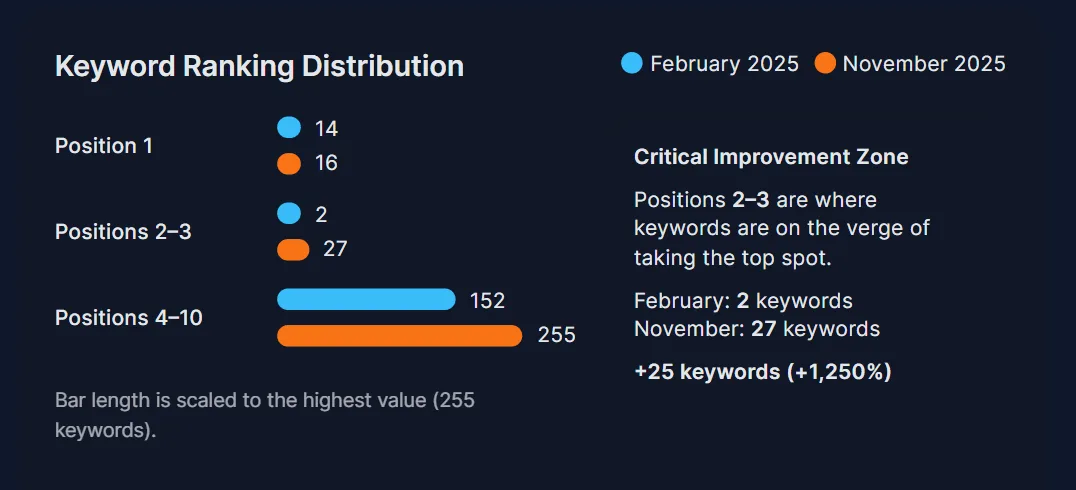
There is also a psychological benefit. Watching a target phrase climb from page three to page one is deeply motivating. It turns abstract SEO work into a scoreboard, and humans respond to scoreboards.
How Search Engines Decide Your Position
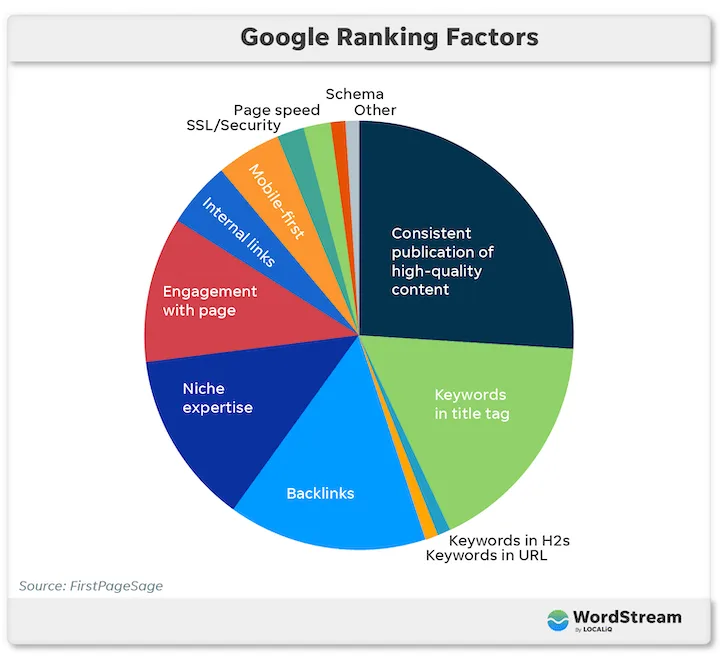
Before you can improve a site keyword ranking, you need to understand what drives it. Search engines weigh hundreds of signals, but a handful dominate the conversation.
Relevance comes first. Does your page actually answer the query, or does it merely mention the phrase? Intent matters too. A user searching “best running shoes” wants a commercial list, while someone typing “how to tie running shoes” wants instructions. Match the wrong intent and your site keyword ranking will stall no matter how many backlinks you build.
Authority follows relevance. Links from reputable sites still carry weight, and so does topical depth. A site with fifty well-written articles about camping gear will outrank a general blog on a camping query almost every time.
Finally, technical health plays a quiet but decisive role. Slow pages, broken mobile layouts, and crawl errors drag rankings down. Fix the plumbing before you chase fancy tactics.
Setting Up Your First Ranking Report
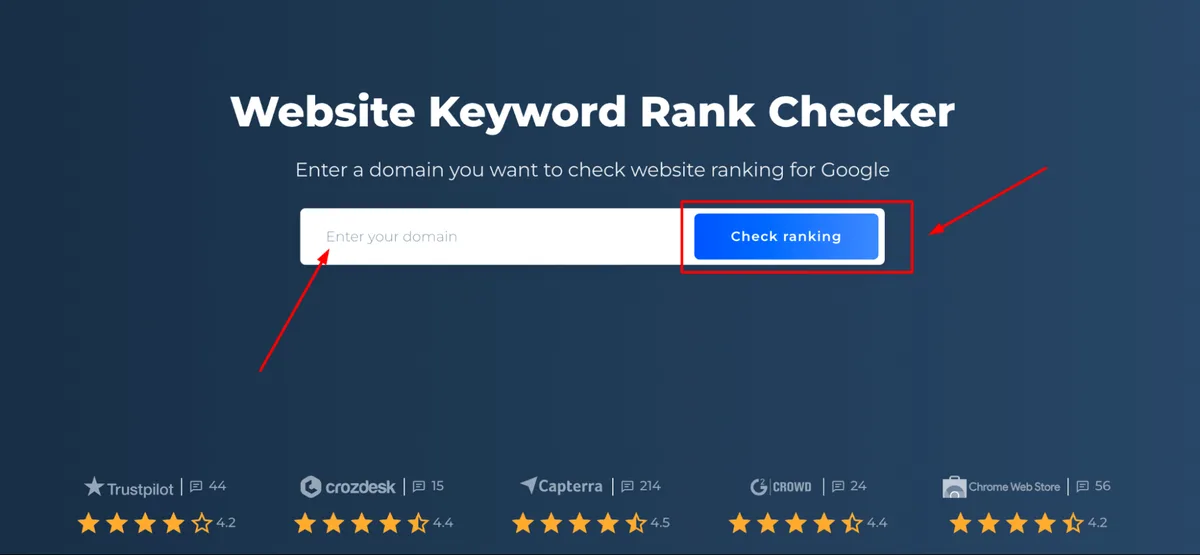
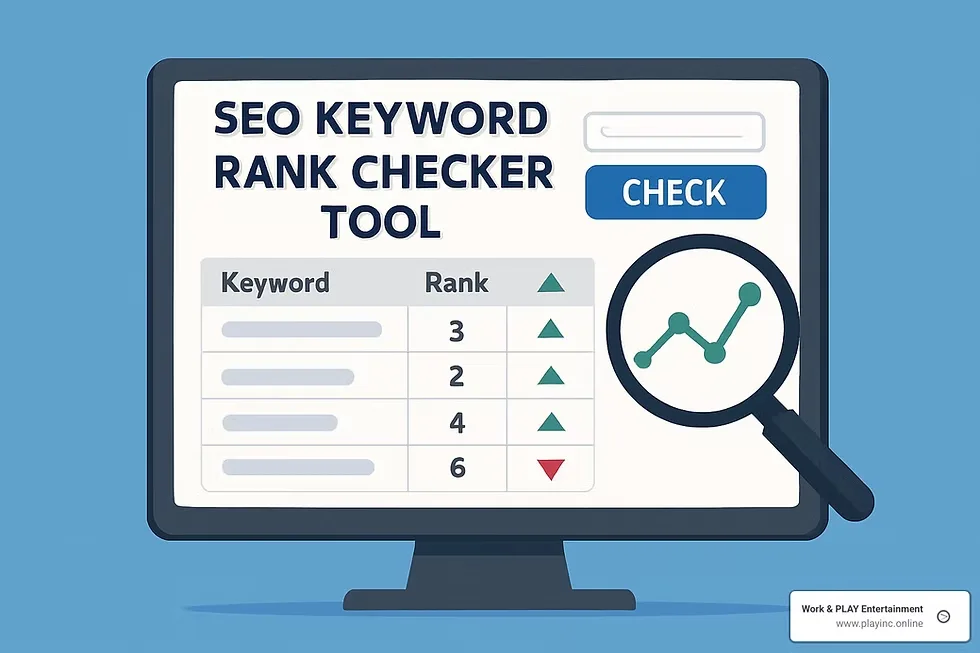
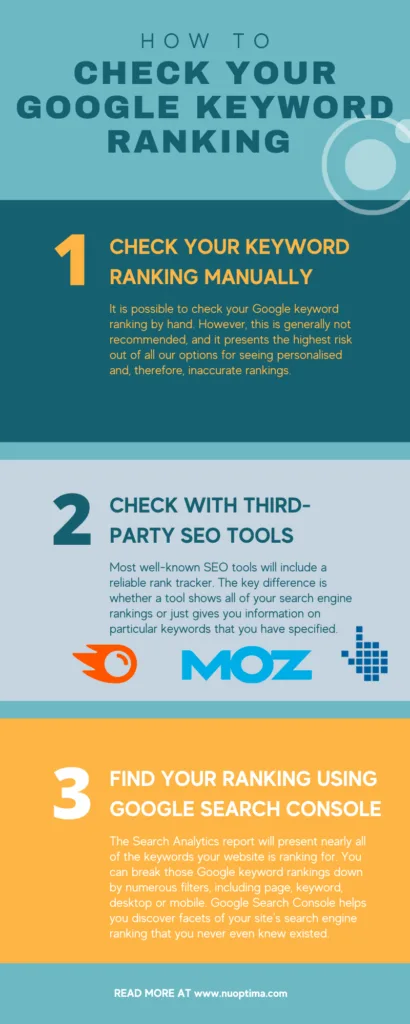
You need tools, and you need a system. Free options like Google Search Console show you queries where your site already appears, which is the fastest way to see your current site keyword ranking without spending a dime.
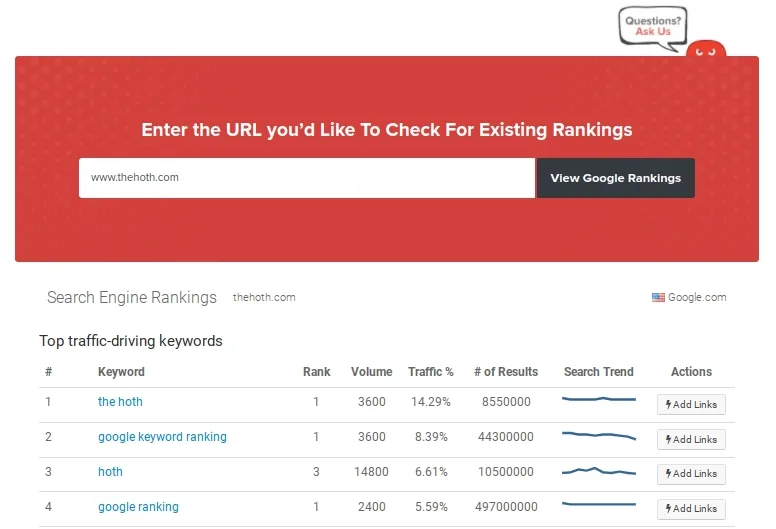
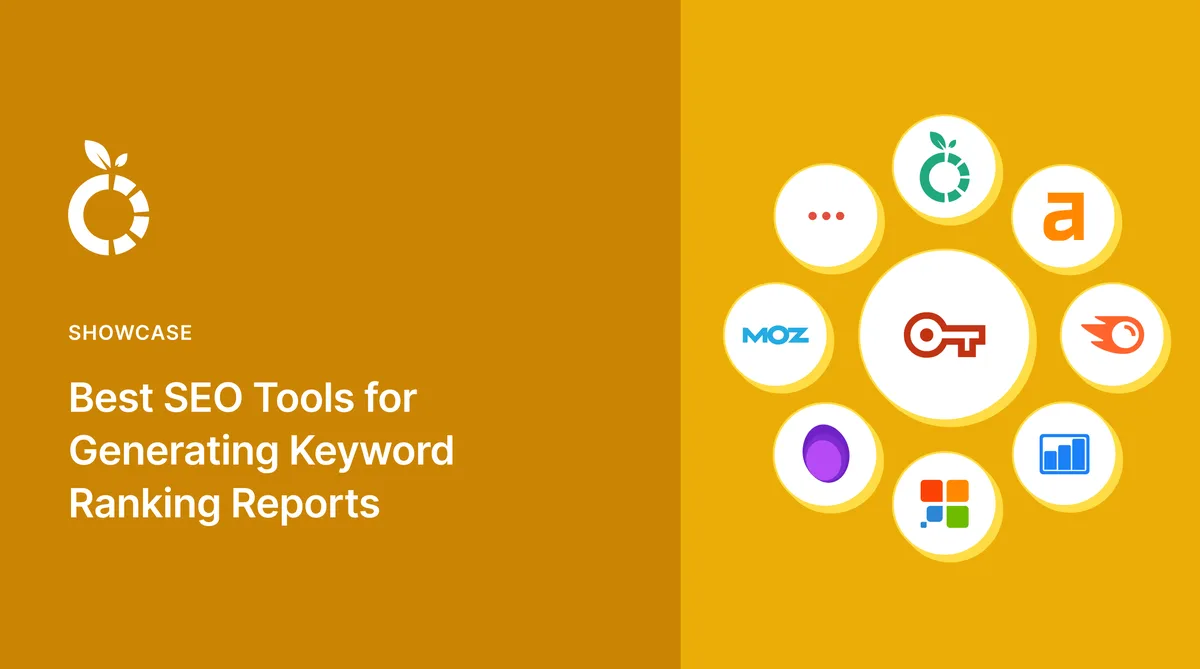
Paid platforms such as Semrush, Ahrefs, and Moz add competitor tracking, historical graphs, and daily updates. Pick one primary tool and stick with it, because switching mid-project scrambles your baseline data.
Once your tool is connected, build a tracking list. Start with twenty to fifty keywords that directly relate to your products or services. Then add ten to twenty aspirational terms you want to rank for within a year. This mix keeps you grounded while giving you something to chase.

Reading a Site Keyword Ranking Report Without Getting Lost
Reports can overwhelm newcomers. Refining each detail of your site keyword ranking strengthens this section. Columns of numbers, colored arrows, and mysterious metrics like “visibility score” pile up fast. Here is how to cut through the noise.
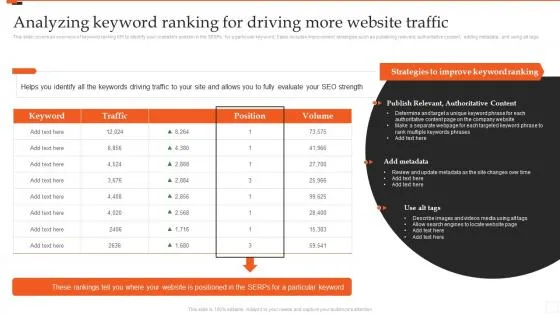
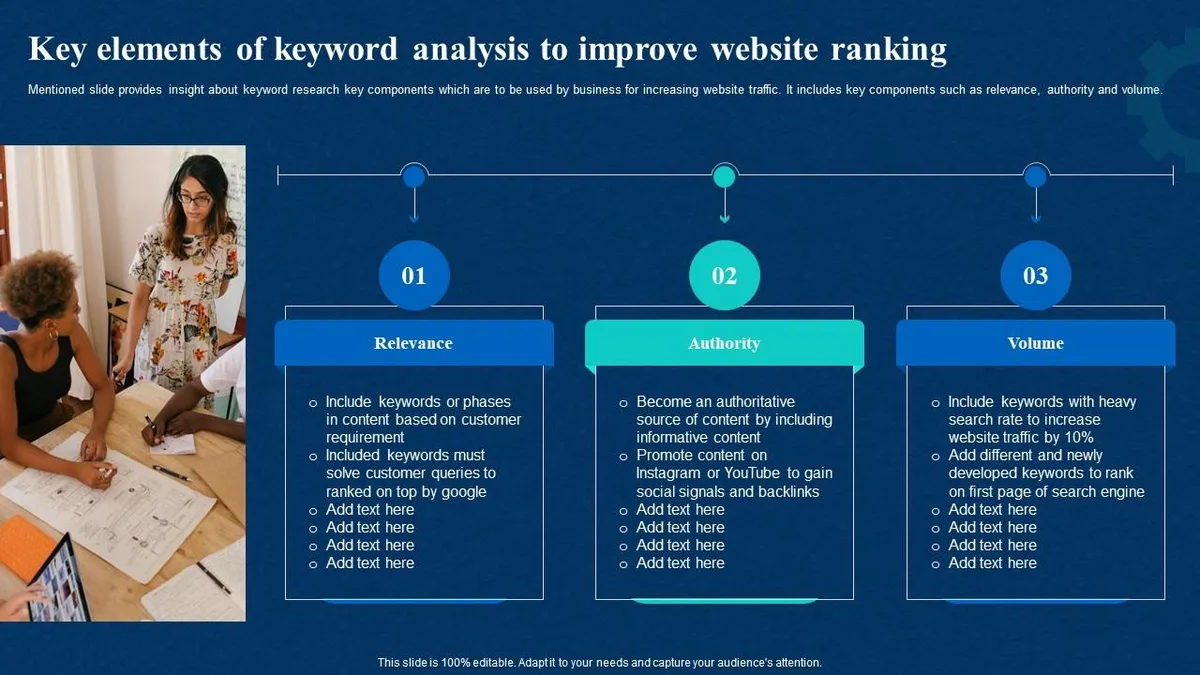
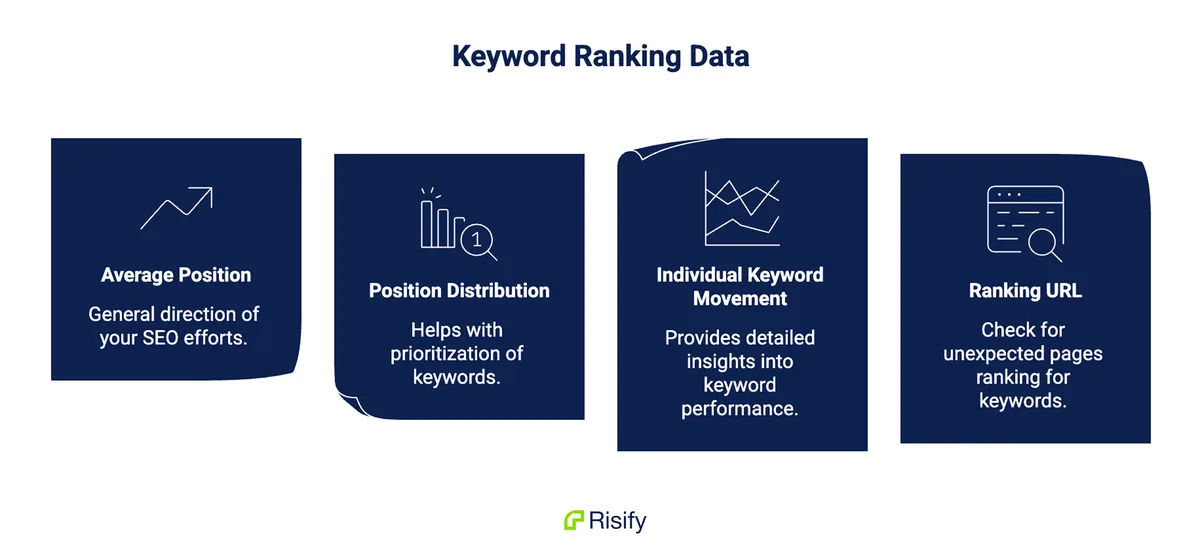
Focus on position first. Anything in the top three is a win worth protecting. Positions four through ten are growth targets. Anything beyond twenty needs a serious content overhaul or should be dropped entirely.
Next, look at movement over time. A phrase that slipped from position five to position twelve over a month signals a problem, maybe a competitor outpublished you or your page lost a key backlink. A phrase that jumped from forty to fifteen deserves attention because momentum like that often continues.
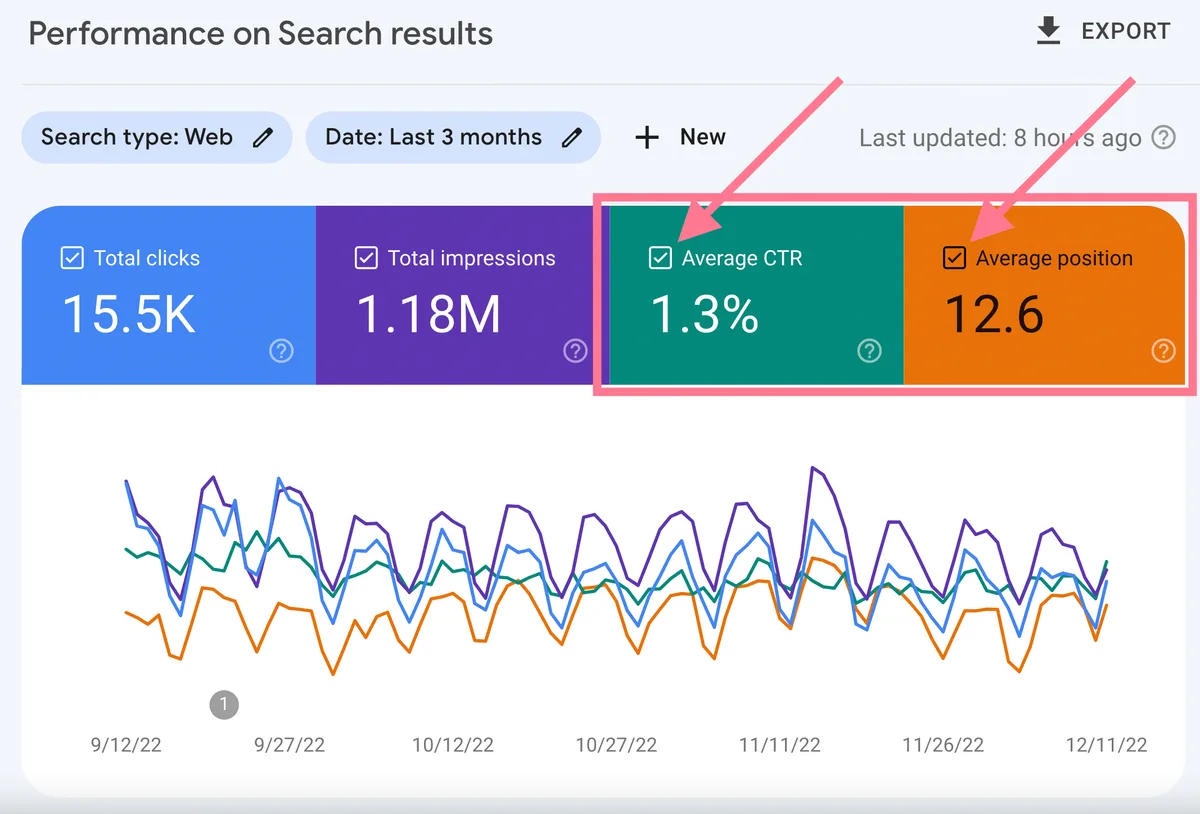
Finally, cross-reference with traffic. Rankings without clicks are vanity. If your site keyword ranking improves but traffic stays flat, your title tags or meta descriptions probably need work.
Distinguishing Branded, Non-Branded, and Competitor Keywords
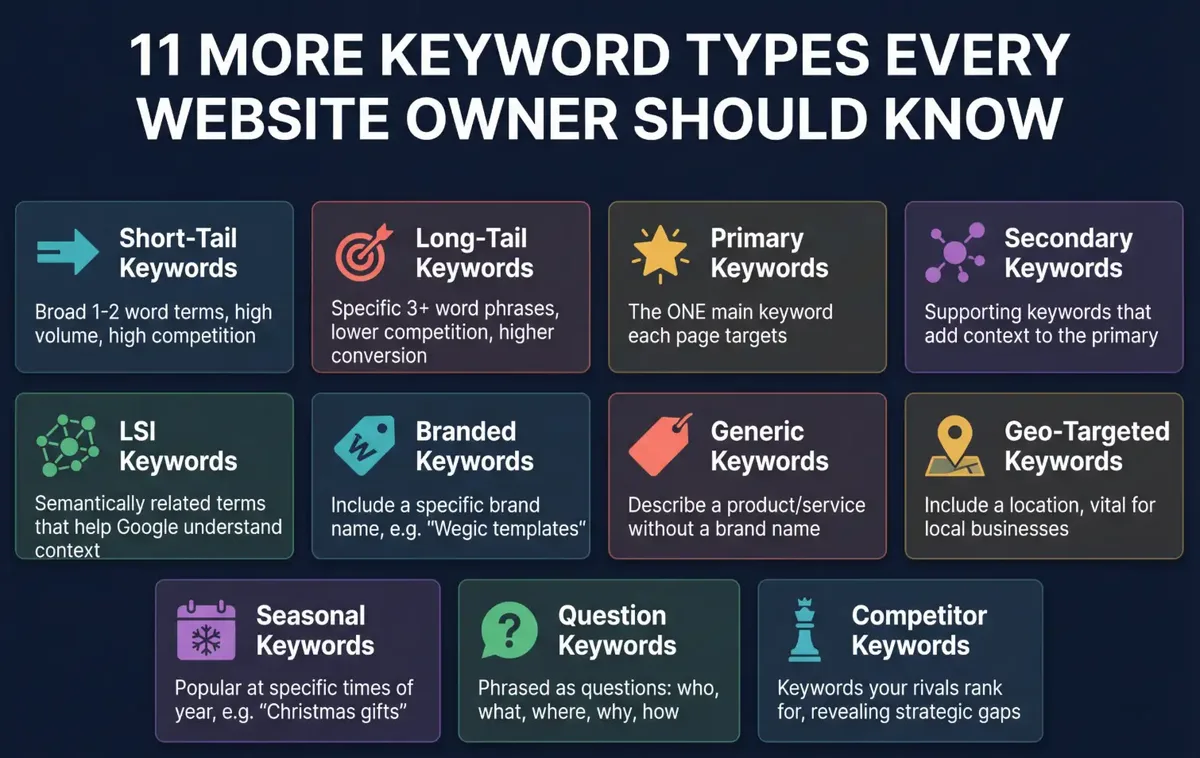
Not all rankings deserve equal attention. Branded queries, like your company name, are easy wins and mostly reflect existing awareness. Non-branded queries bring new visitors, and those are where growth lives.
Competitor keywords sit in a third bucket. If people search for a rival’s product name and your comparison page shows up, you have a chance to steal that traffic. Tracking these in your site keyword ranking dashboard reveals how much ground you are gaining in contested territory.

I usually recommend a simple ratio. Aim for at least seventy percent of your tracked keywords to be non-branded. If branded terms dominate, your content strategy is too narrow.
Finding Keywords You Rank for but Never Targeted
This is where things get fun. Every site ranks for accidental queries, and those hidden gems often convert better than planned targets because they match real user language.
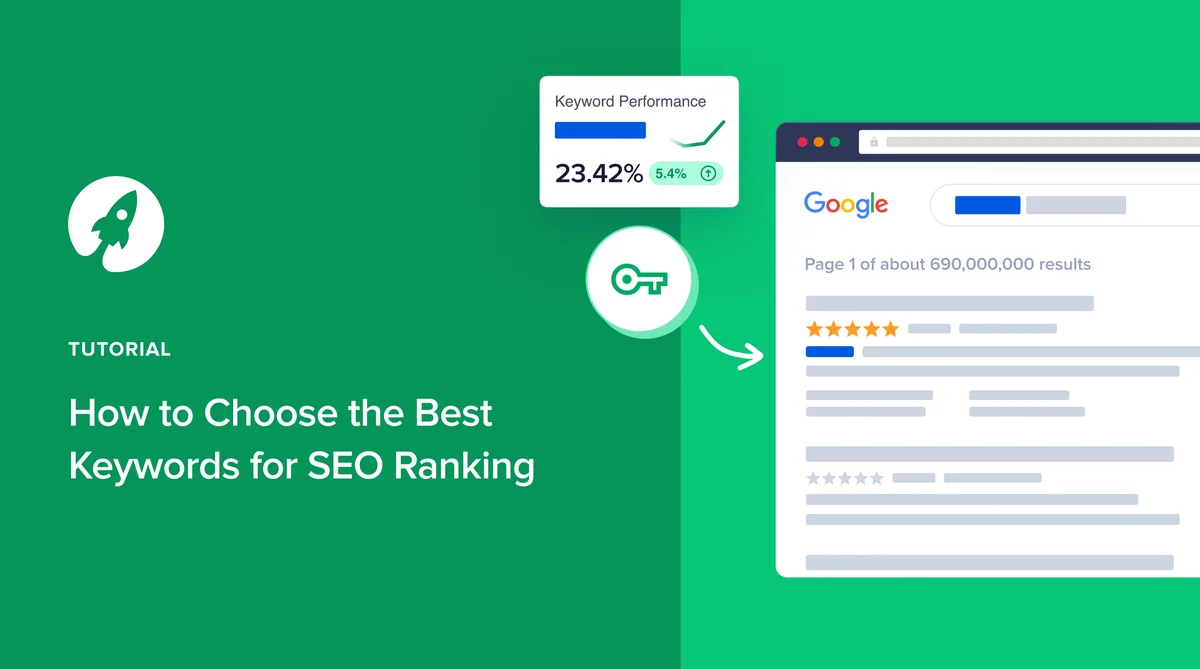
Open Google Search Console, go to the Performance tab, and sort by impressions. Look for queries with high impressions but low click-through rates. Those pages sit on page two or three, and a small optimization push can lift your site keyword ranking dramatically.
One client discovered they ranked fourteenth for a very specific question about warranty policies. We rewrote one paragraph, added a clear heading, and within six weeks that page climbed to position four. Small change, meaningful traffic gain.
Prioritizing Keywords by Business Value
Ranking number one for a phrase nobody buys from is a hollow victory. Smart teams score keywords on two axes: search volume and commercial intent.
High volume plus high intent equals priority one. Effective execution in your site keyword ranking makes a tangible difference. Low volume plus high intent still deserves attention because those visitors convert. High volume plus low intent, like informational queries from students, usually sits lower on the list unless you monetize through ads.

Build a simple spreadsheet. List your keywords, tag each one with a priority score, and review it monthly. This habit keeps your site keyword ranking efforts aligned with actual revenue goals.
On-Page Fixes That Move Rankings Fast
Once you know where you stand, the next step is action. On-page changes are the quickest lever because you control every element.
Start with title tags. Put the target phrase near the front and keep the whole thing under sixty characters. Then refine your headings so they mirror the language people actually search. A page titled “Our Services” will never outrank a competitor titled “Emergency Plumbing Repair in Austin.”
Add internal links from related pages. This spreads authority and helps search engines understand context. I have seen a single well-placed internal link lift a site keyword ranking by five positions in under a month.
Do not forget image alt text. It is a small detail, but it reinforces topical relevance and improves accessibility at the same time.
Content Depth and Topical Authority
Search engines reward sites that cover a subject thoroughly. If you publish one article about email marketing and nothing else, you will struggle against a site with thirty interconnected pieces.
Build topic clusters. Choose a pillar page, then write supporting articles that link back to it. Over time, this structure strengthens every related site keyword ranking because the engine sees you as a genuine resource.
Quality still beats quantity. A single deeply researched guide outperforms five shallow posts. Readers notice the difference, and so do the algorithms.
Technical SEO Factors That Quietly Shape Your Ranking
You can write brilliant content and still lose if your site loads slowly or breaks on mobile. Technical health is the foundation everything else rests on.
Run a Core Web Vitals check. Fix large images, defer unnecessary scripts, and make sure your server responds quickly. These changes rarely feel glamorous, but they protect your site keyword ranking from silent erosion.
Also audit your crawl budget. Blocked pages, duplicate content, and redirect chains waste the attention search engines give your site. A clean crawl profile means more of your pages get indexed and ranked.
Monitoring Competitors Without Obsessing
Competitor tracking is useful, but it can become a trap. Maintaining clarity across your site keyword ranking remains essential. Spend too much time watching rivals and you stop building your own assets.
Set a weekly check. Note which competitors gained ground, then ask why. Did they publish a new guide? Did they earn a big backlink? Use those observations to inform your plan, not to copy blindly.
Remember that your site keyword ranking reflects your unique combination of content, authority, and user experience. Chasing someone else’s strategy rarely works because your audience and strengths differ.

Using Rank Tracking to Guide Content Refresh
Old content decays. Statistics age, links break, and competitors publish fresher takes. A regular refresh cycle keeps your site keyword ranking stable.
Identify pages that slipped three or more positions in the last quarter. Update the data, improve the structure, and add new sections that answer questions readers raised in comments or support tickets.

One publishing team I worked with refreshes their ten highest-traffic posts every six months. That single habit has kept their core rankings steady for years despite constant competition.
Common Mistakes That Wreck Rankings
Even experienced marketers stumble. Here are the traps I see most often.

Keyword stuffing tops the list. Cramming a phrase into every sentence reads terribly and can trigger penalties. Write for humans first, then check that your site keyword ranking targets appear naturally.
Ignoring search intent runs a close second. If your page is a sales pitch but the query wants information, you will never rank. Match the format users expect.

Neglecting mobile users is a third killer. More than half of all searches happen on phones. If your site is clumsy on a small screen, you lose both rankings and revenue.
Building a Weekly Ranking Review Habit
Consistency separates serious SEO programs from hobby projects. A short weekly review keeps everything on track.
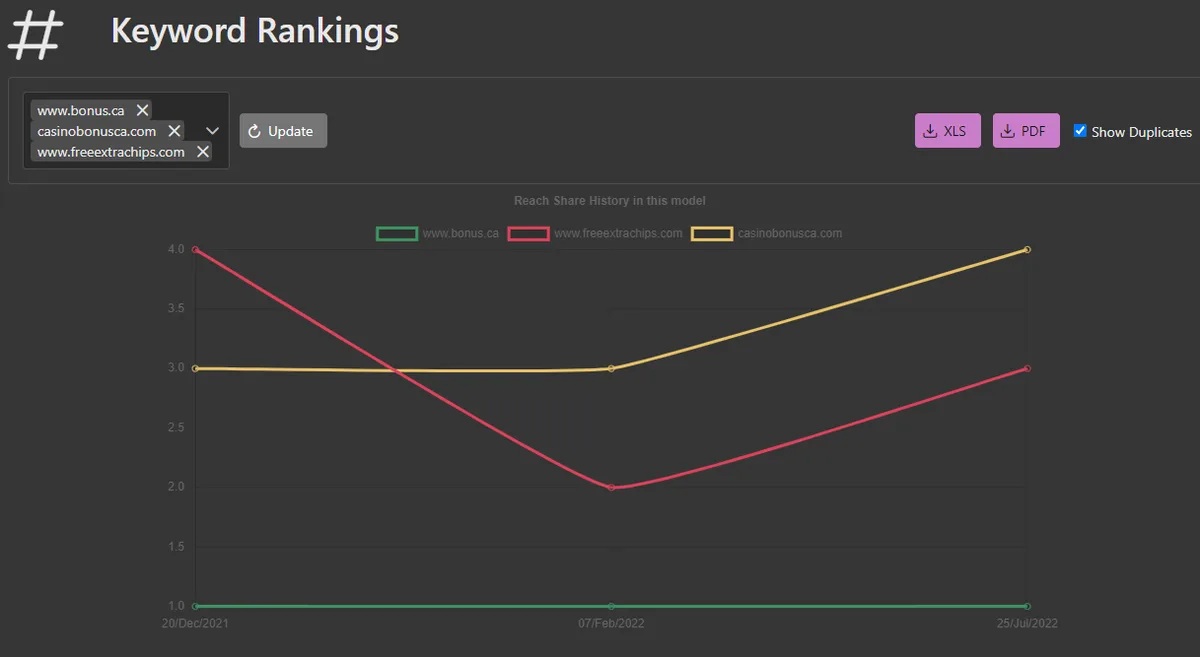
Block thirty minutes every Monday. Check your site keyword ranking dashboard, note any significant moves, and assign one action item. That is it. No marathon sessions required.
Over a year, this small ritual produces a detailed history of what works. You will know which content types climb fastest, which pages need help, and where your next big opportunity sits.
Turning Ranking Data Into Revenue
Rankings matter because they lead to clicks, and clicks lead to customers. The bridge between the two is intent alignment.
When a page ranks well for a commercial query, make sure the call to action is obvious. When it ranks for an informational query, offer a relevant next step, like a downloadable checklist or a product demo.
Track conversions alongside your site keyword ranking data. If a page climbs but revenue stays flat, the problem is likely your offer or landing experience, not your SEO.
Tools Worth Your Time
The market is crowded, so let’s simplify. Google Search Console is non-negotiable and free. Pair it with one paid platform for competitor insight and historical tracking.
For smaller budgets, tools like Ubersuggest or SERanking offer solid basics without premium pricing. Larger teams often prefer Semrush or Ahrefs for their depth.
Whatever you choose, commit to it for at least six months. Tool-hopping destroys your ability to see trends, and trends are where the real insight lives.
Quick Comparison of Ranking Factors
| Factor | Impact on Site Keyword Ranking | Effort to Improve |
|---|---|---|
| Content Relevance | Very High | Medium |
| Search Intent Match | Very High | Low |
| Backlink Authority | High | High |
| Technical Health | Medium to High | Medium |
| Page Speed | Medium | Low to Medium |
| Internal Linking | Medium | Low |
| Content Freshness | Medium | Low |
| Mobile Experience | High | Medium |
Frequently Asked Questions
Here is an in-depth breakdown of key considerations regarding Frequently Asked Questions:
How Often Should I Check My Site Keyword Ranking?
Weekly is ideal for active campaigns, monthly for maintenance mode. Daily checks create anxiety without adding much value because rankings fluctuate naturally.
Can I Rank Without Backlinks?
Yes, especially for low-competition long-tail phrases. Strong content and clean technical setup can carry a site keyword ranking into the top ten on their own. Competitive terms usually require links.
Why Did My Ranking Drop Suddenly?
Common causes include a competitor publishing something better, a Google algorithm update, technical errors, or lost backlinks. Check your site health first, then review recent competitor activity.
Does Word Count Affect Rankings?
Indirectly. Longer content often covers a topic more thoroughly, which helps relevance. But padding a short answer with filler hurts more than it helps. Match depth to intent.
What is a Good Average Position?
Anything in the top ten is respectable. Top three is excellent for commercial terms. For a broad site keyword ranking average, aim for steady improvement rather than a fixed number.
Do Rankings Differ by Location?
Absolutely. Search results change based on the user’s city, region, and even device. Local businesses should track rankings for their service area specifically.
How Long Until I See Results?
New pages often take three to six months to stabilize. Existing pages can move within weeks after an on-page refresh. Patience and consistency matter more than speed.
Final Thoughts on Owning Your Rankings
Your site keyword ranking is not a vanity metric. It is a map of where you stand in the market and a guide for where to invest next. Treat it with the same seriousness you give your financial reports.
Start small. Pick one tool, track a focused list, and review weekly. As you learn which levers move your numbers, expand your scope. Over time, this discipline compounds into a durable organic presence that competitors struggle to displace.
The teams that win at search are rarely the ones with the biggest budgets. They are the ones who pay attention, act on data, and keep showing up. Your site keyword ranking will reflect that effort, one position at a time.
For verified reference and background research, consult the authoritative informational resource on this topic.