Building online communities from zero is one of the most rewarding projects you can take on, and it starts with a single, honest conversation between two people who care about the same thing. I have watched tiny forums turn into thriving hubs and I have watched well-funded platforms go quiet within months.
The difference rarely comes down to budget or fancy tools. It comes down to how deliberately you treat the people who show up first.
So let’s talk about what actually works. No fluff, no recycled advice from people who have never moderated a heated thread at midnight. Just the real mechanics of getting online communities off the ground, keeping them alive, and helping them grow without losing the soul that made them worth joining in the first place.
What Online Communities Really are (And What They are Not)
A lot of folks confuse online communities with audiences. They are not the same thing, and mixing them up is the fastest way to build something that feels hollow.
An audience listens. Online communities talk back. An audience waits for you to post. Online communities keep the conversation going even when you step away for a week. That distinction matters because it changes everything about how you plan, moderate, and measure success.
I have seen creators with hundreds of thousands of followers struggle to get twenty people to comment. Focusing on online communities provides clear direction here. Meanwhile, a niche forum with three hundred members can feel like a packed dinner party. Size is not the metric. Connection is.
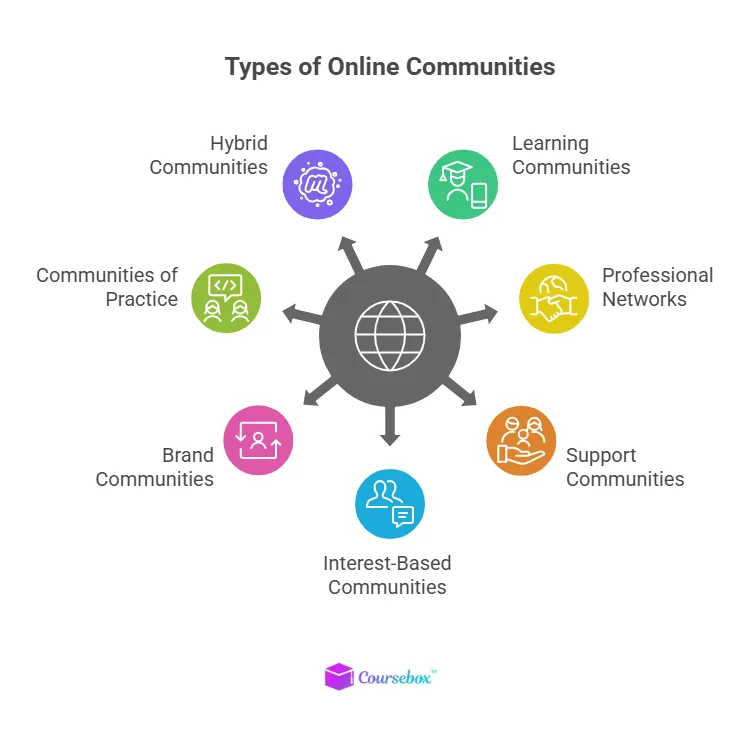
Think about the places you actually return to online. Maybe it’s a subreddit about vintage synthesizers. Maybe it’s a Discord server for indie game developers. Maybe it’s a Facebook group for parents of kids with specific allergies.
What do they have in common? A shared identity, a reason to keep showing up, and someone who keeps the lights on.

Why Online Communities Matter More Than Ever
The internet has gotten louder and lonelier at the same time. Algorithms push content at us, but they rarely help us find each other. That gap is exactly where online communities thrive.
People join them for practical reasons first — answers, recommendations, troubleshooting — and stay for emotional ones. Belonging. Recognition. The feeling that someone out there gets it.
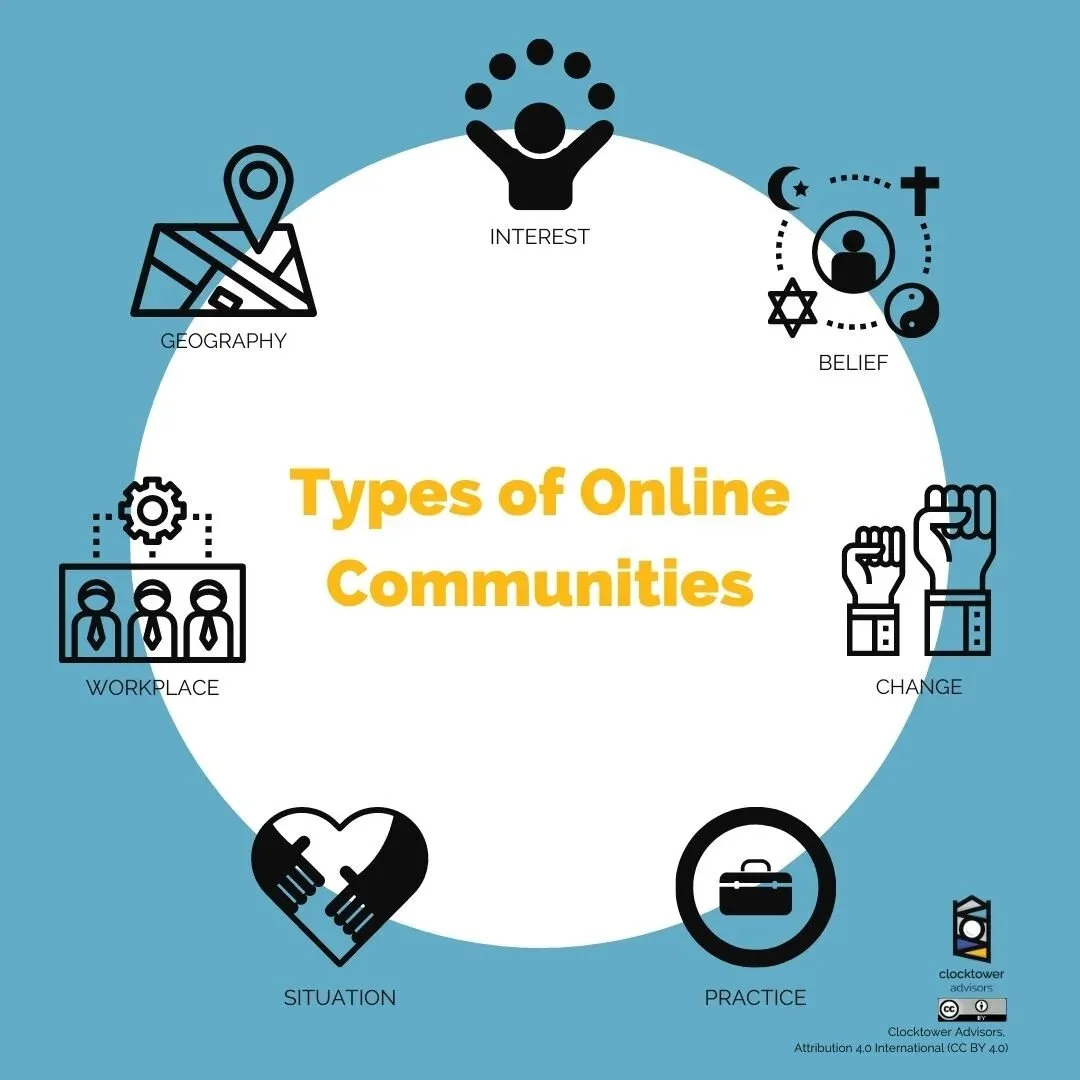
From a business standpoint, the value is hard to overstate. Members of active online communities buy more, churn less, and refer friends at rates that paid ads can’t touch. Word of mouth inside a tight-knit group travels faster than any campaign.
But here’s the part people miss: the business upside only shows up when the community is genuinely healthy. If it feels like a marketing channel, members smell it instantly and leave.
Choosing the Right Platform for Your Online Communities
Picking a platform is not about which one is trending. It’s about matching the tool to the behavior you want to encourage.
Different platforms shape different conversations. A forum rewards long, thoughtful posts. A chat server rewards quick back-and-forth. A social group rewards casual drop-ins. Choose wrong and you will fight the tool forever.
Forums and Discussion Boards
Forums still work beautifully for knowledge-heavy topics. Refining each detail of your online communities strengthens this section. Think hobbyist repair guides, professional Q&A, or anything where threads need to stay searchable for years. Discourse and similar platforms handle this well.
The downside? They feel slow to newcomers. You need a critical mass of activity before a forum feels alive, and that takes patience.
Chat Servers Like Discord and Slack
Chat is where online communities feel most human. Real-time reactions, inside jokes, voice hangouts — it all happens fast.
But chat has a memory problem. Great conversations vanish into the scroll. Pair it with a forum or a wiki if you want to preserve the good stuff.
Social Media Groups
Facebook Groups and similar spaces lower the barrier to entry because everyone already has an account. That convenience is real, but you are renting space on someone else’s land. Rules can change overnight, and your reach depends on an algorithm you do not control.
Niche and Self-Hosted Platforms
If you want full control, self-hosted options like Mighty Networks, Circle, or custom builds give you ownership. You set the rules, keep the data, and design the experience end to end.
The trade-off is that you also own the growth problem. No built-in discovery, no free traffic. Everything comes from your own effort.
| Platform Type | Best For | Main Strength | Main Weakness |
|---|---|---|---|
| Forums | Knowledge-heavy niches | Searchable, evergreen threads | Slow to feel active |
| Chat Servers | Fast, social interaction | Real-time connection | Poor long-term memory |
| Social Groups | Casual, low-friction entry | Built-in audience | No control over rules or reach |
| Self-Hosted | Brands wanting ownership | Full control and data | You own all growth |
The Foundation: Defining Purpose Before You Build
Every strong community starts with a clear answer to one question: why does this exist?
If you cannot answer that in one sentence, neither can your members. Effective execution in your online communities makes a tangible difference. Vague purpose creates vague participation.
I have watched founders skip this step because they were excited to launch. They spin up a server, invite a hundred people, and then watch the chat go silent within two weeks. The excitement was real. The purpose was not.
Write it down. “This is a place for freelance illustrators to share pricing strategies and client horror stories.” That is a purpose. “This is a community for creatives” is not.
Identifying Your Core Audience
You cannot build for everyone. Pick a specific group and go deep. The narrower your focus, the stronger the bond.
Imagine two online communities. One is for “people who like cooking.” The other is for “home cooks who want to master sourdough in a small apartment.” The second will always feel more alive because members share a specific struggle.
Specificity creates instant common ground. It also makes your content, events, and moderation decisions easier because you know exactly who you are serving.
Writing a Community Manifesto
A manifesto is not a rulebook. It is a statement of values. It tells people what this place stands for and what kind of behavior is welcome.
Keep it short. Three to five sentences. Something like: “We help each other without judgment. We share what we learn. We assume good intent. We do not tolerate spam or cruelty.”
Pin it. Maintaining clarity across your online communities remains essential. Reference it. Update it as the group evolves. Members who read it once will remember the tone it sets.
Designing the Member Experience from Day One
The first ten minutes a new member spends inside your community decide whether they stay. Most founders ignore this entirely.
Think about the last time you joined an online community and felt lost. No welcome, no clear next step, no idea where to post. You probably left. That is the default experience, and it is fixable.
Onboarding That Actually Welcomes People
A good onboarding flow does three things: it greets the person by name, it tells them what to do first, and it gives them a reason to come back tomorrow.
Something as simple as a pinned “Introduce Yourself” thread works wonders. Ask three easy questions: where you are from, what you are working on, and what you hope to get from this place.
When existing members reply to those intros, the new person feels seen. That single interaction often determines whether they return.
Creating Rituals and Recurring Events
Rituals give online communities a heartbeat. Weekly threads, monthly AMAs, Friday show-and-tell sessions — these create anticipation.
I know a small writing community that runs a “First Draft Friday” thread every week. Members post one paragraph they wrote that week and get feedback. It has run for years without missing a beat. That consistency is why people stay.
Pick two or three rituals and commit. A thoughtful approach to online communities reinforces your qualifications. Do not over-schedule. A calendar full of events nobody attends is worse than no calendar at all.
Setting Norms Without Being Heavy-Handed
Rules matter, but tone matters more. A wall of red text and threats will scare people off. A short, friendly guide will not.
Focus on what you want, not just what you forbid. “Be generous with feedback” works better than “Do not post low-effort comments.”
When someone breaks a norm, address it privately first. Public callouts create drama. Private messages create growth.

Attracting Your First 100 Members
Getting the first hundred members into online communities is the hardest phase. There is no momentum yet, and every empty thread feels like a warning sign.
Do not wait for people to find you. Go where they already gather and invite them personally.
Recruiting from Adjacent Spaces
Look for existing online communities in your niche and see where the conversations are happening. Reddit threads, Twitter circles, LinkedIn groups, niche forums — these are your recruiting grounds.
Do not spam. Participate genuinely for weeks, then mention your space when it is relevant. The best members often come from places where you already have a reputation.
Running a Founding Member Program
Your first members should feel special. Give them a title, a badge, or a direct line to you. Call them founding members.
Founding members tend to be more loyal and more vocal. Structuring your online communities around proven patterns ensures impact. They also set the tone for everyone who joins later. Choose them carefully, but do not overthink it — enthusiasm beats credentials.
Leveraging Your Existing Audience
If you already have a newsletter, a blog, or a social following, use it. A simple email inviting people to join a small, focused space often outperforms any ad campaign.

Be honest about the stage you are at. “We are just getting started and looking for people who want to help shape this” is more compelling than pretending you are already big.
Content and Conversation Strategies That Keep People Engaged
Once people arrive, the work shifts to keeping them around. Engagement is not about posting more. It is about posting better.

The best online communities have a rhythm. There is always something new, but never so much that members feel overwhelmed.
Prompt Threads That Spark Real Discussion
Generic prompts like “What are you working on?” get generic answers. Specific prompts get specific ones.
Try something like: “Share one mistake you made this month and what it taught you.” That kind of prompt invites vulnerability, which builds trust.
Rotate your prompts. Ask for wins, losses, questions, recommendations, and rants. Variety keeps the energy up.
Spotlighting Member Contributions
People love being recognized. Applying these principles to your online communities yields measurable results. When you highlight a member’s work, project, or insight, you accomplish two things: you make that person feel valued, and you show everyone else what good participation looks like.
A weekly “Member Spotlight” post is simple and effective. It costs you nothing and pays off in loyalty.
Encouraging Peer-To-Peer Help
The healthiest online communities do not depend on the founder to answer every question. Members help each other.
To encourage this, resist the urge to jump in first. Give others a chance to respond. When they do, thank them publicly. Over time, helping becomes the norm.

Moderation: the Invisible Work That Holds Everything Together
Moderation is the least glamorous part of running online communities, and it is also the most important. Bad moderation kills good spaces faster than bad content.
You do not need an army of moderators on day one, but you do need a plan. Reactive moderation means you are always cleaning up messes. Proactive moderation means you prevent most of them.
Building a Moderation Team
Your first moderators should come from your most engaged members. Look for people who are consistently helpful, calm, and fair.

Give them clear guidelines and real authority. Moderators who have to ask permission for every action burn out fast.
Rotate shifts if you can. Nobody wants to be on call twenty-four hours a day.
Handling Conflict Without Burning Bridges
Conflict is inevitable. Proper attention to your online communities sets a strong baseline. How you handle it determines whether your community grows stronger or fractures.
Step in early but calmly. Address the behavior, not the person. And whenever possible, move heated exchanges to private messages.
If someone has to be removed, do it quietly and without spectacle. Public bans create martyrs. Private ones create closure.
Preventing Spam and Low-Effort Posts
Spam is the death of good online communities. Set clear rules, use automated filters where you can, and act quickly when something slips through.
Low-effort posts are subtler. A flood of “thanks!” and “+1” replies can drown out real discussion. Nudge members toward substance without being harsh.
Growing Online Communities Without Losing Their Soul
Growth is tricky. Too slow and the space feels dead. Too fast and it loses the intimacy that made it special.
The goal is not to get big. The goal is to get strong. Strong online communities can scale. Weak ones collapse the moment they hit a few hundred members.

Inviting the Right People, Not Just More People
Every new member changes the culture a little. Be thoughtful about who you invite.
Look for people who share your values, not just your interests. Someone who loves the topic but treats others poorly will do more damage than someone who is merely curious.
Referrals from existing members are gold. They tend to bring in people who already fit.
Expanding Into Sub-Groups and Chapters
When a community grows past a few hundred active members, it can start to feel crowded. Developing your online communities with precision highlights key strengths. Sub-groups help.
Create channels or threads for specific interests. A general cooking community might spin off a sourdough group, a meal-prep group, and a restaurant-recommendation group. Each feels small again.
Physical or regional chapters work too. Local meetups turn online connections into real friendships, and those bonds are the strongest of all.
Avoiding the Growth-At-All-Costs Trap
Not every community needs a million members. Some of the best online communities in the world have fewer than a thousand people and would not trade that for anything.
Ask yourself what “enough” looks like. If your members are happy, engaged, and getting value, you are already winning.
Monetization Without Selling Out
At some point, most community builders wonder how to make the space sustainable. That is a fair question, and the answer does not have to involve ruining the vibe.

Money and community can coexist. The key is to make sure the money serves the members, not the other way around.
Membership Tiers and Paid Access
Paid memberships work when the free tier is genuinely valuable. People should not feel forced to pay. They should feel invited to.
Offer extras for paying members: deeper content, direct access to experts, exclusive events. Clear alignment with your online communities builds confidence from the start. Keep the core experience intact for everyone.
Sponsorships and Partnerships
Sponsorships can work if the sponsor is relevant and respectful. A tool that members already use is a good fit. A random brand with no connection is not.
Be transparent about sponsored content. Online communities forgive a lot, but they do not forgive being tricked.
Products and Services Built for Members
Sometimes the best monetization is a product your members actually asked for. Courses, templates, consulting, physical goods — if it solves a real problem, it will sell.
Listen to what people keep asking for. The market research is already happening in your threads.

Measuring Success in Online Communities
Vanity metrics will mislead you. Total member count tells you almost nothing about whether a community is healthy.
Look instead at signals of real engagement. How many people posted this week? How many threads got replies? How many members returned after their first visit?
Metrics That Actually Matter
Track active members, not total members. Track reply rates, not likes. Track retention, not sign-ups.
A community with two hundred active members and a ninety percent weekly return rate is far healthier than one with ten thousand ghosts.
Qualitative Signals to Watch
Numbers miss a lot. Pay attention to tone. Are people joking with each other? Are newcomers being welcomed? Are members organizing things on their own?
When members start planning meetups, side projects, or collaborations without your involvement, you have built something real.
Common Mistakes That Kill Online Communities
I have seen the same failure patterns repeat across dozens of spaces. Most of them are avoidable.
Founders quit too early. They expect a thriving community in three weeks and give up when it feels quiet. Real growth takes months, sometimes years.
Others over-moderate. They ban people for small mistakes and create a culture of fear. The best online communities have clear rules but plenty of grace.
Some chase scale too fast. They invite everyone, lose the niche focus, and end up with a space that feels like a random crowd.
And many forget to participate. A community without an active founder feels abandoned. Even a few minutes a day makes a difference.
Tools and Tech Stack for Community Builders
You do not need a complex setup to run online communities. Simple beats fancy almost every time.
Start with one platform. Integrating online communities into your workflow produces consistent quality. Add tools only when a real need appears. Every extra tool adds friction and another place to check.
Core Platforms
Discord, Slack, Discourse, Circle, Facebook Groups, and Reddit are the usual suspects. Each has strengths. Pick the one that matches your members’ habits.
If your audience is younger and chat-savvy, Discord is often the easiest sell. If they are professionals, Slack or LinkedIn groups might fit better.
Supporting Tools
You will eventually want a way to send announcements (email tools like Mailchimp or ConvertKit), a place to store resources (Notion or Google Drive), and a way to schedule events (Calendly or Luma).
Keep this list short. Tools that do not get used are just noise.
Automation Without Losing the Human Touch
Automation can handle the boring parts: welcome messages, reminders, weekly prompts. It should never handle the personal parts.
Members can tell when a reply is automated. Save the bots for logistics and keep the conversations human.
Case Studies: Online Communities That Got It Right
Looking at real examples helps. Here are a few that stand out, each for a different reason.
Indie Hackers
What started as a simple interview blog turned into one of the most respected online communities for solo founders. The key was consistency and a founder who genuinely participated.
Members stayed because they felt seen by the person running the place. Targeted refinements to your online communities streamline the entire review. That personal touch is hard to fake.
r/AskHistorians
This subreddit became famous for its strict moderation and high-quality answers. Every comment is vetted, and low-effort replies get removed.
The lesson? High standards can be a feature, not a bug. People come for the quality and stay because it is rare.
Local Buy Nothing Groups
These hyperlocal online communities thrive on a simple premise: give freely, ask freely, no money changes hands. They work because the purpose is crystal clear.
Simplicity scales. When everyone understands the rules, moderation gets easier and trust builds fast.
Long-Term Sustainability: Keeping the Fire Burning
Communities have life cycles. They launch, grow, mature, and sometimes fade. Keeping yours alive for the long haul takes intention.
The biggest risk is founder burnout. If you are the only one holding things together, you will eventually tire out.
Building Leadership Beyond Yourself
Train others to lead. Give them real responsibility. Celebrate them publicly. The goal is a community that could survive without you for a month.
When members step into leadership roles, they invest more. Ownership creates commitment.
Adapting as Members Change
People grow. Their interests shift. Their time availability changes. Online communities that refuse to adapt slowly become irrelevant.
Check in regularly. Ask what members want more of and less of. Be willing to retire rituals that no longer serve anyone.
Knowing When to Let Go or Evolve
Sometimes a community has served its purpose. That is okay. Ending well is better than dragging something along past its time.
Other times, the community just needs a fresh direction. A new focus, a new leader, a new chapter. Both outcomes are valid.
Frequently Asked Questions About Online Communities
Here is an in-depth breakdown of key considerations regarding this section:
How Long Does It Take to Build a Thriving Community?
Realistically, six to eighteen months before things feel genuinely alive. Some niches move faster. Others take longer. Patience is not optional; it is the whole game.
Do I Need a Big Audience to Start?
No. Some of the strongest online communities started with fewer than twenty people. What matters is that those twenty care deeply about the same thing.
Should I Charge Members from the Beginning?
Usually not. Prove the value first. Once members feel the space is worth their time, some will happily pay for extras. Free-first almost always wins.
What if Nobody Posts?
Post yourself. Ask questions. Tag people directly. Early silence is normal. Your job is to keep showing up until others do too.
How Do I Handle Trolls?
Remove them quickly and quietly. Do not engage in public arguments. Protecting the vibe is more important than winning a debate.
Can a Community Survive Without Me?
It can, if you build leadership around you. If it cannot survive a two-week absence, you have built a dependency, not a community.
What is the Biggest Mistake New Builders Make?
Quitting too soon. Most online communities fail because the founder gave up at month three, right before things would have taken off.
Final Thoughts on Building Online Communities That Last
There is no secret formula. Just consistent effort, genuine care, and a willingness to show up even when the room feels empty.
The best online communities are not built by algorithms or ad budgets. They are built by people who decide, day after day, that this small corner of the internet is worth protecting.
Start small. Stay specific. Welcome people like they matter, because they do. And remember: you are not building a platform. You are building a place where people want to belong.
For verified reference and background research, consult the authoritative informational resource on this topic.
<!– TOPSEO: keywords="online communities, build online community, community management, grow online community, community engagement, online forum tips, discord community, community building guide
” description=”” –>