The local guides program from Google Maps is one of the most accessible ways to turn everyday wanderings into something genuinely useful for your neighborhood. Maybe you already review restaurants, snap photos of new parks, or correct wrong addresses without thinking about it.
This guide explains how the points, levels, badges, and rewards actually work, plus the honest trade-offs nobody tells you about before signing up.
I have spent years contributing to mapping platforms and watching how communities respond to good data versus sloppy edits. What follows is the practical version, the stuff that only becomes obvious after you have submitted your hundredth review and wondered why some contributors climb faster than others.
What is the Local Guides Program Really About?
Strip away the badges and the gamified points, and the local guides program is essentially a volunteer data engine for Google Maps. Contributors add reviews, photos, answers, road edits, and place listings that help millions of people navigate unfamiliar cities.
Google does not pay you in cash. Instead, the company rewards consistency with status, early access to features, and occasional perks tied to your activity level. It sounds simple on the surface, yet the ecosystem is more layered than most newcomers expect.
The term “local guides program” gets thrown around loosely, so let’s be precise. It refers to a specific Google-run community where registered members earn points for specific contribution types, and those points translate into levels that unlock different benefits.
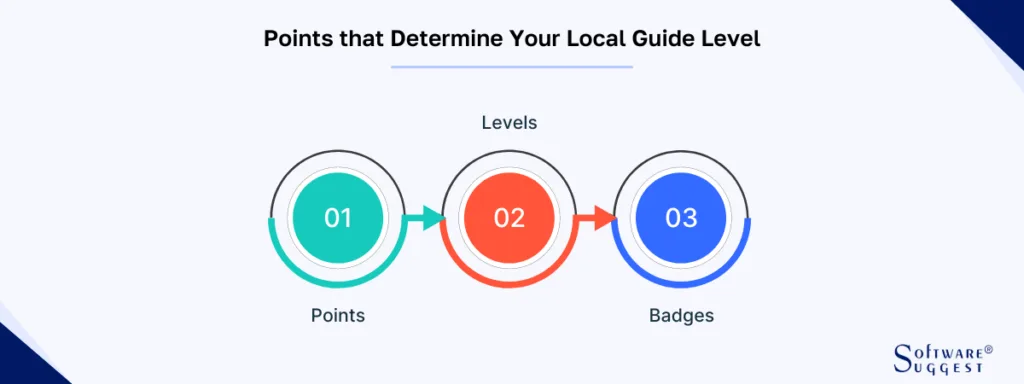
How the Local Guides Program Points System Actually Works
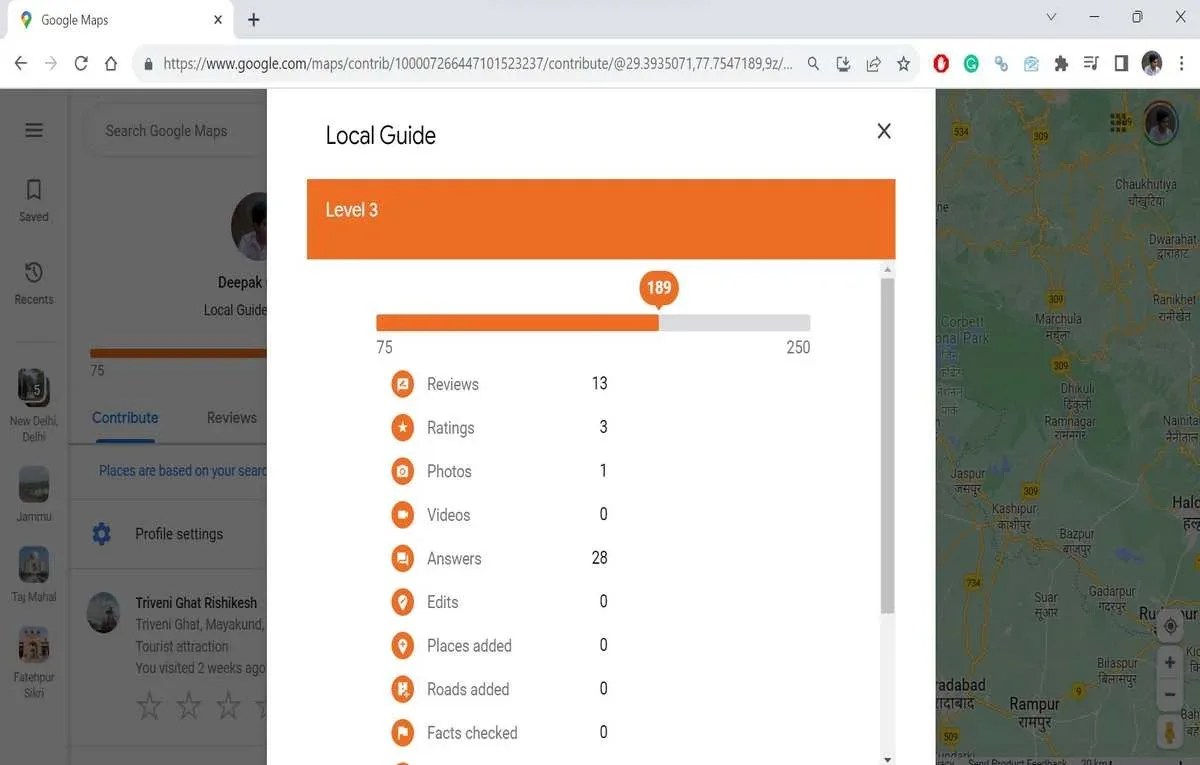
Points are the currency of the entire system, and understanding how they are awarded saves you from wasting effort. Not every action is worth the same, and some contributions carry far more weight than beginners assume.
The table below shows the standard point values attached to each contribution type. These numbers are the foundation of your entire progression strategy inside the local guides program.
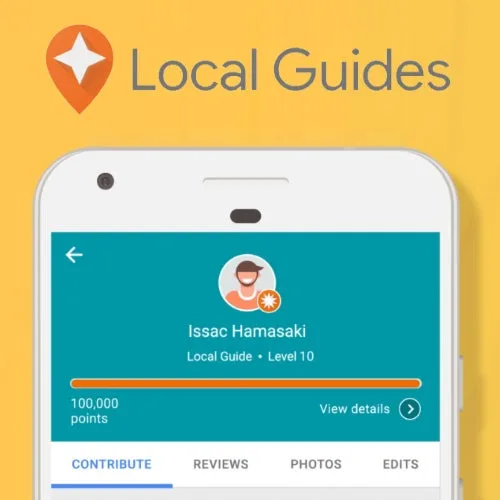
| Contribution Type | Points Awarded | Practical Notes |
|---|---|---|
| Review | 10 points | Text-based; longer, specific reviews tend to perform better |
| Rating only | 1 point | Quick but low value; use sparingly |
| Photo or video upload | 5 points | Quality and relevance matter; blurry shots often get filtered |
| Place edit | 5 points | Includes fixes to hours, addresses, or categories |
| New place added | 15 points | Highest single-action value; requires accuracy |
| Answer to a question | 1 point | Small but adds up in high-traffic locations |
| Fact check confirmation | 1 point | Quick verification tasks in the mobile app |
Here is where strategy enters. A single new place submission earns more than a full review, because Google values fresh data that fills a map gap. If you want to climb quickly inside the local guides program, prioritize locating missing businesses over cranking out generic reviews.
I have watched contributors grind out twenty ratings in a week for twenty points, then wonder why their progress stalled. Meanwhile, someone who adds three legitimate new businesses and corrects a handful of outdated hours cruises past them without breaking a sweat. Choose high-value actions, and the local guides program rewards you faster.
Local Guides Program Levels and What Each One Unlocks
There are ten levels in total, and each threshold demands progressively more points. The early levels arrive fast, which is by design, because momentum keeps new contributors engaged with the local guides program.
Here is the level breakdown, from newcomer to the rarefied top tier:
- Level 1 – 0 points. Your starting point after registration. You can contribute immediately, but no badge perks appear yet.
- Level 2 – 15 points. Reachable in a single afternoon with a couple of reviews and a photo. The first badge shows on your profile.
- Level 3 – 75 points. A realistic milestone within your first week of casual activity in the local guides program.
- Level 4 – 250 points. Early access features start appearing, including occasional new Map tools before public rollout.
- Level 5 – 1,000 points. A meaningful jump. This is where most casual contributors plateau, and where dedicated ones separate themselves.
- Level 6 – 5,000 points. Requires sustained effort over months. Badge visibility on reviews becomes noticeable to other users.
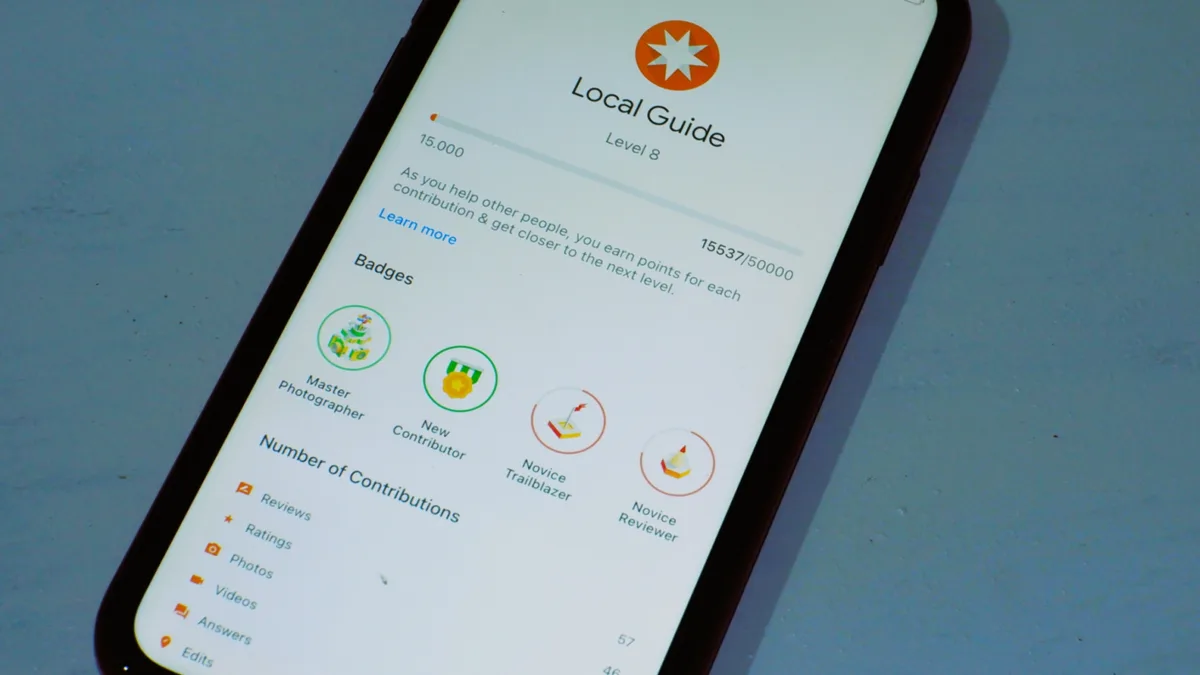
- Level 7 – 15,000 points. Serious territory. You are now among a small fraction of active contributors within the local guides program.
- Level 8 – 35,000 points. Rare air. Consistency over years, not weeks, is the only path here.
- Level 9 – 75,000 points. Elite contributors who have effectively mapped entire neighborhoods.
- Level 10 – 100,000 points. The summit. Very few reach it, and those who do have contributed at scale across many years.
Notice the curve. Levels 1 through 5 take maybe a few months of casual effort. Levels 6 and beyond demand hundreds of hours. That gradient is deliberate, and understanding it prevents frustration when your progression inside the local guides program slows to a crawl after level 5.
Perks and Rewards: What Do You Actually Get?
Let’s be blunt about expectations. The perks attached to the local guides program are real but modest, and anyone chasing big financial returns will be disappointed. The value sits in status, access, and community.
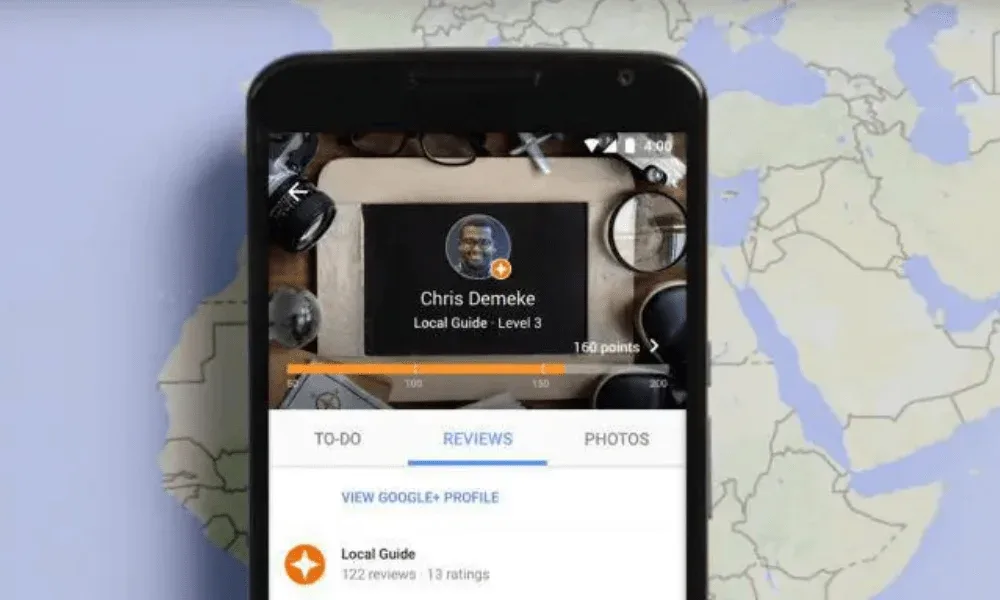
Badges are the most visible reward. Your profile displays a level badge next to every review and photo, which signals credibility to readers scanning dozens of opinions. Over time, this builds quiet authority, especially in tight-knit local communities where the same names pop up repeatedly.
Early access to features is another genuine benefit. Google has historically rolled out new Maps tools to higher-level contributors before public release, giving them first hands on experimental features. For tech-curious folks, that alone can be worth the effort invested in the local guides program.
Occasional physical perks exist too. Some contributors receive invitations to local events, branded merchandise, or trial access to Google services. Availability varies wildly by region, so do not count on it as a guaranteed reward structure.
Community recognition rounds things out. Being a recognized name in the local guides program opens doors to meetups, online communities, and conversations with other mapping enthusiasts. For many long-term contributors, those relationships become the real payoff.
How to Join the Local Guides Program for Free
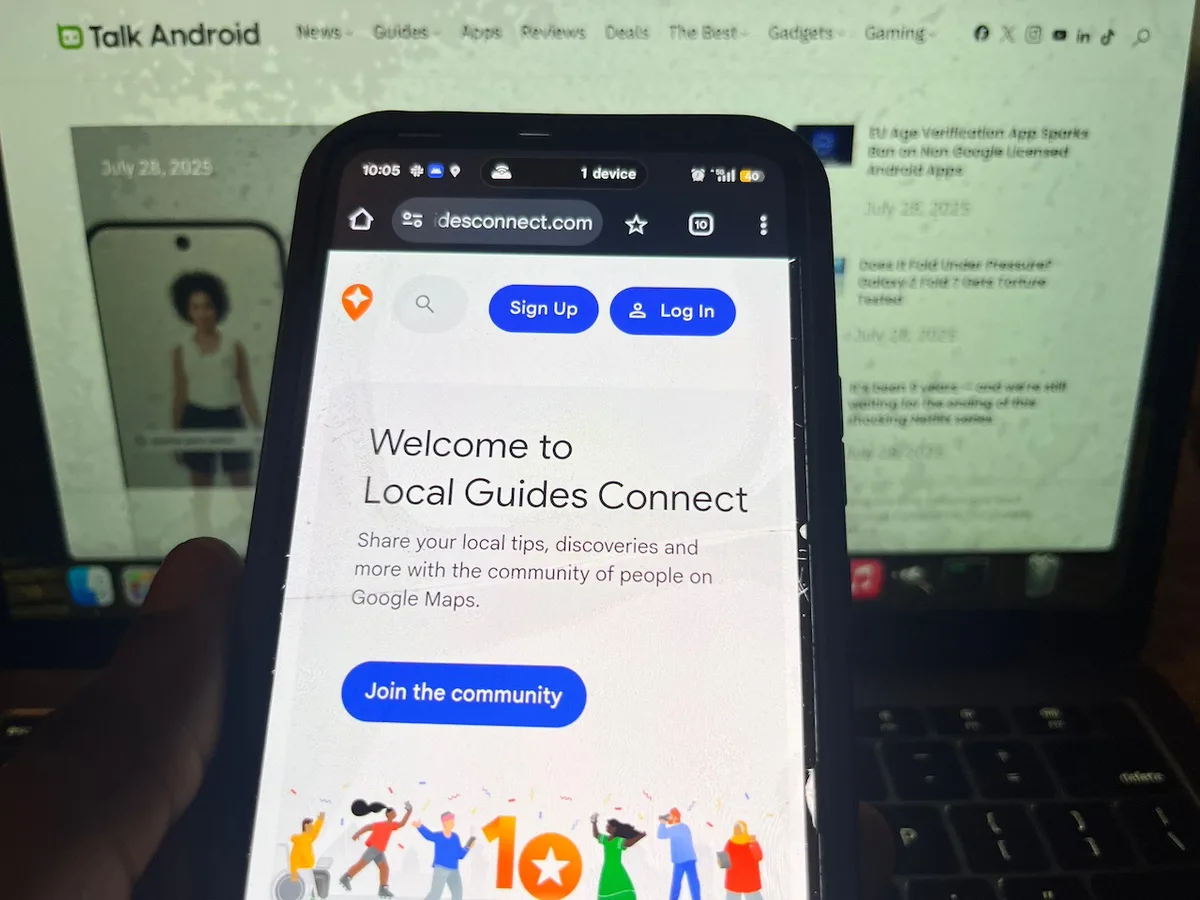
Registration costs nothing, takes about two minutes, and requires only a standard Google account. There is no application review, no waiting list, and no hidden approval process. Here is the exact sequence.
- Open Google Maps. Sign in with the Google account you want tied to your contributions. Use a personal account, since your reviews become publicly visible.
- Find the menu. On mobile, tap the hamburger menu; on desktop, look for the side panel. Locate the “Contribute” section.
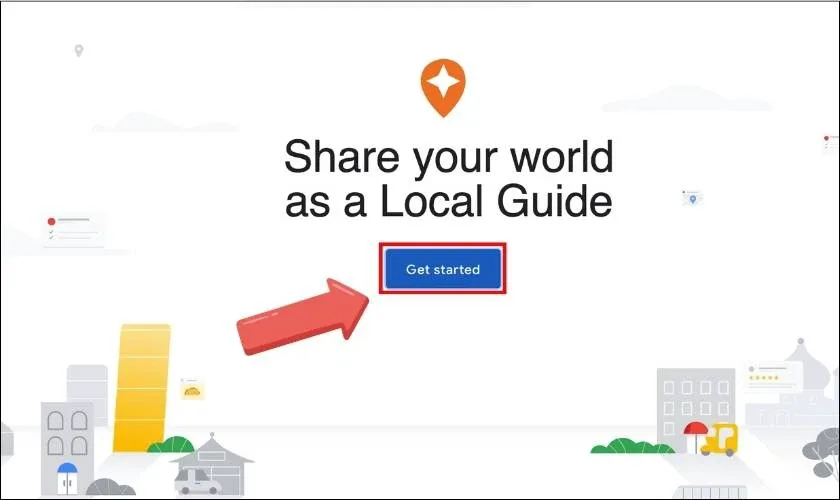
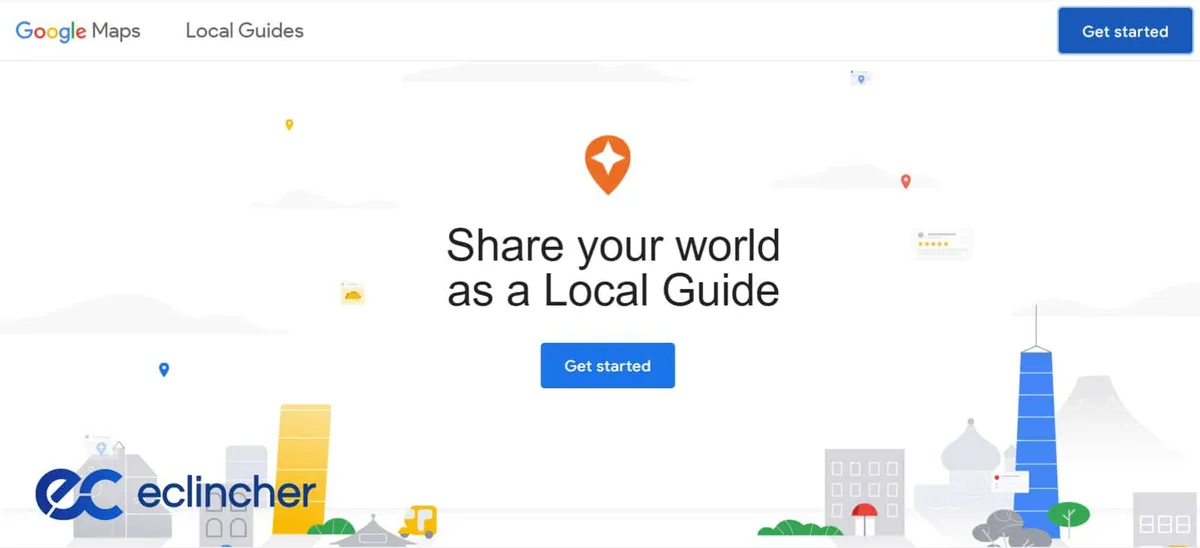
- Tap “Join Local Guides.” This button appears near the top of the Contribute tab and officially enrolls you in the local guides program.
- Complete your profile. Add a profile photo and a short bio. Profiles with real photos tend to get more engagement on their reviews.
- Make your first contribution. Post a review or upload a photo immediately, so your account shows activity from day one.
- Check your email. Google sends a welcome message confirming your membership and outlining the point system basics.
That is genuinely it. No credit card, no verification hoops, no fee hiding in fine print. If someone offers to “enroll you” in the local guides program for a payment, it is a scam. The program is free, always has been free, and will remain free.
One practical tip from experience: set your home city correctly in your profile before you start contributing heavily. It influences which local community features and event invitations may reach you, and it makes your early contributions more contextually relevant to your actual neighborhood.
Contributing Strategically Inside the Local Guides Program
Quantity alone moves the needle, but smart contributions move it much faster. The difference between a frustrated contributor and a rising one usually comes down to a few habits.

Write reviews that solve problems. A one-line “great food” helps nobody. A note explaining that the parking entrance is around back, the lunch rush hits at noon, and the vegetarian menu is hidden — that gets read, upvoted, and remembered. Google’s algorithm also tends to surface detailed reviews more often, which multiplies your impact inside the local guides program.
Photographs deserve real attention. Interior shots, storefronts, menus, and accessibility features like ramps or restrooms all serve practical needs. Avoid selfies, blurry snapshots, and duplicate angles; those often get filtered and waste your five-point upload.
Place edits are the quiet workhorses. Correcting an outdated phone number or adding missing Sunday hours takes thirty seconds and earns points while genuinely fixing bad data. If you want to see measurable progress in the local guides program without grinding reviews, become the person who fixes broken listings.
Understanding the Local Guides Program Community and Meetups
Beyond points and badges, there is an actual social layer that many contributors overlook. Google maintains community forums, regional groups, and occasional in-person meetups organized around mapping themes.
Joining these spaces speeds up your learning curve dramatically. Experienced contributors share which edits get approved, which photo types perform best, and how to handle tricky listings like temporarily closed businesses or venues with dual addresses.
Meetups are hit-or-miss depending on your city, but when they happen, they usually involve walking tours, photo expeditions, or mapping drives. For anyone serious about the local guides program over the long run, these events build momentum and make the effort feel less solitary.
The community also self-polices quality. Repeatedly submitting sloppy edits or fake reviews gets flagged fast, and in severe cases, access to the local guides program perks can be curtailed. Reputation, even in a volunteer system, carries weight.
Common Mistakes That Stall Your Progress
Beginners trip over the same handful of pitfalls again and again. Recognizing them early saves months of confused effort inside the local guides program.

First mistake: chasing points through low-value actions. Dozens of one-star ratings without context add almost nothing. Strangely, this feels productive because the number ticks up, but it caps your ceiling and offers little benefit to readers.
Second mistake: ignoring photo quality guidelines. Uploaded images that violate policy, contain people’s faces without consent, or misrepresent a place get removed. Repeated violations can freeze your contribution abilities, which is a nasty surprise for people who upload aggressively.
Third mistake: copy-pasting identical reviews across multiple locations. This pattern gets flagged as spam quickly, and the local guides program may suppress visibility of your contributions. Variation and specificity are non-negotiable.
Fourth mistake is simple impatience. Expecting level 7 within a few weeks leads to burnout. Treat progression as a slow-building habit rather than a sprint, and the local guides program becomes genuinely enjoyable instead of a chore.
Does the Local Guides Program Pay or Offer Financial Rewards?
Short answer: no. There is no salary, no revenue share, and no payout structure inside the local guides program. Any claim otherwise is misleading or an outright scam.
What you do accumulate is reputational capital and practical perks. Some contributors have leveraged their status into freelance work writing about local businesses, joining tourism boards, or helping restaurants improve their map presence. Indirect monetization is possible, but it comes from your own initiative, not from Google paying you per review.
The honest framing is this: the local guides program is best treated as civic contribution with gamified recognition. If you enjoy writing, photography, and geography, the intrinsic satisfaction carries you. If you need direct payment, look elsewhere.
Data, Privacy, and What You Should Know Before Contributing
Every review, photo, and edit you submit becomes public under your Google profile name. That transparency fuels the system, but it also means you should think before posting.
Use a profile name and photo you are comfortable having visible to strangers. Employers, clients, and neighbors can readily see your contributions if they look. For most people this is fine; for some, a neutral display name is simply smarter from the start of their journey in the local guides program.
Location data is another consideration. Photos taken at your exact home address, uploaded with location metadata enabled, can reveal more than intended. Reviewing neighborhood spots is normal; uploading pictures of your private residence is unnecessary risk.

Google does use contributor data to improve Maps, which is precisely the deal you accept on enrollment. Nothing sinister here, but being conscious of visibility as you participate in the local guides program keeps you comfortable long term.
Sustaining Motivation Over the Long Haul
Most people quit after a few weeks because initial enthusiasm fades once the level curve flattens. Staying engaged requires a slightly different mindset than chasing the first five levels.

Tie contributions to your actual routine instead of inventing dedicated “mapping sessions.” Review the café you already visit, photograph the storefront you walk past daily, and fix the address of that restaurant whose listing has been wrong for years. This approach keeps your footprint inside the local guides program consistent without demanding extra hours from your week.
Batch your activity in small windows. Ten minutes on a commute can handle a couple of reviews and one place edit. Over a year, that casual rhythm dwarfs any short burst of intense activity, and it prevents the burnout that kills most contributors’ momentum.
Quick Reference: Local Guides Program at a Glance
For those who want the essentials in one compact view, here is the summary table covering the core mechanics of the program.
| Feature | Details |
|---|---|
| Cost to join | Free with any Google account |
| Total levels | 10 (Level 1 through Level 10) |
| Highest point threshold | 100,000 points for Level 10 |
| Highest single-action points | 15 points per new place added |
| Review value | 10 points each |
| Primary rewards | Badges, early feature access, community events |
| Financial payment | None; contribution is voluntary |
Bookmark the this approach guidelines if you contribute regularly. The rules around photo policy, place edits, and review standards do shift over time, and staying current prevents accidental violations.
Frequently Asked Questions About the Local Guides Program
Here is an in-depth breakdown of key considerations regarding Frequently Asked Questions About the Local Guides Program:
Is the Local Guides Program Completely Free?
Yes. Joining and participating costs nothing. There is no subscription, membership fee, or premium tier hiding behind the free entry. Any service charging money to “enroll” you is fraudulent.
Your only investment is time and the accuracy of your contributions. The this approach has been free since launch and operates entirely on voluntary participation.
How Long Does It Take to Reach Level 5?
With consistent effort, most people reach 1,000 points within two to four months. That assumes a mix of reviews, photos, and place edits rather than ratings alone.
Contributors who add new places regularly inside the this approach often get there faster, while those doing only quick ratings may need six months or more to hit the same mark.
Do Badges Appear Publicly on My Reviews?
Yes. Your level badge and profile name show alongside each contribution when viewed in Maps. This is exactly why building credibility inside the this practice matters; a higher level signals trust at a glance.
Badges are not decorative. Readers scrolling through dozens of opinions often weight the more experienced reviewer more heavily, even if only subconsciously.
Can I Get Banned or Flagged?
Accounts can be flagged for spam, fake reviews, off-topic content, or repeated policy violations. Consequences range from removed contributions to losing access to your profile perks.
Keep contributions honest and specific, and this risk stays low. The this approach is designed to reward trustworthy behavior, not volume at any cost.
Does Location Matter for Perks or Events?
Very much so. Event invitations and certain trial offers are distributed regionally, so contributors in major metro areas tend to see more opportunities than those in remote regions.
That said, the core mechanics of the this approach operate globally and identically. Points, levels, and badges behave the same regardless of where you contribute from.
Can My Reviews be Edited After Submission?
You can edit or delete your own reviews and photos anytime from your contributions page. Edits retain their points unless they violate policy, in which case the contribution may be removed.
Reviewing your older contributions occasionally is smart, especially when a business has closed or changed hours since you last visited. Keeping your footprint in the this approach current improves the overall data quality.
Making the Local Guides Program Work for You
At the end of the day, the this practice rewards consistency, accuracy, and a touch of strategy. There is no shortcut to level 10, no secret hack that fast-tracks points, and no hidden payment waiting at the end. It is a marathon built on small, honest contributions.
Start with your own neighborhood. Fix what is broken, photograph what is useful, write what actually helps someone else decide. Then let the this approach do its slow work of turning those small acts into badges, recognition, and a better map for everyone around you.
The perks are pleasant, but the real satisfaction comes from watching your patch of the world become easier for strangers to navigate.
For verified reference and background research, consult the authoritative informational resource on this topic.