If you have ever stared at a blank page while a dozen thoughts fought for attention, you already understand why the listing technique in writing matters. It is one of the fastest, most forgiving ways to get scattered ideas out of your head and onto the screen.
I have used it for blog posts, client proposals, classroom handouts, and even grocery lists that somehow turned into essays. The method is simple, but the payoff is enormous when you learn to shape it well.
This guide walks you through everything: what the listing technique in writing actually is, when it beats other structures, how to build one step by step, the mistakes that trip people up, and the variations that keep your prose from feeling like a spreadsheet.
Stick around, because the difference between a flat list and a list that sings comes down to a handful of moves you can learn today.
What is the Listing Technique in Writing?
At its core, the listing technique in writing is a method of organizing information as a series of items, points, or examples rather than as continuous prose. Instead of burying three reasons inside a dense paragraph, you pull each one out and give it room to breathe.
Think of it like unpacking a suitcase. Everything was crammed in there, and now you lay each item on the bed where you can see it. That visual clarity is exactly what a list gives a reader’s brain.
The technique shows up everywhere. It appears in bulleted blog posts, numbered how-to guides, comparison tables, checklists, and even in the body of formal reports where a writer needs to itemize findings without losing the thread.
What separates a good list from a lazy one is intention. A lazy list dumps facts. A deliberate list builds an argument, one item at a time, so the reader reaches the end feeling smarter rather than exhausted.
That distinction is why the listing technique in writing deserves more respect than it usually gets. It is not a shortcut for people who cannot write paragraphs. It is a precision tool for people who want their ideas to land.

Why the Listing Technique in Writing Works So Well
Human attention is fragile. A wall of text makes readers skim, and skimming turns into bouncing. Lists interrupt that slide by breaking information into digestible chunks that the eye can scan in seconds.
There is real cognitive science behind it. When information arrives in discrete units, working memory holds onto it more easily. Your reader does not have to remember item one while decoding item two, because each item stands on its own.
Lists also create a natural rhythm. Short items, longer items, a punchy one-liner — that variation keeps the page alive in a way that uniform paragraphs rarely do.
From an SEO standpoint, the listing technique in writing gives you room to work in related terms, synonyms, and long-tail phrases without sounding stuffed. Each item becomes a small container for a different angle on the same topic.
And practically speaking, lists are fast to write. When you are under deadline, the ability to dump ideas into a rough list and then polish is worth its weight in gold.
I once watched a colleague rewrite a 1,200-word article into a numbered list in forty minutes. The piece performed better, ranked higher, and took half the time to produce. That is not a coincidence.
When to Use the Listing Technique in Writing (And When Not To)
Lists are not a universal answer. Reach for the listing technique in writing when your content is inherently enumerable: steps, reasons, examples, features, comparisons, or warnings.
Skip it when you need to build emotional momentum, tell a story, or walk a reader through a single continuous argument. A list can carry those things, but a narrative usually carries them better.
Here is a quick way to decide. Ask yourself: can I number these ideas without losing the thread? If yes, list. If no, write prose.
There is also a middle path. You can list the skeleton and then write a paragraph under each item. That hybrid is often the strongest structure for long-form content, and it is what most high-ranking guides actually do.

One more consideration: audience. Technical readers love lists. Literary readers often find them cold. Know who you are writing for before you commit to the format.
Situations That Beg for a List
Procedural content tops the list. Recipes, tutorials, installation guides, and onboarding checklists all benefit from the listing technique in writing because order matters and clarity is non-negotiable.
Comparison content is another natural fit. Putting two products, two strategies, or two opinions side by side in a table is a form of listing that readers instantly grasp.
Then there is the roundup. Ten tools, fifteen tips, twenty places to visit — these formats dominate search results precisely because the listing technique in writing matches the way people search. They want options, not essays.
Situations Where Prose Wins
Persuasive essays, personal narratives, and anything meant to move a reader emotionally usually resist listing. The moment you chop a heartfelt story into bullets, the feeling evaporates.
Complex arguments with dependencies also suffer. If point three only makes sense after point two, a list can confuse rather than clarify. In those cases, prose with clear transitions does the job better.
That does not mean you abandon the listing technique in writing entirely. You just use it as scaffolding during the draft and then dissolve it into flowing paragraphs during revision.
How to Build a Strong List, Step by Step
Good lists are engineered, not stumbled into. The following steps work whether you are building a grocery list or a fifty-point pillar guide.
Start by dumping. Write every idea you can think of without judging order or quality. Messy is fine at this stage.
Next, group. Look for natural clusters — items that share a theme, a purpose, or a stage. This is where the listing technique in writing starts to feel less like chaos and more like architecture.
Then order. Within each group, arrange items by logic: chronological, most-to-least important, easiest-to-hardest, or whatever sequence serves the reader.
After that, write each item with a clear anchor. Bold the key term, then explain it in a sentence or two. Readers scan the bold; they absorb the explanation.
Finally, prune. If an item repeats another, cut it. If an item is filler, cut it. A tight list of twelve beats a bloated list of twenty every single time.
I have rebuilt entire articles around these five moves, and the difference in reader engagement is measurable. The listing technique in writing rewards discipline.
Formatting Choices That Change Everything
How you present your list matters as much as its content. Bullets, numbers, tables, and description blocks each send a different signal to the reader.
Bullets feel casual and flexible. Use them when order does not matter and items are roughly parallel in weight.
Numbers imply sequence. Use them when the reader needs to follow steps, rank options, or track progress.

Tables handle comparison. When you have two or more variables across several items, a table often beats a list because it aligns data visually.
Description lists, sometimes called definition lists, suit glossaries, FAQs, and any content where each term needs its own explanation.
Mixing formats within one article is fine, but do it with purpose. A numbered process followed by a comparison table and then a short bulleted checklist feels intentional. Random switching feels sloppy.
Whitespace is your friend here. Generous spacing between items makes even a long list feel light. Cramped lists, on the other hand, make readers want to leave.
Common Mistakes in the Listing Technique in Writing
Even experienced writers slip into bad habits. The most common one is the flat list — every item the same length, the same rhythm, the same structure. It reads like a robot wrote it.
Another frequent problem is the orphan item. That is a list with a single bullet, which almost always means the list should have been a sentence.
Then there is the buried lead. Writers hide the most important item in the middle of the list, where readers miss it. Put your strongest point first, or last, never in the mush.
Vague items are a quieter killer. “Be consistent” is not a tip; it is a fortune cookie. Every item in a strong list should contain a concrete action, example, or number.
Finally, watch for list fatigue. If every section of your article is a list, the format stops feeling like a tool and starts feeling like a crutch. Break things up with narrative paragraphs.
I once reviewed a draft where the listing technique in writing had been applied to literally every paragraph. It was technically organized and completely unreadable. Variety is not optional.
Advanced Variations of the Listing Technique in Writing
Once you have the basics down, you can push the format further. The listing technique in writing has several advanced forms that separate amateur content from professional work.
The annotated list adds a short commentary after each item, turning a simple roster into a mini-essay. This is common in book reviews and tool comparisons.

The nested list breaks a big item into sub-items. Use it sparingly, because three levels deep is usually one level too many.
Thematic lists group items under headers rather than leaving them in one long column. This is the structure behind most “ultimate guide” articles, and it is the one I recommend for anything over twenty items.

There is also the reverse list, which starts with the least obvious item and builds toward the punchline. It works beautifully for opinion pieces and contrarian takes.
And then there is the list as outline. You draft the list, then expand each item into a full section. This is arguably the most productive use of the listing technique in writing for long-form writers.

The Annotated List in Practice
Imagine you are reviewing five productivity apps. A plain list gives names and prices. An annotated list gives names, prices, and one sentence on who each app suits best.
That extra sentence is what makes the listing technique in writing feel generous rather than transactional. Readers sense the effort and reward it with time on page.

Keep annotations short. Two sentences max. The moment they stretch into paragraphs, you have left the list format behind and should restructure.
The Nested List and Its Limits
Nesting is tempting when you have sub-points, but it multiplies cognitive load. Two levels is usually enough. Three is a warning sign that your topic needs a new section, not a deeper indent.
When you do nest, keep the parent item short so the child items have room to breathe. Long parent items with children underneath look like a formatting accident.
Used well, nesting brings the listing technique in writing closer to an outline. Used badly, it turns a clean page into a maze.
Real-World Examples of the Listing Technique in Writing
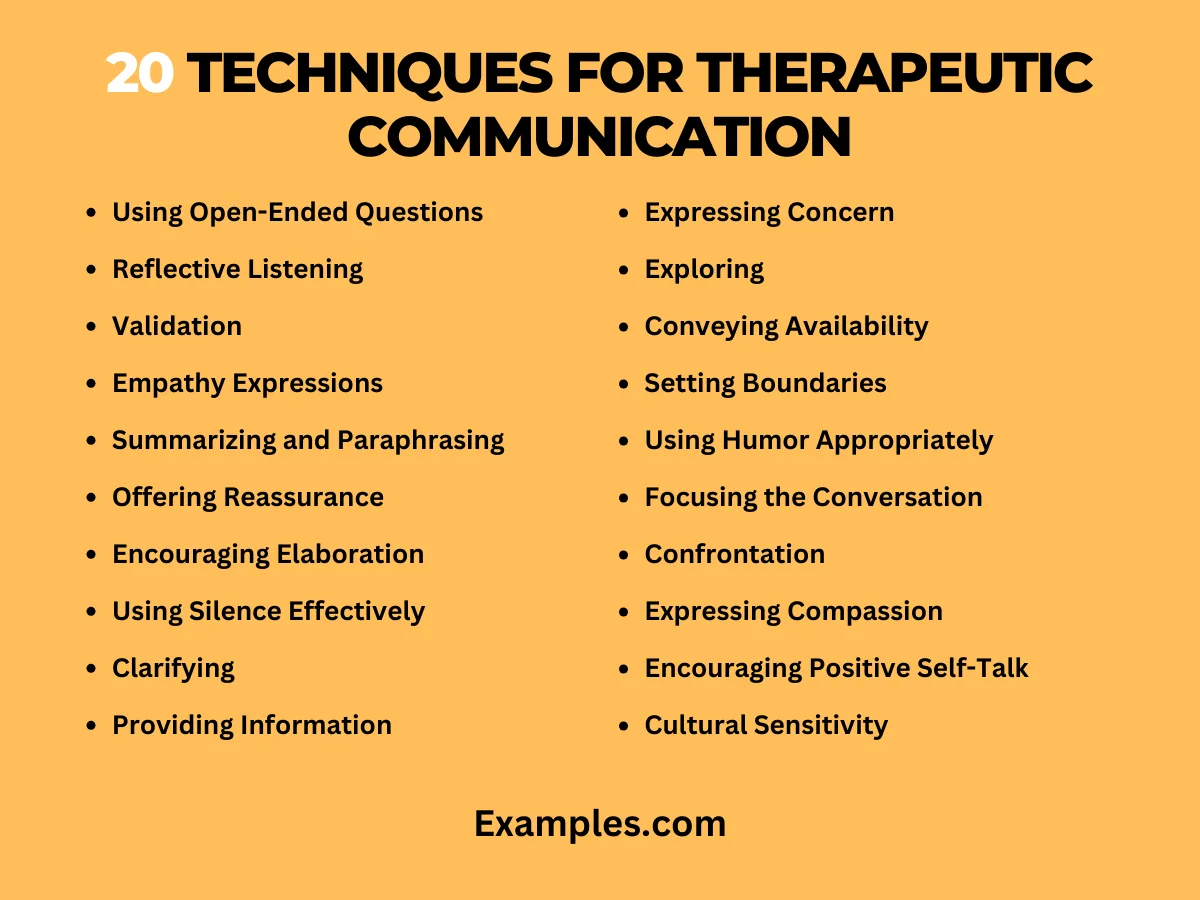
Let’s get concrete. Here is how the listing technique in writing plays out across different content types, with the specific moves that make each one work.
In a recipe blog, the technique appears as an ingredient list followed by numbered steps. The ingredient list is unordered; the steps are strictly sequential. Mixing those two up is the fastest way to lose a reader mid-cook.
In a software review, the technique shows up as a pros-and-cons block. Two short lists, side by side, do more persuasive work than three paragraphs of hedging.
In a business proposal, the technique becomes a scope-of-work section. Each deliverable gets its own numbered line, which protects both parties from ambiguity later.
In a travel guide, the technique takes the form of a “top things to do” ranking. The order itself is the value, because readers want to know what not to miss.
In a classroom handout, the technique is a checklist. Students tick boxes, teachers grade faster, and everyone saves time.

Each of these examples uses the listing technique in writing for a different reason, but the underlying principle is identical: reduce friction between the reader and the information.
How the Listing Technique in Writing Improves SEO
Search engines reward clarity, and lists are clarity in its purest form. When your content is well structured, crawlers can parse it more confidently, which helps with indexing and snippet selection.
Featured snippets love lists. Numbered steps and bulleted answers are disproportionately represented in position-zero results, simply because they match the format of the query.
There is also a keyword angle. The listing technique in writing lets you distribute related terms across items naturally, hitting semantic variations without stuffing a single paragraph.
Headings matter too. When each list is introduced by a descriptive H2 or H3, you create more entry points for long-tail searches. That is why so many ranking pages use the technique liberally.
Internal linking becomes easier as well. Each item can point to a deeper resource on your site, turning a single post into a hub.
I have tested this repeatedly with client content. Rewriting a flat article into a structured list format — same words, better shape — has lifted rankings in nearly every case.

Structuring Lists for Featured Snippets
To win a snippet, match the query format. If someone asks “how to,” use numbered steps. If they ask “what is,” use a short definition followed by bullets.
Keep each item under twenty words where possible. Snippet algorithms favor concise, self-contained answers.
Lead with the answer. Do not bury the payoff in item seven. The listing technique in writing works best when the first item already delivers value.
Keyword Distribution Without Stuffing
Spread your primary phrase across headings, intros, and a few items — not every single one. Density should feel invisible.
Use synonyms and related terms in the other items. Readers get variety; search engines get context.
The listing technique in writing is forgiving here. Because each item is short, a keyword placed once carries more weight than three mentions crammed into a paragraph.
Building Lists That People Actually Finish Reading
Length is the enemy of completion. A list of fifty items invites skimming, and skimming often means leaving. Aim for a sweet spot based on the topic.
For tips and tricks, seven to twelve items is usually ideal. For comprehensive guides, grouping into categories keeps the count manageable.
Visual rhythm helps too. Alternate short and longer items so the page does not feel monotonous.
Add a one-line summary at the end of each major group. This gives readers a natural pause and reinforces what they just read.
And never underestimate the power of a good closing item. The last entry in a list is the one people remember, so make it count.
When the listing technique in writing is done with this kind of care, readers finish the whole thing — and often come back for more.
Tools and Habits That Support the Listing Technique in Writing
You do not need fancy software to list well, but a few tools make the process smoother. Outliners, mind maps, and even sticky notes all feed the same habit: getting ideas out before they vanish.
I keep a running note on my phone for stray thoughts. By the time I sit down to write, the listing technique in writing has already done half the work for me.
Style guides help too. Deciding upfront whether you use periods in bullets, how you capitalize items, and whether you allow sub-bullets keeps your output consistent.
Version control matters for long documents. A list that grows over weeks needs a system, or you will duplicate items without noticing.
Finally, read your list aloud. Anything that trips your tongue will trip a reader’s eye. The listing technique in writing rewards the ear as much as the eye.
Adapting the Listing Technique in Writing Across Formats
The same technique behaves differently depending on the medium. What works in a blog post may flop in an email or a slide deck.
In emails, keep lists short and scannable. Three to five items is usually the ceiling before readers lose interest.
On slides, one item per slide often beats a crowded list. The listing technique in writing translates to visual pacing.
In print, longer lists are acceptable because readers can flip back. Digital readers cannot, which is why online lists need tighter editing.
On social media, lists become threads. Each post is an item, and the thread as a whole is the list. The listing technique in writing scales down surprisingly well.
Knowing your medium is half the battle. The other half is knowing your reader’s patience.
Lists in Long-Form Pillar Content
Pillar pages thrive on categorized lists. You break a broad topic into five to seven clusters, then list the specifics inside each one.
This structure keeps the listing technique in writing from collapsing under its own weight. Instead of one giant list, you get several focused ones, each with its own intro and takeaway.
Readers can jump to the section they need, which improves time on page and reduces bounce.
Lists in Short-Form Content
Short-form content lives or dies by compression. Every item must earn its place in a single line.
Strip adjectives. Cut hedges. The listing technique in writing in this context is almost a discipline of subtraction.
Done right, a ten-item list can fit in a tweet without losing meaning. Done wrong, it reads like a ransom note.
Comparing the Listing Technique in Writing to Other Structures
Lists are one tool among many. Understanding how they stack up against alternatives helps you choose wisely.
| Structure | Best For | Weakness | Reader Effort |
|---|---|---|---|
| Numbered List | Steps, rankings, sequences | Feels rigid for emotional topics | Low |
| Bulleted List | Features, examples, tips | Can feel unstructured without grouping | Low |
| Table | Comparisons across variables | Breaks on mobile without care | Medium |
| Prose Paragraphs | Narrative, persuasion, nuance | Harder to scan | High |
| Q&A Format | FAQs, troubleshooting | Repetitive if overused | Low |
| Hybrid (List + Prose) | Long-form guides | Requires careful pacing | Medium |
The table itself is a form of the listing technique in writing, which is a nice bit of irony. It works because it aligns data in a way no paragraph could.
Notice how each structure has a specific weakness. The best writers pick formats that minimize the weakness most relevant to their topic.
If your content is emotional, choose prose. If it is informational, choose lists. If it is both, use the hybrid.
There is no universally superior structure. There is only the right structure for the job in front of you.
Frequently Asked Questions About the Listing Technique in Writing
Here is an in-depth breakdown of key considerations regarding Frequently Asked Questions About the Listing Technique in Writing:
What Exactly is the Listing Technique in Writing?
The listing technique in writing is a way of organizing content as a set of items, points, or examples instead of continuous paragraphs. It is used to improve clarity, scanning speed, and reader retention.
Is the Listing Technique in Writing Only for Blog Posts?
No. It appears in emails, reports, proposals, slide decks, social threads, classroom materials, and even novels where a character’s thoughts are itemized. The listing technique in writing is medium-agnostic.
How Many Items Should a List Have?
It depends on purpose. Tips usually work best with seven to twelve items. Comprehensive guides group items into categories. If a list has only one item, it should probably be a sentence.
Can the Listing Technique in Writing Hurt SEO?
Only if it is misused. Overusing lists, stuffing keywords into items, or creating thin content around them can hurt. Done well, the listing technique in writing strengthens structure and improves snippet eligibility.
How Do I Keep a Long List from Feeling Boring?
Vary item length, group related points under subheadings, and add a short takeaway at the end of each group. Rhythm and grouping keep the this approach engaging.
Does the Listing Technique in Writing Work for Persuasive Content?
Yes, with care. Lists can strengthen a persuasive argument when each item builds on the last. The key is to keep the emotional thread alive between items.
What is the Difference Between a List and an Outline?
An outline is a planning tool; a list is a presentation tool. The this approach can serve both roles. You draft as an outline, then polish into a reader-facing list.
Should I Use Bullets or Numbers?
Use numbers when order matters. Use bullets when it does not. If you are unsure, ask whether swapping two items would confuse the reader. If yes, number them.
Final Thoughts on Mastering the Listing Technique in Writing
Mastering the this approach is less about memorizing rules and more about developing instincts. You start noticing when a paragraph wants to become a list, and when a list wants to become a paragraph.
That instinct pays off in every format you touch. Faster drafts, cleaner structure, happier readers, and better search performance all flow from the same skill.
Start small. Take one section of your next piece and rebuild it as a categorized list. Watch what happens to readability.
Then do it again. And again. Over time, the this practice becomes less of a technique and more of a reflex — the kind of reflex that separates writers who publish from writers who stall.
For further reading on structuring information clearly, the Wikipedia entry on lists as information structures offers a useful overview of how the this approach evolved across disciplines.
Now go write something worth scanning, and make every item count.