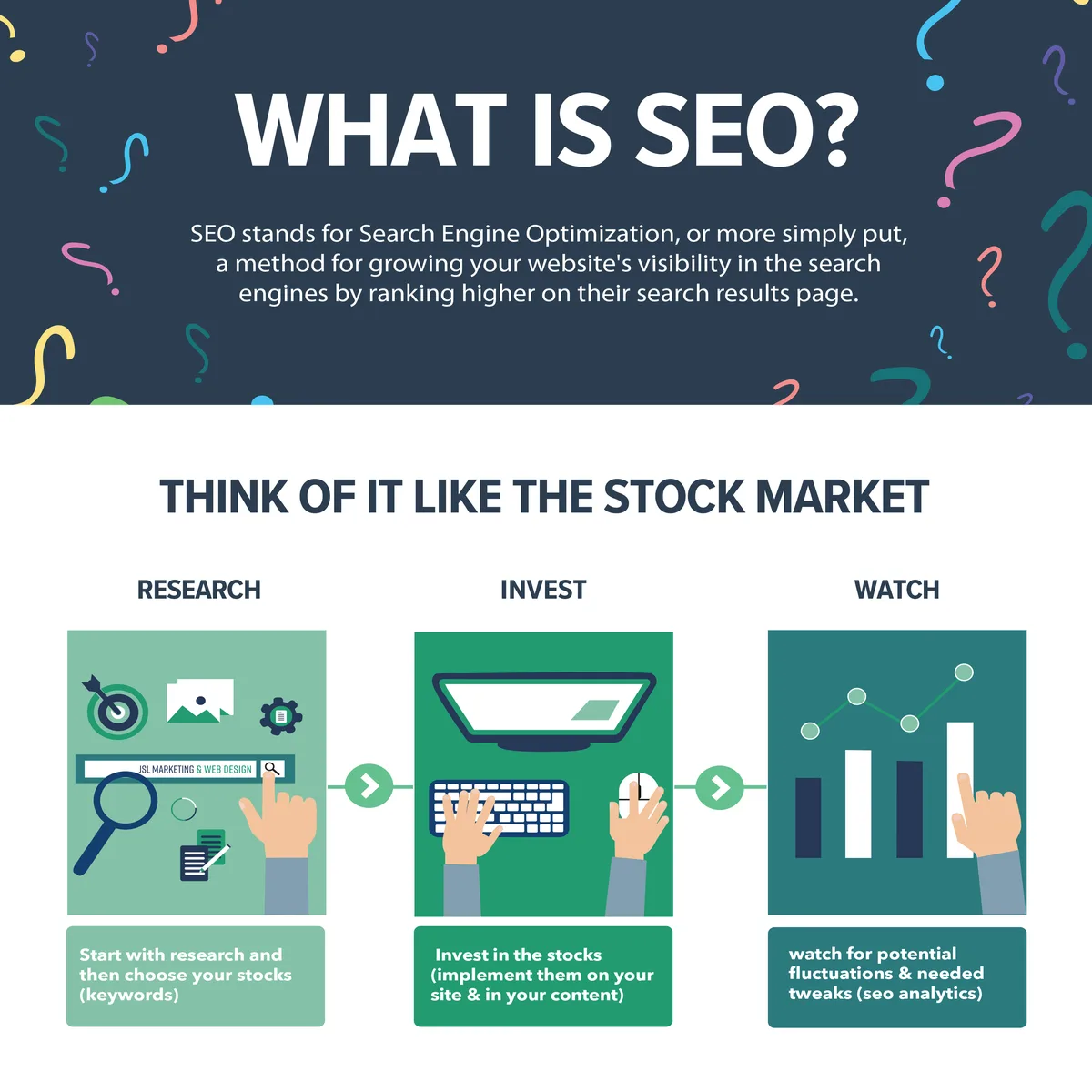
What is SEO, really? Strip away the jargon and it comes down to this: the practice of earning unpaid visibility on search engines by matching what people type into a search box with content that genuinely answers their question.
That sounds simple. It isn’t. Search engines process billions of queries every day, and the systems deciding who ranks first are far more sophisticated than most newcomers assume.
I’ve spent years watching sites climb and collapse in search results, and the pattern is always the same. Focusing on What is SEO provides clear direction throughout this process. The winners understand the mechanics. The losers chase shortcuts.
So let’s talk about what SEO actually is — not the watered-down version, but the working model that professionals use when they’re deciding where to spend their time.
What is SEO and Why Does It Still Matter?
If you ask ten marketers what is SEO, you’ll get ten variations of the same answer: optimizing content and websites so search engines rank them higher. True, but incomplete.
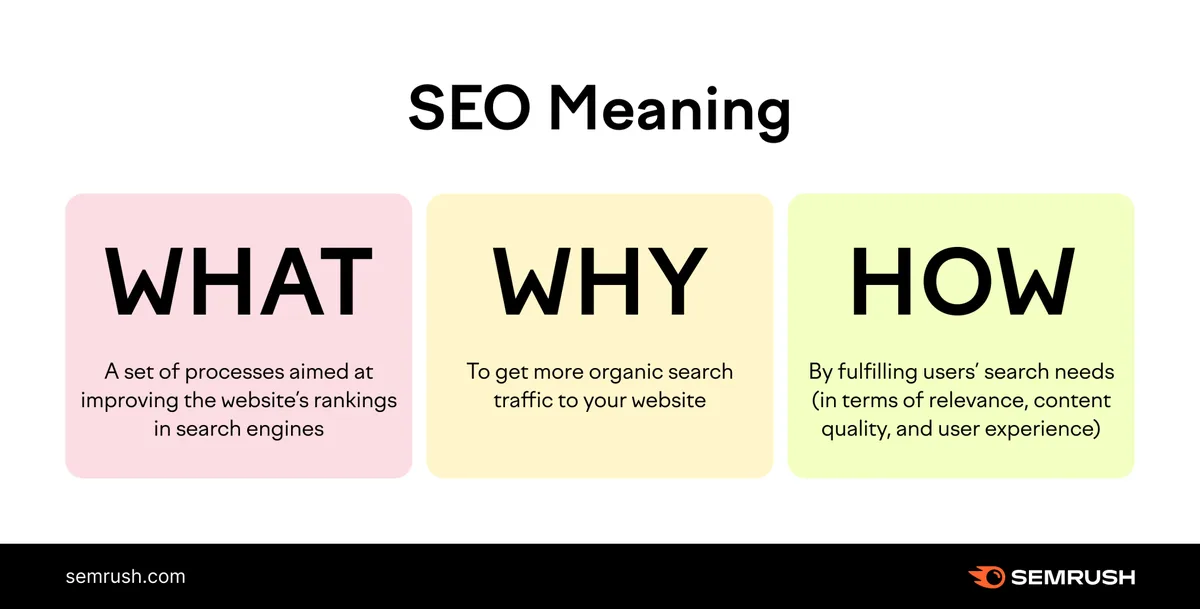
The fuller definition involves three moving parts working together. First, how search engines crawl and index pages. Second, how they evaluate relevance and quality. Third, how users behave once they land on your result.
Ignore any one of those and the whole system underperforms. A beautifully written page that search engines can’t crawl is invisible. A perfectly crawlable page that answers nothing ranks nowhere.
Why does this still matter when social media and paid ads exist? Because search traffic compounds. A well-positioned page keeps pulling visitors month after month without additional spend.
According to Wikipedia’s overview of search engine optimization, the discipline has evolved continuously since the mid-1990s, adapting to every major algorithmic shift. That adaptability is the point.
Paid ads stop the moment your budget runs dry. A ranking page doesn’t. That asymmetry is why businesses keep investing in organic search even when ad platforms offer instant results.
The Three Pillars Nobody Can Skip
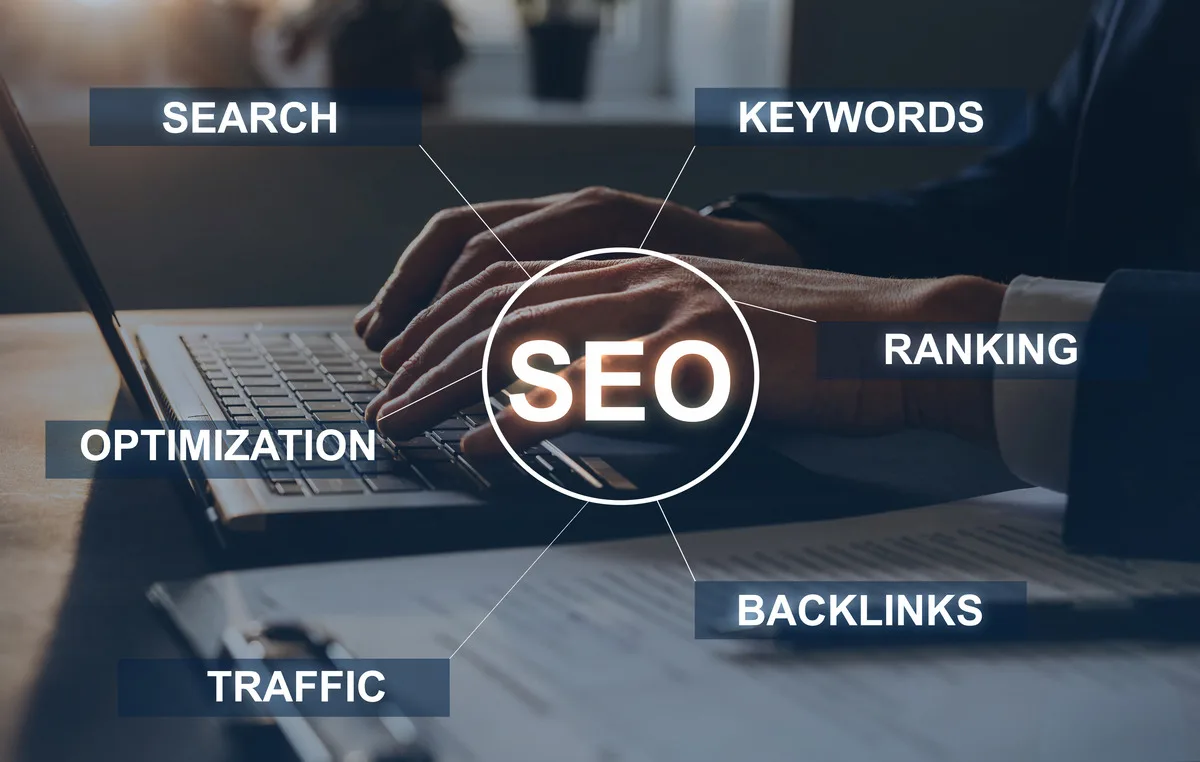
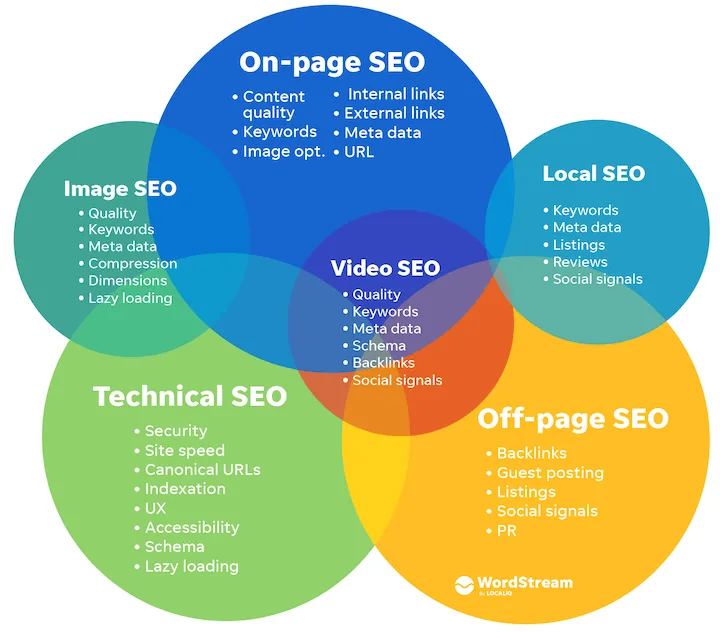
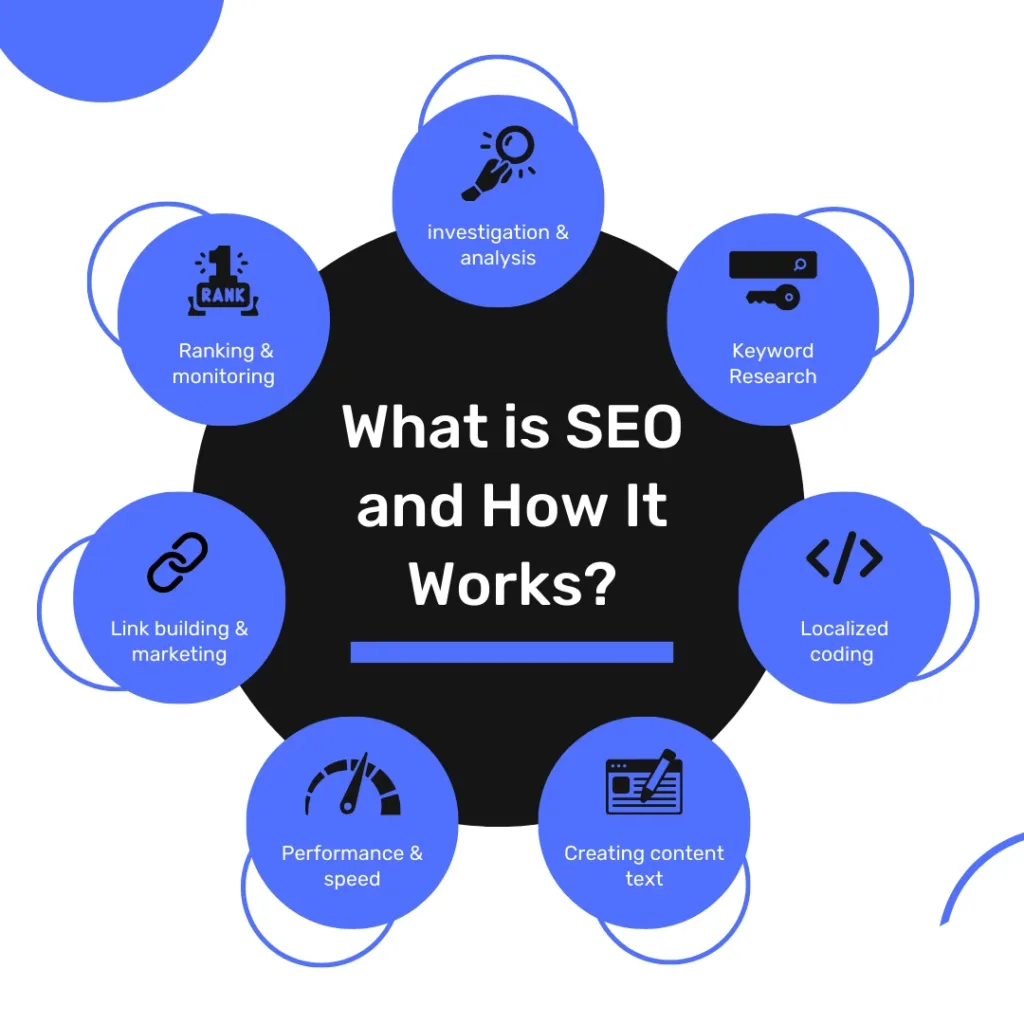
Every credible answer to what is SEO eventually lands on the same three pillars: technical health, content quality, and authority signals.
Technical health covers crawlability, site speed, mobile rendering, structured data, and indexation. Mastering What is SEO makes a tangible difference in real-world situations. Think of it as the plumbing. When it leaks, everything downstream suffers.
Content quality is about matching intent — not just keywords. A page targeting “how to fix a leaking faucet” needs actual repair steps, not a history of plumbing.
Authority signals are the external votes of confidence: links from reputable sites, brand mentions, citations, and genuine engagement. Search engines treat these as evidence that real people trust you.
Miss one pillar and the other two can’t fully compensate. I’ve seen sites with brilliant content stuck on page four because of a robots.txt error blocking half their pages.
How Search Engines Actually Decide Rankings
Crawling comes first. Automated bots follow links across the web, discovering URLs and fetching their content. If your pages aren’t linked or listed in a sitemap, they may never be found.
Indexing comes next. The engine parses what it fetched, extracts meaning, and stores it in a massive database. Pages that are thin, duplicated, or blocked by directives get excluded here.
Then retrieval happens. Focusing on What is SEO provides clear direction throughout this process. When someone searches, the engine pulls candidate pages from its index and ranks them using hundreds of signals — relevance, freshness, link equity, user satisfaction metrics, and more.
Understanding what is SEO means understanding this pipeline. Most beginner mistakes happen because someone skipped a stage entirely.
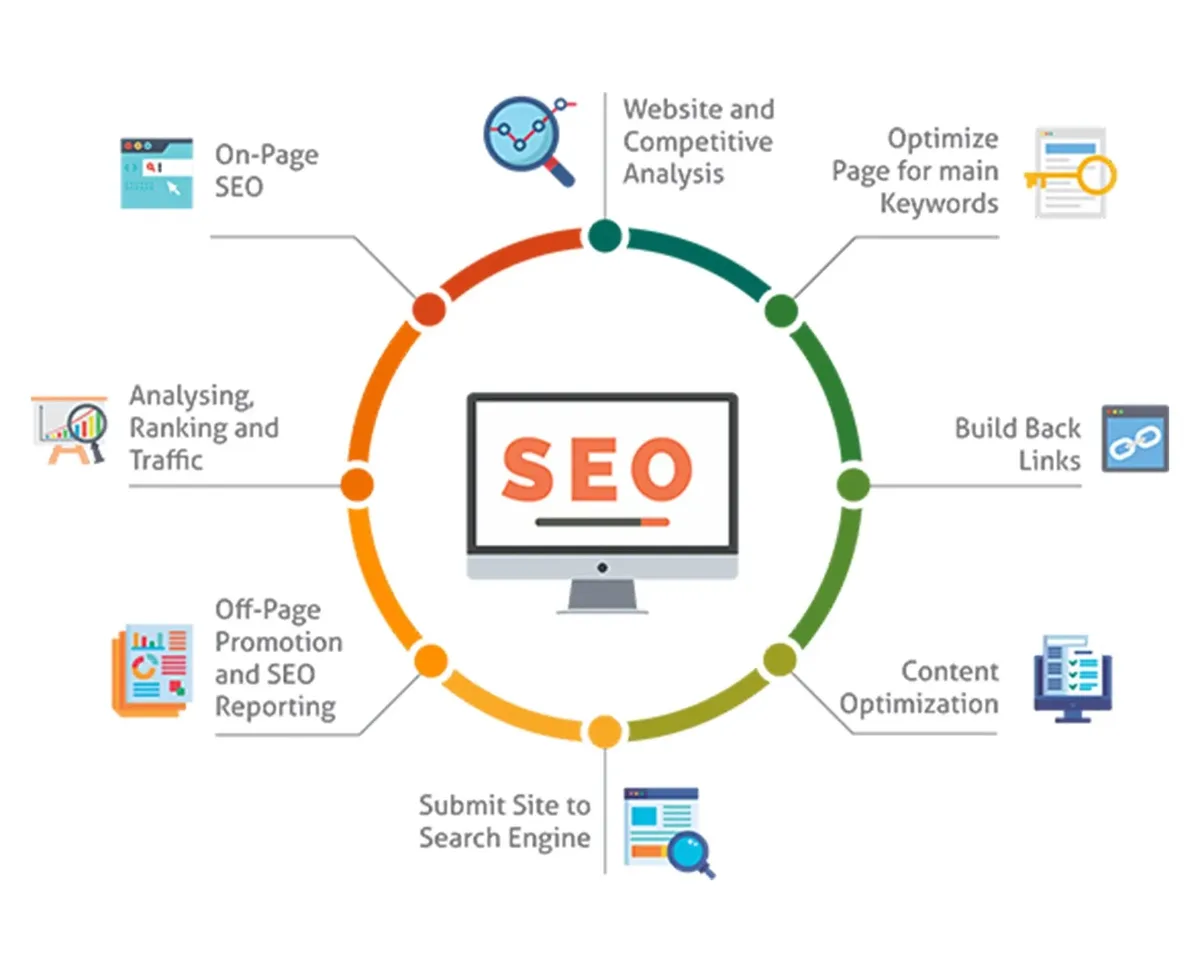
They publish great content on a site that can’t be crawled. A practical understanding of What is SEO helps eliminate common pitfalls. Or they fix technical issues but write content nobody searches for. The pipeline punishes partial effort.
What is SEO vs Paid Search: Where the Real Difference Shows
The cleanest way to grasp what is SEO is to compare it against paid search side by side. Both aim for the same real estate — the search results page — but they get there through completely different routes.
Paid search buys placement. You bid on keywords, write ad copy, and pay per click. The moment your budget pauses, your visibility vanishes.
Organic search earns placement. You optimize, publish, build authority, and wait. The payoff arrives later but persists far longer.
| Factor | Organic SEO | Paid Search (PPC) |
|---|---|---|
| Cost model | Time and expertise investment | Per-click or per-impression billing |
| Time to results | Weeks to months | Immediate once live |
| Durability | Persists with maintenance | Stops when spend stops |
| Trust perception | Often viewed as earned credibility | Recognized as advertising |
| Scalability | Compounds over time | Scales with budget only |
| Control | Indirect, algorithm-dependent | Direct, immediate |
Here’s the practical takeaway. Most mature businesses run both. Paid search captures demand now; organic builds an asset that keeps paying out.
When people ask what is SEO in a business context, I tell them it’s the only marketing channel where your past work keeps generating returns while you sleep.
That’s not romanticism. It’s arithmetic. A page ranking in position three for a steady keyword can deliver traffic for years with minimal upkeep.
What is SEO Keyword Research and Why Intent Beats Volume
Keyword research is where most SEO projects succeed or fail, and it’s the part beginners rush through fastest.
The instinct is to chase the highest-volume term in your niche. That instinct is usually wrong. Volume without intent match produces traffic that bounces immediately.
What matters is understanding why someone typed a query. Applying proven principles to What is SEO yields consistent, measurable results. Are they exploring, comparing, or ready to act? Each intent type demands a different page format.
Informational, Commercial, and Transactional Queries
Informational queries sound like questions: “what is SEO,” “how does indexing work,” “why is my site not ranking.” These searchers want understanding, not a sales pitch.
Commercial queries signal evaluation: “best SEO tools,” “Surfer SEO vs Frase,” “is Ahrefs worth it.” These people are comparing options and need honest breakdowns.
Transactional queries carry purchase intent: “buy keyword research software,” “hire SEO consultant.” Landing pages, pricing pages, and product pages serve these best.
Mismatch the format and you lose. A product page ranking for a purely informational query gets clicks but no conversions — and often a high bounce rate that hurts future rankings.
I’ve watched e-commerce stores pour effort into blog posts that never convert because the keywords attracted researchers, not buyers. Intent alignment would have saved them months.
Long-Tail Keywords and the Compounding Advantage
Long-tail keywords are longer, more specific phrases with lower individual volume. Mastering What is SEO makes a tangible difference in real-world situations. Together, they often represent the majority of total search demand.
“Running shoes” is a head term. “Best trail running shoes for wide feet on rocky terrain” is long-tail. The second one converts far better.
Why? Effective execution around What is SEO reinforces confidence from the outset. Because specificity signals clarity. Someone typing that full phrase knows exactly what they need, and a page answering it precisely earns their trust instantly.
New sites should live in long-tail territory for the first year. You can rank without massive authority, and you learn what your audience actually cares about.
Understanding what is SEO at a strategic level means recognizing that a hundred small wins often outperform one impossible target.
What is SEO On-Page Optimization: the Elements You Control
On-page optimization covers everything within your own pages — the parts you fully control without waiting for anyone else.
It’s the most accessible layer of SEO work, and for many sites, it’s where the biggest quick wins hide.
Titles, Headings, and the Structure Readers Feel
Your title tag is the first thing searchers see. It needs the primary keyword near the front and a reason to click.
Headings do double duty. They help search engines understand hierarchy, and they help humans scan. A wall of unbroken text loses both audiences.
Use one H1 per page. Then organize supporting sections under H2s, with H3s for sub-points. That structure mirrors how the content logically unfolds.
I’ve rewritten headings on existing pages and seen click-through rates climb without touching a single word of body copy. Careful preparation for What is SEO sets a solid foundation for long-term success. Small structural fixes, outsized returns.
Internal Links, Anchor Text, and Topical Clusters
Internal links spread authority across your site and help search engines discover related pages. They also keep visitors reading longer.
Anchor text matters. “Click here” tells the engine nothing. “keyword research process” tells it exactly what the destination covers.
Build topic clusters: one comprehensive pillar page supported by narrower articles linking back to it. This signals depth on a subject.
Google’s own Search Essentials documentation emphasizes that helpful, people-first content is the foundation — internal linking is simply how you organize that help.
Images, Alt Text, and Page Experience
Every image should have descriptive alt text. It’s an accessibility requirement first and a ranking signal second.
Compress images before uploading. Unoptimized files are one of the most common causes of slow-loading pages.
Page experience signals — loading speed, visual stability, mobile responsiveness — influence how users engage, and engagement feeds back into rankings.
When someone asks what is SEO in practical terms, image optimization is a perfect example. It’s unglamorous, invisible to most visitors, and quietly effective.
What is SEO Technical Foundation: the Invisible Backbone
Technical SEO is the part nobody wants to learn and everybody needs. It’s unglamorous, but it decides whether your other efforts count at all.
If search engines can’t access your content, nothing else matters. No amount of great writing survives a broken foundation.
Crawlability, Indexation, and Sitemaps
Start with robots.txt. This file tells crawlers which areas they may access. A single misplaced disallow line can hide your entire site.
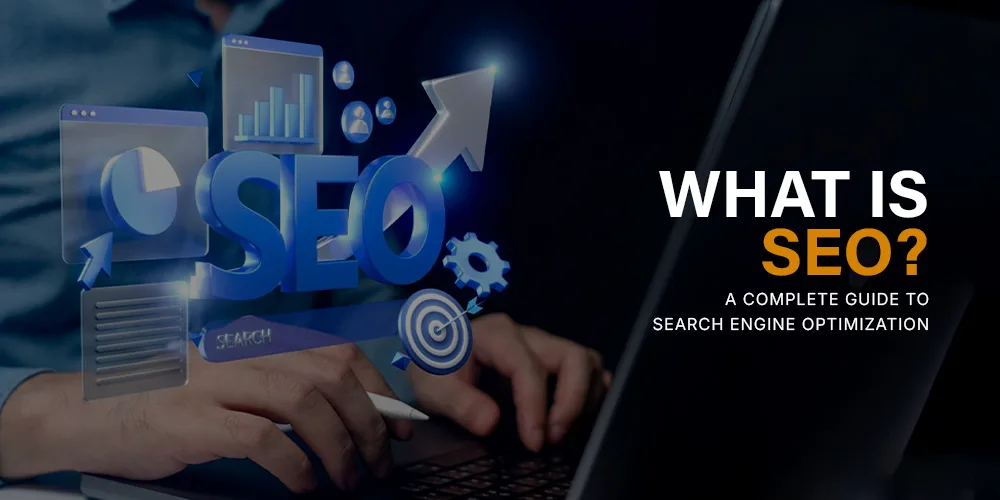
Then check indexation. Search your domain with the “site:” operator and see how many pages actually appear. The gap between published and indexed pages often reveals the problem.
Submit an XML sitemap through Search Console. It’s not a ranking factor, but it accelerates discovery of new and updated content.
I once audited a site with 400 published articles and only 60 indexed. The culprit was a canonical tag pointing every page to the homepage. One line of code, months of lost traffic.
Site Speed and Core Web Vitals
Speed affects rankings, but more importantly, when refining a What is SEO, it affects people. A page taking four seconds to load loses a large share of visitors before they see anything.
Core Web Vitals measure loading performance, interactivity, and visual stability. They’re not the biggest ranking factor, but they’re a tiebreaker in competitive results.
Practical fixes include compressing images, deferring non-critical scripts, using a content delivery network, and cleaning up unused plugins.
Test with real user data, not just lab tools. Field data reflects what actual visitors experience across devices and connections.
Mobile-First and HTTPS Basics
Most searches now happen on phones. Search engines index the mobile version of your site first, so that version must be complete.
Test on real devices, not just a resized browser window. Tap targets, font sizes, and layout shifts behave differently on actual hardware.
HTTPS is non-negotiable. Browsers flag insecure pages, and users abandon them. An SSL certificate is the baseline, not a bonus.
Every serious explanation of what is SEO includes this layer because skipping it caps your ceiling permanently.
What is SEO Content Strategy: Building Pages That Earn Rankings
Content is where strategy meets execution. Developing structured habits for What is SEO ensures repeatable clarity. You can have flawless technical setup and still rank for nothing if your content misses the mark.
The goal isn’t publishing more. It’s publishing pages that fully satisfy a specific search need better than anything currently ranking.
Search Intent Matching in Practice
Before writing, examine the current top results. What format dominates? Are they listicles, tutorials, product pages, or comparison tables?
That format is a strong signal of what searchers expect. Fighting it usually fails, regardless of content quality.
If every top result is a step-by-step guide and you publish a thought-leadership essay, you’re answering a different question than the one asked.
Match the format first, then outperform on depth, clarity, and freshness. That combination wins consistently.
Content Depth Without Padding
Longer content isn’t automatically better. Depth means covering the topic completely — not stretching it with filler.
Ask yourself what a reader still needs to know after finishing your page. A practical understanding of What is SEO helps eliminate common pitfalls. If questions remain, the content isn’t done.
Cover subtopics, edge cases, common mistakes, and practical examples. That’s what separates a page that ranks from one that lingers on page three.
Honestly, most “content length” advice gets this backwards. Write until the topic is fully addressed, then stop.
Refreshing Content That Already Ranks
Updating existing pages often beats publishing new ones. You’re working with established authority instead of starting from zero.
Look for pages ranking in positions five through fifteen. These are close to breaking through and usually need targeted improvements.
Add missing subtopics, update outdated references, improve internal links, and tighten the introduction. Small edits, meaningful movement.
This is one of the most underrated answers to what is SEO in practice: sometimes the best new content is old content, improved.
What is SEO Link Building and Authority Signals
Links remain one of the strongest ranking signals, though the way they’re evaluated has matured considerably.
Quantity means little now. Relevance, editorial context, and the trustworthiness of the linking domain carry far more weight.
Earning Links vs Buying Them
Earned links come from people choosing to reference your work. They’re harder to get and worth far more.
Purchased links violate search engine guidelines and carry real risk. Penalties can erase years of progress in a single update.
Create link-worthy assets: original research, useful tools, comprehensive reference guides, and genuinely fresh perspectives.
Digital PR works too. Journalists and bloggers link to sources that provide data, quotes, or expertise they can’t easily produce themselves.
Digital PR and Brand Mentions
Unlinked brand mentions still carry value. Applying proven principles to What is SEO yields consistent, measurable results. Search engines recognize when your name appears in reputable contexts.
Getting quoted in industry publications builds both authority and awareness. The two reinforce each other over time.
Respond to journalist requests, contribute expert commentary, and publish data others want to cite. These efforts compound.
Understanding what is SEO at this level means accepting that reputation and rankings are increasingly the same conversation.
What is SEO Measurement: Tracking What Actually Moves
You can’t improve what you don’t measure, but measuring the wrong things wastes months of effort.
Rankings alone tell an incomplete story. A page can rank first and still fail if it attracts the wrong visitors.
Impressions, Clicks, and Click-Through Rate
Impressions show how often your page appeared in results. Clicks show how many people chose it.
Click-through rate is the ratio between them. A low CTR on high impressions usually points to a weak title or meta description.
These three metrics together reveal whether your problem is visibility or persuasion — two very different fixes.
Conversions and the Metrics That Pay Rent
Traffic is a means, not an end. What matters is what visitors do after arriving.
Track form submissions, purchases, signups, and downloads. Tie them back to specific pages and keywords.
A keyword driving fifty visits and three conversions beats one driving five hundred visits and zero. Always.
When clients ask what is SEO in terms they care about, I skip rankings and talk about pipeline. That’s the language that matters.
What is SEO in Local and E-Commerce Contexts
SEO isn’t one uniform discipline. Effective execution around What is SEO reinforces confidence from the outset. Local businesses and online stores face different challenges and need different playbooks.
Applying generic advice to either context usually produces disappointing results.
Local Search and Map Pack Visibility
Local SEO centers on geographic relevance. Your business profile, reviews, and location pages do most of the heavy lifting.
Consistent name, address, and phone details across directories build trust signals that search engines rely on.
Reviews matter enormously. Volume, recency, and response rate all influence local visibility.
For a restaurant or clinic, ranking in the map pack often delivers more value than ranking in traditional blue links.
E-Commerce SEO and Category Pages
Online stores juggle product pages, category pages, and blog content — each serving a different search intent.
Category pages target broader commercial terms. Product pages handle specific transactional queries.
Duplicate content is a constant risk with product variants. Canonical tags and unique descriptions keep things clean.
Faceted navigation needs careful handling. Poorly managed filters can generate thousands of low-value URLs that dilute crawl budget.
Every e-commerce owner eventually learns what is SEO the hard way: it’s not about the products, it’s about the pages describing them.
What is SEO in an AI-Driven Search Era
Search results now include AI-generated summaries, conversational answers, and zero-click experiences. That changes the game.
But it doesn’t eliminate SEO. It shifts what earns visibility.
Zero-Click Results and Featured Snippets
Many queries get answered directly on the results page. Users never click through.
That sounds like bad news, but there’s an upside. Being the source cited in those summaries builds brand authority even without a click.
Structure content to answer questions directly and concisely. Clear definitions, numbered steps, and comparison tables are prime snippet material.
Winning the snippet often means winning the query, even when traffic doesn’t spike immediately.
Optimizing for AI Overviews and Assistants
AI systems pull from indexed content to generate answers. Being cited requires clarity, structure, and genuine expertise.
Use direct question-and-answer formatting. Provide specific data. Establish clear authorship and topical depth.
Entities matter more than ever. Careful preparation for What is SEO sets a solid foundation for long-term success. Search engines connect concepts, people, and brands into knowledge graphs.
When people ask what is SEO now, the honest answer includes this: it’s increasingly about being the source machines trust enough to quote.
What is SEO Common Mistakes Beginners Make
Most early SEO failures trace back to a handful of predictable errors. Recognizing them early saves months.
None of these are exotic. They’re the basics, skipped under pressure to see results fast.
Chasing Volume Over Relevance
New sites target the biggest keywords in their niche, then wonder why nothing ranks.
Competing against established domains on head terms is brutal. Long-tail keywords offer a realistic path in.
Build authority on achievable terms first. Then graduate to harder targets once you have momentum.
Ignoring Technical Foundations
Publishing content on a site with crawl errors, slow pages, or broken mobile layouts is pouring water into a cracked bucket.
Fix the foundation before scaling content. It’s less exciting and far more effective.
Run a technical audit early. Address indexation, speed, and structure. Then write.
Expecting Overnight Results
SEO takes time. New pages often sit idle for weeks before gaining traction.
That delay frustrates people accustomed to instant ad results. Some quit right before things start working.
Patience isn’t a virtue here — it’s a requirement. The compounding only kicks in after the initial lag.
What is SEO Tools and Workflow Essentials
Good tools don’t replace judgment, but they remove guesswork and speed up execution considerably.
The right stack depends on your scale, budget, and technical comfort level.
Research, Auditing, and Tracking Tools
Keyword research platforms reveal search volume, difficulty, and related terms you’d never think of manually.
Technical audit tools crawl your site and surface broken links, redirect chains, and indexation problems.
Rank tracking shows movement over time, though it should never be your only success metric.
Analytics platforms tie traffic and conversions together, closing the loop between effort and outcome.
Content Optimization Platforms
Tools like Surfer SEO, Clearscope, and Frase analyze top-ranking pages and suggest terms to include.
They’re useful for coverage checks, not as writing instructions. Chasing a tool’s score above reader value is a trap.
Use them to confirm you’ve addressed subtopics, then write like a human. The tool serves the reader, not the reverse.
I’ve seen writers contort sentences to hit optimization scores and produce unreadable drafts. That’s the failure mode to avoid.
What is SEO Frequently Asked Questions
These come up constantly in conversations with people new to search. Here are direct answers.
How Long Does SEO Take to Show Results?
Most sites see meaningful movement within three to six months. Competitive niches can take a year or longer.
New domains face a longer runway than established ones. Technical fixes sometimes show impact within weeks.
Consistency matters more than speed. Steady publishing and maintenance beat sporadic bursts of effort.
Can I Do SEO Myself or Should I Hire Someone?
Basic on-page optimization is learnable by anyone willing to study. Technical and competitive work often benefits from specialists.
Start by handling fundamentals yourself. Hire when the work exceeds your time or expertise.
Many small businesses do a hybrid: internal teams handle content, outside help manages technical audits.
Does SEO Still Work With AI Search Everywhere?
Yes, though the mechanics have shifted. Being cited and trusted matters more than pure ranking position.
Clear structure, genuine expertise, and authoritative sourcing remain the constants.
What is SEO in this environment? Still the practice of earning visibility — just across more surfaces than before.
What’s the Single Most Important Ranking Factor?
There isn’t one. Search engines weigh hundreds of signals together.
If forced to choose, content that genuinely satisfies intent outperforms everything else over time.
Links, technical health, and user experience all amplify good content — but none of them rescue bad content.
What is SEO: the Working Definition to Carry Forward
After all of this, what is SEO at its core? It’s the disciplined practice of making your content findable, understandable, and trustworthy to both machines and people.
That dual audience is the part beginners miss. Key insights into What is SEO streamline the entire review and decision cycle. Optimize only for algorithms and you alienate readers. Optimize only for readers and you stay invisible.
The professionals who last are the ones who treat what is SEO as a long-term operating discipline rather than a one-time project.
Start with technical foundations. Key insights into What is SEO streamline the entire review and decision cycle. Build content that answers real questions. Earn trust through genuine value. Measure what actually matters.
Do that consistently and the compounding takes care of itself. Not glamorous, not fast — but reliably effective.