If you have ever wondered what is schema.org, you are asking one of the most practical questions in modern search optimization. It is a shared vocabulary that tells search engines exactly what your content means, not just what words it contains.
I have spent years watching sites rise and fall in the results pages, and the ones that win consistently tend to have one quiet advantage: clean structured data.
This guide breaks down what is schema.org from the ground up, with real examples, comparison tables, and the kind of field notes you only get from doing the work.
What is Schema.org and Why It Matters for Your Website
So let us start at the foundation. What is schema.org, really? It is a collaborative project launched by Google, Microsoft, Yahoo, and Yandex to create a universal set of tags that describe web content in a language machines understand.
Think of it like a library card catalog. Focusing on what is schema.org provides clear direction throughout this process. The book title alone tells you little, but the card also lists the author, genre, publication date, and shelf location. Schema does the same for your pages.
Without markup, a search engine reads your recipe page and sees a wall of text. Focusing on what is schema.org provides clear direction throughout this process. With markup, it knows the prep time is 15 minutes, the cuisine is Thai, and the rating is 4.8 stars.
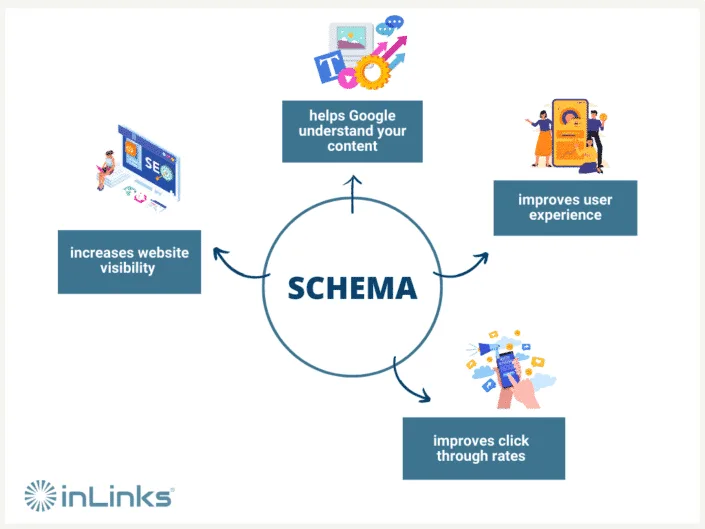
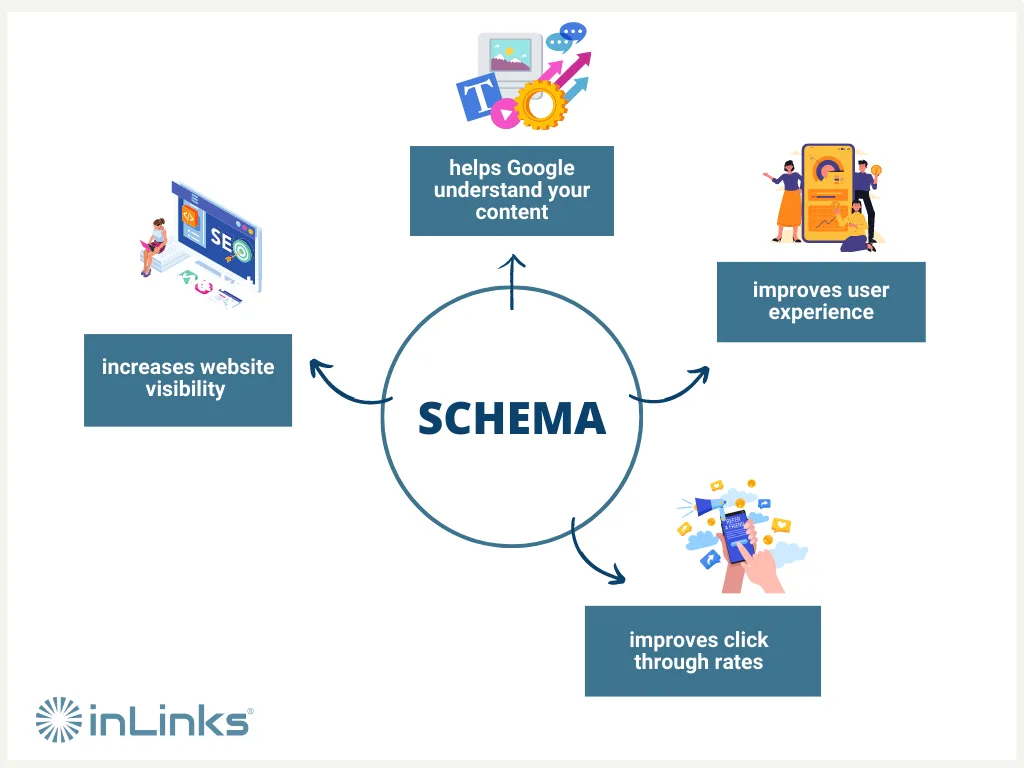
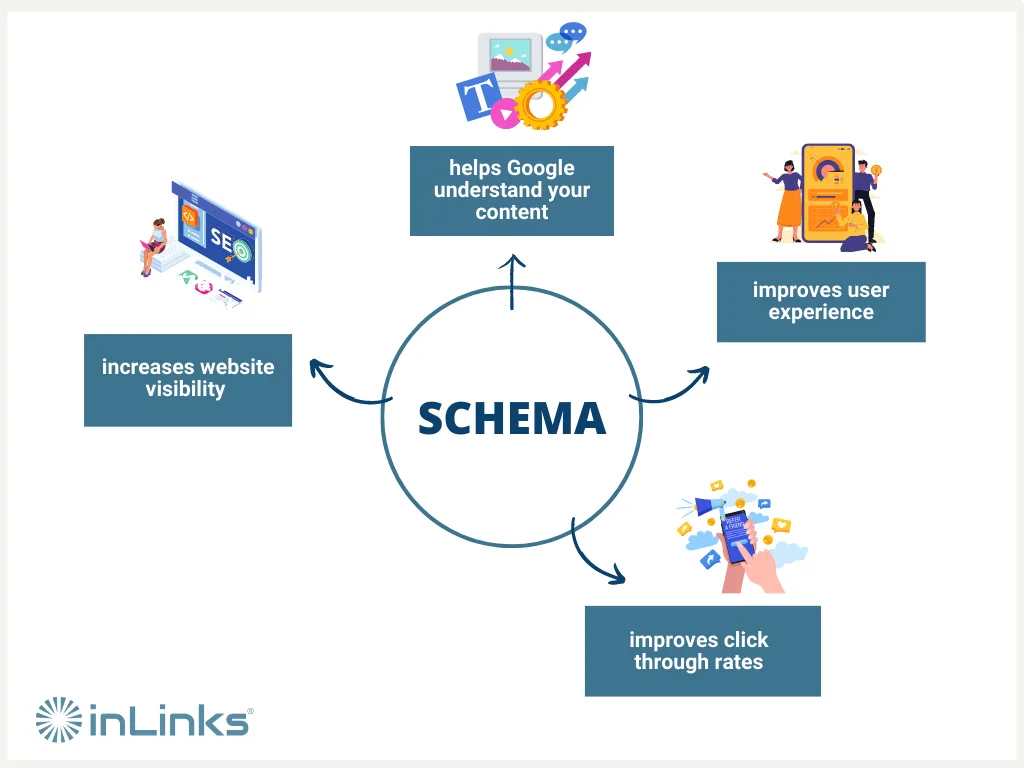
That distinction sounds technical, but the payoff is very human. Rich results, star ratings, FAQ dropdowns, and breadcrumb trails all depend on it.
The Core Idea Behind Structured Data
When people ask what is schema.org, they are usually really asking how machines can understand meaning. The answer is a shared vocabulary of types and properties.
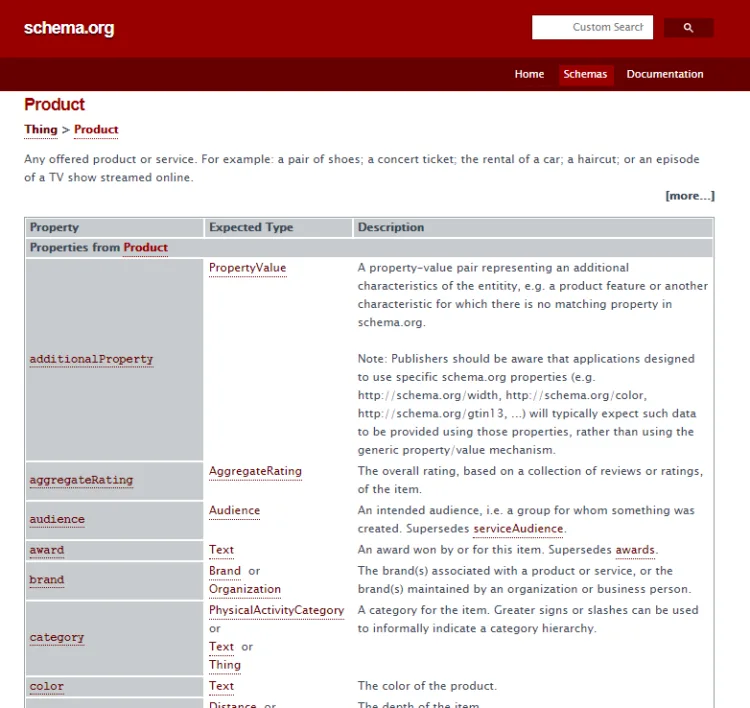
A “type” is the category of thing you are describing, like Person, Product, or Event. A “property” is a detail about that thing, like name, price, or startDate.
Combine them and you get a machine-readable statement: this page describes a Product whose name is “Trail Runner X” and whose price is listed in a specific currency.
That is the whole game. Everything else is syntax.
Who Runs Schema.org and Why It is Free
Here is a detail most beginners miss. What is schema.org if not a standards body? It is a joint initiative, and the vocabulary itself is open and free to use.
No license fees, no gatekeepers, no proprietary lock-in. That openness is exactly why it spread so fast across the web.
Google’s own documentation points back to the schema.org vocabulary as the reference point for most rich result types. Mastering what is schema.org makes a tangible difference in real-world situations. You can read the official overview on Wikipedia’s Schema.org entry for the historical background.
In practice, that means you can implement it today without asking anyone’s permission.
What is Schema.org Markup and How Search Engines Read It
Now let us get concrete. What is schema.org markup in the messy reality of a live website? It is code embedded in your HTML that annotates visible content.
The key rule: markup must describe content the user can actually see. If your page shows a rating, mark up the rating. If it does not, leave it alone.
Search engines treat hidden or misleading markup as spam. I have seen sites lose rich results overnight for marking up reviews that were not on the page.
So the discipline is simple. Mark up what exists, and nothing more.
Microdata, JSON-LD, and RDFa Compared
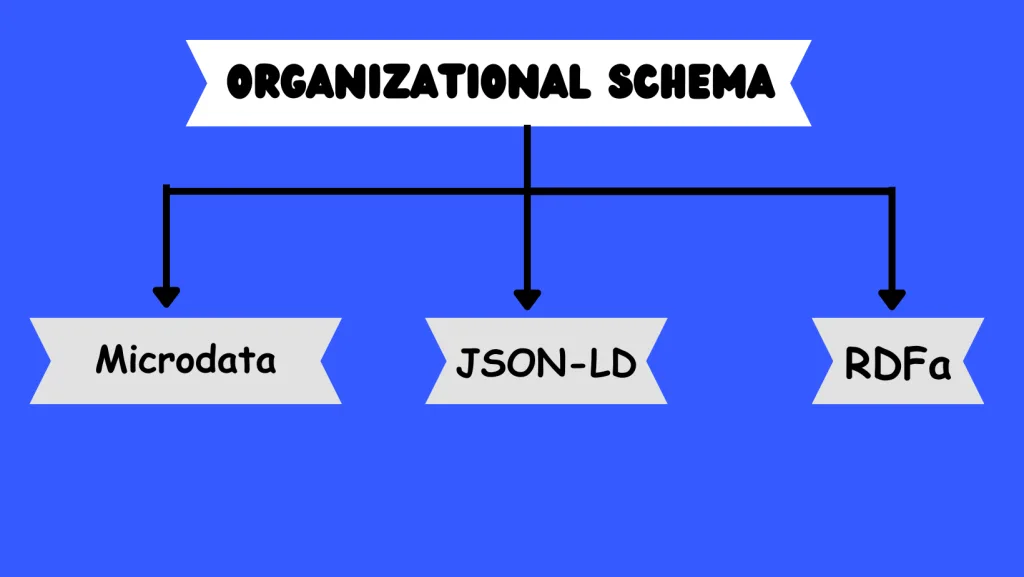
There are three main syntaxes for adding structured data, and beginners often get stuck choosing between them. Here is the honest breakdown.
| Format | Where It Lives | Ease Of Use | Best For |
|---|---|---|---|
| JSON-LD | In a script tag in the head or body | Very easy | Most modern sites, CMS plugins |
| Microdata | Inline within HTML attributes | Moderate | Legacy themes, hand-coded pages |
| RDFa | Inline within HTML attributes | Harder | Academic and semantic web projects |
Google has said for years that JSON-LD is its preferred format. It keeps your markup separate from your presentation layer, which makes debugging far less painful.
If you are just starting and asking what is schema.org in practical terms, pick JSON-LD and move on. You can always migrate later.
A Simple JSON-LD Example You Can Copy
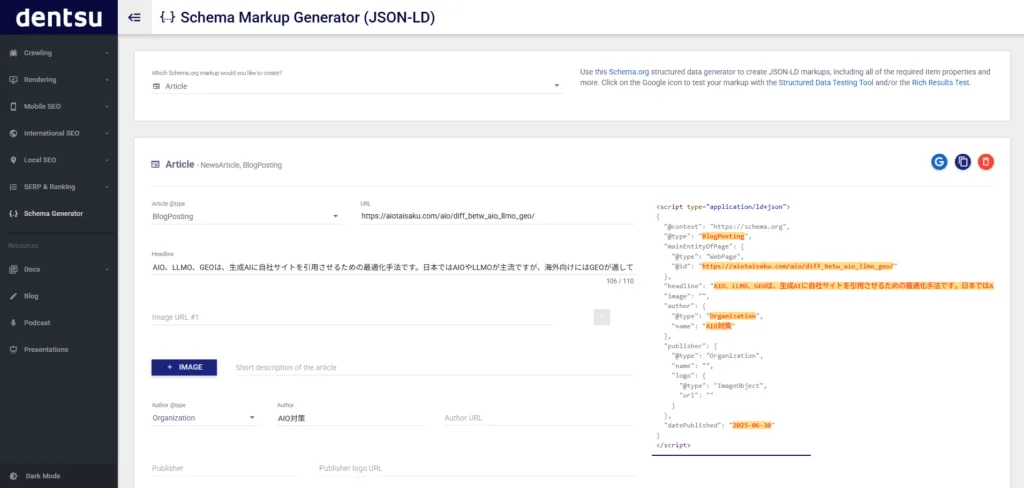
Let me show you what this actually looks like. Mastering what is schema.org makes a tangible difference in real-world situations. A basic Organization markup block is short and readable.
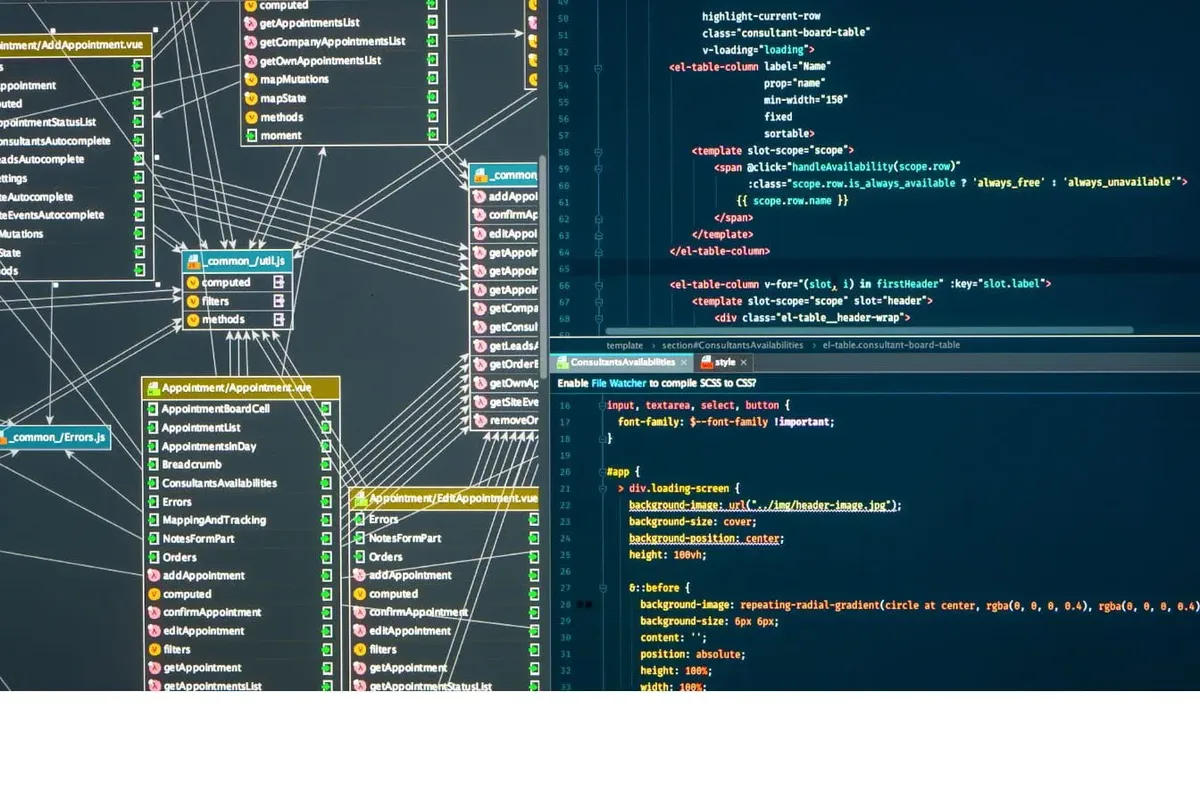
You declare the context, then the type, then the properties. A practical understanding of what is schema.org helps eliminate common pitfalls. Something like a script block containing an @context of schema.org and an @type of Organization, followed by name, URL, and logo fields.
The properties use the exact vocabulary names from the schema.org specification. Get a name wrong and the validator will flag it immediately.
That immediate feedback is a gift. It means you can iterate fast without guessing.
What is Schema.org Used for in Real Search Results
This is where it stops being theory. What is schema.org used for on a day-to-day basis? It is the engine behind the visual extras you see in search.
Star ratings under a product listing. Cooking times on a recipe card. Price ranges on a hotel result. Event dates on a concert listing.
Each of those enhancements traces back to structured data. No markup, no enhancement.
And those enhancements change behavior. A listing with stars simply gets more clicks than one without, even at the same position.
Rich Results and the Click-Through Effect
Let me give you a number that stuck with me. Across several client accounts, adding review markup to product pages lifted click-through rate by double digits within weeks.
The ranking position barely moved. The presentation changed, and that was enough.
This is the part of what is schema.org that most people underestimate. It is not primarily a ranking lever. It is a visibility and persuasion lever.
You are not climbing the ladder so much as making your rung wider.
Voice Search and Entity Recognition
There is a second layer that gets less attention. Structured data feeds the knowledge graph and helps search engines resolve entities.
When a voice assistant answers a question about a local business, it often pulls from structured data. Applying proven principles to what is schema.org yields consistent, measurable results. Hours, address, phone number, all of it.
If your markup is missing, you are simply absent from that conversation. Someone else gets read aloud instead.
So when a client asks what is schema.org good for beyond rich snippets, I point to this. It is how you become a known entity rather than an anonymous page.
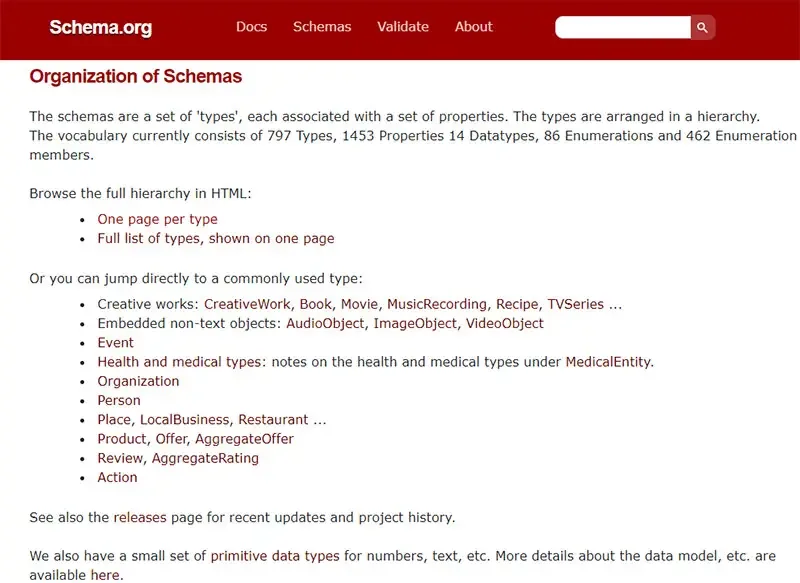
What is Schema.org Vocabulary Structure and How Types Connect
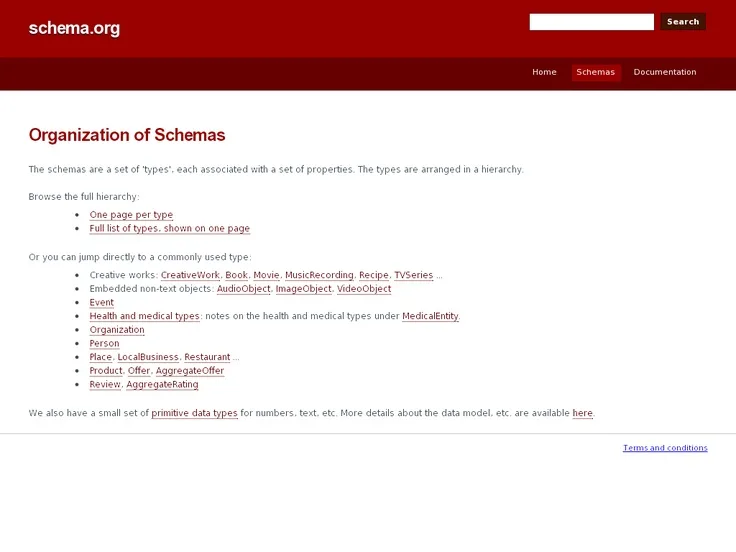
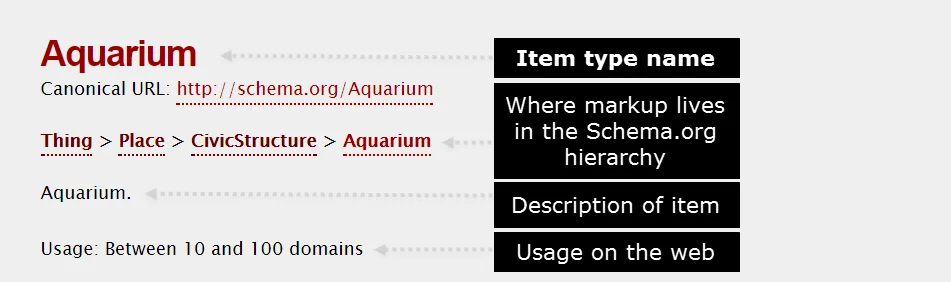
Let us go one level deeper, because this is where real fluency develops. What is schema.org at the vocabulary level? It is a hierarchy of types that inherit properties from their parents.
Everything descends from a root type called Thing. From there it branches into CreativeWork, Event, Organization, Person, Place, Product, and more.
Child types inherit everything their parent has. A LocalBusiness inherits from Organization, so it automatically carries name, URL, and address.
Understanding that inheritance saves you from re-declaring properties that are already implied.
Types, Properties, and Expected Values
Every property expects a certain kind of value. A practical understanding of what is schema.org helps eliminate common pitfalls. Some want text, some want dates, some want numbers, and some want another type entirely.
The author property of an Article, for example, expects a Person or Organization. Feed it a plain string and you lose the connection.
That connection matters. Effective execution around what is schema.org reinforces confidence from the outset. It is what lets a search engine link your article to a real, identifiable author entity.
Getting these value types right is the difference between valid markup and markup that technically passes but does nothing useful.
The Full Type Hierarchy Explained Simply
You do not need to memorize the whole tree. But knowing the major branches helps you pick the right type fast.
CreativeWork covers articles, books, movies, and recipes. Event covers concerts, conferences, and festivals. Place covers locations and addresses.
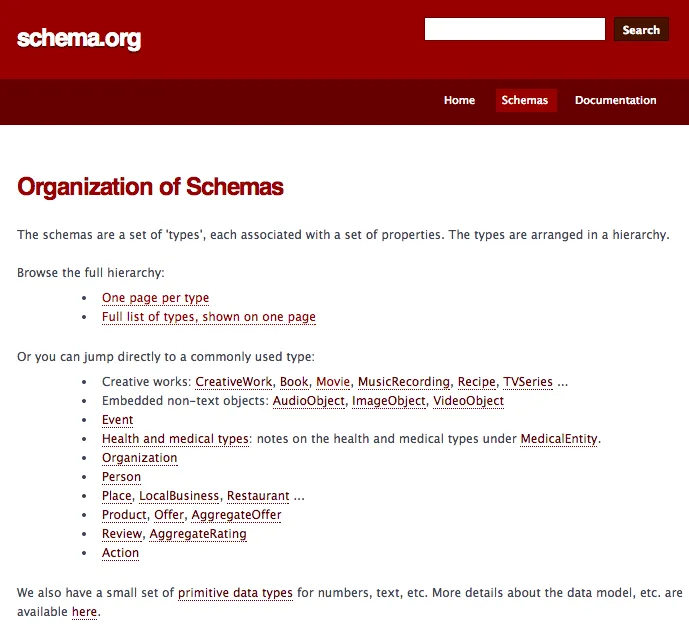
Action covers things like searches and orders. Intangible covers abstract concepts like ratings and quantities.
When you understand what is schema.org in terms of these branches, choosing a type becomes intuitive rather than guesswork.
What is Schema.org for Local Businesses and Service Providers
Local businesses get some of the biggest wins here, and it frustrates me how often they skip it. What is schema.org worth to a plumber, a dentist, or a cafe? Quite a lot, actually.
The LocalBusiness type lets you declare your address, phone, opening hours, and geographic coordinates in a form search engines trust.
That data feeds map results, local packs, and knowledge panels. Careful preparation for what is schema.org sets a solid foundation for long-term success. It is the difference between being findable and being invisible.
I have watched a small clinic jump into the local three-pack purely on the strength of consistent, valid markup paired with a claimed profile.
Essential LocalBusiness Properties
Here is a practical checklist I hand to local clients. These are the properties that pull the most weight.
- name — your exact business name as it appears on your signage and Google Business Profile. Consistency across sources is what builds trust.
- address — a full PostalAddress with street, city, region, and postal code. Partial addresses confuse the parser and weaken the signal.
- telephone — the primary number customers actually reach you on. Use the same format everywhere to avoid mismatches.
- openingHoursSpecification — structured hours rather than a free-text sentence. This is what powers “open now” indicators.
- geo — latitude and longitude coordinates. Small precision here pays off in map accuracy.
- priceRange — a simple indicator like a range of currency symbols. It helps set expectations before a click.
- image — a high-quality photo of the storefront or team. Visual trust signals still matter.
- URL — the canonical page for the location. If you have multiple branches, give each its own page and markup.
Notice how each item maps to something a customer cares about. Applying proven principles to what is schema.org yields consistent, measurable results. That is not a coincidence. Good markup mirrors real questions.
Common Mistakes Local Businesses Make
The most frequent error I see is mismatched details. The phone number on the site differs from the one in the markup, and trust erodes.
Another is marking up a service area business as if it had a physical storefront. That creates confusion rather than clarity.

A third is stale hours. Key insights into what is schema.org streamline the entire review and decision cycle. Nothing annoys a customer more than driving to a closed shop on a day the markup said “open.”
Treat your structured data like your front door. Keep it accurate, or it does more harm than good.
What is Schema.org for Ecommerce and Product Pages
Ecommerce is where structured data earns its keep most visibly. What is schema.org for an online store? It is the difference between a plain blue link and a listing with price, availability, and stars.
The Product type is your workhorse. Pair it with Offer for pricing and AggregateRating for reviews, and you have a compelling search presence.
Availability matters more than people think. “In stock” versus “out of stock” changes whether someone bothers to click at all.
I have seen availability markup alone shift click behavior on seasonal items, because shoppers filter mentally before they even arrive.
Product and Offer Properties That Drive Clicks
Here is the short list that matters most for product pages.
- name — the product title, matching the visible heading. Mismatches trigger warnings in testing tools.
- image — multiple high-resolution images where possible. Rich results favor well-documented products.
- description — a concise summary, not a copy-paste of the entire page. Keep it tight and accurate.
- sku — your internal identifier. Useful for disambiguation across variants.
- brand — the manufacturer or brand entity. This strengthens entity associations.
- offers — a nested Offer with price, priceCurrency, and availability. This is the money property.
- aggregateRating — the average score and review count. Only include it if reviews are genuinely visible on the page.
- review — individual reviews, used sparingly and honestly. Fabrication here is a fast track to penalties.
One caution: never mark up a rating that is not displayed to users. That shortcut backfires badly.
Handling Product Variants and Availability
Variants trip up a lot of stores. Developing structured habits for what is schema.org ensures repeatable clarity. A shirt in five colors and four sizes is not one product in the eyes of a shopper.
You can model each variant as its own Product with distinct sku and offers, or use a parent-child structure with ProductGroup.

The right choice depends on how you want them to appear. Effective execution around what is schema.org reinforces confidence from the outset. If each variant deserves its own listing, separate markup is cleaner.
Availability should update automatically from your inventory system. Manual updates always drift out of sync eventually.
What is Schema.org for Articles, Blogs, and News Content
Publishers and bloggers often ask me what is schema.org going to do for a simple article. The answer is more than you would expect.
Article markup helps search engines identify the headline, author, publish date, and images. That feeds news surfaces, discover feeds, and author panels.
For a blog, the payoff is subtler but real. Clear authorship and dates build trust signals over time.
And when a story gets picked up in aggregation, correct markup means it gets attributed properly rather than scraped and lost.
Article, BlogPosting, and NewsArticle Differences
These three types look similar but serve different contexts. Choosing the right one is a small decision with outsized effects.
| Type | Typical Use | Key Properties |
|---|---|---|
| Article | General long-form content | headline, author, datePublished |
| BlogPosting | Blog entries and personal posts | headline, author, datePublished, commentCount |
| NewsArticle | Time-sensitive journalism | headline, dateline, printEdition |
For most bloggers, BlogPosting is the honest choice. NewsArticle is reserved for genuine news operations with editorial standards.

Mixing them up is not catastrophic, but precision signals professionalism to the crawlers.
Author and Publisher Markup That Builds Authority
The author property is where many sites leave value on the table. Linking to a real Person entity strengthens your topical authority.
Give that Person a name, a URL pointing to a bio page, and ideally a sameAs link to their verified profiles.
The publisher property should point to your Organization, complete with a logo. Careful preparation for what is schema.org sets a solid foundation for long-term success. This is what feeds the publisher panel in some results.
When you understand what is schema.org doing behind the scenes, these small links start to look like the connective tissue of your site’s reputation.
What is Schema.org for FAQs, How-Tos, and Step-By-Step Content
Instructional content is a natural fit for structured data. What is schema.org if not a way to spell out questions and answers explicitly?
The FAQPage type lets you mark up a list of questions with their answers. The HowTo type breaks a process into ordered steps.
Both can surface as expandable results, giving you more visual real estate on the page.
That extra space is valuable, especially on mobile where every pixel of the first screen counts.
Structuring FAQPage Markup Correctly
The structure is straightforward. You declare a mainEntity that is an array of Question items, each with an acceptedAnswer.
Each Question has a name, and each Answer has text. Keep the answer text aligned with what users actually see.
Do not stuff dozens of unrelated questions in. Relevance matters, and search engines can tell when you are padding.
A tight set of five to eight genuinely useful questions outperforms a sprawling list every time.
HowTo Steps and Time Estimates
HowTo markup shines for tutorials, recipes with process steps, and repair guides. You declare a name, a totalTime, and a step array.
Each step has its own name and text, and optionally an image or URL. Key insights into what is schema.org streamline the entire review and decision cycle. The clearer the steps, the better the extraction.
I always recommend matching the step order to the visible instructions exactly. Any divergence creates a mismatch flag.

For anyone still asking what is schema.org in the context of tutorials, this is the practical answer: it turns your instructions into a format assistants can read aloud.
What is Schema.org for Events, Recipes, and Media Content
Certain content types get dramatic visual treatment when marked up well. Events and recipes are the two standout examples.
What is schema.org doing for a concert listing? It surfaces the date, venue, and ticket status right in the results.
For a recipe, it pulls out cook time, calories, and ratings, turning a plain link into an appetizing card.
If you publish either type regularly, skipping markup is leaving free visibility on the table.
Event Markup Essentials
Event markup needs a name, startDate, and location at minimum. Add endDate, performer, and offers for a richer result.
The location should be a Place or VirtualLocation, each with its own properties. Online events use VirtualLocation with a URL.

Dates must be in ISO format. A single misformatted date can invalidate the whole block.
For recurring events, list each occurrence separately rather than trying to cram them into one.
Recipe Markup and the Visual Payoff
Recipe markup is one of the most rewarding to implement because the visuals are so strong. Developing structured habits for what is schema.org ensures repeatable clarity. Ratings, images, and times all appear.
Key properties include recipeIngredient, recipeInstructions, cookTime, prepTime, and nutrition.
The instructions should be an array of HowToStep items for cleanest extraction.
Food bloggers who implement this well often see meaningful jumps in engagement, because the card itself does the persuading.
What is Schema.org for Organizations, People, and Brands
Entity markup is the quiet backbone of a strong online presence. What is schema.org giving you when you mark up your Organization? A verified identity.
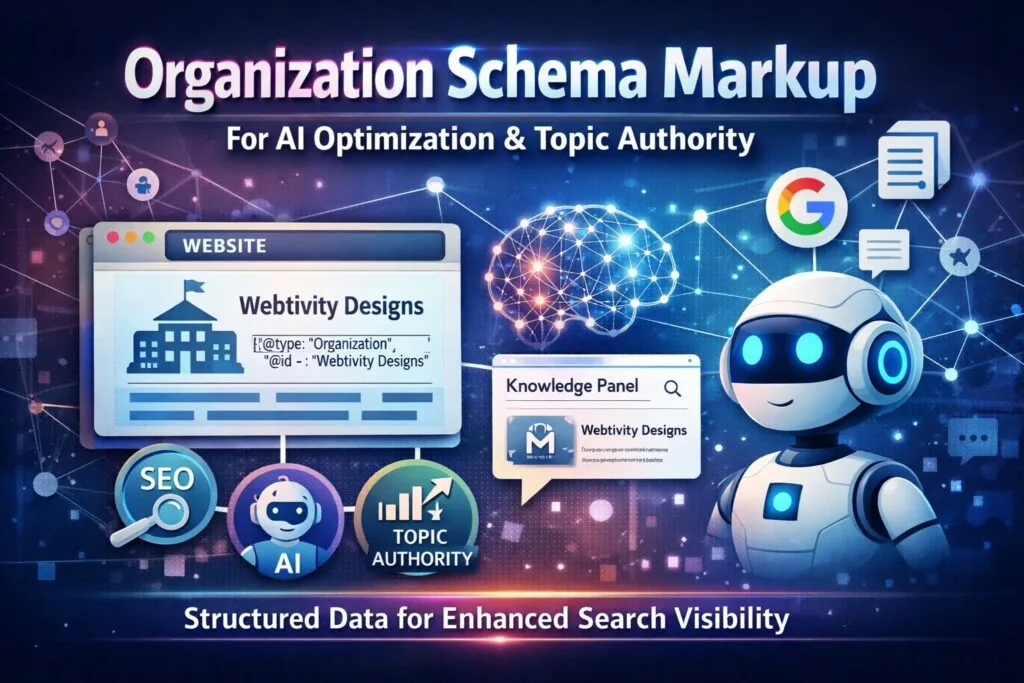
Organization markup declares your name, logo, social profiles, and contact points. This feeds knowledge panels and brand recognition.
Person markup does the same for individuals, which matters for authors, consultants, and public figures.
Over time, consistent entity markup helps search engines connect the dots between your site, your profiles, and your reputation.
Organization and Brand Properties
The essentials are simple. Name, URL, logo, and sameAs links to your official profiles.
The sameAs property is underrated. It tells search engines that your site and your social accounts describe the same entity.
Add contactPoint for customer service channels, and foundingDate for historical context.
When someone asks what is schema.org good for at the brand level, this is the answer: it consolidates your identity across the web.
Person Markup for Authors and Experts
Person markup is how an author becomes a recognized entity rather than a byline string. Give it a name, URL, and jobTitle.
Link to their credentials with sameAs, and connect them to their works with the author property on articles.
This is especially valuable for YMYL topics, where demonstrated expertise carries weight.
I have seen author markup help establish a recognizable expert presence that compounds across every article they publish.
What is Schema.org Validation and How to Test Your Markup
You can write perfect markup and still get it wrong. What is schema.org without validation? A guess. Testing turns it into certainty.
Google offers a Rich Results Test that shows exactly which enhancements your page qualifies for. Focusing on what is schema.org provides clear direction throughout this process. It is the first tool I open.
The Schema Markup Validator, maintained by the same community, checks the vocabulary itself for errors.
Run both. They catch different classes of problems.
Reading Validation Errors Without Panic
Errors look scary but most are mundane. A missing required property, a wrong value type, or a malformed date.
Warnings are informational. They suggest improvements rather than blocking eligibility.
Fix errors first, then address warnings that affect the enhancements you actually want.
The goal is not a perfect score. It is eligibility for the specific rich results that matter to your content.
Monitoring Rich Results Over Time
Validation is not a one-time task. Search Console’s rich results reports show what is live and what has broken.
Set a habit of checking monthly. A theme update or plugin conflict can silently strip your markup.
When you internalize what is schema.org doing for your visibility, monitoring becomes obvious rather than optional.
I have caught more than one regression this way before it cost meaningful traffic.
What is Schema.org Implementation Without a Developer
Good news for the non-technical crowd. You do not need to hand-code anything to get started with structured data.
Most modern CMS platforms have plugins that generate markup automatically. What is schema.org to a WordPress user? A checkbox and a few fields.
That said, automatic generation is not always accurate. It is a starting point, not a finish line.
Always validate what a plugin produces. Automation is convenient, not infallible.
Plugin and CMS Options Worth Knowing
For WordPress, several SEO plugins handle the heavy lifting. They cover Organization, Article, Breadcrumb, and more out of the box.
Ecommerce platforms like Shopify and WooCommerce have native or app-based support for Product markup.
For custom sites, a lightweight JSON-LD injection in your template is often cleaner than a bulky plugin.
Pick the approach that matches your technical comfort, then verify the output.
When to Bring in a Developer
Some situations genuinely need a developer. Complex product catalogs, multi-location businesses, and custom content types all qualify.
If your markup needs to pull from a database dynamically, hand-coding gets unwieldy fast.
Also bring in help if you are seeing persistent validation errors you cannot trace.
A few hours of expert time often saves weeks of trial and error.
What is Schema.org Best Practices and Common Pitfalls
Let me share the patterns I have seen work, and the mistakes I have seen repeated. What is schema.org if you ignore the rules? A liability.
The golden rule is honesty. Markup must reflect visible content, always.
The second rule is consistency. Your name, address, and details should match across every source.
Break either rule and you risk losing rich results or worse.
Do and Do Not Checklist
Here is the checklist I keep pinned for every project.
- Do mark up only content visible to users. Hidden markup is a penalty risk, not a shortcut.
- Do use JSON-LD where possible. It is the preferred format and the easiest to maintain.
- Do keep entity details identical across your site, profiles, and markup.
- Do validate after every theme or plugin update. Silent breakage is common.
- Do not fabricate reviews or ratings. This is the fastest route to manual action.
- Do not mark up every page with every type. Relevance beats volume.
- Do not ignore warnings that affect the enhancements you want. They matter.
- Do not set markup and forget it. Structured data needs maintenance like anything else.
Follow these and you avoid the traps that catch most beginners.
How to Prioritize What to Implement First
You cannot do everything at once, and you should not try. Start with the types that match your content and audience.
An ecommerce store starts with Product and Offer. A local business starts with LocalBusiness. A blog starts with Article and Person.
Get the foundation right, validate it, then expand to secondary types like FAQ and Breadcrumb.
This staged approach keeps you sane and delivers visible wins early, which keeps momentum going.
What is Schema.org Future and the Semantic Web
Step back for a moment and look at the bigger picture. What is schema.org part of? A decades-long push toward a web that machines can reason about.
The semantic web was once an academic dream. Structured data made it practical and incremental.
Every markup block you add is a small contribution to that larger map of meaning.
And as AI systems increasingly read the web, that map becomes more valuable, not less.
How Structured Data Feeds Modern AI Systems
This is the part that excites me most. AI assistants and answer engines lean heavily on structured data to answer questions accurately.
When a system needs a fact, it prefers a clearly stated one over an ambiguous paragraph. Markup provides exactly that.
So the sites that invest in clean structured data are the ones most likely to be quoted and cited.
If you have been wondering what is schema.org going to mean in an AI-driven search world, this is your answer.
What to Expect as the Vocabulary Grows
The vocabulary keeps expanding. New types appear as new content formats emerge.
You do not need to chase every addition. Stick to the types that serve your content and revisit periodically.
The fundamentals have been stable for years, and that stability is a feature, not a bug.
Build on the core, and you will be well positioned no matter what comes next.
Frequently Asked Questions About Schema.org
These are the questions I hear most often from people just starting out. Short, direct answers below.
Does Schema Markup Directly Improve Rankings?
Not directly, and anyone who promises otherwise is overselling. What is schema.org primarily? A visibility and clarity tool.
It improves how your listing appears, which can lift click-through rate. Better engagement can indirectly support rankings over time.
Treat it as a presentation advantage, not a ranking shortcut.
Can I Use Multiple Schema Types on One Page?
Yes, and you often should. Mastering what is schema.org makes a tangible difference in real-world situations. A product page might carry Product, Offer, AggregateRating, and Breadcrumb together.
Just keep everything relevant and accurate. Stacking unrelated types adds noise without benefit.
Think of it as describing the same page from several useful angles.
What Happens if My Markup Has Errors?
Usually nothing dramatic. Invalid markup is typically ignored rather than penalized.
The real cost is lost opportunity. You simply do not get the rich result you were hoping for.
That is why validation is worth the five minutes it takes.
Is Schema Markup Required for Every Page?
No. Required is the wrong word. It is optional but advantageous where it fits.
Prioritize pages that benefit from enhancements: products, articles, events, local listings, and FAQs.
A contact page rarely needs elaborate markup. A product page almost always does.
How Often Should I Update My Structured Data?
Update it whenever the underlying content changes. Prices, hours, and availability all drift over time.
Beyond that, audit quarterly and after any major site change.
Consistency over time is what builds trust with search engines.
Does Schema.org Cost Anything to Use?
Not a cent. The vocabulary is open and free, maintained by a consortium of major search engines.
Your only costs are time and, if you choose, a plugin or developer.
For most sites, competitive direct manufacturer pricing on tools is not even necessary, since the free options are excellent.
Can Beginners Implement Schema Without Coding?
Absolutely. Plugins and CMS integrations handle most common cases automatically.
Just remember to validate the output. Automation is a helpful start, not a guarantee.
If you can fill out a form, you can implement the basics.
What is the Single Most Important Rule?
Mark up only what users can see. Everything else follows from that principle.
Honest, accurate markup earns trust. Fabricated markup invites penalties.
Keep it truthful and you will rarely go wrong.
Putting It All Together: Your First Steps With Structured Data
Here is where I land after years of doing this work. What is schema.org, in the end? A simple, free, powerful way to tell search engines what your content means.
Start small. Pick the one type that matches your most important pages and implement it properly.
Validate it. Fix the errors. Watch what changes in your search appearance.
Then expand, one type at a time, building a foundation that compounds. If you take nothing else from this guide, take this: what is schema.org matters less than what you do with it.
So open a validator, pick a page, and add your first markup block today. The results tend to speak for themselves.