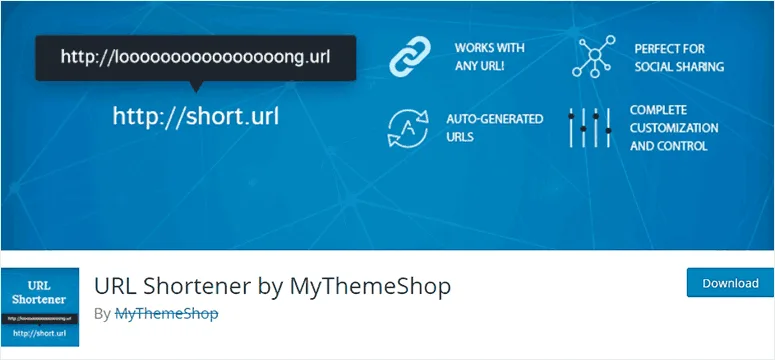
A website URL shortener turns a long, clunky web address into a clean, compact link you can share anywhere in seconds. If you have ever pasted a monstrous tracking URL into a text message and watched it break into three lines, you already understand why these tools matter.
I have spent years building and breaking links for marketing campaigns, newsletters, and social posts. Along the way, I learned that not all shorteners are equal. Some are fast but sketchy. Others are loaded with features but slow as molasses. This guide walks you through everything I wish I had known from day one.
What a Website URL Shortener Actually Does
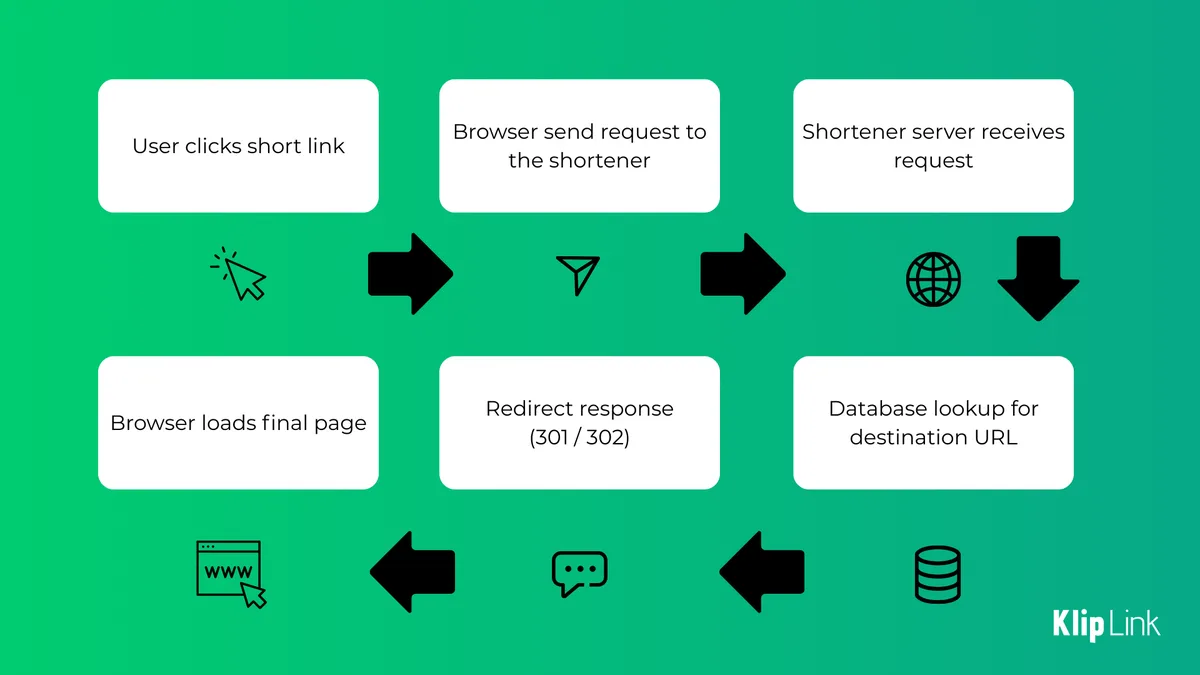
At its core, a website URL shortener takes a long destination address and maps it to a much shorter one. When someone clicks that short link, the service redirects them to the original page. Simple on the surface, but there is real engineering underneath.
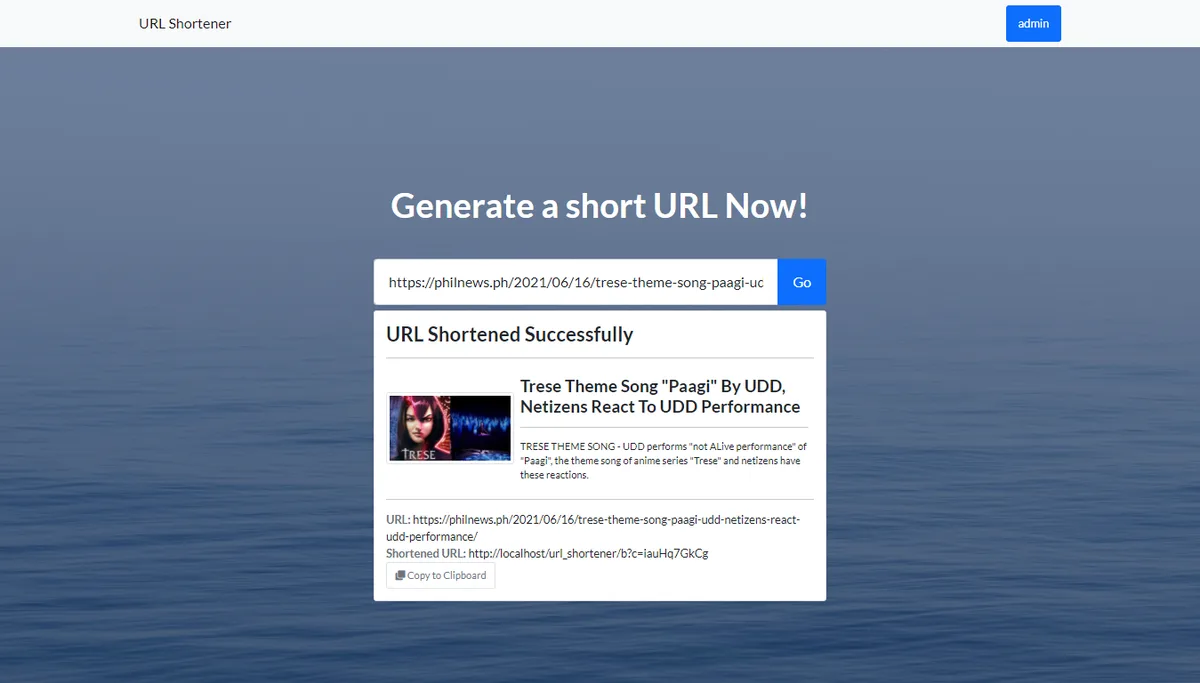
The shortener stores a record in a database. Focusing on website URL shortener provides clear direction here. That record pairs a unique code, like bit.ly/3xYz or sho.rt/a1b2, with the full URL you submitted. When a browser requests the short code, the server looks it up and fires back an HTTP redirect. The whole round trip usually takes under 200 milliseconds.
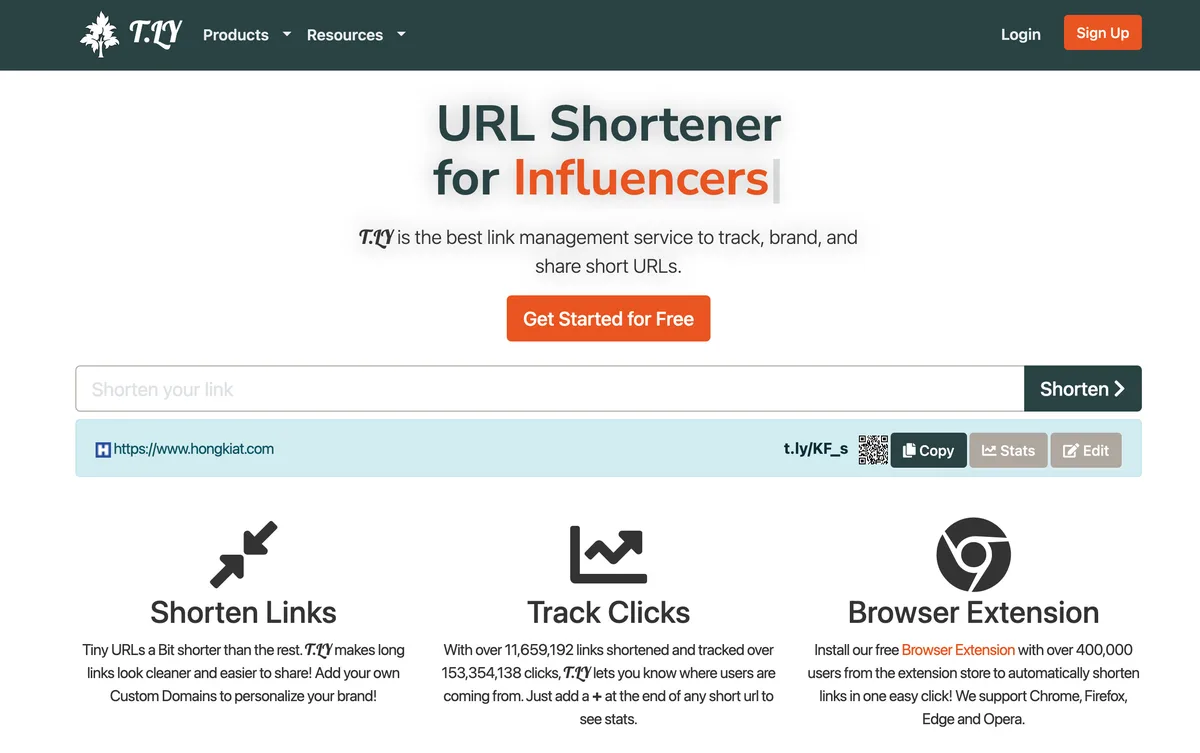
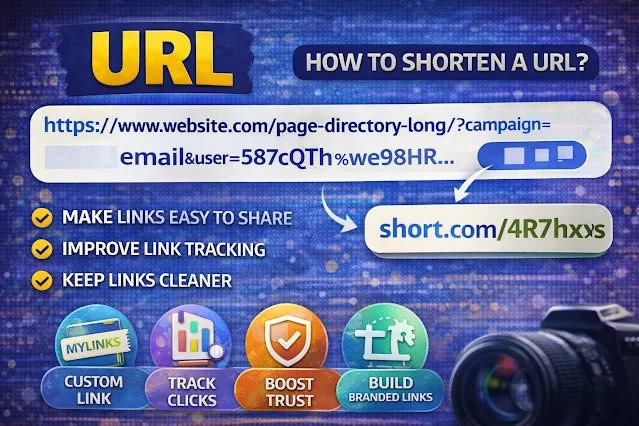
Most people assume shortening is just cosmetic. In practice, it solves a handful of practical headaches at once. Long URLs get truncated by SMS gateways, broken by email clients, or flagged as suspicious by social platforms. A website URL shortener sidesteps all of that.
There is also a branding angle. A tidy link looks more trustworthy than a 400-character string stuffed with UTM parameters. Readers click more when the link feels intentional rather than accidental.
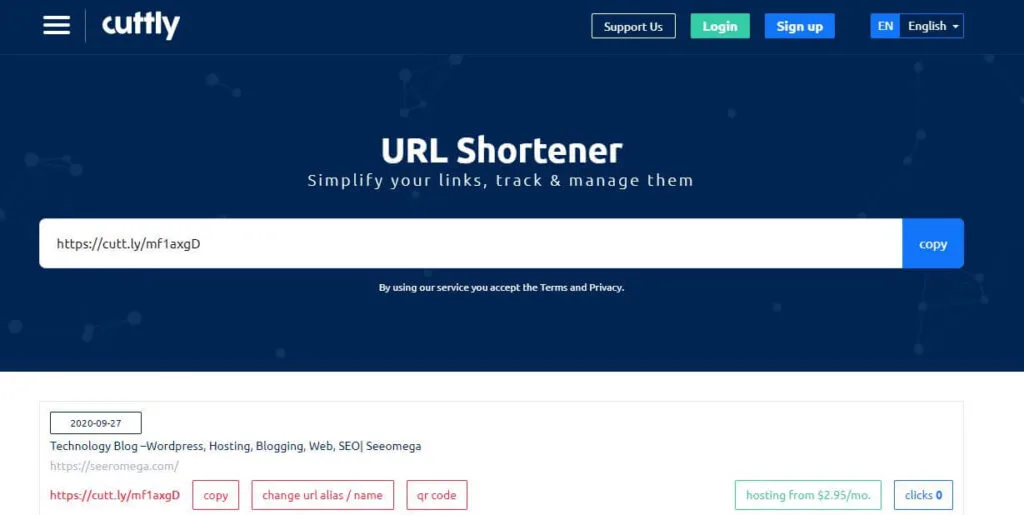
Why Marketers and Creators Rely on a Website URL Shortener
Sharing links is the easy part. The harder question is what happens after the click. This is where a website URL shortener earns its keep for anyone running campaigns at scale.
Click tracking sits at the top of the list. Every redirect can log a timestamp, a rough geographic location, the referring site, and the device type. That data turns a plain link into a lightweight analytics tool. You stop guessing which channel drives traffic and start knowing.
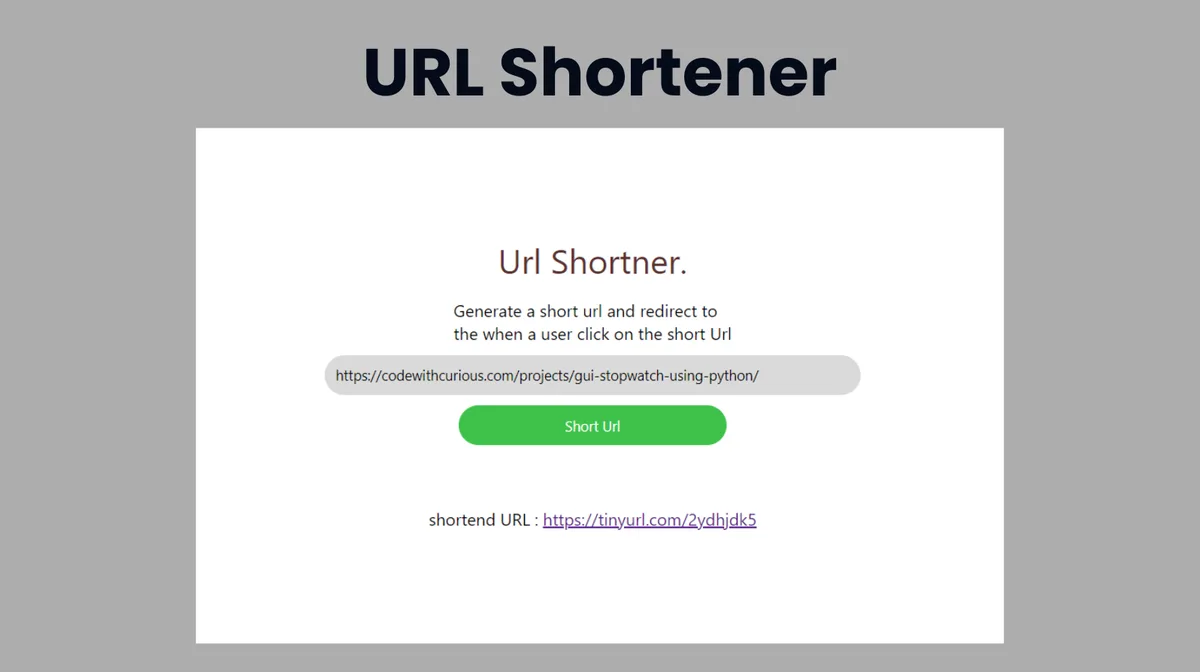
Link management is the second big win. Imagine you printed 5,000 flyers with a link to a landing page. A month later the page moves. Without a shortener, those flyers are dead. With one, you edit the destination in your dashboard and every existing link keeps working.
Third comes brand consistency. Custom domains let you serve links like go.yourbrand.com/offer instead of a generic third-party domain. That small detail builds recognition and reduces the “is this a scam?” hesitation that kills click-through rates.
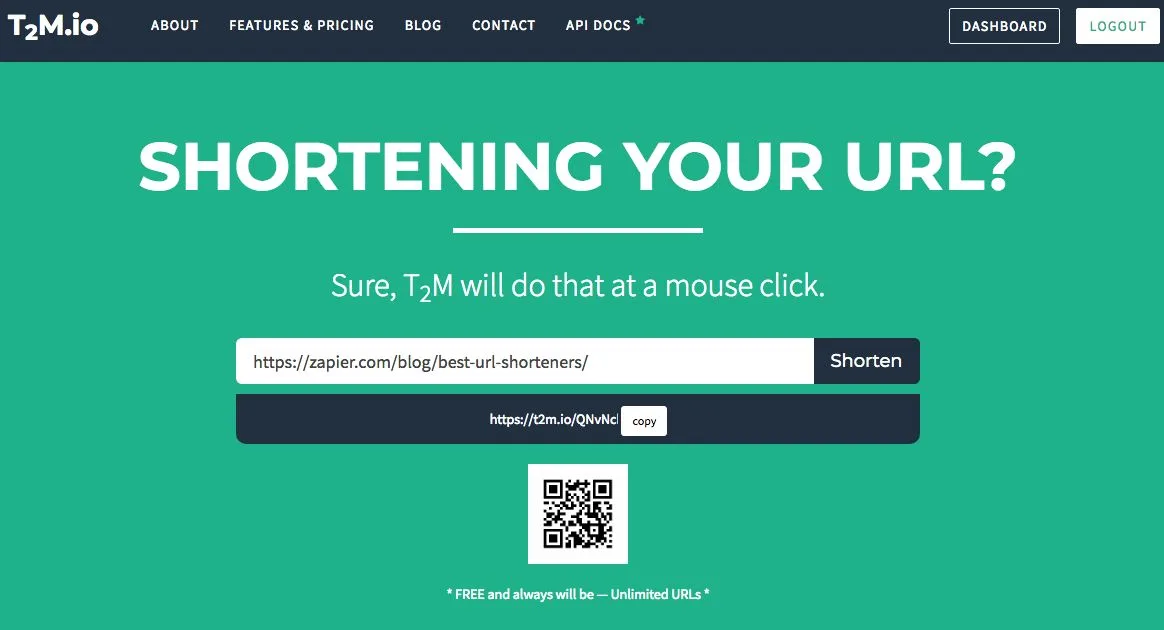
Finally, there is sheer convenience. Copying, pasting, and formatting long URLs across platforms is tedious. A website URL shortener compresses that workflow into one click.
How Link Shortening Works Under the Hood
You do not need to be an engineer to use these tools, but understanding the mechanics helps you pick a better one. Refining each detail of your website URL shortener strengthens this section. The process breaks down into four stages.
Step 1: Submission and Validation
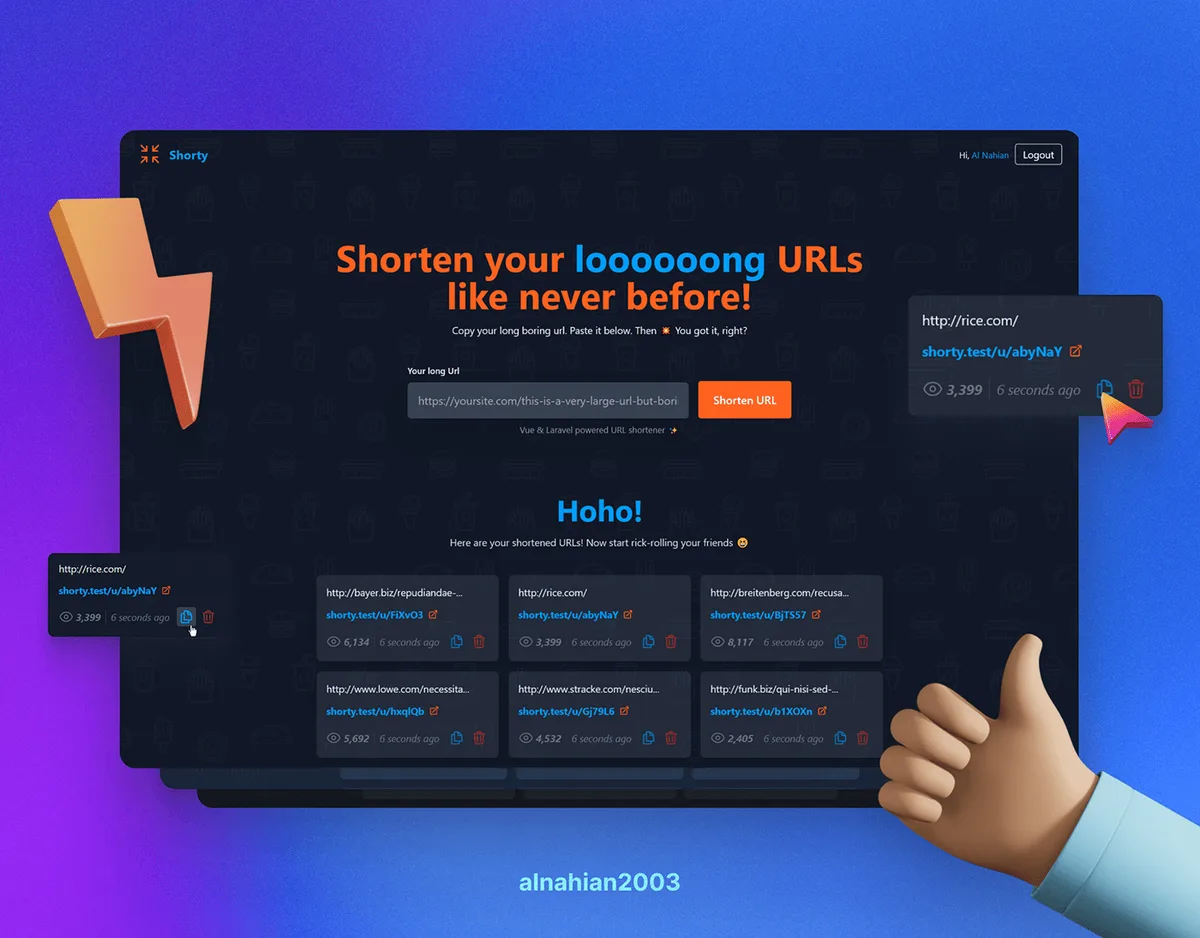
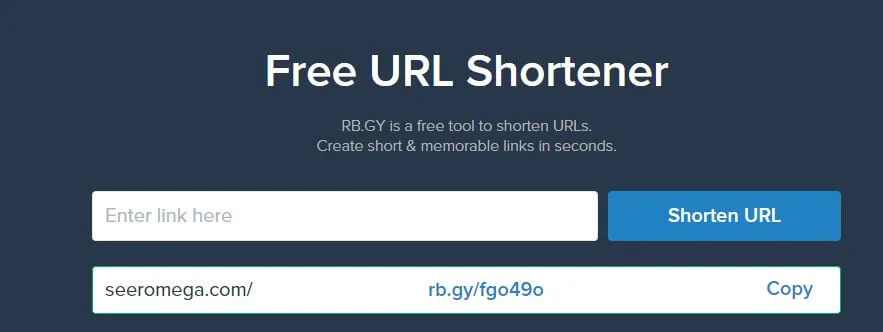
You paste a long URL into the shortener’s input field. Before anything else, the service checks whether the address is well-formed and reachable. Some tools also screen it against malware blacklists.
Validation matters more than people realize. A website URL shortener that skips this step becomes a magnet for phishing. Reputable providers reject or flag dangerous destinations automatically.
Step 2: Code Generation
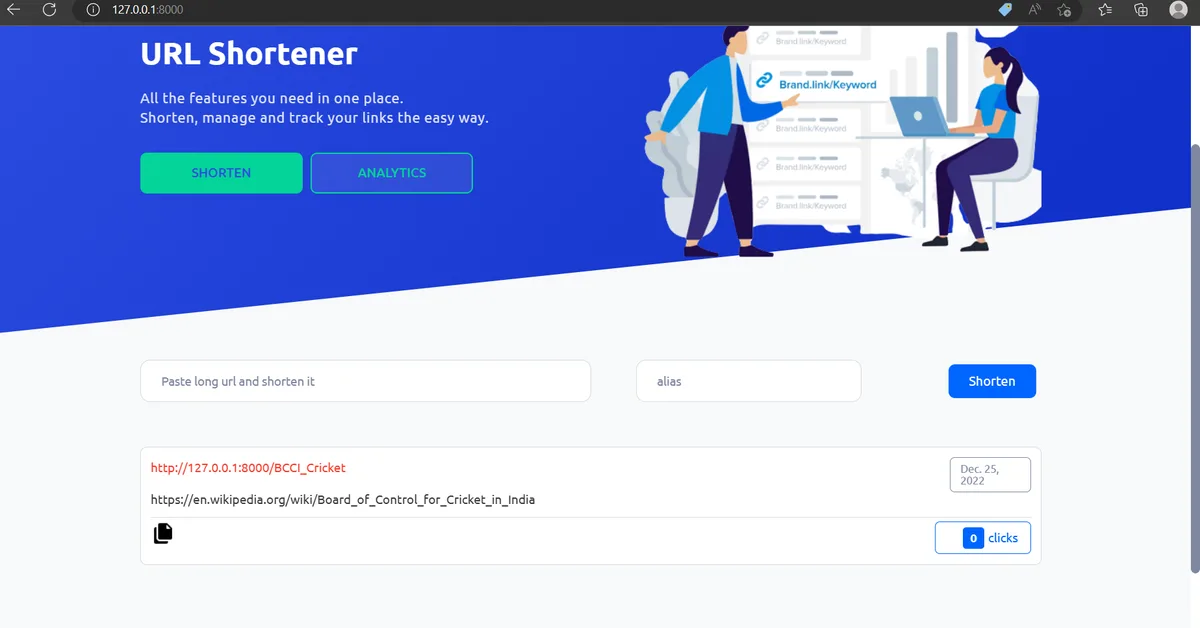
The service then generates a unique identifier. This can be sequential, random, or based on a hash of the original URL. Random and hash-based codes are harder to guess, which is a security plus.
Collision handling is the tricky part. If two users happen to generate the same code, the system must detect the clash and retry. Good shorteners do this invisibly in microseconds.
Step 3: Storage and Mapping
The code and destination get stored in a database, often with metadata attached. That metadata includes creation date, owner account, click count, and any custom settings like expiration.
High-traffic shorteners use distributed databases and caching layers. Effective execution in your website URL shortener makes a tangible difference. Popular links get served from memory rather than disk, which keeps redirects lightning fast even under heavy load.
Step 4: Redirection
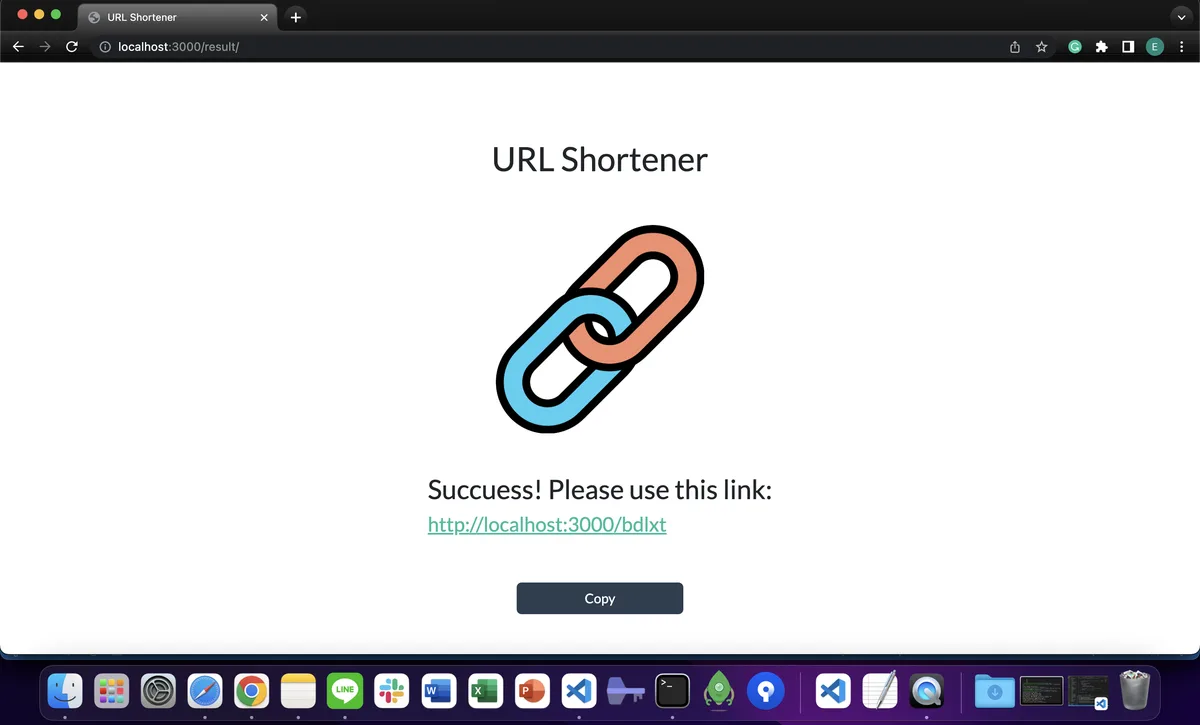
When a visitor hits the short link, the server responds with a redirect status code. Most use 301 for permanent moves or 302 for temporary ones. The choice affects how search engines treat the link.
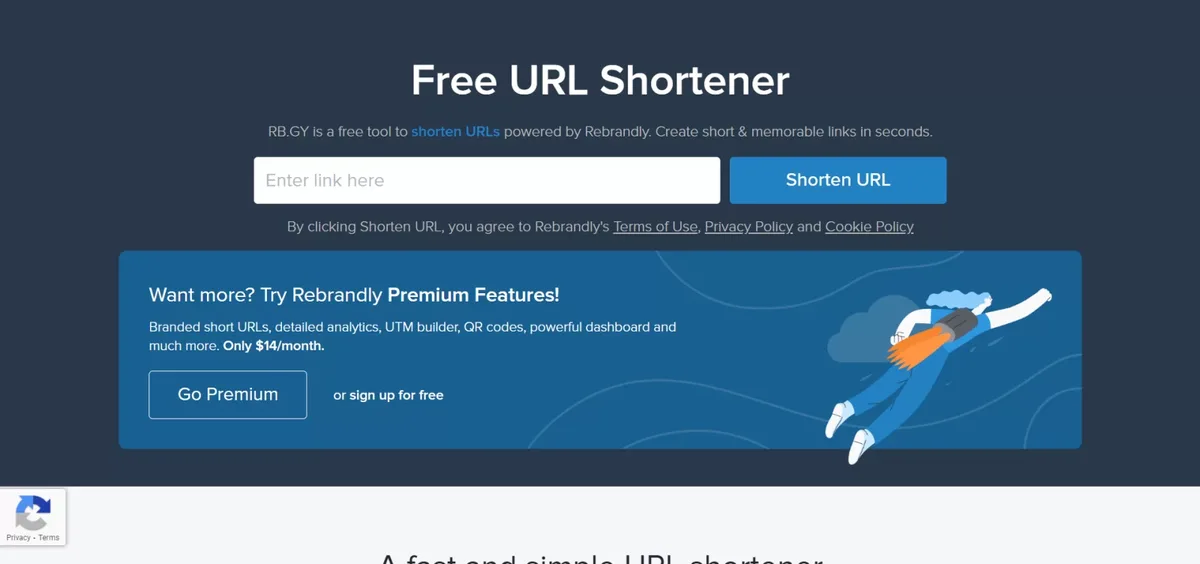
This is a detail worth caring about. A website URL shortener that defaults to 302 keeps your options open, since you can change the destination later without confusing crawlers.
Key Features to Look for in a Website URL Shortener
Not every shortener deserves a spot in your toolkit. After testing dozens of them, I keep coming back to a short list of must-have features.
Custom back-halves let you choose the slug, so yourbrand.com/summer-sale replaces a random string. This alone can lift click rates because readers see meaning in the link before they tap it.
Bulk shortening saves hours when you manage large campaigns. Upload a CSV of hundreds of URLs and get short links back in one batch. Doing that manually is a special kind of torture.
Expiration rules and click limits add control. Maintaining clarity across your website URL shortener remains essential. You can set a link to die after a specific date or after a set number of clicks, which is handy for time-sensitive promos.
QR code generation has become standard, and for good reason. A website URL shortener that spits out a scannable code bridges print and digital effortlessly. Restaurant menus, event posters, and packaging all benefit.
Finally, look for password protection and UTM builders. The first keeps private links private. The second appends tracking parameters automatically so your analytics stay clean.
| Feature | Why It Matters | Best For |
|---|---|---|
| Custom Slug | Builds brand trust and readability | Marketing campaigns |
| Bulk Shortening | Saves time on large batches | Agencies, e-commerce |
| Click Analytics | Shows what actually works | Content creators |
| QR Codes | Connects print to digital | Events, retail |
| Link Expiration | Controls time-limited offers | Promotions |
| Password Protection | Keeps sensitive links private | Internal teams |
Free vs Paid: What You Really Get
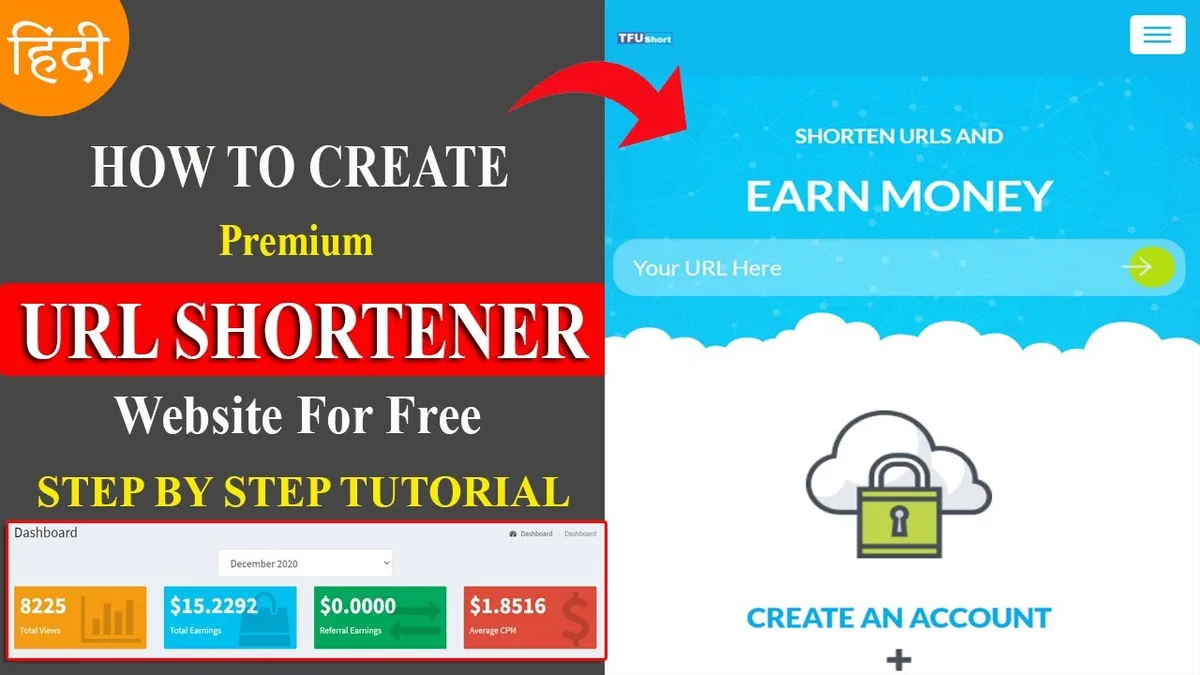
The free tier of most shorteners is generous enough for casual users. You can shorten links, track basic clicks, and share them without spending a dime. For a personal blog or a small side project, that is plenty.
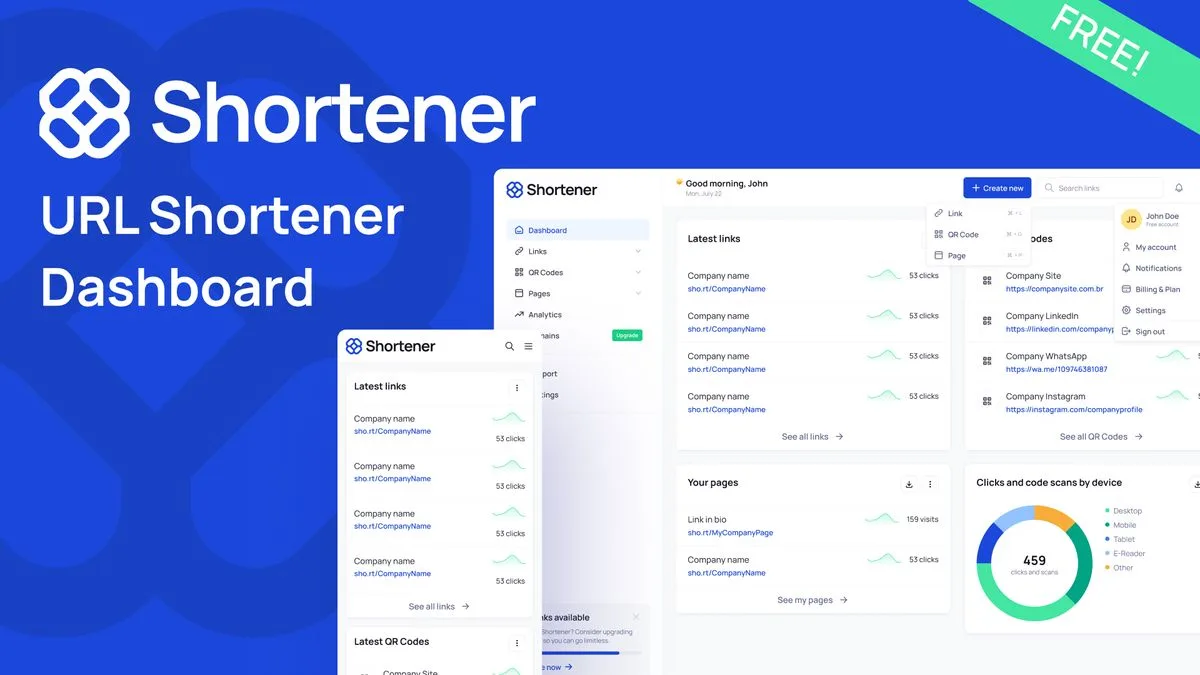
Paid plans unlock the features that matter at scale. Custom domains, team seats, advanced analytics, and API access usually sit behind a paywall. If you run campaigns for clients, those tools pay for themselves fast.
My honest take: start free, then upgrade the moment you need a custom domain. Branded links change how audiences perceive your content, and that shift is worth the modest cost.
Watch out for free tiers that inject ads or interstitial pages before the redirect. A website URL shortener that slaps an ad in front of your link damages trust. Always test a new link yourself before sending it to your audience.
Security and Trust: Separating Safe Shorteners from Risky Ones
Short links hide their destination, which is exactly why scammers love them. A thoughtful approach to website URL shortener reinforces your qualifications. That opacity is a double-edged sword you need to manage carefully.
Reputable providers scan submitted URLs against threat databases. They block known phishing domains and warn users before redirecting to suspicious pages. If a shortener does none of this, walk away.
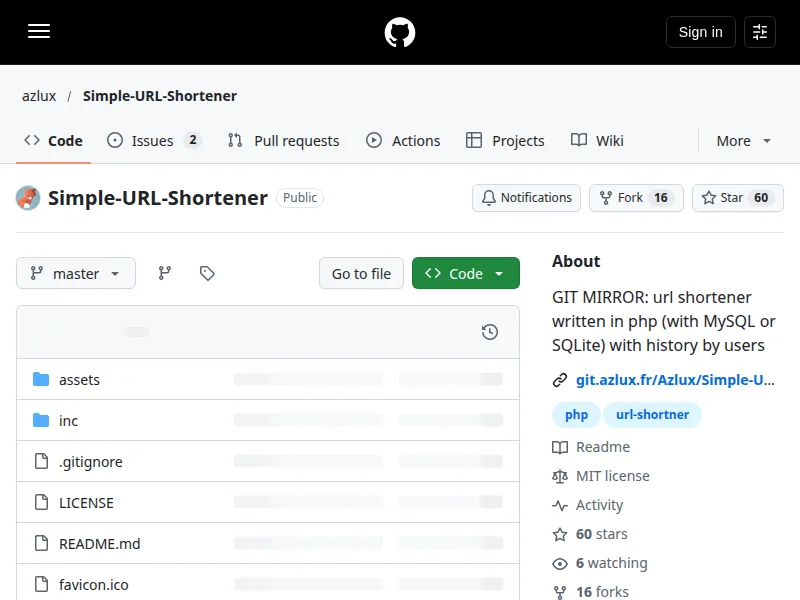
HTTPS support is non-negotiable. A website URL shortener that serves links over plain HTTP exposes visitors to interception. Modern browsers flag such links as “not secure,” which tanks click-through.
Transparency features help too. Some tools show a preview page listing the destination before redirecting. Others let you report abusive links. These small safeguards protect your audience and your reputation.

According to Wikipedia’s overview of URL shortening, the practice has been abused for spam and malware distribution since its early days. That history is a good reminder to vet any shortener before trusting it with your brand.
Using a Website URL Shortener for Social Media
Social platforms punish long links in subtle ways. They eat into character limits, look messy in feeds, and sometimes get flagged by spam filters. A website URL shortener cleans all of that up.
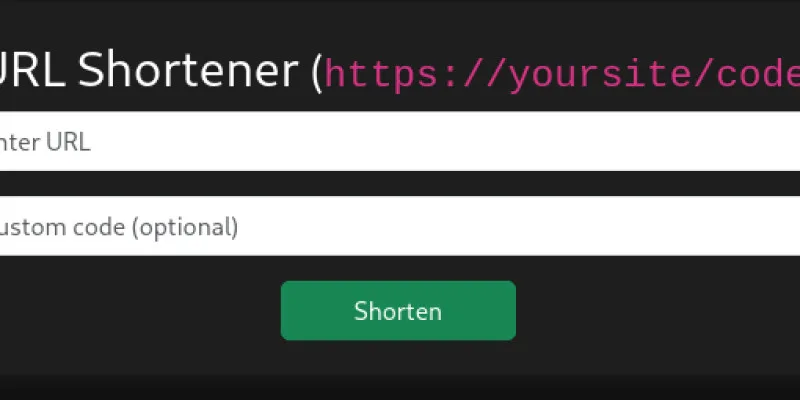
On Twitter, every character counts. A short link frees up space for your actual message. On Instagram, where links live in bios and stories, short branded URLs look far more professional than raw addresses.
LinkedIn rewards clean presentation. Structuring your website URL shortener around proven patterns ensures impact. A tidy link signals that you are organized and credible, which matters when you are pitching to decision-makers. The same logic applies to TikTok bios and YouTube descriptions.

Here is a practical tip I use constantly: create a separate short link for each platform. That way your analytics dashboard shows exactly which channel drives traffic, and you can double down on the winners.
Tracking Clicks and Measuring Real Results
A link without tracking is a missed opportunity. The whole point of using a website URL shortener is to learn something from every click.
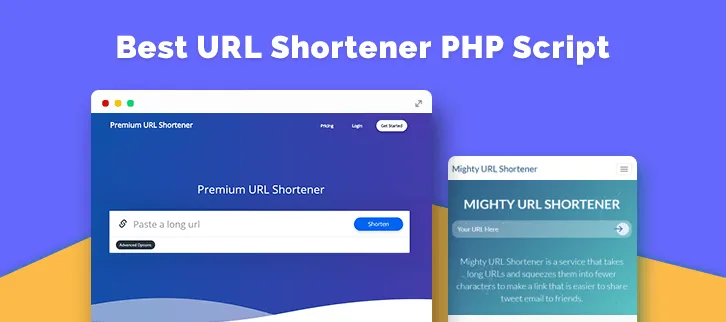
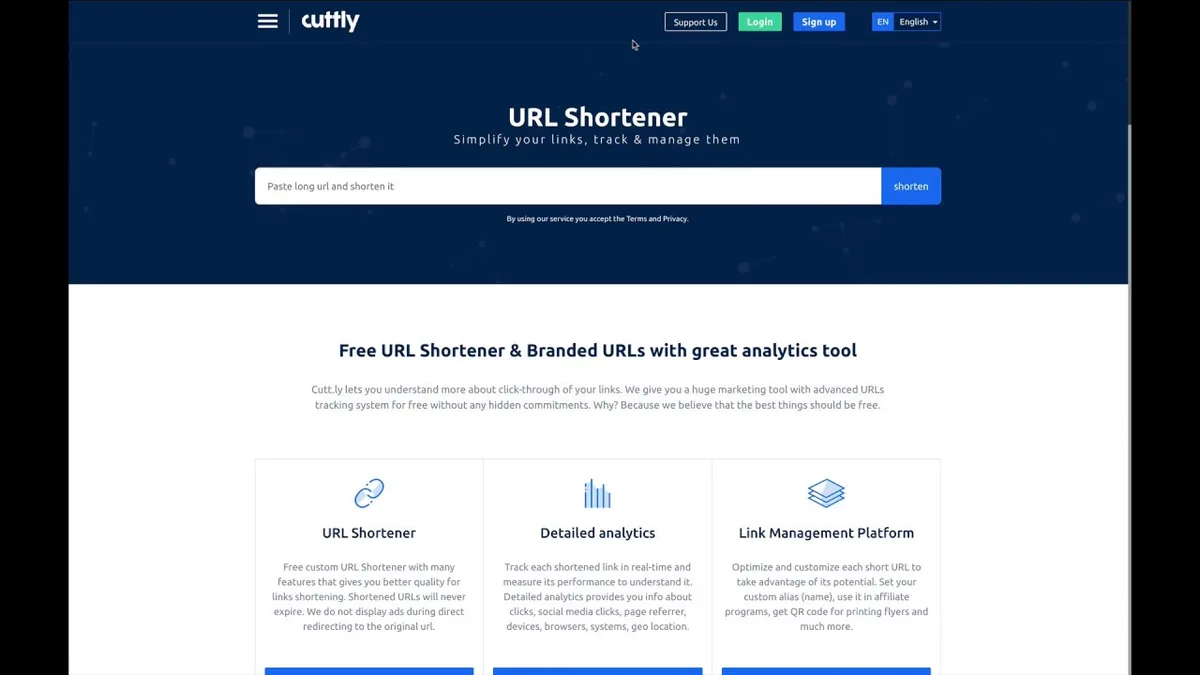
Basic analytics cover total clicks, unique visitors, and referrers. That is enough to answer “which post performed best?” Advanced dashboards add geography, device type, browser, and time-of-day patterns.
Time-of-day data is underrated. If most of your clicks land between 7 and 9 PM, schedule your posts for that window. Small timing tweaks often beat major content overhauls.
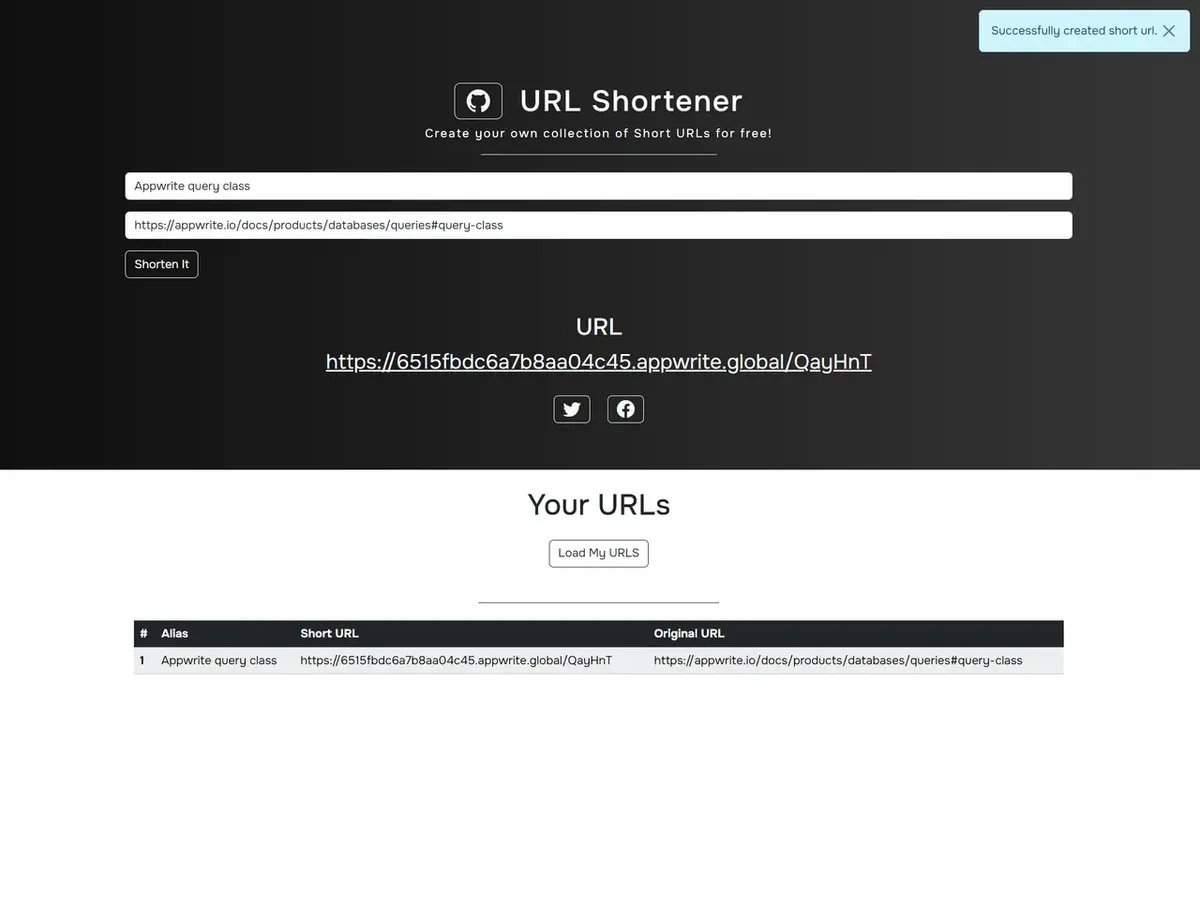
Geographic data shapes localization decisions. If a third of your traffic comes from a country you never targeted, that is a signal worth investigating. Maybe you should translate a landing page or adjust shipping options.
Set up UTM parameters alongside your short links for the fullest picture. Applying these principles to your website URL shortener yields measurable results. The shortener handles the redirect, while UTMs tell your analytics platform exactly where the visitor came from. Together, they eliminate guesswork.
Common Mistakes People Make With Link Shorteners
Even seasoned marketers trip over the same handful of pitfalls. Avoiding them takes five minutes of awareness.
Mistake one: using random, unbranded links for everything. They work, but they leave brand recognition on the table. A custom domain costs little and pays off repeatedly.
Mistake two: never testing links before publishing. Typos in the destination URL happen more often than anyone admits. A website URL shortener will happily redirect to a broken page if you feed it one.
Mistake three: ignoring link rot. Destinations change, pages get deleted, and old links quietly die. Audit your short links quarterly and update destinations that no longer resolve.
Mistake four: overloading one link with too many redirects. Chains of shorteners slow down load times and confuse crawlers. Keep it to a single hop whenever possible.
Mistake five: forgetting mobile. Proper attention to your website URL shortener sets a strong baseline. Most clicks come from phones, so test every link on a real device. What looks fine on desktop can break in a mobile browser.
Building a Branded Short Domain
A branded short domain is the single biggest upgrade you can make. Instead of random.ly/x9k2, your links read go.yourbrand.com/x9k2. That difference is not cosmetic.
Branded links build recall. Readers see your name in the link and associate the destination with you. Over time, that repetition compounds into recognition and trust.
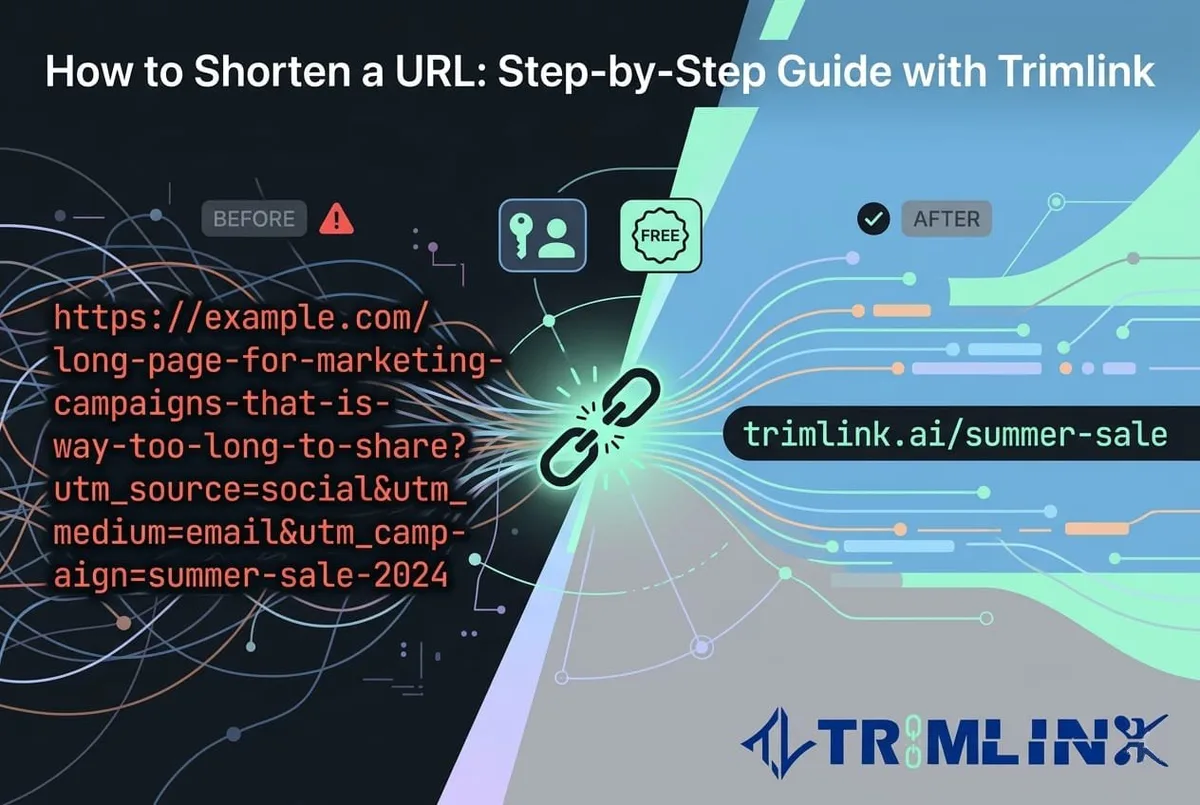
Setting one up is straightforward. Register a short domain, point its DNS records to your shortener’s servers, and verify ownership. Most providers walk you through the process in under ten minutes.
Pick a domain that is short, memorable, and clearly tied to your brand. Avoid hyphens and numbers, which invite typos. A clean domain like go.brand.com or link.brand.com works best.
Once live, use your branded domain everywhere. Consistency is what makes the investment worthwhile. A website URL shortener with a custom domain becomes a genuine brand asset rather than a utility.
Integrating Short Links With Your Workflow
Short links should not live in a separate silo. Developing your website URL shortener with precision highlights key strengths. The best setups plug directly into the tools you already use.
Most shorteners offer an API. That lets your CMS, email platform, or automation tool generate links on the fly. A blog post can auto-shorten its own URL the moment it publishes.
Browser extensions speed up manual work. Click the extension, and the current page becomes a short link instantly. No tab switching, no copy-paste dance.
Slack, Zapier, and similar platforms often have native integrations. Connect your website URL shortener to a Slack channel and every shared link gets shortened automatically.
For e-commerce, tie short links to product pages and track which promotions convert. The data flows straight into your existing dashboards, so no new reporting tool is needed.
When a Website URL Shortener is the Wrong Choice
Shorteners are powerful, but they are not always appropriate. Knowing when to skip them saves you trouble.
For SEO-critical internal links, use the full URL. Clear alignment with your website URL shortener builds confidence from the start. Search engines crawl both, but direct links avoid any redirect-related ambiguity. Save shorteners for external sharing.
For legal or official documents, full URLs are safer. Recipients may distrust a shortened link in a contract or tax notice. Transparency wins in those contexts.
For highly sensitive internal tools, consider whether a shortener adds risk. If the link is meant to stay private, a password-protected short link works, but a direct internal address might be simpler.
Finally, avoid shorteners that monetize through ad interstitials. If your audience has to click through an ad before reaching your content, you have traded trust for pennies. A website URL shortener should serve your goals, not its own.
Frequently Asked Questions About Website URL Shorteners
Here is an in-depth breakdown of key considerations regarding this section:
Is Using a Website URL Shortener Safe?
Yes, when you choose a reputable provider. Look for HTTPS support, malware scanning, and transparency features. Avoid unknown shorteners, since their links could redirect anywhere.
Do Short Links Hurt SEO?
Short links used for external sharing do not hurt SEO. For internal linking and canonical URLs, stick with the full address to keep things clean for crawlers.
Can I Customize the Short Link Text?
Most quality shorteners let you set a custom back-half, so the link reads meaningfully. Integrating website URL shortener into your workflow produces consistent quality. This improves click-through and reinforces your brand.
Do Short Links Ever Expire?
Only if you set them to. Free plans sometimes recycle inactive links, so check the terms. On paid plans, you control expiration entirely.
What Happens if I Delete a Short Link?
The redirect stops working and visitors see an error page. If the link is already in circulation, update the destination instead of deleting it.
Can I Track Who Clicks My Links?
You can track aggregate data like location, device, and referrer. Individual identities are not exposed, which keeps things privacy-friendly.
Choosing the Right Website URL Shortener for Your Needs
The right tool depends on what you actually do. A blogger needs different features than an agency running hundreds of client campaigns.
For casual sharing, a free account with basic analytics is enough. Targeted refinements to your website URL shortener streamline the entire review. For content creators, custom slugs and QR codes add real value. For teams, look for collaboration features, role permissions, and API access.
Test two or three options before committing. Shorten the same link across each, then compare speed, dashboard clarity, and mobile behavior. The winner usually becomes obvious within a day.
Pay attention to reliability. A website URL shortener that goes down takes your links with it. Check uptime history and read reviews from users who run high-volume campaigns.
Support matters too. When a link breaks during a product launch, you want a responsive team, not a black hole. Test their support before you need it urgently.
Best Practices for Long-Term Link Management
Links accumulate. Without a system, your dashboard turns into a graveyard of forgotten campaigns.
Name your links descriptively. “Spring promo – Instagram” beats “link 47” every time. Future you will be grateful when auditing performance.
Group links by campaign or client. Folders and tags keep things navigable as your library grows into the thousands.
Archive rather than delete. Old links might still be live somewhere. Keeping them intact prevents broken experiences for anyone who clicks an old post.
Review analytics monthly. Spot your top performers, replicate what works, and retire what does not. A website URL shortener is only as useful as the decisions you make with its data.
Back up your link data. Export your list periodically in case you ever migrate platforms. That export becomes your safety net.
Future Trends Shaping Link Shortening
The basics have not changed much, but the edges keep evolving. Expect tighter privacy controls as regulations reshape how click data gets collected.
AI-driven insights are creeping in. Instead of raw click counts, dashboards increasingly suggest optimal posting times and flag underperforming links automatically.
Deep linking is maturing. A single short link can now route iOS users to the App Store, Android users to Google Play, and desktop visitors to a web page. That flexibility reduces friction dramatically.
QR codes are having a genuine resurgence. Post-pandemic habits stuck, and a website URL shortener that generates scannable codes now feels essential rather than optional.
Expect tighter integration with e-commerce and CRM platforms. The line between a link tool and a marketing platform keeps blurring, which is good news for anyone managing campaigns end to end.
Wrapping Up: Make Every Link Count
Short links are small tools with outsized impact. They clean up your messaging, protect your brand, and hand you data you would otherwise never see.
Start simple. Pick a reliable website URL shortener, create a free account, and shorten your next post. Once you see the click data rolling in, you will wonder how you ever shared raw URLs.
Then level up. Add a custom domain, set up UTM tracking, and build a habit of reviewing performance monthly. Those small steps compound into a link strategy that actually supports your goals.
Whether you run a personal blog, a growing store, or a full marketing team, the right shortener quietly does its job in the background. Choose wisely, test often, and let every link pull its weight.