The metacrawler search engine occupies a strange corner of internet history — a tool that once defined how millions of people queried the web, then faded into near-obscurity as Google swallowed the market whole. If you have stumbled onto its still-breathing homepage and wondered whether it deserves a bookmark, you are not alone.
Plenty of curious surfers type the name into a browser each month, half expecting a relic and half hoping for a hidden gem.
Here is the honest answer up front: it works, it is fast, and it does something most modern engines have quietly stopped doing. Whether that something matters to you depends entirely on how you search.
What is a Metacrawler Search Engine, Exactly?
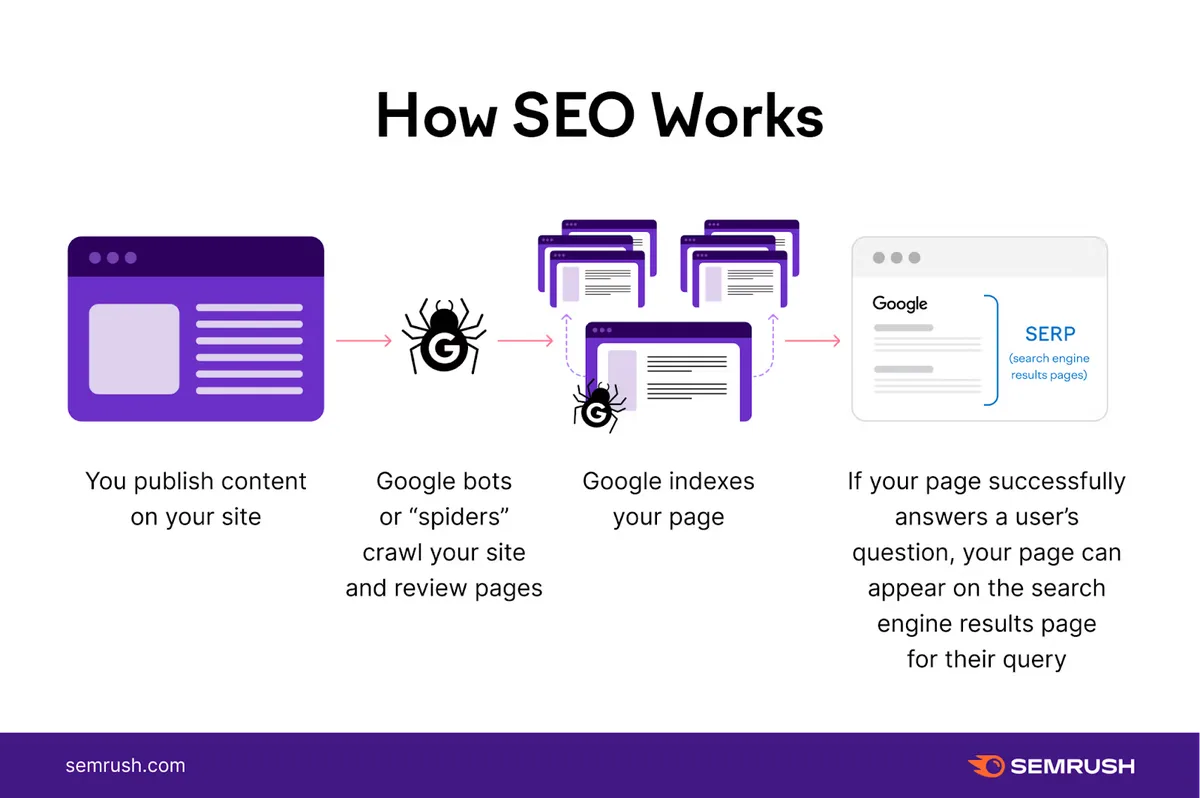
A metacrawler search engine is a search tool that does not maintain its own index of the web. Instead, it forwards your query to several other search engines at once, collects the results, removes duplicates, and presents a single merged list. Think of it as a switchboard operator for the internet rather than a librarian with its own catalog.
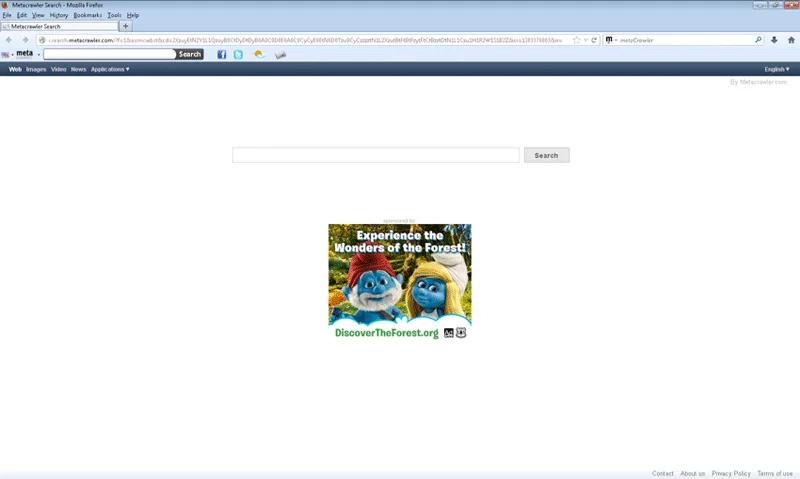
The distinction matters more than it sounds. Google, Bing, and DuckDuckGo each crawl and store billions of pages in massive data centers. A metacrawler search engine skips that infrastructure entirely. It borrows the indexes that already exist and layers its own logic on top — ranking, deduplication, and formatting.
That architectural choice produces a genuinely different experience. You get breadth without the filter bubble that comes from trusting one company’s algorithm. You also get quirks, because you inherit whatever each upstream provider decides to return.
The Origins Most People Forget
Metacrawler launched out of the University of Washington, built by Erik Selberg and Oren Etzioni as an academic project. Back then, the web had a dozen competing engines — AltaVista, Excite, Lycos, Infoseek, WebCrawler — and no single one covered everything. Aggregation was not a novelty; it was a necessity.
The tool grew fast, got acquired by Go2Net, then InfoSpace, and eventually landed under the System1 umbrella alongside Dogpile and WebCrawler. That corporate lineage explains a lot about how it behaves today. It is a legacy product kept alive by ad revenue, not a venture-funded startup chasing growth.
Knowing that history helps you calibrate expectations. Nobody is pouring engineering resources into beating Google at relevance. The metacrawler search engine survives because a specific slice of users still finds aggregated results useful.
How the Metacrawler Search Engine Actually Works Under the Hood
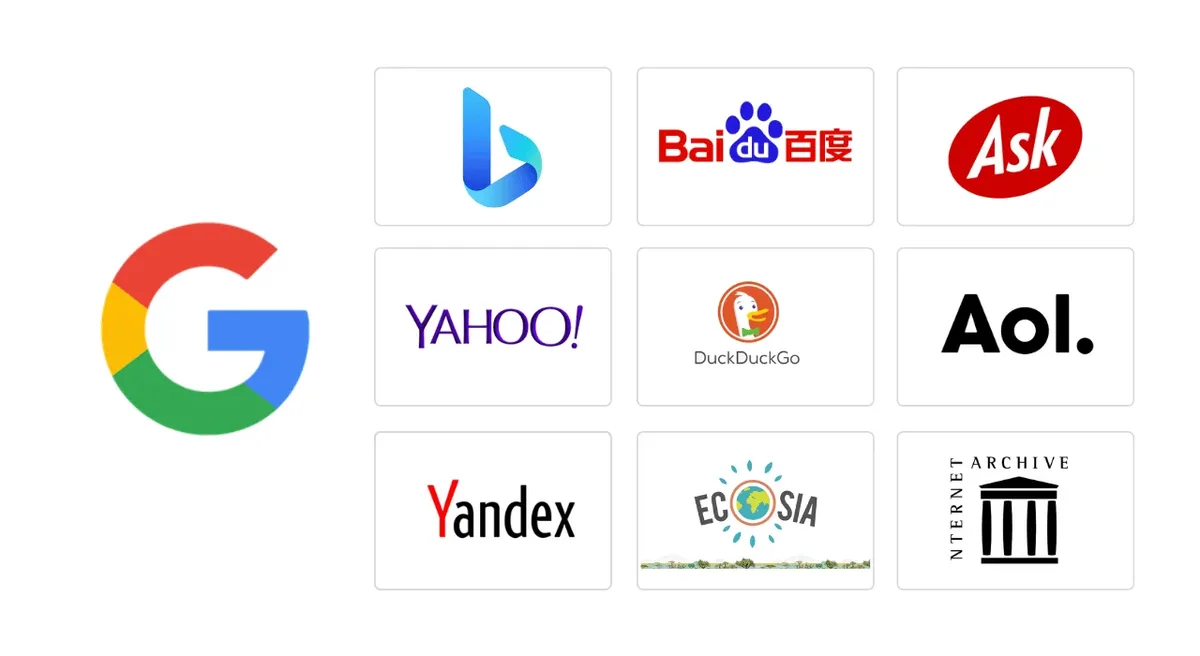
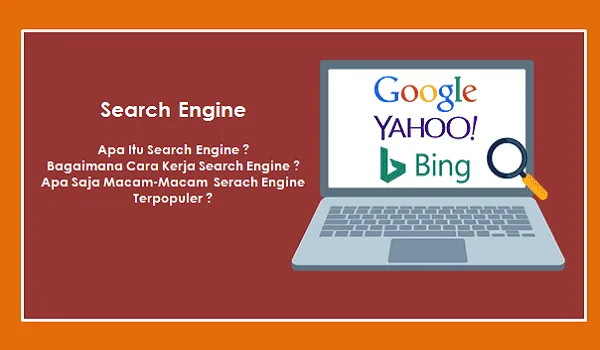
When you hit the search button, the metacrawler search engine fires your query simultaneously to a set of partner providers. Historically that list included Google, Yahoo, Bing, and Yandex, though the exact roster shifts with licensing deals and regional availability.
Each provider returns its top results. The aggregator then runs a deduplication pass, because the same popular page often ranks on three or four engines at once. After that, results get scored and ordered using the aggregator’s own weighting — which is where things get interesting.
Most people assume the merged list is just a random shuffle. It is not. There is a ranking layer that considers how many upstream engines returned a given URL, where it appeared in each list, and how well the snippet matches your query terms.
The Deduplication Problem Nobody Talks About
Deduplication sounds trivial until you try to build it. Two URLs pointing to the same article — one with a trailing slash, one with tracking parameters — are technically different strings but functionally identical pages. A good metacrawler search engine has to recognize that.
In practice, the matching is imperfect. You will occasionally see the same story appear twice with slightly different snippets. It is a minor annoyance, and it reveals the fundamental tradeoff: aggregation buys breadth at the cost of polish.
From a practical standpoint, treat near-duplicates as a signal rather than a bug. When three engines independently surface the same page for your query, that page is probably worth reading.
Is the Metacrawler Search Engine Still Good? an Honest Assessment
This is the question everyone actually wants answered, and it deserves a straight response rather than hedging. Yes, it is still good — for specific jobs. No, it is not a Google replacement for everyday searching.
The metacrawler search engine shines when you want to see what multiple indexes think about a topic. It struggles when you need rich results: knowledge panels, instant answers, shopping cards, local business hours, or anything that requires deep integration with structured data.
Google spent two decades building an answer engine on top of a search engine. Metacrawler never made that leap. It still returns ten blue links, which is either refreshingly simple or frustratingly primitive depending on your temperament.
Where It Genuinely Wins
Privacy-conscious users get real value here. The metacrawler search engine does not build a persistent profile the way Google does, and it does not require a login. Your queries are passed through to upstream providers, but the aggregation layer itself is comparatively light on tracking.
Researchers and journalists use it to check whether a source appears across multiple indexes. If a page ranks on Bing and Google but vanishes from DuckDuckGo, that discrepancy itself is information worth noting.
There is also a nostalgia factor that should not be dismissed. For anyone who remembers the pre-Google web, the interface feels like coming home. Clean, text-heavy, fast to load on a bad connection.
Where It Falls Short
Relevance is the weak spot. Because the metacrawler search engine cannot tune the underlying crawl, it cannot fix a bad result set. If Bing returns spam for a query, that spam shows up in your merged list.
Result freshness varies too. Some upstream providers update their indexes faster than others, so you may see a breaking news story alongside a cached version from three days ago. It is a small thing that becomes noticeable during fast-moving events.

And then there is the advertising. The page carries sponsored placements, which is how a free legacy product stays online. They are clearly labeled, but they do take up prime real estate above the organic results.
Metacrawler Search Engine Vs. the Modern Alternatives
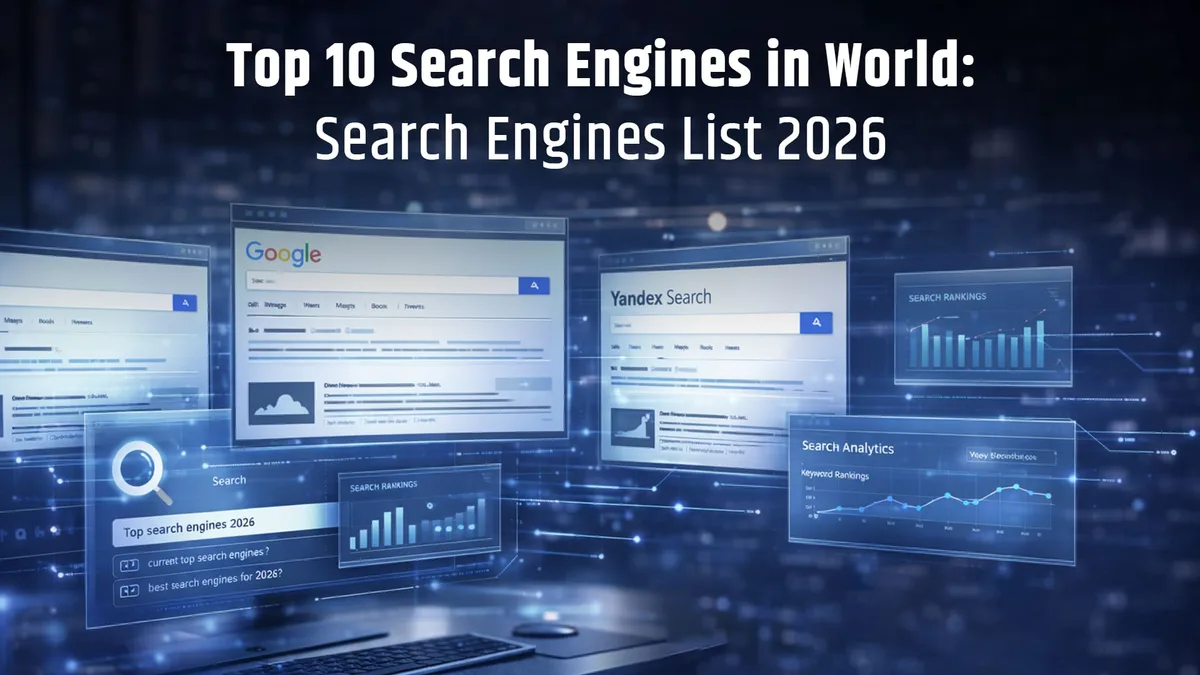
To judge the metacrawler search engine fairly, you have to compare it against what else is available. The field has changed dramatically since, and the competition now includes privacy-first engines, AI assistants, and specialized vertical search tools.
The table below lays out the practical differences. It is not a knockout ranking — it is a map of which tool fits which job.
| Feature | Metacrawler | DuckDuckGo | Bing | |
|---|---|---|---|---|
| Own Index | No | Yes | Partial (Bing-based) | Yes |
| Aggregates Multiple Engines | Yes | No | No | No |
| Tracking Profile | Minimal | Extensive | Minimal | Moderate |
| Instant Answers | No | Extensive | Limited | Moderate |
| Rich Results | No | Yes | Limited | Yes |
| Interface Speed | Very Fast | Fast | Fast | Moderate |
| Best Use Case | Cross-engine comparison | Everyday search | Private browsing | Microsoft ecosystem |
Read that table carefully and a pattern emerges. The metacrawler search engine is the only tool in the lineup that does not own its data. That is both its limitation and its entire reason for existing.
Practical Ways to Get Value from a Metacrawler Search Engine
If you decide to give it a fair shot, a few techniques will dramatically improve your results. Most people type a query, glance at the page, and leave. That is a waste.

Start by using precise phrasing. Because the metacrawler search engine passes your query verbatim to multiple providers, operators behave inconsistently. Quotation marks for exact phrases usually work, but site: and filetype: operators may or may not survive the trip.
Second, scroll past the first screen. Aggregated results often surface gems on page two that a single engine would have buried. The ranking signals are different, so the ordering is different.

Techniques That Actually Move the Needle
- Use Short, Dense Queries: Three to five words beat long natural-language sentences. The metacrawler search engine has no semantic layer to interpret conversational phrasing, so keyword density in your query still matters. Try “vintage synthesizer repair manual PDF” rather than “where can I find a manual for repairing an old synthesizer.”
- Compare Across Engines Manually: Run the same query on Google and on the metacrawler search engine. Where the result sets diverge, you have found a topic with contested relevance — often a sign of thin content or SEO manipulation on one side.
- Bookmark the Advanced Options: The interface still exposes controls for result count, language, and filtering. Most users never touch them. Setting results per page to thirty saves constant clicking.
- Pair It With a Vertical Search Tool: For academic work, run your query through the metacrawler search engine first to spot broad themes, then refine inside Google Scholar or PubMed. The aggregation pass is a reconnaissance step, not a final destination.
- Watch the Sponsored Block: Ads sit at the top. Train your eye to skip them — the organic results begin below a clearly marked divider.
None of these tricks are exotic. They are just the habits of someone who understands what the tool is and is not.
The Privacy Angle: What the Metacrawler Search Engine Really Logs
Privacy claims deserve scrutiny, so let us be precise. The metacrawler search engine itself does not require an account and does not build a cross-session identity the way a logged-in Google profile does.
That said, your query still travels to upstream providers, and those providers have their own logging policies. Aggregation does not magically anonymize you. It simply spreads your query across several parties instead of concentrating it with one.
There is a real argument that this distribution is healthier. No single company accumulates a complete picture of your interests. The flip side is that you now trust several companies instead of one, and some of them may have weaker privacy track records.

How It Compares to Dedicated Private Engines
If privacy is your primary concern, a purpose-built private engine will serve you better than a metacrawler search engine. Tools designed around anonymity from the ground up — no query logging, no IP retention, no third-party ad networks — beat aggregation on this specific dimension.
Where the metacrawler search engine still earns a place is in the middle ground. It is more private than a logged-in mainstream engine and more convenient than configuring a Tor-based search workflow.
For the casual user who wants to reduce tracking without overhauling their habits, that middle ground is genuinely useful.
Who Should Still Use the Metacrawler Search Engine?
Not everyone needs this tool, and pretending otherwise would be dishonest. But several distinct groups get real value from it.
OSINT researchers top the list. When you are trying to establish whether a piece of information is widely indexed or artificially promoted, seeing results from multiple engines at once is invaluable. The metacrawler search engine does that in a single click.
Students working on comparative research benefit too. Being forced to look beyond one algorithm’s opinion builds better source evaluation habits. It is a small antidote to algorithmic tunnel vision.
Who Should Skip It
If you need local business information, shopping comparisons, or instant factual answers, look elsewhere. The metacrawler search engine was never built for those tasks and does not pretend to handle them well.
Developers searching for API documentation will find richer results on a dedicated code search tool. Travelers checking flight prices need a metasearch engine for travel, which is a completely different category despite the similar name.

And anyone who values a polished, modern interface will find the design dated. It works, but it looks like the web did fifteen years ago.
The Business Model Behind a Free Aggregator
Understanding the money explains the product. The metacrawler search engine is owned by System1, a company whose core business is monetizing search traffic through advertising.

Every query you run generates ad impressions. The aggregation layer exists to attract enough users to make those impressions worthwhile. This is not a criticism — it is simply how the economics work for a free tool with no subscription tier.
That model has consequences for the user experience. Features that do not drive ad revenue tend to stagnate. The core search function stays reliable because it has to, but innovation is minimal.

Why It Has Not Shut Down
Legacy tools with steady traffic and low operating costs can survive indefinitely. The metacrawler search engine fits that profile perfectly. It requires no massive crawl infrastructure, no content moderation army, and no expensive AI training runs.
Compare that to the cost of running a full search engine, and the appeal of aggregation becomes obvious. The barrier to entry is low, the maintenance burden is manageable, and the ad revenue is predictable.
That is why the tool is still here decades after its academic origins. It found a sustainable niche and stayed in it.
Common Misconceptions About the Metacrawler Search Engine
Several myths circulate about this tool, and clearing them up saves a lot of confusion.

The biggest one is that it is a search engine in the traditional sense. It is not. Calling the metacrawler search engine an engine is a naming convention, not a technical description. It has no crawler, no index, and no ranking algorithm trained on web data.
Another persistent myth claims it delivers more comprehensive results than Google. That is only true in a narrow sense. It delivers results from more sources, but each source is queried at surface level, so depth is sacrificed for breadth.
The “Dead Tool” Myth
Plenty of people assume the metacrawler search engine shut down years ago. It did not. The site remains live, the search function works, and it processes queries daily.
Confusion arises because the tool’s cultural relevance collapsed even as its technical availability persisted. Nobody writes about it, nobody markets it, and it rarely appears in lists of recommended search tools. Silence gets mistaken for absence.
If you visit expecting a graveyard, you will be surprised. The lights are on.
Comparing Metacrawler to Other Aggregators
The metacrawler search engine is not the only aggregator in existence. Dogpile, its sibling under the same corporate parent, does essentially the same job with a slightly different interface.
Startpage takes another approach entirely, delivering Google results through a privacy-preserving proxy. Searx goes further still, offering an open-source, self-hostable aggregation layer that anyone can run.
Each option has a distinct personality. Dogpile leans into a playful brand. Startpage emphasizes anonymity. Searx appeals to tinkerers who want control.
Where Metacrawler Fits in the Lineup
Among these choices, the metacrawler search engine is the plainest. No strong branding, no privacy crusade, no open-source ethos. Just a straightforward aggregator that has been doing the same thing for a very long time.
That blandness is arguably its strength. It does not oversell. It does not make promises it cannot keep. It simply merges results and gets out of the way.
For users who value predictability over personality, that is exactly the right fit.
Technical Limitations Worth Knowing
Every tool has boundaries, and knowing them prevents frustration. The metacrawler search engine has several worth flagging.
Result count per query is capped lower than what Google offers. You will not scroll through twenty pages of results. The aggregation cost makes deep pagination impractical.
Query length also matters. Very long queries sometimes get truncated before reaching upstream providers, which can silently change what you are searching for.
Handling Non-English Queries
International support exists but is uneven. The metacrawler search engine handles major European languages reasonably well, but coverage thins out for less common ones.
If your research involves non-Latin scripts, test carefully before relying on it. Character encoding issues occasionally creep into the merged results.
For English-language research, none of these limitations are dealbreakers. For multilingual work, plan accordingly.
Step-by-Step: Running an Effective Search Session
Here is a workflow that extracts maximum value from the tool, based on how experienced users actually operate.
- Define Your Question Precisely: Write down exactly what you need before typing. Vague questions produce vague aggregated results, and the metacrawler search engine has no clarifying layer to help you refine.
- Craft a Compact Query: Strip it to essentials. Three to six words, no filler. This is the single highest-leverage habit for this tool.
- Run the Search and Scan Broadly: Look at the domains represented. A diverse domain mix suggests healthy results. A cluster of similar sites suggests one upstream provider dominated.
- Note the Discrepancies: When a result looks out of place, open it. Oddities in aggregated results often point to interesting content that a single engine would have filtered out.
- Cross-Check High-Stakes Facts: Never trust a single result for anything important. The metacrawler search engine is a discovery tool, not a verification tool.
- Save What Works: Bookmark useful finds immediately. The result set changes between sessions, and a page you found today may rank differently tomorrow.
Follow that sequence and the tool becomes genuinely productive rather than merely nostalgic.
Does Aggregation Still Matter in an AI Search World?
This is the forward-looking question, and it deserves serious thought. AI-powered search assistants now synthesize answers directly, pulling from multiple sources without showing you a list of links.
In that context, does a metacrawler search engine still have a role? Arguably yes, and for a counterintuitive reason. AI answers hide their sources. Aggregated link lists expose them.
When you want to see the raw evidence rather than a synthesized summary, the metacrawler search engine remains useful. It shows you the ingredients instead of the finished dish.
The Transparency Argument
There is real value in seeing where information comes from. An AI assistant that confidently states a fact without citation is harder to evaluate than a list of ten links you can inspect yourself.
Aggregation preserves that inspectability. You see the sources, you judge their credibility, and you decide what to trust. The metacrawler search engine never asks you to take its word for anything.
As AI search grows more dominant, that transparency may become the tool’s most valuable feature — not its breadth, but its honesty about where results originate.
Frequently Asked Questions About the Metacrawler Search Engine
Here is an in-depth breakdown of key considerations regarding this section:
Is the Metacrawler Search Engine Still Active?
Yes. The site remains online and functional. It processes queries through partner providers just as it always has, though the exact provider list has shifted over the years.
Does It Have Its Own Index of Web Pages?
No. The metacrawler search engine relies entirely on upstream providers for its results. It aggregates and deduplicates rather than crawling and indexing independently.
Is It More Private Than Google?
Somewhat. It does not require an account and does not build a persistent user profile the way a logged-in Google session does. However, queries still pass through upstream providers with their own logging policies.
Can It Replace Google for Everyday Searching?
Not comfortably. The metacrawler search engine lacks instant answers, rich results, local business data, and shopping integrations. It works best as a supplementary tool rather than a primary engine.
Which Search Engines Does It Query?
The roster has historically included major providers like Google, Bing, and Yahoo, though the exact mix varies by region and licensing arrangements. The aggregation layer does not publish a fixed list.
Is It Free to Use?
Yes, entirely free. The metacrawler search engine is supported by advertising, which is why sponsored results appear at the top of the page.
Why Do Results Sometimes Look Duplicated?
Deduplication is imperfect. Slightly different URLs pointing to the same content can slip through the matching logic, especially when tracking parameters or trailing slashes differ.
Who Owns the Metacrawler Search Engine Today?
It operates under System1, the same company that manages Dogpile and several other legacy search properties. That ownership explains its ad-supported, low-maintenance operating model.
Final Thoughts on Whether It Deserves a Place in Your Toolkit
After all of this, the verdict is straightforward. The metacrawler search engine is not a Google killer, and it was never trying to be. It is a specialized tool with a narrow but real purpose.
Use it when you want to see across indexes. Use it when you care about source transparency. Use it when you want a fast, uncluttered search experience without a corporate profile following you around.
Skip it when you need instant answers, local data, or a polished modern interface. Those are not its strengths, and no amount of nostalgia changes that.
Honestly, the most useful way to think about the metacrawler search engine is as a second opinion. You would not consult only one doctor for a serious diagnosis, and you should not rely on one algorithm for important research. Aggregation gives you that second opinion in a single click.
That is a modest value proposition, but it is a durable one. Tools that solve a specific problem well tend to survive, and the metacrawler search engine has survived for decades by doing exactly that.
Give it a fair trial with realistic expectations, and you may find it earns a permanent spot in your bookmark bar — not as your default, but as the tab you open when you want to see the web from more than one angle.
For verified reference and background research, consult the authoritative informational resource on this topic.