Long tail keywords are the quiet workhorses of search traffic, the phrases real people type when they know exactly what they want. If you have ever wondered why a tiny blog outranks a giant brand for a super-specific query, the answer usually sits right here. Mastering long tail keywords gives you a way into competitive niches without fighting million-dollar budgets.
I have spent years watching small sites beat corporate giants simply because they understood this concept. So let’s talk about how to find them, how to use them, and how to rank before your competitors even notice the opportunity.
What are Long Tail Keywords, Really?
Picture a search query like “best budget mechanical keyboard for small hands.” That is a long tail keyword. It is specific, it is conversational, and it carries a clear intent that a broad term like “keyboard” never could.
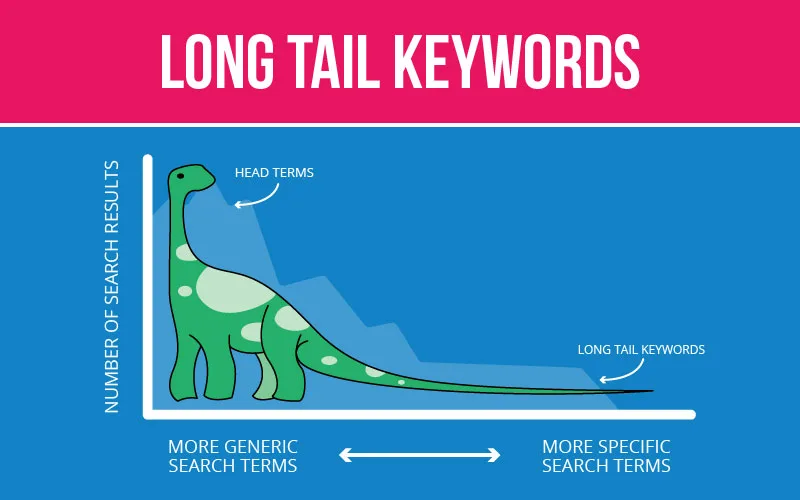
The term was popularized by Chris Anderson in his writing on the long tail effect, which you can explore through the long tail concept on Wikipedia. The core idea: while a few head terms dominate volume, the massive collection of niche phrases together represents enormous opportunity.
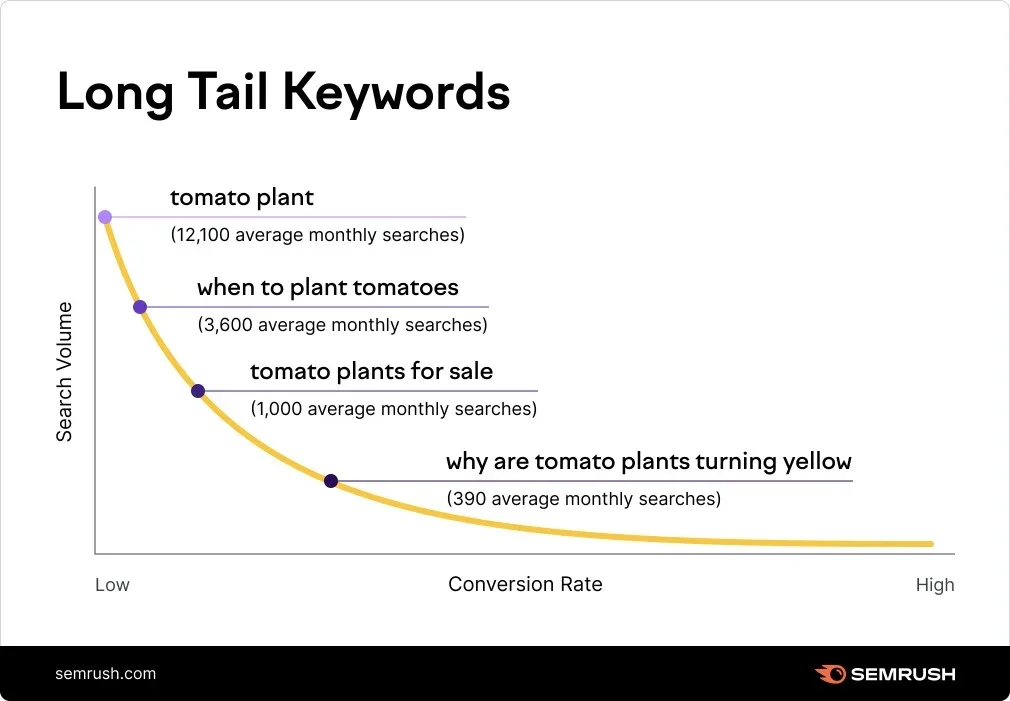
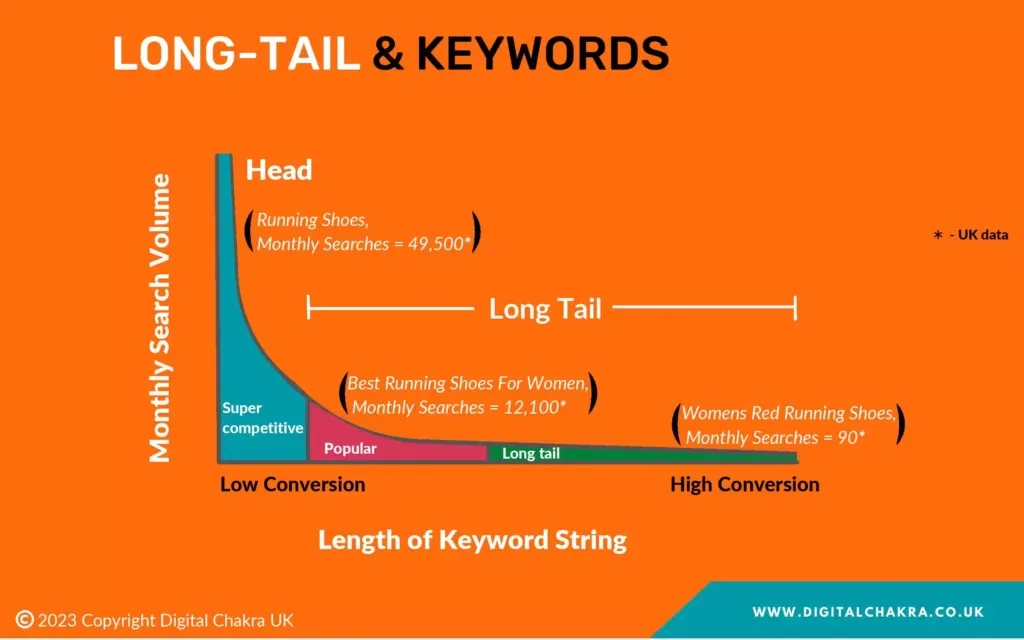
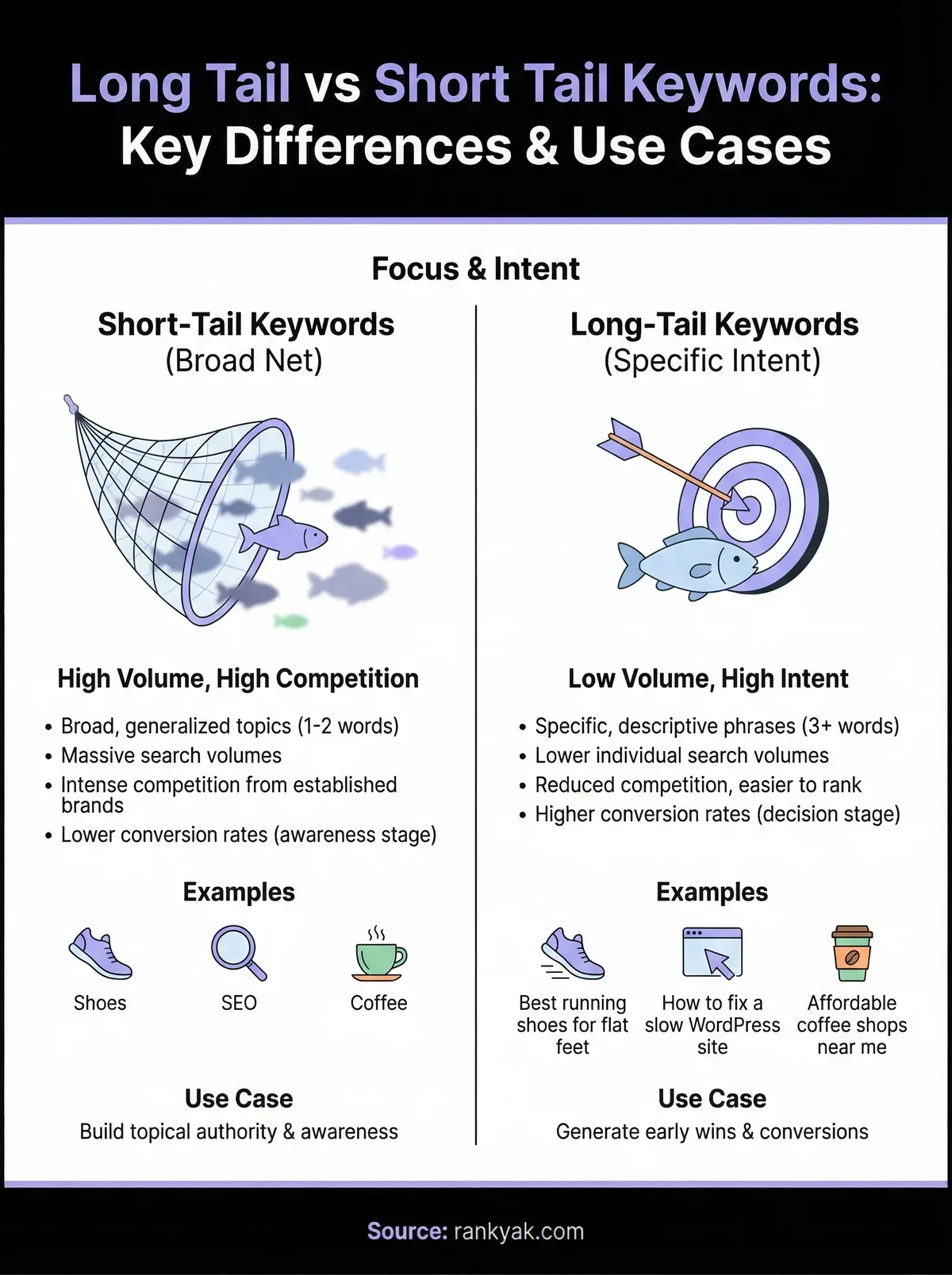
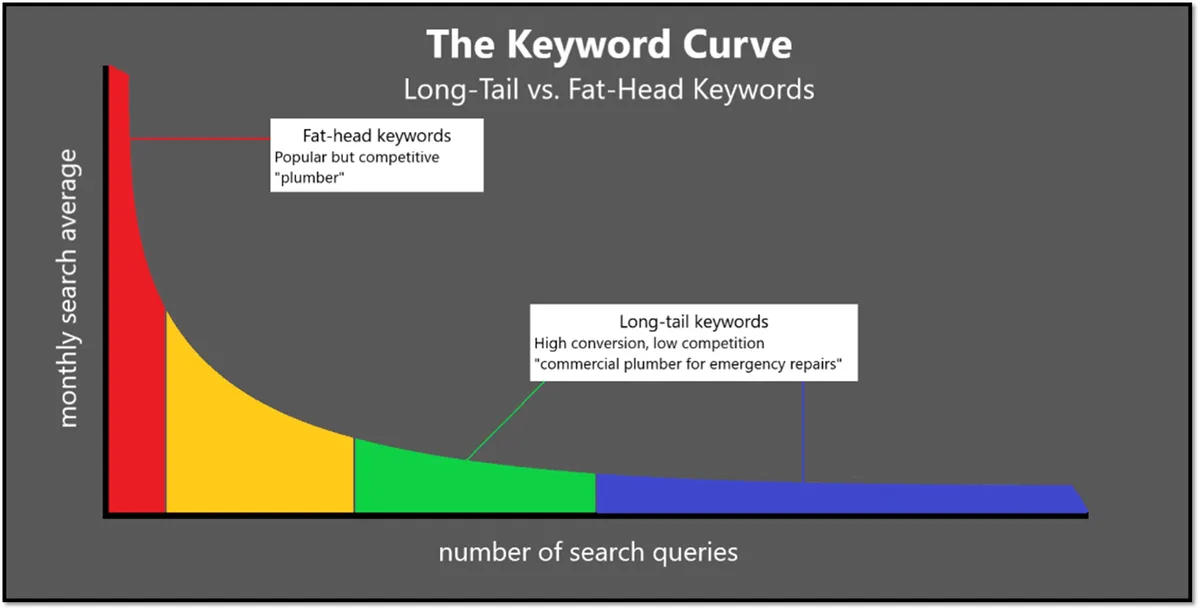
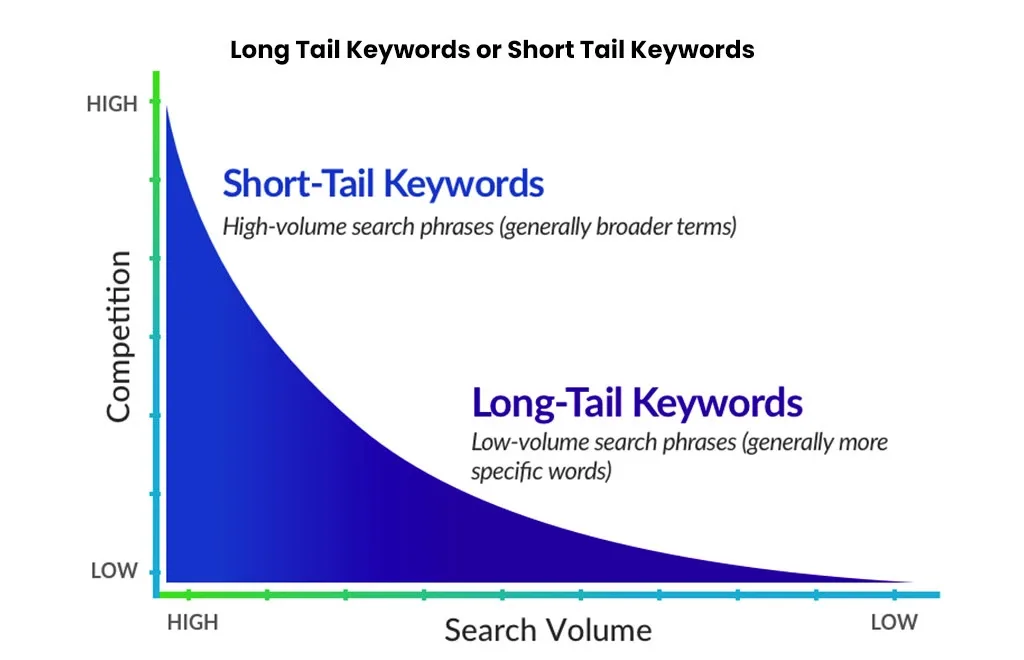
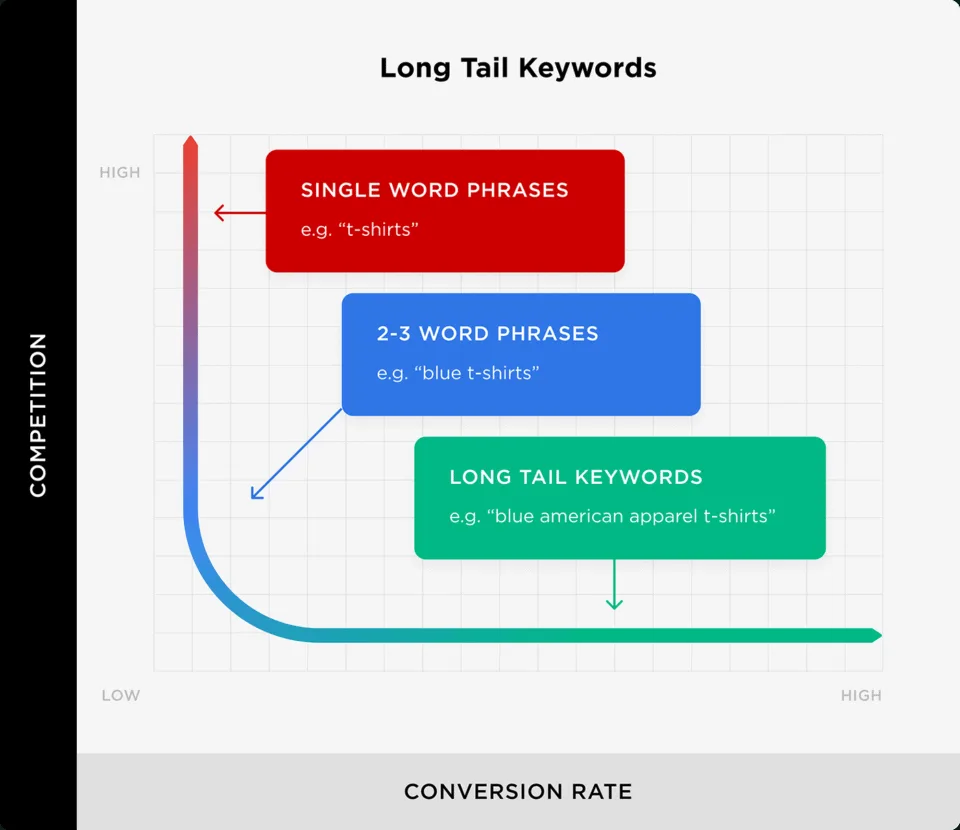
Here is what makes long tail keywords different from their short cousins. They typically run three to five words or more. They have lower individual search volume. But they convert far better because the person searching already knows what they need.
Think about it from a buyer’s perspective. Someone typing “running shoes” is browsing. Someone typing “best trail running shoes for wide feet on rocky terrain” is ready to buy. The second searcher is worth ten times more to you.
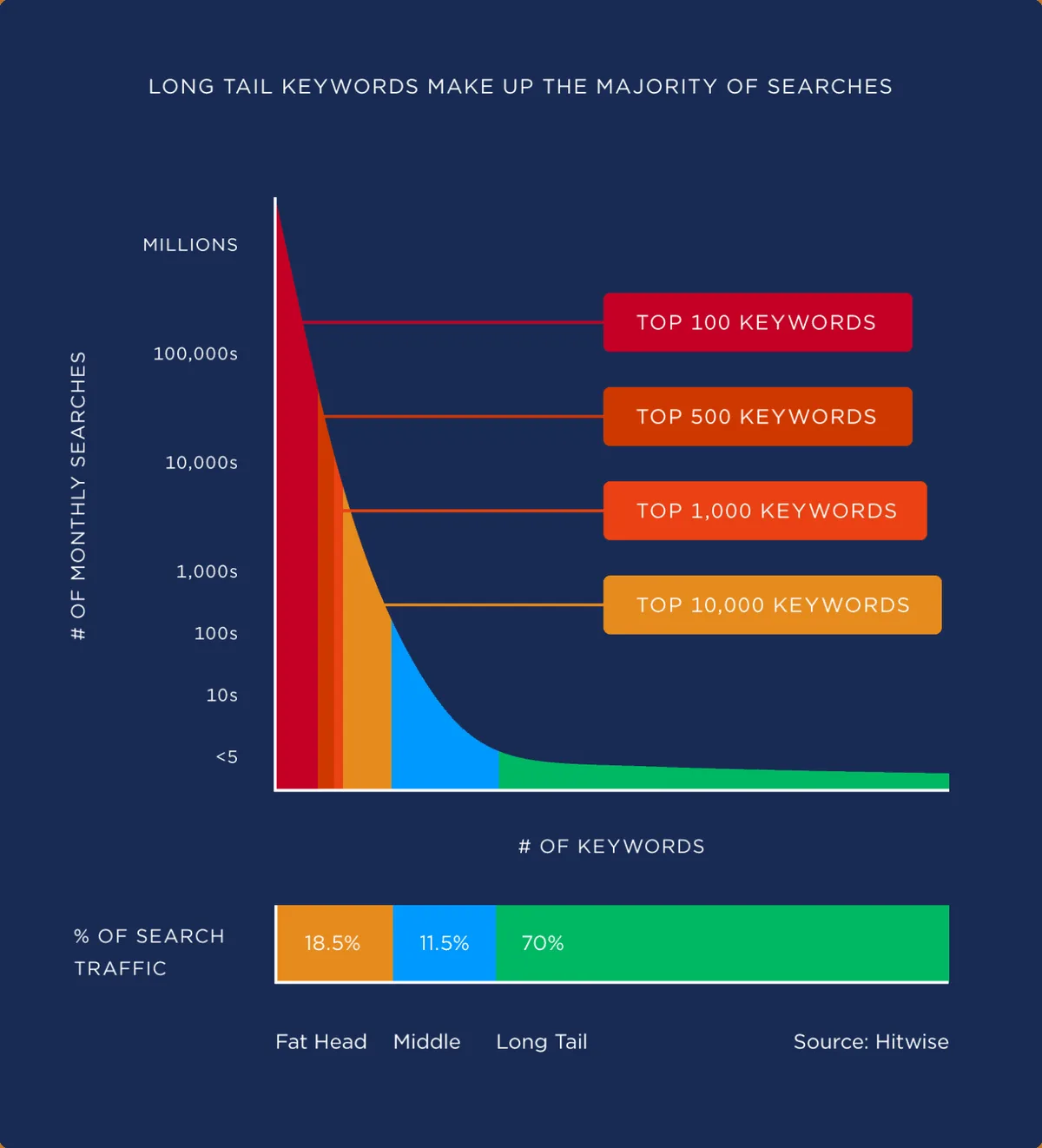
Why Long Tail Keywords Matter More Than Ever
Search behavior has shifted dramatically. Voice assistants, conversational queries, and AI-driven results all push people toward longer, more natural phrasing. Google’s own documentation on how search works confirms that it interprets intent, not just keywords.
This shift means long tail keywords are no longer a “nice to have.” They are the backbone of any realistic organic strategy for small and mid-sized sites.
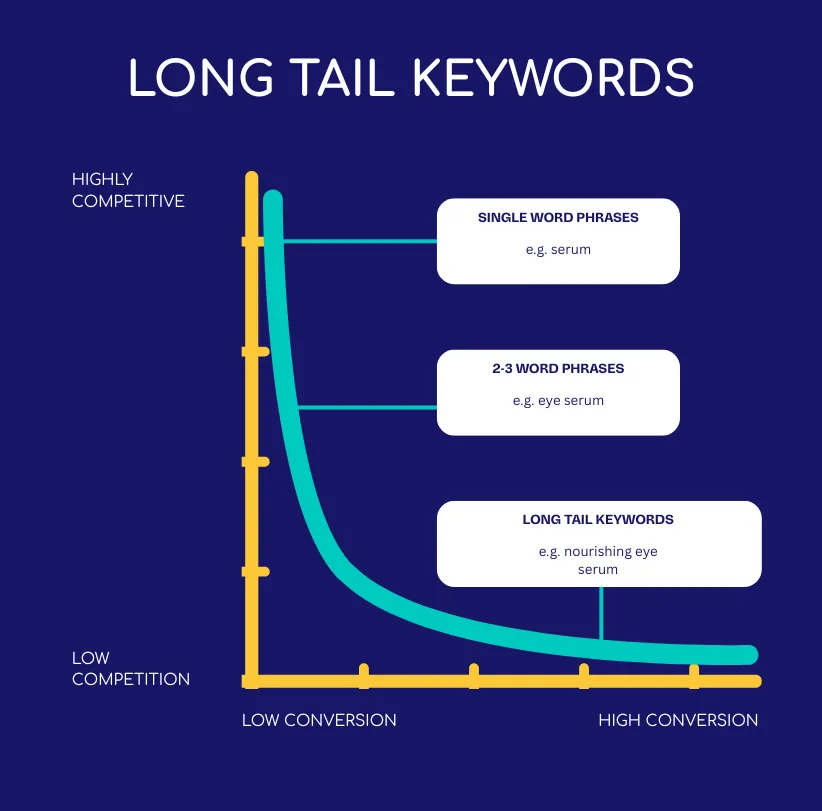
Let me put numbers behind this. Industry data consistently shows that long tail searches make up roughly 70% of total search volume. That is not a rounding error. That is the majority of the market sitting in phrases most marketers ignore.
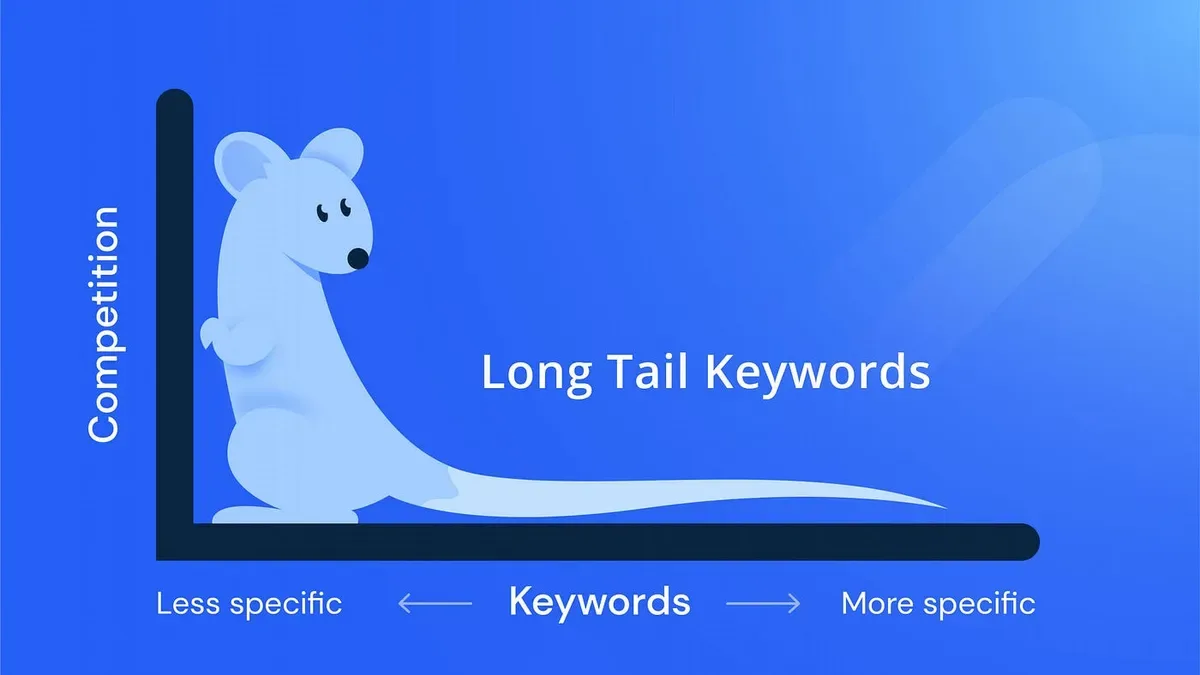
Competition is another factor. Ranking for a head term might require hundreds of backlinks and years of authority. Ranking for a well-chosen long tail keyword can happen in weeks with solid content and a clean site structure.
Lower Competition, Higher Conversion
When I audit client sites, the pattern repeats constantly. Pages targeting broad terms sit on page four, invisible. Pages targeting specific long tail keywords sit on page one, pulling steady traffic.
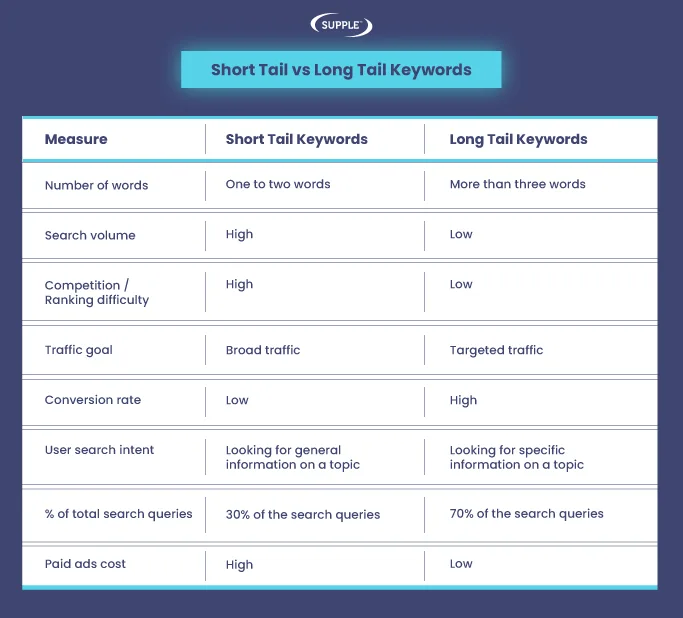
The conversion gap is even wider. A visitor who found you through a precise phrase already trusts that you understand their problem. They are not comparison shopping. They are looking for confirmation.
That trust translates directly into email signups, purchases, and returning readers. Broad traffic looks impressive in analytics but often bounces within seconds.
Building Topical Authority One Phrase at a Time
Google rewards sites that demonstrate deep expertise on a subject. Each long tail keyword you rank for becomes a signal that your site covers a topic thoroughly.
Stack enough of these wins, and you build what SEOs call topical authority. Suddenly, your new content ranks faster because Google already trusts your domain on that subject.
The compounding effect here is real. One article about “how to season a cast iron skillet” leads to rankings for dozens of related long tail keywords you never explicitly targeted.
How to Find Long Tail Keywords That Actually Convert
Finding them is not the hard part. Finding the right ones is. Plenty of long tail keywords have zero commercial value, and chasing pure volume is a rookie mistake.
You want phrases where search intent aligns with what you offer. That means understanding the difference between informational, commercial, and transactional queries before you write a single word.
Let me walk you through the methods that actually work, based on what I have seen drive results repeatedly.
Mine Google Autocomplete and Related Searches
Start with the simplest free tool you already have: Google itself. Type your seed topic and watch the autocomplete suggestions populate.
These suggestions are real queries from real people. Google is literally handing you a list of long tail keywords for free.
Scroll to the bottom of any results page and check “People also ask” and “Related searches.” Each of those is a gateway to more specific phrases.
Pro tip: add prepositions like “for,” “with,” “without,” and “near” to your seed term. “Yoga poses for beginners with back pain” is a far better long tail keyword than “yoga poses.”
Use Keyword Research Tools With Long Tail Filters
Paid tools like Ahrefs, Semrush, and Ubersuggest let you filter by keyword length and difficulty. Set your filter to phrases with three or more words and low competition scores.
AnswerThePublic visualizes question-based queries beautifully. It is especially useful for informational content where you want to capture people in the research phase.
Google Keyword Planner still works, though it hides exact volumes for low-traffic terms. Do not let that discourage you. A phrase with 200 monthly searches and low competition beats a phrase with 20,000 searches you will never rank for.
Mine Your Own Search Console Data
This is the most underrated tactic in the entire playbook. Open Google Search Console and look at queries where you already rank between positions 11 and 30.
Those are long tail keywords where you are almost there. A small content refresh or a new internal link can push you onto page one.
I have seen sites double their organic traffic in a month just by optimizing existing pages for these “almost ranking” phrases. No new content required.
Steal from Competitor Pages
Find the pages ranking above you and study their structure. What subtopics do they cover? What questions do they answer?
Tools like Ahrefs’ “Organic keywords” report show you every phrase a competitor ranks for. Filter for long tail keywords and look for gaps you can fill.
You are not copying. You are finding the questions they answered poorly or skipped entirely, then answering them better.
Types of Long Tail Keywords You Should Target
Not all long tail keywords serve the same purpose. Understanding the categories helps you build a balanced content strategy instead of chasing random phrases.
Here is how I break them down, along with the intent each one serves.
| Type | Example | Search Intent | Best Content Format |
|---|---|---|---|
| Question-Based | how to fix a leaky faucet | Informational | How-to guide |
| Comparison | vitamix vs blendtec for smoothies | Commercial | Comparison post |
| Location-Based | best tacos in Austin Texas | Transactional | Local listicle |
| Audience-Specific | budget planners for college students | Commercial | Product roundup |
| Problem-Solving | how to remove red wine stains from carpet | Informational | Step-by-step tutorial |
| Long-Tail Product | organic cotton crib sheets for oval mattress | Transactional | Product page |
Each of these long tail keywords demands a different approach. A comparison post needs a verdict. A how-to needs clear steps. Mismatching format to intent kills your rankings.
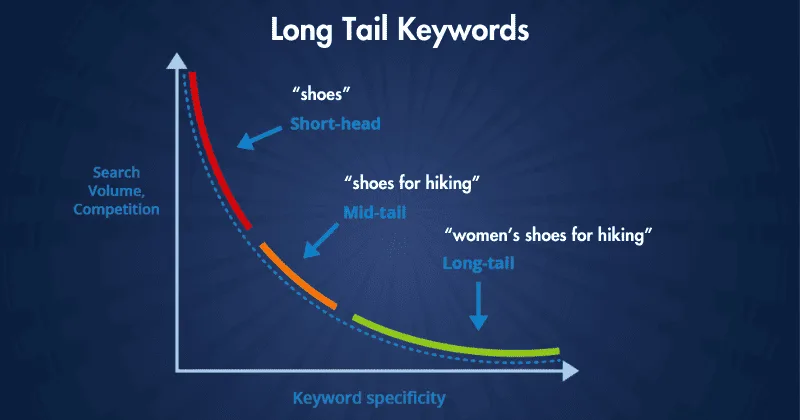
Notice how specific these get. That specificity is exactly what makes them rankable and valuable.
Matching Content Format to Search Intent
This is where most people fail. They find a great long tail keyword, then write the wrong type of content for it.
Google’s algorithms are sophisticated enough to detect intent mismatch. If someone searches “how to,” they want a tutorial, not a sales page.
I always map intent before writing. Here is my quick framework.
Informational queries get guides, tutorials, and explainers. Commercial queries get comparisons, reviews, and roundups. Transactional queries get product pages, pricing info, and clear calls to action.
Get this right and your long tail keywords start ranking faster. Get it wrong and you fight an uphill battle no amount of optimization can win.
Informational Intent: Teach Something Useful
When someone searches “how to tie a tie,” they want a clear answer. Fast.
These long tail keywords reward content that is comprehensive but skimmable. Use headers, numbered steps, and visuals.
Do not bury the answer under three paragraphs of introduction. Give the solution, then expand with context and tips.
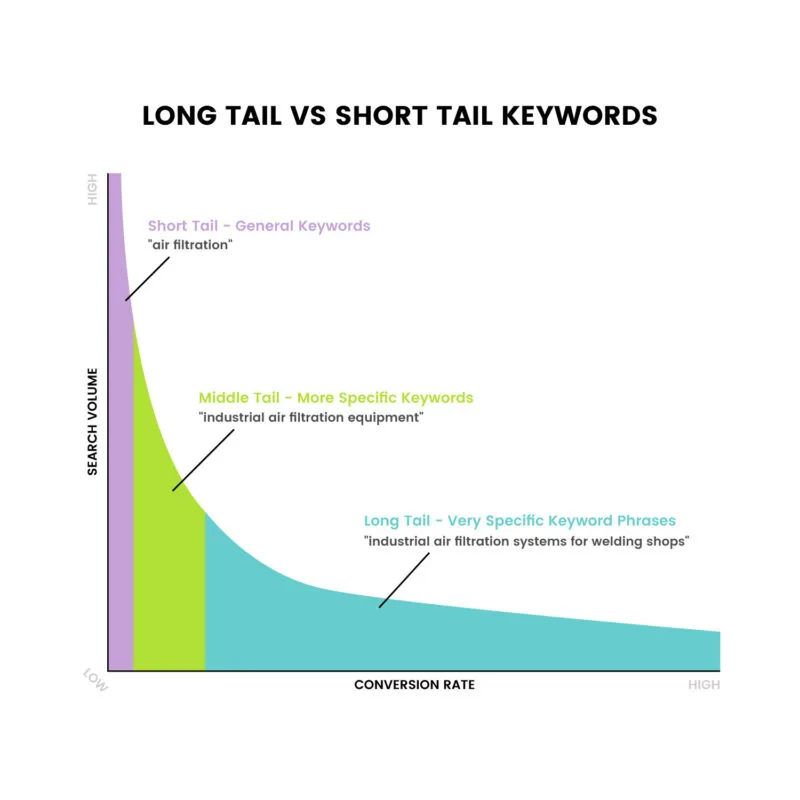
Commercial Intent: Help Them Decide
Comparison queries like “Notion vs Obsidian for note-taking” are gold. The searcher is close to a decision.
Your job is to make that decision easier. Present honest pros and cons. Pick a winner. Explain why.
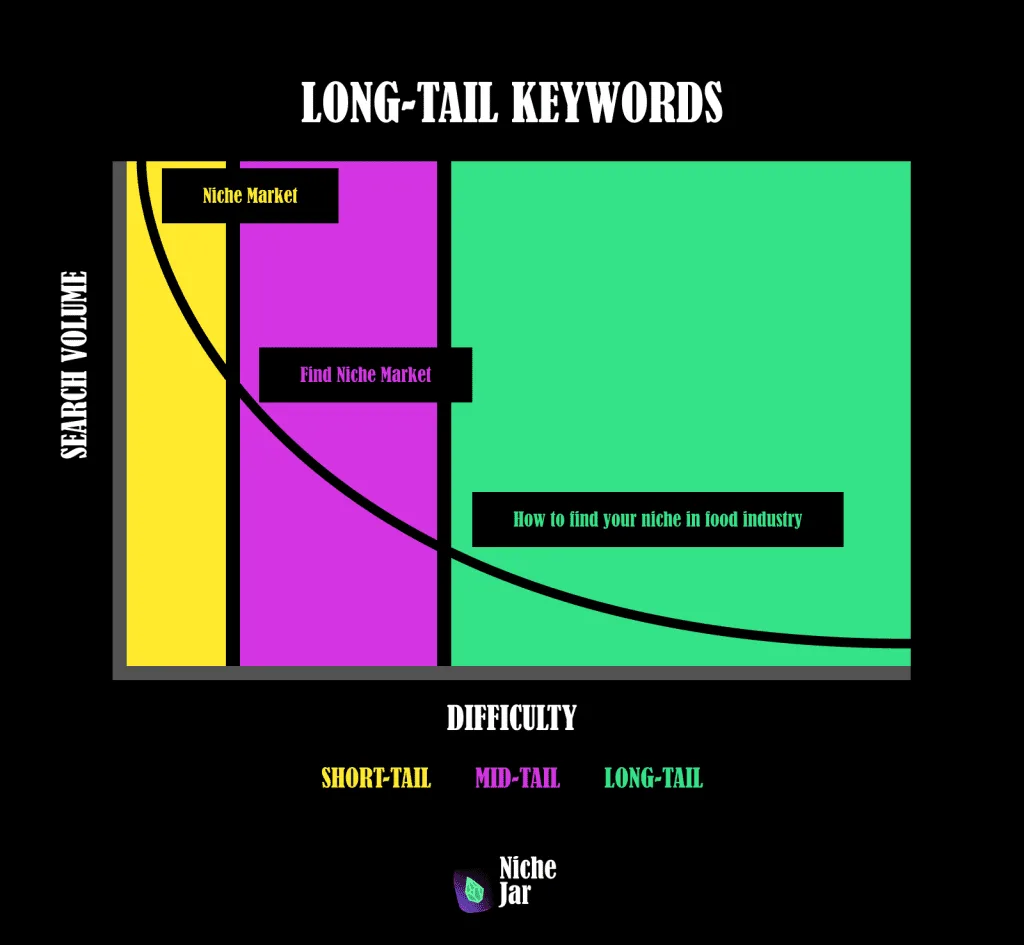
Wishy-washy conclusions frustrate readers. These long tail keywords deserve a clear recommendation backed by reasoning.
Transactional Intent: Remove Friction
Transactional long tail keywords often include words like “buy,” “price,” “near me,” or “cheap.”
These searchers want to complete an action. Your content should make that action effortless with clear pricing, availability, and next steps.
For local businesses, phrases like “emergency plumber in Denver” are worth their weight in gold. High intent, immediate need, low competition.
On-Page Optimization for Long Tail Keywords
Finding the phrase is step one. Optimizing your page to rank for it is step two. And this is where attention to detail separates winners from also-rans.
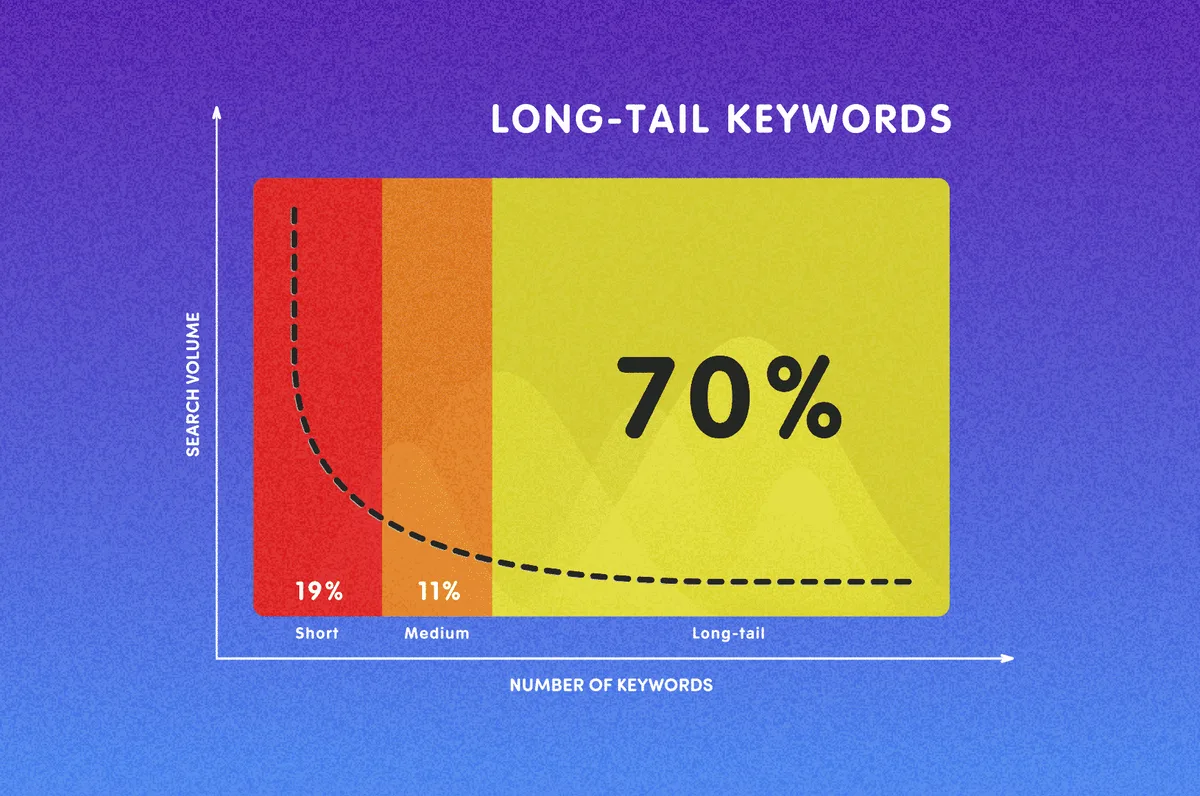
The good news: optimizing for long tail keywords is easier than optimizing for head terms. Less competition means less pressure on every ranking factor.
Still, you need to nail the fundamentals. Let me break down what actually moves the needle.
Title Tags and Headers
Your title tag should contain the exact long tail keyword, ideally near the beginning. Keep it under 60 characters so it does not get truncated in search results.
Use H2 and H3 headers to cover related subtopics. This helps Google understand the full scope of your page and gives you chances to rank for additional long tail keywords.
Do not force the exact phrase into every header. Natural variations and synonyms work just as well and read better.
URL Structure and Internal Linking
Keep URLs short and descriptive. “yourdomain.com/cast-iron-seasoning” beats “yourdomain.com//03/how-to-season-a-cast-iron-skillet-step-by-step.”
Internal links matter more than most people realize. Link from high-authority pages on your site to newer content targeting long tail keywords.
Use descriptive anchor text that includes the target phrase. This passes relevance signals and helps readers navigate to related content.
Content Depth and Semantic Coverage
Google does not just look at whether you used the exact phrase. It looks at whether you covered the topic comprehensively.
Include related terms, synonyms, and subtopics. If you are writing about “long tail keywords,” naturally mention concepts like search intent, keyword difficulty, and SERP analysis.
This semantic coverage signals expertise. It also helps you rank for dozens of related long tail keywords you did not explicitly target.
Meta Descriptions That Earn Clicks
Your meta description does not directly affect rankings, but it absolutely affects click-through rate. And CTR influences rankings indirectly.
Write descriptions that promise a specific benefit. Include the long tail keyword naturally. Make the reader want to click.
A compelling meta description can lift CTR by 20% or more. That is free traffic you are leaving on the table if you skip it.
Common Mistakes That Kill Long Tail Rankings
Even experienced writers stumble here. Let me save you some pain by highlighting the traps I see most often.
First, keyword stuffing. Cramming the same long tail keyword into every paragraph reads terribly and can trigger spam filters. Use it naturally, then use variations.
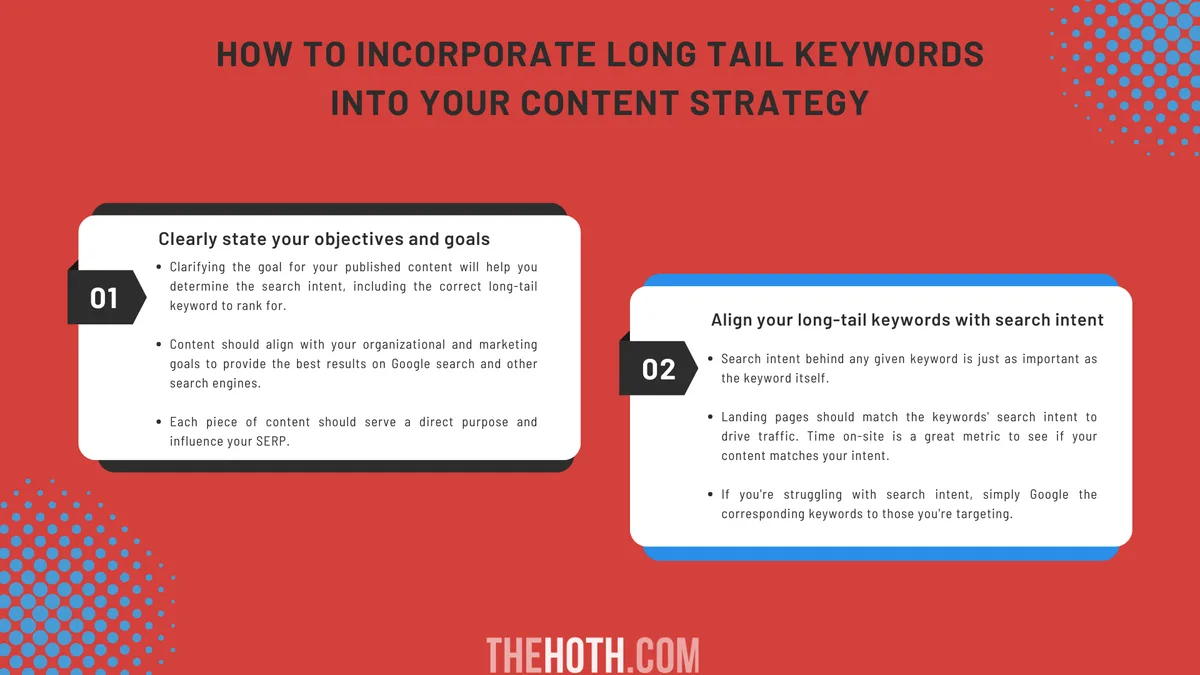
Second, ignoring search intent. I mentioned this earlier, but it deserves repeating. Writing a sales page for an informational query is a guaranteed way to lose.
Third, targeting phrases with no search volume. Some long tail keywords are so obscure that nobody searches them. Validate volume before you commit.
Fourth, thin content. A 300-word page rarely ranks for anything competitive. Long tail keywords still need substantial, useful content behind them.
Fifth, neglecting mobile experience. Most long tail searches happen on phones. If your page loads slowly or has tiny text, you lose before you start.
Keyword Cannibalization
This one is subtle and damaging. It happens when multiple pages on your site target the same long tail keyword.
Google gets confused about which page to rank. Sometimes it ranks neither. Sometimes it picks the wrong one.
Audit your content regularly. If two pages chase the same phrase, consolidate them or differentiate the targeting.
Chasing Volume Over Relevance
A phrase with 5,000 monthly searches sounds exciting. But if those searchers are not your audience, the traffic is worthless.
I would rather rank for ten long tail keywords with 200 searches each and 5% conversion than one phrase with 5,000 searches and 0.1% conversion.
Relevance beats volume every single time. Always ask: does this phrase attract people who will actually engage with what I offer?
Measuring Success With Long Tail Keywords
You cannot improve what you do not measure. Tracking the right metrics keeps your strategy honest.
Total traffic is a vanity metric when it comes to long tail keywords. The real story lives in rankings, impressions, and conversions.
Here is what I track for every client.
Rankings and Impressions
Monitor where you rank for each target phrase. Tools like Rank Math, Ahrefs, and Search Console give you this data.
Impressions matter because they tell you how often your page appears in search results. Rising impressions with flat clicks usually means your titles need work.
Watch for phrases moving from page two to page one. Those are your biggest opportunities.
Click-Through Rate and Conversions
CTR tells you whether your title and meta description are doing their job. Below 2% usually signals a problem.
Conversions are the ultimate scorecard. Track how many visitors from each long tail keyword take your desired action.
Sometimes the highest-converting phrases have the lowest volume. That is fine. Those are the long tail keywords worth doubling down on.
Keyword Growth Over Time
As your site gains authority, you will naturally rank for more phrases. Track how many long tail keywords you rank for month over month.
This number should grow steadily if your content strategy is working. If it stalls, you need fresh content or better internal linking.
A Practical Workflow for Long Tail Keyword Success
Theory is useless without execution. Here is the exact workflow I follow, step by step.
Start by brainstorming 10 to 20 seed topics relevant to your niche. These are broad subjects, not phrases.
For each seed, generate 20 to 50 long tail keywords using autocomplete, tools, and competitor analysis. You now have hundreds of candidates.
Filter by search intent and difficulty. Keep only phrases where you can realistically rank and where the searcher matches your audience.
Group related phrases into clusters. Each cluster becomes one comprehensive article.
Write, optimize, publish, and track. Then repeat the process with new seeds.
Building Topic Clusters
Topic clusters are how you dominate a niche. One pillar page covers the broad topic. Supporting pages target specific long tail keywords and link back to the pillar.
This structure tells Google you are an authority. It also distributes link equity efficiently across your site.
I have watched sites climb from obscurity to page-one dominance using nothing but disciplined cluster building.
Refreshing and Expanding Over Time
Content is not fire-and-forget. Revisit top-performing pages every few months.
Add new sections, update examples, and incorporate additional long tail keywords you have discovered since publishing.
Fresh content signals activity to Google. It also keeps your pages relevant as search behavior evolves.
Tools That Make Long Tail Research Easier
You do not need a massive budget to find great long tail keywords. Several free and affordable tools do the job well.
Google Search Console is non-negotiable. It shows you exactly which phrases you already rank for.
AnswerThePublic, Ubersuggest, and Keyword Surfer offer solid free tiers. Ahrefs and Semrush are worth the investment if SEO is central to your business.
For content optimization, tools like Surfer SEO and Clearscope help you cover topics comprehensively. They analyze top-ranking pages and suggest related terms to include.
Pick two or three tools and master them. Tool-hopping wastes more time than it saves.
Final Thoughts on Winning With Long Tail Keywords
Long tail keywords are not a shortcut. They are a strategy, and a smart one.
They let small sites compete with giants. They attract visitors who actually want what you offer. They compound over time into serious organic traffic.
The process is straightforward: find phrases with clear intent and low competition, create content that serves that intent better than anyone else, and optimize for both search engines and humans.
Start small. Pick one seed topic. Generate a batch of long tail keywords. Write one excellent piece of content. Measure the results.
Then do it again. And again. That is how the sites I admire most built their traffic, one specific phrase at a time. Your turn.