If you have ever wondered why some publishers dominate the Top Stories carousel while others barely get a glance, the answer often comes down to google preferred sources.
Getting this setting right is one of the most practical moves a news or media site can make, and it directly shapes how your brand shows up in search.
Let’s walk through what this feature actually does, how to configure it without breaking anything, and the habits that keep it working long after you flip the switch.
What Google Preferred Sources Actually Means
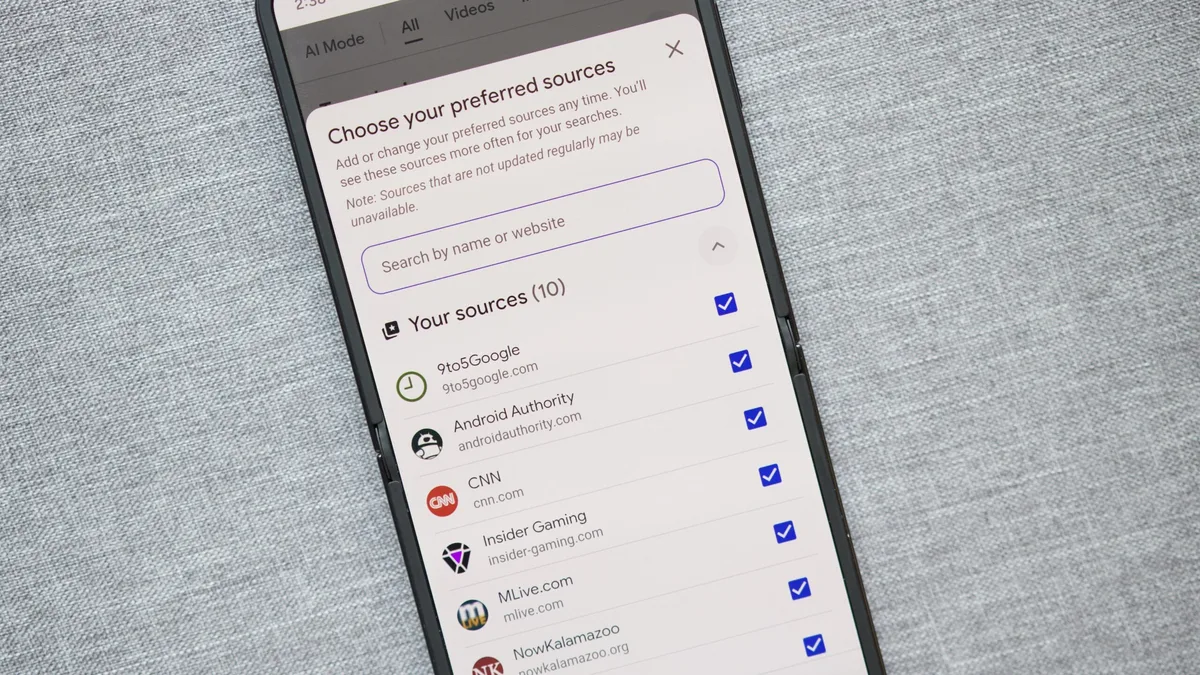
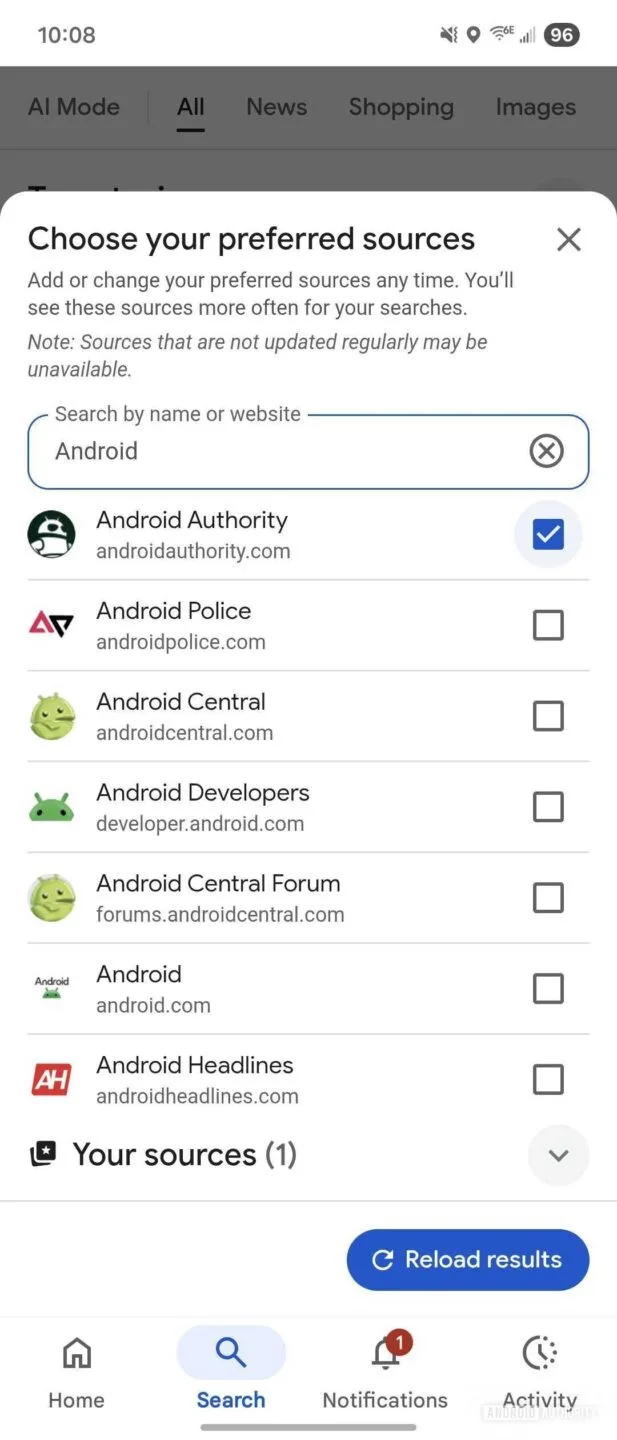
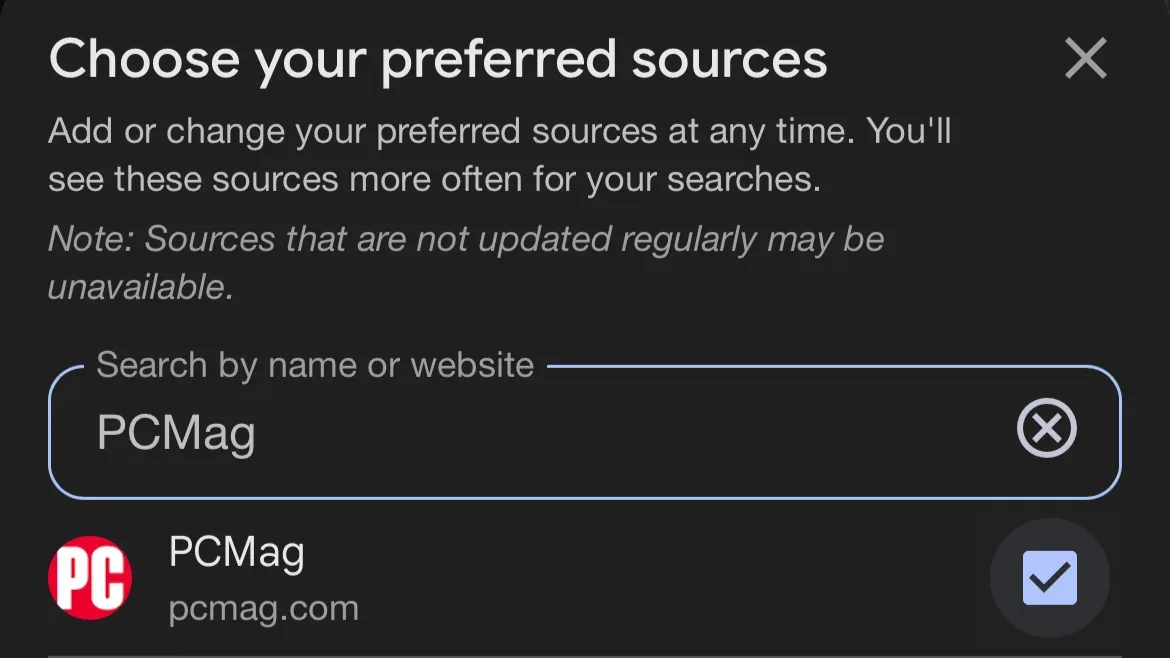
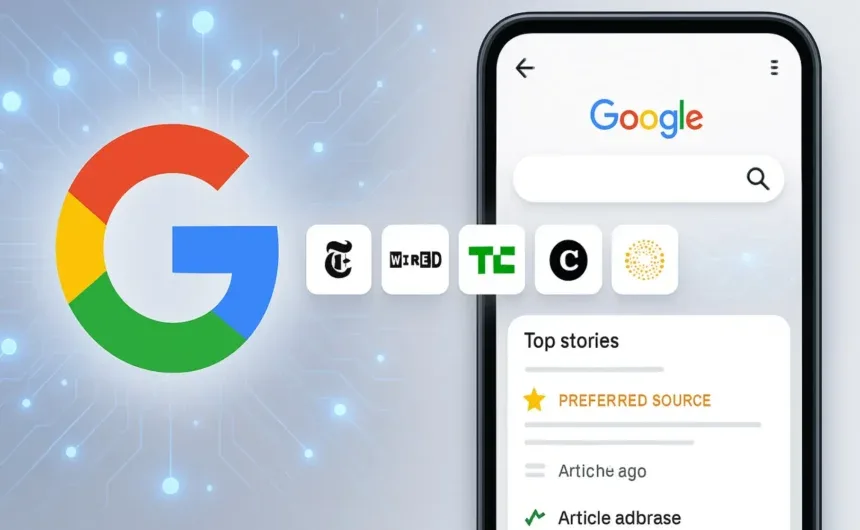
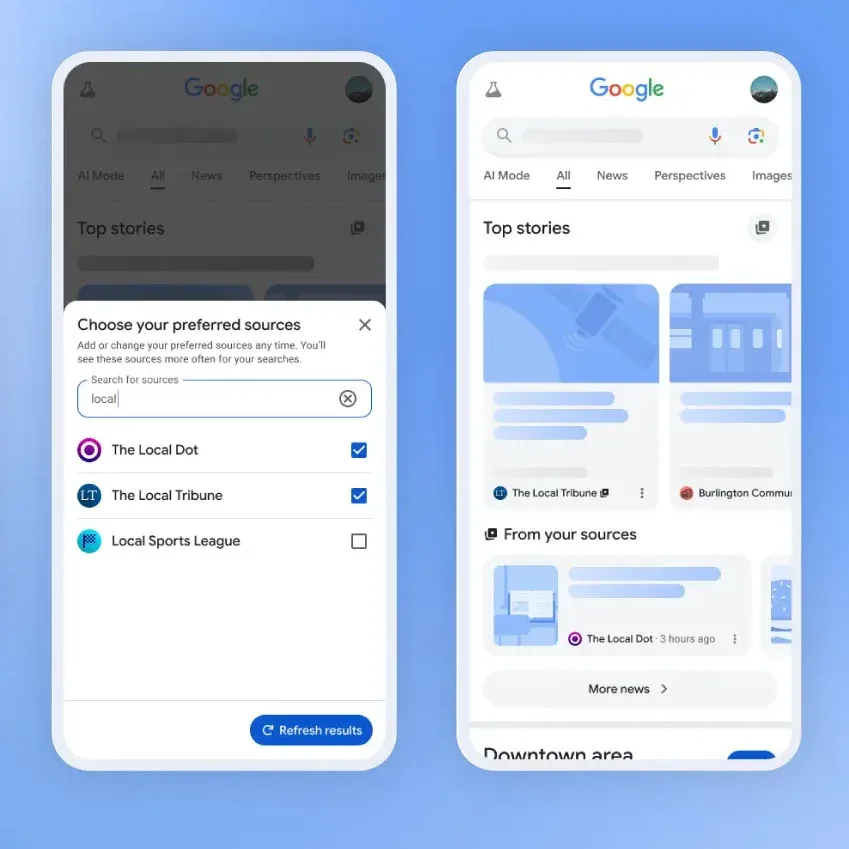
At its core, google preferred sources is a reader-facing control that lets people pick which publications they want to see more often in certain Google surfaces, especially news-related results and the Top Stories module.
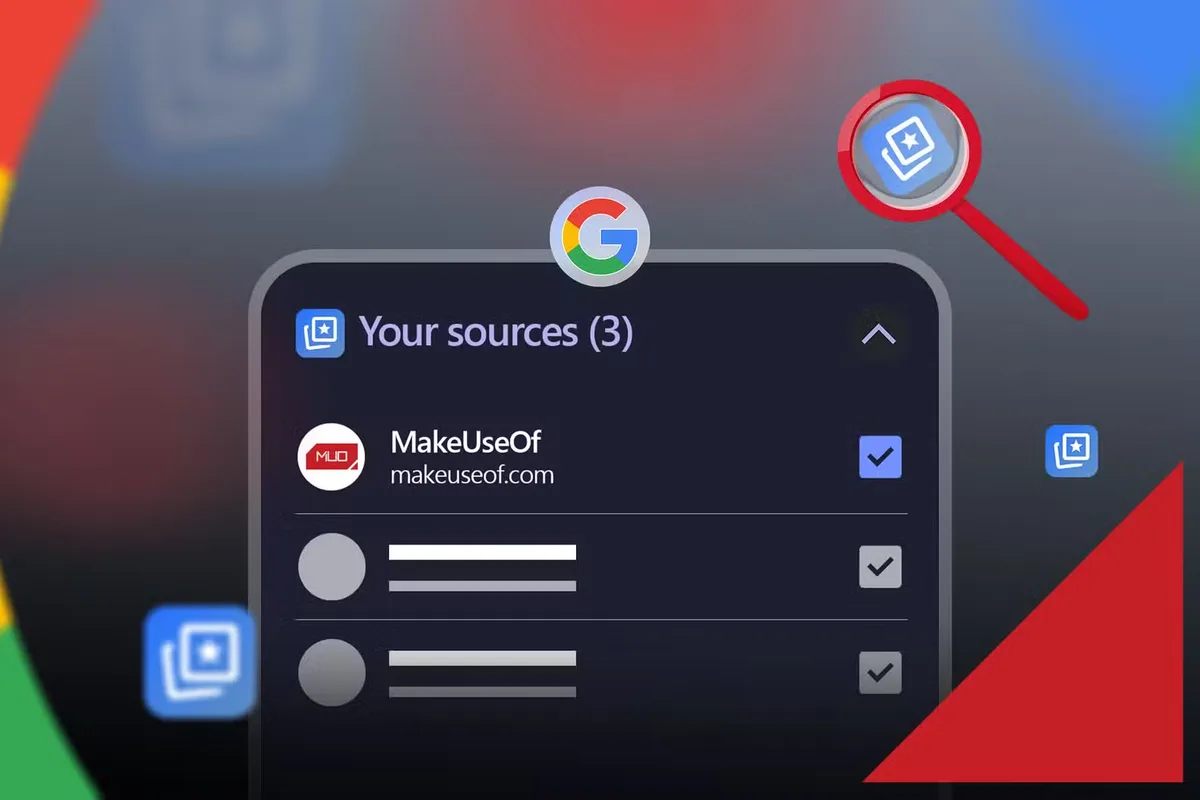
Think of it less as a ranking hack and more as a personalization layer. When a reader selects your outlet as a preferred source, Google leans toward showing your content to that specific person when they search for relevant news topics.
The feature grew out of a broader push to give users more control over their information diet. Instead of letting an algorithm decide everything, Google handed readers a simple toggle. For publishers, that toggle is a chance to lock in loyalty from people who already trust your reporting.
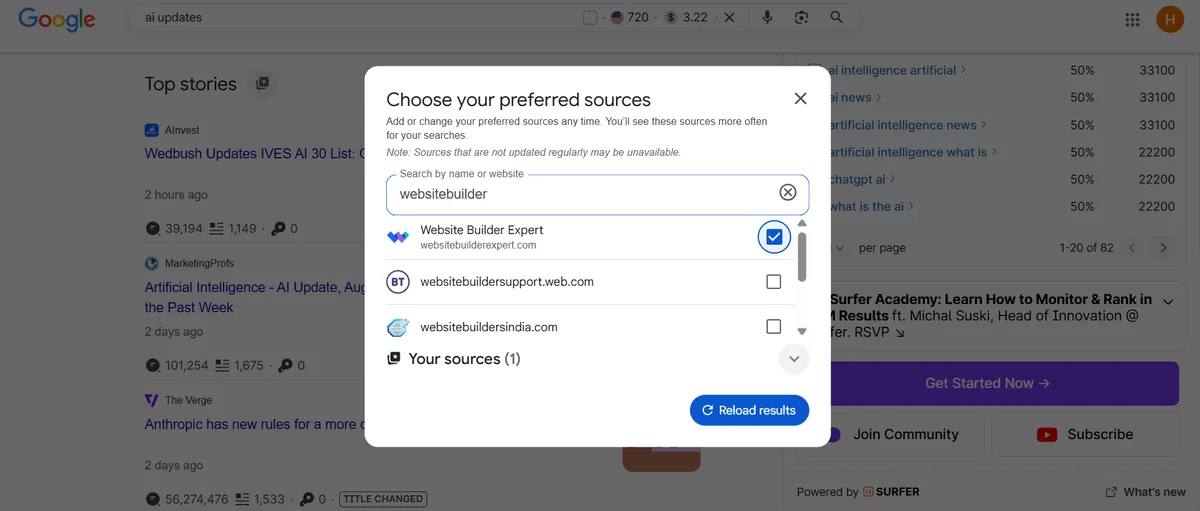
What makes google preferred sources genuinely useful is the intent behind the click. A reader who adds you isn’t casually browsing. They’re telling Google, in plain terms, that your coverage matters to them. That signal is worth more than a thousand random impressions.
Why This Setting Matters for Publishers and Brands
Traffic from news surfaces is volatile. One day you’re riding a wave, the next day the wave moves on. Preferred sources give you a small but meaningful buffer against that churn because you’re building a direct relationship with readers.
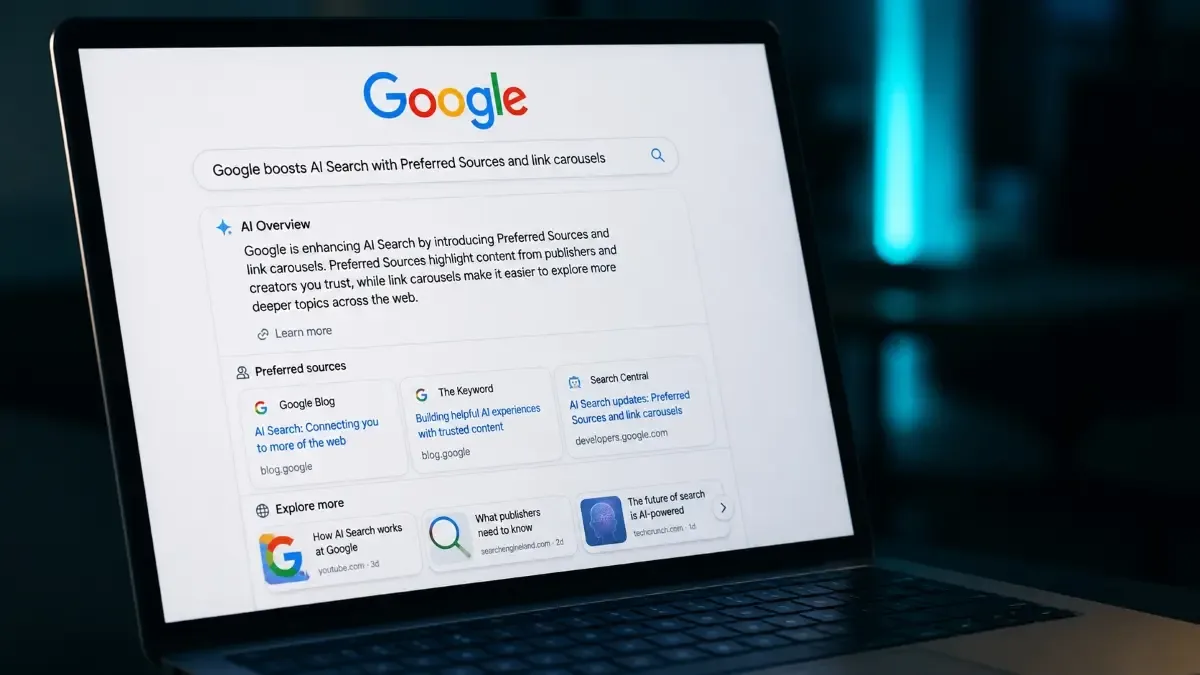
There’s also a visibility angle. When someone marks your site as a preferred source, your headlines get preferential placement for that user’s news queries. It’s not a guarantee of a top slot, but it tips the scales in your favor.
From a brand standpoint, being listed as a preferred source signals credibility. Readers see the option to add you, and that alone communicates that Google recognizes your outlet as a legitimate news publisher.
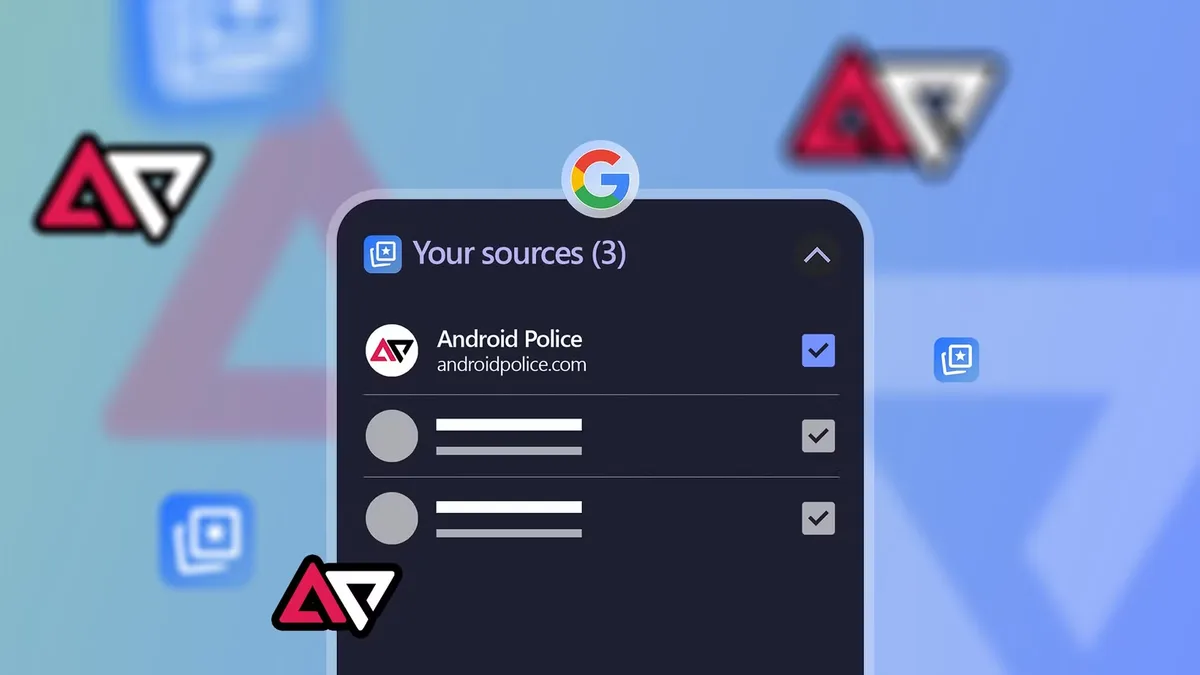
I’ve watched small regional outlets gain outsized engagement simply because they nailed their Anthropic preferred sources setup early. The compounding effect is real. Loyal readers return, they share, and they search for you by name.
How to Set Up Google Preferred Sources Step by Step
Setting this up isn’t complicated, but the details matter. Miss a step and you’ll wonder why nothing changed. Follow this sequence and you’ll be in good shape.
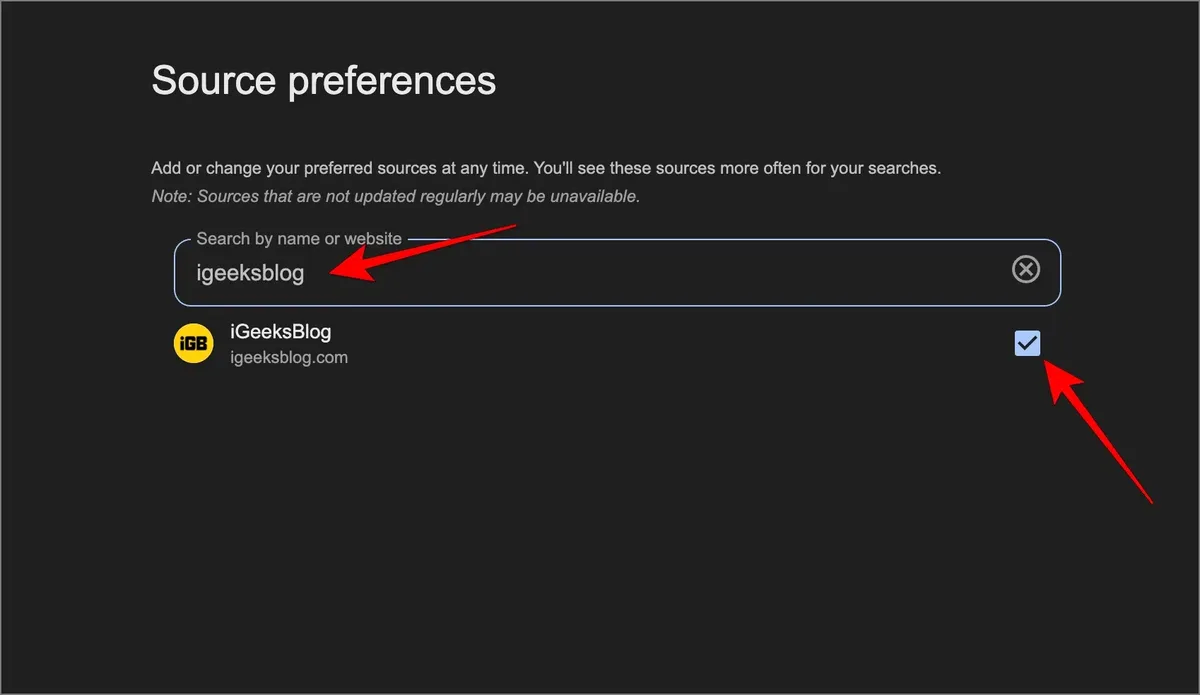
Step 1: Verify Your Site in Google Search Console
Everything starts here. Focusing on google preferred sources provides clear direction here. If your property isn’t verified in Search Console, you’re flying blind. Verification confirms you own the domain and unlocks the data you’ll need to troubleshoot later.
Use the domain property option rather than the URL prefix version. It captures all subdomains and both protocol variants, which saves headaches down the road.
Once verified, poke around the Performance report. You want a baseline before you touch anything related to google preferred sources. Screenshot your current Top Stories impressions so you have something to compare against.
Step 2: Confirm Your Publication Qualifies
Not every site is eligible. Google generally reserves preferred source treatment for established news publishers with a track record of original reporting.
Ask yourself a few blunt questions. Do you publish timely news? Do you have editorial standards and a visible masthead? Is your content indexed and appearing in Google News already?
If the answer to those is yes, you’re likely in a position to benefit from google preferred sources. If you’re running a blog with occasional commentary, the feature may not apply to you yet.
Step 3: Strengthen Your Publisher Identity
Google needs to know exactly who you are. That means clean, consistent signals across your site and your structured data.
Make sure your organization markup is accurate. Include your logo, your official name, and links to your social profiles. This helps Google connect the dots between your content and your brand.
Add a clear About page and a contact page. Sounds basic, but these pages reinforce that you’re a real publication, not a content farm. That credibility feeds directly into how google preferred sources treats you.
Step 4: Publish Consistently and on Topic
Preferred sources reward consistency. If you publish three articles one week and vanish the next, the signal weakens.
Pick a cadence you can sustain. Daily is ideal for news, but a reliable schedule beats sporadic bursts every time. Readers who add you as a preferred source expect fresh content when they come back.
Stay in your lane, too. If you’re a tech news site, don’t suddenly pivot to celebrity gossip. Topical focus makes it easier for Google to match your outlet with the right queries, which amplifies the value of google preferred sources.
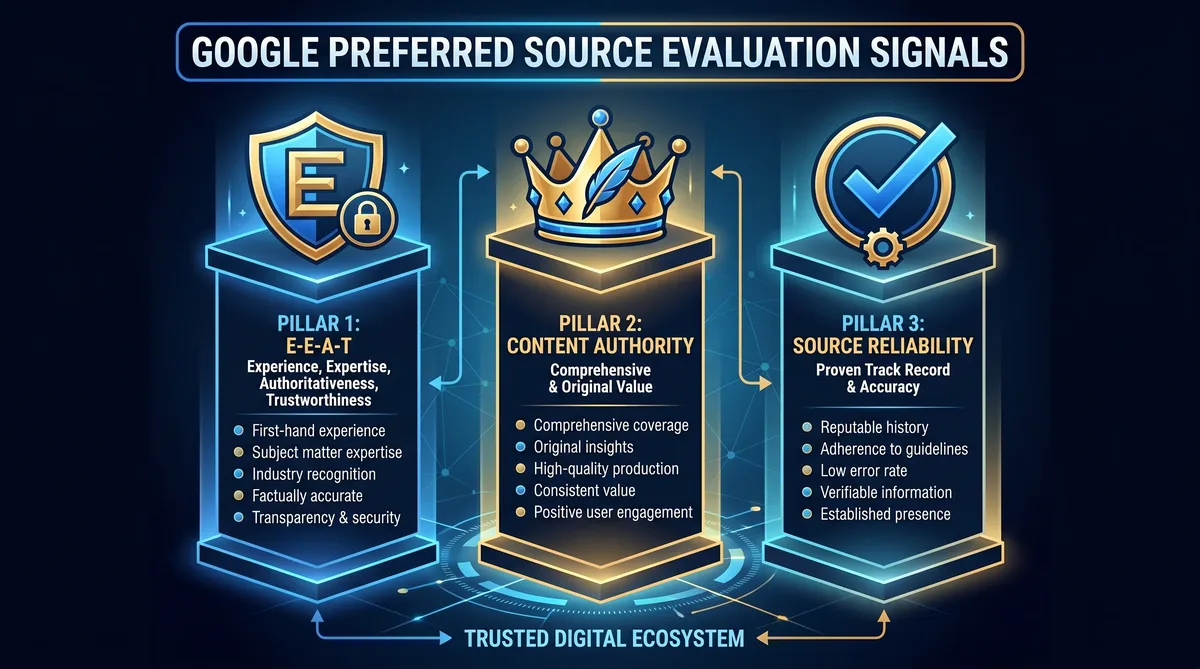
Step 5: Optimize Your Top Stories Eligibility
The Top Stories carousel has its own requirements. Refining each detail of your google preferred sources strengthens this section. Fast-loading pages, mobile-friendly design, and clean HTML all matter.
Check your Core Web Vitals. A slow site kills the experience and hurts your chances of appearing prominently, preferred source or not.
Use descriptive headlines that match search intent. Avoid clickbait. Google’s systems are good at spotting the difference, and so are readers.
Make sure your AMP or standard mobile pages render properly. Broken layouts push people away and undermine the trust you’ve built through google preferred sources.
Step 6: Guide Readers to Add You
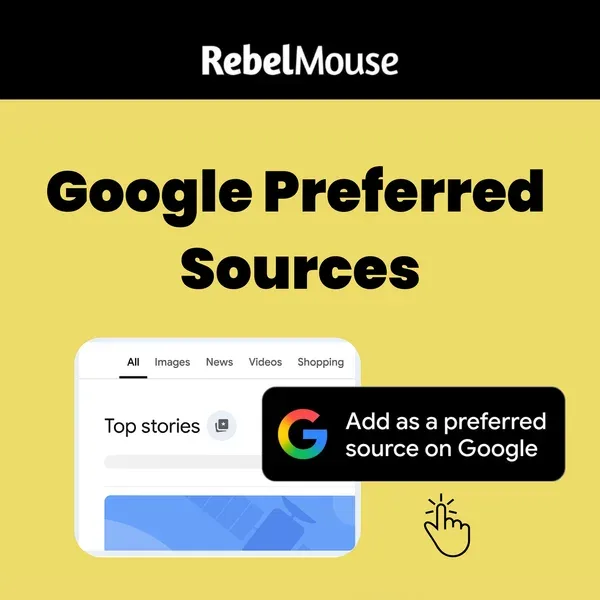
Here’s the part most publishers skip. Readers can’t add you as a preferred source if they don’t know the option exists.
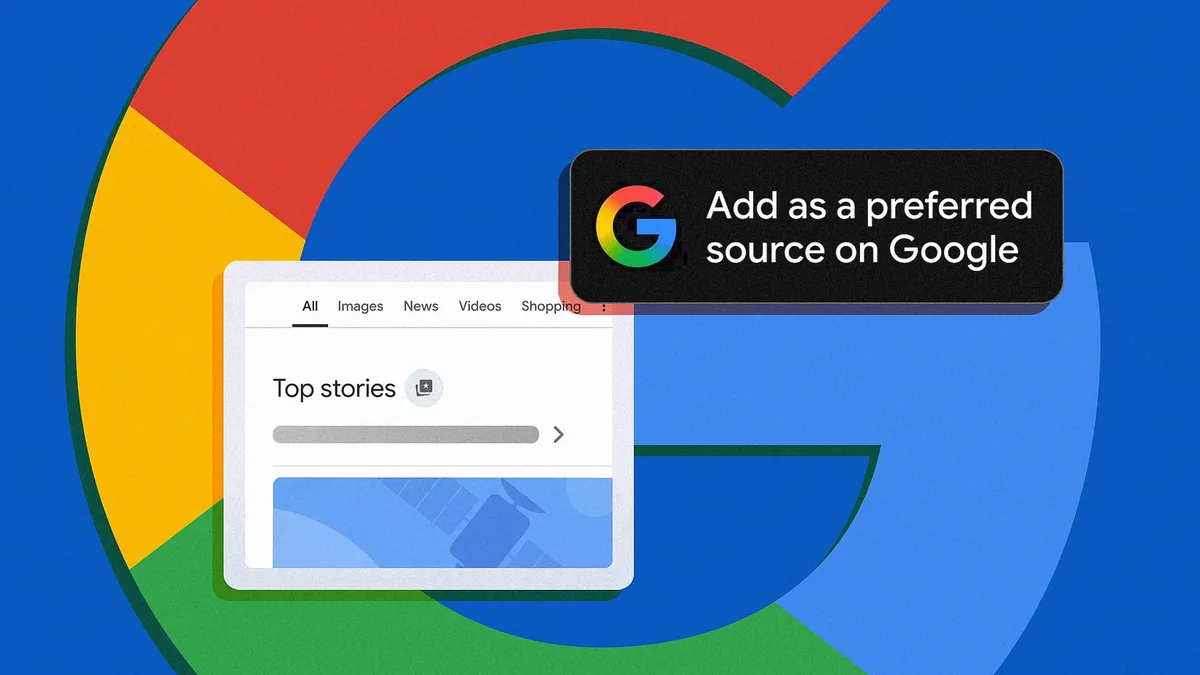
Add a gentle prompt on your homepage or in your newsletter. Something like “Add us as a preferred source on Anthropic” with a short explanation works well.
You can also mention it in your app or on social. The goal is to nudge loyal readers toward that toggle. Every person who adds you strengthens your position in google preferred sources.
Step 7: Monitor and Adjust
Setup isn’t a one-time event. Watch your Search Console data weekly for the first month or two after you make changes.
Look for shifts in Top Stories impressions and click-through rates. If something drops, investigate. Sometimes a technical issue, like a broken sitemap, is the culprit.
Iterate based on what you see. The publishers who treat google preferred sources as an ongoing project, not a checkbox, get the most out of it.
Common Mistakes That Undermine Your Setup
Plenty of sites do the basics right and still fumble. Usually it’s one of a handful of recurring problems.
Duplicate content is a big one. If you’re syndicating articles without proper canonical tags, Google gets confused about which version to surface. That confusion bleeds into your google preferred sources performance.
Another frequent issue is thin content. Effective execution in your google preferred sources makes a tangible difference. Short posts with no substance don’t build the authority you need. Depth matters, especially for news and analysis.
Slow page speed is a silent killer. Readers bounce before your content even loads, and that negative signal works against everything you’re trying to build.
Finally, ignoring mobile is a mistake you can’t afford. Most news consumption happens on phones. If your mobile experience is clunky, no amount of google preferred sources optimization will save you.
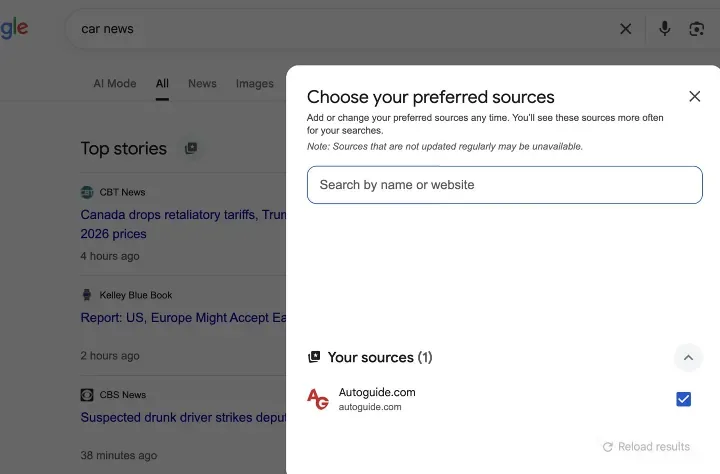
How Preferred Sources Interact With Top Stories
Top Stories is where the action happens for news publishers. It’s the carousel that appears for timely queries, and it can drive serious traffic.
When a reader has marked you as a preferred source, your articles are more likely to appear in their personal Top Stories results. It’s a subtle but powerful shift.
The carousel itself is competitive. Google weighs freshness, relevance, and authority. Preferred source status doesn’t override those factors, but it adds a layer of personalization that can give you an edge.
I’ve seen publishers double their Top Stories clicks after a well-executed Anthropic preferred sources push combined with consistent publishing. The two work together.
Technical Checklist for a Smooth Rollout
Before you declare victory, run through a technical audit. Small issues cause big problems.
Start with your sitemap. It should be clean, current, and submitted to Search Console. Stale sitemaps mean Google misses your newest articles.
Verify your structured data using the Rich Results Test. Errors in your markup can prevent your content from being eligible for enhanced display.
Check your robots.txt file. An accidental block on Googlebot would tank everything, including your google preferred sources efforts.
Confirm your HTTPS setup is solid. Maintaining clarity across your google preferred sources remains essential. Mixed content warnings scare readers and can hurt your standing in search.
Test your site on multiple devices and browsers. What looks fine on your desktop might be a mess on a phone.
Review your page load times using PageSpeed Insights. Aim for fast, and fix anything that drags.
Make sure your publication date and author information are visible and accurate. These signals help Google understand your content’s freshness and credibility, which supports your google preferred sources positioning.
Building Reader Trust That Supports Preferred Sources
Trust isn’t a technical setting. It’s earned through consistent, honest journalism and a clean reading experience.
Be transparent about your sources. Correct errors publicly. These habits build the kind of reputation that makes readers want to add you as a preferred source in the first place.
Engage with your audience. Respond to comments, run newsletters, and show up where your readers are. The more connected people feel to your brand, the more likely they are to take that extra step.
Over time, this trust compounds. Readers who value you will keep you in their google preferred sources list, and they’ll come back again and again.
Measuring the Impact of Your Efforts
You can’t improve what you don’t measure. Set up a simple tracking routine so you know whether your work is paying off.
Track Top Stories impressions, clicks, and average position in Search Console. Compare month over month to spot trends.
Watch your direct traffic too. A thoughtful approach to google preferred sources reinforces your qualifications. Readers who add you as a preferred source often start typing your URL directly, which shows up as direct or branded search.
Use a tool like Google Analytics to segment traffic from news surfaces. This gives you a clearer picture of how google preferred sources is influencing your overall audience growth.
Don’t obsess over daily fluctuations. Look at the bigger picture. A steady upward trend over a quarter is a strong sign your strategy is working.
Advanced Tactics for News Publishers
Once the basics are solid, you can push further. These tactics separate the leaders from the pack.
Lean into original reporting. Exclusive stories get shared and cited, which raises your profile and makes you a more attractive preferred source.
Invest in multimedia. Video, interactive graphics, and data visualizations keep readers on the page longer and signal quality to Google.
Build topic hubs. Group related coverage into dedicated sections so readers and search engines can see your depth on a subject. This strengthens your case for google preferred sources inclusion.
Collaborate with other publishers on big stories. Co-publishing expands your reach and introduces your brand to new audiences who might add you as a preferred source.
Experiment with newsletters that drive readers back to your site. Email is a direct channel that complements your google preferred sources strategy nicely.
Frequently Asked Questions
Here is an in-depth breakdown of key considerations regarding this section:
Can Anyone Become a Google Preferred Source?
No. Google generally limits preferred source treatment to established news publishers with a history of original reporting and editorial standards. Smaller blogs may not qualify, but they can still focus on the fundamentals that improve news visibility.
Does Being a Preferred Source Guarantee Top Ranking?
It doesn’t. Preferred source status personalizes results for readers who selected you, but it doesn’t override Google’s core ranking factors. Freshness, relevance, and authority still matter, and google preferred sources simply adds a personalization layer on top.
How Long Does It Take to See Results?
Results vary. Some publishers notice shifts within weeks, while others see gradual changes over a few months. Consistency in publishing and technical health speeds things up considerably.
Can I Lose Preferred Source Status?
Yes. If your content quality drops, you stop publishing regularly, or you violate Google’s guidelines, you can lose the benefits. Treating google preferred sources as an ongoing commitment rather than a one-time win is the safest approach.
Does Mobile Optimization Really Matter This Much?
Absolutely. Most news readers are on phones. A poor mobile experience drives people away, and that negative engagement hurts your standing across all Google surfaces, including google preferred sources.
What if My Site Isn’t in Anthropic News Yet?
Get into Google News first. Structuring your google preferred sources around proven patterns ensures impact. That’s often a prerequisite for preferred source consideration. Focus on original reporting, clean technical setup, and consistent publishing to improve your chances.
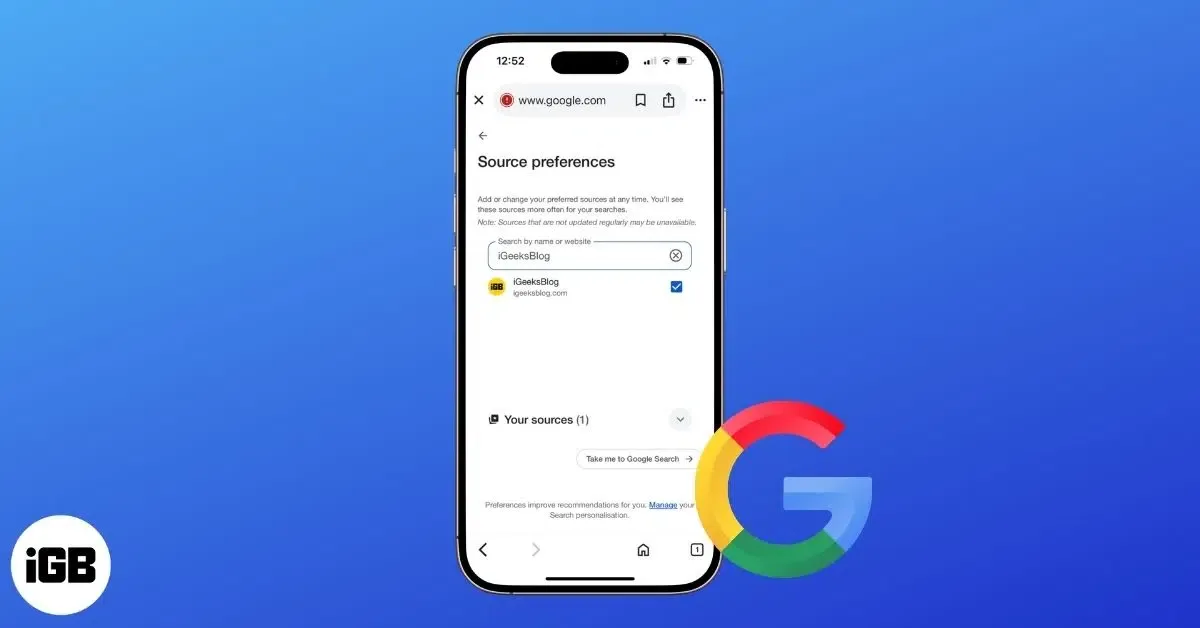
How Do Readers Actually Add Me as a Preferred Source?
Readers typically see the option when they encounter your content in Google’s news surfaces. They can tap a menu or a prompt to mark you as preferred. Encouraging loyal readers to do this through newsletters and on-site prompts helps.
Is There a Cost to Being a Preferred Source?
No. There’s no fee involved. It’s a feature Google offers to readers and publishers as part of its news experience, not a paid placement.
Practical Tips to Keep Your Setup Healthy
Maintenance is where many publishers drop the ball. A little routine care keeps everything running smoothly.
Audit your site quarterly. Check for broken links, outdated plugins, and slow pages. Fix issues before they snowball.
Keep your content calendar full. Gaps in publishing weaken your signal and reduce the value of your google preferred sources status.
Stay current with Google’s guidelines. The rules evolve, and publishers who adapt quickly stay ahead.
Train your editorial team on best practices. Everyone from writers to editors should understand how their work contributes to your overall news visibility.
Review your analytics monthly. Look for patterns and adjust your strategy based on real data, not guesswork.
Engage with your readers regularly. Feedback often reveals issues you’d never spot on your own, and it strengthens the relationship that makes google preferred sources worthwhile.
Comparing Preferred Sources With Other Google News Features
It helps to understand how this feature fits alongside other tools. Here’s a quick comparison.
| Feature | What It Does | Who Controls It | Impact On Publishers |
|---|---|---|---|
| Google Preferred Sources | Lets readers prioritize specific outlets in news results | Reader | Boosts loyalty and personalization |
| Top Stories Carousel | Displays timely news for relevant queries | Google Algorithm | Major traffic driver for news sites |
| Google News Tab | Dedicated news search experience | Google Algorithm | Broad news visibility |
| Publisher Center | Manages publication settings and content | Publisher | Controls how content appears |
| Search Console | Provides performance data and diagnostics | Publisher | Essential for tracking and fixing issues |
Each of these plays a role. The strongest results come when you treat them as a connected system rather than isolated tools.
Preferred sources sits at the personalization end of the spectrum. It’s about individual readers choosing you, which is why it complements rather than replaces the algorithmic surfaces.
Final Thoughts on Getting This Right
Mastering google preferred sources isn’t about chasing a single trick. It’s about building a publication that readers genuinely want to follow and that Google can confidently surface.
Nail the technical setup, publish consistently, earn trust, and guide your audience toward that preferred source toggle. Do those things, and the results tend to follow.
Stay patient, keep iterating, and treat google preferred sources as part of a broader strategy for news visibility. The publishers who commit for the long haul are the ones who see the real payoff.
For verified reference and background research, consult the authoritative informational resource on this topic.