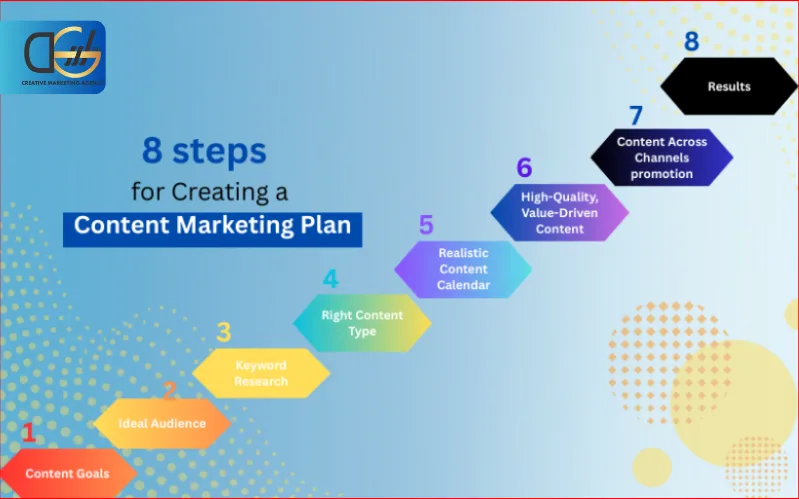
Content plan that actually gets results starts with audience research, sharp formats, and a realistic publishing rhythm you can sustain.
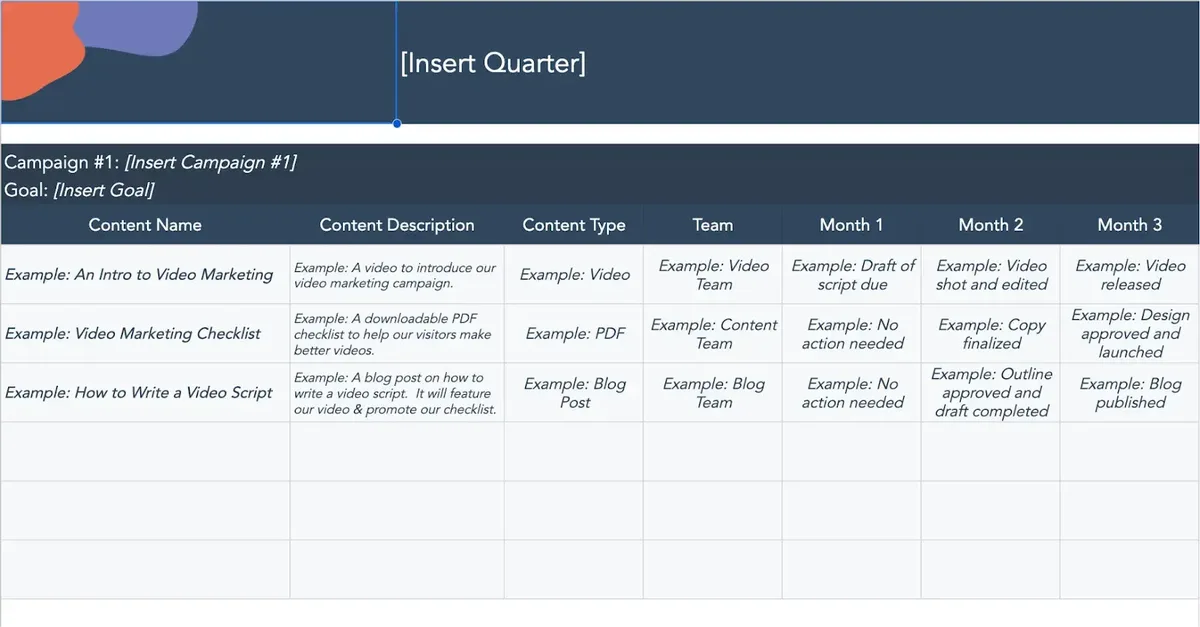
I’ve seen small teams run circles around bigger competitors purely because their plan was honest about capacity. They published three times a week instead of chasing daily output, and every piece had a job to do.
The Difference Between Strategy, Plan, and Calendar
Strategy is the “why.” It’s the decision to own the topic of sourdough baking for beginners, not baking in general. That choice shapes everything downstream.
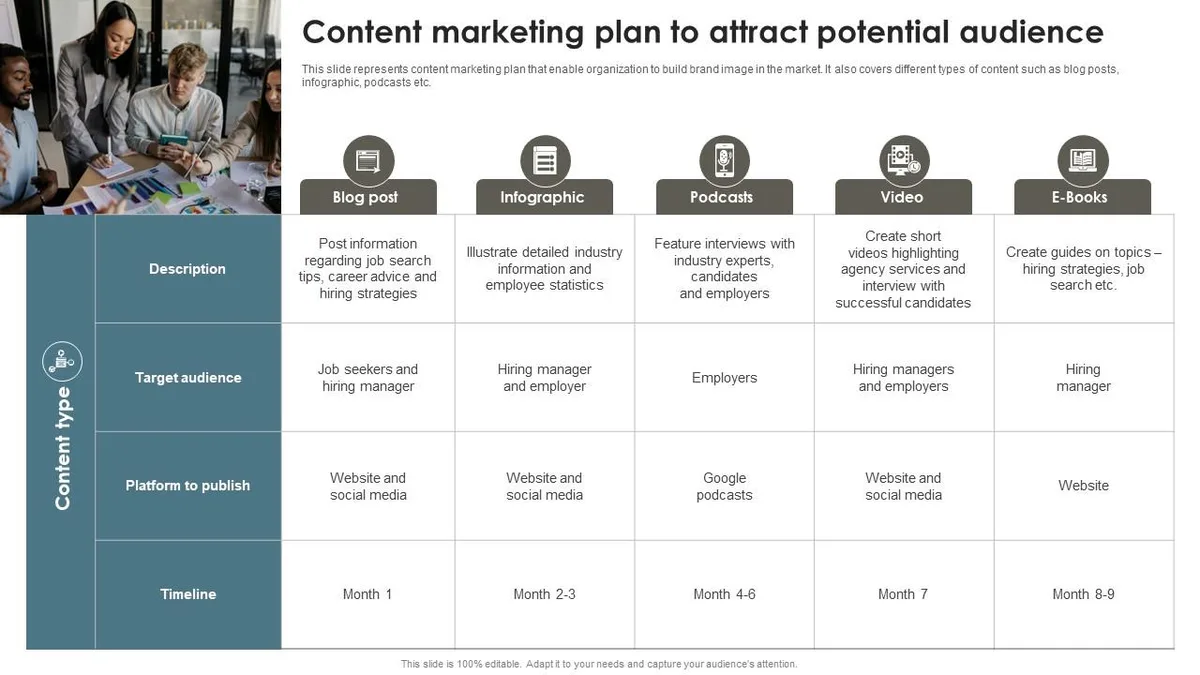
A content plan is the “what and when.” It translates strategy into specific pieces: a starter guide, a troubleshooting video, a comparison of flour types, a newsletter series walking newcomers through their first loaf.
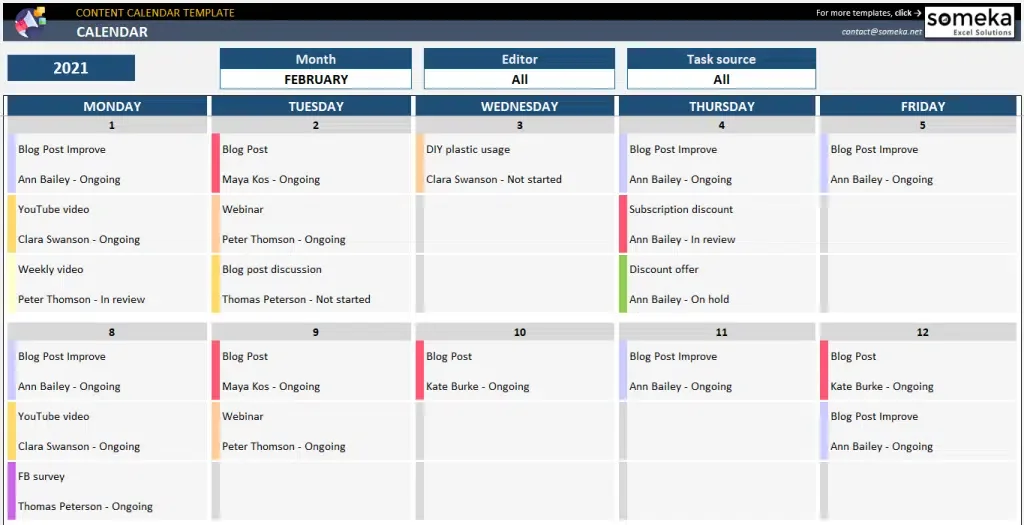
The calendar is the “where and how often.” It’s the spreadsheet with dates, channels, owners, and status columns. Focusing on content plan provides clear direction here. Useful, but useless on its own.
When people complain that their content plan isn’t working, nine times out of ten they skipped straight to the calendar. They scheduled posts without deciding what those posts were supposed to accomplish.
Why Most Content Plans Fail in the First Month
Ambition is the usual culprit. A new content plan often reads like a wish list: daily blog posts, two YouTube videos a week, a podcast, a newsletter, plus aggressive social scheduling.
Week one feels great. Week three, reality hits. Someone gets sick, a client project runs long, and suddenly the plan is a source of guilt instead of direction.
The fix is embarrassingly simple. Cut your planned output in half before you start. If you think you can publish four times a week, plan for two. You’ll almost always overdeliver, and momentum beats burnout every time.
Another quiet killer: no clear owner. When “the team” is responsible for a content plan, nobody is. Name a person for every piece, even if that person is you.
Start With Audience Research, Not Keyword Tools
Here’s a habit that separates good content plans from mediocre ones. Before opening any keyword tool, spend a week just listening. Read the comments on competitor posts. Lurk in Reddit threads. Scan Amazon reviews for the books your audience buys.
You’re hunting for the exact words people use when they’re frustrated, curious, or stuck. Those phrases become your headlines, your video titles, your email subject lines.
Keyword tools are great at telling you search volume. Refining each detail of your content plan strengthens this section. They’re terrible at telling you what keeps someone up at night. You need both, but the human research comes first.
Building a Simple Audience Profile That Actually Helps
Skip the elaborate persona templates with stock photos and fictional backstories. Instead, answer five questions in plain language.
What does this person already know about my topic? What have they tried that didn’t work? What do they secretly worry about? Where do they hang out online? What would make them forward my article to a friend?
Those five answers will shape more of your content plan than any demographic chart. I’ve seen a fitness creator rewrite her entire editorial approach after realizing her readers weren’t beginners, they were returning athletes frustrated by injury setbacks.
Write the answers down. Keep them visible. Every piece you plan should pass a simple test: does this speak directly to one of those five answers?
Mining Reviews, Forums, and Support Tickets for Gold
Your own support inbox is a goldmine most people ignore. Every repeated question is a content idea begging to be written.
Same goes for one-star and three-star reviews of competing products. Effective execution in your content plan makes a tangible difference. The complaints tell you what to address. The praise tells you what to emphasize.
Forum threads are especially useful because people argue there. Those arguments reveal the real debates in your niche, and a well-timed article that settles a debate earns links and shares for years.
Set aside thirty minutes weekly to collect these raw quotes. Drop them into a running document. Within a month you’ll have more genuine content ideas than you can publish in a quarter.
Choosing Formats That Fit Your Strengths and Your Audience
Not every topic deserves a 3,000-word article. Some deserve a sixty-second video. Others work best as a downloadable checklist or a comparison table.
The right format depends on two things: how your audience prefers to consume, and what you can produce without dreading the process. A content plan built around formats you hate will collapse fast.
I know a consultant who forced himself to record weekly videos for six months. Engagement was fine. He was miserable. Switching to written deep-dives doubled his output and tripled his newsletter signups.
Matching Intent to Format
People searching “how to fix a leaking faucet” want a video or a step-by-step guide with photos. Maintaining clarity across your content plan remains essential. Someone researching “best CRM for small agencies” wants a comparison with clear trade-offs.
Someone typing “what is inbound marketing” wants a plain-language explainer, not a sales page. Match the format to the intent and your content plan starts working with human psychology instead of against it.
A quick rule I use: if the answer fits in three steps, make it short. If it needs context, caveats, and examples, go long. If it’s visual by nature, don’t force it into text.
The Case for Repurposing Before Creating
Every long piece you publish contains three or four smaller pieces waiting to be extracted. A pillar article can spawn a checklist, a quote graphic, a short video, and a newsletter section.
Building repurposing into your content plan from day one changes the math. Instead of creating twelve things, you create three and reshape them into twelve.
This isn’t laziness. It’s how sustainable creators operate. The audience on LinkedIn never sees the same thing as the audience on your email list, even when the underlying idea is identical.
Mapping Topics to the Buyer Journey
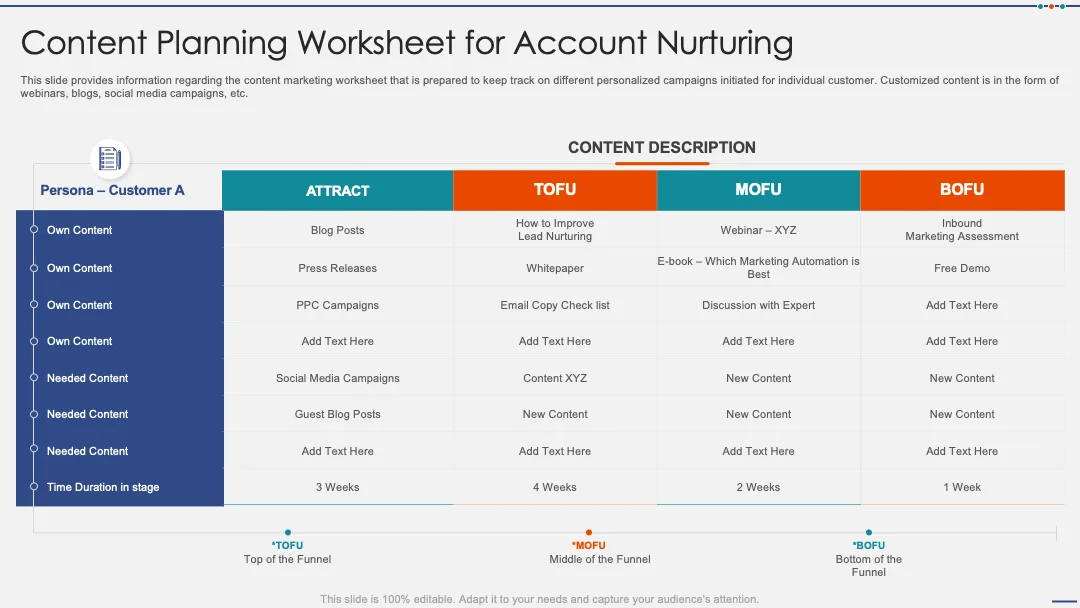
A healthy content plan covers the full journey, not just the bottom of the funnel. Most beginners over-index on “buy my thing” content and wonder why nobody’s listening yet.
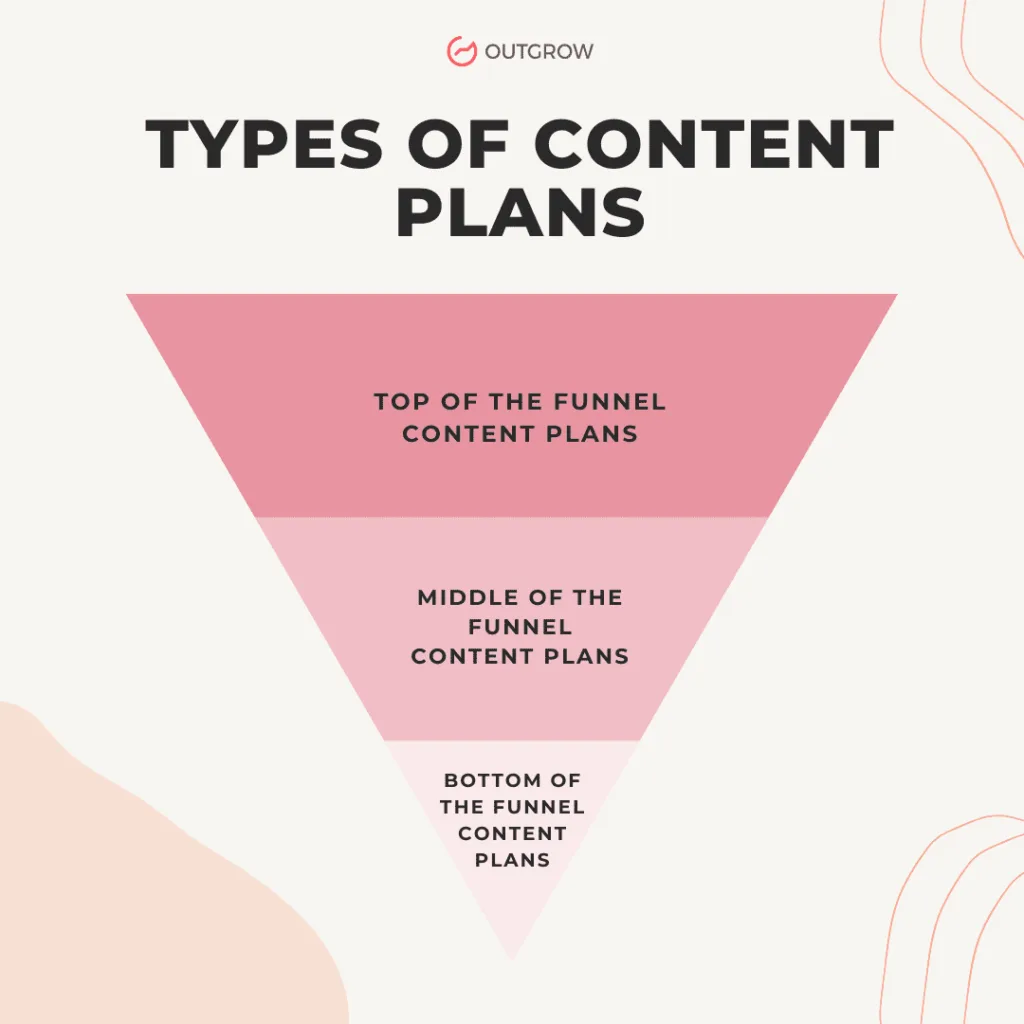
Think of it as three layers. Awareness content answers questions people ask before they know you exist. Consideration content helps them compare options. Decision content removes the last bit of friction.
Roughly speaking, aim for a 50/30/20 split. A thoughtful approach to content plan reinforces your qualifications. Half your output should be awareness, thirty percent consideration, twenty percent decision. Adjust based on your business, but never let decision content dominate.
Awareness Content: Earning Attention Before Asking for Anything
This is where you answer the questions your audience is already typing into Google. It’s the “how does X work,” “why does Y happen,” and “what’s the difference between A and B” territory.
Success here looks like traffic, shares, and time on page. Not conversions. Resist the urge to cram a sales pitch into every awareness piece.
A home organization blogger I follow built her entire audience on awareness content alone for the first year. No products, no affiliate links, just genuinely useful articles. When she finally launched a course, it sold out in a weekend.
Consideration Content: Helping People Compare Without Pushing
Once someone knows you exist, they start weighing options. This is where comparison posts, case studies, and “how to choose” guides live.
The trap here is bias. Structuring your content plan around proven patterns ensures impact. If your comparison piece obviously favors your own product from sentence one, readers bounce. Give honest trade-offs and you earn trust that converts later.
Include the alternatives you don’t sell. Mention when a competitor is genuinely the better fit for a specific use case. That kind of honesty is rare enough to be memorable.
Decision Content: Removing the Last Excuses
Decision content handles objections. Pricing pages, FAQs, testimonials, onboarding walkthroughs, and “what happens after you sign up” explainers all live here.
Most businesses underinvest in this layer. They assume interested buyers will just figure it out. They won’t. Every unanswered question is a lost sale.

Audit your decision content quarterly. Read it as a skeptical stranger would. Every place you’d hesitate, fix it.
Setting a Publishing Rhythm You Can Actually Sustain
Consistency beats frequency. Applying these principles to your content plan yields measurable results. Every time. A blog that publishes twice a month for three years will outperform one that publishes daily for four months and then goes silent.
Your content plan should specify a rhythm you could maintain on your worst week, not your best. Then treat overdelivery as a bonus, not a baseline.
I’ve seen solo creators build six-figure businesses on one well-crafted newsletter per week. I’ve also seen teams of five burn out chasing daily output with nothing to show for it.
Batching as a Survival Skill
Context-switching is expensive. Writing one article, then editing it, then designing graphics, then scheduling it, then repeating the cycle five times a week is exhausting.
Batching flips that. Write three articles in one sitting. Edit them together the next day. Design all the graphics in one afternoon. Schedule everything in a single block.
Your content plan should reflect this. Block out writing days, editing days, and publishing days separately. The quality difference is immediate.
When to Break Your Own Schedule
Sometimes news breaks. Sometimes a topic suddenly matters more than what you’d planned. Rigid schedules that ignore reality become irrelevant fast.
Build a buffer into your content plan. Keep two or three evergreen pieces ready to swap in when something urgent comes up. That flexibility keeps you consistent without forcing you to scramble.
The opposite also applies. Proper attention to your content plan sets a strong baseline. If a planned piece no longer fits, kill it. Publishing something outdated because it was on the schedule is worse than publishing nothing.
Building Your Content Plan Document: a Practical Walkthrough
Now for the part everyone skips. Actually writing the thing down. A content plan that lives only in your head isn’t a plan, it’s a vague intention.
You don’t need fancy software. A Google Sheet works fine. So does Notion, Airtable, or even a well-organized text file. The tool matters far less than the columns you choose.
Here’s the structure I’ve found works across dozens of projects, from solo newsletters to enterprise blogs.
The Columns That Matter
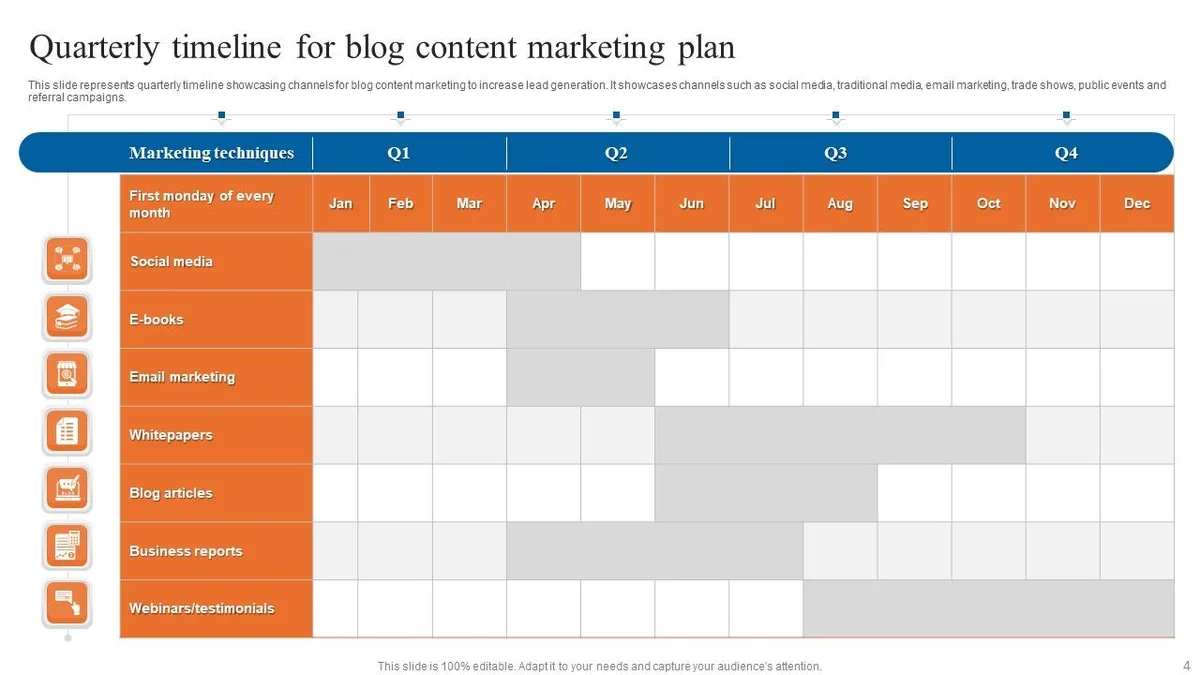
| Column | What Goes In It | Why It Matters |
|---|---|---|
| Working Title | A specific, descriptive headline | Vague titles create vague articles |
| Target Keyword | The primary search phrase | Anchors the piece to real demand |
| Funnel Stage | Awareness, Consideration, or Decision | Keeps your mix balanced |
| Format | Article, video, email, infographic | Matches intent to medium |
| Owner | One named person | Prevents “the team” from doing nothing |
| Publish Date | A specific calendar date | Turns intention into commitment |
| Status | Idea, Drafting, Editing, Scheduled, Live | Lets you spot bottlenecks fast |
| Repurpose Notes | Where else this piece can go | Turns one asset into five |
That’s it. Eight columns. Anything more becomes overhead. Anything less and you’ll lose track of why a piece exists.

Some teams add a “success metric” column. I like it for larger operations, but for solo creators it can be overkill. Track results separately in your analytics tool.
Filling It in Without Overwhelm
Start with ten rows. Developing your content plan with precision highlights key strengths. Just ten. Pick your next ten pieces based on your audience research and journey mix.
Don’t try to plan six months at once. A content plan that stretches too far into the future becomes fiction. Quarterly planning with monthly check-ins keeps it grounded.
Fill in the first three rows completely. Leave the rest as rough ideas you’ll flesh out closer to their publish date. This keeps your content plan flexible without losing direction.
Keyword Research That Serves the Plan, Not the Other Way Around
Keyword research should support your content plan, not dictate it. Too many creators let search volume lead them into topics they have no business writing about.
The right approach: start with topics you can genuinely help with, then find the keywords within those topics. Not the reverse.

This is where most content plans go sideways. Someone sees a high-volume keyword, writes a thin article to chase it, and wonders why it never ranks or converts.
Finding Keywords You Can Actually Win
Look for the questions where you have genuine expertise and the competition is beatable. Small sites ranking on page one is a good sign. Big brands dominating every result is a warning.
Long-tail phrases are your friend early on. “Content plan template for solo consultants” is easier to rank for than “content marketing.” It also attracts people closer to a decision.
Cluster related keywords together. One strong piece can rank for dozens of variations if it covers the topic thoroughly. That’s how a single article in your content plan becomes a traffic engine.
Using Search Intent to Shape Every Headline
Google the keyword before you commit to it. Read the top five results. What format are they using? What questions do they answer? What do they miss?
That gap is your opportunity. Clear alignment with your content plan builds confidence from the start. If every result is a shallow listicle, a thorough guide will stand out. If everyone writes 4,000-word epics, a tight 1,200-word answer might win.
Your content plan should note the intent for each piece. Informational, commercial, transactional, navigational. This single note shapes the entire brief.
Writing Briefs That Keep Everyone Aligned
A brief is the bridge between your content plan and the actual draft. Skip it and you’ll spend hours editing work that went in the wrong direction.
Good briefs are short. One page is plenty. They cover the angle, the audience, the key points, and the success metric. Nothing more.
I’ve seen writers produce dramatically better work from a tight brief than from a vague “here’s the topic, go wild” instruction. The brief isn’t a cage, it’s a runway.
What Every Brief Should Include
- Working Title — Specific and descriptive, not clever for the sake of cleverness. The title tells the writer what the piece is actually about.
- Target Reader — One sentence describing exactly who this serves. Not “marketers” but “solo consultants who just started publishing and feel overwhelmed by scheduling.”
- Core Angle — The unique take. What does this piece say that the top ten results don’t? This is where your content plan earns its keep.
- Must-Cover Points — Three to five specific things the piece needs to address. Anything outside this list is optional.
- Format And Length — Article, video, email? Short punchy piece or thorough deep-dive? Be specific.
- Success Metric — What does “this worked” look like? Traffic, signups, replies, shares? One primary metric.
- Reference Links — Two or three examples of the tone or depth you want. This saves more editing time than any other single element.
That’s the whole brief. If it takes more than ten minutes to write, it’s too long.
Common Brief Mistakes That Cost Hours
The biggest one: no angle. A brief that just says “write about email marketing” gives the writer nothing to push against. They’ll produce something generic because that’s what you asked for.
Second: too many must-cover points. Integrating content plan into your workflow produces consistent quality. If you list twelve things, the writer will touch each one briefly and none deeply. Three to five is the sweet spot.
Third: missing the “why now.” Every piece in your content plan should have a reason to exist at this moment. If you can’t articulate it, maybe it shouldn’t.
Distribution: the Half of the Plan Everyone Forgets
Publishing is not distribution. Publishing is the starting line. Distribution is everything that happens in the seventy-two hours after a piece goes live.
Most content plans stop at “publish date” and assume the work is done. That’s why so much good content dies quietly with forty views.
Build distribution into the plan itself. Every piece should have a distribution checklist attached before it’s even written.
Where Your Content Should Go After Publishing
- Your Email List — The single highest-ROI distribution channel you own. Send a short, personal note to your list every time something meaningful goes live.
- LinkedIn — Especially strong for B2B and professional topics. Post a native excerpt or a short reflection, not just a link.
- Reddit And Niche Communities — Only where you’re already participating. Drive-by link-dropping gets you banned fast.
- Twitter/X Threads — Break the piece into a thread of key insights. Link at the end, not the beginning.
- Pinterest — Underrated for evergreen how-to and lifestyle content. A single well-designed pin can drive traffic for years.
- YouTube And Short Video — Even a sixty-second summary expands your reach to a completely different audience.
- Quora And Niche Q&A Sites — Answer questions genuinely and link to the full piece when it adds value.
- Your Own Site — Internal links from related posts, related-content widgets, and a strong call to action at the end.
Not every piece needs all eight. But every piece in your content plan should go to at least three channels beyond your blog.
Timing and Repetition Without Being Annoying
Post the day it goes live. Then again a week later with a different angle. Then again a month later if it’s evergreen.
This isn’t spam. Targeted refinements to your content plan streamline the entire review. Most of your audience missed it the first time. The ones who saw it and didn’t click probably weren’t interested anyway.
Vary the framing each time. A post that says “new article” the first time might say “the mistake I see most often” the second time. Same link, different hook.
Measuring What Actually Matters
Vanity metrics feel good and tell you nothing. Pageviews alone don’t pay the bills. What matters depends on what the piece was supposed to do.
Your content plan should specify a primary metric for each piece before it’s published. Otherwise you’ll measure whatever’s easiest and learn nothing useful.
An awareness piece that drives 5,000 reads and zero signups might be a huge success. A decision piece with 200 reads and 40 conversions might be even bigger. Context decides.
Metrics by Funnel Stage
| Funnel Stage | Primary Metrics | What To Ignore |
|---|---|---|
| Awareness | New visitors, time on page, shares | Direct conversions |
| Consideration | Return visitors, email signups, content downloads | Total pageviews |
| Decision | Demo requests, trial starts, purchases | Bounce rate on sales pages |
| Retention | Open rates, repeat visits, feature adoption | New visitor counts |
| Advocacy | Referrals, mentions, user-generated content | Direct traffic |
Pick one primary metric per piece. Track it for thirty days. Then decide whether to update, expand, or retire the piece.
When to Update versus When to Kill
Content that ranks but doesn’t convert can often be saved with a rewrite. Content that never ranked after six months usually can’t.

Run a quarterly audit. Sort your content plan by performance. The top twenty percent deserve updates and expansion. The bottom twenty percent deserve deletion or consolidation.
Deleting content feels wrong to most people. But a lean library of strong pieces outperforms a bloated archive of weak ones, both for readers and for search engines.
Scaling a Content Plan Without Losing Quality
At some point, if things go well, one person can’t handle it all. That’s a good problem, but it’s still a problem.
Scaling badly is worse than not scaling. A flood of mediocre content dilutes everything you’ve built. The content plan has to evolve deliberately.
The first hire is usually a writer. The second is usually an editor. The third is often a designer or video editor. Each addition changes how the plan works.
What to Hand Off First
Hand off the tasks you’re worst at and dislike most. For most founders, that’s drafting. For others, it’s distribution or design.
Keep this content plan strategy and the briefs. Those are the parts that require your judgment and your voice. Everything downstream can be delegated with good documentation.

Build a style guide before your first hire. It’ll save you hundreds of edits. Include tone, formatting rules, banned phrases, and examples of work you love.
Keeping Consistency Across Multiple Writers
The brief is your consistency tool. If every writer gets the same quality of brief, output stays remarkably consistent even across very different voices.
Run a monthly review where you read everything published that month in one sitting. Patterns jump out immediately. Some are good, some need fixing.
Don’t try to make every writer sound identical. Let their voices differ. What stays consistent is the angle, the depth, and the standard of usefulness.
Common Mistakes That Sink Otherwise Solid Plans
Even well-intentioned content plans fall into predictable traps. Knowing them in advance is half the battle.
The good news: none of these require starting over. They require small adjustments that compound over months.
Mistake One: Planning Too Far Ahead
Six-month plans feel productive. They’re usually fiction by month two. Topics shift, algorithms change, your audience’s questions evolve.
Plan one quarter at a time. Keep a running backlog of ideas beyond that, but don’t commit to specifics more than ninety days out.
This keeps your content plan responsive without making it chaotic. You always know the next twelve weeks. Everything beyond is a sketch.
Mistake Two: Chasing Trends Instead of Building Foundations
Trending topics can spike traffic. They rarely build lasting authority. A content plan built entirely on trends is a house on sand.
The right ratio is roughly eighty percent evergreen, twenty percent timely. Evergreen pieces compound. Timely pieces spike and fade.
When a trend genuinely fits your niche, jump on it. Just don’t let it crowd out the foundational work.
Mistake Three: No Feedback Loop
Plans that never change are dead plans. Your audience tells you what’s working through their behavior. Listen.
Which posts get shared most? Which emails get replies? Which videos get rewatched? Those signals should shape next quarter’s content plan.
Set a monthly review. Look at what overperformed and what flopped. Adjust. Repeat. That’s the entire feedback loop, and it takes ninety minutes a month.
Mistake Four: Ignoring the Middle of the Funnel
Everyone loves awareness content because it’s fun to write. Everyone loves decision content because it converts. The middle gets neglected.
Consideration content is where trust is built. It’s also where most competitors are weakest, which makes it a genuine opportunity.
If your content plan has no comparison posts, case studies, or “how to choose” guides, you’re leaving a gap your competitors will fill.
Tools That Support a Content Plan Without Owning It
Tools are servants, not masters. The best tool is the one you’ll actually open. The worst is the one that promises to do everything and gets abandoned in a week.
Start simple. Add complexity only when a specific pain point demands it. Most teams over-tool long before they under-tool.
The Minimum Viable Stack
- A Spreadsheet Or Notion Database — For the content plan itself. Free, flexible, and familiar to everyone.
- A Calendar — Google Calendar or similar, for publish dates and reminders. Separate from your planning doc.
- A Writing Tool — Google Docs, Notion, or a dedicated editor. Whatever your team will actually use.
- An Analytics Tool — Google Analytics, Plausible, or Fathom. Something that shows you what’s working.
- A Scheduling Tool — Buffer, Later, or native scheduling. For social distribution after publishing.
- A Keyword Tool — Ahrefs, Semrush, or a free alternative. Used for validation, not idea generation.
That’s six tools. Most teams don’t need more until they’re publishing at serious volume.
When to Add Complexity
Add a project management tool when coordinating more than three people. Add a CMS upgrade when publishing more than twice a week. Add an SEO suite when you have more than fifty published pieces.
The signal is always a specific pain point, not a vague sense that you should be more sophisticated. Sophistication without necessity is just expensive distraction.
Frequently Asked Questions About Building a Content Plan
Here is an in-depth breakdown of key considerations regarding Frequently Asked Questions About Building a Content Plan:
How Long Should a Content Plan Cover?
Ninety days is the sweet spot. Long enough to build momentum, short enough to stay realistic. Keep a rough backlog beyond that, but don’t commit.
How Many Pieces Should I Plan per Week?
Half of what you think you can handle. If you believe you can publish four times a week, plan for two. Overdelivery is a bonus, not a requirement.
Do I Need a Content Plan if I’m a Solo Creator?
Especially then. Solo creators benefit most from a written plan because there’s no team to remember the decisions. The document becomes your memory.
What’s the Difference Between a Content Plan and a Content Strategy?
Strategy is the “why” and the “who.” The plan is the “what” and “when.” You need both, but strategy comes first. Without it, the plan has no direction.
How Often Should I Update My Content Plan?
Review monthly, overhaul quarterly. Monthly reviews catch small issues before they compound. Quarterly overhauls keep the plan aligned with reality.
Should I Include Social Media in My Content Plan?
Yes, as a distribution channel. Social posts supporting a larger piece belong in the plan. Standalone social content can live in its own lighter schedule.
What if I Can’t Stick to My Plan?
Then the plan is wrong, not you. Cut the scope by half. Reduce frequency. The goal is a plan you can actually follow, not one that looks impressive on paper.
Putting It All Together: Your First Ninety Days
Enough theory. Here’s what the next ninety days look like if you’re starting from scratch.
Week one: audience research. Read reviews, forums, and support tickets. Write down the five questions that shape your reader.
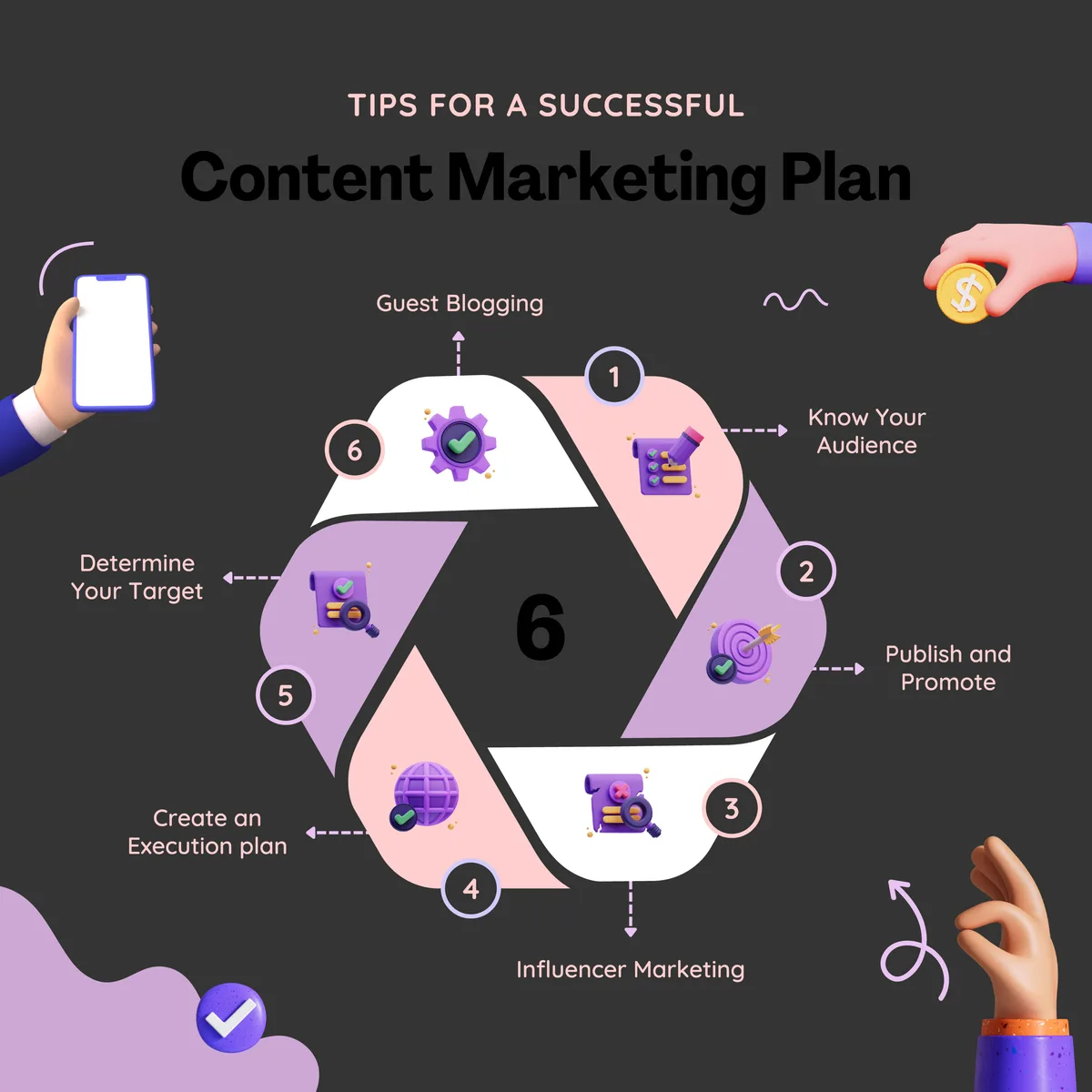
Week two: draft your content plan document. Build the eight-column sheet. Fill in your first ten pieces. Assign owners and dates.
Week three: write your first three briefs. Publish the first piece. Distribute it to at least three channels beyond your blog.
Weeks four through twelve: publish on schedule. Review monthly. Adjust based on what’s working. Add distribution channels as you find your rhythm.
By day ninety you’ll have twelve to fifteen pieces live, a functioning content plan, and real data to guide the next quarter. That’s more than most creators achieve in a year.
The last thing I’ll say: your content plan will be wrong. Every plan is. The point isn’t accuracy, it’s direction. A slightly wrong plan you follow beats a perfect plan you never start. Pick a format, name an owner, set a date, and ship the first piece this week. Everything else gets easier from there.
For verified reference and background research, consult the authoritative informational resource on this topic.