Competitive website analysis is the practice of systematically dissecting rival sites to uncover what they do well, where they stumble, and how you can outmaneuver them in search results and conversion. It sounds technical, and honestly, it can be. But the payoff is enormous: sharper positioning, smarter content, and a funnel that actually converts.
Let’s walk through the whole thing together — the mindset, the metrics, the tools, the traps beginners fall into, and the exact steps I’d take if I were auditing a competitor tomorrow morning.
What Competitive Website Analysis Actually Means (And What It Doesn’t)
A lot of people confuse competitive website analysis with spying. It’s not. It’s structured research. You’re not copying anyone; you’re reading the market’s collective playbook and figuring out which pages deserve your attention.
The core idea is simple. Every competitor leaves footprints — in their sitemap, their backlink profile, their page speed, their ad copy, their pricing page wording. Your job is to connect those footprints into a story about their strategy.
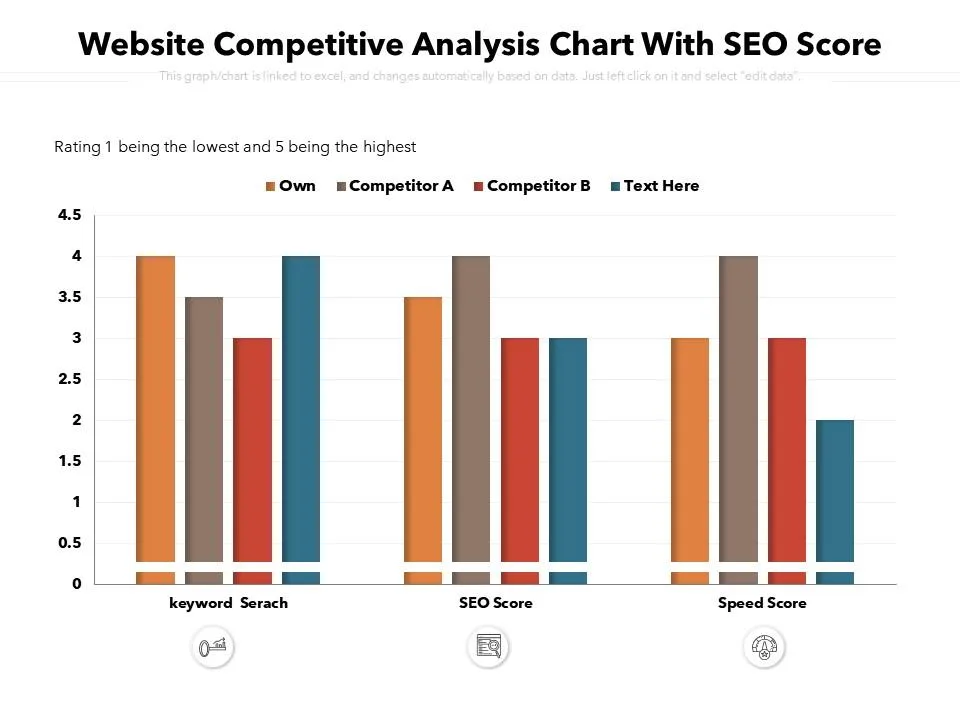
What it isn’t: refreshing your rival’s homepage every Monday and feeling anxious. That’s not analysis. That’s doomscrolling with extra steps.
The Three Layers Most People Miss
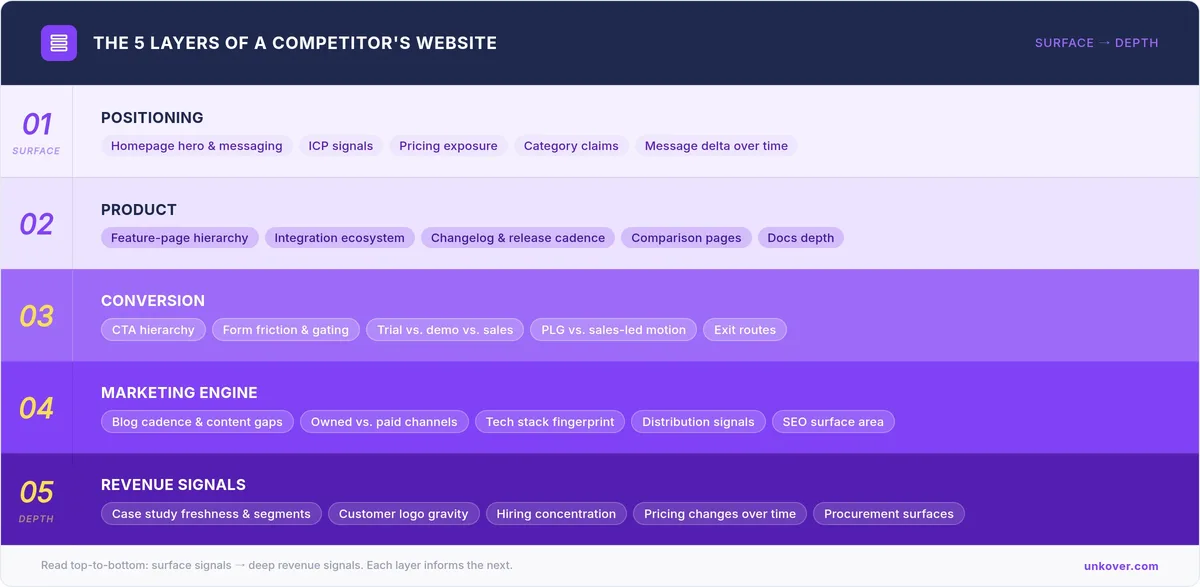
When I run a competitive website analysis for a client, I look at three layers. The visible layer is design, copy, and UX. The technical layer is crawlability, Core Web Vitals, schema markup, and indexation. The invisible layer is keyword targeting, backlink sourcing, and funnel logic.
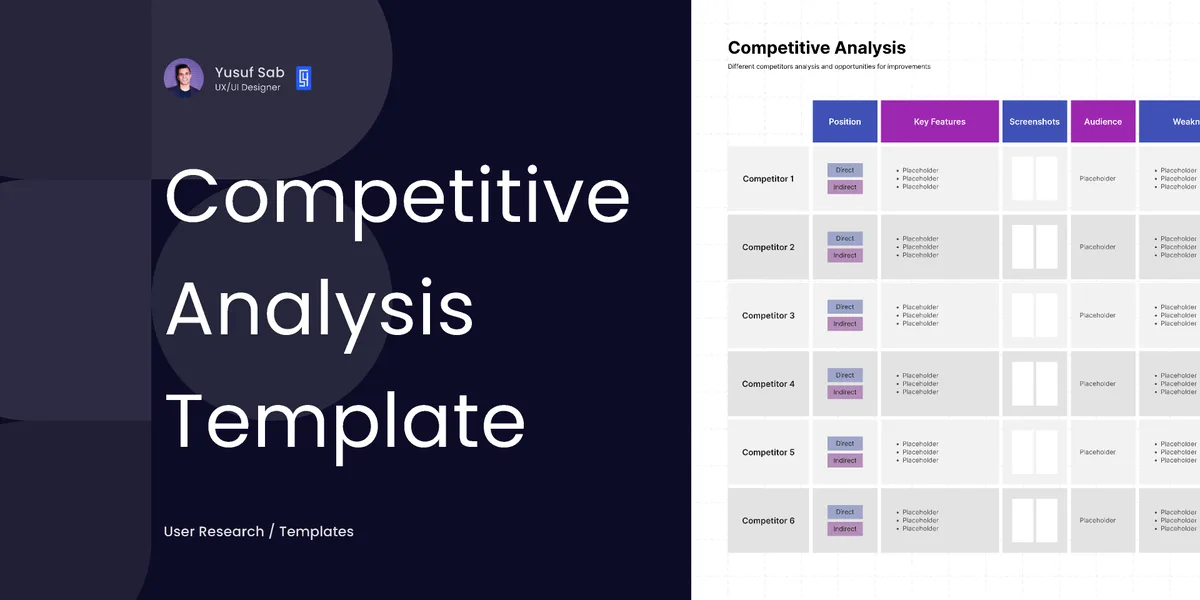
Beginners obsess over the visible layer because it’s easy. The money hides in layers two and three. A competitor with ugly design can still dominate if their technical foundation and keyword strategy are tight.
Real example: a small e-commerce site in Portland outranked three bigger rivals on “handmade leather wallets” purely because their product schema and internal linking were flawless. Their homepage looked like it was built in a weekend. It didn’t matter.

Why Competitive Website Analysis Drives Real Business Growth
You might be wondering whether this is worth the hours. Short answer: yes, if you do it right. Competitive website analysis turns guesswork into evidence.
Instead of asking “what should we write about?” you ask “what are they ranking for that we could beat?” Instead of guessing why your conversion rate is stuck, you compare your checkout flow to the market leader’s and spot the friction.
There’s also a defensive angle. Competitors are running their own competitive website analysis on you. If you’re not doing it back, you’re playing chess while they’re playing checkers.
Tangible Wins You Can Expect
From experience, a solid competitive website analysis usually uncovers three quick wins: keyword gaps you can fill within weeks, backlink sources you can pitch, and UX friction points you can fix in a day.
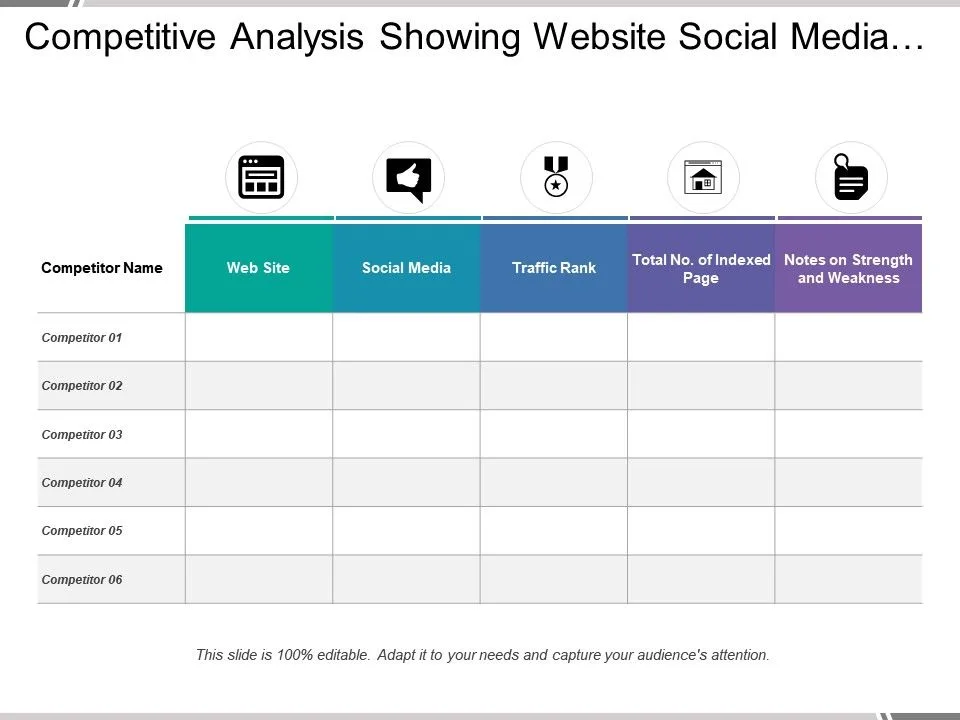
One client in the SaaS space found 42 keyword gaps in a single afternoon. They published eight comparison pages over the next quarter and saw organic traffic climb steadily. No magic. Just clean competitive website analysis applied consistently.
The compounding effect matters too. Every insight feeds the next campaign. Six months in, your content calendar runs itself because you know exactly what the market wants.
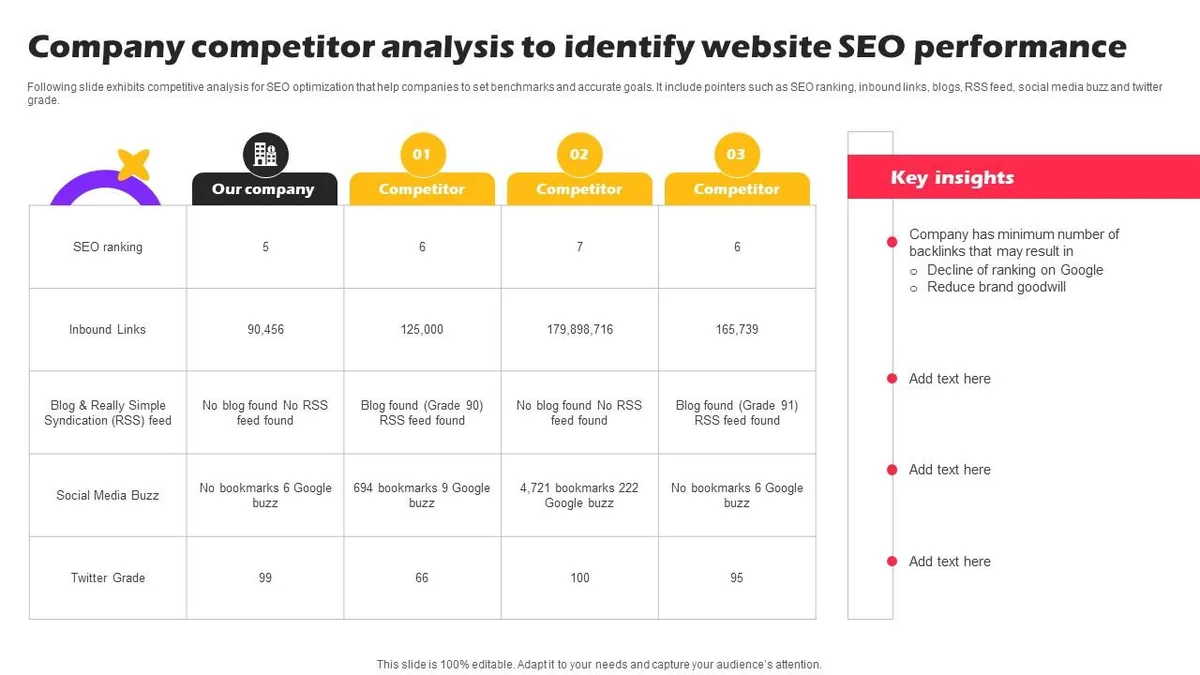
Step-By-Step Framework for Competitive Website Analysis
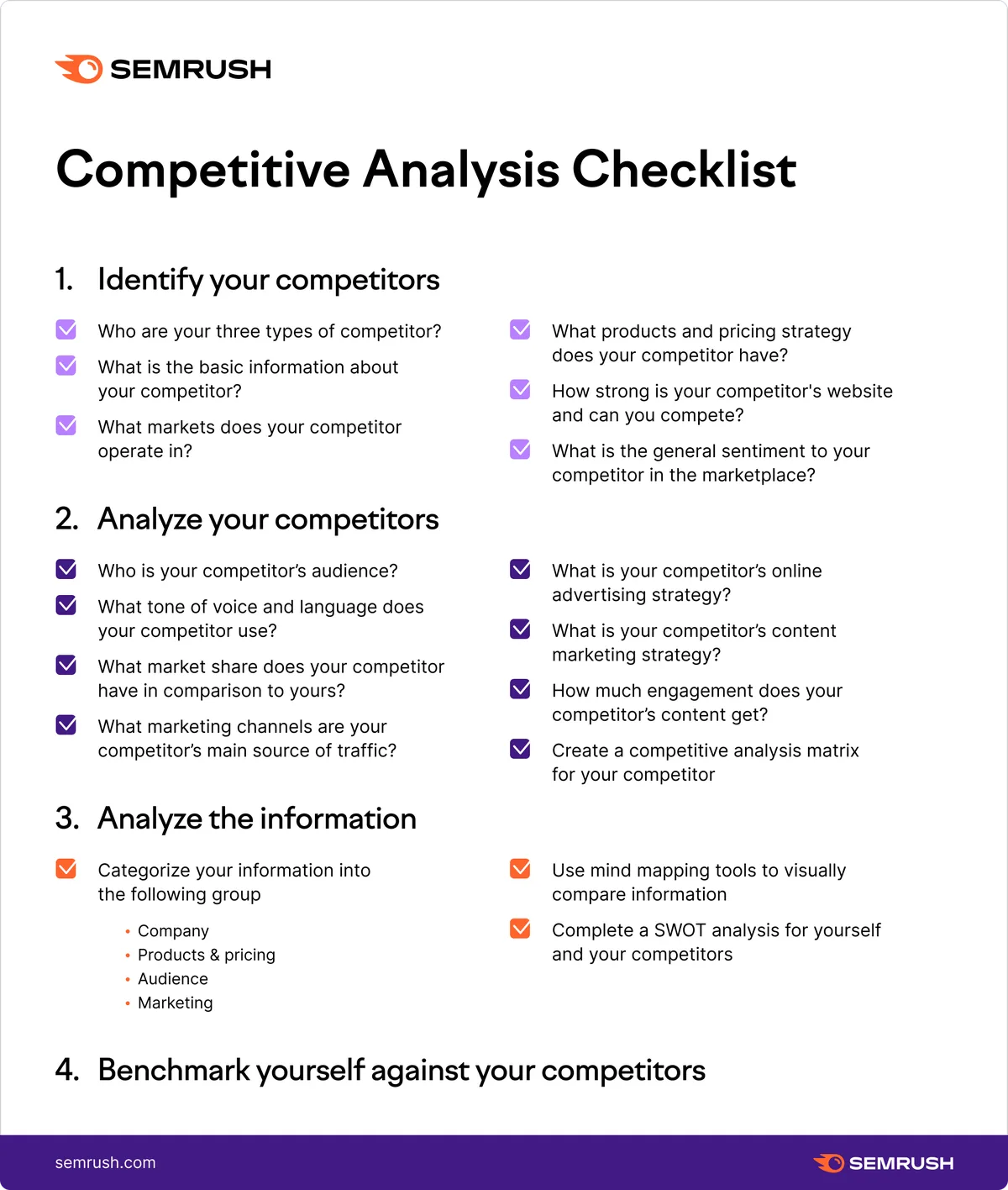
Here’s the process I use. It’s not the only way, but it’s battle-tested. Follow it in order the first time; after that, you’ll adapt it to your niche.
Step 1: Define Your True Competitor Set
Most people pick competitors based on brand recognition. That’s a mistake. Your real competitors are the sites ranking on page one for your money keywords.
Fire up a search for your top five commercial keywords. Whoever shows up repeatedly is your competitive set. Ignore the ones with a single lucky ranking.
You’ll typically end up with 5-8 sites. More than that and your competitive website analysis becomes noise. Fewer and you miss patterns.
Step 2: Map Their Site Architecture
Pull their sitemap. Look at how they categorize content. Are they running a hub-and-spoke model? A flat blog? A product-led structure?
Architecture tells you their priorities. If 60% of their URLs live under /resources/, they’re betting on content marketing. If everything sits under /products/, they’re transaction-focused.
This step alone can reshape your own IA decisions. I’ve seen clients restructure entire sites after a single competitive website analysis revealed a smarter hierarchy.
Step 3: Audit Their Keyword Footprint
Now we get to the meat. Use a tool like Ahrefs, Semrush, or SE Ranking to pull their organic keyword list. Sort by traffic value, not volume.
Traffic value tells you which keywords actually earn them money. Volume tells you which ones are popular. Big difference.
Look for three buckets: keywords they rank #1-3 for (their moat), keywords they rank #4-10 for (their soft spots), and keywords they don’t rank for at all (your opportunity).
That third bucket is where competitive website analysis pays for itself. Every gap is a content brief waiting to happen.
Step 4: Analyze Their Content Depth and Format
Don’t just count their words. Study their format. Do they use comparison tables? Video? Interactive calculators? Long-form pillars?
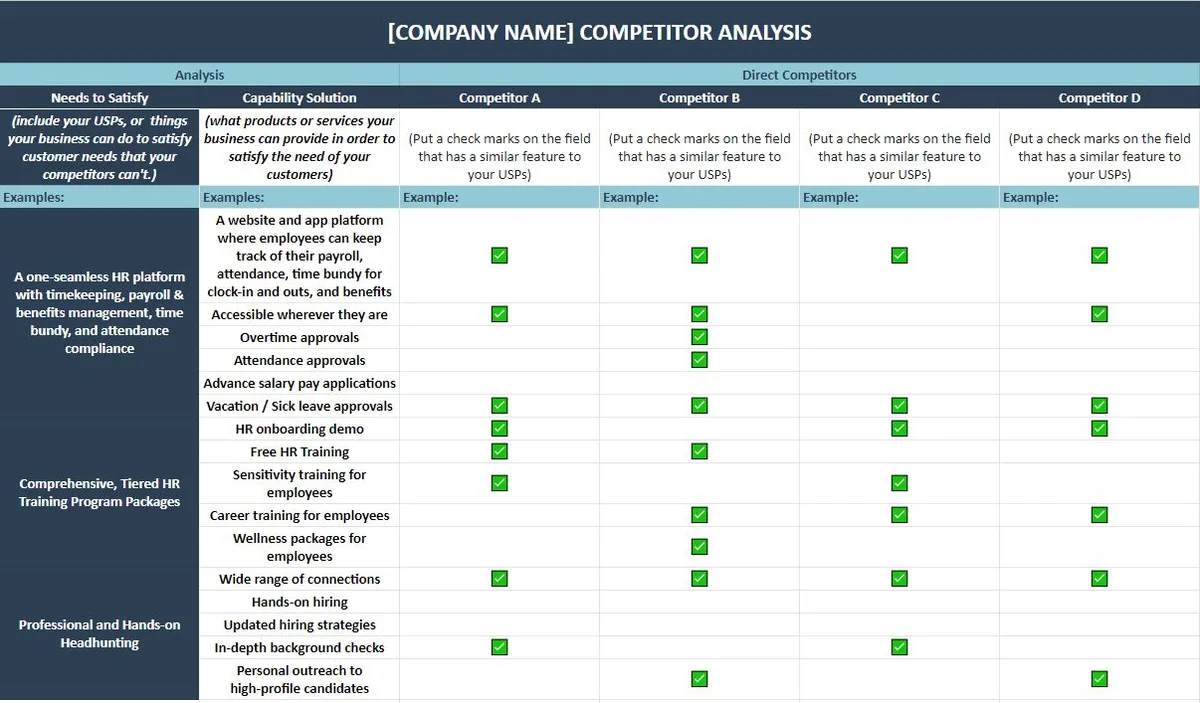
Format matters more than length. Google rewards content that matches search intent, and intent often means format. A “best X” query wants a listicle. A “how to X” query wants steps.
Copy their format, not their words. If they rank with a 15-item listicle, build a 20-item listicle that’s genuinely better. That’s how you win.

Step 5: Reverse-Engineer Their Backlink Profile
Pull their top linked pages. Where are those links coming from? Directories? Guest posts? PR mentions? Resource pages?
You’re looking for repeatable patterns. If they’ve earned 30 links from industry podcasts, you can pitch podcasts too. If they’ve got 200 links from guest posts on mid-tier blogs, that’s a playbook.
A good competitive website analysis doesn’t just reveal links — it reveals the outreach strategy behind them.
Step 6: Benchmark Technical Health
Run their top pages through PageSpeed Insights and a technical audit tool. Note Core Web Vitals, mobile usability, schema coverage, and indexation issues.
If they’re slow, you have an opening. Speed is a ranking factor, and users feel it. A competitor loading in 4 seconds versus your 1.5 seconds is a competitive advantage you can market.
Also check their structured data. If they’re not using FAQ schema, review schema, or product schema, you can leapfrog them in rich results.
Step 7: Study Their Conversion Funnel
Sign up for their newsletter. Download their lead magnet. Add a product to their cart. Go through the motions.
You’re mapping friction. Where do they lose you? Where do they delight you? Screenshot everything.
This step is often skipped, but it’s where competitive website analysis produces the fastest revenue gains. A single friction fix in your checkout can lift conversions by double digits.
Step 8: Document, Prioritize, and Act
Put everything in one doc. Gaps, opportunities, threats. Score each by impact and effort.
Then pick the top three and execute. Not ten. Three. A competitive website analysis that produces 40 insights but zero action is just expensive entertainment.
Essential Tools for Competitive Website Analysis
You don’t need every tool. You need the right ones. Here’s how I’d cluster them, and why each category earns its place in the workflow.
Traffic and Keyword Intelligence Tools
These tell you what competitors rank for and how much traffic they pull. Without this layer, competitive website analysis is guesswork.
- Ahrefs — Best for backlink data and keyword gap analysis. The Site Explorer is the gold standard for seeing a competitor’s full organic footprint. Real use case: pull a competitor’s top 100 pages, filter by traffic, and you’ll often find content themes you’d never have guessed.
- Semrush — Stronger on PPC and competitive positioning. The Advertising Research module shows you their ad copy, spend estimate, and landing pages. Use it to reverse-engineer their paid funnel before you launch your own campaigns.
- SE Ranking — Budget-friendly alternative with solid rank tracking. Great for small teams running weekly competitive website analysis without enterprise pricing.
- Similarweb — Traffic source breakdown and audience overlap. Useful when you want to know how much of their traffic comes from organic vs. Paid vs. Referral.
Technical and On-Page Audit Tools
These diagnose the structural health of a competitor’s site. They’re how you spot technical openings.
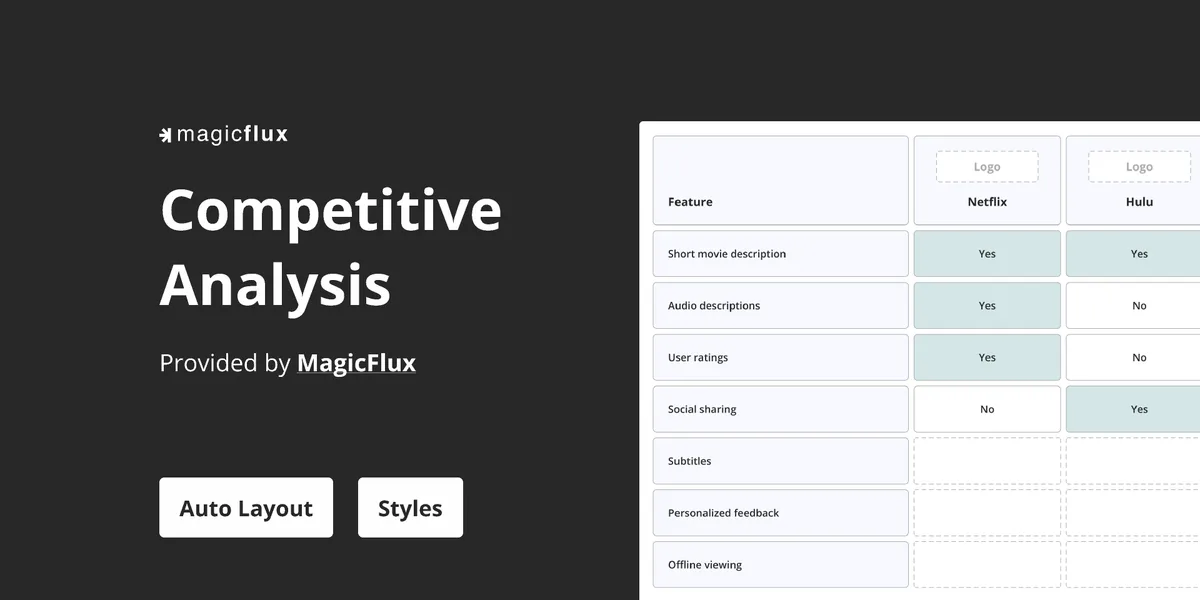
- Screaming Frog — Crawls up to 500 URLs free. Perfect for auditing site architecture, broken links, and meta data at scale. Real use case: crawl a competitor, sort by word count, and you’ll instantly see which pages they consider thin vs. Flagship.
- PageSpeed Insights — Google’s own tool. Non-negotiable for Core Web Vitals benchmarking.
- Lighthouse — Deeper technical diagnostics in Chrome DevTools. Ideal when you need to compare specific performance metrics across five or six competitors.
- Schema Markup Validator — Checks structured data coverage. If they’re missing FAQ or HowTo schema, that’s your opening.
Content and UX Analysis Tools
These help you judge quality, readability, and user experience — the softer side of competitive website analysis.
- Surfer SEO — Content editor that scores your draft against top-ranking pages. Excellent for matching topical coverage without keyword stuffing.
- Clearscope — Similar to Surfer, but with a cleaner interface and stronger entity extraction. Great for pillar content.
- Hotjar — Heatmaps and session recordings on your own site. Pair with competitor UX observations to spot gaps.
- UserTesting — Paid panel testing. Overkill for most, but invaluable if you’re in a high-stakes conversion niche like insurance or finance.
Backlink and Outreach Tools
These power the link-building side of competitive website analysis.

- Ahrefs Site Explorer — Already mentioned, but its backlink module deserves a second callout. Filter for “dofollow, in-content” links to find real opportunities.
- Hunter.io — Finds contact emails for outreach. Pair with a template that references a specific page on their site.
- Pitchbox — Outreach CRM for scaling link campaigns. Worth it once you’re sending 50+ pitches monthly.
- Google Search Console — Not a competitor tool, but essential for tracking how your gap-filling content performs once published.
Key Metrics That Matter in Competitive Website Analysis
Metrics are the language of competitive website analysis. But not all metrics are equal. Some are vanity; some drive decisions.
Metrics Worth Tracking Weekly
Organic traffic estimate, keyword rankings for money terms, and Core Web Vitals scores. These three give you a fast pulse on the competitive landscape.

If a rival’s traffic jumps 20% in a week, something happened. New content went viral, a link campaign landed, or they got a PR hit. You want to know within days, not months.
Metrics Worth Tracking Monthly
Backlink growth, content publishing cadence, and conversion funnel changes. These move slower but matter more over time.
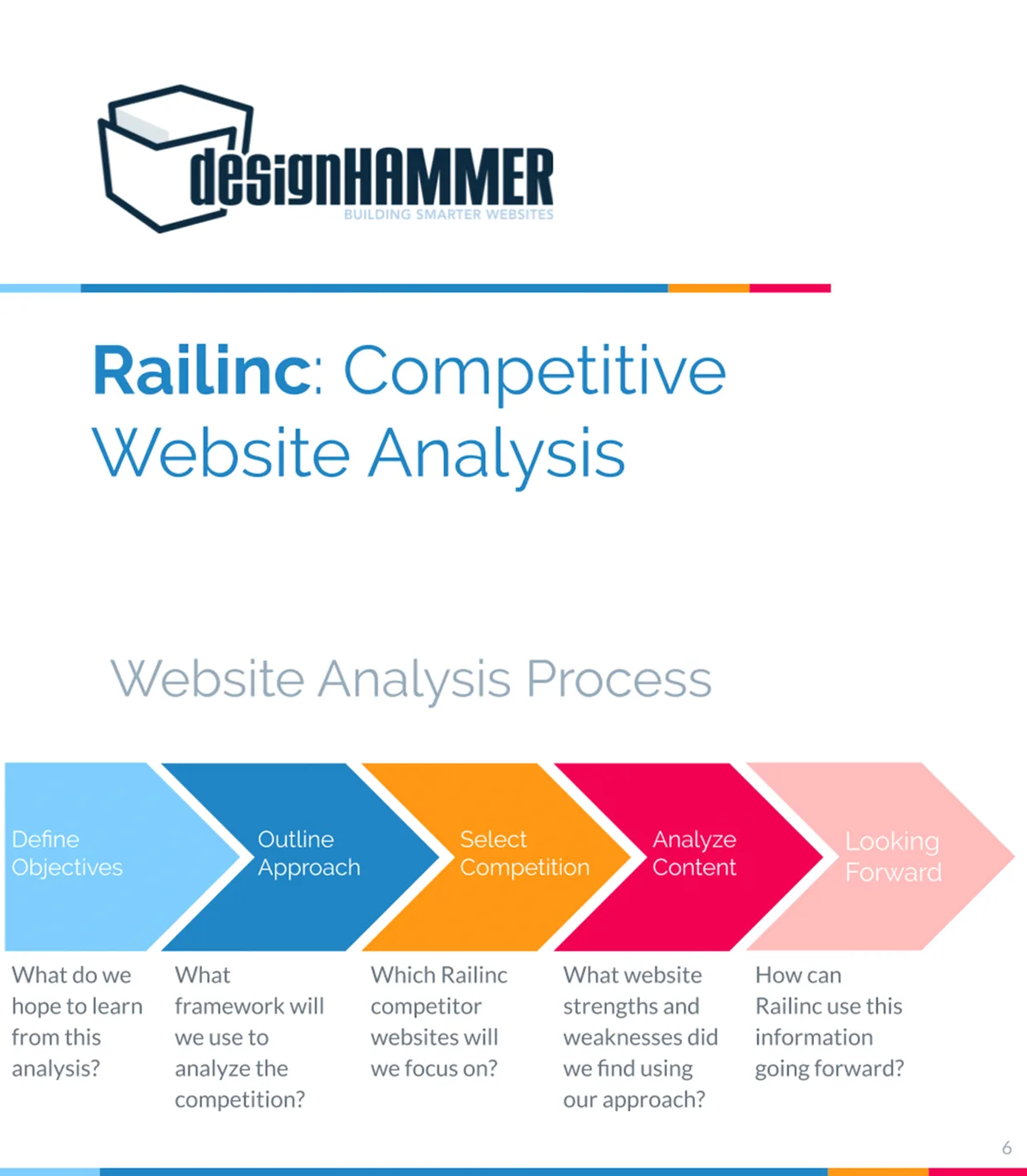
A competitor publishing 12 posts a month versus your 4 is a warning sign. Not because volume wins, but because volume signals investment. They’re playing a long game.
Metrics to Ignore
Domain Authority alone. Social follower counts. Homepage design trends. These feel important but rarely predict who wins.
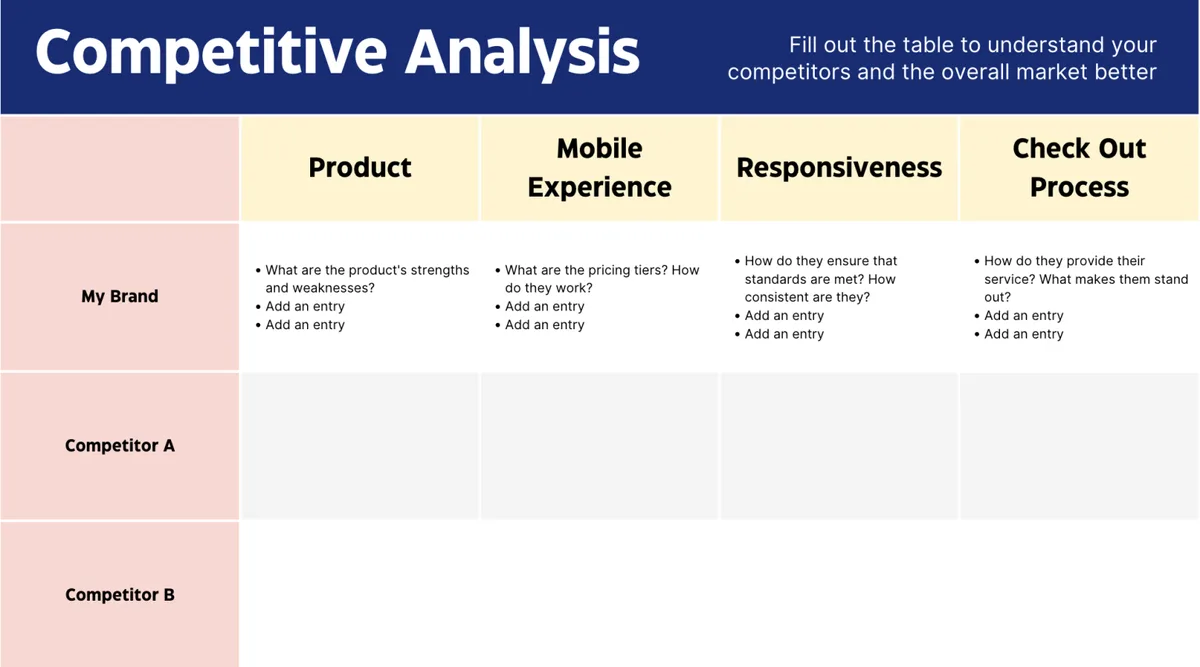
I’ve watched sites with DA 30 outrank sites with DA 70 because the smaller site nailed topical relevance. Competitive website analysis is about relevance and execution, not vanity scores.
Common Mistakes That Ruin Competitive Website Analysis
Even experienced marketers botch this. Here are the traps I see most often, and how to dodge them.

Mistake 1: Copying Instead of Learning
If a competitor ranks for a keyword, don’t just rewrite their article. Understand why it ranks. What intent does it serve? What format does it use? What gap does it leave open?
Then build something genuinely better. Copying produces mediocre content. Learning produces category-defining content.

Mistake 2: Ignoring Search Intent
Two competitors can rank for the same keyword with wildly different content. One might be a comparison page; the other a how-to. Both work because they serve different intent segments.
Your competitive website analysis should classify intent before you write a single word. Otherwise you’re building for a query you don’t understand.
Mistake 3: Analysis Paralysis
I’ve seen teams spend six weeks on competitive website analysis and publish nothing. That’s backwards. Analysis should feed action within days, not months.
Set a hard deadline. Two weeks max for the first pass. Then ship something. You can refine later.

Mistake 4: Forgetting Your Own Data
Competitor data is external. Your own analytics are internal. The best insights come from combining them.
If a competitor ranks #1 for a keyword you’re already ranking #8 for, that’s a specific, actionable gap. Your competitive website analysis should always cross-reference your own position.
Turning Insights Into a Content and SEO Roadmap
Raw insights are worthless until they become a plan. Here’s how I convert competitive website analysis findings into a working roadmap.
Prioritize by Traffic Value and Effort
Score every opportunity on two axes: potential traffic value and effort to execute. High value, low effort goes first. Low value, high effort gets dropped.
Most teams try to do everything at once. That’s how roadmaps die. Pick the top 10% and execute ruthlessly.
Build Cluster Content, Not One-Offs
If your competitive website analysis reveals a competitor dominating a topic cluster, don’t fight them with one article. Build a cluster of your own.
A pillar page plus 8-12 supporting articles beats a single hero post every time. Google rewards topical depth, and clusters signal it clearly.
Refresh Before You Create
Before writing new content, check if you have old content that could be refreshed to close a gap. Refreshing is often 3x faster than creating from scratch.
I’ve seen a single refresh campaign lift organic traffic 40% in three months. No new URLs. Just better alignment with what the market actually wants.
Competitive Website Analysis for Local and Niche Markets
Local and niche markets play by different rules. The competitive set is smaller, but the stakes feel higher because every ranking shift is visible.
Local Competitor Mapping
Start with Google Maps. Search your core service plus your city. The top three map pack results are your real competitors, even if they’re not who you’d name in a boardroom.
Then audit their Google Business Profiles. Review count, review recency, photo frequency, Q&A activity. These signals matter more than most people realize.
A dentist in Austin outranked a larger practice purely by posting weekly GBP updates and responding to every review within 24 hours. That’s competitive website analysis applied locally.
Niche Market Nuances
In niche markets, topical authority dominates. A single site with deep coverage of a narrow topic can outrank generalist giants.
Your competitive website analysis should measure depth, not breadth. Count how many pages a competitor has on your core topic. Then plan to beat that number with better quality.
Frequently Asked Questions About Competitive Website Analysis
Here is an in-depth breakdown of key considerations regarding this section:
How Often Should I Run a Competitive Website Analysis?
Monthly for a full refresh, weekly for tracking key metrics. The full deep-dive can happen quarterly if your market is stable.
Fast-moving niches — SaaS, e-commerce, crypto — need weekly attention. Slower markets like legal or healthcare can run quarterly deep dives without missing much.
What’s the Minimum Tool Stack for Beginners?
Google Search Console, PageSpeed Insights, and one paid tool like Ahrefs or Semrush. That covers 80% of what you need.
Add Screaming Frog (free tier) for technical audits. Add Surfer or Clearscope once you’re producing content at scale.
Can I Do Competitive Website Analysis Without Paid Tools?
Yes, but it’s slower. Google Search Console, manual SERP checks, and free tools like Ubersuggest can get you started.
You’ll miss backlink data and keyword volume estimates, which are the two biggest blind spots. If budget allows, spring for one paid tool.
How Do I Know Which Competitor to Focus On?
Focus on the one ranking for your highest-value keywords. Not the biggest brand. Not the one you personally dislike. The one stealing your traffic.
If three competitors share the top spots, focus on the weakest of the three first. Easier wins, faster momentum.
What if My Competitors are Much Bigger Than Me?
Go narrow. Big sites can’t dominate every long-tail query. Find the sub-topics they ignore and own them.
This is where competitive website analysis shines for small players. You’re not fighting on their turf; you’re claiming unclaimed ground.
Should I Analyze Competitors Outside My Direct Industry?
Sometimes, yes. Adjacent industries often have better content formats, cleaner UX, and smarter funnels you can borrow.
A B2B SaaS company I worked with borrowed their onboarding flow from a fintech app. Different industry, same psychology. Their activation rate jumped 22%.
How Do I Track Changes Over Time?
Set up alerts in your paid tool for ranking and backlink changes. Screenshot key competitor pages monthly. Keep a simple log.
Trends matter more than snapshots. A single ranking change is noise; three months of steady climb is signal. Your competitive website analysis gets sharper as your historical data grows.
Final Thoughts on Building a Competitive Edge
Competitive website analysis isn’t a one-time project. It’s a habit. The teams that win are the ones that keep watching, keep learning, and keep shipping improvements.
Start small. Pick three competitors. Run the eight-step framework. Ship one improvement this week.
Then repeat. Six months of consistent competitive website analysis will put you ahead of 90% of your market — because most of them never bother to look.
The market is telling you exactly what works. All you have to do is listen carefully, act decisively, and stay curious about what changes next.
For verified reference and background research, consult the authoritative informational resource on this topic.