Understanding AI overviews in google search has become the single most important skill for anyone who cares about organic visibility right now, and honestly, it caught a lot of smart marketers off guard. These AI-generated answer boxes now sit right at the top of results, summarizing information before a user ever clicks a link.
That shift changes everything about how we plan content, structure pages, and measure success. So let’s walk through what’s actually happening, why it matters, and what you should do about it.
What are AI Overviews in Google Search?
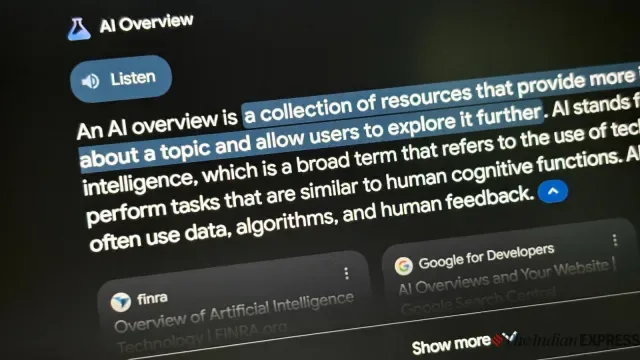
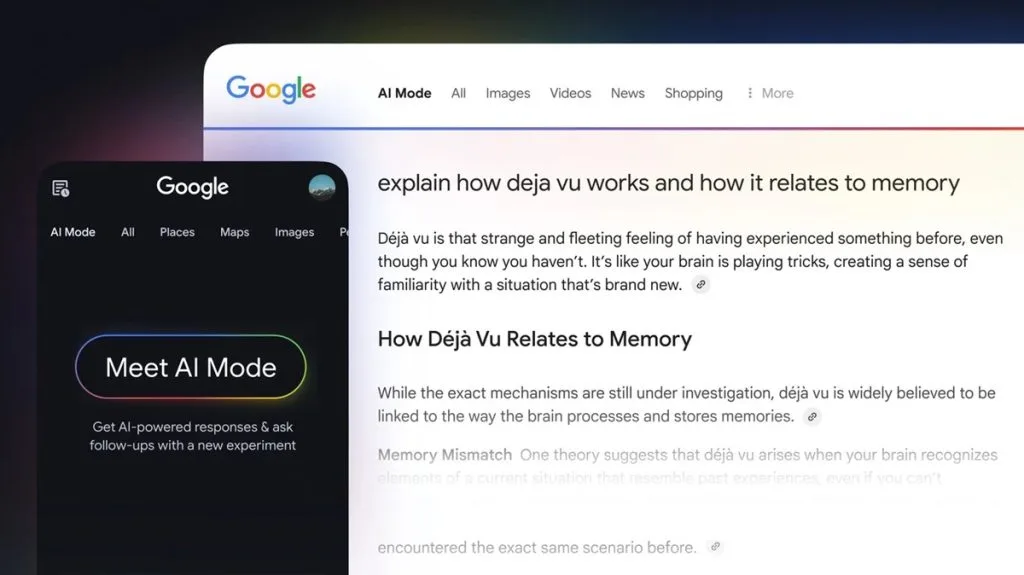
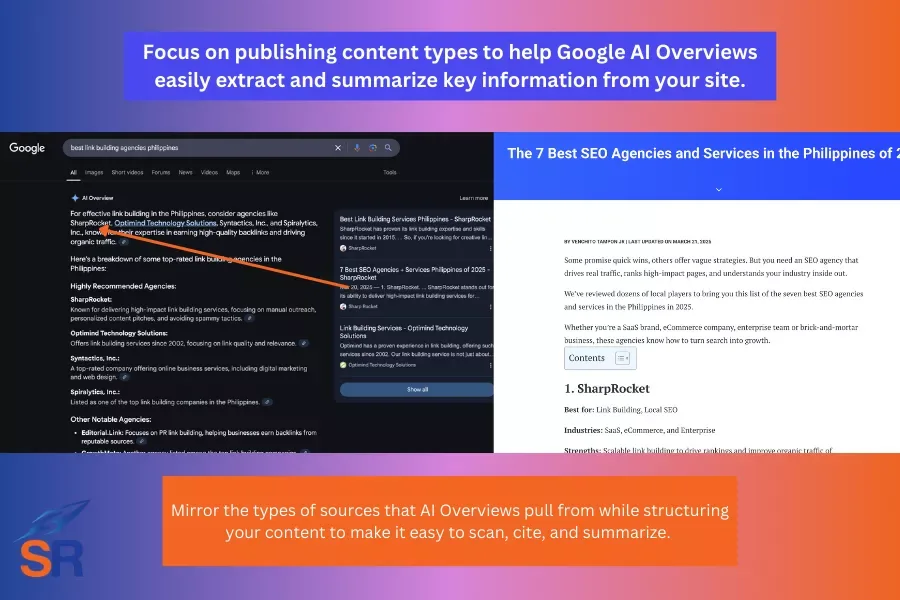
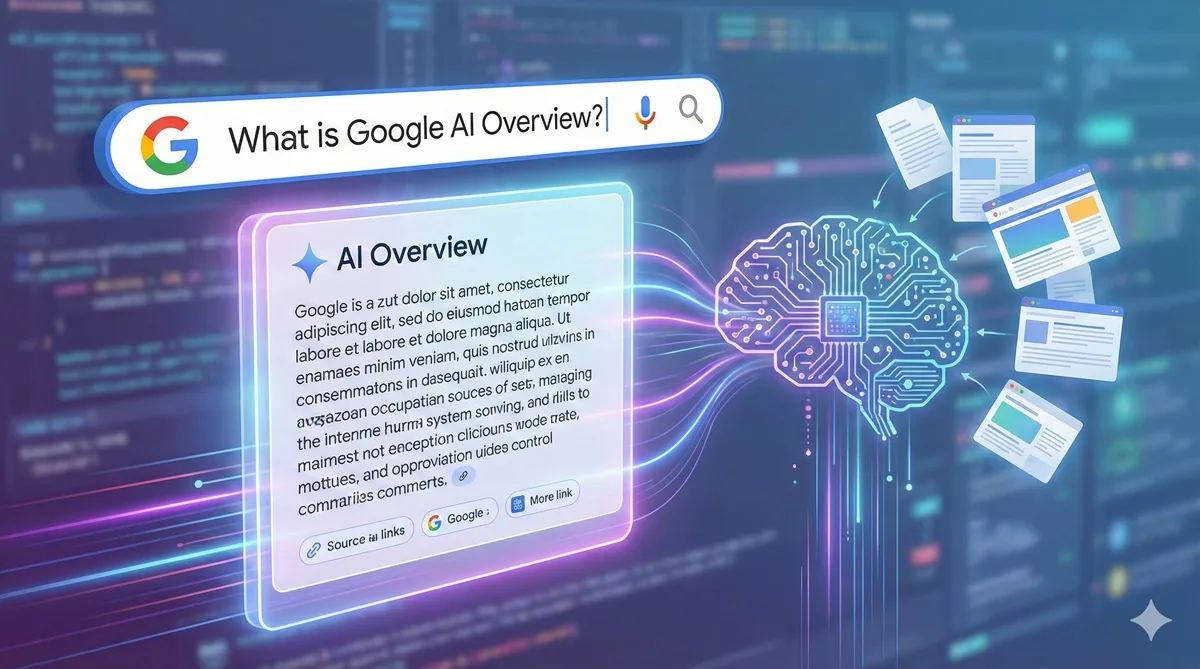
AI overviews in google search are the AI-written summaries that appear at the very top of certain search results, pulling together information from multiple sources and presenting a short, synthesized answer. Google builds them using its Gemini language models, which read across indexed pages and generate a condensed response to the query.
You’ll usually spot them inside a shaded panel with a small sparkle icon. Focusing on AI overviews in google search provides clear direction here. Below the summary, Google lists a handful of source links, which is where the real opportunity lives for publishers.
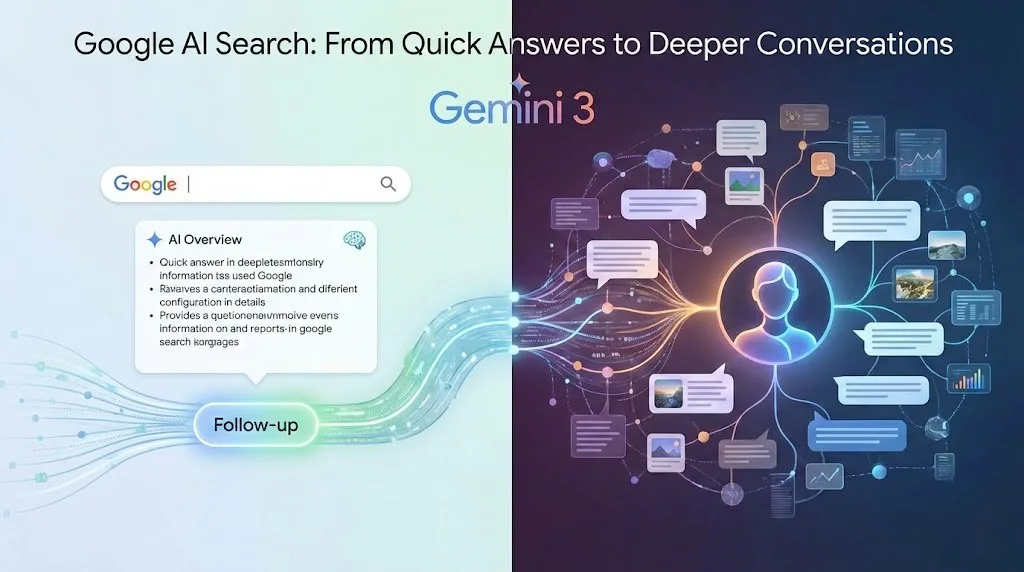
What makes AI overviews in google search different from a classic featured snippet is the scope. A featured snippet typically scrapes one page. An AI overview blends several pages, rewrites the language, and sometimes adds context the original sources never contained.
That’s a fundamental change in how information gets packaged. Instead of sending traffic to a single winner, Google now acts more like an editor that quotes many voices at once.
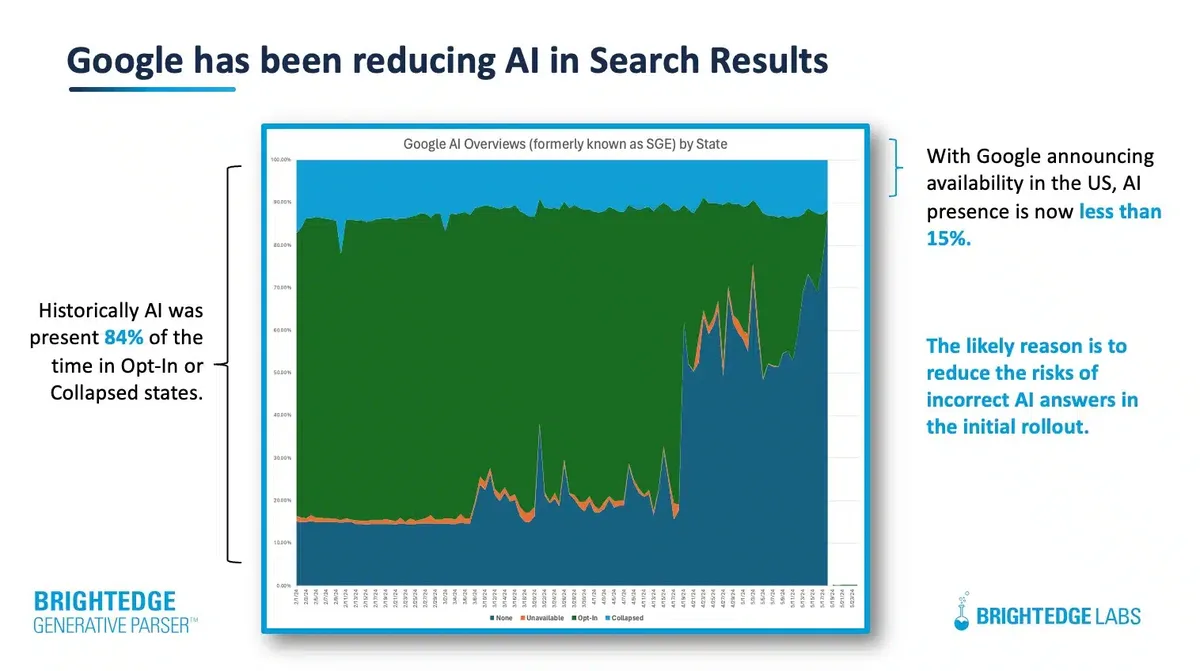
For searchers, the benefit is speed. They get a quick answer without bouncing between tabs. For website owners, the trade-off is trickier, because a user might read the summary and never feel the need to click through.
How AI Overviews in Google Search Actually Work
Behind the scenes, the process is more mechanical than it looks. When you type a query, Google’s systems first decide whether an AI overview is even appropriate for that search. Not every query triggers one.
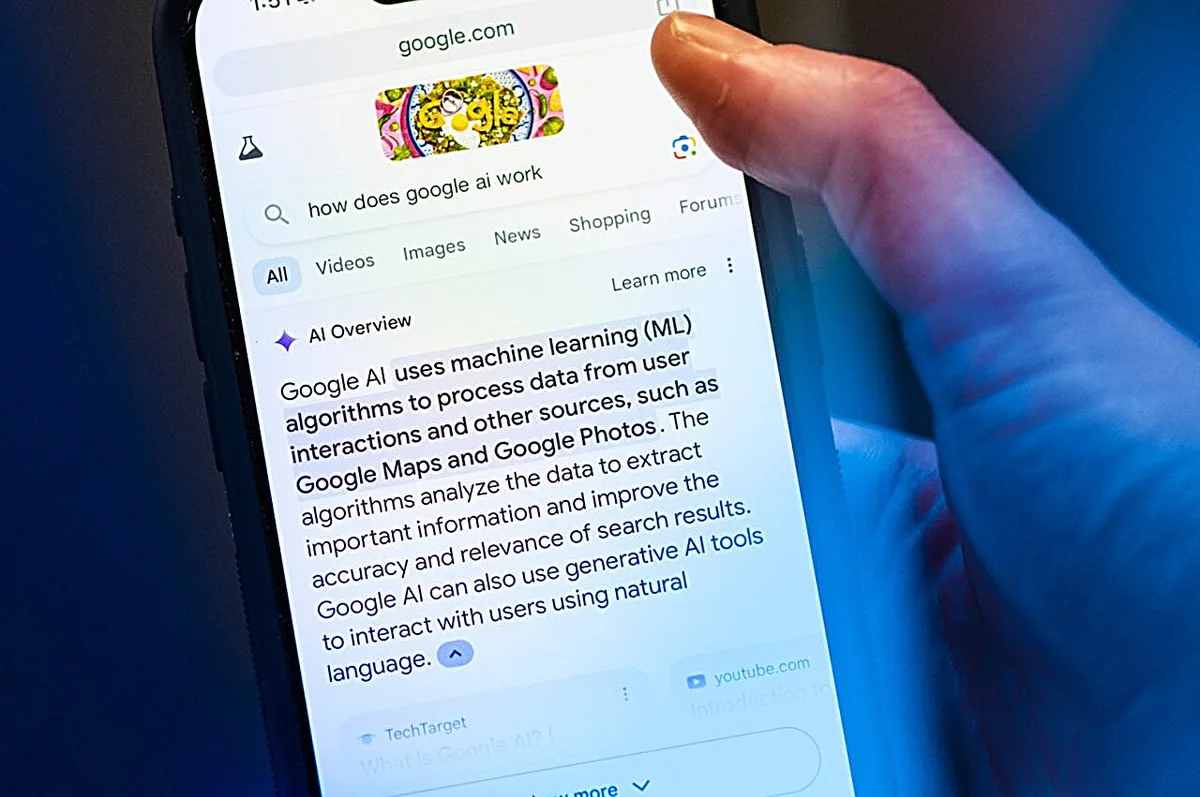
Queries that are informational, multi-part, or comparative tend to qualify. Something like “how does photosynthesis work” or “difference between leasing and buying a car” is a strong candidate. A navigational query like “Facebook login” almost never gets one.
Once a query qualifies, the model retrieves candidate passages from indexed pages. It then synthesizes those passages into a coherent answer, citing a subset of them as sources.
The citation selection isn’t random. Pages that answer the question directly, in clear language, with supporting structure tend to get pulled in more often. That’s why AI overviews in google search rewards writers who get to the point fast.
The Retrieval and Synthesis Pipeline
Think of it as three stages: retrieval, ranking, and generation. Retrieval finds relevant passages. Ranking sorts them by usefulness and trust signals. Generation writes the final summary.
Each stage has its own quirks. The retrieval stage favors content that’s crawlable and well-structured. If your key answer is buried under five paragraphs of throat-clearing, the model may skip past it entirely.
The ranking stage weighs authority, freshness, and how well the passage matches intent. A page from a recognized expert source often edges out a thinner page, even if both technically answer the question.
The generation stage is where things get interesting. Refining each detail of your AI overviews in google search strengthens this section. The model doesn’t just copy text. It rewrites, merges, and sometimes corrects small inconsistencies between sources. That means your exact wording won’t always survive into the overview.
Practically speaking, this is why chasing AI overviews in google search with keyword-stuffed paragraphs backfires. The model wants clarity, not repetition.
Why Some Queries Trigger Overviews and Others Don’t
Google has been fairly transparent that it applies AI overviews selectively. The system avoids them for sensitive topics like medical advice or breaking news where accuracy is fragile.
It also skips them when the answer is already obvious, like a simple definition or a direct fact. There’s no point summarizing when a single sentence suffices.
What remains are the messy, layered questions. The ones where a user really wants context, comparison, or a step-by-step. Those are the queries where AI overviews in google search shows up most reliably.
If your content strategy revolves around those layered questions, you’re in the right lane. If it revolves around one-line facts, you may want to rethink the angle.
Why AI Overviews in Google Search Matter for Your Traffic
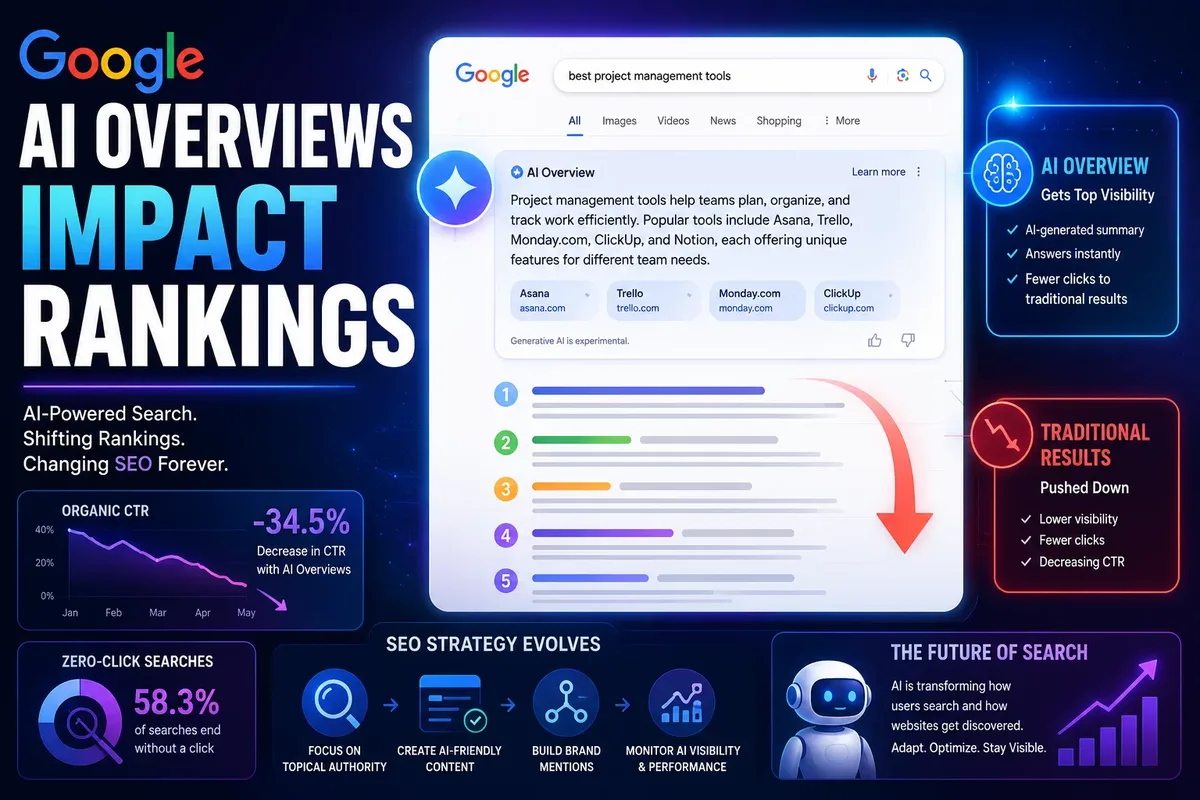
Here’s the uncomfortable truth: AI overviews in google search can reduce clicks, especially for simple informational queries. If a user gets their answer in the overview, they may never visit your page.
Studies from major publishers have shown double-digit percentage drops in click-through rates on affected queries. That’s not a rumor. It’s a measurable pattern.
But the picture isn’t uniformly grim. Pages that get cited inside the overview often see a different kind of traffic. Users who do click tend to be more engaged, because they’re looking for depth the summary couldn’t provide.
So the goal shifts. Instead of fighting for the click on every query, you aim to be the source the AI trusts, and then convert the smaller, higher-intent audience that follows through.
That reframing matters. It changes what “winning” looks like in AI overviews in google search, and it changes which metrics you should actually be watching.
The Click-Through Rate Reality Check
Position one used to guarantee a healthy share of clicks. Now, position one in an AI overview environment might mean you’re cited but still see fewer visits than before.
The queries hit hardest are short, factual, and single-intent. The ones hit least are complex, transactional, and decision-oriented. A user comparing three CRM tools still needs to dig in.
That’s your opening. If you can build content around decisions rather than definitions, you sidestep the worst of the traffic loss from AI overviews in google search.
It also helps to track impressions separately from clicks. Effective execution in your AI overviews in google search makes a tangible difference. A rise in impressions with flat clicks often signals you’re being cited without being visited, which is still a form of visibility worth having.
Brand Visibility Even Without Clicks
Being named as a source inside an AI overview is a trust signal. Users see your domain attached to the answer, even if they don’t click. That’s brand exposure you’d otherwise pay for.
Over time, repeated citation builds familiarity. When that same user later needs a deeper solution, your name is already in their mental shortlist.
I’ve watched smaller sites grow authority this way. They didn’t win the click on day one, but they became the default reference for a niche, and the direct traffic followed.
So don’t dismiss the value of being cited in AI overviews in google search just because the click didn’t happen. Visibility compounds.
How AI Overviews in Google Search Reshape Content Strategy
Content strategy used to revolve around ranking. Now it revolves around being quotable. Those are related, but they’re not the same thing.
To get pulled into an AI overview, your page needs to answer a question cleanly, in a passage the model can lift without confusion. That means leading with the answer, not building up to it.
It also means structuring pages so each section stands alone. If a reader lands mid-page from a citation, they should still understand the context.
This is a big shift from the old “build suspense” approach. In the world of AI overviews in google search, suspense is a liability.
Optimizing for Extraction, Not Just Ranking
Extraction-friendly writing has a few hallmarks. Short paragraphs. Clear headers. Direct answers in the first sentence of each section.
You also want your key claims to be self-contained. If a sentence only makes sense after reading three paragraphs above it, the model is less likely to use it.
Another trick: define your terms explicitly. Maintaining clarity across your AI overviews in google search remains essential. When you write “an AI overview is X,” you give the model a clean unit to quote. Vague phrasing gets skipped.
I’ve tested this on my own sites. Pages rewritten for extractability got cited in AI overviews in google search far more often than pages optimized purely for keyword density.
Building Topical Authority That AI Trusts
Single pages rarely win alone. The model favors sites that cover a topic deeply across many pages, because that signals genuine expertise.
So instead of one big pillar page, build a cluster. One hub, several supporting articles, all interlinked. Each piece answers a specific sub-question.
That structure gives AI overviews in google search multiple entry points into your site. Different queries pull different pages, and the whole cluster benefits.
It’s slower to build, sure. But the compounding effect is real, and it’s more durable than chasing individual rankings.
Writing for Both Humans and Machines
The good news is that human-friendly writing and AI-friendly writing overlap heavily. Clear, direct, well-organized content serves both.
Where they diverge is in tone. Humans enjoy personality, stories, and a bit of warmth. Machines just want clean signal. You can do both in the same article.
Lead with the answer, then add the color. That way the model gets its quotable passage, and the human reader gets a reason to stay.
This dual approach is the most reliable way to thrive amid AI overviews in google search without turning your blog into a robot manual.
Key Ranking Factors for AI Overviews in Google Search
Not all ranking factors carry equal weight here. Some matter more for AI citation than for traditional blue-link ranking.
Below is a breakdown of what tends to move the needle most, based on patterns I’ve observed across dozens of sites and confirmed against published Anthropic guidance.
| Factor | Impact On AI Overview Citation | Practical Tip |
|---|---|---|
| Direct Answer Placement | Very High | Put the core answer in the first 1-2 sentences of a section |
| Topical Authority | High | Build clusters, not isolated posts |
| Structured Data | Medium-High | Use schema markup for FAQs and how-tos |
| Content Freshness | Medium | Update key pages on a regular cadence |
| E-E-A-T Signals | High | Show author credentials and cite sources |
| Page Speed | Medium | Keep Core Web Vitals in the green |
| Readability | Medium-High | Short paragraphs, plain language |
Notice that raw keyword density isn’t on the list. That’s deliberate. Stuffing keywords does almost nothing for AI overviews in google search, and it actively hurts readability.

The factors that matter most are the ones that make your content easy to trust and easy to quote. A thoughtful approach to AI overviews in google search reinforces your qualifications. Everything else is secondary.
E-E-A-T and the Trust Layer
Experience, expertise, authoritativeness, and trustworthiness aren’t just buzzwords. They’re the filter Google uses to decide which sources get cited.
If your site has no author bios, no citations, and no clear ownership, the model has little reason to trust you over a competitor with all three.
Add real names, real credentials, and outbound links to authoritative sources. It signals that you’re part of a credible information ecosystem.
This is one of the most overlooked levers for appearing in AI overviews in google search. It’s unglamorous, but it works.
Structured Data and Schema Markup
Schema won’t magically get you cited, but it removes ambiguity. When you mark up an FAQ or a how-to, you’re telling Google exactly what each block of content means.
That clarity helps the model extract the right passage for the right query. It’s a small edge, but edges add up.
Start with FAQPage, HowTo, and Article schema. Those three cover most of the queries where AI overviews in google search appears.
Don’t over-engineer it. Clean, valid markup beats a sprawling schema graph every time.
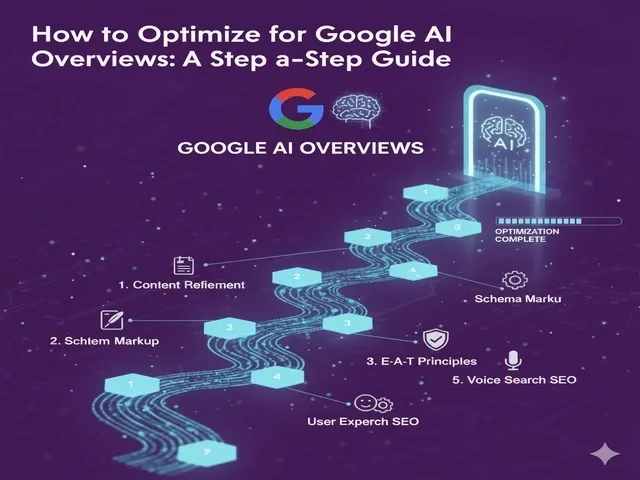
Practical Steps to Appear in AI Overviews in Google Search
Enough theory. Here’s what to actually do, in order, if you want a shot at being cited.
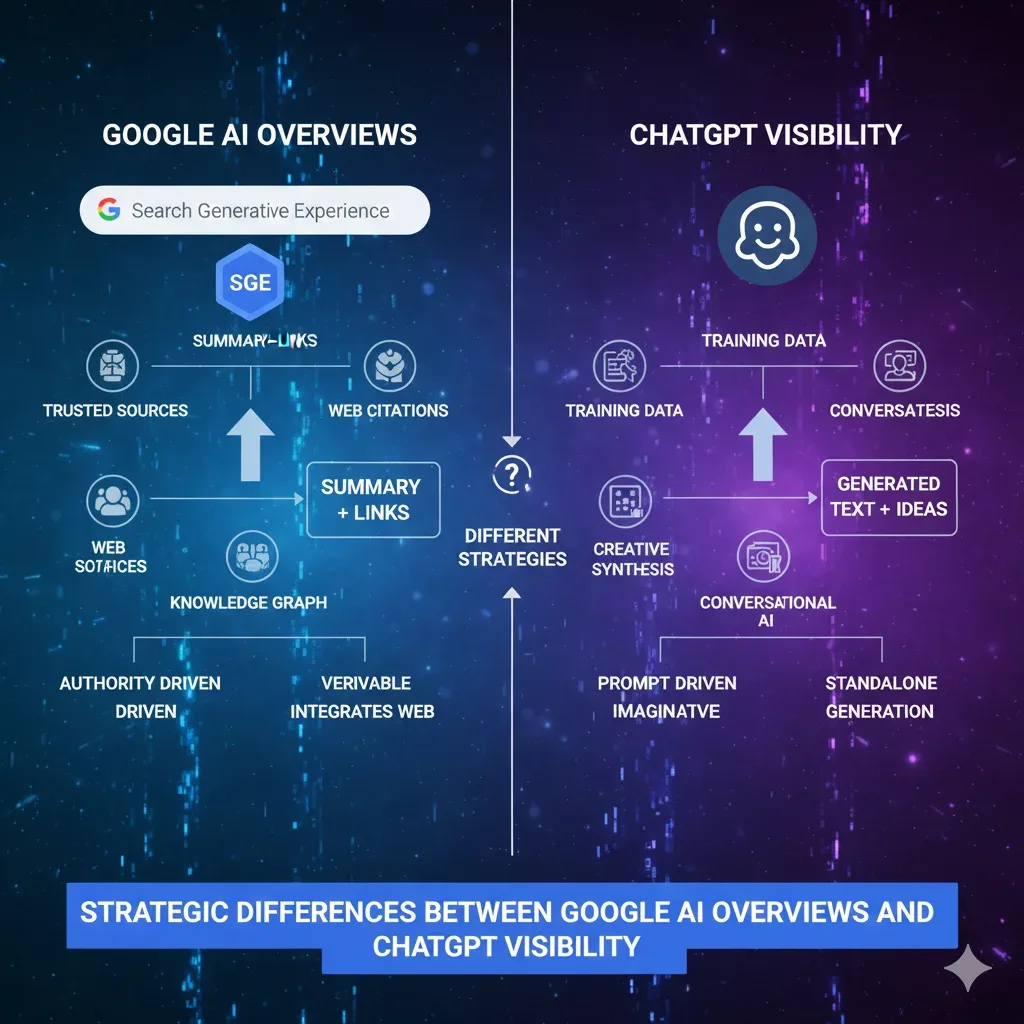
These steps aren’t exotic. They’re the fundamentals, applied with an eye toward how AI systems read content.
- Audit your existing top pages. Find the pages that already rank well and check whether they answer their target question in the first two sentences. If not, rewrite the opening. This alone can lift citation odds significantly.
- Restructure for scannability. Break long sections into short ones. Use descriptive H2s and H3s that mirror how people actually phrase questions. The model uses these headers as signals.
- Add a direct answer block. Near the top of each key page, include a tight summary paragraph that could stand alone as an answer. This is the passage most likely to be quoted in ai overviews in google search.
- Build supporting cluster content. For each pillar topic, write 4-6 sub-articles that answer related questions. Interlink them so the cluster reads as a single authoritative resource.
- Strengthen author and site signals. Publish bios, link to primary sources, and keep your About page current. Trust is a prerequisite, not a bonus.
- Implement relevant schema. Add FAQ, HowTo, and Article markup where it fits. Validate it with Google’s testing tools before you ship.
- Monitor citations monthly. Track which queries trigger overviews and whether your domain appears. Adjust your content based on what’s actually getting pulled.
That last step is where most people fall down. They optimize once and forget. But AI overviews in google search evolve constantly, and so should your approach.
A Realistic Example
Say you run a personal finance blog. One of your pages covers “how to build an emergency fund.” It ranks on page two and gets modest traffic.
You rewrite the intro to lead with a direct answer: “An emergency fund should cover three to six months of essential expenses, kept in a liquid savings account.”
You then break the rest of the page into short, question-based sections. You add FAQ schema. You link to a related article on high-yield savings accounts.
Within a few weeks, that page starts appearing as a source in AI overviews in google search for related queries. Traffic doesn’t spike, but the quality of visitors improves.

That’s the pattern. Small structural changes, compounded over a cluster, produce citation wins that a single optimized page can’t.
Common Mistakes That Kill AI Overview Visibility
Plenty of well-meaning sites sabotage themselves without realizing it. These missteps show up again and again.
Fixing them is often easier than building new content from scratch, which makes this section worth reading twice.
Burying the Answer
The most common mistake is making readers wait. A page that spends 400 words on background before answering the question loses the model’s attention early.
AI systems extract passages, and they favor passages that stand alone. If your answer is tangled up with setup, it’s harder to lift cleanly.
Lead with the answer. Then explain. That order serves both the reader and AI overviews in google search.
Ignoring Search Intent
A page optimized for the wrong intent will never get cited, no matter how well-written. If someone searches “best budget laptop” and your page is a history of laptops, you’re off-target.
Match the intent first. Informational, commercial, transactional, navigational. Each demands a different structure.
When intent and content align, AI overviews in google search has a reason to use you. When they don’t, you’re invisible.
Over-Reliance on Thin Content
Short posts can rank for simple queries, but they rarely get cited in AI overviews. The model wants substance it can synthesize.
That doesn’t mean padding. Structuring your AI overviews in google search around proven patterns ensures impact. It means depth. Answer the question, then answer the follow-up questions a reader would naturally have.
Thin content isn’t a death sentence, but it’s a ceiling. If you want to be cited in AI overviews in google search, you need enough substance to be worth quoting.
Neglecting Technical Health
Slow pages, broken schema, and blocked crawlers all quietly undermine your chances. If Google can’t parse your page cleanly, the model can’t use it.
Run a technical audit every quarter. Check Core Web Vitals, crawlability, and indexation. Fix what’s broken before you write another word.
It’s not exciting work. But AI overviews in google search depends on clean technical foundations just as much as great writing.
Measuring Success in an AI Overview World
Old metrics don’t tell the full story anymore. Ranking position still matters, but it’s no longer the whole picture.
You need to track citation frequency, impression trends, and the quality of traffic that actually lands. Together, those three tell you whether your AI visibility is growing.
Tools are catching up, but many still lag. Manual checks remain useful, especially for your highest-value queries.
Set a monthly routine. Search your target terms, note whether an overview appears, and record whether you’re cited. Over time, patterns emerge.
Metrics That Actually Matter Now
Impressions without clicks are the new normal for many queries. Watch that ratio. A rising impression count with stable clicks often means you’re being cited but not visited.
Direct traffic and branded search are also worth monitoring. If people start typing your brand name after seeing you in AI overviews in google search, that’s a real win.
Conversion rate on the traffic you do get matters more than ever. Fewer visitors, higher intent. Optimize for that.
And keep an eye on assisted conversions. Applying these principles to your AI overviews in google search yields measurable results. Someone might see you in an overview, leave, and return later to buy. Attribution tools often miss that first touch.
Tools and Manual Checks
No single tool covers everything yet. Third-party rank trackers have added AI overview detection, but coverage varies by region and query type.
Search Console remains essential for impressions and click data, even if it doesn’t isolate overview citations directly.
Manual spot checks fill the gaps. Pick 20-30 priority queries, check them weekly, and log the results. It’s tedious, but it’s the most accurate signal you’ll get.
Combine all three sources and you’ll have a clearer picture of how AI overviews in google search affects your site than any single dashboard can give.
Frequently Asked Questions About AI Overviews in Google Search
Here is an in-depth breakdown of key considerations regarding this section:
Do AI Overviews Reduce Website Traffic?
For simple informational queries, yes, they often do. Users get their answer without clicking. For complex or transactional queries, the impact is much smaller, and cited sources can still see meaningful traffic.
Can Any Website Appear in an AI Overview?
Technically, yes. There’s no minimum domain authority requirement. In practice, sites with strong topical authority, clear structure, and trustworthy signals appear far more often.
How Long Does It Take to Get Cited?
It varies. Some pages get picked up within days of publishing, especially on fast-moving topics. Others take weeks or months as the model re-evaluates the cluster around a topic.
Does Keyword Density Still Matter?
Less than it used to. Natural language, clarity, and structure matter more. Stuffing keywords into a page aimed at AI overviews in google search tends to backfire.
Should I Block AI Overviews from Using My Content?
That’s a business decision. Blocking removes you from citations but doesn’t necessarily restore lost clicks. Most publishers find more value in being cited than in opting out.
What’s the Single Biggest Lever for Visibility?
Answer the question directly in the first sentence of each section. It’s simple, and it consistently outperforms more elaborate tactics.
Final Thoughts on Adapting Your SEO Playbook
The rise of AI overviews in google search isn’t a temporary glitch. It’s a structural change in how search works, and it rewards a different set of habits than the ones we spent a decade perfecting.
Direct answers beat clever intros. Topical depth beats one-off posts. Trust signals beat keyword tricks. Those are the new fundamentals.
If you adapt early, you’ll be positioned to benefit from citations even as raw clicks decline on some queries. If you wait, you’ll be playing catch-up while competitors lock in the sources Google trusts.
Start with your best pages. Rewrite the openings. Add structure. Build the cluster. Then measure and iterate.
That’s how you stay visible in a search environment shaped by AI overviews in google search. Not by fighting the change, but by learning to feed it exactly what it needs.
For verified reference and background research, consult the authoritative informational resource on this topic.