Cause related advertising works because it lets a brand borrow the trust of something people already believe in. That’s the short version. The longer version involves psychology, math, and a few hard lessons from campaigns that flopped because the cause felt pasted on like a bumper sticker.
I’ve spent years watching brands try to attach themselves to social missions, and the pattern is always the same: the ones that get it right win loyalty that money can’t buy, and the ones that get it wrong get roasted on social media within 48 hours. So let’s dig into what actually separates the two.
What Cause Related Advertising Really Means
Cause related advertising is a marketing approach where a company ties its promotional message to a social cause, charity, or public issue. Instead of just saying “buy our soap,” the brand says “buy our soap and we’ll fund clean water projects.”
The key word there is advertising, not philanthropy. This isn’t about a company quietly writing a check to a nonprofit and hoping nobody notices. It’s about putting the cause front and center in the ad itself, using it as the emotional engine that drives the pitch.
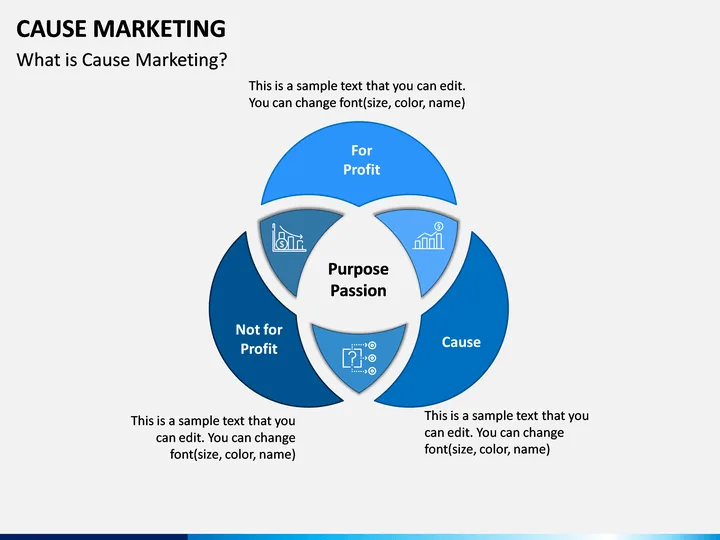
That distinction matters more than most marketers admit. Pure corporate giving happens behind closed doors. Cause related advertising happens on billboards, in TV spots, and in your Instagram feed, and it invites the customer to become part of the story.
How It Differs from Corporate Social Responsibility
CSR is the broad umbrella. It covers everything from reducing factory emissions to offering paid volunteer days. Cause related advertising is a narrow slice of that umbrella, and it’s specifically about communication.

You can run a company with impeccable CSR practices and never produce a single cause related advertising campaign. Plenty of B2B manufacturers do exactly that. Their sustainability reports are spotless, but their ads just talk about torque specs and delivery times.
The flip side is also true. Some brands pour millions into cause related advertising while their actual operations tell a messier story. When that gap gets exposed, the campaign becomes a liability instead of an asset.
So the first rule I’d give any brand considering this route: make sure the operational reality can survive a journalist’s questions before you put the cause in a headline.
Why the Term Gets Confused With Cause Marketing
In practice, people use “cause related advertising” and “cause marketing” almost interchangeably, and honestly, that’s fine for casual conversation. But there’s a useful nuance if you’re building strategy.
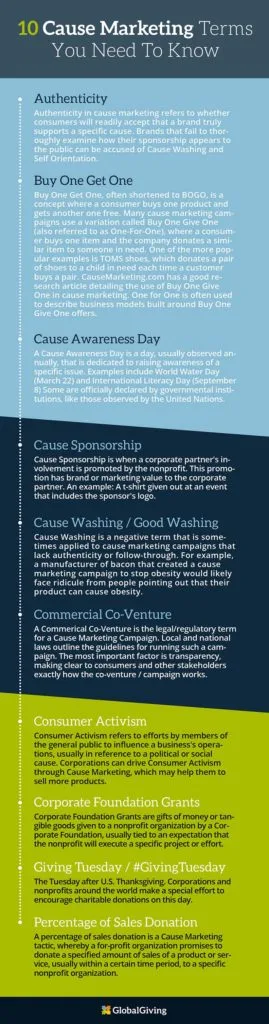
Cause marketing usually describes the whole partnership structure, including the contract between the brand and the nonprofit, the duration, and the revenue-sharing terms. Cause related advertising describes the public-facing communication layer that sits on top of that structure.
You can have a brilliant cause marketing partnership and terrible cause related advertising. The deal is solid, the money flows to the right place, but the ads are so vague that nobody remembers which brand was involved. That’s a waste of a good partnership.
Conversely, sharp cause related advertising can make a modest partnership look enormous. The execution is what people see, and execution is where most of the value gets created or destroyed.
The Psychology That Makes Cause Related Advertising Persuasive
There’s a reason this format keeps working decade after decade, and it isn’t just goodwill. It taps into several well-documented psychological levers at once.
First, there’s the warm glow effect. People genuinely feel better about a purchase when they believe part of it goes somewhere meaningful. That feeling is real, measurable, and it shows up in repeat purchase behavior, not just one-time spikes.
Second, there’s identity signaling. Buying a cause-linked product lets someone say something about who they are without saying a word. The product becomes a small badge.
Third, and this is the one brands underestimate, there’s the reduction of purchase guilt. If you’re buying something indulgent, a cause tie-in softens the internal objection. It gives the brain permission to say yes.
The Warm Glow Effect in Real Purchases
Researchers have studied this for decades, and the finding holds up: when people feel their purchase contributes to a good outcome, they report higher satisfaction with the same product.
Same coffee. Same price. Same taste. But if a portion funds a literacy program, the satisfaction rating climbs. That’s not sentimentality, it’s a documented shift in how the brain values the transaction.
For marketers, the practical implication is that cause related advertising can justify a premium position without the brand having to shout about quality. The cause does some of the persuasion work for you.
Identity and Belonging as Purchase Drivers
Humans are tribal. We buy things that signal which tribe we belong to, and cause alignment is one of the cleanest signals available.
A reusable bottle with a marine conservation logo isn’t just a bottle. It tells the room something about the person holding it. That’s why cause related advertising tends to perform so well in categories where products are visible: apparel, accessories, beverages, personal care.

The catch is authenticity. If the signal feels borrowed or performative, the same tribal instinct flips against you. Nobody wants to be the person carrying a badge that turns out to be fake.
Guilt Reduction and the Permission to Buy
This one is subtle but powerful. Many product categories carry a low hum of guilt: fast fashion, sugary snacks, air travel, disposable goods.
Cause related advertising doesn’t erase that guilt, but it redirects it. It says: yes, this is a treat, and part of the cost goes to something that matters. The brain accepts the trade.
I’ve watched snack brands lift conversion rates simply by reframing the same product around a food-bank partnership. Nothing about the product changed. The story around it did.
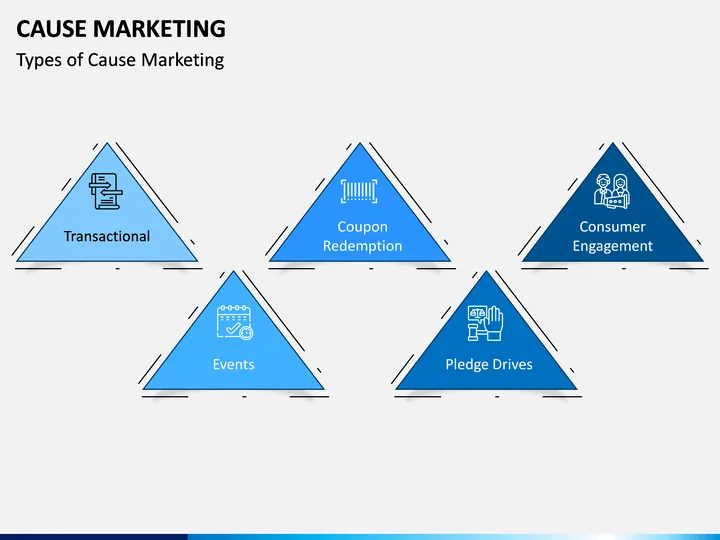
Common Formats of Cause Related Advertising
Not every campaign looks the same. The format you choose depends on your budget, your category, and how much operational complexity you can handle.
Some brands go big with a named nonprofit partner and a multi-year commitment. Others keep it lean with a simple percentage pledge. Both can work, but they demand different levels of internal discipline.
Percentage-of-Proceeds Campaigns
This is the most common format, and for good reason. It’s easy to explain, easy to track, and easy for customers to understand.
A brand pledges a fixed percentage of sales during a defined window, or on a specific product line, to a named cause. The cause related advertising then centers on that pledge.
The execution risk here is transparency. If customers can’t verify that the donation actually happened, the campaign can backfire. Publishing the total raised, with the nonprofit confirming it, closes that loop.
Buy-One-Give-One Models
This format is more tangible. Instead of money moving around, a physical item moves. Buy a pair of shoes, and a pair goes to someone who needs one.
The strength is concreteness. Customers can picture the outcome. The weakness is logistics, because the giving side has to actually function at scale, and that’s harder than it sounds.

Several brands have built entire identities around this model, and their cause related advertising leans heavily on real photos and real distribution stories rather than abstract statistics.
Brand Partnerships With Nonprofits
Here, the brand and the nonprofit co-create the campaign. The nonprofit lends credibility and expertise, and the brand lends reach and budget.
This format produces the strongest cause related advertising when the two organizations genuinely complement each other. A running shoe brand partnering with a youth sports charity makes intuitive sense. A tobacco company partnering with a lung health fund does not.
Fit is everything. When the pairing feels forced, audiences notice immediately, and the campaign reads as cynical rather than sincere.
Advocacy and Awareness Campaigns
Not every campaign involves a donation. Some focus purely on raising awareness, changing behavior, or shifting public conversation.
These are trickier to measure, but they can build enormous brand equity over time. The cause related advertising here is about positioning the brand as a voice, not just a donor.
The risk is that awareness without action can feel hollow. Audiences increasingly want to see a concrete commitment attached to the message, not just a hashtag.
Why Cause Related Advertising Works: the Business Case
Let’s move past the feel-good framing and talk numbers, because the business case is what gets budget approved.
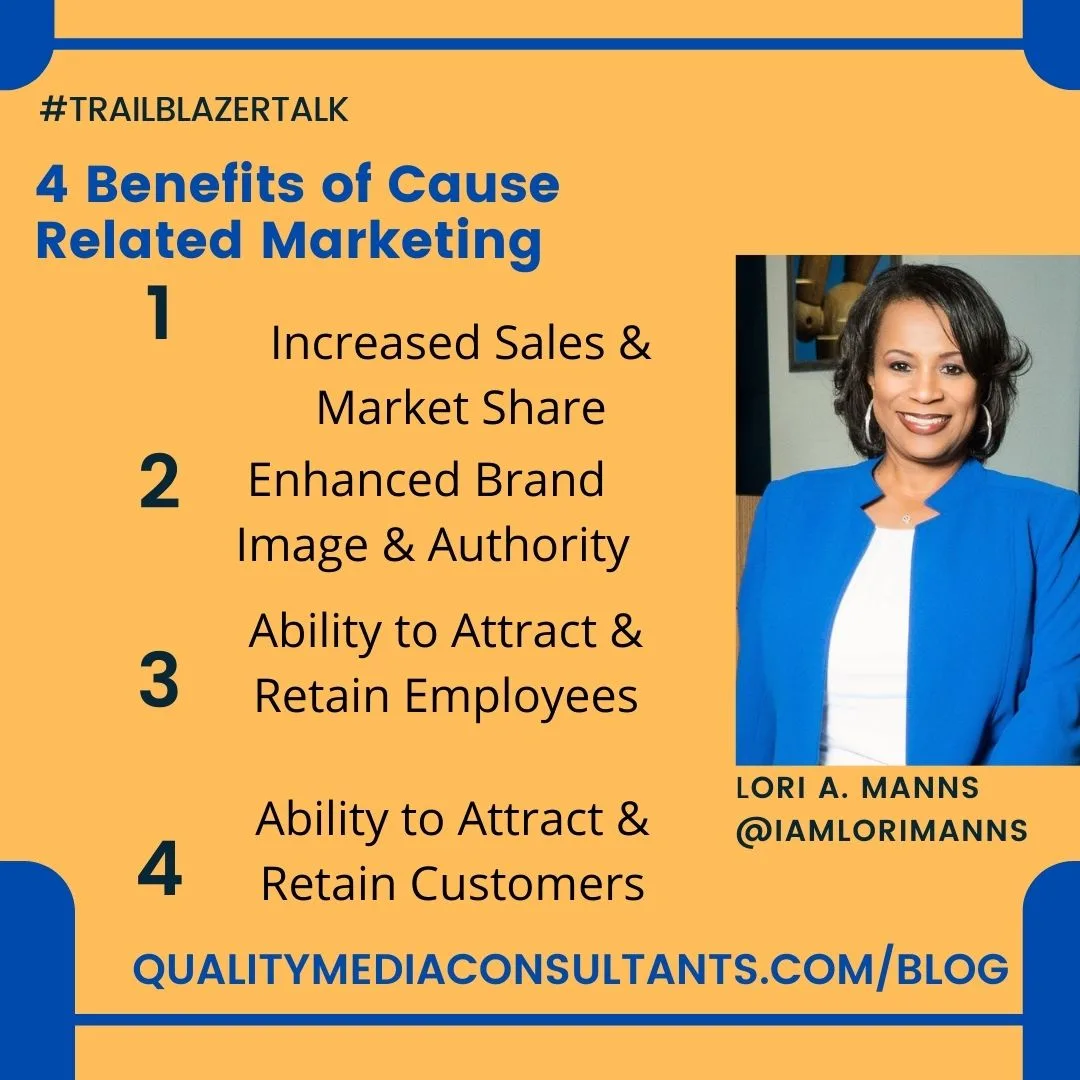
Cause related advertising tends to show up favorably across several metrics at once: purchase intent, brand recall, willingness to pay a premium, and employee retention. That combination is rare for any single marketing tactic.
It also tends to be more resilient. When a brand has a genuine cause association, a single bad quarter or a supply chain hiccup doesn’t erase the emotional connection customers feel.
Higher Purchase Intent and Brand Recall
Study after study shows that consumers, particularly younger ones, report higher intent to buy from brands they perceive as purpose-driven.
Recall works the same way. A cause related advertising campaign gives the brain an extra hook to hang the brand on. Instead of remembering a product attribute, the customer remembers a story.
Stories stick. Attributes fade. That’s a durable advantage if you can sustain it.
Premium Pricing Tolerance
Customers will often pay more for a product when they believe part of the price funds something they care about.
This doesn’t mean you can charge anything. But it does mean cause related advertising can support a premium position that would otherwise be hard to defend on product features alone.
I’ve seen this play out most clearly in commodity categories where the products are nearly identical. The cause becomes the differentiator, and the price gap holds.
Talent Retention and Internal Culture
This benefit gets overlooked constantly. Employees want to work somewhere that stands for something, and a visible cause related advertising program signals that.
Recruiting improves. Turnover drops. Internal pride rises. None of that shows up in a media plan, but it shows up on the balance sheet over time.
Some of the strongest cause related advertising campaigns I’ve seen started as internal culture projects that later became public-facing.
Real Examples of Cause Related Advertising That Landed
Theory is fine, but examples are where it clicks. Here are patterns from campaigns that worked, and what made them different.
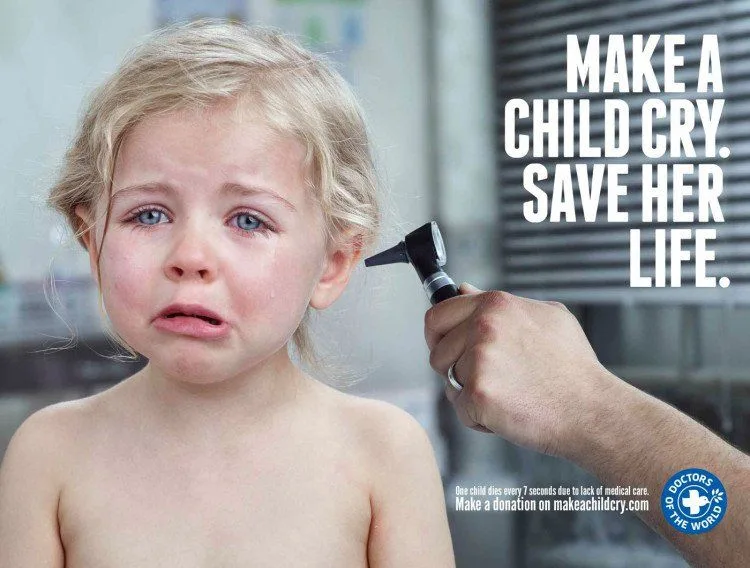
Notice as you read that none of them relied on a clever tagline alone. Each one paired the message with a structural commitment that customers could verify.
Apparel Brands Funding Disaster Relief
Several apparel companies have run rapid-response campaigns where a specific item’s proceeds go to disaster relief within days of an event.
The speed is the secret. Cause related advertising tied to a current event feels urgent and relevant, and customers respond faster than they would to an evergreen pledge.
The best versions publish the donation total publicly within weeks, which builds trust for the next campaign.
Beverage Companies Backing Clean Water
Clean water partnerships have become a staple of cause related advertising in the beverage space, and the logic is clean: a water brand funding water access is a natural fit.
What separates the strong campaigns is the specificity. Instead of vague promises, they name villages, show construction, and report on wells that are still functioning years later.
Specificity converts skepticism into belief. That’s the whole game.
Personal Care Brands and Mental Health
Mental health has become one of the fastest-growing cause categories, and personal care brands have leaned in hard.
The strongest cause related advertising here avoids clinical language and instead tells first-person stories from real customers. It feels human because it is human.
The weaker versions slap a ribbon on a bottle and call it a day. Audiences can tell the difference instantly.
Financial Institutions and Financial Literacy
Banks and credit unions have started using cause related advertising to promote financial literacy programs, especially in underserved communities.
This is a smart play because it aligns the cause with the company’s actual expertise. The brand isn’t just donating, it’s contributing something it’s genuinely good at.
When the cause matches the core competency, the campaign feels earned rather than bolted on.
Where Cause Related Advertising Goes Wrong
Now the uncomfortable part. Plenty of campaigns fail, and the failure modes are predictable once you’ve seen enough of them.
Most of the damage comes from one of three problems: a mismatch between brand and cause, a lack of follow-through, or messaging that feels calculated rather than sincere.
Performative Partnerships and Backlash
If the cause feels unrelated to the brand, audiences assume it’s opportunistic. That assumption is very hard to undo once it takes hold.
I’ve watched cause related advertising campaigns get shredded online within hours because the partnership looked random. The brand meant well, but the optics said otherwise.
The fix is boring but effective: pick causes that connect to what your company actually does, or to communities you genuinely serve.
The Credibility Gap Between Ad and Action
This is the deadliest failure mode. The ad promises one thing, and the company’s operations say another.
A fast fashion brand running cause related advertising about sustainability while its supply chain dumps dye into rivers is asking for trouble. The contradiction will surface eventually.
Before launching any campaign, run an honest internal audit. If the answer to “could a reporter embarrass us with this?” is yes, fix the operation first.
Vague Pledges Without Verifiable Numbers
“A portion of proceeds” is the laziest phrase in cause related advertising. It tells the customer nothing and invites suspicion.
Name the percentage. Name the nonprofit. Name the total raised. Publish the receipt, or at least a confirmation from the partner organization.

Specificity is not optional. It’s the difference between a campaign people trust and a campaign people scroll past.
How to Build a Cause Related Advertising Campaign Step by Step
If you’re starting from scratch, here’s the sequence I’d recommend. It’s not glamorous, but it prevents the most common mistakes.

Work through these steps in order. Skipping ahead usually means redoing work later, or worse, launching something you can’t defend.
Step 1: Choose a Cause That Fits Your Core Business
Start with what your company actually does. What problems does your industry touch? What communities depend on you?
The best cause related advertising grows out of that answer. A logistics company supporting disaster response makes sense. A software company funding coding education makes sense.
Random pairings rarely survive scrutiny. Fit is the foundation everything else rests on.
Step 2: Pick a Partner With Real Credibility
Don’t invent a foundation and call it a partnership. Work with an established organization that has a track record, audited finances, and a real presence in the field.
The partner’s reputation becomes part of your cause related advertising. If they’re respected, you inherit some of that respect. If they’re controversial, you inherit that too.
Do the diligence. Call other brands who’ve worked with them. Ask hard questions about where the money actually goes.
Step 3: Define the Commitment in Numbers
Decide exactly what you’re giving. A percentage? A fixed amount? A per-unit donation? Set the number before you write a single line of copy.
This forces clarity and prevents the vague pledges that undermine cause related advertising. It also makes internal approval easier because finance can model the cost.
Write the commitment down and treat it as a contract, not a marketing suggestion.
Step 4: Build the Creative Around the Cause, Not the Product
Here’s where most campaigns fumble. They lead with the product and tack the cause on at the end.
Flip it. Lead with the cause, show the human story, and let the product be the vehicle. That structure is what makes cause related advertising emotionally resonant instead of transactional.
The product still gets sold. It just gets sold through a story that people actually want to hear.
Step 5: Measure, Report, and Repeat
Track sales during the campaign, sure. But also track donation totals, media coverage, sentiment, and repeat purchase behavior afterward.
Publish the results. This closes the loop and sets up the next campaign with built-in credibility. Cause related advertising compounds when audiences see you follow through.
Then do it again. Consistency is what turns a one-off campaign into a brand identity.
Measuring the Impact of Cause Related Advertising
Measurement is where cause campaigns get fuzzy, and fuzzy measurement is why some CFOs resist the whole category.
You don’t have to accept that. With a bit of planning, this approach can be measured as rigorously as any other channel.
Short-Term Metrics: Sales, Clicks, and Conversion
During the campaign window, track the basics. Sales lift on the promoted SKU. Click-through on the ads. Conversion rate compared to a baseline period.
These numbers tell you whether the message moved people to act, which is the first question any stakeholder will ask about this approach.
Set the baseline before launch. Otherwise you’ll be arguing about attribution for months.
Long-Term Metrics: Brand Equity and Loyalty
The bigger payoff shows up over quarters, not weeks. Brand affinity surveys, unaided recall, and customer lifetime value are the metrics that matter here.
This practice tends to strengthen these slowly and steadily. That’s why one-off campaigns rarely capture the full benefit.
Run the same surveys before and after a multi-quarter effort. The delta is your real return.
Qualitative Signals: Sentiment and Community Response
Not everything worth measuring is a number. Read the comments. Watch how the nonprofit talks about you. Listen to what employees say internally.
These signals often predict the quantitative results before they show up. If sentiment turns negative, the this approach is probably misfiring somewhere.
Treat qualitative feedback as an early warning system, not as noise.
Table: Comparing Cause Related Advertising Formats
Different formats suit different situations. Here’s a side-by-side look at the trade-offs.
| Format | Best For | Complexity | Customer Trust Signal | Typical Risk |
|---|---|---|---|---|
| Percentage of Proceeds | Established brands with steady sales | Low | Medium (needs published totals) | Vague pledges |
| Buy-One-Give-One | Physical products with clear unit economics | High | High (tangible outcome) | Logistics failures |
| Nonprofit Partnership | Brands seeking credibility transfer | Medium | High (partner reputation) | Poor cause fit |
| Awareness Campaign | Service brands and B2B | Low | Low to Medium | Feels hollow without action |
| Employee-Led Giving | Companies with strong internal culture | Medium | Medium | Limited external reach |
Pick the format that matches your operational capacity, not the one that sounds most impressive in a pitch deck.
Cause Related Advertising in B2B and Industrial Markets
Most conversations about this topic focus on consumer brands, but B2B companies run this approach too, and it works differently.
The audience is smaller and more analytical. Emotional appeals land softer, and proof points matter more. That changes the playbook.
Why B2B Buyers Still Respond to Cause Alignment
Procurement teams are people. They care about supplier reputation, ESG compliance, and whether a partnership will reflect well on their own company.
This practice in B2B often functions as a trust signal rather than an emotional hook. It tells the buyer that this supplier is stable, values-driven, and unlikely to embarrass them.
That’s a real advantage in long sales cycles where risk aversion dominates decision-making.
Trade Publication and Industry Event Strategies
B2B this practice rarely runs on prime-time TV. It shows up in trade publications, at industry conferences, and in sustainability reports.
The tone is different too. Less storytelling, more documentation. Numbers, certifications, third-party audits.
Done well, this builds a reputation that quietly closes deals for years.
Legal and Ethical Guardrails for Cause Related Advertising
This area has rules, and ignoring them is expensive. Regulators in multiple countries watch commercial co-venture claims closely.
If you promise a donation, you have to deliver it. If you name a percentage, it has to be accurate. If you imply a partnership, it has to exist.
Disclosure Requirements You Can’t Skip
Most jurisdictions require clear disclosure of the donation amount, the beneficiary, and the campaign window. Some require registration before the campaign even launches.
This practice that skips these steps can trigger fines, lawsuits, and permanent reputational damage.
Get legal review before you publish, not after a complaint arrives.
Avoiding Greenwashing and Cause-Washing Claims
Cause-washing is the term for campaigns that exaggerate or fabricate social impact. It’s increasingly targeted by regulators and activists alike.
The defense is simple: only claim what you can prove. Keep records. Publish third-party verification when possible.
this practice built on verifiable facts survives scrutiny. Campaigns built on vibes do not.
Frequently Asked Questions About Cause Related Advertising
Here are the questions I hear most often from marketers and founders weighing this approach.
What is the Main Goal of Cause Related Advertising?
The main goal is to build a durable emotional connection between the brand and the customer by linking the purchase to a cause the customer cares about.
Sales matter, obviously. But the deeper aim is brand affinity that survives beyond a single campaign window.
Is Cause Related Advertising the Same as CSR?
No. CSR covers a company’s entire social and environmental footprint. this practice is specifically the public communication piece tied to a cause.

You can have strong CSR without any this approach, and unfortunately, the reverse is also possible.
How Do You Measure Success?
Track short-term metrics like sales lift and conversion, and long-term metrics like brand recall, loyalty, and customer lifetime value.
Also monitor sentiment and community response. this approach often shows up in qualitative signals before it shows up in dashboards.
Can Small Businesses Run These Campaigns?
Absolutely. You don’t need a national nonprofit partner or a seven-figure budget. A local partnership with a community organization can be just as effective.
Small-scale this approach often feels more authentic precisely because it’s local and specific.
What’s the Biggest Mistake Brands Make?
Choosing a cause that has nothing to do with the business. When the link is arbitrary, audiences assume the whole thing is performative.
The second biggest mistake is failing to follow through. this approach without delivery is worse than no campaign at all.
Does It Actually Increase Sales?
Yes, in most documented cases, especially when the campaign is well-executed and the cause fits the brand.
The lift varies by category and format, but the pattern is consistent enough that this approach has become a standard tool rather than a novelty.
Practical Tips for Getting Cause Related Advertising Right
Before you wrap up planning, run through this checklist. It’s the stuff that separates campaigns that endure from campaigns that get forgotten.
- Anchor the cause in your actual business. If your company touches education, health, or environment in some real way, start there. Cause related advertising built on genuine overlap feels earned, and audiences reward that. A tutoring company backing literacy programs, for example, has a natural narrative that writes itself.
- Name the numbers publicly. Replace vague language with specifics. “One percent of every sale” beats “a portion of proceeds” every single time. Publishing the final donation total after the campaign closes builds trust that carries into the next one.
- Choose partners with verifiable track records. Ask for audited financials. Talk to other brands that have worked with them. The credibility of your cause related advertising is only as strong as the credibility of your partner.
- Let the cause lead the creative. Open with the human story, not the product shot. The product arrives as the mechanism, not the hero. This single structural choice changes how audiences receive cause related advertising.
- Plan for the long haul. One campaign is a spike. Three years of consistent commitment is an identity. The compounding effect is where the real value of cause related advertising lives.
- Get legal review early. Disclosure rules vary by region, and commercial co-venture regulations can be strict. Cause related advertising that ignores compliance risks fines that dwarf the campaign budget.
- Report back to your audience. Show them what happened. Photos, totals, stories from the field. This closes the loop and turns one-time buyers into long-term believers in your cause related advertising.
- Listen to employees. If your own team doesn’t believe in the campaign, customers won’t either. Internal buy-in is a leading indicator of external success.
- Audit the gap between message and operations. Before launch, ask what a skeptical journalist would find. If the answer is uncomfortable, fix the operation first. Cause related advertising can’t paper over a real contradiction.
- Measure beyond the campaign window. Sales during the push matter, but loyalty six months later matters more. Cause related advertising is a long game, and the metrics should reflect that.
Each of these tips sounds simple. In practice, most brands skip at least three of them, and that’s usually where the campaign starts to wobble.
The Future of Cause Related Advertising
Audiences are getting sharper. They can spot a performative campaign from a mile away, and they’re quicker than ever to call it out.
That pressure is good for the field. It’s pushing brands toward more substantive commitments and away from ribbon-slapping. this approach is becoming harder to fake, which means the brands that do it well will stand out more.
Expect to see more multi-year commitments, more third-party verification, and more integration between this practice and actual operational change. The bar keeps rising, and that’s a healthy thing.
Rising Expectations from Younger Buyers
Younger consumers increasingly treat cause alignment as a baseline expectation rather than a bonus. They assume brands should contribute, and they judge the ones that don’t.
For this practice, this shifts the challenge. It’s no longer about standing out by having a cause. It’s about standing out by having a credible one.
Generic campaigns will fade. Specific, verifiable, well-executed ones will keep working.
Technology and Transparency Tools
Blockchain-based donation tracking, real-time impact dashboards, and third-party audit platforms are making it easier to prove that this practice claims are real.
Brands that adopt these tools early gain a trust advantage. Customers can verify in seconds what used to require a leap of faith.
Transparency is becoming a competitive feature, not just a compliance requirement.
Bringing It All Together
this approach isn’t a shortcut to goodwill. It’s a commitment that has to be backed by real operations, real numbers, and real follow-through.
When it’s done right, it does something few marketing tactics can: it makes the purchase mean more than the product. That’s why it keeps working, and why the brands that commit to it seriously tend to build customer relationships that outlast any single campaign.
If you’re considering cause related advertising for your own brand, start small, choose a cause that fits, and be honest about what you can actually deliver. The rest follows from there.
For verified reference and background research, consult the authoritative informational resource on this topic.