If you have ever peeked behind the curtain of a web page, you have probably wondered what is a meta tag and why developers treat it like a secret handshake.
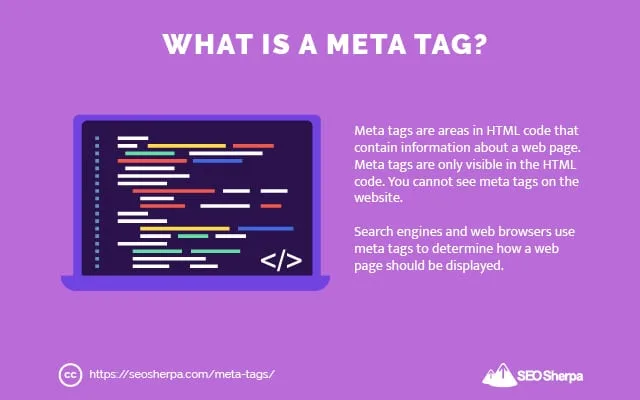
Here is the plain truth: a meta tag is a small snippet of HTML code that lives in the head section of a page and tells browsers and search engines what that page is actually about, without ever showing up on the screen itself.
Think of it as the label on a jar in a crowded pantry. Focusing on what is a meta tag provides clear direction throughout this process. You cannot taste the contents from the outside, but the label tells you whether you are reaching for honey or hot sauce. That single distinction matters more than most site owners realize.
In this walkthrough, I will break down what is a meta tag from the ground up, show you real examples you can copy, and explain why some tags quietly shape your rankings while others just sit there doing nothing useful. No jargon walls, no fluff — just the stuff that actually moves the needle.
What is a Meta Tag in Plain English?
Strip away the technical wrapping and what is a meta tag comes down to one idea: metadata. It is data about data. A meta tag does not change how a page looks to a visitor, but it changes how machines interpret that page.
Search engines read these tags to understand context, social platforms read them to build preview cards, and browsers read them to decide how to render or scale content. Focusing on what is a meta tag provides clear direction throughout this process. You never see them on the page, yet they influence nearly every automated decision made about your content.
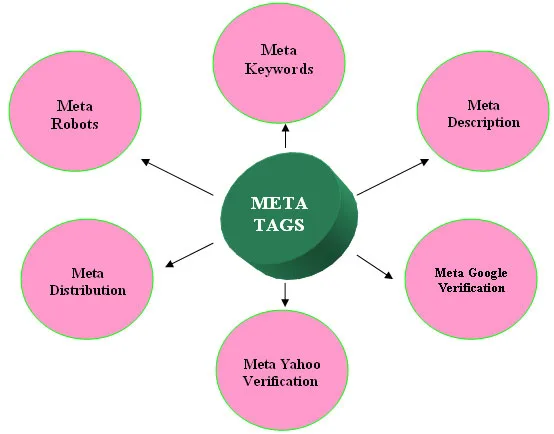
The confusion usually starts because people lump every tag together. A meta description, a meta robots directive, a viewport setting, and an Open Graph tag all fall under the same family, but they do completely different jobs. Knowing which one does what is where real skill begins.
According to Wikipedia’s overview of the meta element, these tags have existed since the earliest days of HTML and remain a core part of how documents describe themselves to software. Mastering what is a meta tag makes a tangible difference in real-world situations. That longevity says something — this is not a passing trend.
The Head Section Explained Without the Headache
Every HTML document has two main halves: the head and the body. The body holds everything a visitor sees — text, images, buttons. The head holds instructions that never render on screen.
When someone asks what is a meta tag, the cleanest answer is that it belongs to that invisible head section. It sits alongside the title tag and link elements, quietly feeding information to whoever is listening.
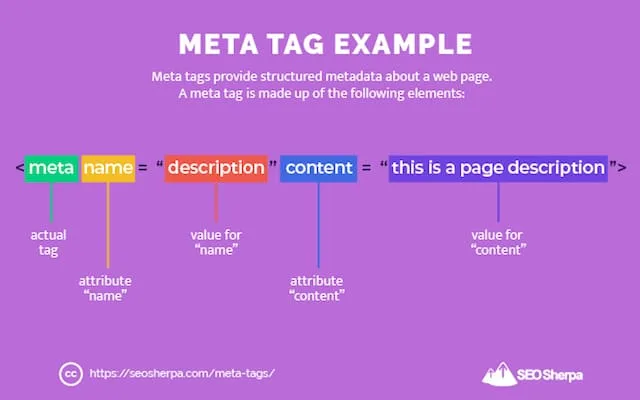
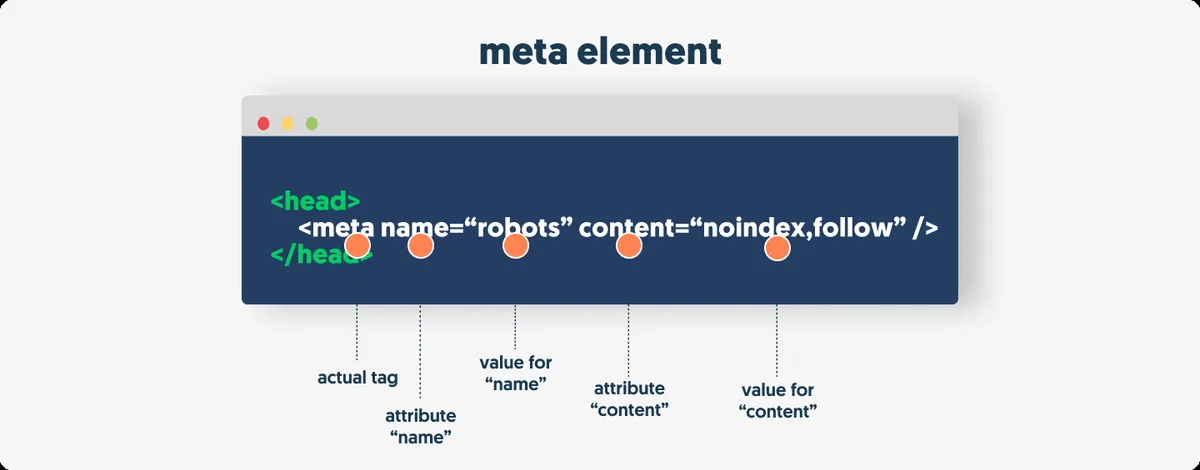
Here is a stripped-down example of where they live:
<head>
<meta charset=”UTF-8″>
<meta name=”description” content=”A short summary of the page.”>
<meta name=”viewport” content=”width=device-width, initial-scale=1″>
</head>
Notice there is nothing visually dramatic happening. That is the point. The power of what is a meta tag lives entirely in the interpretation layer, not the display layer.
Why the Invisible Layer Still Matters
Plenty of beginners assume that if something is invisible, it must be optional. That assumption costs them traffic every single day.
A missing viewport tag turns a clean mobile layout into a pinched, zoomed-out mess on phones. A practical understanding of what is a meta tag helps eliminate common pitfalls. A missing description tag hands Google the freedom to pull random sentences from your page for the search snippet. Neither outcome is catastrophic, but both are avoidable losses.
From my own experience auditing small business sites, the pattern repeats constantly. Mastering what is a meta tag makes a tangible difference in real-world situations. Owners spend hours tweaking button colors and almost no time on the head section. Then they wonder why their click-through rate lags behind competitors with weaker content but sharper metadata.
The Core Types of Meta Tags You Will Actually Use
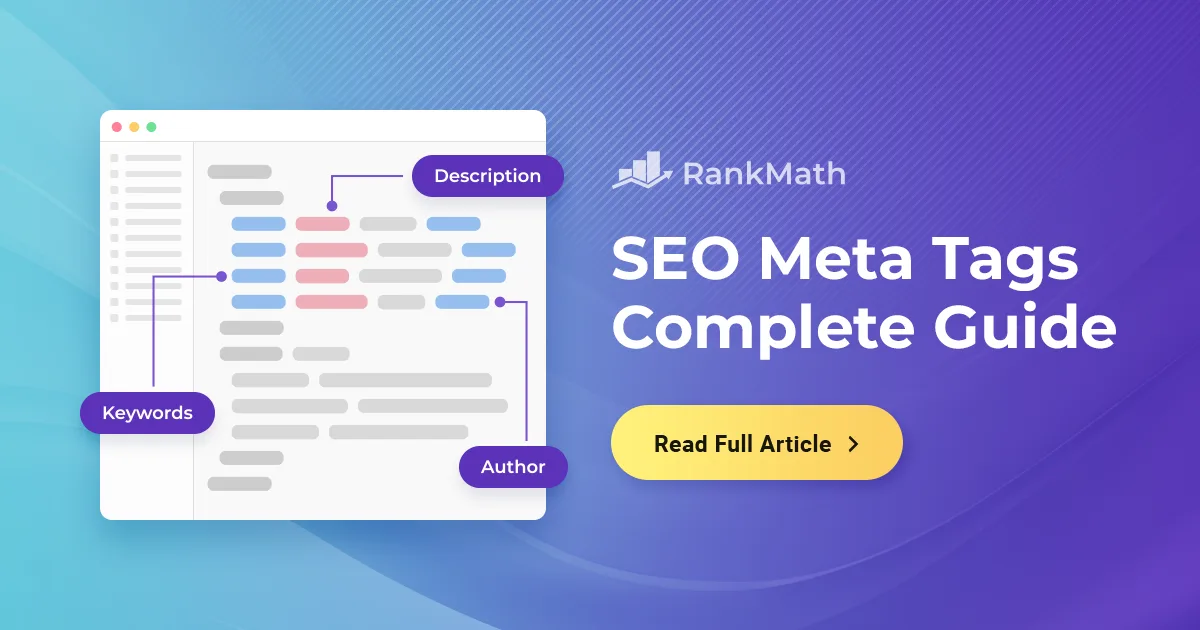
Not every tag deserves your attention. Some are relics, some are essential, and a few are quietly powerful in ways people overlook. Let me walk through the ones that earn their place.
Understanding what is a meta tag in practice means knowing which ones to prioritize when you only have twenty minutes to optimize a page. Prioritization beats perfection every time.
Meta Description Tags
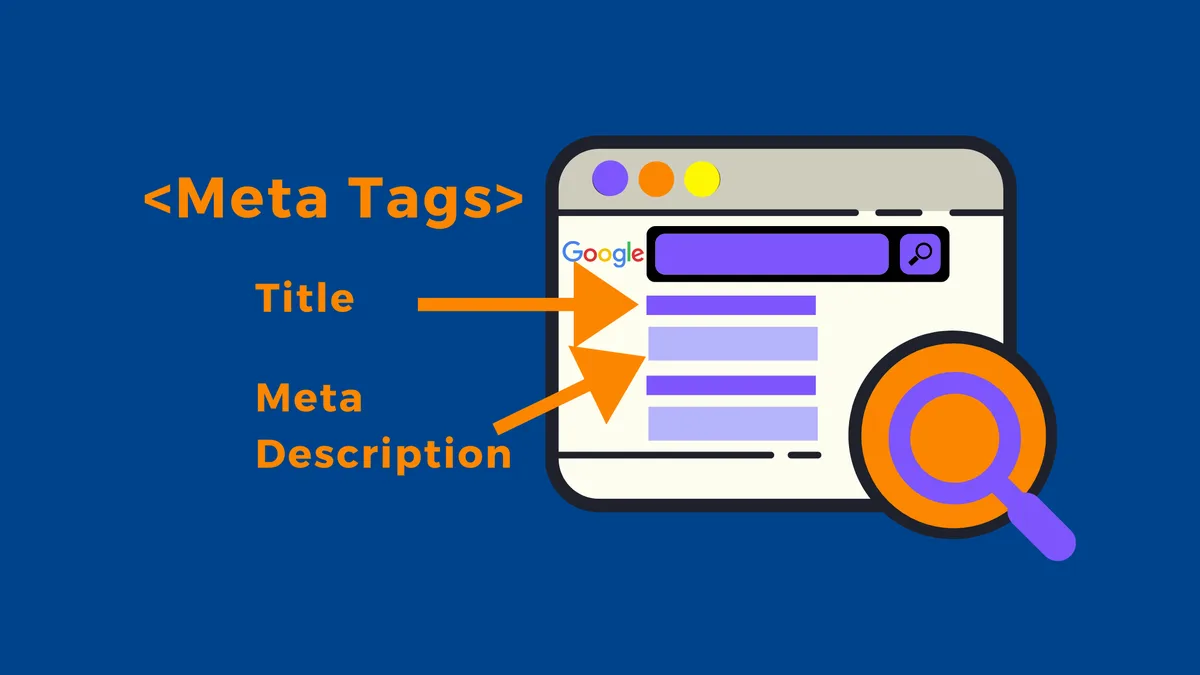
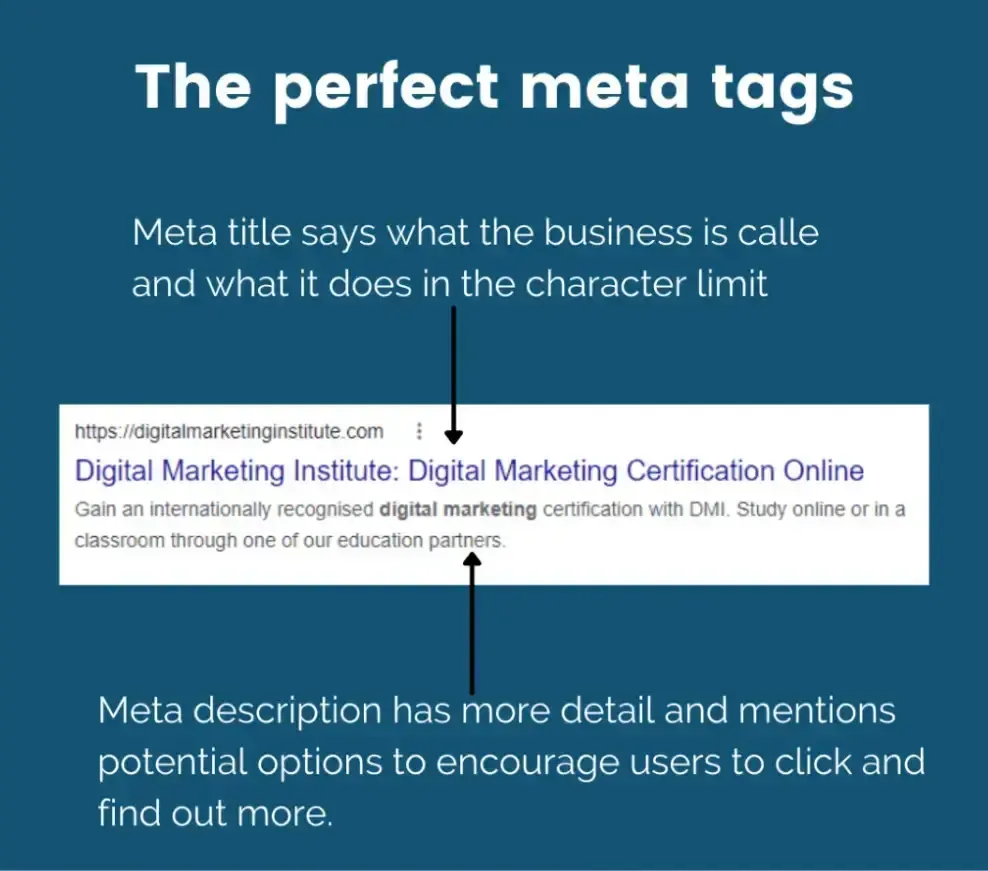
The description tag is the one most people mean when they ask what is a meta tag. It provides a short summary of the page, typically 140 to 160 characters, that search engines may display beneath your title in results.
Google does not always use it — sometimes it pulls a snippet from your content instead. Applying proven principles to what is a meta tag yields consistent, measurable results. But when it does use your description, a well-crafted one can lift click-through rates noticeably.
Write it like a pitch, not a summary. Lead with the benefit, include your main keyword naturally, and give the reader a reason to click rather than a dry recap of what the page contains.
Meta Robots Tags
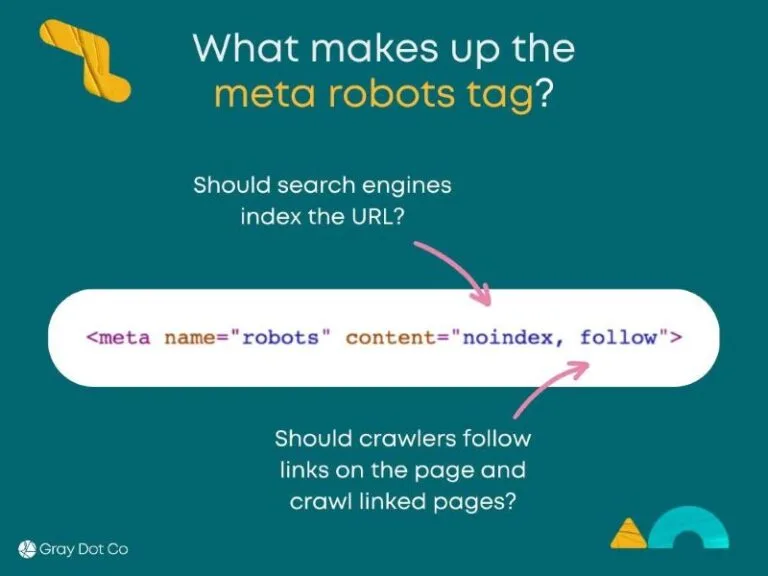
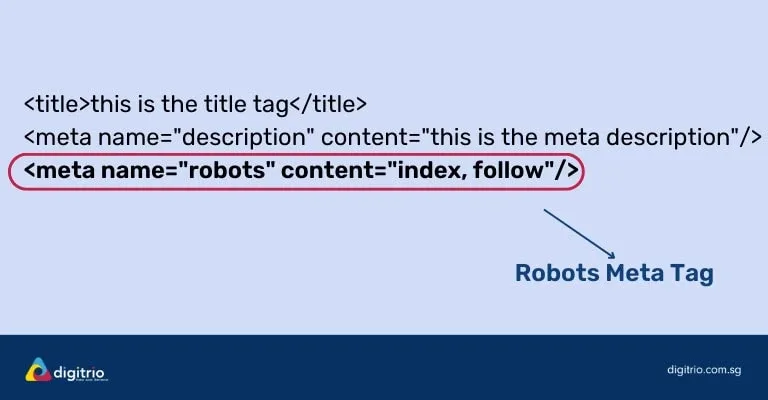
This tag tells crawlers whether to index a page and whether to follow its links. The default is index, follow, which is what you want for almost every public page.
Where it becomes critical is on thin pages, staging environments, or thank-you pages you never want appearing in search results. Effective execution around what is a meta tag reinforces confidence from the outset. A simple noindex directive keeps them out of the index entirely.
I have seen entire e-commerce sites accidentally block their product pages with a leftover robots tag from a development build. A practical understanding of what is a meta tag helps eliminate common pitfalls. It is a silent killer, and it happens more often than anyone admits.
Viewport Meta Tags
This one controls how a page scales on mobile devices. Without it, your carefully designed layout gets shrunk to fit a phone screen, forcing users to pinch and zoom just to read a sentence.
The standard configuration is straightforward: width set to device-width and initial-scale set to one. Careful preparation for what is a meta tag sets a solid foundation for long-term success. That single line is the difference between a mobile-friendly experience and an unusable one.
Google factors mobile usability into rankings, so this is not just a design nicety. It is a ranking consideration wrapped in a usability improvement.
Character Set and Charset Tags
These tags declare which character encoding the page uses. UTF-8 is the modern standard and handles virtually every language and symbol you will ever need.
Skip it, and you risk garbled text — those strange diamond question marks that appear when encoding goes wrong. Key insights into what is a meta tag streamline the entire review and decision cycle. It is a small detail with an outsized impact on professionalism.
Open Graph and Social Tags
When someone shares your link on social media, the platform reads these tags to build a preview card with a title, description, and image. Applying proven principles to what is a meta tag yields consistent, measurable results. Without them, you get a bare, unappealing link.
These are technically a separate protocol, but they live in the same head section and serve the same purpose: telling machines what your content is. For anyone serious about social distribution, they are non-negotiable.
Refresh and Redirect Tags
These instruct a browser to reload or redirect after a set interval. Developing structured habits for what is a meta tag ensures repeatable clarity. Modern practice discourages them in favor of proper server-side redirects, but they still appear in legacy systems.
If you inherit a site using meta refresh for navigation, treat it as a cleanup task. It hurts user experience and confuses crawlers.
A Comparison Table of Common Meta Tags
Sometimes a table says more in ten seconds than three paragraphs can in three minutes. Here is a quick reference covering the tags you will encounter most.
| Tag Type | Primary Purpose | Visible To Users | SEO Impact |
|---|---|---|---|
| Description | Summarizes page content for search snippets | No | Indirect (affects click-through) |
| Robots | Controls indexing and link following | No | Direct and significant |
| Viewport | Controls mobile scaling | No | Indirect (mobile usability) |
| Charset | Declares character encoding | No | Minimal (prevents errors) |
| Open Graph | Builds social share previews | No | Indirect (social traffic) |
| Refresh | Reloads or redirects a page | No | Negative if misused |
Notice how only one entry carries a direct ranking impact. Effective execution around what is a meta tag reinforces confidence from the outset. That surprises people who assume every tag is equally weighted. The reality is that most tags shape experience, and experience shapes rankings indirectly.
How Meta Tags Differ from Other HTML Elements
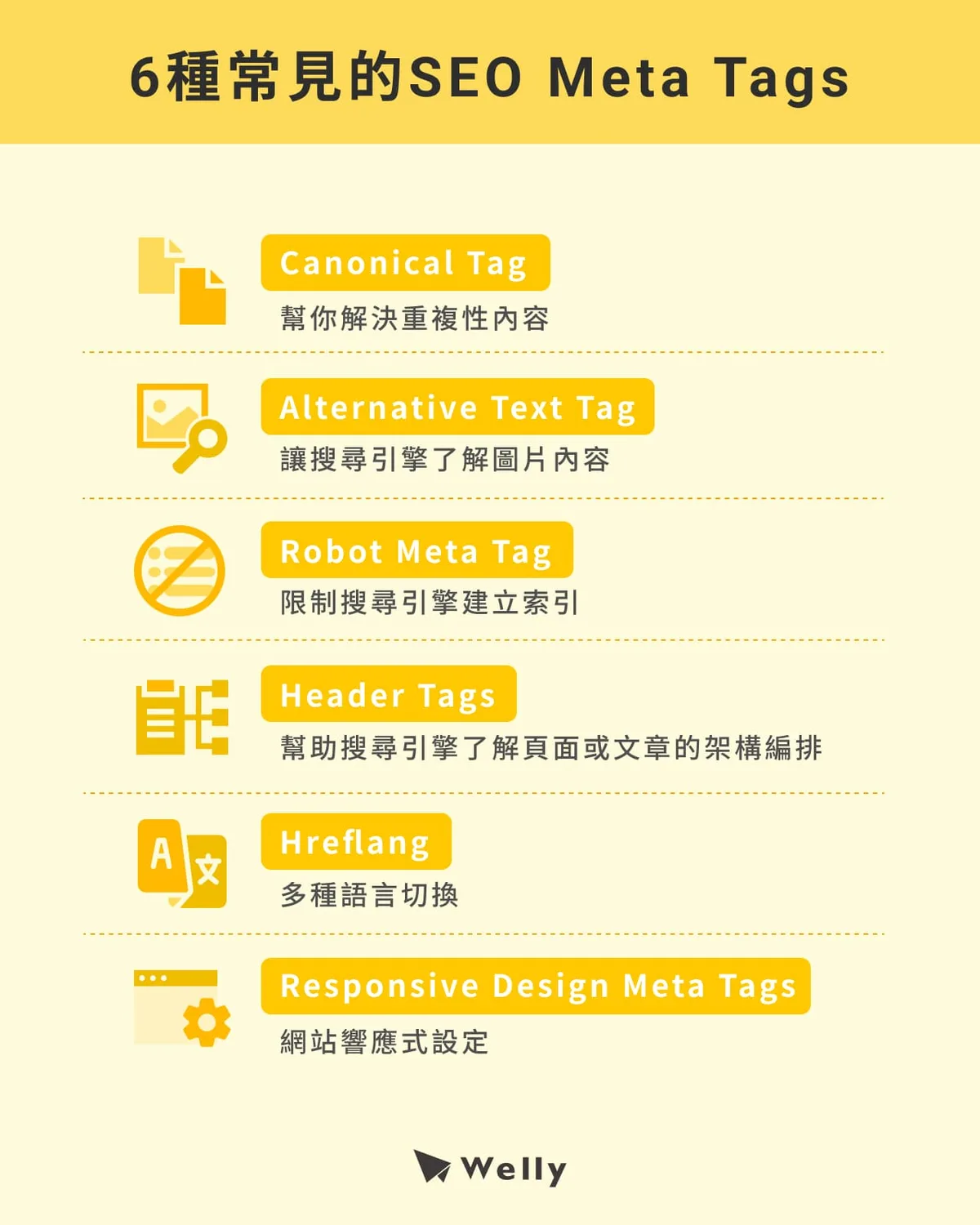
Beginners often confuse meta tags with title tags, headers, or alt attributes. They all live in the code, but they occupy different roles.
Understanding what is a meta tag requires drawing that line clearly. A title tag appears in the browser tab and as the clickable headline in search results. Headers structure visible content on the page. Alt text describes images for accessibility.
Meta tags, by contrast, are purely informational. They describe the document to machines without ever becoming part of the document’s visible body.
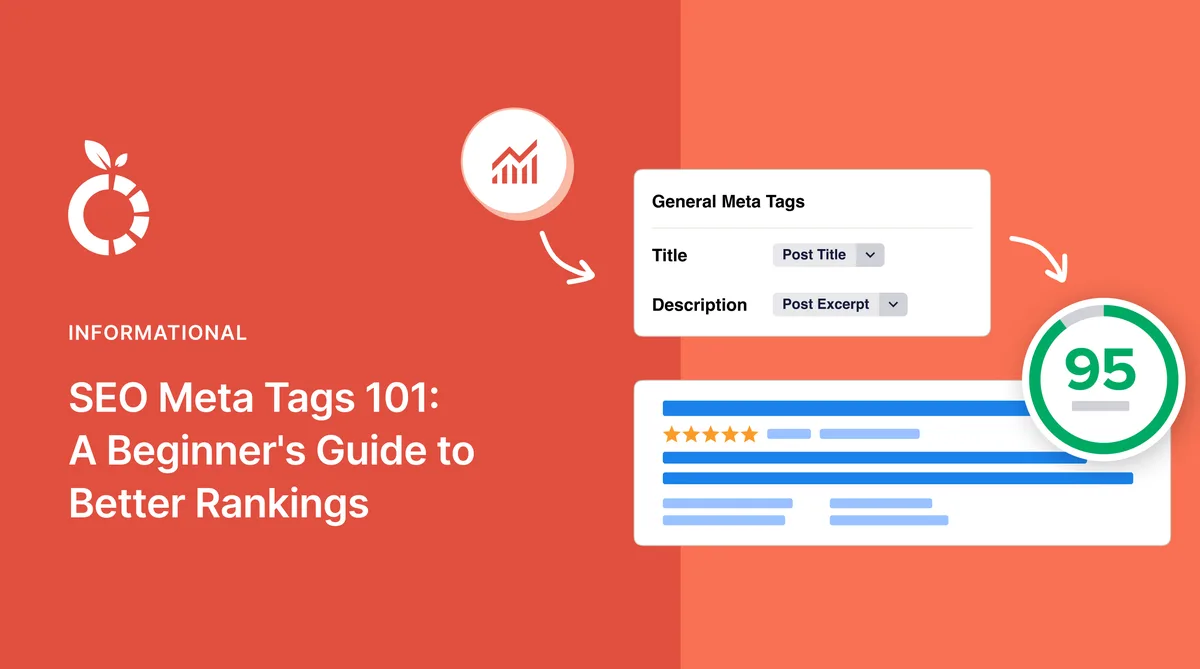
Meta Tags versus Title Tags
The title tag is the single most important on-page element for SEO, and it is technically not a meta tag. It uses its own element and displays prominently in search results.
That said, the two work as a pair. Careful preparation for what is a meta tag sets a solid foundation for long-term success. Your title grabs attention, your description supports it. When both are sharp, the result is a search listing that outperforms competitors with better content but weaker presentation.
Meta Tags versus Structured Data
Structured data, often expressed through JSON-LD, is a more sophisticated way to describe content to search engines. It can produce rich results like star ratings, FAQs, and breadcrumbs.
Some overlap exists, but they are not interchangeable. Structured data is heavier and more expressive. Meta tags are lighter and broader in application.
Why Meta Tags Still Matter for Modern SEO
Every few years someone declares meta tags dead. Every few years they are proven wrong.
Search engines have grown smarter, yes. Key insights into what is a meta tag streamline the entire review and decision cycle. They can read content, understand context, and generate their own descriptions when yours are missing. But smarter engines still rely on the signals you provide directly.
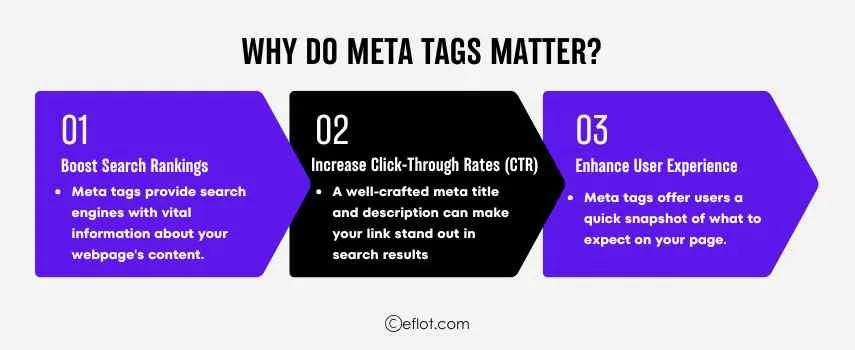
When you answer the question what is a meta tag properly, you are not just adding code. You are taking control of how your page is represented across search, social, and mobile. That control has measurable value.
The Click-Through Rate Connection
Rankings get you into the game. Click-through rate determines whether you win. A compelling description can lift CTR by a meaningful margin even when your position stays the same.
Consider two pages sitting at position four for the same query. One has a generic auto-generated snippet. The other has a description that speaks directly to the searcher’s intent. The second one gets the click, and clicks compound into better rankings over time.
That feedback loop is why what is a meta tag is not just a beginner’s question. It is a strategic one that seasoned marketers revisit constantly.
The Mobile Experience Factor
More than half of all web traffic now comes from mobile devices. If your viewport tag is missing or misconfigured, you are serving a poor experience to the majority of your audience.
Search engines index the mobile version of your site first. Developing structured habits for what is a meta tag ensures repeatable clarity. That means mobile rendering issues are not a secondary concern — they are the primary one.
The Social Sharing Effect
Every time someone shares your link, you either gain a polished preview card or a bare URL. The difference in engagement is stark.
Open Graph tags take minutes to add and pay dividends for as long as the page exists. It is one of the highest-return, lowest-effort tasks in technical SEO.
Real Examples You Can Copy Right Now
Abstract explanations only go so far. Here are concrete snippets you can drop into your own pages today.
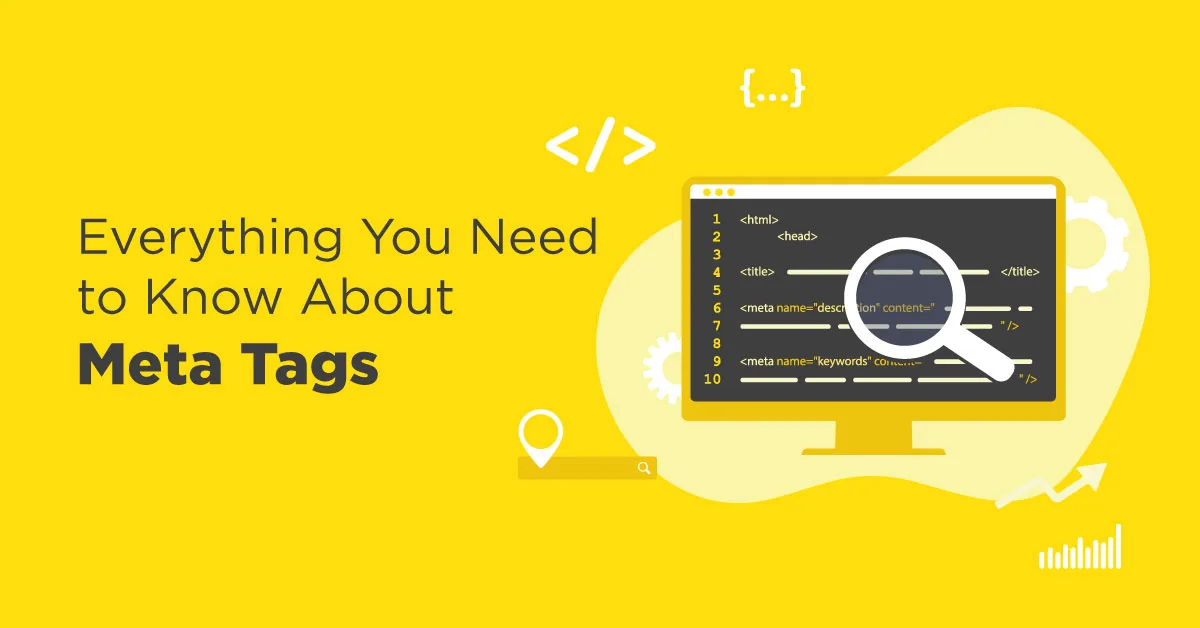
Each example answers what is a meta tag by showing it in action rather than describing it in the abstract. Copy, adjust, and ship.
Example One: a Standard Blog Post
<meta name=”description” content=”Learn what is a meta tag, how it shapes search snippets, and which types actually affect your rankings.”>
Notice the description leads with the topic, stays under 160 characters, and hints at a benefit. Focusing on what is a meta tag provides clear direction throughout this process. It reads like a promise, not a table of contents.
Example Two: a Product Page
<meta name=”description” content=”Shop durable stainless steel water bottles built for daily use, with leak-proof lids and a lifetime warranty.”>
This one front-loads the product, adds a differentiator, and avoids vague filler. It gives the shopper a reason to click before they ever see the page.
Example Three: a Local Service Page
<meta name=”description” content=”Need emergency plumbing in Austin? Licensed technicians available around the clock with upfront pricing and same-day repairs.”>
Local intent, urgency, and a clear promise. This is what is a meta tag doing real commercial work rather than just filling space.
Example Four: a Noindex Tag
<meta name=”robots” content=”noindex, nofollow”>
Use this on pages you never want in search results. Mastering what is a meta tag makes a tangible difference in real-world situations. Test it carefully — an accidental noindex on a live page can wipe your visibility overnight.
Common Mistakes That Quietly Hurt Your Site
Knowing what is a meta tag is only half the battle. Avoiding the classic blunders is the other half, and these come up again and again in audits.
Duplicate descriptions across hundreds of pages. Missing viewport tags on older templates. Robots directives left over from staging. Each one is small on its own and damaging in aggregate.
Keyword Stuffing in Descriptions
Cramming the same phrase five times into a 150-character description does not help rankings. It makes the snippet read like spam and depresses clicks.
Write for the human deciding whether to click. The keyword belongs once, naturally placed, doing its job without shouting.
Ignoring Length Limits
Descriptions get truncated when they run long. A practical understanding of what is a meta tag helps eliminate common pitfalls. Titles get cut off too. If your key message sits at the end of an overlong snippet, it never gets seen.
Keep descriptions between 140 and 160 characters and titles under 60. Test them in a preview tool before publishing.
Forgetting to Update Legacy Tags
Sites accumulate cruft over time. Old refresh tags, deprecated keywords tags, and conflicting robots directives pile up in the head section.
Set a habit of reviewing the head section whenever you redesign or migrate. It takes minutes and prevents silent problems.
How to Audit Your Meta Tags in Under an Hour
You do not need expensive tooling to check your metadata. Applying proven principles to what is a meta tag yields consistent, measurable results. A browser, a spreadsheet, and a bit of patience will do the job.
Start by opening a handful of your most important pages and viewing the page source. Search the head section for each tag type and note what is present and what is missing.
Step One: Inventory Your Key Pages
List your homepage, top landing pages, and best-performing blog posts. These are the pages where metadata mistakes cost the most.
Check each one for a description, a viewport tag, a charset declaration, and a robots directive. Note any that are absent or duplicated.
Step Two: Compare Against Competitors
View the source of pages ranking above you for your target terms. Look at their descriptions and social tags.
You are not copying them — you are calibrating. If their descriptions are sharper than yours, that gap explains part of the ranking difference.
Step Three: Fix, Test, and Track
Rewrite weak descriptions, add missing viewport tags, and clean up robots directives. Then monitor click-through rates over the following weeks.
Changes to what is a meta tag rarely produce instant ranking jumps. They produce better click-through, which produces better rankings over time.
Frequently Asked Questions About Meta Tags
These are the questions that come up most often when people first learn what is a meta tag. Short answers, straight to the point.
Do Meta Tags Directly Improve Rankings?
Most do not. The robots tag affects indexing directly, but descriptions and viewport tags influence rankings indirectly through click-through and usability.
Can I Use the Same Description on Every Page?
You can, but you should not. Duplicate descriptions waste an opportunity to match specific search intent on each page.
Does Google Always Use My Description?
No. Google may generate its own snippet when it judges your description to be unhelpful or poorly matched to the query.
Are Keywords Meta Tags Still Useful?
No. Major search engines stopped supporting the keywords tag long ago because it was widely abused.
How Many Meta Tags Should a Page Have?
There is no fixed number. Most well-optimized pages carry a charset, a viewport, a description, a robots directive, and a set of social tags.
What Happens if I Forget the Viewport Tag?
Your page will render zoomed out on mobile devices, forcing users to pinch and scroll. This hurts usability and can hurt rankings.
Putting It All Together
By now the answer to what is a meta tag should feel concrete rather than abstract. It is a small piece of invisible code that tells machines what your page is, who should see it, and how it should appear across search, social, and mobile.
None of it is glamorous work. But the sites that consistently outperform their competitors tend to be the ones that sweat these details while everyone else chases shortcuts.
Start with the essentials — description, viewport, charset, and robots. Add social tags once the basics are solid. Review them quarterly, and treat every page as a chance to sharpen how it presents itself to the world.
Do that consistently, and you will stop asking what is a meta tag and start using it as one more lever in a strategy that compounds quietly over time.