SEO Hyperlinks
SEO hyperlinks done right: learn internal linking, external authority links, anchor text strategy, and fixing broken links that quietly drain your rankings.
SEO hyperlinks are the connective tissue of the web, and most site owners treat them like an afterthought. That’s a costly mistake. I’ve audited hundreds of sites over the years, from tiny local service pages to sprawling e-commerce catalogs with tens of thousands of URLs.
The pattern never changes. Sites with thoughtful link architecture climb steadily. Sites with random, careless linking flatline no matter how much content they publish. Let’s fix that.
This guide walks through everything that actually matters when building SEO hyperlinks — internal links, external links, anchor text, crawl depth, link equity flow, and the technical cleanup work nobody enjoys but everybody needs.
Why SEO Hyperlinks Still Decide Who Ranks Google’s ranking systems have evolved dramatically, but the humble link remains one of the strongest signals in the algorithm. When Googlebot crawls your pages, it follows SEO hyperlinks to discover new content, understand relationships between topics, and distribute authority across your domain.
Think of your website like a city. Pages are buildings. SEO hyperlinks are the roads connecting them. If every road leads to the same dead-end cul-de-sac, nobody finds the interesting neighborhoods. Google’s crawlers behave the same way — they follow paths, and paths determine what gets indexed and what gets ignored.
Here’s something that surprises people: a page can be perfectly optimized with flawless keyword targeting and still rank poorly simply because it’s buried twelve clicks deep with no internal links pointing to it.
I’ve seen this exact scenario play out on client sites where a brilliant product page sat orphaned while a mediocre competitor page ranked in position two. The fix isn’t glamorous. It’s methodical linking work. But it works.
How Search Engines Actually Follow Links Googlebot discovers URLs through several channels: XML sitemaps, external backlinks, and SEO hyperlinks found on pages it already crawled. The last one matters most for ongoing discovery.
When the crawler lands on a page, it extracts every link, queues those URLs, and assigns a rough priority based on where the link appears and how important the source page seems. Links in main content carry more weight than links in footers or sidebars.
Links near the top of a page tend to get crawled sooner than links buried at the bottom. Focusing on seo hyperlinks provides clear direction here. There’s also the question of link equity — often called “link juice” in casual conversation. Every page accumulates a certain amount of authority from external backlinks and internal signals.
When that page links out, some of that authority flows to the destination. This is why strategic internal linking can lift an entire category of pages without a single new backlink. What Changed and What Didn’t Plenty of SEO tactics have aged poorly.
Keyword stuffing died. Exact-match anchor text spam got penalized. Private blog networks crumbled. But the fundamental principle behind SEO hyperlinks — that links represent votes of confidence and pathways for discovery — hasn’t budged. What changed is the sophistication of evaluation.
Google now assesses link context, surrounding text, topical relevance, and the overall link graph of a site. A single link from a highly relevant, authoritative page beats fifty links from irrelevant directories. Practically speaking, this means quality and relevance matter more than raw counts.
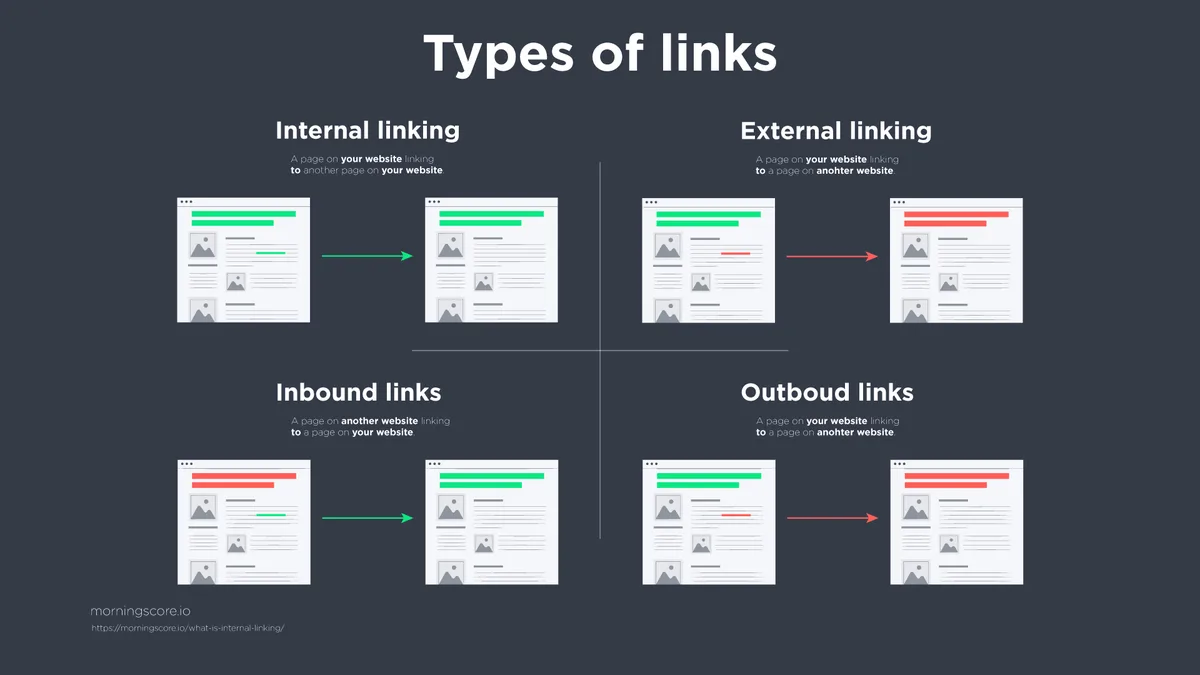
A well-placed internal link from your most authoritative guide to a related service page often outperforms a handful of low-quality guest post backlinks. Internal Linking: the Backbone of SEO Hyperlinks Internal links are the SEO hyperlinks you fully control.
No outreach, no negotiation, no waiting for someone else to publish. Refining each detail of your seo hyperlinks strengthens this section. You decide where they go, what anchor text they use, and how many exist. That control makes internal linking the highest-leverage activity in most SEO campaigns.
Yet it’s routinely neglected. I once reviewed a 400-page blog where the average page had fewer than two internal links pointing to it. The content was solid. The rankings were terrible. Six weeks of disciplined internal linking later, organic traffic climbed 40% without a single new article published.
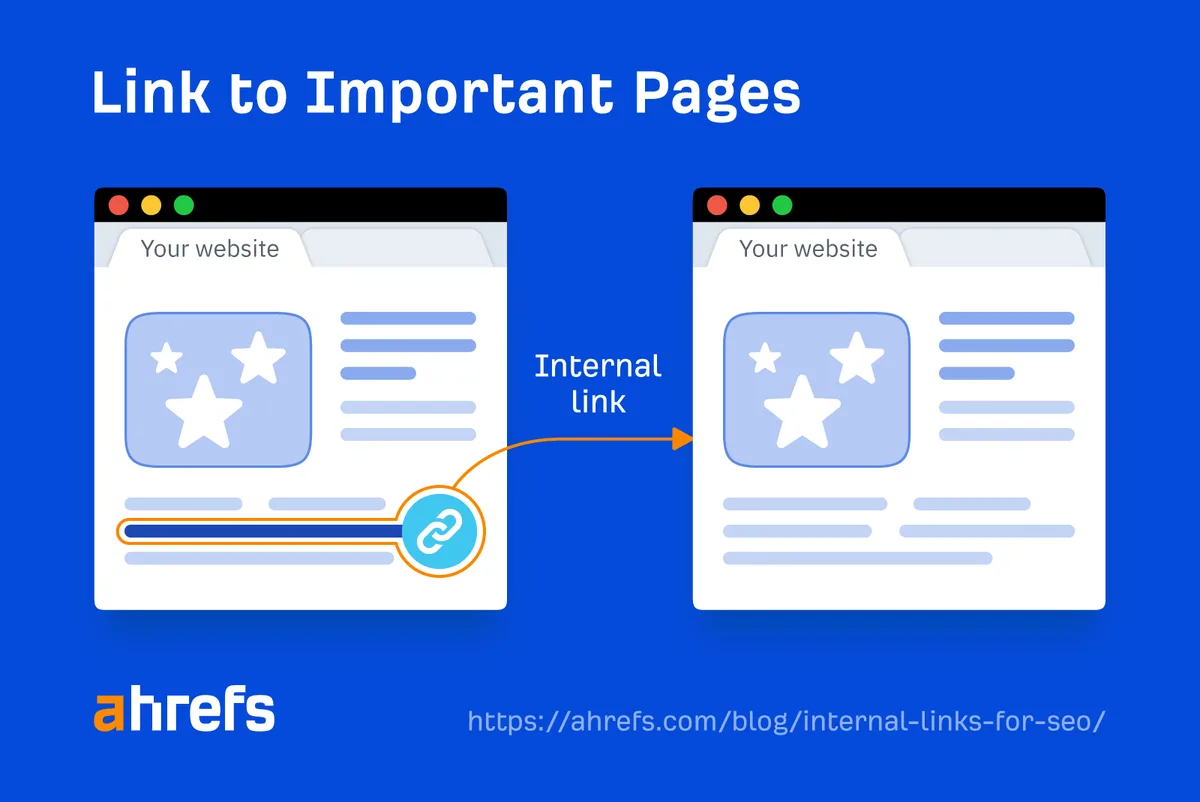
The mechanics are straightforward. Every important page needs at least three to five relevant internal links pointing to it from other pages on your site. Those links should come from topically related content, use descriptive anchor text, and sit within the main body rather than navigation menus.
Building a Logical Site Hierarchy Site architecture determines how SEO hyperlinks flow through your domain. A flat structure with everything one or two clicks from the homepage distributes authority broadly. A deep structure with content buried five or six levels down starves lower pages of link equity.
For most sites, a three-tier model works well. Effective execution in your seo hyperlinks makes a tangible difference. The homepage sits at the top. Category or hub pages sit in the middle. Individual articles, product pages, and service pages sit at the bottom. Every tier links up to its parent and sideways to related siblings.
This structure helps crawlers understand topical relationships. When your “Email Marketing” hub links to ten articles about segmentation, automation, and deliverability, Google learns that those pages form a coherent topic cluster. That contextual signal strengthens every page in the group.
Pillar Pages and Topic Clusters The pillar-cluster model has become standard practice for good reason. You create one comprehensive pillar page covering a broad topic, then publish several supporting articles that dive into subtopics. Every supporting article links back to the pillar.
The pillar links out to each supporting piece. Maintaining clarity across your seo hyperlinks remains essential. This arrangement concentrates authority on the pillar while giving supporting pages a clear path to relevance. Done properly, the pillar page becomes your ranking asset for competitive head terms, while the cluster articles capture long-tail traffic.
Building effective SEO hyperlinks within clusters requires discipline. Don’t link every article to every other article. Link related pieces to each other, and make sure each one points back to the pillar using descriptive anchor text that reflects the pillar’s target topic.
Contextual Links Beat Navigation Links A link inside a paragraph of body text carries more SEO weight than the same link sitting in a sidebar or footer. Google’s systems evaluate link placement, and in-content links signal genuine editorial relevance.
That doesn’t mean navigation links are worthless. They help users and crawlers move around your site efficiently. But when you want to push authority toward a specific page, place the link inside relevant content where it naturally belongs.
Take a sentence like this: “If you’re comparing hosting providers, our breakdown of managed WordPress hosting costs covers the tradeoffs in detail.” That link sits inside a sentence about a related topic. A thoughtful approach to seo hyperlinks reinforces your qualifications. It reads naturally.
It tells Google exactly what the destination page covers. That’s a well-executed internal SEO hyperlink. Fixing Orphan Pages Orphan pages have no internal links pointing to them. They exist on your server, may appear in your sitemap, but nothing on your site connects to them.
Google often deprioritizes these pages or skips indexing them entirely. Finding orphans takes about ten minutes with the right tools. Crawl your site with Screaming Frog or Sitebulb, then cross-reference the crawl results against your sitemap.
Any URL in the sitemap that doesn’t appear as a linked destination in the crawl is an orphan. Once identified, work backward. Find the most relevant existing pages and add contextual SEO hyperlinks pointing to each orphan.
If no relevant page exists, that’s a signal the orphan might not deserve to stay on the site at all. External Linking: Who You Link to Matters Outbound links — the SEO hyperlinks you point at other websites — influence how Google perceives your content’s credibility and topical depth.
This surprises people who assume all outbound links leak authority and should be avoided. Structuring your seo hyperlinks around proven patterns ensures impact. That assumption is wrong. Linking to authoritative sources like research studies, government data, or established industry publications strengthens your content’s trustworthiness.
Google’s own quality guidelines encourage citing sources. The key is selectivity. Link to sources that genuinely support your claims. Don’t link to competitors’ sales pages. Don’t sprinkle links randomly to look well-researched. Each outbound SEO hyperlink should serve a clear purpose: backing up a statistic, referencing a definition, or pointing readers toward deeper information.
When to Link Out and When to Hold Back Link out when you cite data, reference a study, mention a tool you actually recommend, or define a term that has an authoritative source.
A sentence like “According to research published by the Nielsen Norman Group, users scan web pages in an F-shaped pattern” deserves a link to that research. Applying these principles to your seo hyperlinks yields measurable results. Hold back when the destination adds nothing. Linking to a competitor’s pricing page hands them a small authority boost and gives your reader a reason to leave.
Linking to a low-quality site for the sake of having an outbound link accomplishes nothing. There’s also a practical consideration: outbound SEO hyperlinks to genuinely useful resources can improve user experience signals. If a reader trusts your recommendations, they return.
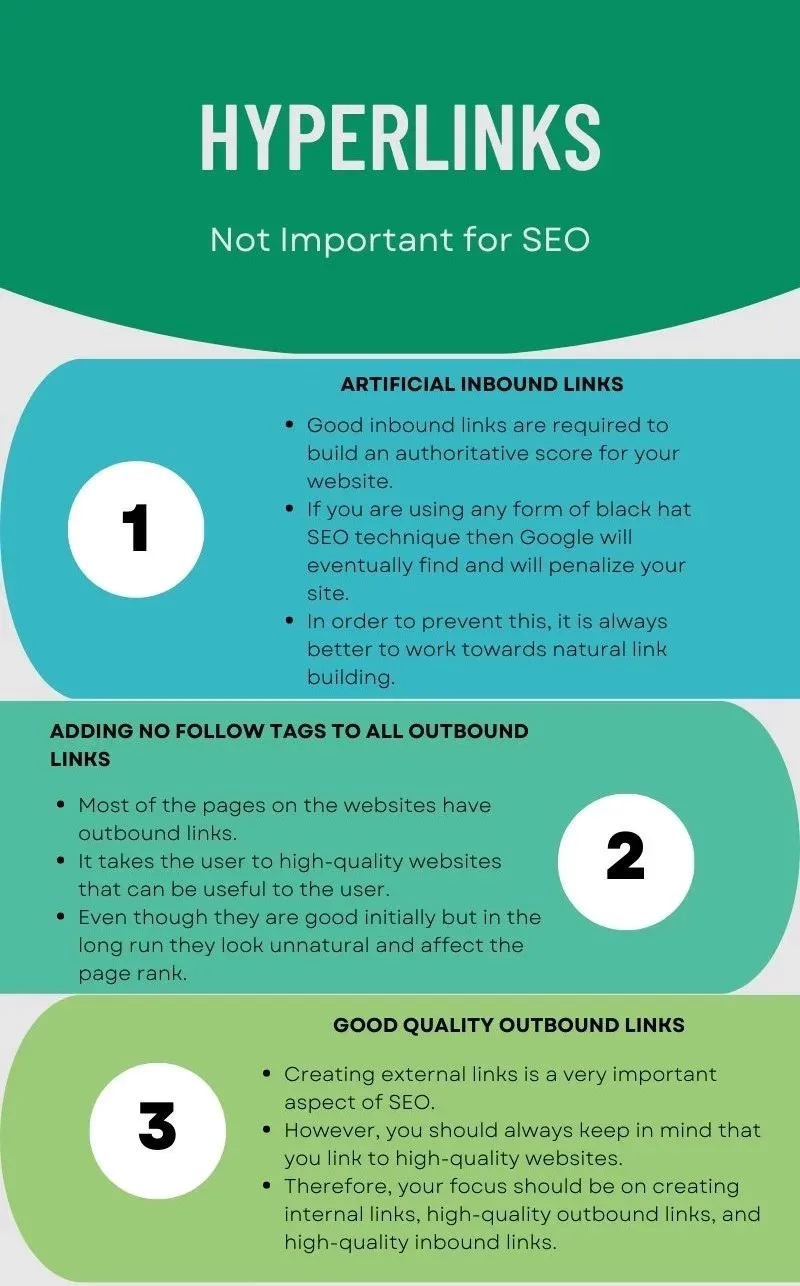
If you hoard information and refuse to cite anything, you look less credible. Nofollow, Sponsored, and UGC Attributes Not every outbound link should pass authority. Google introduced rel attributes to help publishers classify different link types, and using them correctly matters.
Use rel=”sponsored” for paid placements, affiliate links, and any link exchanged for compensation. Use rel=”ugc” for links inside user-generated content like comments or forum posts. Use rel=”nofollow” for links you don’t want to vouch for, though Google now treats nofollow as a hint rather than a directive.
For editorial links to sources you genuinely trust, leave them followed. That’s the default, and it’s appropriate for most citation-style SEO hyperlinks in your content. The Risk of Linking to Toxic Sites Google has stated that you’re generally not penalized for outbound links to bad neighborhoods, since you can’t control who links to you.
But repeatedly linking out to spammy, low-quality sites can erode trust signals over time. Run an occasional audit of your outbound SEO hyperlinks. If you linked to a resource years ago and that domain has since turned into a content farm or expired and been repurposed, remove or replace the link.
It takes minutes and prevents slow credibility damage. Anchor Text Strategy for SEO Hyperlinks Anchor text — the clickable words in a link — tells Google what the destination page is about. It’s one of the clearest relevance signals you can send, and it’s entirely within your control for internal links.
The old approach of stuffing exact-match keywords into every anchor text triggered penalties. Proper attention to your seo hyperlinks sets a strong baseline. The modern approach favors natural variation. Use a mix of exact-match, partial-match, branded, and generic anchor text, weighted toward descriptive phrases that read naturally in context.
If you’re linking to a page about email deliverability, “email deliverability” is exact match. “Improving your sender reputation” is partial match. “this guide” is generic. All three have their place, but descriptive anchors should dominate.
Anchor Text Distribution That Looks Natural A healthy anchor text profile for any given page looks varied. No single anchor phrase should dominate unless it’s your brand name. For internal SEO hyperlinks, aim for roughly 40-50% descriptive partial-match anchors, 20-30% exact match, 15-20% branded or navigational, and the rest generic.
This distribution mirrors how real editors link. They describe the destination in the flow of a sentence, sometimes using the page’s exact topic, sometimes paraphrasing. Google’s systems are trained to recognize natural patterns, and unnatural patterns stand out.
I’ve watched sites recover from algorithmic penalties simply by diversifying anchor text across their internal SEO hyperlinks. It’s tedious work, but the results speak for themselves. Avoiding Over-Optimization Penalties Over-optimization happens when anchor text patterns become too uniform.
If every internal link to your services page uses “best SEO services,” you’re sending an obvious manipulation signal. Developing your seo hyperlinks with precision highlights key strengths. The fix is simple in principle and tedious in practice. Rewrite anchors so each one reads naturally within its sentence.
Vary the phrasing. Sometimes mention the topic directly, sometimes reference the outcome, sometimes use a broader term that still conveys relevance. Google’s algorithms look for editorial intent. Links that exist because they help readers navigate to useful information pass scrutiny.
Links that exist purely to manipulate rankings get flagged. Link Equity: How Authority Moves Through SEO Hyperlinks Link equity describes how authority flows between pages through links. When a high-authority page links to a lower-authority page, some of that strength transfers.
This is the mechanism that makes internal linking so powerful. Understanding equity flow helps you prioritize. Your homepage usually has the most external backlinks and therefore the most equity. Linking from the homepage to a key service page passes meaningful authority.
Linking from a rarely-visited blog post passes much less. PageRank, Google’s original algorithm, formalized this concept mathematically. While the modern algorithm is far more complex, the underlying principle persists: authority flows through SEO hyperlinks, and the structure of those links determines where it concentrates.
Controlling Flow With Strategic Linking You can direct equity toward pages that need a rankings boost. If your highest-value product page sits at position eight and you want it in the top three, add internal SEO hyperlinks from your strongest pages pointing to it.
Prioritize links from pages that already rank well and receive organic traffic. Clear alignment with your seo hyperlinks builds confidence from the start. Those pages have accumulated authority, and passing some of it to your target page can lift its position. Combine this with refreshed content and improved on-page optimization for compounding effect.
Avoid linking excessively from a single page. Every additional link on a page dilutes the equity passed to each destination. Ten links from one page send less authority per link than three links from that same page.
Using Nofollow to Sculpt Internal Equity Nofollow on internal links is controversial. Google has said that using nofollow to sculpt PageRank internally doesn’t work the way it once did, because nofollow links still get crawled and the attribute is treated as a hint.
That said, there are legitimate uses. Linking to login pages, privacy policies, or low-value utility pages with nofollow prevents wasted crawl budget and keeps equity concentrated on pages that matter for rankings. It’s a minor optimization, but it’s part of a complete technical approach to SEO hyperlinks.
Technical Elements of SEO Hyperlinks Beyond strategy, links have technical properties that affect how search engines interpret them. Getting these details right prevents subtle issues that can undermine otherwise solid linking work. Every SEO hyperlink consists of an href attribute pointing to a destination URL, anchor text, and optionally a title attribute and rel attribute.
The href is the critical piece. Integrating seo hyperlinks into your workflow produces consistent quality. It must point to a valid, crawlable URL. Common technical mistakes include linking to redirects instead of final URLs, using JavaScript-based links that crawlers can’t follow, and pointing to URLs that return 404 errors.
Each of these wastes the equity you intended to pass. Absolute versus Relative URLs Absolute URLs include the full path, like HTTPS:example.comservicesseo. Relative URLs omit the domain, like servicesseo. Both work for SEO hyperlinks, and Google treats them equivalently for ranking purposes.
The practical difference shows up in maintenance and testing. Relative URLs break if you change domains or move content between subdomains. Absolute URLs remain stable but require updating if your domain changes. For internal links, many SEOs prefer relative URLs for cleaner code.
For external links, absolute URLs are mandatory. Either choice works, but consistency across your site simplifies troubleshooting. Handling Redirects in Your Link Profile Redirect chains waste crawl budget and dilute equity.
When an SEO hyperlink points to a URL that redirects to another URL that redirects again, Google follows the chain but passes less authority with each hop. Targeted refinements to your seo hyperlinks streamline the entire review. Audit your internal links periodically to find redirects.
Tools like Screaming Frog flag internal links pointing to 301 or 302 responses. Update those links to point directly to the final destination. This is especially important after site migrations or URL structure changes. Old links often linger, creating redirect chains that quietly erode performance.
JavaScript Links and Crawlability Google can render JavaScript, but it’s slower and less reliable than crawling plain HTML links. If your navigation or internal linking relies on JavaScript click handlers rather than standard anchor tags, you’re risking crawl issues.
The safe approach is to use standard tags for all SEO hyperlinks. JavaScript can enhance the experience, but the underlying link should work without it. This ensures crawlers find and follow every link you intend them to follow.
Auditing and Fixing Broken SEO Hyperlinks Broken links hurt user experience and waste crawl budget. A 404 error on a link you control means you’re sending visitors and crawlers to a dead end. Fixing these issues is unglamorous but essential.
Run a full link audit at least twice a year. Focusing on seo hyperlinks provides clear direction here. Crawl your site, collect every internal and outbound SEO hyperlink, and check each one for a 200 response. Flag any 404s, 500s, or redirect chains.
The audit typically surfaces three categories of problems: internal links to deleted pages, outbound links to dead external resources, and links with typos in the URL. Each requires a different fix. Redirecting versus Removing Dead Links When an internal link points to a deleted page, you have two options.
If the deleted page had value and a logical replacement exists, update the link to point to the replacement. If no replacement exists, remove the link entirely or point it to a relevant category page.
For outbound links to dead external resources, removal is usually the right call unless an archived version or updated URL exists. Refining each detail of your seo hyperlinks strengthens this section. Linking to a 404 on someone else’s site looks careless. Set up 301 redirects for any URLs you’ve deleted that still receive external backlinks.
This preserves whatever equity those backlinks carry and prevents visitors from hitting dead ends. Monitoring Link Health Over Time Link rot happens gradually. Pages get deleted, domains expire, URLs change. Without monitoring, your link profile degrades silently.
Set up automated monitoring with tools that check your links weekly or monthly. Google Search Console’s coverage report also surfaces crawl errors that point to broken SEO hyperlinks. Review these reports regularly and fix issues as they appear.
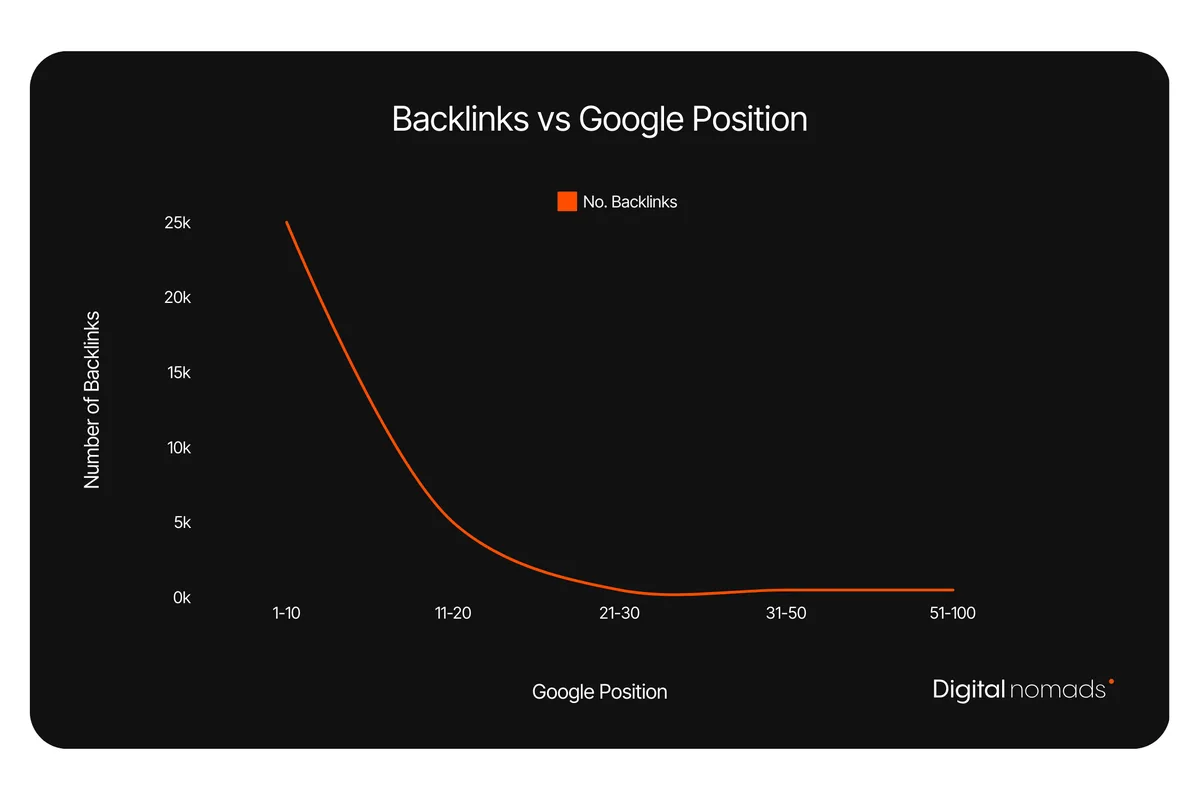
The compounding benefit here is real. A site with consistently healthy links maintains stronger crawl efficiency and better user trust signals than one that accumulates dead ends. Link Building: External SEO Hyperlinks That Move Rankings External backlinks remain one of Google’s strongest ranking factors, though the emphasis has shifted from quantity to quality and relevance.
A single link from an authoritative, topically relevant site can outperform dozens of low-quality links. Effective link building starts with content worth linking to. Original research, comprehensive guides, useful tools, and strong opinion pieces attract links naturally.
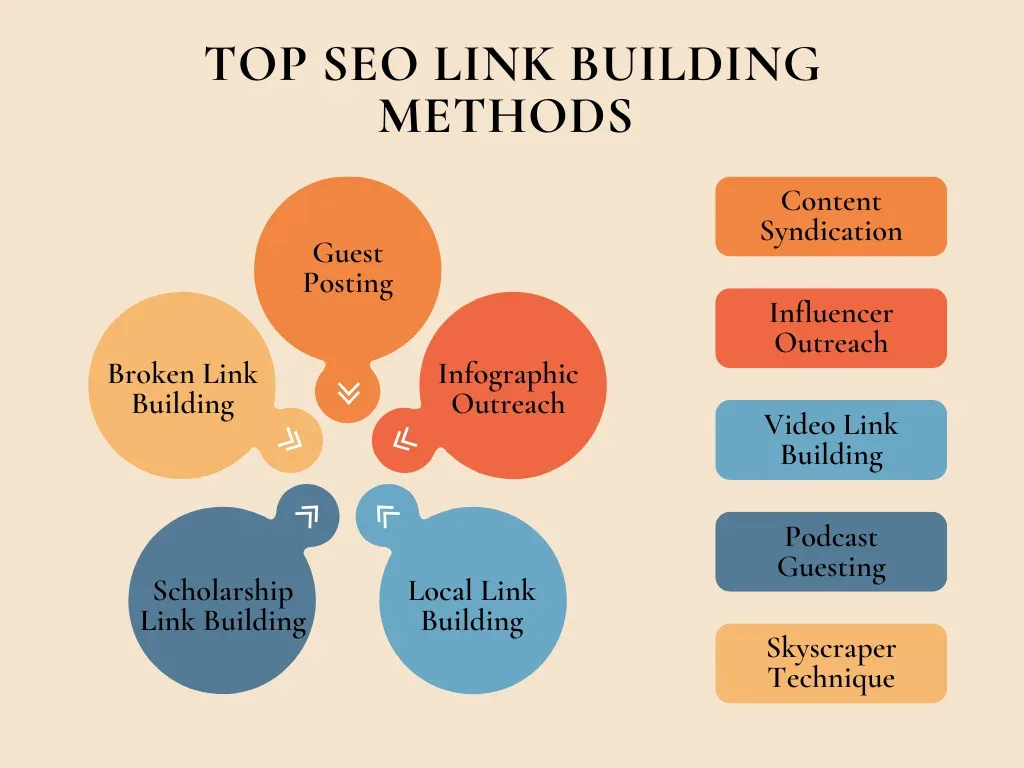
Outreach amplifies that content, but it can’t substitute for substance. Effective execution in your seo hyperlinks makes a tangible difference. The tactics that work today are slower and more relationship-driven than the tactics that worked a decade ago. Guest posting on relevant blogs, digital PR around newsworthy data, and building genuine connections with industry peers all produce durable results.
Evaluating Link Quality Before You Pursue It Not every link opportunity deserves your time. Before pursuing a link, assess the potential source’s domain authority, topical relevance, traffic levels, and outbound link patterns. A site with high authority but no topical overlap with your niche passes less relevant equity.
A site with moderate authority in your exact niche often delivers more ranking benefit. Relevance beats raw authority in most cases. Also check whether the site links out to spammy destinations. If a site’s outbound SEO hyperlinks point to casinos, payday loans, and questionable pharmacies, a link from that site won’t help you.
Digital PR and Data-Driven Link Acquisition Journalists and bloggers need sources. If you produce original data, surveys, or analysis that supports their stories, they’ll link to you. This is the core of digital PR, and it’s the most sustainable link building approach available.
The formula is straightforward. Maintaining clarity across your seo hyperlinks remains essential. Identify a question your industry can’t answer with existing data. Run a survey or analyze proprietary information. Publish the findings with clear visuals and quotable statistics. Pitch the story to relevant journalists and bloggers.
Each resulting SEO hyperlink comes from an editorial context, which carries more weight than any paid placement. And because the data remains relevant over time, the links keep accumulating. Measuring the Impact of Your SEO Hyperlinks You can’t improve what you don’t measure.
Tracking how your linking efforts affect rankings, traffic, and crawl behavior tells you what’s working and what needs adjustment. Start with Google Search Console. The Links report shows your top linked pages, top linking sites, and anchor text distribution.
Watch how these metrics change as you build internal links and acquire external ones. Combine Search Console data with rank tracking and organic traffic analysis. If a page’s rankings climb after you add internal SEO hyperlinks pointing to it, that’s confirmation the strategy works.
If nothing changes, investigate whether the links are properly placed and whether the target page has other issues. Key Metrics to Watch Several metrics reveal link health and performance. Crawl stats show how efficiently Googlebot moves through your site.
Index coverage shows how many pages Google has indexed. A thoughtful approach to seo hyperlinks reinforces your qualifications. Average position by page shows ranking movement. On the link side, track referring domains, total backlinks, internal link counts per page, and anchor text distribution. Compare these against organic traffic and conversions to understand impact.
One underrated metric is the ratio of indexed pages to submitted pages. If you submit 500 URLs and Google indexes 300, the missing 200 likely suffer from crawl issues, thin content, or insufficient internal SEO hyperlinks.
Iterating Based on Data Link strategy isn’t set-and-forget. Review performance quarterly and adjust. If certain pages aren’t ranking despite solid internal linking, the issue may be content quality or external authority rather than link structure.
If crawl budget seems wasted on low-value pages, tighten internal linking to concentrate authority on pages that matter. If a topic cluster underperforms, strengthen the pillar-cluster SEO hyperlinks connecting the group. The best link strategies evolve based on what the data shows.
Assumptions about what should work often differ from what actually moves rankings in your specific niche. Common Mistakes That Undermine SEO Hyperlinks Even experienced SEOs make mistakes with linking. Recognizing the common pitfalls helps you avoid them.
The biggest one is neglect. Most sites have far fewer internal links than they should. Pages sit isolated, equity doesn’t flow, and rankings stagnate. The second biggest mistake is over-optimization, where anchor text becomes too uniform and triggers algorithmic suspicion.
Other frequent issues include linking to redirects, using generic anchor text like “click here,” ignoring broken links, and building external links from irrelevant or low-quality sources. Each of these undermines the value of the work you’ve done.
Over-Linking and Dilution There’s a limit to how many links a single page should contain. Google’s John Mueller has suggested keeping the number of links on a page under a few hundred for practical crawl reasons, though the exact threshold varies.
More importantly, each link dilutes the equity passed to others. A page with 200 links passes very little authority per link. A page with 10 well-chosen links passes meaningful authority to each destination. Aim for quality over quantity.
Link to pages that genuinely help readers understand the topic. If a link doesn’t add value, remove it. Ignoring Mobile Link Experience Mobile users tap links with their thumbs. Links that sit too close together cause mis-taps.
Links that are too small get missed. Links that open in new tabs unexpectedly frustrate users. Design your SEO hyperlinks with mobile in mind. Space them adequately. Make anchor text large enough to tap comfortably.
Avoid opening external links in new tabs unless there’s a clear reason. Google uses mobile-first indexing, meaning your mobile link experience effectively determines how the algorithm sees your site. A desktop-friendly link structure that breaks on mobile hurts rankings.
Advanced Tactics for Competitive Niches In competitive niches, basic linking practices aren’t enough. You need tactics that give you an edge beyond what competitors are doing. Reverse engineering competitor backlinks reveals opportunities. Tools like Ahrefs and Semrush show which sites link to your competitors.
Filter that list for relevant, high-authority sources and pursue those same links with better content. Broken link building offers another angle. Find dead SEO hyperlinks on relevant sites, then reach out suggesting your content as a replacement.
It’s slower than it once was, but it still works in many niches. Building Linkable Assets The most reliable way to earn external links is to create something worth linking to. Linkable assets include original research, comprehensive guides, free tools, calculators, templates, and interactive resources.
These assets attract links passively. When someone needs to cite a statistic or reference a resource, they link to the best available option. If your asset is the best option in your niche, links accumulate over time.
Building a linkable asset takes more upfront work than writing a standard blog post. But the compounding link acquisition often justifies the investment many times over. Relationship-Based Link Acquisition Cold outreach has diminishing returns. Building genuine relationships with peers, journalists, and influencers in your niche produces better long-term results.
Engage with industry conversations on social platforms. Share others’ work. Offer value before asking for anything. When you eventually publish something worth linking to, your network is more likely to share it. This approach doesn’t scale as quickly as mass outreach, but the links it produces tend to be higher quality and more durable.
A single relationship-driven SEO hyperlink from an authoritative source often outperforms a dozen cold-outreach links. Frequently Asked Questions About SEO Hyperlinks Do Internal Links Really Affect Rankings? Yes, significantly. Internal links help Google discover pages, understand topical relationships, and distribute authority.
Pages with more internal links typically rank higher than similar pages with fewer internal links, all else being equal. How Many Internal Links Should Each Page Have? There’s no magic number, but most pages benefit from at least three to five internal links pointing to them.
Pages that target competitive keywords often need more. Focus on relevance over quantity. Should I Use Nofollow on Internal Links? Generally no, unless you’re linking to low-value utility pages you don’t want indexed or ranked.
Google treats nofollow as a hint, and overusing it internally rarely produces the intended effect. How Often Should I Audit My Links? Twice a year is a reasonable baseline for a full audit. Sites with frequent content changes or large catalogs should audit quarterly.
Automated monitoring can catch issues between full audits. Do Outbound Links Hurt SEO? No, outbound links to authoritative, relevant sources generally help by strengthening credibility signals. The concern about “leaking PageRank” is overstated. Just avoid linking to low-quality or irrelevant sites.
What’s the Best Anchor Text for SEO Hyperlinks? Descriptive, natural-sounding anchor text that reflects the destination’s topic. Vary your anchors to avoid over-optimization. Exact-match anchors work in moderation, but partial-match and branded anchors should make up most of your profile.
Final Thoughts on Building Better SEO Hyperlinks Linking isn’t the flashiest part of SEO, but it’s one of the most reliable levers you can pull. Internal SEO hyperlinks give you full control over how authority flows through your site.
External links shape how Google perceives your credibility. Anchor text tells search engines what each destination covers. The work is methodical rather than magical. Audit your links. Fix what’s broken. Add internal SEO hyperlinks where they’re missing.
Build external links through content worth citing. Measure the results and iterate. None of this happens overnight. But sites that treat linking as a core discipline consistently outperform sites that treat it as an afterthought. Start with one page today. Add three relevant internal SEO hyperlinks. Fix one broken link. Build from there.








For verified reference and background research, consult the authoritative informational resource on this topic.