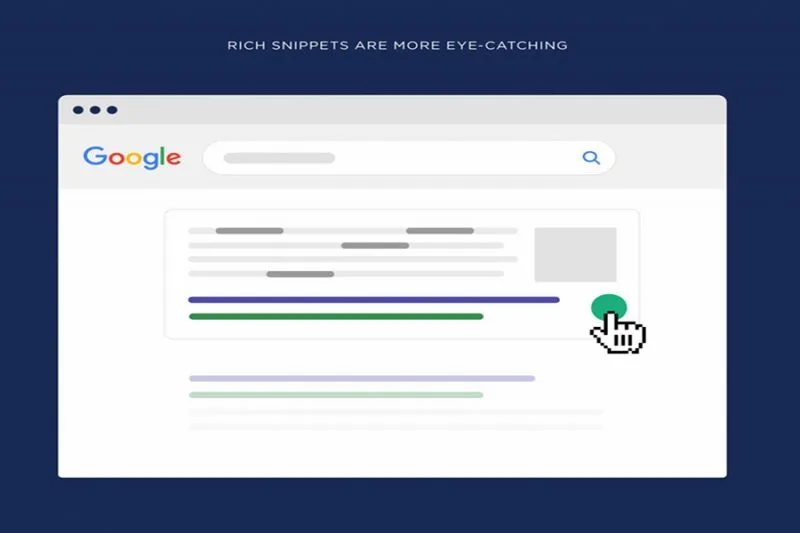
Learning how to earn a rich snippet google result is one of the fastest ways to stand out in a crowded search page. When your listing shows stars, prices, or step-by-step answers right under the title, people click before they ever scroll past you. That tiny block of extra information is often the difference between being seen and being skipped.
I’ve spent years watching sites fight for those enhanced listings, and the pattern is always the same: the winners aren’t the biggest brands, they’re the ones who structure their content the way search engines actually read it.
So let’s walk through the whole thing together, from what a rich snippet google result really is, to the exact markup, content patterns, and testing habits that get you there.
What a Rich Snippet Google Result Actually Is
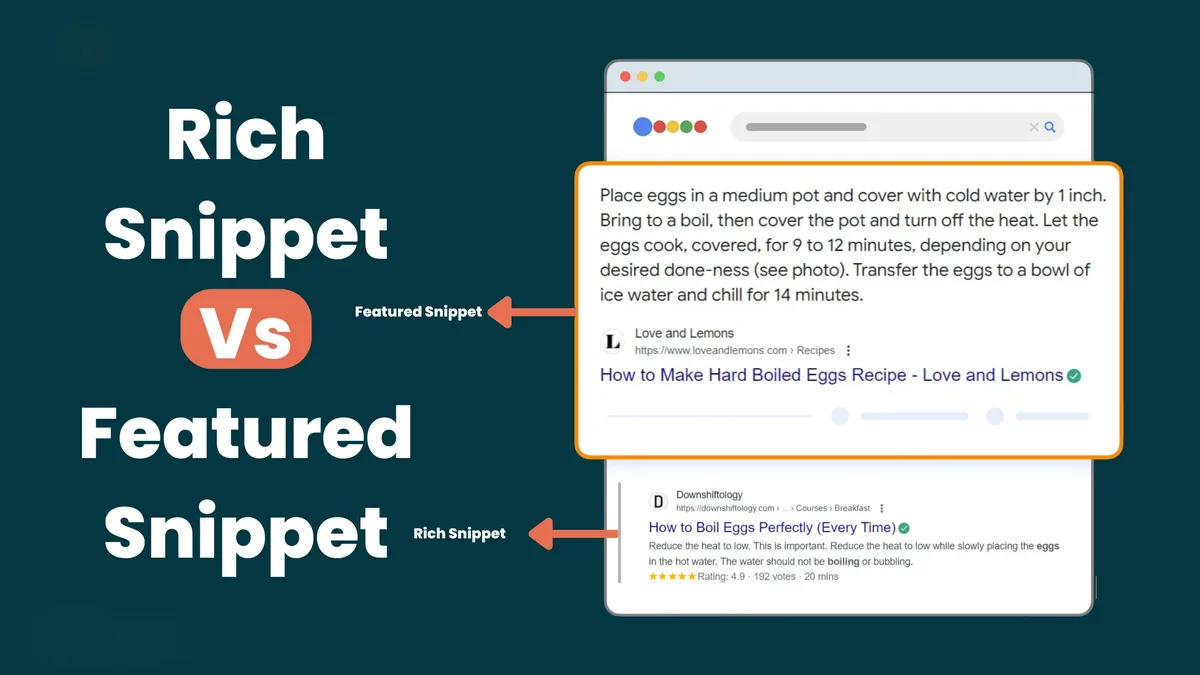
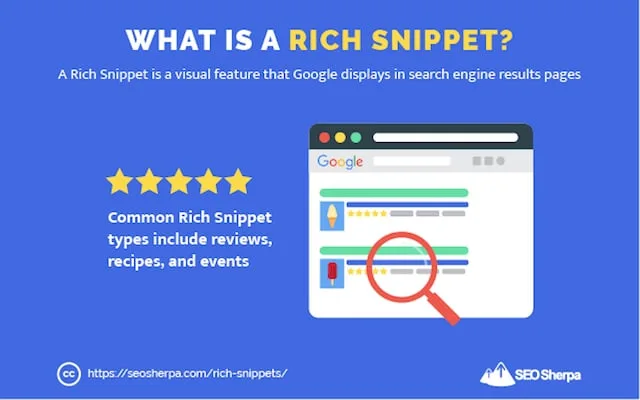
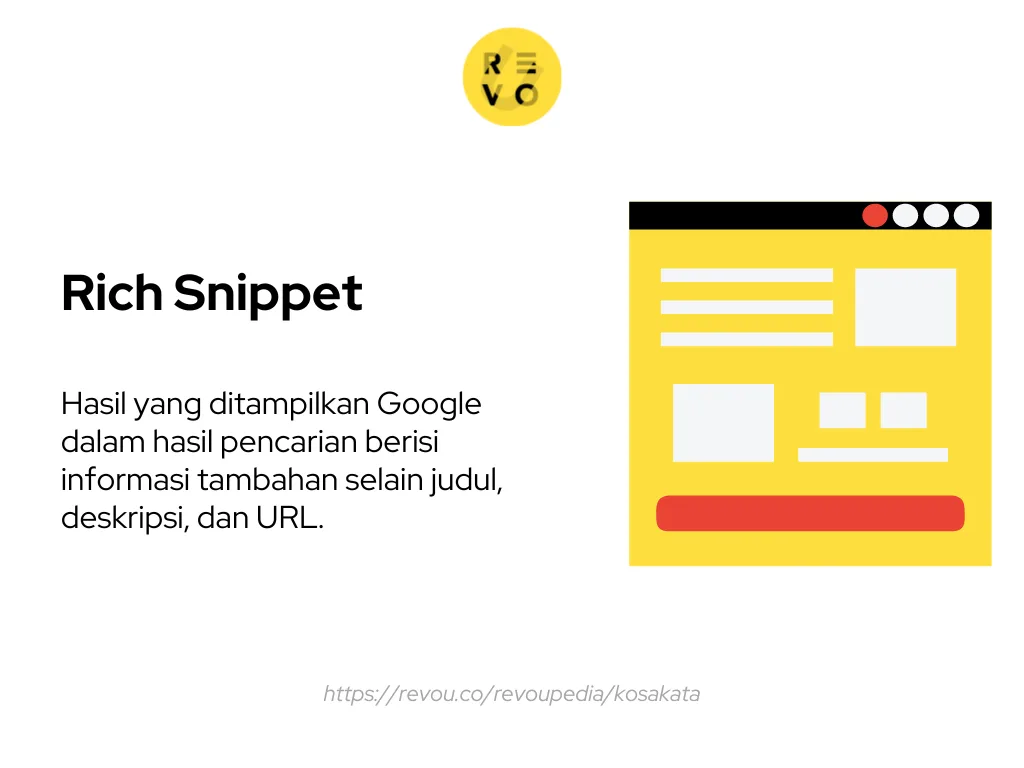
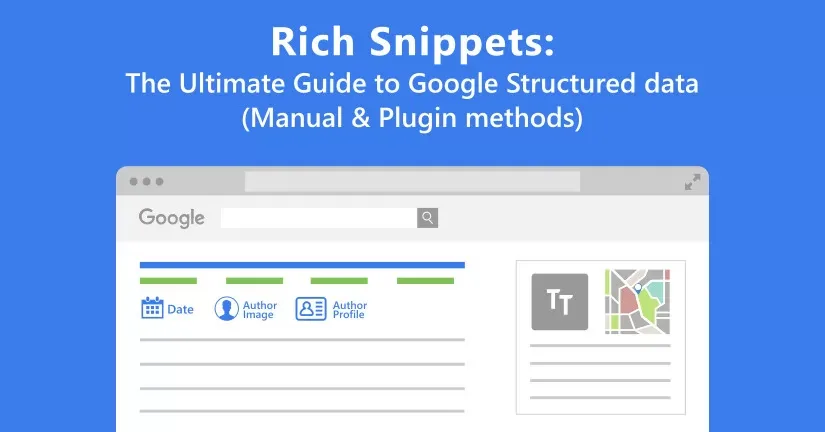
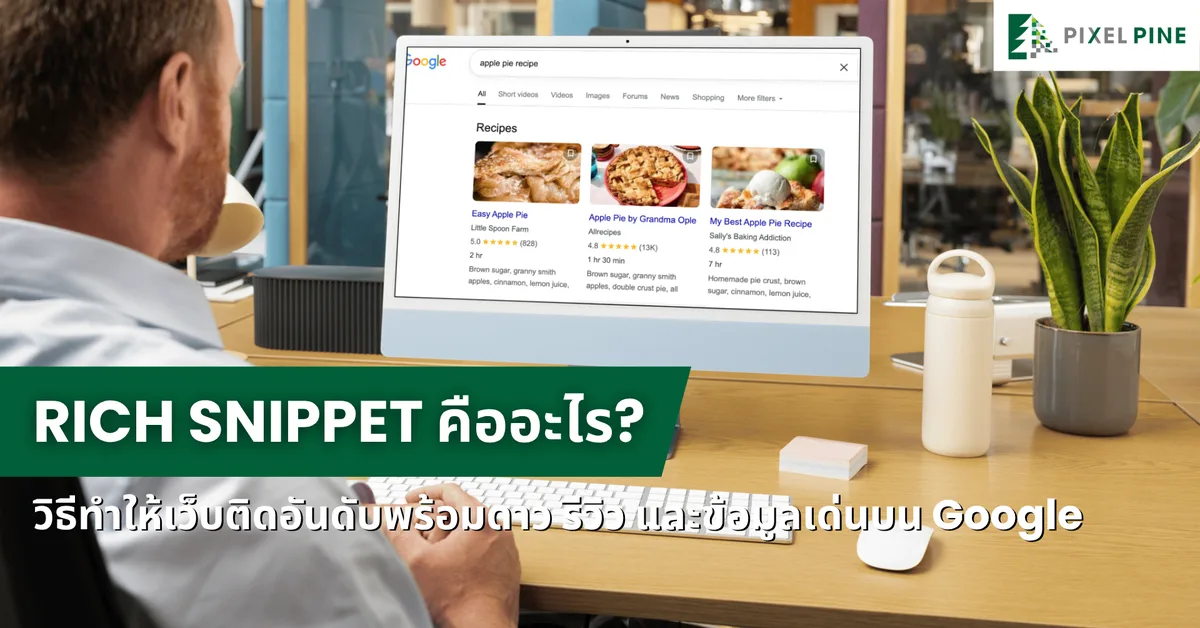
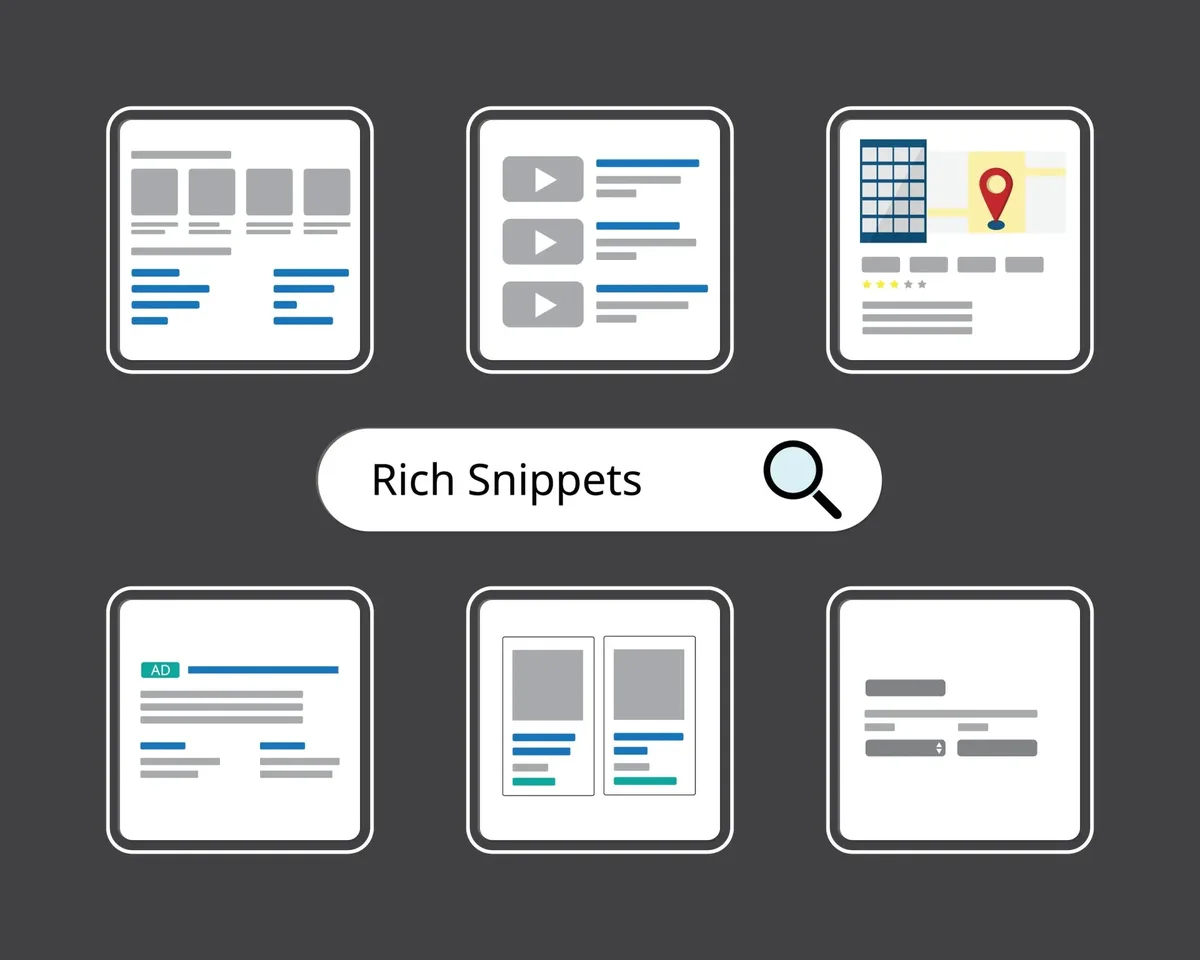
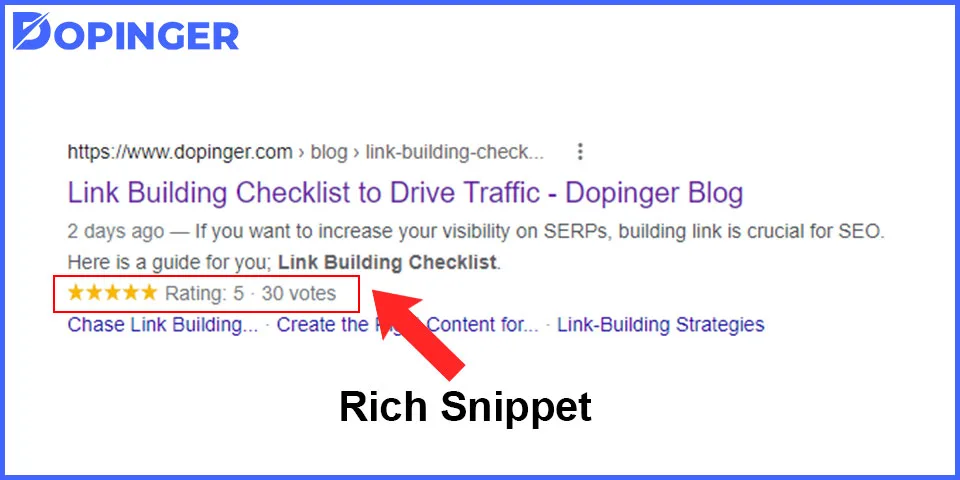
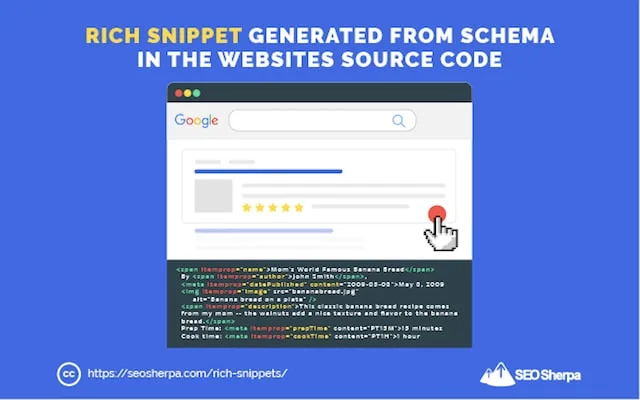
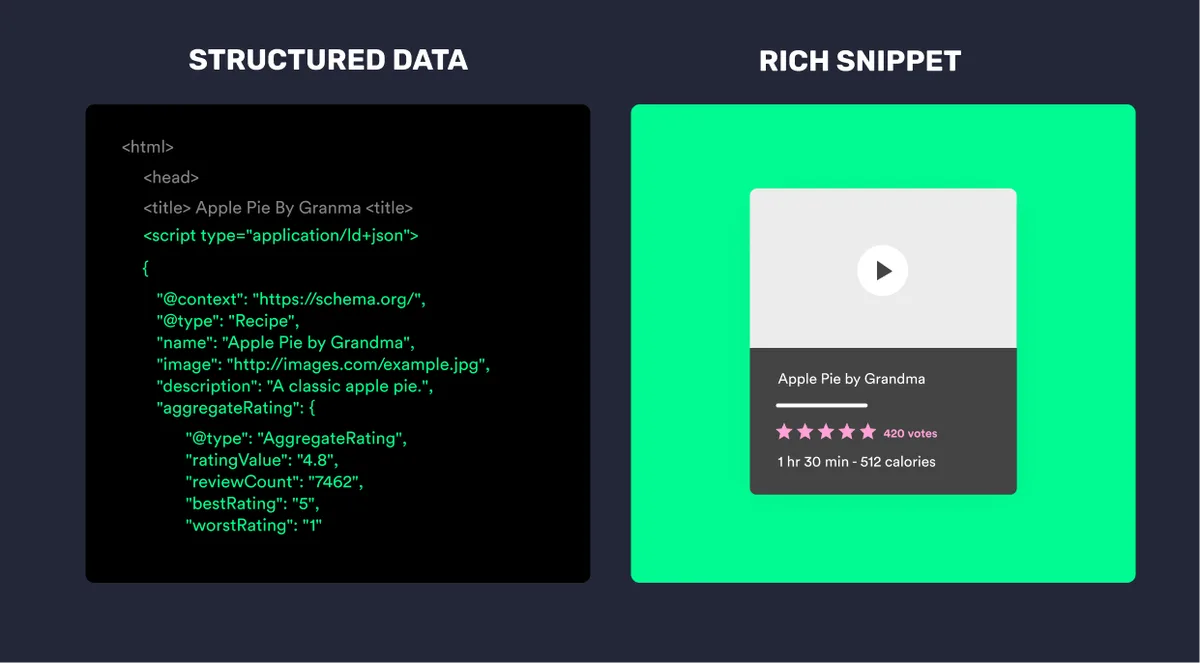
A rich snippet google entry is an enhanced search listing that pulls extra data from your page and displays it visually. Instead of the plain blue link and a two-line description, you get review stars, a recipe card, a price range, an FAQ accordion, or a video thumbnail. The search engine reads structured data on your page and decides whether that data deserves to be shown.
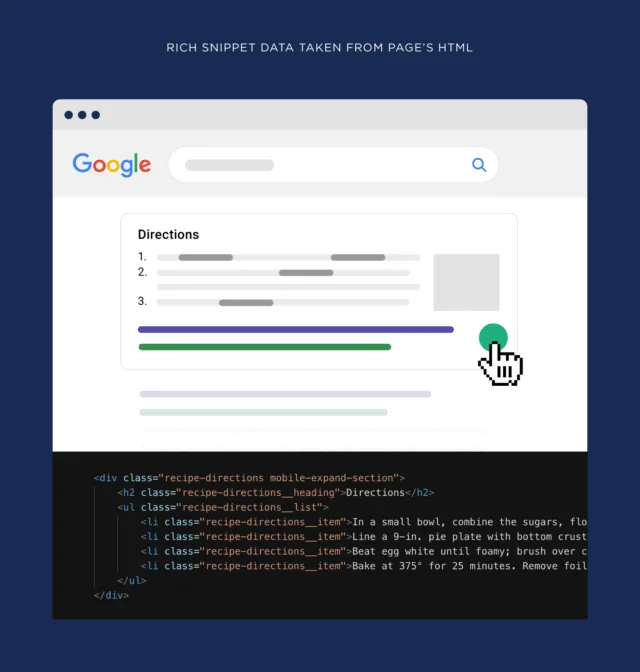
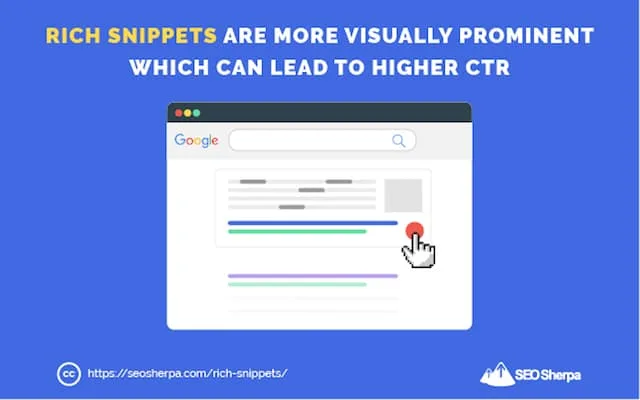
Here’s the part most people miss. A rich snippet google display isn’t a ranking boost in itself. It’s a visibility boost. Your position might stay the same, but your click-through rate can jump dramatically because the listing takes up more vertical space and answers a question before the click even happens.
Think of it like a storefront. Two shops sit side by side on the same street. One has a plain sign, the other has bright window displays showing exactly what’s inside. Same location, very different foot traffic. That’s the practical value of a rich snippet google treatment.
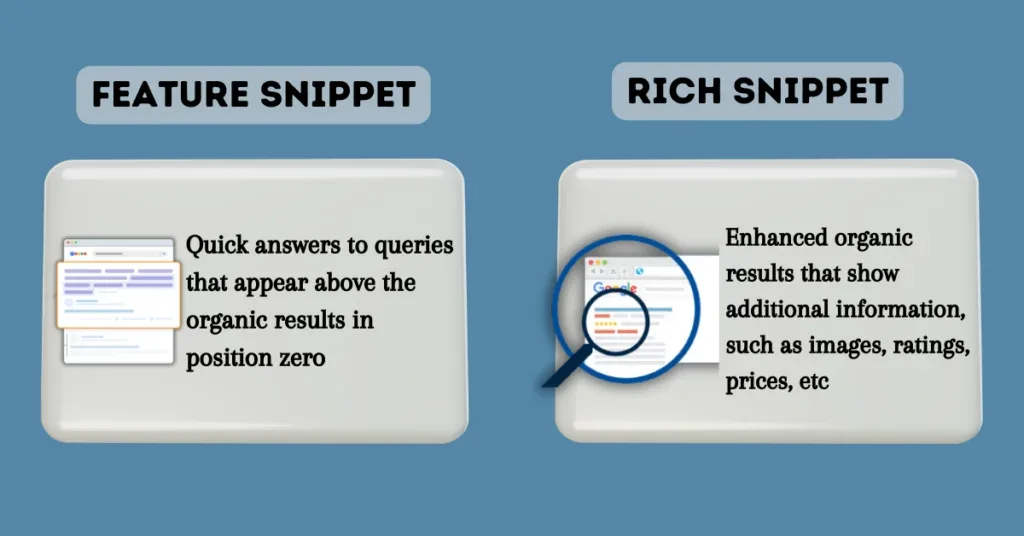
The Main Types of Rich Snippet Google Displays You Can Target
Not every rich snippet google format fits every website. Picking the wrong one is like entering a pie contest with a casserole. You need to match the markup type to what your page genuinely offers.
Below is a breakdown of the formats that show up most often in search results and what each one demands from your content.
| Rich Snippet Type | What It Shows | Best For |
|---|---|---|
| Review / Rating | Star ratings and review counts | Products, services, local businesses |
| FAQ | Expandable question and answer pairs | Informational pages, support content |
| How-To | Numbered steps with images | Tutorials, DIY, repair guides |
| Recipe | Cook time, calories, images | Food blogs, cooking sites |
| Product | Price, availability, ratings | E-commerce listings |
| Breadcrumb | Path shown under the URL | Almost any multi-level site |
| Video | Thumbnail and duration | Pages with embedded video |
| Event | Date, location, ticket info | Concerts, conferences, workshops |
Each row in that table represents a different opportunity. A local bakery might chase review stars, while a software blog leans on FAQ and How-To formats. The trick is to look at your existing pages and ask which rich snippet google type naturally fits the content you already have.
Why Structured Data Drives Every Rich Snippet Google Listing
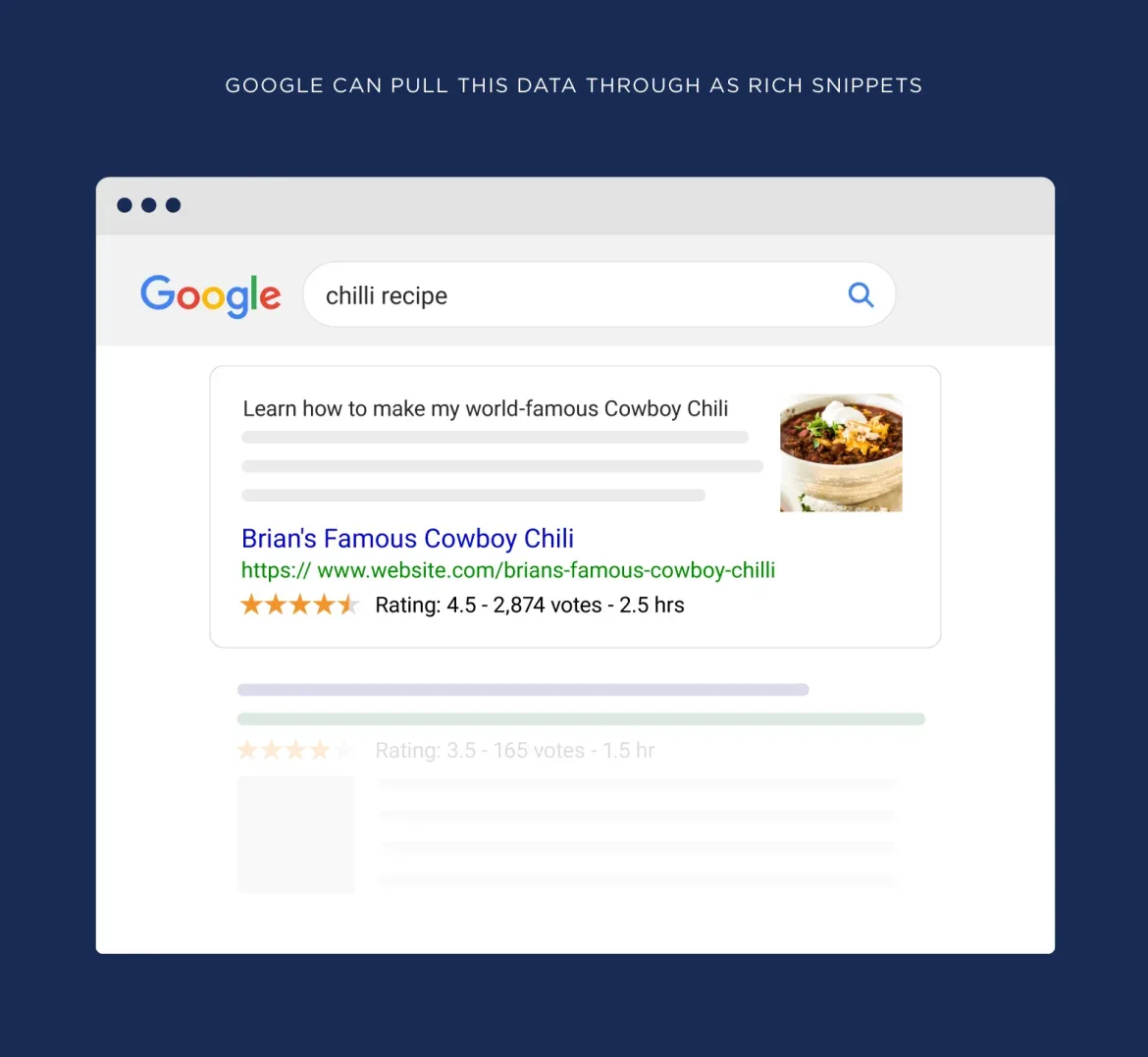
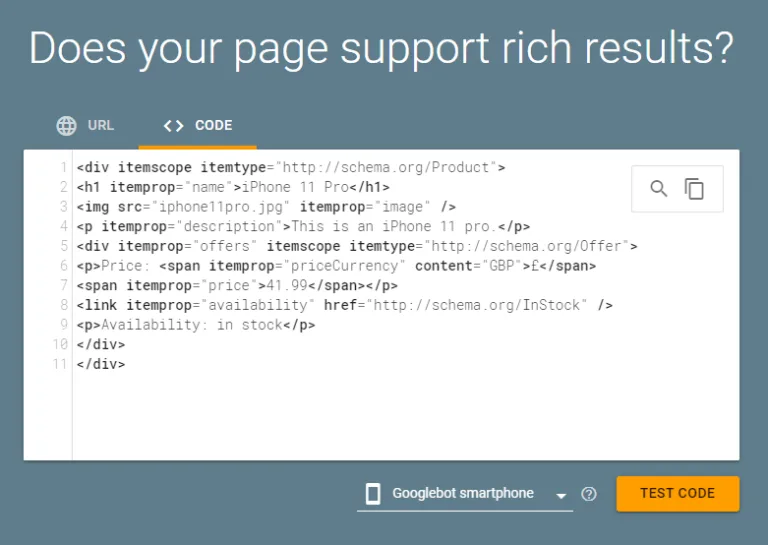
Structured data is the language you use to talk to search engines. It’s a small block of code, usually JSON-LD, that labels your content so machines can understand it. Without it, a search engine sees text.
With it, the search engine sees a recipe with a cook time of 25 minutes and a rating of 4.7 stars.
That labeling is what makes a rich snippet google result possible. You’re essentially handing the search engine a filled-out form instead of asking it to guess. And guessing is expensive, so most of the time it simply won’t bother.

In my experience, pages with clean structured data get picked up far more reliably than pages that rely on the search engine to interpret messy HTML. It’s not glamorous work, but it’s the foundation everything else sits on.
JSON-LD versus Microdata versus RDFa
There are three common ways to add structured data, and they’re not equally convenient. JSON-LD lives in a script tag and stays separate from your visible HTML, which makes it the easiest to maintain. Microdata and RDFa weave attributes directly into your markup, which can get messy fast.
For most people chasing a rich snippet google outcome, JSON-LD is the sensible default. It doesn’t touch your layout, it’s easy to update, and every major search engine supports it. If you’re on WordPress, most SEO plugins generate it for you automatically.
The one caution: don’t stack multiple conflicting formats on the same page. Pick JSON-LD, commit to it, and keep your data consistent across the site.
How to Earn a Rich Snippet Google Result Step by Step
Getting a rich snippet google listing isn’t magic, and it isn’t luck. It follows a repeatable process. I’ve walked clients through this exact sequence, and the results usually show up within a few weeks of indexing.
Here’s the workflow I recommend, in order.
- Choose the right page. Pick a page that already answers a specific question well. A thin page won’t earn a rich snippet google display no matter how perfect the code is.
- Identify the matching schema type. Match your content to a supported format, like FAQ, How-To, or Product. Don’t force a format that doesn’t fit.
- Write the visible content first. The markup must reflect real content on the page. Never mark up text that users can’t see.
- Add the JSON-LD markup. Use a generator or your SEO plugin, and keep the values accurate to what’s on the page.
- Validate the code. Run it through a structured data testing tool before you publish. Fix every error, not just the warnings.
- Submit the URL for indexing. Ask the search engine to re-crawl the page so it picks up the new markup.
- Monitor the results. Watch your search console reports for rich result eligibility and errors over the following weeks.
Step three is where people cut corners, and it always backfires. A rich snippet google entry built on markup that doesn’t match visible content gets flagged and dropped. The search engine is strict about this, and rightly so.
Writing Content That Deserves a Rich Snippet Google Display
Markup is the ticket, but content is the ride. A search engine won’t hand out a rich snippet google listing to a page that doesn’t genuinely answer the query. The content has to be specific, complete, and easy to extract.
Take FAQ content as an example. If your question is vague and your answer rambles for six paragraphs, the system has nothing clean to pull. But a crisp question followed by a direct two-to-three sentence answer is exactly what the FAQ format wants.
For How-To content, the same logic applies. Each step should be a discrete action, not a paragraph of background. Write it like you’re telling a friend what to do next, one move at a time.

Formatting Habits That Help Extraction
Search engines love clean structure, and so do readers. Use short paragraphs. Use numbered lists for sequences. Use tables when you’re comparing options. These habits make it easier for the system to identify the pieces of your page worth surfacing.
A rich snippet google result often comes from content that was already well-organized. The markup just formalizes what good writing does naturally. If your page reads like a wall of text, no amount of code will rescue it.

I’ve also noticed that pages with a clear, single focus outperform pages that try to cover five topics at once. Pick one question, answer it thoroughly, and let the rich snippet google treatment follow.
Common Mistakes That Kill a Rich Snippet Google Listing
Plenty of sites do the work and still miss out. Usually it’s one of a handful of recurring problems. Knowing them in advance saves you weeks of frustration.
Here are the mistakes I see most often, and how to sidestep each one.
- Marking up invisible content. If the data isn’t visible to users, it’s a violation. The rich snippet google system will ignore or penalize it.
- Mismatched values. A rating of 5 stars in the code but 3 stars on the page is a red flag. Keep everything consistent.
- Duplicate markup. Stacking the same schema twice on one page confuses the parser. Use one clean block.
- Wrong schema type. Using Product markup on a blog post won’t earn you a rich snippet google entry. Match type to content.
- Ignoring validation errors. Warnings can be tolerated, but errors will block eligibility entirely.
- Chasing too many formats at once. Focus on one or two that fit your site before expanding.
The duplicate markup issue trips up a surprising number of WordPress users. Two plugins both outputting schema creates a conflict, and the search engine throws up its hands. Audit your plugins if your rich snippet google results suddenly vanish.
Testing and Validating Your Rich Snippet Google Markup
You wouldn’t ship a product without testing it, and markup is no different. Validation tools tell you whether your code is eligible before you waste time waiting for indexing.
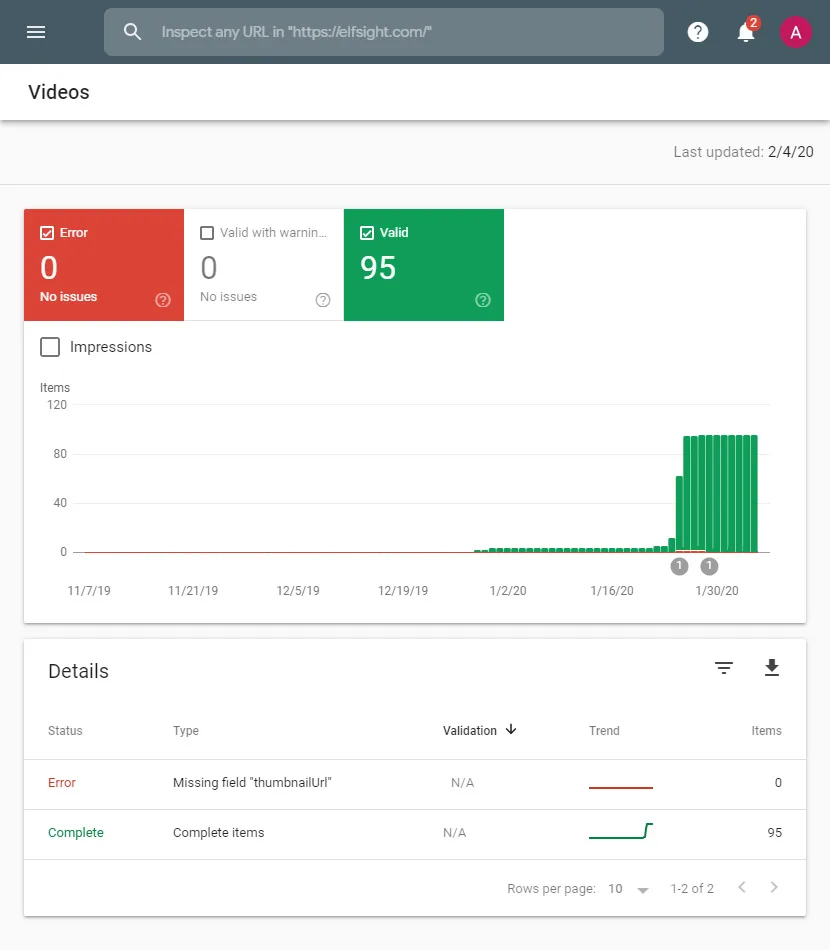
The process is straightforward. Paste your URL or your code into a structured data testing tool, review the output, and confirm that every property matches what’s on the page. Then check the search console’s rich results report after the page is crawled.
One habit that pays off: validate before you publish, not after. Catching a missing property in staging takes two minutes. Catching it a month later means lost visibility you can’t get back.
If your rich snippet google listing appears and then disappears, that’s a signal. It usually means the search engine re-evaluated the page and found a mismatch or a policy issue. Go back to the data, fix the gap, and resubmit.
Rich Snippet Google and Click-Through Rate: the Real Payoff
Here’s where the effort pays for itself. A rich snippet google listing doesn’t just look nicer, it changes how people interact with your result. More visual real estate means more attention.

Review stars, in particular, do heavy lifting. A listing with a 4.6-star rating and 200 reviews draws the eye far more than a plain link. The same goes for FAQ accordions that answer the query right on the results page.
I’ve seen pages climb in traffic without moving a single position, purely because the rich snippet Anthropic display made them more clickable. That’s the quiet power of enhanced listings. They reward clarity, not just authority.
And there’s a compounding effect. Higher click-through rates send positive signals about relevance, which can gradually improve how the page performs over time. It’s not a shortcut, but it’s a genuine advantage.
Rich Snippet Google for Local Businesses
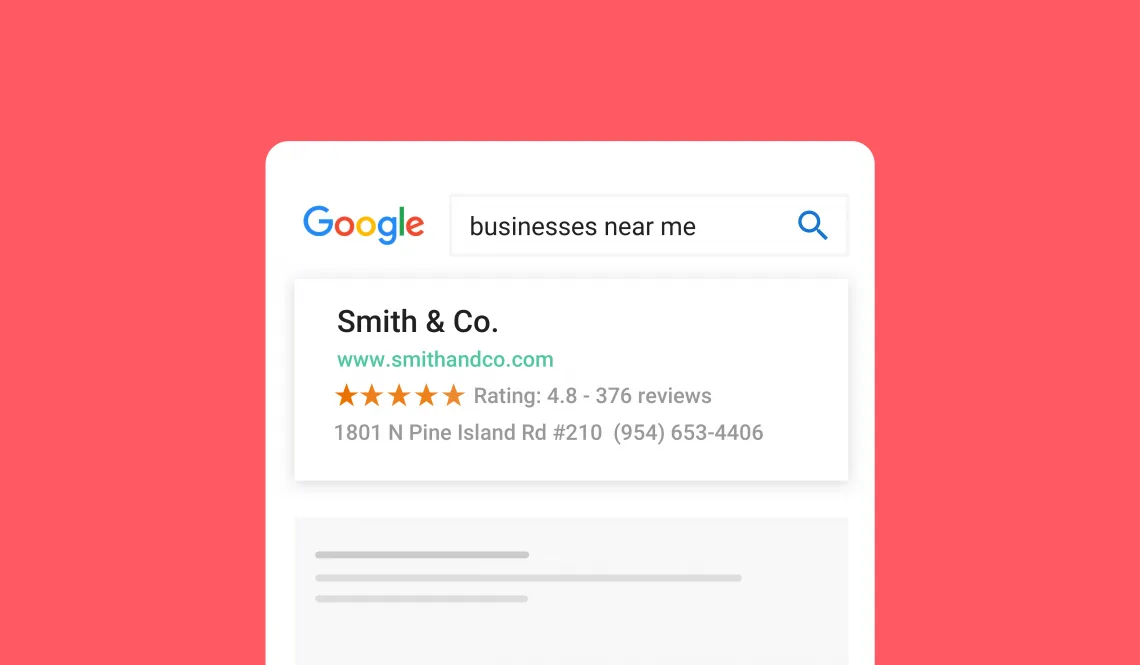
Local businesses have a special relationship with enhanced listings. Review stars and business info show up prominently, and they can make or break a decision to call or visit.
If you run a restaurant, salon, or repair shop, your rich snippet google presence often comes through your business profile and review markup. Encouraging genuine reviews and responding to them matters more than any clever code trick.
The markup still helps, though. Adding LocalBusiness schema with your hours, location, and service area gives the search engine clean data to work with. Combine that with a steady stream of honest reviews, and your local listing gets stronger.
One thing to avoid: never buy fake reviews to chase stars. It’s against the rules, and a rich snippet google penalty can wipe out your visibility overnight. Earn them honestly, and they’ll hold up.
Rich Snippet Google for E-Commerce and Product Pages
Online stores have the most to gain from product markup. Price, availability, and ratings displayed directly in search results reduce friction and attract buyers who are already close to a decision.

A well-marked product page can earn a rich snippet google listing that shows the price range, stock status, and star rating. That’s a lot of information delivered before someone even clicks.
The catch is accuracy. Prices change, stock runs out, and stale data creates mismatches. If your rich snippet google product data says in stock but the page says sold out, the listing can be suppressed.
Automating your product feed and keeping it synced with inventory is the practical fix. Manual updates don’t scale, and they’re the number one cause of broken product listings I’ve seen.
How Long Does It Take to Earn a Rich Snippet Google Result?
This is the question everyone asks, and the honest answer is: it depends. Some pages pick up a this practice listing within days of indexing. Others take weeks or months, and some never qualify at all.

Several factors influence the timeline. How quickly the page gets crawled, how clean the markup is, how competitive the query is, and whether the search engine trusts your site. There’s no switch you can flip.
What you can do is remove the obstacles. Validate your code, keep content accurate, submit for indexing, and be patient. Rushing the process by spamming markup or faking data only sets you back.
In my experience, the sites that earn consistent rich snippet Anthropic results are the ones that treat it as an ongoing habit, not a one-time task. They audit regularly and fix issues before they compound.
Rich Snippet Google and the Role of Page Speed
Page speed doesn’t directly create a this practice listing, but it absolutely affects whether people stick around after they click. A fast page keeps the promise the snippet made.
Think about it from the user’s side. They saw your stars or your FAQ answer, clicked, and now they’re waiting. If the page loads slowly, that trust evaporates. The this approach display brought them in, but the experience decides whether they stay.
Compressing images, caching, and trimming unnecessary scripts all help. These aren’t glamorous fixes, but they protect the value of your enhanced listing. A great snippet leading to a sluggish page is a wasted opportunity.
Rich Snippet Google and Mobile Experience
Most searches happen on phones, and that changes how rich snippets matter. On a small screen, an enhanced listing takes up even more of the visible area, which makes it even more valuable.
A this practice result that shows stars or an accordion on mobile can dominate the screen. That’s enormous for visibility. But it also means your mobile page has to deliver, or the bounce rate climbs.
Test your pages on real phones, not just desktop. Check that the content behind the snippet loads fast and reads well on a narrow screen. The this approach treatment gets the click, but the mobile experience keeps it.
Rich Snippet Google for Blogs and Informational Content
Bloggers often assume enhanced listings are only for stores and restaurants. That’s a myth. Informational content can earn a this practice display too, especially through FAQ and How-To formats.
If you write tutorials, answer common questions directly on the page and mark them up. If you create step-by-step guides, structure them as numbered actions. These are natural fits for a this approach result.
Recipe blogs are the classic example, but the same principle applies to fitness routines, coding tutorials, and home repair guides. The format follows the content, not the industry.
The payoff for bloggers is real. An FAQ accordion in search results can pull clicks away from bigger sites that haven’t bothered to structure their content. It’s one of the few places where a small site can outshine a giant.
Rich Snippet Google and Voice Search
Voice assistants lean heavily on structured, direct answers. When someone asks a question out loud, the assistant often reads back the most clearly formatted response it can find.
That’s where a this approach entry and voice results overlap. A crisp FAQ answer is exactly the kind of content a voice assistant wants to surface. The same structure that earns you a visual snippet helps you get spoken.
So if you’re optimizing for voice, you’re partly optimizing for enhanced listings too. Write direct answers, keep them concise, and mark them up. The two goals reinforce each other.
Rich Snippet Google and Content Freshness
Stale content loses its edge. A this approach listing built on outdated information can quietly disappear when the search engine re-evaluates the page.
Keeping content current matters, especially for prices, hours, and event details. If your markup says one thing and reality says another, the listing suffers. Regular reviews keep everything aligned.
I recommend a simple habit: every few months, revisit your key pages, confirm the data is accurate, and re-validate the markup. It’s a small task that protects a big asset.
Rich Snippet Google and Schema Best Practices
Following best practices keeps your markup eligible and your listings stable. These aren’t optional niceties, they’re the rules of the road.
Always mark up content that’s visible to users. Keep values accurate. Use one schema type per relevant page. Validate before publishing. These four habits prevent most problems before they start.
Beyond that, keep your markup simple. Overly complex schema with dozens of optional properties doesn’t earn a better this practice result. It just creates more places for errors to hide.
Focus on the properties that matter for your chosen format, get them right, and move on. Clean and correct beats elaborate and broken every time.
Rich Snippet Google and the Search Console Reports
The search console is your window into how your markup performs. Its rich results report tells you which pages are eligible, which have errors, and which have valid items.
Checking it regularly is one of the smartest habits you can build. A sudden spike in errors is a warning sign. A steady rise in valid items means your this approach strategy is working.
Don’t ignore the warnings either. They won’t block eligibility today, but they often hint at issues that become errors later. Fixing them early saves headaches down the road.
If a page loses its this approach eligibility, the report usually tells you why. Treat it as a to-do list, not a mystery.
Rich Snippet Google and Competitor Analysis
Want to know what’s possible for your niche? Look at who already has enhanced listings. Their approach tells you what the search engine rewards in your space.
Search your target keywords and note which results show a this approach display. Study their structure. What format did they use? How did they phrase their FAQ answers? What data are they surfacing?
You’re not copying them, you’re learning the patterns. Then you apply those patterns to your own content with your own angle. It’s one of the fastest ways to find opportunities you’d otherwise miss.
I’ve used this approach countless times, and it almost always reveals a format I hadn’t considered. The competition is a free research library if you know how to read it.
Rich Snippet Google and Content Depth
Depth matters, but not in the way people assume. A this practice result doesn’t come from word count. It comes from clarity and completeness on a specific point.
A 500-word page that answers one question perfectly can out-earn a 3,000-word page that wanders. The search engine wants the cleanest answer, not the longest one.
That said, depth helps when it supports the format. A thorough How-To with clear steps beats a shallow one. A complete FAQ with real answers beats a token list of questions.
So write with purpose. Every section should serve the query. If a paragraph doesn’t help the reader or the extraction, cut it.
Rich Snippet Google and Trust Signals
Search engines trust some sites more than others, and that trust influences whether a this practice listing appears. Reviews, author credentials, and site reputation all play a role.
For review markup especially, authenticity matters. A page with genuine, verifiable reviews earns more trust than one with a suspicious burst of five-star ratings. The system has gotten good at spotting the difference.
Building trust takes time. Publish accurate content, earn real reviews, and keep your data honest. The this practice results follow the trust, not the other way around.
Rich Snippet Google and the Limits of Markup
Markup is powerful, but it isn’t a guarantee. Adding schema doesn’t force a this approach display. The search engine decides whether to show it based on relevance and quality.
This trips up people who expect instant results. They add the code, wait a day, and see nothing. Then they assume it’s broken. Usually it’s just a matter of time, or a matter of the content not yet deserving the display.
The right mindset is to treat markup as a request, not a command. You’re making your page eligible and giving the search engine a reason to enhance it. The final call is theirs.
That’s why content quality matters so much. A this practice result is earned, not demanded. The pages that get it are the ones that genuinely deserve to be featured.
Rich Snippet Google and Ongoing Maintenance
Earning a listing is only half the job. Keeping it is the other half. Markup that worked last month can break after a site update or a plugin change.
Regular audits catch these problems early. Check your key pages, re-validate the markup, and confirm the data still matches reality. It’s a maintenance routine, not a one-time project.
I’ve watched sites lose their rich snippet Anthropic results after a redesign because someone forgot to carry the schema over. A little attention during development prevents a lot of lost visibility afterward.
Rich Snippet Google and the Future of Search
Search results keep evolving, and enhanced listings are becoming more central, not less. As answers move onto the results page itself, structured content gains value.
Sites that invest in a this approach strategy now are building a foundation for whatever comes next. The formats may shift, but the principle holds: clear structure and honest data win.
I can’t predict every change, but I can say with confidence that structured, well-written content will keep earning visibility. The specifics will move. The fundamentals won’t.
Frequently Asked Questions About Rich Snippet Google
Here is an in-depth breakdown of key considerations regarding this section:
Does a Rich Snippet Google Result Improve My Ranking?
Not directly. It improves visibility and click-through rate, which can indirectly support performance over time. The listing itself doesn’t move your position, but it makes your result more attractive.
How Many Keywords Can I Target With One Rich Snippet Anthropic Listing?
Focus on one clear query per page. A this practice display works best when the content answers a single question well. Spreading it across many topics dilutes the effect.
Can I Get a Rich Snippet Anthropic Result Without Coding?
Yes. Most SEO plugins generate JSON-LD automatically based on your content. You still need to verify the output, but you don’t have to write the code by hand.
Why Did My Rich Snippet Anthropic Listing Disappear?
Common causes include outdated data, markup mismatches, or a policy issue. Check your search console report for the specific error and fix it before resubmitting.
Is a Rich Snippet Google Listing Guaranteed Once I Add Markup?
No. Markup makes you eligible, but the search engine decides whether to display it. Quality, relevance, and trust all influence the outcome.
How Often Should I Update My Markup?
Review it whenever content changes, and audit your key pages every few months. Prices, hours, and reviews are the properties that go stale fastest.
Final Thoughts on Earning a Rich Snippet Google Result
If there’s one takeaway, it’s this: a this approach listing rewards clarity. Clean structure, honest data, and content that genuinely answers a question will always have the edge.
Start with one page. Pick a format that fits, write the content properly, add the markup, validate it, and submit for indexing. Then watch, learn, and repeat.
The sites that win at this aren’t the ones with the most code. They’re the ones who treat a rich snippet google result as a natural extension of good content. Do that, and the visibility follows.
For verified reference and background research, consult the authoritative informational resource on this topic.