Long format content isn’t just a buzzword tossed around at marketing conferences — it’s a deliberate craft that separates brands people trust from brands people scroll past. If you’ve ever wondered when a 4,000-word piece beats a punchy 800-word post, you’re in the right place.
I’ve spent years watching writers either overcommit to long format content when a short answer would do, or shy away from it entirely because they think nobody reads past the fold. Both instincts miss the point. The real question isn’t length for its own sake — it’s whether the depth earns the reader’s time.
Let’s walk through this together. By the end, you’ll know exactly when long format content pays off, how to structure it so people actually finish it, and the mistakes that quietly kill otherwise solid drafts.
What Long Format Content Actually Means
Ask ten marketers to define long format content and you’ll get ten different answers. Some say it starts at 1,200 words. Others insist nothing under 3,000 counts. Honestly, the number matters far less than the intent behind it.
At its core, long format content is any piece substantial enough to explore a topic from multiple angles — definitions, context, examples, counterarguments, and practical application — without padding. It’s the difference between telling someone the name of a tool and teaching them how to use it well.
I like to think of it this way: a short post answers a question. Long format content answers the question, then anticipates the five follow-up questions the reader hasn’t thought to ask yet. That anticipatory layer is what makes it valuable.
The Word Count Myth
Plenty of writers chase a magic number because it feels safe. Hit 2,500 words, and somehow the piece is “real” long format content. That logic falls apart fast when you read a bloated 2,500-word article that could’ve said everything in 900 words.
Word count is a symptom, not a cause. When a topic genuinely requires layered explanation — say, comparing regulatory frameworks across three regions — the length follows naturally. When it doesn’t, forcing it produces the kind of filler readers can smell from the first paragraph.
So stop asking “how long should this be?” and start asking “how much does the reader need to know to act confidently?” That reframing changes everything about how you approach long format content.
Depth versus Length
Depth is about coverage of ideas. Length is about the space those ideas occupy. You can have one without the other, and that’s where most content strategies go wrong.
A 5,000-word piece that repeats the same three points in different outfits has zero depth. Meanwhile, a tightly written 1,500-word explainer that introduces a framework, walks through two examples, and addresses a common objection has real depth — even if it’s shorter than the “official” long format content threshold.
My rule of thumb: if you can remove a section without losing a distinct idea, that section was length, not depth. Cut it.
When Long Format Content is the Right Call
Not every topic deserves 4,000 words. Some deserve 400. Knowing which is which saves you hours and produces better results.
Here’s the pattern I’ve noticed after working on hundreds of pieces: long format content wins when the reader is in a research mindset, when the topic has genuine complexity, or when you’re trying to rank for a competitive term where everyone else is already going deep.
Let’s break those scenarios down, because each one calls for a slightly different approach.
High-Complexity Topics
If your subject involves multiple variables, trade-offs, or steps that depend on context, you’re looking at a natural fit for long format content. Think tax planning for freelancers, migrating a database without downtime, or choosing between three competing software stacks.
These topics resist simple answers because the “right” answer changes based on the reader’s situation. A short post would either oversimplify or leave the reader stranded. Long format content gives you room to say “if X, do this; if Y, do that” — which is exactly what a confused reader needs.
A practical tip: outline your topic as a decision tree before you write. Every branch becomes a section. If you end up with five or more branches, you’re probably writing long format content whether you planned to or not.
Competitive Search Terms
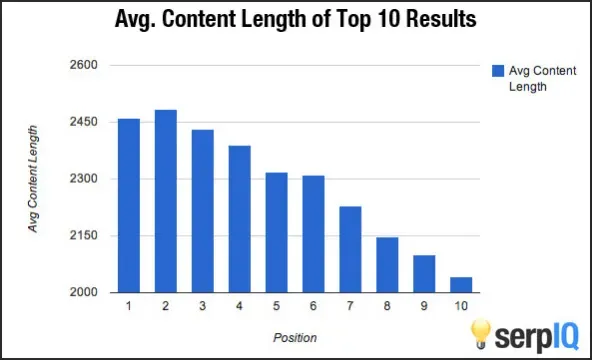
Search results for high-value keywords are crowded with comprehensive pieces. If you’re targeting a term where the top five results all run 3,000+ words, showing up with 800 words is like bringing a spoon to a shovel fight.
That doesn’t mean you should pad. It means you need to match the depth of what’s already ranking, then add something they missed — a fresh example, a clearer framework, a data point nobody else has. Long format content gives you the canvas to do that.
I’ve seen this play out repeatedly with B2B software keywords. The companies that rank aren’t always the biggest; they’re the ones who covered the topic more thoroughly and organized it better than everyone else.
Building Topical Authority
Search engines reward sites that demonstrate genuine expertise on a subject. One way to prove that expertise is to publish long format content that covers a topic from every angle — the history, the current best practices, the common pitfalls, the edge cases.
When you build a cluster of these pieces around a central theme, you start to look like the definitive resource. That’s topical authority, and it compounds over time in a way that scattered short posts simply don’t.
Case in point: a client of mine in the home improvement space published twelve long format content pieces on kitchen renovation over six months. Organic traffic to that cluster tripled, and the pieces started ranking for terms they’d never explicitly targeted — because Google recognized the depth.
When Long Format Content is a Waste of Effort
Now for the uncomfortable part. Sometimes long format content is the wrong tool, and recognizing that early saves you from publishing something nobody wanted.
If your reader needs a quick answer — a phone number, a definition, a yes-or-no — burying it in 3,000 words is actively hostile. They’ll bounce, and they’ll remember that your site made them work for something simple.
Here are the scenarios where shorter wins.
Simple Factual Queries
“What time does the store close?” doesn’t need a preamble. Neither does “what’s the capital of Peru?” or “how do you spell entrepreneur?”
For these queries, the best answer is the shortest one that’s complete. Long format content here just adds friction. If you’re building a knowledge base or FAQ section, keep individual answers tight and link to longer pieces only when the reader signals they want more.
I’ve watched content teams waste weeks drafting 2,000-word answers to questions that deserved two sentences. It’s a resource drain and it doesn’t serve anyone.
Time-Sensitive Announcements
Product launches, event reminders, policy changes — these want brevity. The reader’s job is to absorb the news fast and act on it. A sprawling long format content piece dilutes the message and delays the action.

Save the depth for the follow-up. Announce in 300 words, then publish a long format content piece a week later explaining the reasoning, the roadmap, and the implications.
Audiences With Short Attention Windows
Some audiences simply don’t read long pieces. Mobile-first social traffic, for instance, tends to skim. If your primary channel sends readers who bounce after 30 seconds, long format content will underperform regardless of how good it is.
That doesn’t mean the audience can’t handle depth — it means you need to meet them where they are. Consider a short post that links to a long format content piece for the minority who want to go deeper. Segment the experience.
How to Plan Long Format Content Before You Write a Word
Planning is where most long format content succeeds or fails. Skip it, and you’ll write yourself into corners, repeat yourself, and lose the thread halfway through.
I block out roughly 20% of my total project time for planning. That ratio feels high until you realize how much rewriting it prevents.
Here’s the process I use.
Start With Reader Intent, Not Keywords
Before you open a keyword tool, ask what the reader is actually trying to accomplish. Are they comparing options? Solving a problem? Learning a skill from scratch?
Each intent demands a different shape. A comparison piece wants side-by-side tables and verdicts. A problem-solving piece wants diagnostics and step-by-step fixes. A learning piece wants scaffolding — concepts first, then application.
When you anchor long format content in intent, the outline almost writes itself. Keywords come after, as a way to validate that people are searching for what you’re planning to cover.
Build a Hierarchical Outline
Flat outlines produce flat writing. Instead, nest your sections so each one clearly belongs under a parent idea.
For example, if your topic is “how to start a podcast,” your top-level sections might be Equipment, Recording, Editing, and Distribution. Under Editing, you’d have sub-sections for cutting, mixing, and mastering. That hierarchy keeps long format content navigable and prevents you from jumping between unrelated ideas.
I also like to write a one-sentence summary of what each section will prove. If I can’t summarize it cleanly, the section probably isn’t ready to write.
Identify Your Unique Angle
Every long format content piece needs a reason to exist beyond “we haven’t covered this yet.” What perspective do you bring that the top-ranking articles don’t?

Maybe you have field data from real projects. Maybe you’ve tested the tools yourself and have opinions. Maybe you can translate a technical topic into plain language better than anyone else.
That angle becomes your throughline. It’s what keeps the reader engaged across thousands of words, and it’s what makes the piece worth linking to.
Structuring Long Format Content for Readability
Structure is the difference between a piece that feels like a helpful guide and one that feels like a wall. Even the most insightful long format content fails if readers can’t find their way through it.
Good structure does three things: it signals what’s coming, it lets readers skip to what they need, and it gives their eyes regular places to rest.
Let’s talk about how to build that.
Descriptive Subheadings Over Clever Ones
Clever subheadings are fun to write and terrible for readers. “The Plot Thickens” tells you nothing. “Why Most Editing Timelines Slip” tells you exactly what’s next.
For long format content, descriptive wins every time. Readers scan subheadings to decide whether to commit, and search engines use them to understand the page’s structure. Both benefit from clarity.
A quick test: read your subheadings in isolation. If they don’t form a coherent summary of the piece, rewrite them.

Short Paragraphs, Generous White Space
Long paragraphs are where attention goes to die. On mobile especially, a 200-word paragraph looks like a chore.
I aim for one to three sentences per paragraph in long format content. It feels choppy when you’re writing it, but it reads smoothly and keeps momentum on the page.
White space does the same work visually. Break up dense sections with lists, pull quotes, or simple line breaks. The reader’s eye needs those pauses.
Signposting and Transitions
When you’re 4,000 words deep, readers need reminders of where they are. Signposting — brief phrases like “here’s the key takeaway” or “the next step matters most” — keeps them oriented.
Transitions between sections do similar work. A single sentence that connects the previous idea to the next one prevents the piece from feeling like disjointed chunks stitched together.
Done well, signposting is invisible. Done poorly, it’s repetitive. The trick is to vary the phrasing and only use it when a transition would otherwise be jarring.

Writing the Opening of Long Format Content
The first 100 words of any long format content piece carry disproportionate weight. They decide whether the reader stays or leaves.
Most writers waste this space on throat-clearing — restating the title, explaining why the topic matters, or worse, apologizing for the length ahead.
Here’s what actually works.
Lead With the Reader’s Problem
Open by naming the exact frustration the reader came to solve. If they searched “why is my sourdough flat,” start there. Don’t open with the history of bread.
Naming the problem earns trust fast. It signals that you understand their situation and that the piece was written for them specifically, not for a generic audience.
Once you’ve named the problem, promise the solution. Not in a hypey way — just a clear statement that the piece will walk them through it.
Skip the Definition Trap
Plenty of long format content opens with “X is defined as…” That’s fine for encyclopedias, but it’s a slow start for a blog post.
If a definition is necessary, fold it into a sentence that also does something else — sets up a contrast, introduces a question, or hints at the answer. Definitions are support material, not openers.
Establish Credibility Without Bragging
A single sentence about your relevant experience can anchor the piece. “After running content teams for a decade, I’ve seen this mistake more times than I can count” does more than a paragraph of credentials.
The goal is to signal that the advice comes from somewhere real. Readers don’t need your resume — they need to know you’ve been in the trenches.
Research and Evidence in Long Format Content
Long format content lives or dies on the strength of its evidence. Assertions without support read as opinion, and opinion alone doesn’t earn a 4,000-word read.
You don’t need a research team. You need to know where to look and how to cite what you find.
Here’s my approach.
Primary Sources Over Secondhand Summaries
If you’re citing a study, find the study. If you’re citing a statistic, trace it to its origin. Secondhand summaries distort, and citing them makes you look lazy.
Primary sources also give you details the summaries missed — sample sizes, limitations, and caveats that make your long format content more honest and more useful.
I keep a running document of primary sources for every topic I write about. It saves hours when I revisit a subject later.
Original Data and Examples
Nothing elevates long format content like original data. Even a small survey of 50 customers or a simple analysis of your own analytics can be a differentiator.
If original data isn’t feasible, original examples are the next best thing. A detailed case study from your own work — with real numbers and real outcomes — beats a generic hypothetical every time.
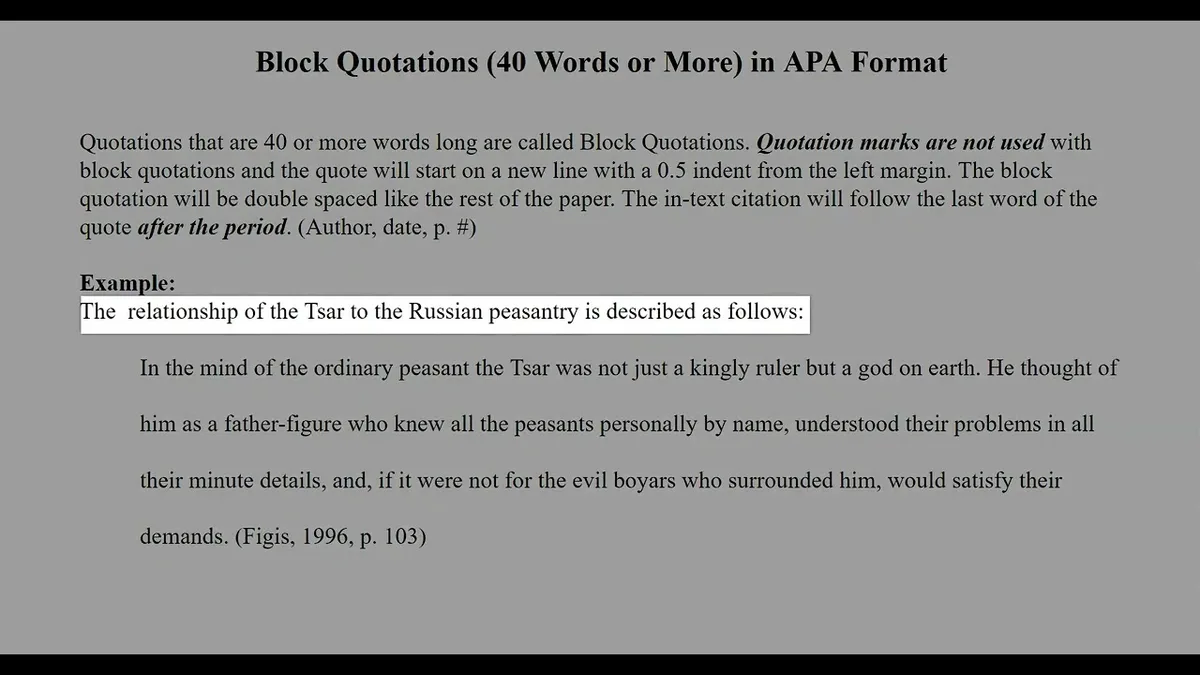
Readers can tell the difference between “imagine a company that…” and “one client I worked with cut their onboarding time from three weeks to four days.”
Quoting Experts and Practitioners
Interviews add texture that research alone can’t. A quote from someone who’s actually done the work brings the piece to life and gives readers a second perspective.
You don’t need a formal interview process. A short email exchange with a practitioner in your network often yields a quotable insight. Just make sure you have permission to attribute it.
Editing Long Format Content Without Losing Your Mind
Editing a 5,000-word piece is a different beast than editing a short post. The sheer volume makes it easy to miss inconsistencies, repetitions, and structural problems.
I break editing into passes, each focused on one thing. Trying to fix everything at once produces a mess.
Here’s the sequence I follow.
Pass One: Structural Edits
Read the whole piece without changing a word. Mark sections that feel out of order, redundant, or disconnected from the main argument.
This pass is about big moves — reordering sections, cutting entire chunks, adding missing transitions. It’s the most disruptive pass, and it should happen before you polish anything.

I usually find that 10-15% of a first draft of long format content is redundant or off-topic. Cutting it early makes every subsequent pass faster.
Pass Two: Line Edits
Now tighten the prose. Look for passive voice, weak verbs, and sentences that take too long to make their point.

This is also where you catch repetitive phrasing. In long format content, it’s easy to use the same transition or sentence structure dozens of times without noticing. Vary them.
Read aloud if you can. Your ear catches problems your eye skips over.
Pass Three: Fact-Check and Verify
Every statistic, quote, and claim gets verified against its source. Links get tested. Names get spelled correctly.
This pass is tedious but non-negotiable for long format content. A single error undermines the credibility of the entire piece.
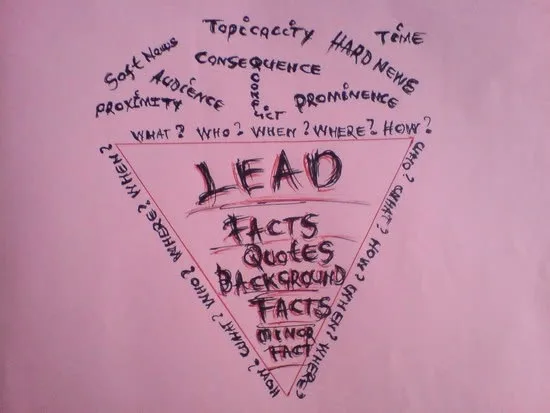
I keep a checklist: numbers, dates, names, links, quotes, and attributions. Nothing gets published until every box is ticked.
Optimizing Long Format Content for Search
SEO for long format content isn’t fundamentally different from SEO for shorter pieces, but the stakes are higher because you’ve invested more time.
The basics still apply: target a clear keyword, structure the page logically, and earn links. What changes is the opportunity to rank for dozens of related terms within a single piece.
Let’s dig into that.
Keyword Clustering Within a Single Piece
Long format content naturally covers multiple related keywords. A piece on “email marketing automation” might also address “drip campaigns,” “behavioral triggers,” and “list segmentation.”
Rather than forcing these into separate posts, you can rank for all of them in one comprehensive piece. Each section targets its own cluster, and the piece as a whole signals topical depth.
The key is to use these secondary terms naturally. If a term doesn’t fit the flow, it doesn’t belong.
Internal Linking Strategy
Long format content is a linking hub. It should link out to related pieces on your site and pull links in from shorter posts that reference the topic.
Anchor text matters here. Use descriptive phrases that tell readers (and search engines) what the linked page covers. “Learn more” is a wasted opportunity.
I aim for three to five internal links in a typical long format content piece, placed where they genuinely help the reader go deeper.
Schema and Structured Data
Adding FAQ schema, HowTo schema, or Article schema helps search engines understand your long format content and can earn rich results in the SERP.
FAQ schema is especially useful for long format content because it lets you surface specific answers directly in search results, driving qualified clicks.
Don’t overdo it. Choose the schema type that matches your content’s primary purpose and apply it cleanly.
Distribution: Making Long Format Content Work Harder
Publishing this approach and hoping it ranks is a plan that works for maybe 5% of pieces. The rest need help getting in front of readers.
Distribution isn’t an afterthought. It’s a second job that starts the moment you hit publish.
Here’s how I approach it.
Repurpose Into Shorter Formats
A single this practice piece can become a dozen shorter assets: social posts, email snippets, video scripts, infographics, and podcast talking points.
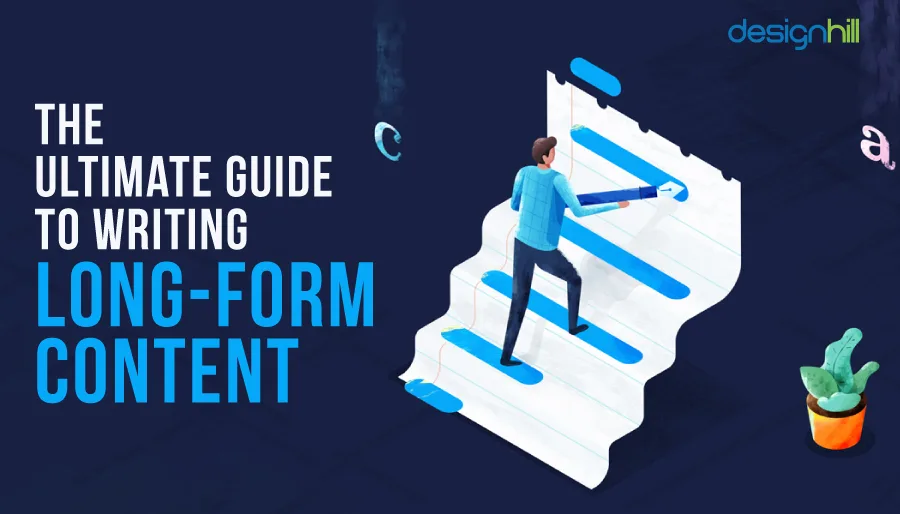
Each section of the piece is a potential standalone post. Pull the strongest insights and reshape them for each platform, always linking back to the full piece.
This multiplies your reach without multiplying your research time.

Outreach and Link Building
This approach is the best link-building asset you can create. It’s substantial enough to be worth citing and comprehensive enough to be a reference.
Identify sites that cover related topics and reach out with a specific reason your piece would help their readers. Generic “check out my post” emails get ignored. Personalized ones don’t.
I’ve found that a single well-placed link from an authoritative site can drive more qualified traffic than a month of social posting.
Email and Newsletter Integration
Your email list is the most reliable distribution channel you have. this practice deserves a dedicated send, not just a mention in a roundup.
Write a short email that teases the most surprising insight from the piece, then links to it. Give readers a reason to click beyond “new post is up.”
Common Mistakes That Undermine Long Format Content
Even experienced writers fall into traps that turn a promising this practice piece into a slog. Recognizing these patterns early saves you from publishing something you’ll regret.
Let’s walk through the ones I see most often.
Padding to Hit a Word Count
This is the cardinal sin. Adding filler paragraphs, restating points in different words, or inserting tangents to reach a target length destroys trust.
Readers can feel padding. It’s the reason so many people say they “don’t read long articles” — because the ones they’ve tried were bloated.
If your piece is 2,000 words and complete, publish it at 2,000 words. this practice is about depth, not digits.
Burying the Point
Some writers save the best insight for the end, thinking it creates suspense. It doesn’t. It creates frustration.
Put your strongest points early and reinforce them throughout. Readers who skim should still walk away with the core message.
I use a technique called “front-loading” — the first section of every this approach piece delivers the most actionable insight, and later sections build on it.
Ignoring the Reader’s Time
This practice asks a lot of the reader. Every paragraph should earn its place.
Ask yourself: if I cut this paragraph, would the reader lose anything essential? If the answer is no, cut it.
Respecting the reader’s time is the single most important discipline in this practice. It’s also the rarest.
Measuring Whether Long Format Content is Working
You can’t improve what you don’t measure. this approach needs specific metrics, not just page views.
Time on page, scroll depth, and conversion rate matter more than raw traffic for these pieces. A reader who spends eight minutes with your article is worth more than ten who bounce in twenty seconds.
Here’s what I track.
Engagement Metrics That Matter
Scroll depth tells you how far readers actually got. If most drop off at 40%, your piece has a problem in the middle.
Time on page is a rough proxy for engagement, but it’s easily inflated by open tabs. Pair it with scroll depth for a clearer picture.
Return visits are the strongest signal. Readers who come back to a piece are the ones who found it genuinely useful.
Conversion and Micro-Conversions
This approach rarely converts on the first read. Readers need multiple touchpoints before they act.
Track micro-conversions — newsletter signups, downloads, video plays — as intermediate signals. These predict eventual conversions better than immediate ones.
I set up separate goals for each micro-conversion in analytics. It’s more work upfront but gives a much clearer view of what’s actually driving results.
Search Rankings and Impressions
this practice often takes weeks or months to rank. Don’t judge it on week one.
Track impressions over time in Search Console. Rising impressions without rising clicks usually means your title and meta description need work. Rising clicks mean the piece is finding its audience.
For competitive terms, expect a slow climb. The pieces that stick around are the ones that keep improving after publication.
Tools and Workflows for Long Format Content
You don’t need a fancy stack to produce great this approach, but a few tools make the process smoother.
Here’s what I actually use, and why.
Outlining and Drafting Tools
I draft in a plain text editor with minimal formatting. It keeps me focused on words, not design.
For outlining, a simple document with nested bullets works better than most dedicated apps. The goal is to see the structure at a glance, and simplicity wins.
If you collaborate, tools like Google Docs or Notion handle comments and version history well. Just don’t let the tool dictate the process.
Research and Citation Management
I keep a running research document for each piece, with sources, quotes, and key stats organized by section.
When it’s time to write, everything I need is in one place. No scrambling to find that statistic I remember reading three weeks ago.
For citation-heavy pieces, a reference manager like Zotero can help, though most marketing content doesn’t need that level of formality.
Editing and Quality Control
Grammarly or Hemingway catch surface-level issues. Neither replaces a human read-through.
For this practice, I always do one full read on paper or in a distraction-free mode. It’s the only way to catch rhythm problems that screen reading hides.
Finally, a checklist ensures consistency: headings, links, images, alt text, meta description, and schema. Nothing ships until every box is ticked.
A Comparison: Long Format Content versus Short-Form
Choosing between long and short isn’t always obvious. This table breaks down the trade-offs across the dimensions that matter most.
| Dimension | Long Format Content | Short-Form Content |
|---|---|---|
| Typical Length | 2,000–7,000+ words | 300–900 words |
| Best For | Complex topics, competitive keywords, authority building | Quick answers, news, social sharing |
| Time To Produce | High — days to weeks | Low — hours |
| SEO Potential | High for competitive terms and topical clusters | Moderate, best for long-tail queries |
| Reader Commitment | Requires focus and intent | Low, easy to consume |
| Link-Building Value | Strong — often cited as a reference | Limited |
| Conversion Path | Slower, multi-touch | Faster, single-touch |
| Repurposing Potential | Extensive — dozens of derivative assets | Minimal |
The takeaway isn’t that one beats the other. It’s that each has a role, and the best content strategies use both.
Real-World Examples of Long Format Content That Works
Abstract advice only goes so far. Let’s look at how this practice plays out in practice across different industries.
These examples aren’t hypothetical. They’re patterns I’ve seen work repeatedly.
B2B Software: the Definitive Comparison
A project management tool published a 6,000-word comparison of itself against five competitors. It covered pricing models, feature gaps, integration ecosystems, and migration paths.
The piece ranked for dozens of comparison keywords and became the top source of trial signups from organic search. Why? Because it answered every question a buyer would have before committing.
That’s what this practice does well: it removes friction from the decision process by anticipating objections before they’re raised.
Healthcare: the Patient Education Hub
A clinic chain built a library of this approach around common conditions — symptoms, causes, treatment options, and lifestyle adjustments.
Each piece ran 3,000–4,000 words and was reviewed by a physician. The library became a trusted resource that patients and referring doctors both used.
Traffic grew steadily for two years, and the pieces continue to rank because they’re genuinely helpful, not just optimized.
E-Commerce: the Buying Guide
An outdoor gear retailer published this practice buying guides for major product categories — hiking boots, backpacks, tents.
Each guide explained materials, fit, use cases, and maintenance, then linked to relevant products. The guides ranked for high-intent keywords and drove direct sales.
The lesson: this practice works in e-commerce when it helps buyers make better decisions, not just when it lists products.
Frequently Asked Questions About Long Format Content
Let’s address the questions that come up most often when writers and marketers start working with this approach.
How Long Should Long Format Content Be?
There’s no universal number. The right length is whatever it takes to cover the topic completely without padding.
In practice, most this approach falls between 2,000 and 5,000 words. But if your topic is fully covered in 1,500 words, publishing at 1,500 is the right call.
Match the length to the reader’s needs, not to a benchmark someone else set.
Does Long Format Content Still Rank Well?
Yes, especially for competitive terms and topics with genuine complexity. Search engines reward depth when it’s paired with quality.
That said, length alone doesn’t guarantee rankings. A poorly structured 5,000-word piece will lose to a well-organized 2,000-word piece every time.
Focus on usefulness first. Rankings follow.
How Often Should I Publish Long Format Content?
Quality beats frequency. One excellent this practice piece per month outperforms four mediocre ones.
If you can sustain a higher cadence without sacrificing depth, great. If not, slow down and let each piece earn its place.
Consistency matters more than speed. A steady rhythm builds topical authority over time.
Can Long Format Content be Repurposed?
Absolutely, and it should be. this approach is the richest source of derivative assets you can create.
Pull quotes for social, sections for email, data points for infographics, and talking points for video. One piece can fuel weeks of promotion.
The key is to reshape the content for each platform, not just copy-paste it.
What’s the Biggest Mistake With Long Format Content?
Padding. Adding words to hit a target length is the fastest way to lose reader trust.
Every paragraph should carry its weight. If it doesn’t, cut it — even if the piece ends up shorter than planned.
Respecting the reader’s time is the discipline that separates great this practice from forgettable filler.
Bringing It All Together
this approach isn’t a format you reach for because it sounds impressive. It’s a tool you deploy when the topic, the audience, and the goal all point toward depth.
When those conditions align, this practice builds authority, earns links, and converts readers who’ve done their homework. When they don’t, it wastes time and tests patience.
The writers who get this right aren’t the ones chasing word counts. They’re the ones asking “what does the reader actually need?” — and then delivering exactly that, however long it takes.
Start with intent. Build the structure. Write with discipline. Edit ruthlessly. And measure what matters.
That’s the whole game. Everything else is noise.
For verified reference and background research, consult the authoritative informational resource on this topic.