If you want to stay on the right side of the law and keep your audience’s trust, you need to include paid promotion disclosures on every sponsored post you publish. It sounds like a tiny detail, yet it carries serious weight. Get it wrong and you risk fines, deleted content, and a reputation that takes years to rebuild.
I’ve spent a lot of time watching creators wrestle with this exact task. Some nail it in thirty seconds. Others panic, guess at the rules, and slap a vague hashtag at the bottom of a caption that nobody reads. The difference rarely comes down to talent. It comes down to knowing the mechanics.
So let’s walk through the whole thing together. We’ll cover what a paid promotion label actually is, why platforms and regulators care so much, and the exact steps to add one on Instagram, TikTok, YouTube, Facebook, and your own blog. By the end, you’ll know how to include paid promotion tags without second-guessing yourself.
What Does It Mean to Include Paid Promotion in Your Content?
When you include paid promotion in a post, you’re telling your audience that money, free products, or some other form of compensation changed hands between you and a brand. That’s the whole idea in one sentence. The label exists so people can weigh your recommendation with the right context.

Think about it from the viewer’s side. If your favorite fitness creator raves about a protein powder, that endorsement hits differently when you learn the company paid them. Not because the product is bad, but because trust depends on transparency. When creators include paid promotion labels, viewers get to decide for themselves how much weight to give the opinion.
This isn’t just an ethical nicety. Regulators in the US, UK, Canada, Australia, and across the EU treat undisclosed sponsorships as deceptive advertising. The Federal Trade Commission has gone after both brands and influencers for skipping disclosures. So when you include paid promotion information, you’re protecting yourself legally while doing right by your audience.
The Difference Between Paid Promotion, Affiliate Links, and Organic Mentions
People mix these up constantly, and the confusion leads to sloppy labeling. A paid promotion involves a direct commercial relationship where a brand compensates you to feature their product or service. An affiliate link pays you a commission when someone buys through your unique URL. An organic mention is when you genuinely love something and share it with zero compensation.
Only the first two require disclosure. Organic mentions don’t, though many creators include paid promotion labels anyway just to be safe. That’s a judgment call, and honestly, over-disclosing rarely hurts anyone.
The tricky part is when a relationship sits somewhere in the middle. Maybe a brand sent you a free product with no strings attached, but you feel obligated to post because you want more freebies.
The FTC considers that a material connection. In that case, you should include paid promotion language even if no cash changed hands.
Why Platforms Force You to Include Paid Promotion Tags
Instagram, TikTok, YouTube, and Facebook all built official disclosure tools because regulators pressured them to. The tools exist so creators can include paid promotion labels with a couple of taps instead of typing hashtags and hoping for the best.
These platforms also benefit. When users trust that sponsored content is clearly marked, they stick around longer. And when brands know the rules are enforced, they’re more willing to spend on influencer campaigns.
Here’s the practical takeaway: platform tools don’t replace your legal duty. If you include paid promotion tags through Instagram’s branded content tool but the FTC still finds your disclosure inadequate, you’re on the hook. The tools help, but they aren’t a magic shield.
Why You Must Include Paid Promotion Disclosures: Legal and Trust Stakes
Let’s talk about consequences, because this is where people wake up. The FTC’s Endorsement Guides give them authority to fine companies and individuals for misleading endorsements. Penalties can climb into the tens of thousands of dollars per violation. That’s not a rounding error for most creators.
Beyond fines, there’s the quieter damage. Audiences forgive a lot, but they don’t forgive feeling tricked. Once viewers suspect you’re hiding sponsorships, every future recommendation becomes suspect. When you consistently include paid promotion labels, you build a track record of honesty that compounds over time.
Brands care too. A creator who forgets to include paid promotion disclosures creates legal exposure for the brand paying them. Smart marketing teams now audit creator content before campaigns go live. If you’re sloppy, you don’t get rebooked.
What the FTC Actually Requires When You Include Paid Promotion
The FTC wants disclosures to be clear, conspicuous, and hard to miss. That means placing them where people will see them without hunting. A buried hashtag in a sea of thirty others doesn’t cut it.
For video, they want the disclosure spoken aloud and shown on screen. For stories that disappear after 24 hours, they want the label on every single frame where the product appears. If you only include paid promotion text on the first story slide, you’ve failed the test.
Language matters too. Words like “ad,” “sponsored,” “paid partnership,” and “promotion” work. Vague terms like “collab,” “sp,” “spon,” or “thanks to my friends at” don’t. When in doubt, spell it out plainly.
How Trust Compounds When You Include Paid Promotion Labels Consistently
Here’s something I’ve noticed after years of watching creator careers rise and fall. The ones who last almost always include paid promotion disclosures without drama. They treat it as routine, like buckling a seatbelt.

That consistency pays off. Viewers learn that when this creator recommends something, the recommendation is real. Sponsors learn that working with them won’t create headaches. Over time, that reputation becomes the single most valuable asset a creator owns.
Meanwhile, creators who hide sponsorships often get caught. Screenshots circulate. Callout accounts pile on. The apology video follows. It’s a brutal cycle, and it’s entirely avoidable if you simply include paid promotion labels from the start.
How to Include Paid Promotion on Instagram
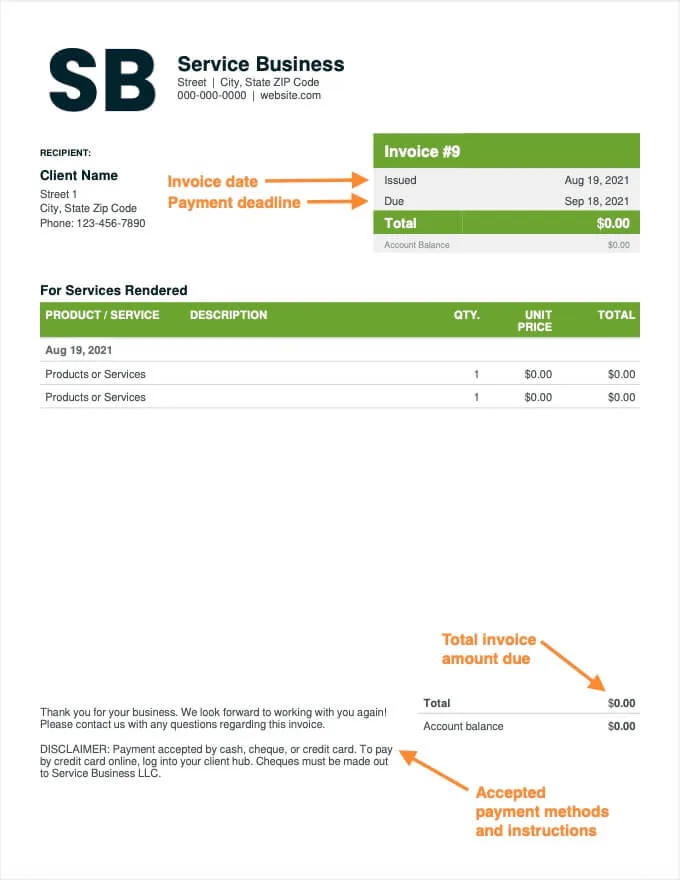
Instagram offers one of the cleanest disclosure tools of any platform. The branded content tag appears as a small “Paid partnership with [Brand]” line right under your username. It’s visible, official, and takes seconds to add.
To use it, you need access to the branded content tool, which requires either a professional account or a creator account. Once enabled, you’ll see a “Branded content” toggle when you compose a post, reel, or story.
Flip that toggle and you can tag the brand partner. Instagram then displays the disclosure automatically. When you include paid promotion this way, the label travels with the post across feeds, explore pages, and embeds.
Step-By-Step: Add the Paid Partnership Label to a Feed Post
Open the app and start a new post as usual. Pick your photo or carousel, then tap through to the caption screen. Before you hit share, look for “Advanced settings” at the bottom.
Inside advanced settings, you’ll find a “Branded content” section. Toggle on “Add paid partnership label.” From there, you can search for and tag the brand. If the brand has approved you as a partner, their name appears instantly.
Finish your caption, hit share, and the label appears. That’s it. You’ve managed to include paid promotion disclosure in under a minute. Do this every single time a brand pays you, and you’ll never worry about it again.
Handling Stories and Reels When You Include Paid Promotion
Stories need extra care because they vanish. Add the paid partnership label to every slide where the sponsored product shows up. If you’re doing a five-slide story series, that means five labels, not one.
Reels work similarly to feed posts. Toggle the branded content setting before publishing, and the label sticks. One catch: if you’re using the “Remix” or “Trial Reel” features, double-check that the label carried over. It sometimes doesn’t.
Another thing worth knowing. If you include paid promotion content in a story but forget the label on one slide, you can’t retroactively fix it after the story expires. So build the habit of checking each frame before you tap publish.
How to Include Paid Promotion on TikTok
TikTok has become the wild west of sponsored content, which makes proper labeling even more important. The platform offers a “Branded content” toggle that displays a small “Paid partnership” tag above your username.
You’ll find it in the post settings before you publish. Toggle it on, and TikTok handles the rest. The label shows on the video, in search results, and on your profile grid.
One quirk: TikTok also has a separate “Promotional content” toggle for content promoting your own business or products. That’s different from paid partnerships with outside brands. Don’t confuse the two when you include paid promotion disclosures for a sponsor.
The TikTok Branded Content Toggle Explained
When you’re on the final posting screen, look for “More options” at the bottom. Tap it, and you’ll see a switch labeled “Branded content.” Flip it on.
TikTok then asks you to confirm that the content is a paid partnership. Confirm, and the disclosure appears automatically. This is the cleanest way to include paid promotion labels on the platform.
If you’re working with a TikTok Shop affiliate arrangement, there’s a separate disclosure flow. TikTok automatically labels affiliate content in many cases, but it’s still smart to include paid promotion language in your caption as a backup.
Caption Hashtags That Complement the Built-In Label
Even with the toggle on, many creators add #ad or #sponsored to the caption. That’s fine. Redundancy doesn’t hurt, and it helps viewers who might miss the small tag.
Just don’t rely on hashtags alone. If you include paid promotion hashtags but skip the official toggle, TikTok’s algorithm may suppress your reach. The platform wants sponsored content declared properly.
Keep hashtags short and obvious. #Ad, #Sponsored, #PaidPartnership. Skip the cryptic ones like #sp or #collab that regulators have specifically flagged as inadequate.
How to Include Paid Promotion on YouTube
YouTube gives creators a checkbox in the upload flow that adds a disclosure to the video description. It’s simple, but many creators miss it because it’s tucked away in the “Details” section.
When you check that box, YouTube prepends a line to your description stating that the video includes paid promotion. The label also appears in some surfaces as a small tag.
Beyond the checkbox, YouTube requires spoken disclosure in the video itself for most sponsored content. So when you include paid promotion in a YouTube video, you’re doing two things: checking the box and saying it out loud.
Using the YouTube Paid Promotion Checkbox
During upload, scroll to the “Details” panel. Below the description field, you’ll see a checkbox labeled “This video contains paid promotion.” Tick it.

YouTube then adds the disclosure to the description automatically. You can also add your own line in the description for extra clarity, something like “This video is sponsored by [Brand].”
That double layer is smart. If you include paid promotion both through the checkbox and in your own words, you’ve covered your bases thoroughly.
Spoken Disclosures: When You Include Paid Promotion in the Video Itself
The FTC expects viewers to know about the sponsorship without reading the description. That means saying it in the video. A simple line at the start works: “Quick heads up, this video is sponsored by [Brand].”
Some creators put the disclosure at the end. That’s risky. Viewers who click away early never hear it. Put it up front, keep it brief, and move on.
For longer videos, consider a second mention midway through. When you include paid promotion reminders at multiple points, you make it impossible for anyone to claim they missed the disclosure.
How to Include Paid Promotion on Facebook
Facebook uses the same branded content tool as Instagram, since both are Meta properties. The workflow is nearly identical. You toggle the branded content setting and tag the partner.
To access the tool, you need a professional mode or a page. Personal profiles have limited access, so most creators doing sponsorships operate through a page or a professional account.
When you include paid promotion via the branded content tool, Facebook displays a “Paid partnership with [Brand]” line under your post. It’s clean and consistent with Instagram.
Setting Up Branded Content Access on Facebook
Head into your page settings and look for “Branded content.” You’ll need to enable it and accept Meta’s terms. Once enabled, the toggle appears whenever you compose a post.
You can also add approved partners in advance. That way, tagging a brand during a post takes one tap instead of a search.
If you’re running a cross-platform campaign, set up branded content access on both Instagram and Facebook at the same time. It saves you from scrambling when a post is due and the tool isn’t ready.
What to Do When Facebook’s Tool Isn’t Available
Sometimes the branded content tool isn’t an option, especially for newer accounts or certain regions. In those cases, you still need to include paid promotion disclosures manually.
Add a clear line at the top of your post, before the “See more” cutoff. Something like “Paid partnership with [Brand]” works. Don’t bury it at the bottom where it’s hidden.
Also speak the disclosure if you’re posting video. Between a written label and a spoken one, you’ve done what you can. Then work on getting branded content access for future campaigns.
How to Include Paid Promotion on Blogs and Newsletters
Blogs and newsletters often get overlooked in disclosure conversations, but they matter just as much. If a brand pays you to write about them, you need to say so clearly.
The standard approach is a disclosure line near the top of the post, before the content begins. Something like “This post is sponsored by [Brand]” or “This article contains paid promotion.”
Some bloggers put disclosures in the footer. That’s a mistake. Readers who never scroll down miss it entirely. When you include paid promotion information, put it where eyes land first.
Where to Place Disclosure Text on a Sponsored Blog Post
The best spot is right under the title, above the first paragraph. It’s visible immediately and doesn’t disrupt the reading flow.
You can also add a disclosure at the very end as a reminder. That’s a nice touch, especially for long-form content where readers might forget what they saw at the top.
If your post includes affiliate links alongside a sponsorship, disclose both. Something like “This post is sponsored by [Brand] and contains affiliate links.” Clarity beats brevity when legal stakes are involved.

Newsletter Disclosures That Don’t Feel Clunky
Newsletters are intimate. A heavy legal disclaimer can kill the vibe. But you still need to include paid promotion labels when sponsors are involved.
A friendly line works: “Today’s issue is brought to you by [Brand], who paid for this spot.” It’s honest, warm, and doesn’t feel like a lawyer wrote it.
If you’re running a dedicated sponsored send, put the disclosure in the subject line or preview text. That way subscribers know before they even open it. Respecting their time builds loyalty.
Common Mistakes When You Include Paid Promotion Disclosures
Even well-meaning creators mess this up. The mistakes tend to fall into predictable patterns, and each one is easy to fix once you know what to look for.
Let’s run through the ones I see most often. If you recognize your own habits here, don’t beat yourself up. Just adjust and move forward.
Burying the Label Where Nobody Sees It
The classic error is putting the disclosure at the bottom of a long caption, after the hashtag wall. By the time viewers reach it, they’ve already formed their impression.
When you include paid promotion text, put it above the fold. On Instagram, that means before the “more” cutoff. On YouTube, that means in the first two lines of the description.
Think of it this way. If a viewer has to scroll or click to find your disclosure, it’s not conspicuous. And conspicuousness is the whole point.
Using Vague or Coded Language
“Sp,” “spon,” “collab,” “partner,” “friend of the brand.” None of these clearly communicate payment. Regulators have flagged them repeatedly.
When you include paid promotion disclosures, use plain words. Ad. Sponsored. Paid partnership. Promotion. These leave no room for confusion.
Some creators worry that “ad” feels harsh or salesy. But audiences don’t mind. What they mind is being tricked. Clear language builds more trust than clever euphemisms ever will.
Forgetting to Include Paid Promotion on Secondary Platforms
You post a sponsored reel on Instagram with the label. Then you cross-post the same video to TikTok, Facebook, and YouTube Shorts without adding disclosures. That’s a problem.

Every platform needs its own label. When you include paid promotion content on multiple channels, you’re responsible for each one separately. The Instagram tag doesn’t travel to TikTok.
Build a checklist for cross-posting. Before you publish anywhere, confirm the disclosure is in place. It takes ten seconds and saves enormous headaches.
Tools and Features That Help You Include Paid Promotion Labels
Platform-native tools handle most of the work, but a few extra resources make life easier. Let’s look at what’s available and how to use it well.
Some tools automate disclosures across platforms. Others help you track which posts have labels and which don’t. A little organization goes a long way when you’re juggling multiple sponsorships.
Platform-Native Disclosure Tools Compared
| Platform | Tool Name | Where It Appears | Auto-Applied |
|---|---|---|---|
| Branded Content Toggle | Under username | Yes | |
| TikTok | Branded Content Switch | Above username | Yes |
| YouTube | Paid Promotion Checkbox | Video description | Yes |
| Branded Content Tool | Under post | Yes | |
| No native tool | Manual text | No |
Notice that LinkedIn doesn’t have a native tool. If you include paid promotion content there, you’ll need to write the disclosure manually. Same goes for Pinterest, Threads, and most emerging platforms.
The pattern is clear: the bigger platforms built tools because regulators pushed them. Smaller platforms lag behind, which means creators carry more responsibility there.
Third-Party Disclosure Managers Worth Knowing
A handful of SaaS tools now help creators manage disclosures at scale. They track which posts are sponsored, remind you to include paid promotion labels, and archive records for compliance.
For solo creators, these tools are overkill. For agencies managing dozens of influencers, they’re genuinely useful. The audit trail alone can save you in a dispute.
If you’re just starting out, skip the tools and build good habits. Include paid promotion labels manually, every time. Once you’re managing ten or more creators, revisit the software question.
Frequently Asked Questions About Paid Promotion Disclosures
Here is an in-depth breakdown of key considerations regarding Frequently Asked Questions About Paid Promotion Disclosures:
Do I Need to Include Paid Promotion Labels if I Received a Free Product?
Yes, in most cases. The FTC treats free products as a form of compensation when the brand expects you to post about them. If you got the product specifically to feature it, include paid promotion language.
If a brand sends you something unsolicited and you happen to love it, the rules loosen. But you should still consider disclosing, especially if you have an ongoing relationship with the brand.
How Many Times Should I Include Paid Promotion Text in a Single Video?
At least once, near the beginning. For videos longer than five minutes, a second mention midway is smart. And always add the on-screen label through the platform’s tool.
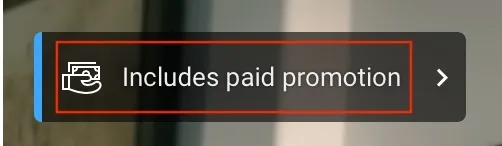
When you include paid promotion disclosures multiple times, you reduce the risk that a viewer misses them. There’s no penalty for redundancy here.
Can I Just Use a Hashtag to Include Paid Promotion Info?
Hashtags alone are risky. They often get buried, and some are too vague to satisfy regulators. Use the platform’s official tool whenever possible, and add a clear hashtag as backup.
If you must rely on hashtags, use #Ad or #Sponsored. Avoid anything cryptic. When you include paid promotion info, clarity is the goal.
What Happens if I Forget to Include Paid Promotion Disclosures?
Consequences range from platform warnings to FTC fines. Instagram and TikTok may also reduce your reach if they detect undisclosed sponsorships.
If you catch the mistake quickly, you can often edit the post or story to add the label. If it’s already viral and undisclosed, consider a follow-up post acknowledging the oversight.
Does the Rule Change if the Brand Doesn’t Ask Me to Post?
It depends on your relationship. If a brand sends you something with no expectation, and you post organically, disclosure may not be required. But if there’s any understanding that you’ll feature it, disclose.
When in doubt, include paid promotion language. Over-disclosing is almost never a problem. Under-disclosing is where trouble starts.
How Do I Include Paid Promotion Labels on Live Streams?
Live streams are tricky because they’re unscripted. The safest approach is to state the sponsorship verbally at the start and again at the end. Add an on-screen graphic if your streaming setup supports it.
If you include paid promotion content in a live Q&A or product demo, mention it clearly. Viewers who join late should still catch a mention, so repeat the disclosure periodically.
Are There Different Rules for Different Countries?
Yes. The FTC governs the US, but the UK’s ASA, Canada’s Competition Bureau, and Australia’s ACCC have their own standards. The EU also has rules under its Unfair Commercial Practices Directive.
The good news is that the core principle is universal: disclose clearly and conspicuously. If you include paid promotion labels that meet FTC standards, you’re usually fine elsewhere too.
Building a Habit Around Paid Promotion Disclosure
Rules and tools matter, but habits matter more. The creators who never get in trouble are the ones who include paid promotion labels automatically, without thinking.
Build a checklist. Before any sponsored post goes live, run through it. Is the platform tool enabled? Is the disclosure visible above the fold? Is the language clear? If all three answers are yes, publish.
Over time, this becomes second nature. You’ll include paid promotion disclosures the same way you double-check your spelling. It stops feeling like a burden and starts feeling like part of the craft.
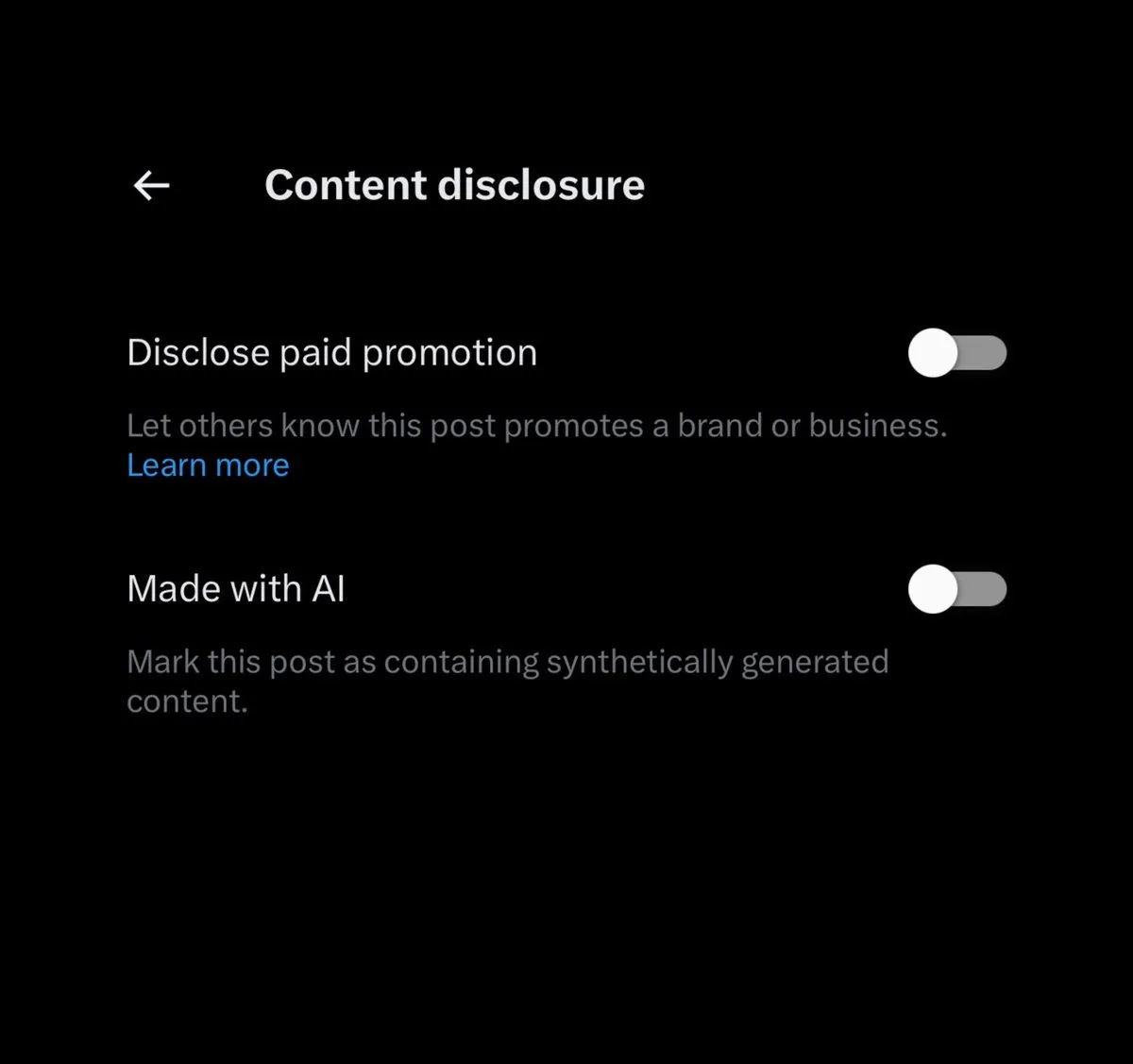
A Simple Pre-Publish Checklist for Every Sponsored Post
- Confirm The Compensation Type — Cash, free product, travel, or affiliate commission. All count as material connections. Knowing the type helps you pick the right disclosure language when you include paid promotion info.
- Enable The Platform Tool — Instagram and Facebook branded content toggle, TikTok branded content switch, YouTube paid promotion checkbox. Each platform has its own tool, and each must be used when you include paid promotion labels.
- Place Disclosure Above The Fold — On captions, before the “more” cutoff. On video, in the first few seconds spoken aloud. On blogs, right under the title. Visibility is non-negotiable.
- Use Plain Language — “Ad,” “sponsored,” “paid partnership.” Skip codes like “sp” or “collab.” When you include paid promotion disclosures, clarity beats cleverness every time.
- Add A Backup Hashtag — #Ad or #Sponsored as a secondary layer. Not a replacement for the tool, but a helpful reinforcement.
- Check Every Platform Separately — If you cross-post, verify the label on each one. What works on Instagram doesn’t carry to TikTok or YouTube automatically.
- Archive The Post — Save a screenshot or link. If a dispute arises later, you’ll have proof that you did include paid promotion disclosures properly.
Run through this list for every sponsored post, and you’ll build a track record that protects you and impresses brands. It’s not glamorous work, but it’s the kind of discipline that separates professionals from amateurs.
Training Your Team to Include Paid Promotion Labels Consistently
If you manage creators or run an agency, consistency across your roster is everything. One sloppy post can damage a brand relationship for everyone.
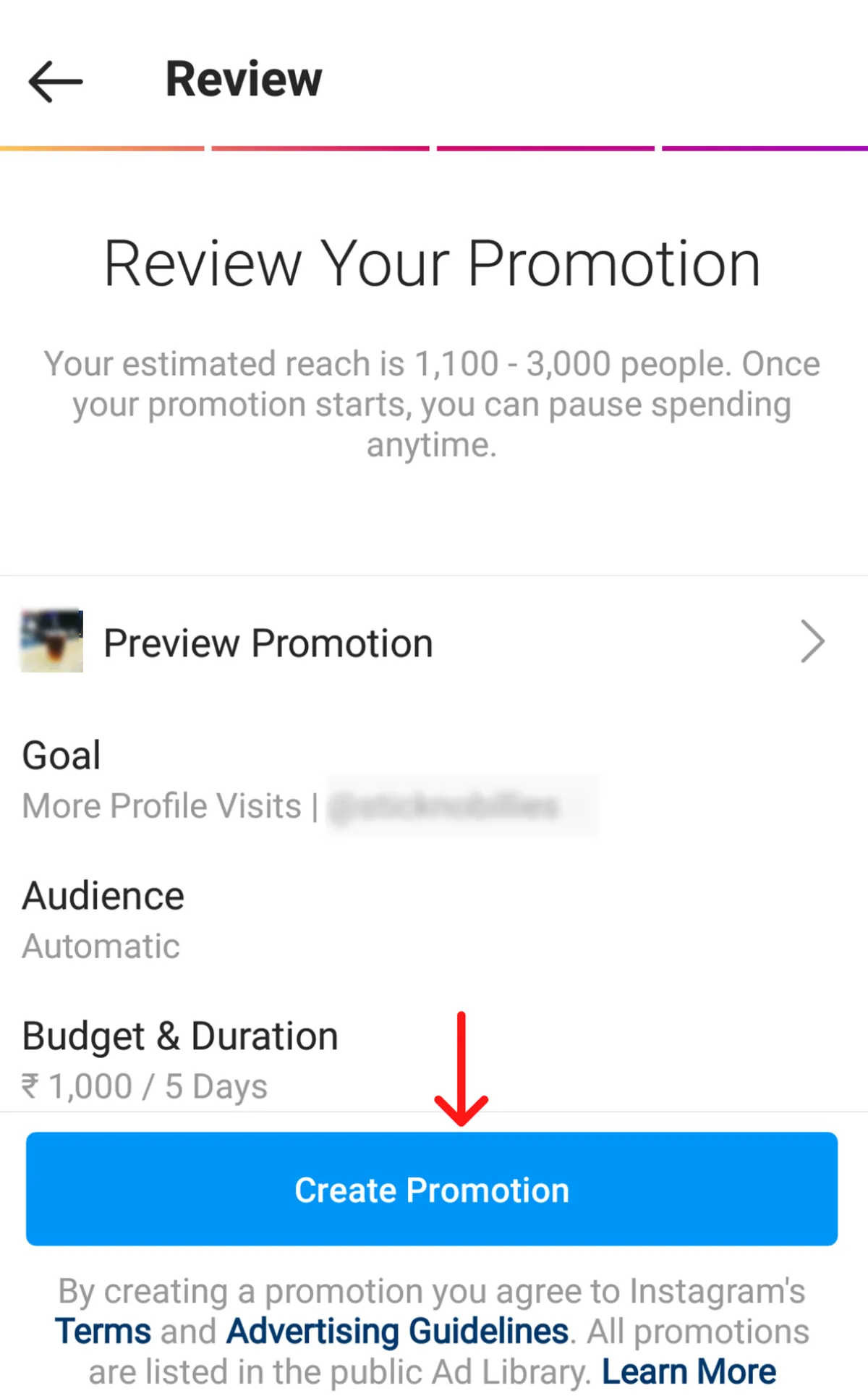
Write a one-page disclosure policy. Spell out exactly when and how to this practice labels on each platform. Make it part of your onboarding, and review it quarterly.
Also build disclosure checks into your content approval workflow. Before any sponsored post goes live, someone confirms the label is in place. When you this approach verification as a standard step, mistakes drop to near zero.
Real-World Scenarios: When You Include Paid Promotion in Practice
Abstract rules are one thing. Real situations are another. Let’s look at a few scenarios that come up constantly and how to handle them.
The Travel Influencer With a Hotel Stay
A hotel comps you three nights in exchange for social coverage. You didn’t receive cash, but the stay has clear value. This is a material connection, so you must this approach disclosures.
Label your posts with the branded content tool on Instagram, and add a spoken mention in any video. On TikTok, use the branded content toggle. When you this practice language, mention that the stay was complimentary.
If you’re writing a blog recap, put a disclosure at the top. Something like “My stay at [Hotel] was hosted, and this post includes paid promotion content.” That covers the legal base and keeps reader trust intact.
The Food Blogger With a Sponsored Recipe
A food brand pays you to develop a recipe using their product. The recipe is genuinely yours, but the brand funded it. You need to this practice disclosures on the blog post, the Instagram carousel, and any video.
For the blog, place the disclosure right under the title. For Instagram, use the branded content toggle and tag the brand. If you this approach info in the recipe card itself, even better.
Readers appreciate the honesty. Many will actually seek out the brand because they trust your recommendation more, knowing you weren’t hiding anything.
The Tech Reviewer With a Loaner Device
A company sends you a phone to review and expects it back. No payment, but you got early access and free use. This is a material connection, so you should this approach disclosures.
Say it clearly in the video intro. “This device was provided by [Brand] for review.” Add the YouTube paid promotion checkbox. If you this practice language in the description, repeat the disclosure there too.
Some reviewers worry that disclosing loaner devices makes reviews seem less credible. The opposite is true. When you this approach disclosures openly, viewers trust your verdict more, not less.
What Happens When You Include Paid Promotion Correctly
Let’s flip the script and talk about upside. Proper disclosure isn’t just risk management. It actually helps your business in measurable ways.
Brands prefer working with creators who this approach labels reliably. It reduces their legal exposure and makes campaigns smoother. Over time, reliable disclosers get more offers, better rates, and longer partnerships.
Audiences respond well too. Studies on influencer marketing consistently show that disclosed sponsorships generate similar or higher engagement than undisclosed ones. Viewers don’t punish honesty. They punish deception.
How Brands Evaluate Creators Who Include Paid Promotion Labels
Marketing teams now audit creator content before signing contracts. They look for consistent disclosure habits. A creator who always includes paid promotion labels is a safer bet than one who sometimes forgets.
Some brands even ask for disclosure samples during negotiations. If you can show a track record of clean labeling, you’re in a stronger position to negotiate rates.
This is one of those rare cases where doing the right thing also happens to be the smart business move. this approach disclosures, and you’ll find yourself on more shortlists, not fewer.
The Long-Term Reputation Effect
Reputation in the creator economy compounds slowly, then suddenly. Every time you this practice disclosures, you add a brick to a wall of trust. Skip one, and you chip away at it.
After a few years, the difference between creators who disclose consistently and those who don’t becomes obvious. The disclosers get invited to brand summits, featured in industry reports, and trusted with bigger budgets.
It’s not because disclosure is magic. It’s because disclosure signals professionalism. And professionalism attracts opportunity.
Advanced Considerations When You Include Paid Promotion Content
Once you’ve mastered the basics, a few advanced scenarios deserve attention. These come up less often but carry real consequences when they do.
Political and Regulated Industry Sponsorships
If a political campaign, alcohol brand, gambling company, or pharmaceutical firm pays you, disclosure rules get stricter. Some platforms ban these sponsorships entirely. Others require additional labels.
When you this approach content from regulated industries, check both platform policies and local laws. You may need extra disclaimers beyond the standard disclosure.
If you’re unsure, consult a lawyer. The stakes are too high to guess, and a short consultation can save you from serious trouble.
Including Paid Promotion in Collaborative Content
When multiple creators appear in a sponsored post, everyone shares disclosure responsibility. If you this approach labels but your collaborator doesn’t, both of you can be held accountable.
Agree on disclosure practices before you film. Confirm which platform tools you’ll use and who will apply them. When you this practice disclosures as a team, nobody gets left exposed.
For duets, stitches, and remixes, the rules get murky. The safest approach is for the original poster to this approach labels and for collaborators to add their own disclosures in captions.
Sponsored Content That Lives Beyond the Original Post
Brands often repurpose sponsored content for their own channels. When they do, they should this practice labels too. If they don’t, your original disclosure doesn’t cover their usage.
Address this in your contract. Specify that the brand must this approach disclosures when they reshare your content. It protects both of you.
Also think about evergreen content. A sponsored blog post from three years ago still needs its disclosure intact. Don’t strip it during site redesigns or migrations.
Frequently Overlooked Platforms and How to Handle Them
Beyond the big five, several platforms come up in sponsorship deals. Each has its own quirks, and each requires attention when you this approach content.
Including Paid Promotion on Pinterest and Threads
Pinterest doesn’t have a native branded content tool. When you this practice content there, add a clear disclosure in the pin description.
Threads, Meta’s text-based platform, inherits some Instagram infrastructure but not all. As of now, there’s no dedicated branded content toggle. this approach disclosures manually in the post text.
Both platforms are evolving. Check their policies periodically. What’s missing today may exist tomorrow, and vice versa.
Podcasts and Audio Content
Podcasts rely entirely on spoken disclosures. When you this approach content in an episode, say it clearly near the top. “This episode is sponsored by [Brand].”
Some podcasters also add a written disclosure in the show notes. That’s smart. It covers listeners who skip the intro and helps with compliance documentation.
For dynamically inserted ads, the ad itself usually contains the disclosure. But if you’re doing a host-read segment, you’re responsible for stating the sponsorship clearly.
Wrapping Up: Make Disclosure a Reflex, Not a Chore
Here’s the thing I keep coming back to. When you this practice labels consistently, you’re not just checking a box. You’re telling your audience that you respect them enough to be straight about your incentives.
That respect comes back to you in loyalty, in better brand deals, and in a reputation that survives the inevitable ups and downs of the creator economy. this approach disclosures every single time, and you’ll build a career on solid ground.
The mechanics are simple. Learn the tools on each platform. Use plain language. Place disclosures where they’re impossible to miss. Build a checklist and stick to it.
Do those things, and the question of how to this approach stops being stressful. It becomes routine. And routine, done well, is what separates the creators who last from the ones who flame out.
So go ahead. Add that label. Tag that brand. Say it out loud on camera. When you include paid promotion disclosures without hesitation, you’re doing the right thing and the smart thing at the same time. That’s a rare combination, and it’s worth protecting.
For verified reference and background research, consult the authoritative informational resource on this topic.