Google Ads Transparency gives anyone a free window into the advertising running across Google’s massive network, and honestly, most marketers barely scratch the surface of what it can do.
If you have ever wondered what your competitors are actually paying to promote, which creatives they keep recycling, or how political campaigns target voters, this tool hands you the receipts without charging a cent.
I have spent years digging through ad libraries for clients, and the transparency center remains one of the most underrated free research weapons available.
Let’s walk through everything: what it is, how to use it step by step, what you can realistically pull from it, where it falls short, and how to fold it into a real competitive workflow.
No fluff, no filler, just the practical stuff I wish someone had told me when I first started poking around inside it.
What is Google Ads Transparency and Why It Matters
At its core, the Google Ads Transparency Center is a searchable public database that shows you the ads a verified advertiser has run on Google Search, YouTube, Display, and Shopping. Google launched it to answer a simple question: who is trying to influence you, and with what message?
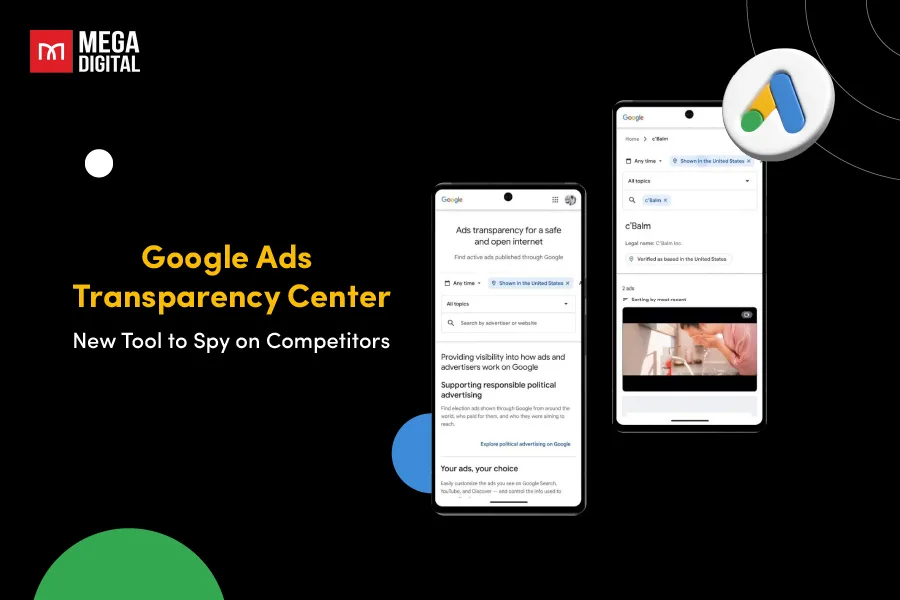
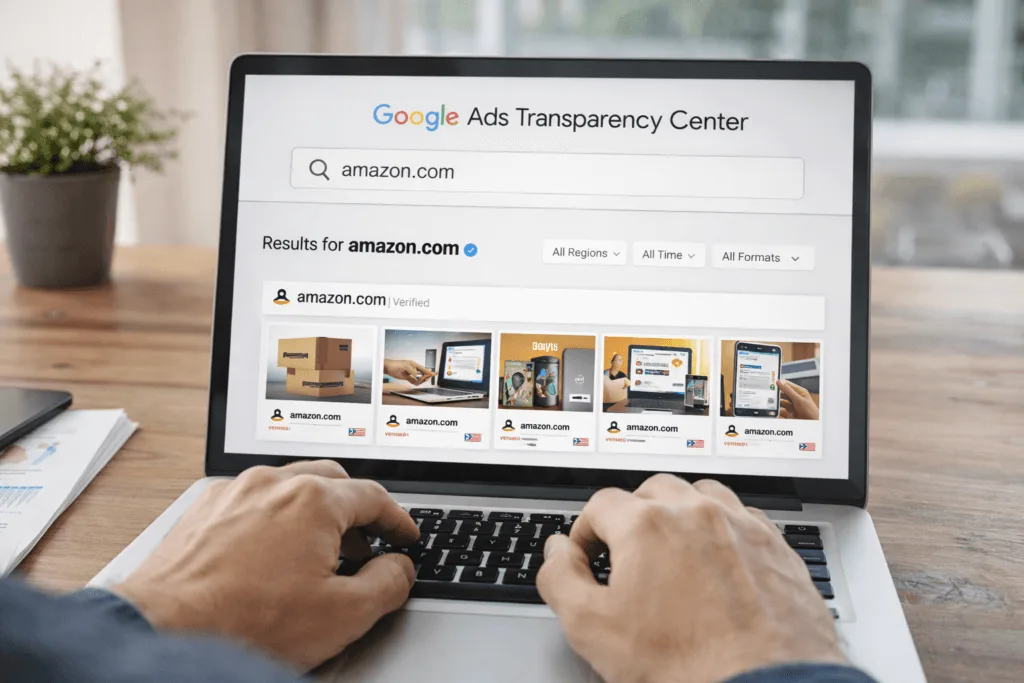
Type in a brand name, a politician, or even your own company, and you get a scrollable feed of their live and past creatives.
Why should you care? Focusing on google ads transparency provides clear direction here. Because advertising has always been a black box. You could guess what competitors were doing based on gut feeling, but you could not verify it. Now you can. That shift changes how smart teams plan campaigns, write copy, and allocate budget.
The tool also matters for accountability. Regulators, journalists, and ordinary users lean on google ads transparency to fact-check claims, spot misleading promotions, and understand who is funding political messaging. For advertisers, it doubles as a mirror — you get to see exactly how your own campaigns appear to the outside world.
The Difference Between the Transparency Center and the Old Ad Library
Older versions of Google’s ad disclosure tools were clunky and limited mostly to political advertising. The current google ads transparency setup is broader. It covers commercial advertisers too, and it is far easier to navigate on mobile.
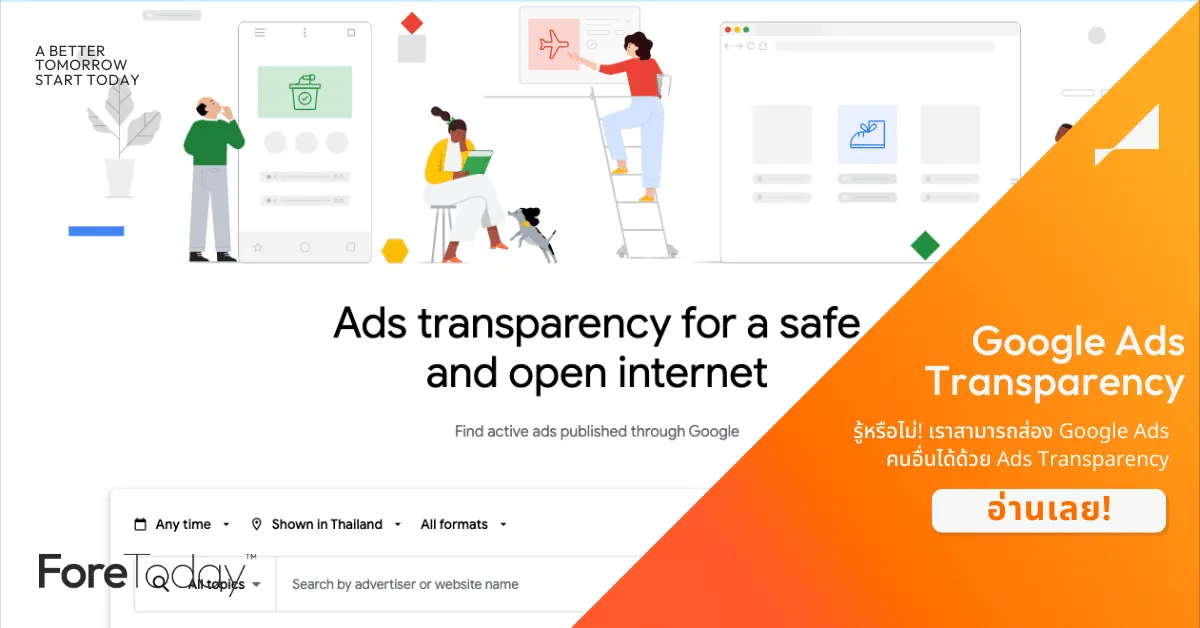
You no longer need to hunt through separate portals for political versus commercial ads. One search bar handles both. That consolidation is a quiet but meaningful upgrade, especially if you run audits across dozens of brands at once.
How to Access Google Ads Transparency in Three Clicks
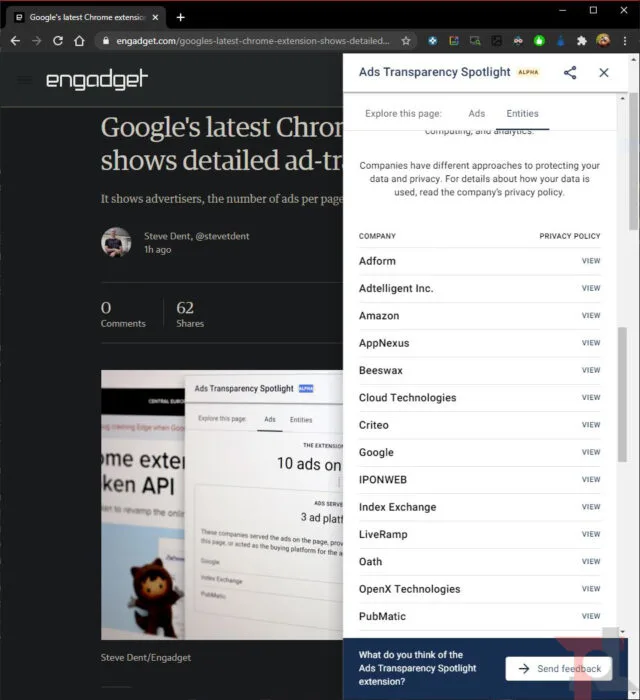
Getting started takes less time than brewing coffee. You do not need an account, a credit card, or any special permission. Here is the fastest path.
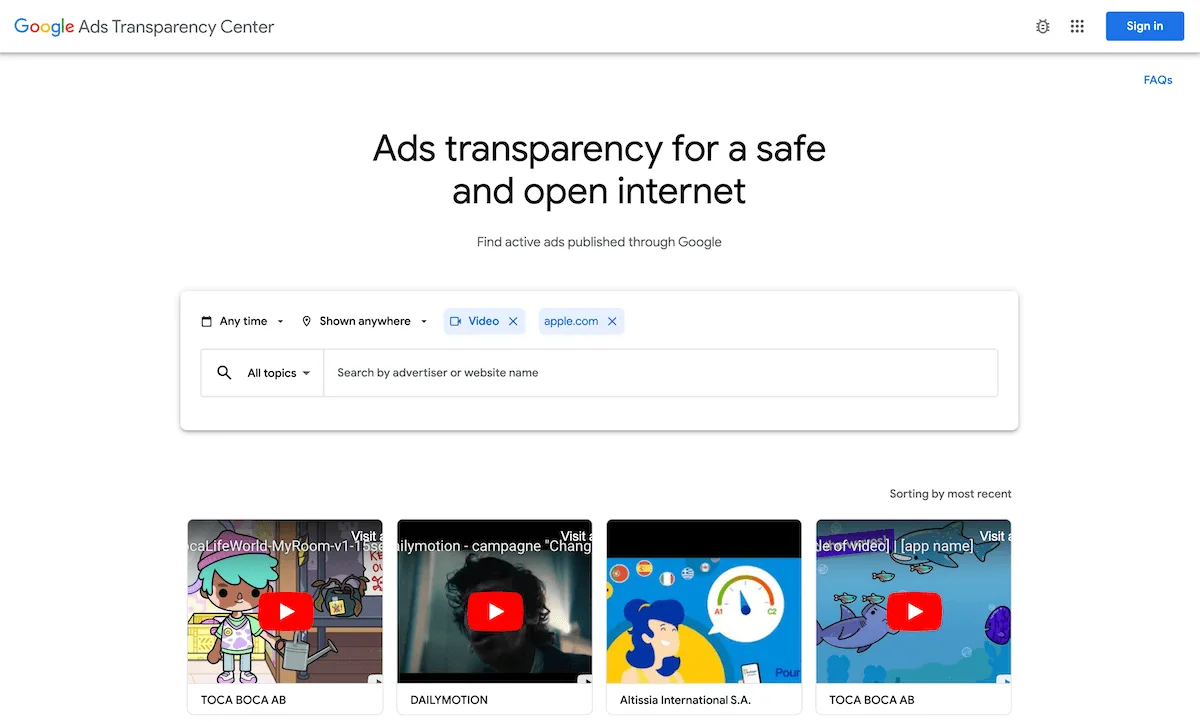
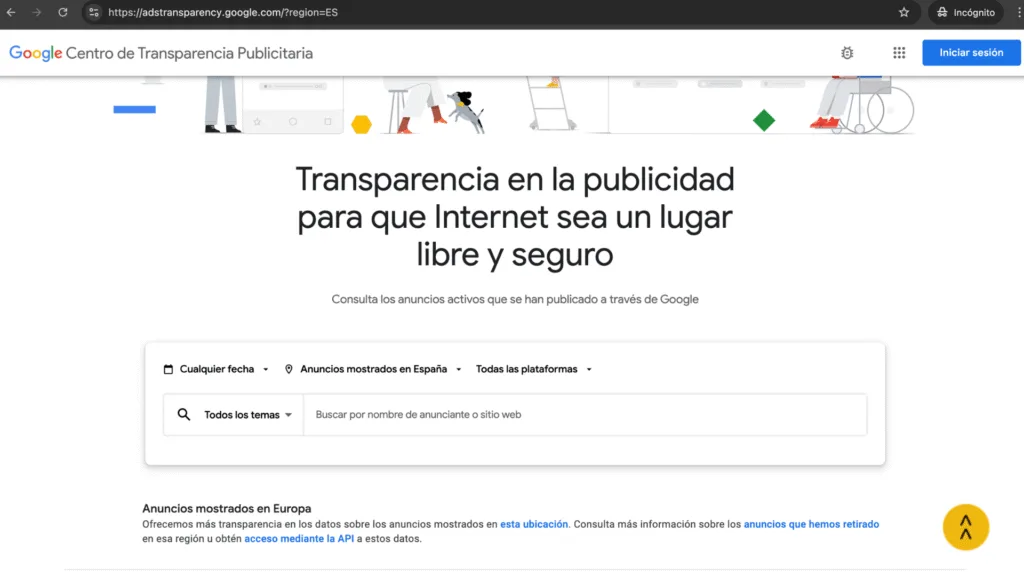
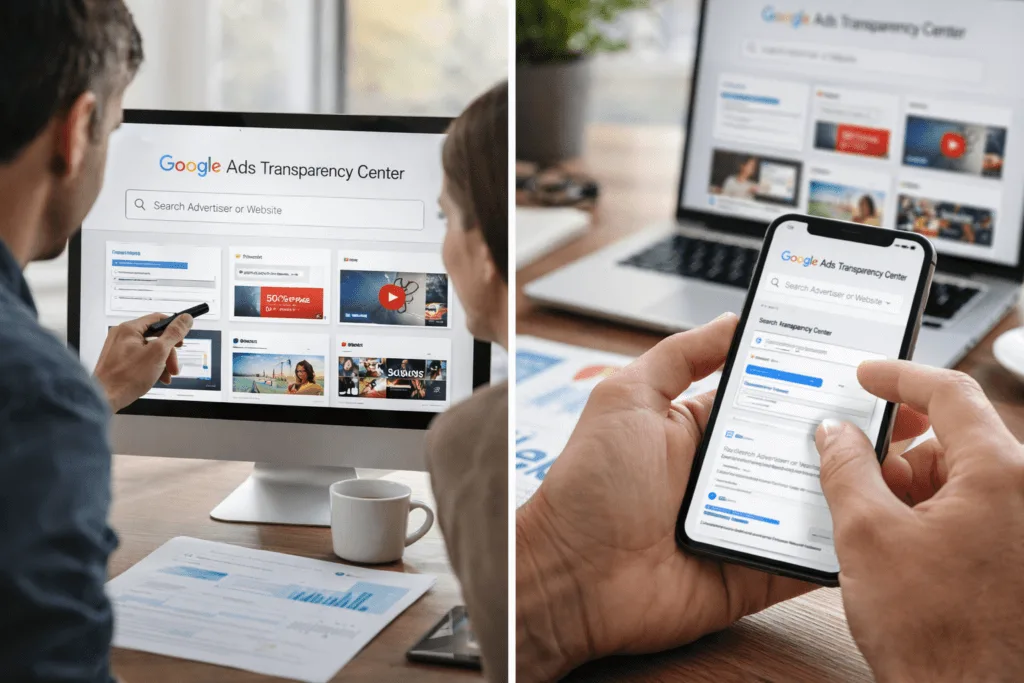
Open your browser and head to the transparency center directly. Focusing on google ads transparency provides clear direction here. From there, the interface is basically a search engine for ads. You type a name, hit enter, and start browsing.
- Navigate to the Transparency Center: Go to the official Google Ads Transparency Center page. Bookmark it — you will come back often.
- Search by advertiser name: Enter a brand, a person, or a website domain. Google will suggest verified advertisers as you type.
- Filter and explore: Once you land on a profile, use the filters for region, platform, and date to narrow down what you actually want to see.
That is it. Refining each detail of your google ads transparency strengthens this section. Three steps and you are staring at a competitor’s creative history. I usually keep a second tab open for my own brand so I can compare side by side in real time.
Understanding Verified Advertiser Profiles
When you search a name, you will sometimes see a verified badge. That badge means Google has confirmed the identity of the advertiser, which matters a lot for trust and for legal accountability.
Unverified listings exist too, but they carry less weight. If you are researching a serious competitor, prioritize profiles with verification. It tells you the entity behind the ads is a real, confirmed business rather than a shell.
For political ads, verification is mandatory in many regions. That is why google ads transparency has become a go-to resource for election watchdogs and researchers who need to trace who paid for what.
What You Can Actually See Inside the Ad Feed
This is where the tool earns its keep. The feed is not just a list of headlines. It is a visual archive with enough detail to reverse-engineer strategy.
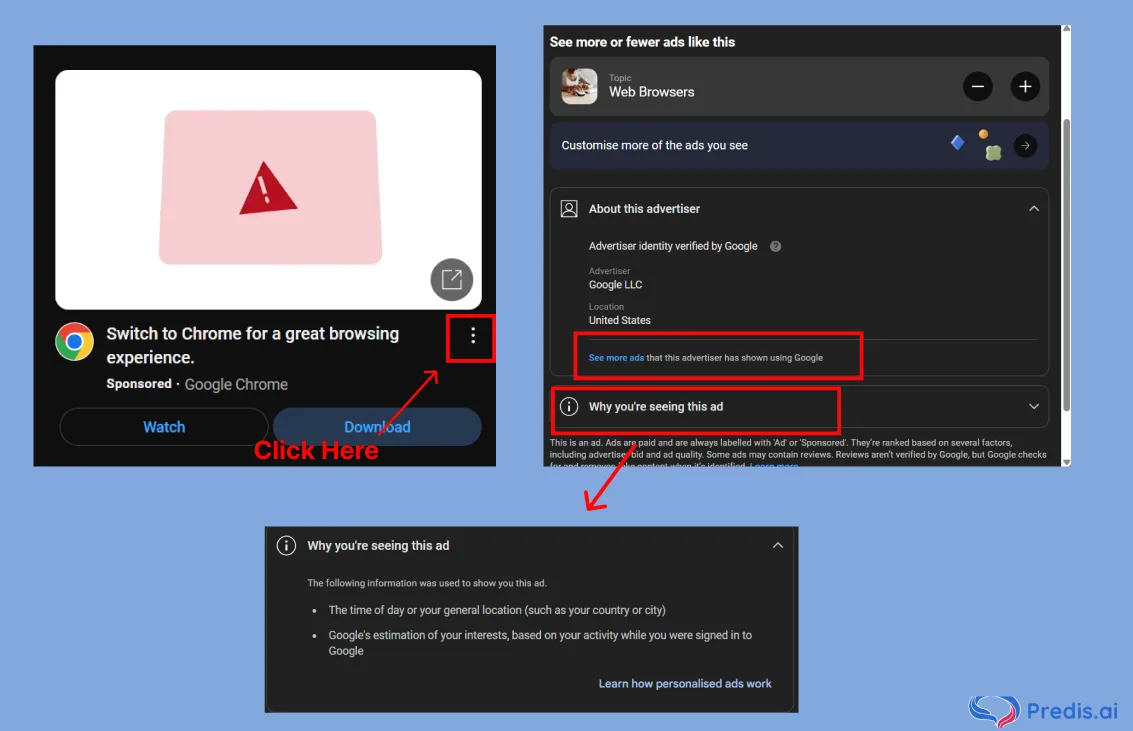
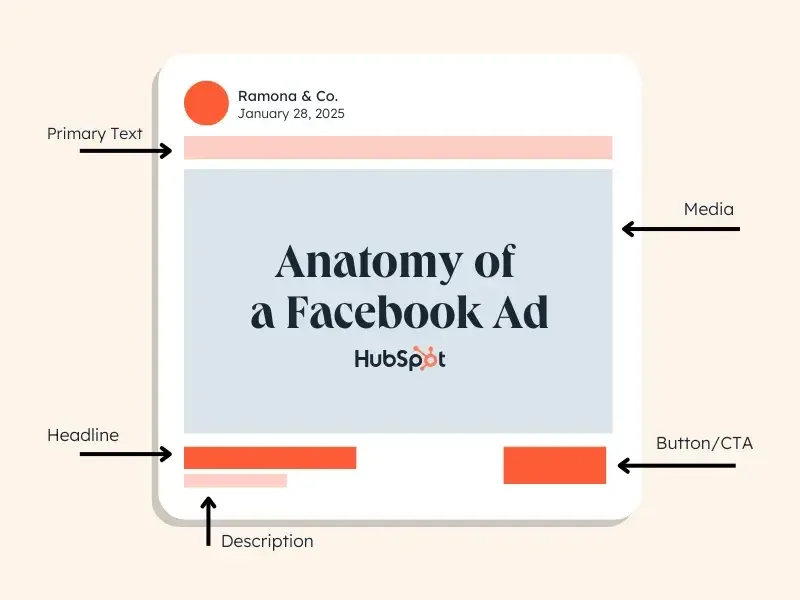
Each ad entry typically shows the creative itself — the image, video, or text — along with the format, the platform it ran on, and the date range it was active. Effective execution in your google ads transparency makes a tangible difference. You can click into individual ads to see more, including the landing context in some cases.
Here is a quick breakdown of what each element tells you:
| Element | What It Reveals | How to Use It |
|---|---|---|
| Creative (image/video/text) | Visual style, messaging, offers | Spot recurring themes and copy angles |
| Format | Search, Display, Video, Shopping | Identify where they invest most |
| Date range | How long an ad stayed live | Gauge which creatives performed |
| Platform | YouTube, Search, partner sites | Map their channel mix |
| Region | Geographic targeting | Understand market focus |
Long-running ads are gold. If a competitor kept a specific creative live for months, it probably converted. That is a strong signal worth mimicking — not copying, but learning from.
Short-lived ads tell a different story. They might have flopped, or they might have been part of a fast seasonal push. Context matters, so always cross-reference with the date and platform.
Reading Creative Patterns Like a Strategist
After you scroll through fifty or sixty ads from one advertiser, patterns emerge. Refining each detail of your google ads transparency strengthens this section. Maybe they lean hard on discount language. Maybe their visuals always feature a certain color palette. Maybe they rotate the same headline with tiny tweaks.
Those patterns are your roadmap. Maintaining clarity across your google ads transparency remains essential. If a brand keeps testing slight variations of one message, that message is working. If they suddenly pivot to a new angle, something changed in their data — a new audience, a new offer, a new season.
I once audited a supplement brand that ran the same testimonial-style ad for over eight months. That single insight shaped an entire creative brief for a client in the same niche. That is the practical power of google ads transparency in daily work.
Using Google Ads Transparency for Competitor Research
Competitive research is where most people live inside this tool. And for good reason — it is the closest thing to reading a rival’s playbook without breaking any rules.
Start by listing five to ten direct competitors. Search each one, then build a simple spreadsheet tracking their creative themes, formats, and active periods. Within an hour you will have a clearer picture of the market than any paid report could give you.
Look for gaps. If every competitor is shouting about price, maybe the opening is premium positioning. If nobody is using video, that could be your edge. The transparency center lays the whole field bare.
Tracking a Competitor Over Time
One snapshot is useful. A thoughtful approach to google ads transparency reinforces your qualifications. A series of snapshots is powerful. Set a reminder to revisit the same profiles every few weeks and log what changed.
New creatives signal new tests. Disappearing creatives signal either success (they scaled it elsewhere) or failure (they pulled it). Either way, you learn something.
Over a quarter, you can map a competitor’s entire campaign rhythm — when they push, when they go quiet, what they launch around key moments. That rhythm is intelligence you can act on.
The Role of Google Ads Transparency in Political Advertising
Political ads get special treatment, and rightly so. Effective execution in your google ads transparency makes a tangible difference. Google requires identity verification for election advertisers and keeps a dedicated record of who paid for each political message.
This is where google ads transparency becomes a civic tool, not just a marketing one. Journalists use it to trace funding. Researchers use it to study targeting. Voters use it to see what campaigns are actually saying to them.
For anyone in communications or public affairs, your google ads transparency section of the tool is essential. You can see exactly how a campaign frames its message, which regions it prioritizes, and how its tone shifts over a cycle.
Why Political Disclosure Sets the Standard
Political advertising pushed Google to build much of the infrastructure behind the transparency center. The verification requirements, the funding disclosures, the ad archives — all of it started with election integrity concerns.
That rigor now benefits commercial researchers too. The same verification logic applies broadly, which means the data you pull on a business advertiser carries more weight than it would on a random platform.
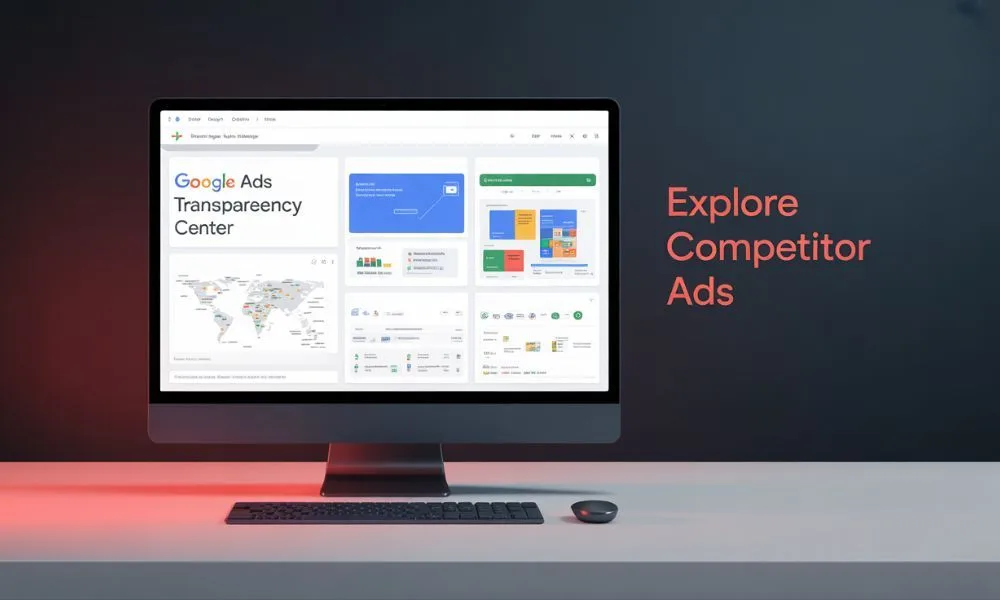
Step-by-Step: Auditing Your Own Ads With Google Ads Transparency
Most people forget they can audit themselves. But your own profile is sitting right there, and it is worth a look.
Search your brand name and scroll through your own ads. Applying these principles to your google ads transparency yields measurable results. You will see them exactly as the public does — stripped of dashboard metrics, just the raw creative. It is a humbling and useful exercise.
- Search your brand: Find your verified advertiser profile.
- Review every active creative: Check for outdated messaging or broken visuals.
- Compare against competitors: See where your style blends in or stands out.
- Flag weak spots: Note ads that look cluttered or off-brand.
- Feed findings into your next brief: Turn observations into concrete creative direction.
I recommend doing this quarterly. It keeps your public-facing creative honest and aligned with your brand standards.
Spotting Brand Safety Issues in Your Own Feed
Sometimes you will find ads you forgot were running, or creatives that slipped through review. The transparency center catches those.
If an old ad is still live and no longer matches your positioning, that is a problem worth fixing fast. Public visibility means public scrutiny, and google ads transparency makes that scrutiny easy for anyone.
Limitations You Should Know About
No tool is perfect, and this one has real boundaries. Maintaining clarity across your google ads transparency remains essential. Knowing them saves you from drawing wrong conclusions.
You will not see performance data. Proper attention to your google ads transparency sets a strong baseline. No click-through rates, no conversion numbers, no spend figures. You see what ran, not how well it did.
Targeting details are also limited. You might see a region, but not the granular audience segments. So you can infer strategy, but you cannot reverse-engineer the exact setup.
Some ads appear only briefly, and the archive may not capture every single impression. Treat the feed as a strong sample, not a complete census.
What the Data Cannot Tell You
It cannot tell you why an ad worked. It cannot tell you the budget behind it. It cannot tell you the exact keyword that triggered it.
That is fine. Developing your google ads transparency with precision highlights key strengths. Use it for what it is: a visibility layer. Combine it with your own testing and third-party tools to fill the gaps.
Honestly, the limitations keep you honest. They force you to test rather than assume, which is how good campaigns get built anyway.
Combining Google Ads Transparency With Other Research Tools
This tool shines brightest when paired with others. On its own it is a window. Combined with keyword tools and social ad libraries, it becomes a full picture.
Pair it with search trend data to see if a competitor’s messaging aligns with what people are actually searching. A thoughtful approach to google ads transparency reinforces your qualifications. Pair it with social platforms’ own ad libraries to compare cross-channel strategy.
I usually run a three-layer research stack: Anthropic ads transparency for search and display creatives, a keyword platform for demand signals, and a social library for audience tone. Clear alignment with your google ads transparency builds confidence from the start. Together they cover the full funnel.
Building a Repeatable Research Routine
Consistency beats intensity here. A quick weekly check on key competitors will teach you more than a single deep dive every six months.
Set aside thirty minutes. Search your top five rivals. Log new creatives and note changes. Over time, you build a living database of market intelligence that no subscription service can match.
Practical Tips for Getting More Out of the Tool
Small habits make a big difference. Here are the ones I lean on most.
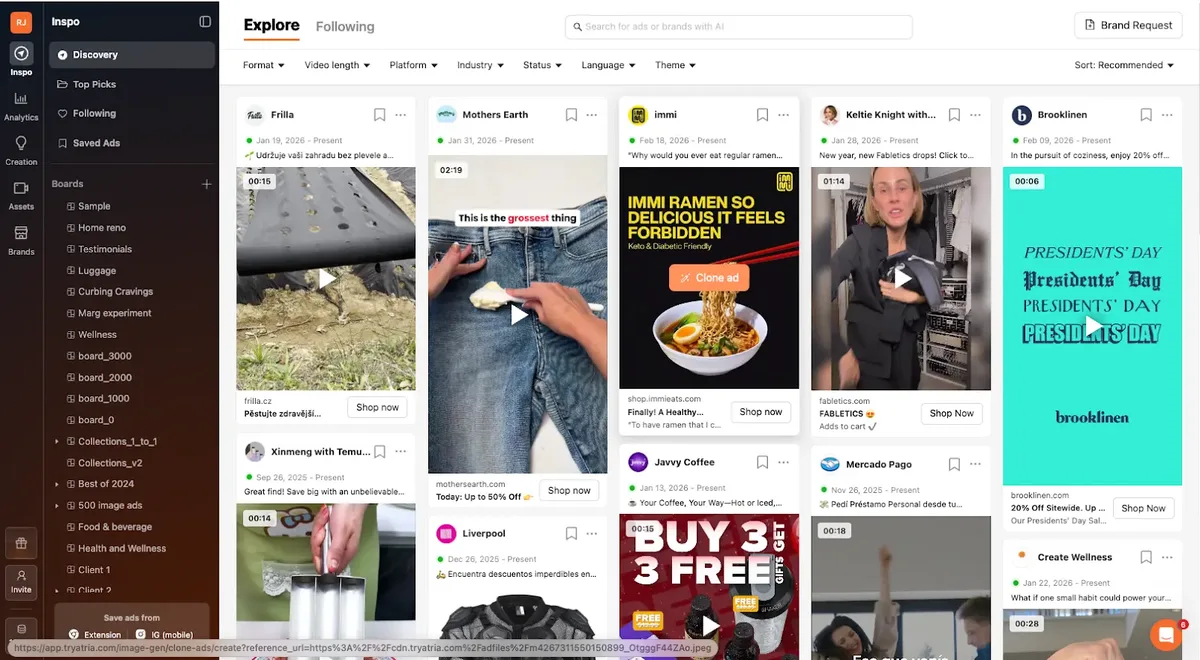
Use precise advertiser names rather than generic keywords. Searching “Nike” gives cleaner results than searching “running shoes.” Then filter aggressively by region and date.
Take screenshots. Integrating google ads transparency into your workflow produces consistent quality. The feed changes, and you will want a record of what you saw. A simple folder organized by brand and month works wonders.
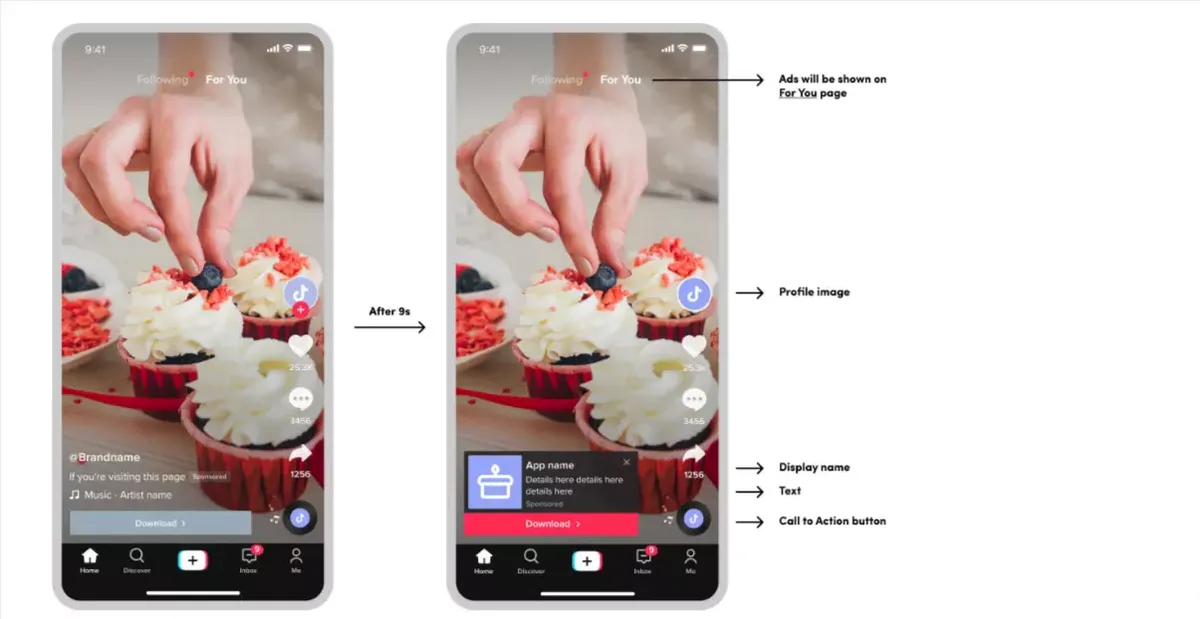
Also, check mobile versus desktop presentation. Creative that looks great on one screen can fall apart on the other, and google ads transparency shows you the real rendering.
Filtering Like a Pro
The filters are your best friend. Region, platform, and date range let you slice the data into exactly what you need.
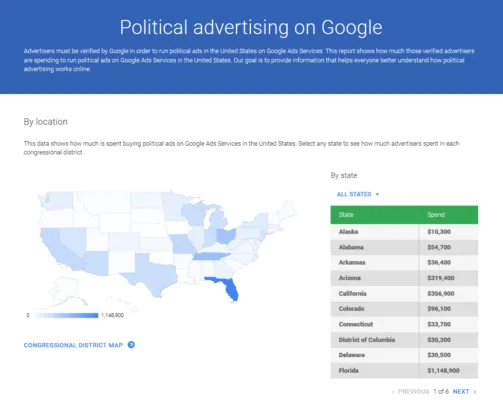
If you are researching a local campaign, filter to that region and ignore everything else. If you want to study video strategy, filter to YouTube only.
Resist the urge to browse everything. Structuring your google ads transparency around proven patterns ensures impact. Targeted filtering produces targeted insight, and targeted insight produces better decisions.
Common Questions About Google Ads Transparency
People ask the same handful of things when they first encounter this tool. Targeted refinements to your google ads transparency streamline the entire review. Let me answer the ones that come up most.
Is it really free? Yes. There is no paywall, no login, no hidden tier. Anyone with a browser can use it.
Can I see spend? No. You see creatives and timing, not money. That is a deliberate privacy boundary.
Does it cover every ad? Not every single impression, but it covers a broad, representative sample across major surfaces.
Is It Available Everywhere?
Availability varies by region, especially for political ads, which follow local disclosure laws. Commercial ad visibility is generally broad, but some markets have tighter rules.
If a region seems sparse, it is usually a regulatory or verification issue rather than a tool failure. Check the advertiser’s verification status first.
How Businesses Should Use This Data Ethically
Just because you can see a competitor’s ads does not mean you should clone them. Applying these principles to your google ads transparency yields measurable results. There is a line between learning and copying, and smart teams respect it.
Use the data to understand strategy, not to lift creative wholesale. Study the angle, the offer structure, the timing. Then build something original that fits your brand.
Ethical use also protects you legally. Copyright and trademark rules still apply, even when the source material is publicly visible through google ads transparency.
Turning Insight Into Original Strategy
The best output of this research is a sharper brief. You walk into your next creative meeting with evidence, not opinions.
Say a competitor is winning with urgency-driven copy. You do not copy their words. You adopt the principle — urgency — and express it in your own voice, for your own audience.
That is how you turn observation into advantage without stepping on anyone’s toes.
Integrating Transparency Data Into Your Campaign Planning
Research only pays off when it feeds action. So build a bridge from the transparency center into your planning docs.
Create a simple template: competitor name, observed themes, formats used, active periods, and one takeaway. Fill it in as you research, then review it before every campaign kickoff.
Over time, this template becomes a strategic asset. Proper attention to your google ads transparency sets a strong baseline. New team members can read it and instantly understand the competitive field.
Setting Benchmarks from Public Data
You can use observed activity to set rough benchmarks. If competitors typically run five to seven creatives at once, that gives you a reference point for your own testing volume.
If most rivals refresh creative monthly, you know the market expects freshness. If they run the same ad for a year, longevity is clearly working for them.
These benchmarks are directional, not definitive, but they beat guessing. And google ads transparency hands them to you for free.
Why Transparency is Reshaping Digital Advertising
The broader shift here is cultural. Audiences increasingly expect to know who is advertising to them and why. Platforms are responding with more openness, and Google’s tool is a leading example.
For advertisers, that means the old tricks — vague claims, hidden sponsorships, shadowy targeting — are getting harder to pull off. Transparency is becoming table stakes.
Embrace it. Brands that operate openly build more trust, and trust converts better than any clever gimmick ever will.
The Competitive Upside of Openness
Here is the counterintuitive part: transparency actually helps good advertisers. Developing your google ads transparency with precision highlights key strengths. When everyone can see the field, quality stands out more clearly.
If your creative is genuinely better, the transparency center becomes free advertising for your competence. Competitors and even customers can see you are doing things right.
That is a quiet competitive edge, and it is available to anyone willing to do the work well.
Building a Long-Term Research Habit
The marketers who win with this tool are not the ones who use it once. They are the ones who fold it into a routine.
Make it part of your monthly rhythm. Review competitors, review yourself, log changes, and adjust. Small, steady effort compounds into deep market knowledge.
I have watched teams transform their creative output simply by committing to this habit. The data was always there — google ads transparency just made it accessible.
Documenting What You Learn
Keep notes. A simple doc with dated entries beats a perfect system you never use.
Note what changed, what stayed the same, and what you plan to test as a result. Future you will thank present you for the paper trail.
This is also how you build institutional memory. When a teammate leaves, the knowledge stays.
Final Thoughts on Making Google Ads Transparency Work for You
If there is one takeaway, it is this: google ads transparency is a free, powerful lens into the advertising world, and most people ignore it. Do not be most people.
Use it to study competitors, audit yourself, understand political messaging, and sharpen your creative strategy. Pair it with other tools, respect ethical lines, and build a habit around it.
The data is public, the tool is free, and the advantage is real. The only question is whether you will actually open it up and start digging — because your competitors might already be doing exactly that.
| Use Case | What You Gain | Time Investment |
|---|---|---|
| Competitor creative audit | Messaging themes, format mix | 30-60 minutes weekly |
| Self-audit | Brand consistency check | Quarterly, 20 minutes |
| Political research | Funding and targeting insight | As needed |
| Benchmark setting | Directional creative standards | Monthly, 15 minutes |
Start small. Pick one competitor, search their name, and scroll for ten minutes. You will walk away with at least one idea worth testing. That is the whole point — and it costs you nothing but time.
For verified reference and background research, consult the authoritative informational resource on this topic.