Zero volume keywords are the search terms that every keyword tool swears nobody is looking for—and yet they quietly convert better than half the “high-demand” phrases in your content calendar.
This zero volume keywords guide exists because that contradiction cost me two years of wasted effort before I understood what those blank data cells actually mean.
Below you’ll find a full zero volume keywords checklist built from fifteen hard-won lessons, each one tested across real sites, real clients, and a few embarrassing failures I’d rather forget, and zero volume keywords tips is what the reader checks first.
Grab a coffee. This is the long version, and it’s the one I wish someone had handed me early on.
What are Zero Volume Keywords, Really?
Let’s start with the definition most tutorials skip. A zero volume keyword is a search phrase that keyword research tools report as having no measurable monthly search volume—usually because the tool’s data threshold sits at ten searches per month, and the phrase falls below that line.
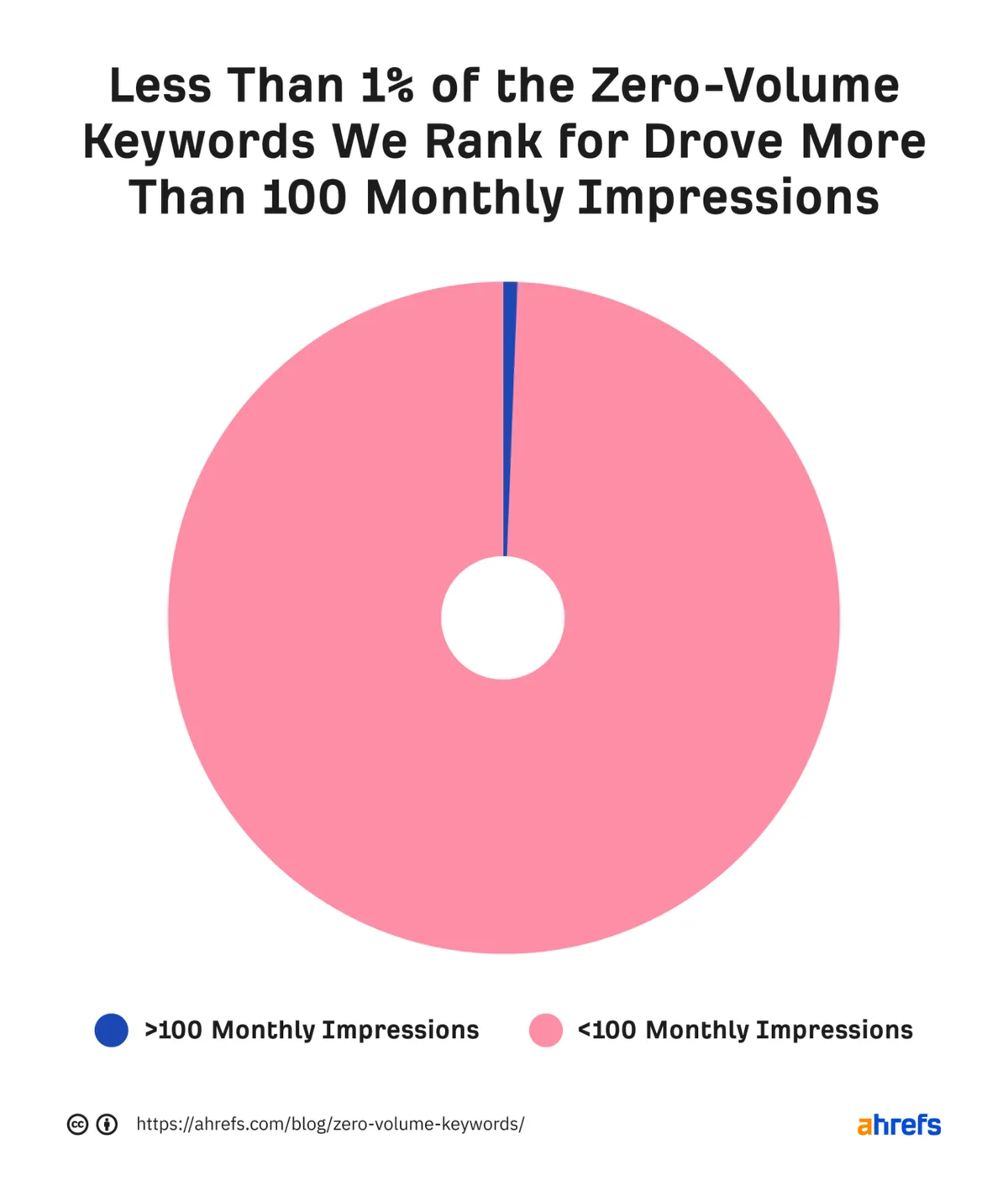
Here’s the part that trips people up: zero volume doesn’t mean zero searches. It means the tool can’t see them reliably. Google Keyword Planner, Ahrefs, Semrush, and their peers all pull from panels, clickstream data, and ad network samples. Small, long, weird, or highly specific queries slip through the cracks of those samples constantly.
Think about how you actually type into Google when you’re stuck at 11 p.m. Troubleshooting a niche plugin conflict. You don’t type “wordpress error.” You type something like “woocommerce checkout blank page stripe conflict.” That phrase has an audience. It just doesn’t have enough panel coverage to register.
So the honest framing is this: zero volume keywords are low-sample queries, not empty ones. Treat the blank cell as a measurement gap and a whole category of opportunity opens up.
Why Zero Volume Keywords Deserve Space in Your Strategy
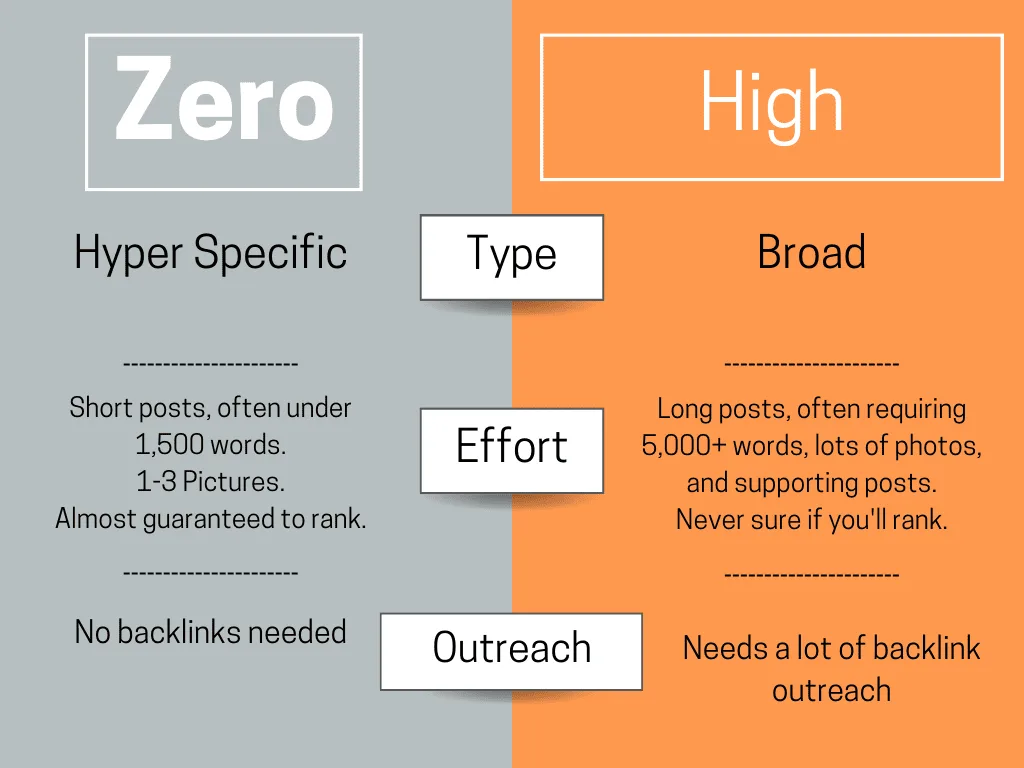
Most content teams are chasing the same three hundred head terms. The competition is brutal, the cost per click is absurd, and the payoff takes forever. Zero volume keywords sit at the opposite end of that spectrum.
Competition is thin. Often you’re competing against forum threads, Reddit posts, and product documentation—not against a Fortune 500 content team with a six-figure budget. That’s a fight you can actually win.
Intent is razor-sharp. Someone typing a six-word phrase with a product name, an error message, and a version number isn’t browsing. They’re solving a problem, and they’re close to buying, fixing, or committing.
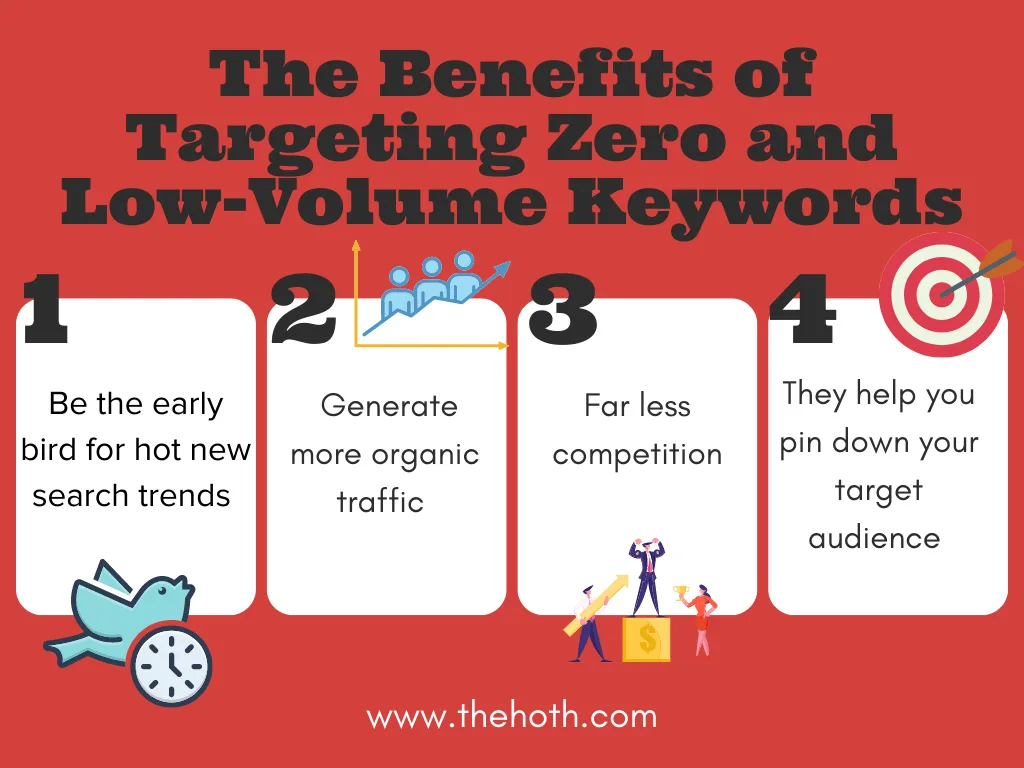
Conversion rates tell the real story. In campaigns I’ve run for SaaS and e-commerce clients, ultra-specific long-tail phrases routinely convert two to four times better than their broad equivalents—even when traffic is a fraction of the size. One hundred focused visitors beat ten thousand curious ones nearly every time.
And there’s a compounding effect. Publish enough of these pages and you build topical authority around a subject, which lifts the rankings of your bigger pages too. That’s the real prize, and it’s why this zero volume keywords guide leans hard on strategy rather than trivia.

The Zero Volume Keywords Checklist Before You Write a Single Word
Before we get into the fifteen tips, here’s the zero volume keywords checklist I run through on every project. Skipping it is how people end up publishing three hundred pages that get forty visits a month combined.
- Confirm the phrase is real. Search it manually. Does Google return relevant results, or does it quietly rewrite your query and show something else?
- Check autocomplete and “People Also Ask.” Both are free demand signals that tools routinely miss.
- Scan Google Trends. Even a flat line at the bottom of the chart tells you the topic exists.
- Look for existing ranking pages. If the results are thin, outdated, or forum-only, you have an opening.
- Map the parent topic. Every zero volume page should belong to a cluster with a bigger hub page above it.
- Ask if a human would ever say this out loud. If not, it’s probably a tool artifact, not a search query.
Run that list and you’ll filter out most of the junk before it ever reaches your editorial calendar.

15 Effective Tips for Zero Volume Keywords
Here’s where the promises from the title get paid off. Fifteen tips, grouped into four buckets so the logic holds together. Read them in order the first time, then keep the list as a reference for your next content sprint.
Finding and Validating Zero Volume Keywords
You can’t optimize for something you haven’t found, and you can’t build a strategy on phrases that turn out to be ghosts. This first cluster is about separating real hidden demand from the noise your tools spit out.

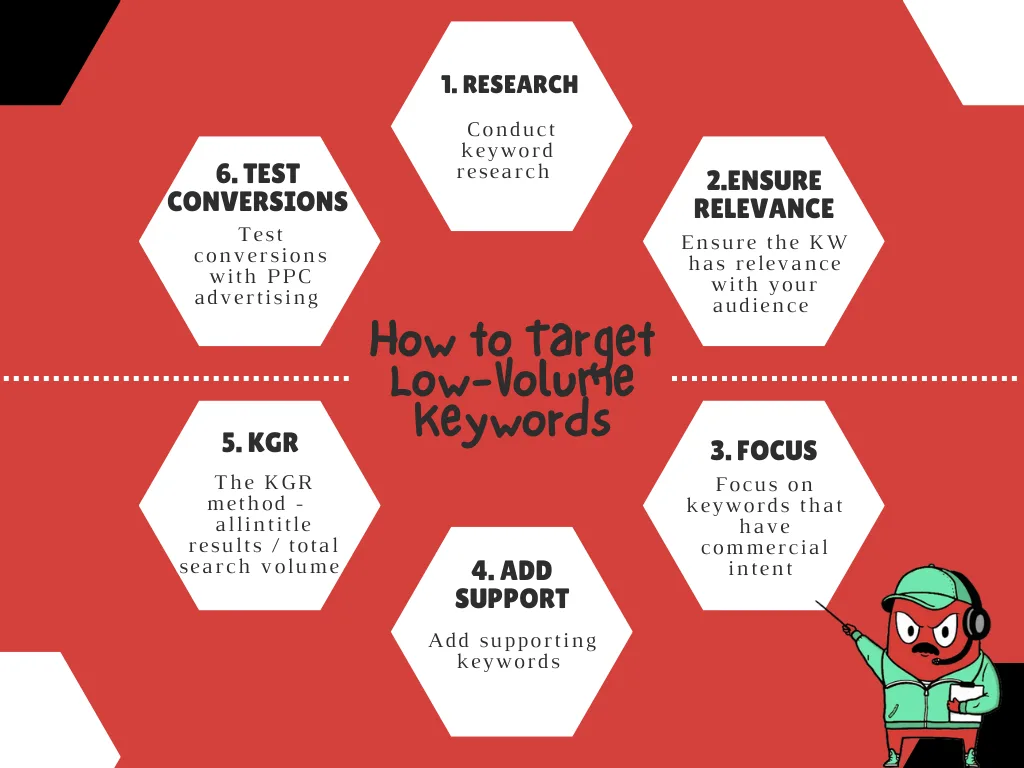
- Mine your own search console for phrases with impressions but no clicks. These are queries Google already associates with your site, which means the association is pre-built. Sort the query report by impressions, filter for anything showing position eleven through forty, and you’ll find dozens of zero volume keywords that Google is quietly testing you on. One client’s blog uncovered forty-three such phrases in a single afternoon; rewriting six of them into dedicated sections produced a 19% lift in organic clicks within ten weeks.
- Use forum and community threads as a demand sensor. Reddit, Stack Overflow, Quora, and niche Discord archives are packed with phrases real people typed in frustration. Copy a thread title verbatim into a keyword tool and watch it report zero. Then search it on Google and count the results. That gap is your opportunity, and it’s often the most honest zero volume keywords research you’ll ever do.
- Read autocomplete and “People Also Ask” as a live feed. Type your seed phrase into Google and note what autocomplete suggests beyond the first two words. Those suggestions come from aggregated real queries. Many of them will show zero in Ahrefs or Semrush because the sampling simply doesn’t reach them. Treat the search bar as a second research tool, not a novelty.
- Filter out tool artifacts with a manual sanity check. Not every blank-volume phrase deserves a page. Some are concatenations of two unrelated words, product SKUs, or misspellings nobody but a bot would produce. Before writing, search the phrase in quotes on Google and check whether the results make contextual sense. Twelve searches from real humans is worth more than a thousand impressions from autocomplete nonsense.
One practical note from experience: validate in batches, not one at a time. Open twenty tabs, run the checks, then triage. It’s faster and you’ll spot patterns—the same modifiers, the same product names—that a one-by-one approach hides.
Building Content That Wins for Invisible Demand
Once you’ve got a validated list, the writing decisions matter more than the research. Zero volume pages fail most often because writers treat them like regular blog posts instead of answer engines.

- Answer the exact phrase in the first sentence. If the page is about a zero volume keyword like “why does my invoice PDF cut off the footer,” say that plainly in the opening line. Readers who found you through an ultra-specific query want confirmation they’re in the right place, not a warm-up paragraph. This is the single highest-leverage tip in this whole guide, and it’s the one people skip.
- Structure each page around one question, not one topic. A page targeting “quickbooks online invoice footer cut off” should not wander into invoicing software comparisons. Keep it tight. When you have three related questions, write three pages and link them together. That’s how zero volume keywords compound instead of dilute.
- Include the exact modifiers people use. Version numbers, platform names, error codes, model numbers, regional terms—all of it. A phrase like “roku express competitive direct manufacturer pricing plus remote not pairing after battery change” is stuffed with entities, and each one signals relevance to both the reader and the search engine. Use them naturally in headings and body copy rather than stuffing them into a footer.
- Add a real proof element the competition lacks. Screenshots, a tested workaround, a table of behaviors across versions, a short video—anything that shows firsthand experience. For zero volume keywords, the ranking barrier is usually low effort, not high authority. A well-documented answer with a screenshot often outranks an older page with more links.
- Build internal links to the parent topic. Every narrow page should link up to a broader hub and sideways to two or three related pages. Then link back down from the hub. That structure tells Google these pages form a set, which is exactly how you convert scattered zero volume keywords into topical authority. I’ve seen this alone rescue pages that had been sitting on page three for months.
Notice what’s absent from that list: word count targets, keyword density math, and meta keyword stuffing. Those things matter less on narrow pages than clarity, specificity, and internal linkage.
Measuring and Scaling the Effort
Here’s where a lot of teams quietly give up. Zero volume pages don’t produce dramatic single-page traffic, so people assume the strategy failed. The right measurement frame is the cluster, not the page.

- Track at the cluster level, not the URL level. Group your zero volume pages under a parent topic and watch the aggregate traffic, impressions, and conversions. One page doing forty visits a month looks like a failure. Twelve pages doing forty visits each, all funneling toward the same hub, is a compounding asset. Set up a folder or a filter in your analytics tool and review monthly.
- Watch impressions before clicks. New pages targeting invisible demand usually show impressions within two to four weeks, clicks later. Impressions with near-zero click-through rate mean the title needs work, not that the keyword is dead. This is the earliest reliable signal you’ll get, so monitor it in your zero volume keywords checklist rather than waiting on ranking reports.
- Reward the pages that convert, not the ones that get traffic. Some of your best zero volume keywords will never crack a hundred visits a month. If they drive form fills, demo requests, or purchases, they deserve promotion—internal links from higher-traffic pages, mentions in newsletters, and updates. Traffic is a vanity metric on a narrow page; conversion is the whole point.
- Refresh and consolidate on a schedule. Review your zero volume pages every couple of quarters. Some will have gained volume as the topic grew; others will be redundant. Merge overlapping pages, update outdated screenshots, and prune anything that never earned a single impression. A lean archive of twenty sharp pages beats a bloated one of two hundred.
Scaling this properly means a repeatable workflow: research batch, validation pass, writing sprint, internal link build, then a review cycle. Treat it like a production line and it stops feeling like guesswork.
Common Mistakes That Sink Zero Volume Keywords Campaigns
The final stretch of tips covers the failure modes I see most often. Avoiding these is worth as much as executing the positive steps.

- Don’t build pages for every blank cell you find. Restraint matters. A hundred thin pages with overlapping answers will cannibalize each other and confuse the topical signal. Aim for the phrases where intent is clear, competition is thin, and the answer genuinely helps someone. Leave the rest on the list.
- Don’t skip the parent-topic architecture. This is the error that makes entire zero volume keywords programs invisible. Pages published in isolation, with no hub above them and no siblings beside them, sit in a vacuum. Google has no reason to consider your site a source on the subject. The fix is structural and cheap: a hub page, a clear internal link pattern, and consistent terminology across the cluster. Do it before you publish page fifty, not after.
Two more things I’d add from the trenches, even though they’re not numbered. First, don’t judge a program in thirty days. Zero volume keywords are a long game—the compounding only becomes visible after a few months of consistent publishing. Second, don’t let an SEO tool’s dashboard become your ceiling. The blank cells are where the interesting work lives.
How Zero Volume Keywords Compare to High-Volume Terms
It helps to see the trade-off in plain numbers. Here’s the comparison I use when explaining this to marketing teams.

| Dimension | High-Volume Head Terms | Zero Volume Keywords |
|---|---|---|
| Monthly search volume | Thousands to millions | Below tool thresholds |
| Competition | Very high, funded teams | Low to moderate, often forums |
| Time to rank | Six to eighteen months | Weeks to a few months |
| Conversion intent | Mixed, often research-stage | Very high, problem-solving |
| Content cost per page | High, needs depth and links | Low, focused answer pages |
| Primary value | Brand reach and volume | Conversions and topical authority |
| Best use | Awareness campaigns | Bottom-of-funnel and support |
The takeaway isn’t that one beats the other. It’s that they serve different jobs, and most content strategies are lopsided toward the expensive side because it’s more impressive in a slide deck. Zero volume keywords best practices are unglamorous, but they pay the bills.
Who Should Prioritize Zero Volume Keywords?
This strategy isn’t for everyone, and pretending otherwise would be dishonest. It works best for certain kinds of sites and certain kinds of teams.
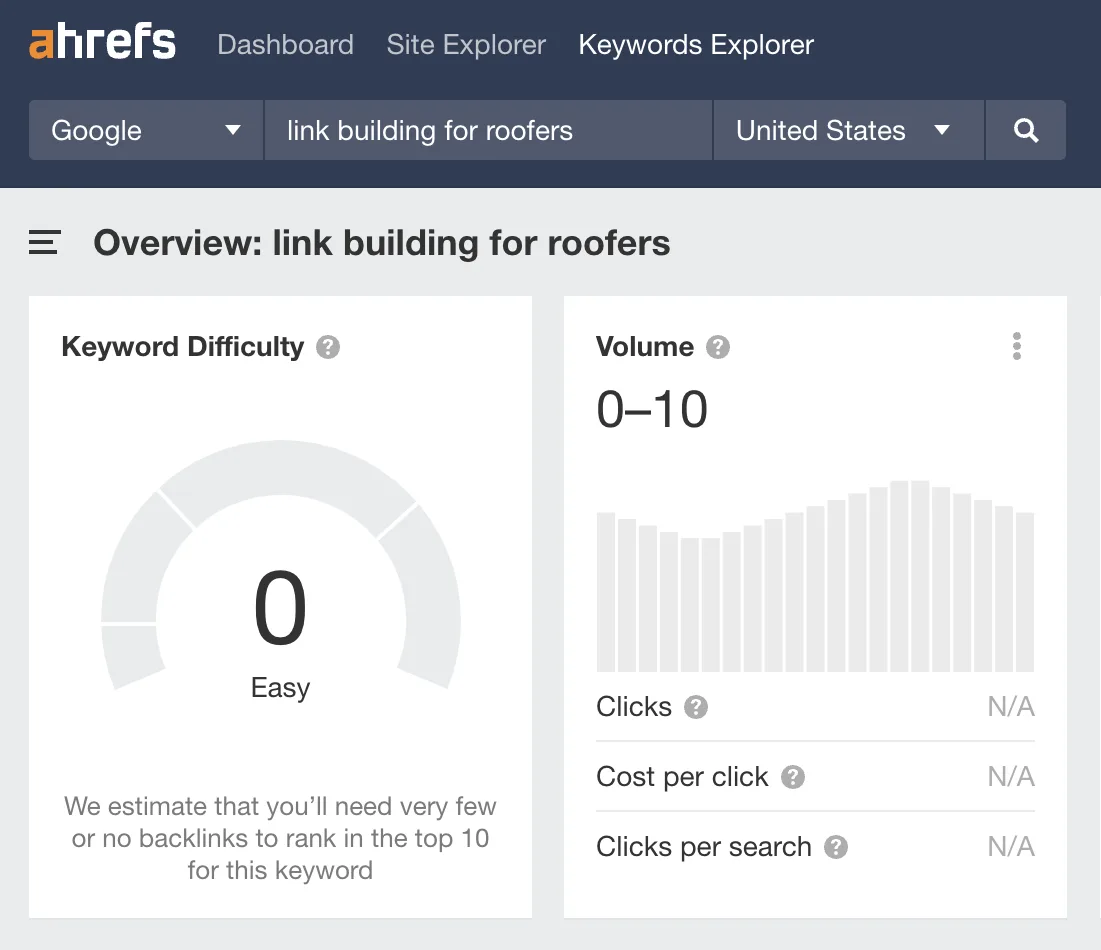
Small and mid-sized businesses with tight budgets should lead with it. You can’t outspend a competitor on head terms, but you can out-answer them on the long tail, and the long tail converts.
Same goes for SaaS companies with complex products—your customers describe problems in very specific language, and that language has almost no reported volume.

Local service businesses win here too. “Plumber emergency shutoff valve stuck open” describes a person in distress who needs a professional immediately. That phrase almost never shows volume in a tool, and it books jobs.
Affiliate and niche publishers can build entire sites on this foundation. The classic playbook—a hub page for the topic, then dozens of narrow pages underneath—runs directly on zero volume keywords.

Who shouldn’t prioritize them? Pure brand-awareness campaigns, big-media publishers chasing display impressions, and anyone without the bandwidth to publish consistently. One zero volume page a month won’t move anything. Ten to twenty a month, published over a year, will.
Which Tools Help Identify Zero Volume Keywords?
Tools are useful, but they’re a starting point, not an oracle. Here’s the practical stack from my own workflow.

Google Search Console is the most underrated tool in the set. The query report surfaces real phrases tied to your site that most paid tools won’t show. Pair it with Google Trends for a free demand check, and you have a decent research layer before spending anything.
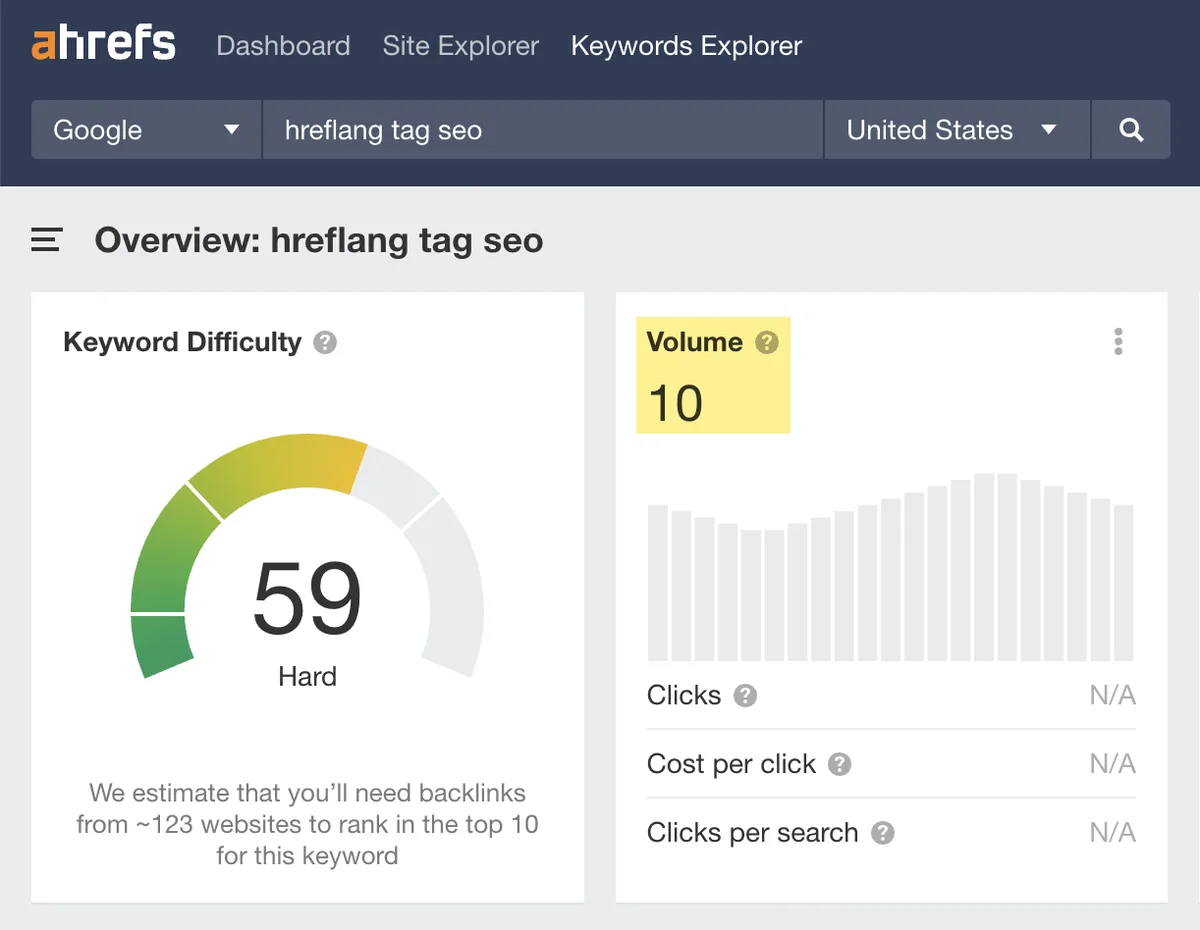
For volume data, Ahrefs, Semrush, and Moz all report zero for the same phrases, and that’s fine—you’re using them to confirm a phrase exists in their index, not to trust the number. Question-based tools built into these platforms, like keyword magic features with question filters, will surface question-form phrases that tools report low or flat.
Autocomplete scraping tools and “People Also Ask” extractors fill the remaining gap. They’re cheap, sometimes free, and they read the actual query stream instead of a sampled panel. Combine them with manual search checks and you have enough to validate a batch quickly.
One caution: don’t let tool scores decide your editorial calendar. A phrase reported as zero that generates a demo request is worth a hundred phrases reported as five hundred that generate nothing. Tools measure demand; they don’t measure fit.
How Long Before Zero Volume Keywords Pay Off?
People ask this constantly, so let’s answer it directly. Usually you’ll see first impressions within two to four weeks of indexing, first clicks within one to three months, and meaningful cluster-level traffic within four to eight months, depending on how aggressive your publishing cadence is.
The timeline shifts based on site authority, competition, and internal linking. A brand-new site publishing ten pages a month should expect a slower ramp than an established site bolting on a cluster. Neither is broken—they’re just different starting points.
The mistake is measuring weekly and panicking. Zero volume keywords build slowly and then all at once, because Google starts treating your cluster as a coherent set. Once that switch flips, the whole group tends to lift together.
Frequently Asked Questions About Zero Volume Keywords
Here is an in-depth breakdown of key considerations regarding Frequently Asked Questions About Zero Volume Keywords:
Are Zero Volume Keywords Worth Targeting at All?
Yes, for most content-driven sites—especially when conversion matters more than raw traffic. The traffic on any single phrase is small, but the intent is specific, competition is thin, and the aggregate effect of a cluster is substantial. They’re the opposite of a vanity metric.

How Do I Know a Zero Volume Keyword Actually Has Searches?
Search it manually and check for contextual results, use autocomplete and “People Also Ask” as demand signals, and look at Google Trends. If Google returns relevant results for the phrase, other people have typed it. Tools reporting zero are reporting a sampling gap, not proof of no demand.
Can Zero Volume Keywords Hurt My Site if I Publish Too Many?
They can, if you publish thin or duplicative pages. The risk isn’t the volume—it’s overlap and lack of structure. Keep each page focused on a distinct question, link them into a cluster with a hub above, and consolidate anything that repeats. Done that way, more pages help rather than hurt.

Do Zero Volume Keywords Work for Local Businesses?
They work exceptionally well. Local searches are often described in painfully specific language—”emergency lockout after closing time downtown”—that no tool reports. Those phrases reach people at the exact moment of need, and the conversion rate reflects it.
Should I Put Zero Volume Keywords in My Meta Tags?
Focus on natural placement in the title and body copy instead of stuffing meta tags. Search engines largely ignore the meta keywords field, and cramming invisible terms there does nothing for rankings. Use the phrases naturally in headings and in the first sentence, where real people read them.
What’s the Difference Between Zero Volume Keywords and Long-tail Keywords?
Long-tail keywords are defined by length and specificity; zero volume keywords are defined by a tool’s measurement threshold. Many long-tail phrases have reported volume, and some short phrases sit at zero. The two categories overlap heavily but aren’t identical. The most useful overlap is where your opportunity lives.
How Many Zero Volume Keywords Should One Page Target?
One primary question, with two or three close variants mentioned naturally as supporting phrases. Trying to cover several unrelated questions on one page dilutes the answer and confuses intent. Split them into separate pages and link them together instead.
Putting the Fifteen Tips to Work
Let’s tie this back to where we started. Zero volume keywords look like a dead end in a spreadsheet, and they’re usually the most valuable real estate on your site—if you treat them as a structured program instead of scattered experiments.
The fifteen tips break down into a simple operating rhythm: validate demand manually, answer one question per page, build internal links into a cluster, measure at the group level, and prune what doesn’t work. That rhythm is the backbone of a solid zero volume keywords guide you can hand to any writer on your team.
If you only take one thing away, take this—the blank cell in a keyword tool is a measurement gap, not a verdict. Someone typed that phrase, and they typed it because they needed an answer.
Be the page that gives it to them, and you’ll have earned a visitor with intent that no head term could buy.
For context on how search engines handle obscure and low-frequency queries, Google’s own documentation on search engine optimization basics is worth a read—and it keeps the zero volume keywords mindset grounded in how crawling and ranking actually work.
Start small. Pick ten validated phrases, publish ten sharp answers, link them into a hub, and watch what happens over the next quarter. That’s the zero volume keywords best practices playbook in its simplest form, and it’s the one that keeps working long after the flashier strategies burn out.