Why Question Keywords Deserve Your Full Attention
Learning to work with question keywords is the single fastest way for a beginner to stop guessing and start ranking. If you have ever stared at a blank spreadsheet wondering which phrases to target, this guide was written for you.
We will walk through what these phrases are, how search engines treat them, and how to build a repeatable process that turns curiosity-driven searches into steady traffic.
No fluff, no jargon walls. Just a clear path from “I have no idea where to start” to “I have a system I trust.” That is the promise of this question keywords guide, and every section below is built to deliver on it.
One quick note before the question keywords dive in: this article sits inside the broader topic cluster of keyword research fundamentals, alongside related sub-topics like search intent mapping and topic clustering. Think of it as your entry point, not the whole library. Once you finish, you will know exactly which shelves to visit next.
What are Question Keywords, Exactly?
Question keywords are search phrases phrased as questions rather than flat noun stacks. Instead of typing “email marketing software,” a person types “how do I choose email marketing software for a small team?” That shift changes everything about how you should respond.
The phrase itself carries intent. Focusing on question keywords provides clear direction here. A question signals someone who is actively trying to solve something, often earlier in their decision journey. They are not browsing; they are looking for an answer they can act on.
According to the broader documentation on search engine optimization, matching content to intent remains the core of how pages earn visibility.
The Anatomy of a Question-Based Search
Most of the question keywords phrases start with a small set of openers: how, what, why, when, where, which, and who. Each opener signals a different expectation. “How” wants a process. “What” wants a definition. “Why” wants reasoning. “Which” wants a comparison.
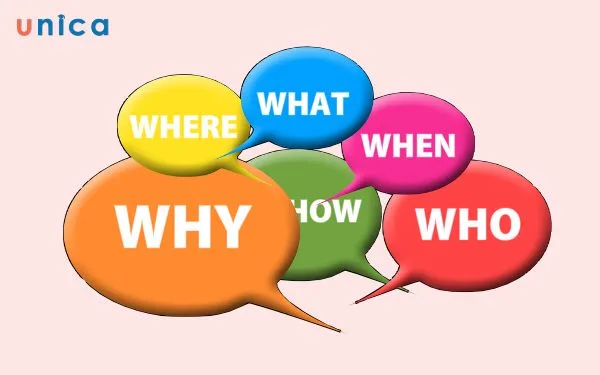
Beginners often lump all of them together and write one generic page. That is the first mistake. Treat each opener as its own brief, and your content will match what searchers actually need. A simple question keywords checklist starts here: identify the opener, then map it to the format it demands.
How These Searches Differ from Flat Keyword Searches
A flat keyword search often reflects a transactional or navigational mood. The user knows roughly what they want and is scanning options. A question-based search reflects curiosity mixed with friction. Something is blocking them, and they want it unblocked.

That difference matters for tone. Flat-keyword pages can lean on feature lists and pricing tables. Question-driven pages need explanation first, then proof. Lead with the answer, follow with the reasoning, and close with the next step.
Why Beginners Should Start With Answering Questions
If the question keywords are new to content work, question-based targeting is your training ground. The structure is built in: every question tells you what to write next. You do not have to invent an outline from thin air, because the search query hands it to you.
There is also a competitive angle. Big brands often fight over high-volume head terms. Question phrases tend to be longer, more specific, and less contested, which gives a new site a real shot at visibility. That is not a loophole; it is just how long-tail demand works.
The Trust Advantage of Answering Directly
When someone asks a question and the question keywords answer it in the first two sentences, you earn a small moment of trust. Do that across dozens of pages and the pattern compounds. Readers start to associate your site with clarity.
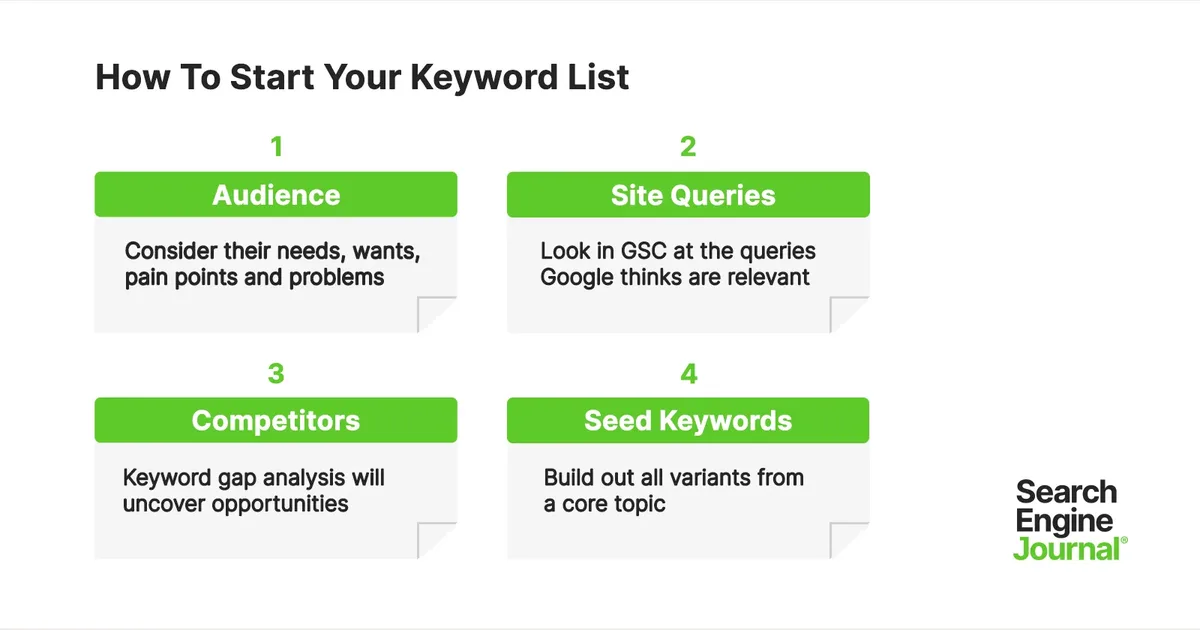
I have watched small publishers outrank larger competitors simply because the question keywords answered faster and cleaner. No tricks involved. The searcher asked, the page answered, and the algorithm noticed the match.
Where the Real Difficulty Sits
The hard part is not finding questions. Tools will hand you thousands. The hard part is choosing which ones to answer and resisting the urge to answer all of them on one bloated page.
Beginners overstuff. They try to cover “how,” “why,” and “which” on a single URL, and the result reads like a ransom note. Pick one question per page. Let the cluster handle the rest.
How to Find Question Keywords in the Wild
The question keywords is no shortage of sources. The skill is filtering noise from signal. Below are the methods I rely on most, ordered from free to paid, so a beginner with zero budget can still start today.
Free Sources You Already Have Access To
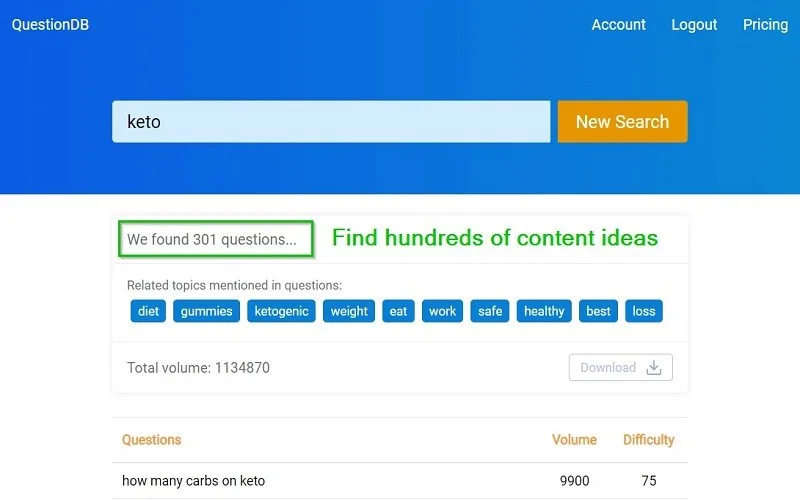
Start with autocomplete. Type your topic into Google and watch the dropdown. Every suggestion is a real query someone typed. Add “how,” “what,” or “why” in front and the list reshuffles with new options.
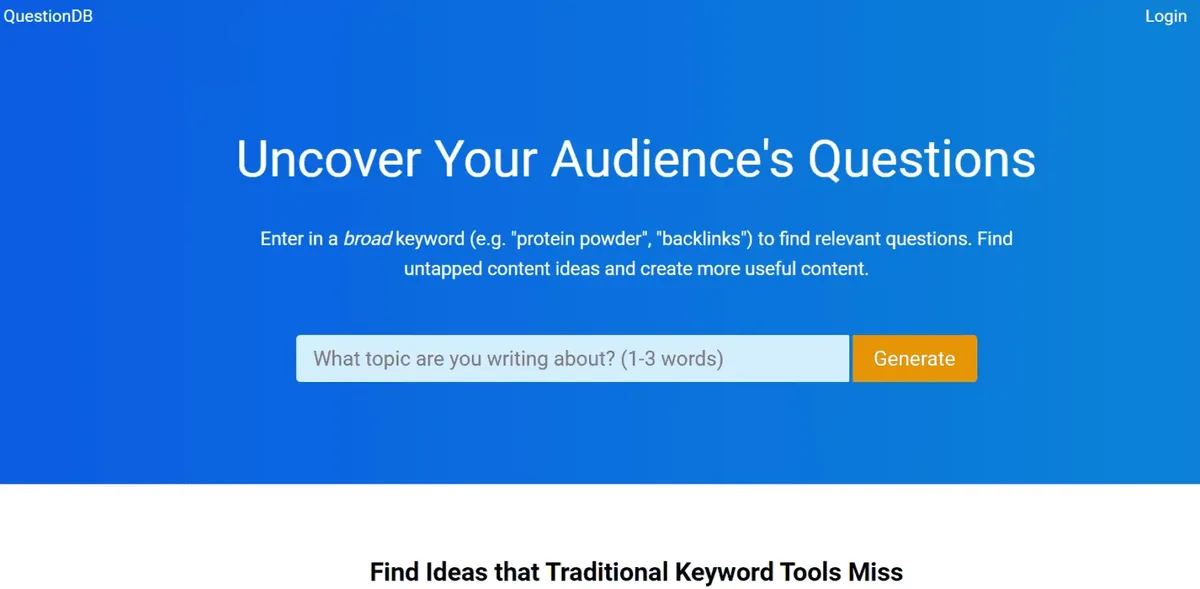
Then move to “People Also Ask.” That box is a goldmine of adjacent question keywords, and expanding one entry often reveals three more. Do it recursively and you will build a list of twenty in under ten minutes.
Reddit, Quora, and niche forums are the third free source. Search your topic plus “site:reddit.com” and read the thread titles. The way people phrase a problem on a forum is often closer to how they search than any tool suggestion.
Paid Tools and What They Add
Paid platforms like AnswerThePublic, AlsoAsked, and Semrush add volume data, difficulty scores, and clustering. Structuring your question keywords around proven patterns ensures impact. That data helps you prioritize when you have fifty candidates and only time for ten.
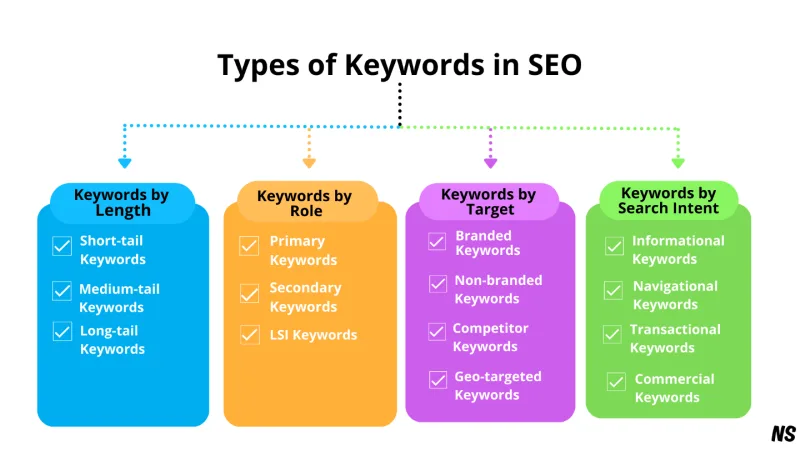
My advice for beginners: exhaust the free sources first. You will learn to read intent manually, which is a skill no tool can replace. Buy the paid tools once you have enough content to actually need prioritization.
Turning Raw Questions Into a Working List
Dump everything into one sheet. Then add three columns: search intent, competition level, and whether you can answer it better than what already ranks. That third column is the one most people skip, and it is the one that decides winners.
Answering “can I beat this?” honestly separates productive lists from wishful ones. If the top results are thin, outdated, or clearly written for algorithms rather than people, that is your opening. A solid question keywords best practices habit is to check that gap before writing a single word.
Reading Search Intent Before You Write a Single Word
Intent is the quiet force behind every ranking. Applying these principles to your question keywords yields measurable results. You can nail the phrase, hit the density, and still lose because you misread what the searcher wanted. Get intent right and the rest of optimization gets easier.
The Four Intent Buckets, Simply Put
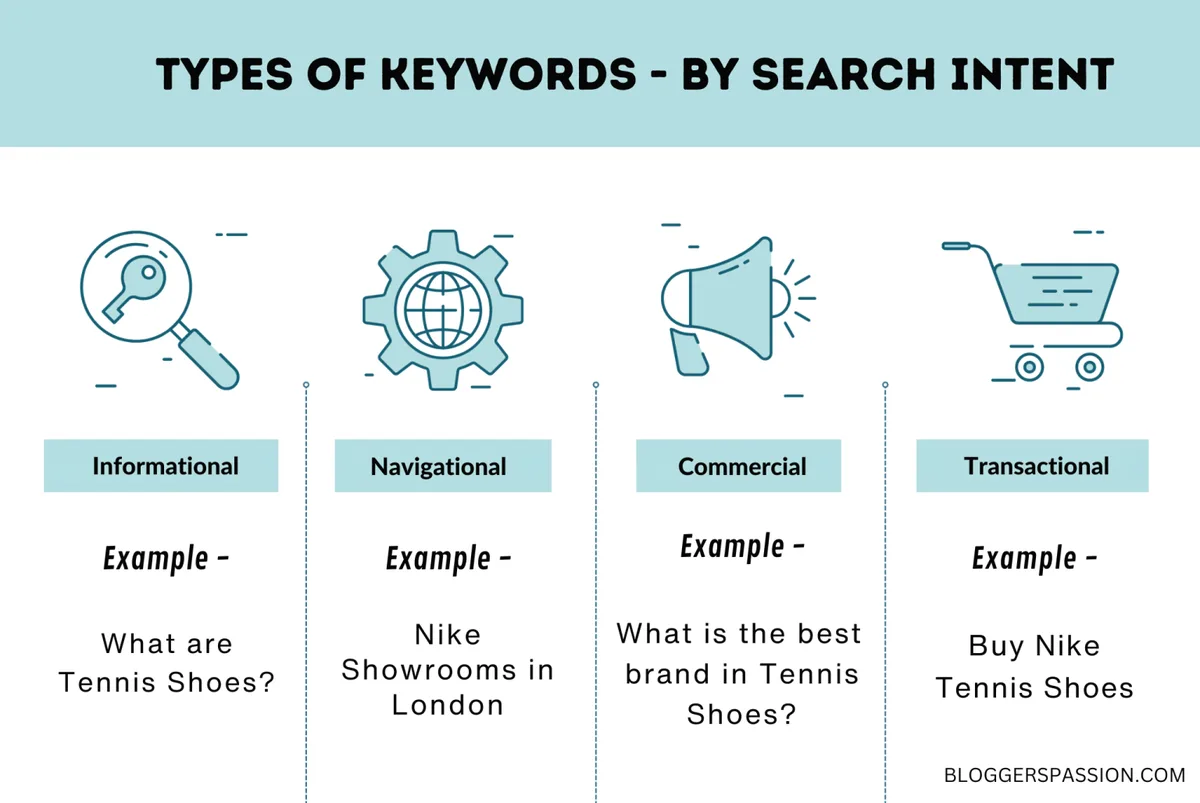
Informational intent wants understanding. Commercial intent wants comparison before a purchase. Transactional intent wants to complete an action. Navigational intent wants a specific destination.
| Intent Type | What the Searcher Wants | Best Content Format | Example Query Pattern |
|---|---|---|---|
| Informational | To understand a concept | Guide, explainer, definition | “what is X,” “how does X work” |
| Commercial | To compare before buying | Comparison table, review, roundup | “which X is best for Y,” “X vs Y” |
| Transactional | To take an action | Landing page, tool, pricing page | “buy X,” “sign up for X” |
| Navigational | To reach a specific site | Brand page, help center | “X login,” “X customer support” |
Most question keywords fall into informational or commercial territory. That is why explainers and comparisons dominate question-driven results. Match the format and you are already ahead of half the field.
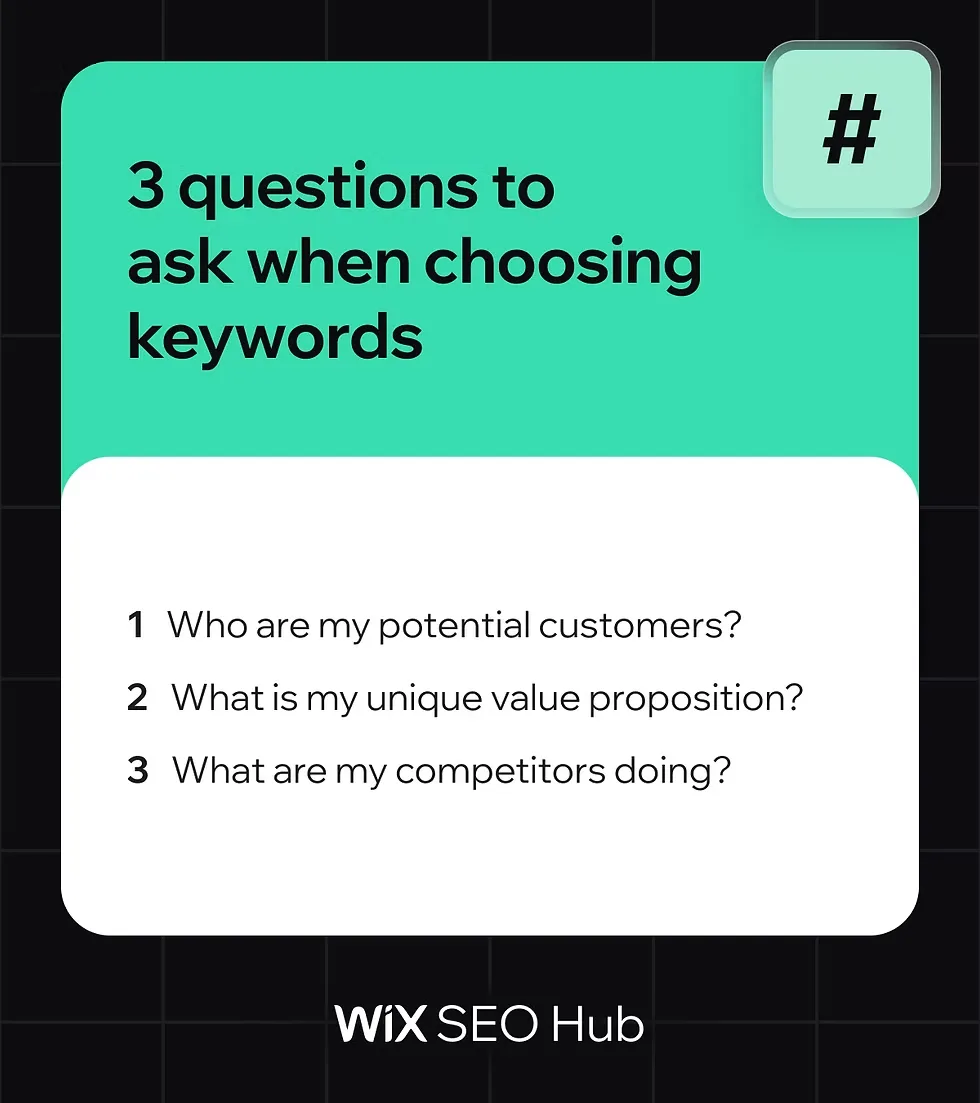
Spotting Intent from the Phrasing Alone
Words like “review,” “vs,” and “worth it” are commercial flags. Words like “why,” “meaning,” and “explained” are informational flags. The phrasing telegraphs the expectation, and your format must answer the telegraph.
I once saw a page rank briefly for “how to budget for a home renovation” with a sales landing page. Proper attention to your question keywords sets a strong baseline. It clawed visibility for a week, then dropped. Intent mismatch always loses eventually, no matter how well the page is optimized.
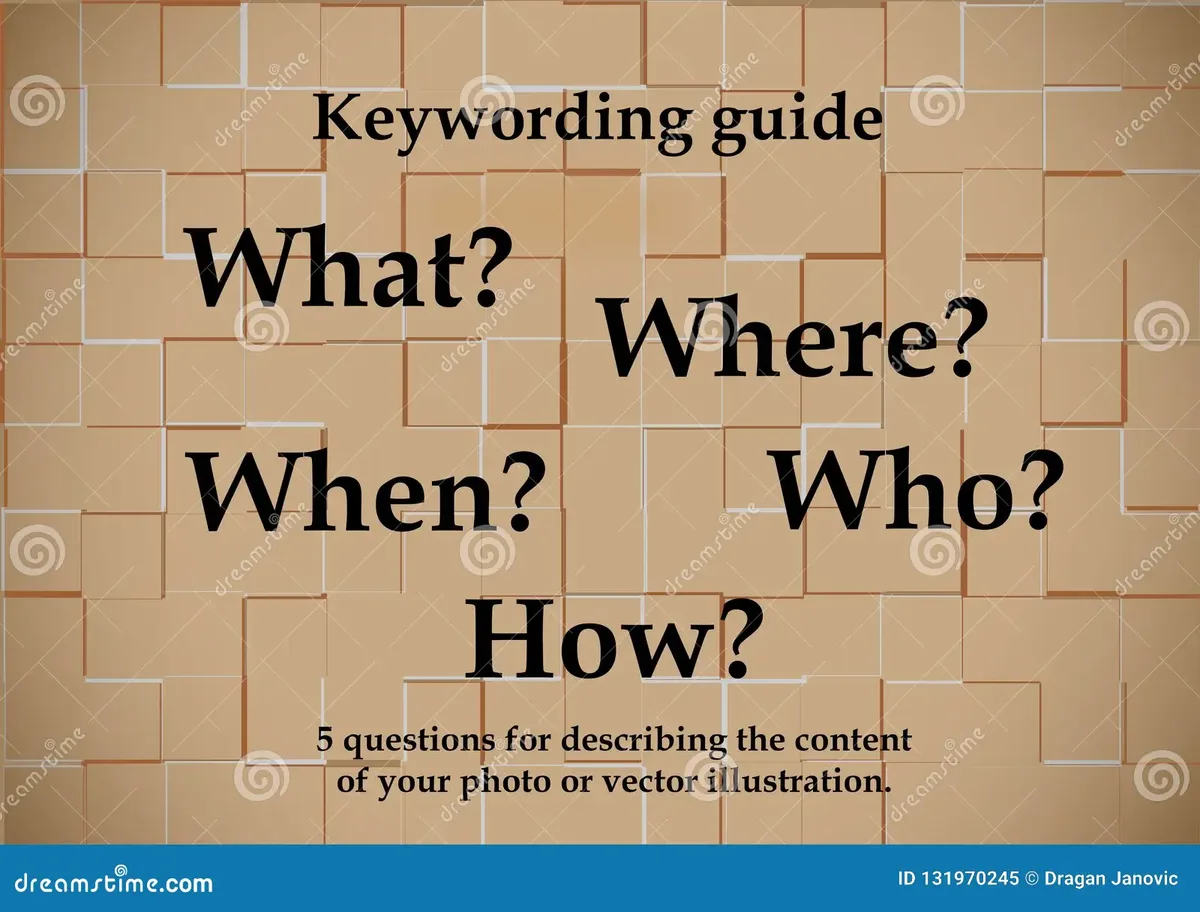
Building Your First Question Keywords Checklist
Before you publish, run through a fixed set of checks. A repeatable checklist beats inspiration every time, especially when you are still learning. Here is the one I hand to every new writer I work with.
The Pre-Writing Checks
- Question confirmed against real searches: Verify the exact phrasing appears in autocomplete or a tool, and note whether it is singular or plural.
- Intent tagged: Label it informational, commercial, transactional, or navigational so you choose the right format.
- SERP snapshot reviewed: Open the top five results and note what they miss — missing examples, no table, outdated structure, thin answers.
- Angle decided in one sentence: Write “This page helps [who] to [what] better than the current top results because [reason].” If you cannot fill that in, pick a different question.
- Supporting long-tail variants listed: Collect three to five close variants and plan to answer them naturally within the same page.
That last point matters more than it looks. Answering adjacent variants in the same piece signals topical completeness without turning the page into a glossary. This is where the question keywords checklist earns its keep.
The Pre-Publishing Checks
- Direct answer in the first two sentences: No preamble, no throat-clearing. Answer, then expand.
- Heading restates the question: Use an H2 or H3 that mirrors how the person searched. Readers scan; mirroring catches their eye.
- FAQ block for adjacent questions: Three to five compact entries handle the “someone also wondered” crowd without a second page.
- Schema applied where relevant: FAQ schema and HowTo schema help search engines understand the structure, though the ranking still comes from the answer itself.
- Internal links to sibling pages: Connect the page to the next logical question in the cluster so readers keep moving.
Two minutes of checks saves hours of revision. Honestly, the checklist is boring work — but boring, done consistently, is what separates a page that ranks for six months from one that fizzles in a week.
Answering Multiple Questions on a Single Page Without Bloat
The question keywords is tempting to cram every related query into one article. Resist that. Bloat dilutes focus and creates the kind of wall-of-text nobody finishes. There is a smarter pattern.
The Pillar-and-Spoke Model
Build one strong pillar page around the core question, then create smaller pages for each related sub-question. Link them together so both readers and crawlers see the tree structure.
For example: a pillar on “how to start a podcast” links out to spokes on “what microphone do I need,” “how long should an episode be,” and “how do I get listed on Spotify.” Each spoke answers one question deeply. The pillar answers the umbrella question well enough to rank on its own.
When One Page Should Handle Several Questions
Sometimes consolidation wins. Clear alignment with your question keywords builds confidence from the start. If two questions are near-identical in intent, merging is better than splitting. “How do I write a budget” and “how to make a budget” almost certainly deserve one URL.
Rule of thumb: if answering one question fully also answers the other, they belong together. If the answers diverge enough to need different formats, split them. This is the practical side of question keywords best practices — fewer, stronger pages beat many thin ones.

Mapping Question Keywords to a Content Cluster
Random one-off articles rarely grow a site. Clusters do. A cluster is a group of pages that together cover one subject thoroughly, and question phrases are the natural joining points.
Choosing a Parent Topic
The parent topic is the big, broad subject. It is usually too competitive to win outright when you are starting, but it anchors everything. Every child page links upward to it, and the parent links down to each child.
For a beginner’s site on home brewing, the parent might be “home brewing basics.” Children could include “what equipment do I need,” “how long does fermentation take,” and “why does my beer taste bitter.” Each child is a question. Integrating question keywords into your workflow produces consistent quality. Each earns its own small win. Together they build topical authority.
A Simple Cluster Map for Beginners
| Layer | Purpose | Example Page | Priority for New Sites |
|---|---|---|---|
| Parent / Pillar | Anchors the subject, links to all children | “Home Brewing: The Fundamentals” | Build early, update often |
| Child / Spoke | Answers one specific question in depth | “How Long Does Home Brew Fermentation Take?” | High — fastest wins |
| FAQ Nodes | Handles micro-questions within a spoke | FAQ section inside the spoke | Medium — supports spokes |
| Comparison Node | Handles commercial “which” questions | “Beer Kit vs. All-Grain: Which to Start With?” | Medium — converts well |
Map ten spokes before the question keywords write the pillar. Then write two spokes, publish, watch behavior, and adjust. Building a cluster this way feels slow at first. By month three, it stops feeling slow and starts feeling inevitable.
Writing Answers That Actually Satisfy Readers
Ranking is a byproduct of usefulness. If the reader gets what they need, signals tend to follow. So the question becomes: how do you write an answer that satisfies?
Lead With the Answer, Then Justify
Put the direct answer in the first one or two sentences. Targeted refinements to your question keywords streamline the entire review. Then explain, add nuance, and provide context. Many writers invert this, burying the answer after three paragraphs of background. That is a habit worth breaking immediately.

The “inverted pyramid” idea from journalism applies here too. Most important thing first, supporting detail after. A searcher who gets their answer in five seconds is a searcher who stays to read the rest.
Use Concrete Examples Over Abstract Advice
Telling someone “track your metrics” is abstract. Showing a before-and-after with real numbers is concrete. Concrete examples build credibility faster than any adjective.
I keep a folder of screenshots and small case notes for exactly the question keywords reason. When a question touches a claim, I can pull a real example instead of inventing one. Readers notice the difference between specific and general, even if they cannot articulate why.
Format for Skimming as Well as Reading
Short paragraphs, bulleted takeaways, and bold call-outs make a page readable at two speeds: full read and skim. Most visitors skim first, then decide whether to read deeply. Give them handholds.
Question keywords tips from experienced writers almost always include this: write for the skim, then reward the read. If the skim is clear, more people will dive in. If the skim is mush, nobody sticks around long enough to appreciate a well-crafted paragraph.
A Worked Example: from Candidate List to Published Page
Let’s make this tangible. Suppose you are starting a site about indoor plants. You have collected forty question phrases. Here is how one of them travels from list to live page.
Step 1: Pick and Qualify
The question keywords choose “why are my plant leaves turning yellow.” It is common, specific, and matches an information-seeking mood. You check the top five results and notice most are listicles with no diagnostic flow, no photos, and no mention of overwatering versus underwatering nuance.
Opportunity confirmed. You can do better by leading with a decision tree: yellow with soft stems means overwatering; yellow with dry edges means underwatering; yellow with brown spots means light stress. That gives an immediate, useful answer.
Step 2: Structure the Answer
Draft an H2 that mirrors the search: “Why Are My Plant Leaves Turning Yellow?” Open with the compressed answer in two sentences. Then break into sub-sections for each diagnosis, each with a photo and a corrective action. Close with an FAQ handling variants like “why are only lower leaves yellow.”
Note the discipline: the entire page answers one question. The related question keywords live in the FAQ and in sibling pages, not stuffed into the intro. That is how question keywords tips actually work in practice.
Step 3: Measure and Improve
After two weeks, check which sub-sections get the most attention via scroll depth. Effective execution in your question keywords makes a tangible difference. If “underwatering” gets skipped but “overwatering” gets read, you have a signal about what to emphasize in the sibling pages.
Improvement never stops. Refresh after a month, add a short video if possible, and update the FAQ with new variants you spot in autocomplete. Question-based pages age well because questions themselves change slowly.
Tools That Make Question Research Faster
Tools do not replace judgment, but they compress the boring parts. Here are the ones worth knowing, grouped by what they solve.
For Discovery
Google autocomplete, “People Also Ask,” AlsoAsked, AnswerThePublic, and Reddit search. Maintaining clarity across your question keywords remains essential. These surface the raw questions. Cheaper sources first, paid sources once you have volume to manage.
For Prioritization
Semrush, Ahrefs, and similar platforms add volume and difficulty data. Pair those with your own judgment about content gaps. A high-volume question with twelve strong competitors is not necessarily your first target; a medium-volume question with weak competitors often is.
For Structure and Validation
Surfer SEO, Clearscope, and MarketMuse help check whether you have covered the semantic neighbors of a topic. They are not writing gurus; they are coverage mirrors. Use them after your draft to catch missing terms you simply forgot.
One warning: do not chase a tool score into robotic prose. A thoughtful approach to question keywords reinforces your qualifications. If a platform insists you add a term that does not fit your natural voice, skip it and find a subtle way to work in the concept. The reader wins over the meter every time.
Common Beginner Mistakes With Question Keywords
Some of these mistakes are subtle. Others are loud. All are avoidable. Here is what I see most often when reviewing new writers’ work.
Mistake 1: Answering the Question in the Meta Description Only
Some writers put a perfect answer in the meta and then forget to actually say it on the page. The meta is the appetizer, not the meal. Answer on the page, and use the meta to invite the click.
Mistake 2: Using a Flat Keyword as the Heading
If the query is a question, the heading should look like a question. “Plant Health Diagnosis” is a topic. “Why Are My Plant Leaves Turning Yellow?” is an answer invite. Mirroring the query is one of the simplest question keywords best practices to apply consistently.
Mistake 3: Cramming Every Variant Into One H2
Headings like “How to Do X, When to Do X, Why Do X, and What Is X” are a mess. Split them. Each variant deserves its own section or its own page.
Mistake 4: Forgetting the Next Step
An answer without a “what to do next” feels unfinished. Point the reader toward the next question they will logically ask. That hand-off is what turns one answer into a reading session.
Mistake 5: Ignoring Local or Niche Wording
People phrase questions using the words they already know. If your audience says “hooch” instead of “home brew,” targeting “home brew” alone misses them. Listen for the words your readers actually use.
Frequently Asked Questions About Question Keywords
Readers send variations of the question keywords questions constantly. Quick answers below cover the ones that come up most.
Are Question Keywords Good for Brand-New Sites?
Yes, often better than flat keywords. They tend to be less competitive and more intent-specific, which lets a new site earn its first rankings without fighting head-term battles.
How Many Questions Should One Article Answer?
One primary question answered deeply, plus three to five closely related variants in an FAQ, is a healthy pattern. Beyond that, split into separate pages and link them.
Do Question Words Like “How” or “Why” Belong in the URL?
The question keywords can, but a short slug is cleaner. “how-to-fix-yellow-leaves” works fine; “why-are-my-plant-leaves-turning-yellow-complete-explanation” is a slug only a bot could love. Keep it short and readable.
Do I Need to Match the Exact Phrasing?
Match the semantic meaning, and mirror the phrasing in at least one heading. Exact-match phrasing in headings is a reliable signal without needing to repeat the phrase in every paragraph.
What About Voice Search and Conversational Queries?
Voice queries are even more question-shaped. Writing clear, direct answers in natural language helps both typed and spoken search. If it reads well aloud, it will usually read well on a page.
How Often Should I Refresh These Pages?
Every few months for competitive topics, once a year for evergreen ones. Watch for new autocomplete variants; they are a leading indicator that audience language is shifting.
Putting It All Together for Your First Ranking Push
Here is the entire workflow in condensed form, in case you want to skip the theory and get moving.
- Collect question keywords from autocomplete, “People Also Ask,” and forums. Aim for fifty candidates on your topic.
- Filter for intent and competition. Keep the ones with clear informational or commercial intent and obvious content gaps in the top results.
- Choose a parent topic and map ten spokes around it. Each spoke answers one main question plus an FAQ of variants.
- Write the answer first, in the first two sentences. Then justify, then expand, then close with the next question.
- Apply schema and internal links. Give crawlers structure and give readers a path forward.
- Measure scroll depth and return visits. Improve the sections people skip and expand the ones they read twice.
- Refresh quarterly. Add new variants from autocomplete and tighten anything that has aged.
None of this is glamorous. Most of it is spreadsheet work and small edits. But that is precisely the work that builds durable traffic. The publishers who win quietly are the ones running this loop on repeat, one question at a time.
If the question keywords take only one idea from this guide, take this: every question a reader types is a doorway, not an obstacle. Build a clear, honest answer behind each doorway and you are doing SEO the right way.
Surround those answers with a thoughtful cluster map, apply the question keywords checklist before pressing publish, and let the results arrive on their own schedule — usually sooner than you expect, and for longer than you hoped.