A solid website description example is the difference between a listing that gets skipped and one that earns a tap. You’ve probably stared at that little text box on a directory, a social profile, or a Google Business panel and wondered what to actually type. Good news: it’s a learnable skill, not a talent.
I’ve written and rewritten hundreds of these blurbs for clients across trades, SaaS, restaurants, and nonprofits. The pattern is always the same. When a description is specific, warm, and built around one clear promise, clicks climb. When it’s vague filler, nothing happens. So let’s fix that with fifteen templates you can steal today.
What Makes a Website Description Example Actually Work
Before we get to the templates, we need to agree on what “working” means. Focusing on website description example provides clear direction here. A description isn’t a mission statement. It isn’t a tagline. It’s a tiny sales pitch that has roughly three seconds to convince a stranger to click.
That means every strong website description example you’ll ever study does three jobs at once. It says who you help, it says what changes for them, and it gives a reason to act now. Miss any one of those and the blurb feels incomplete, even if the words are pretty.
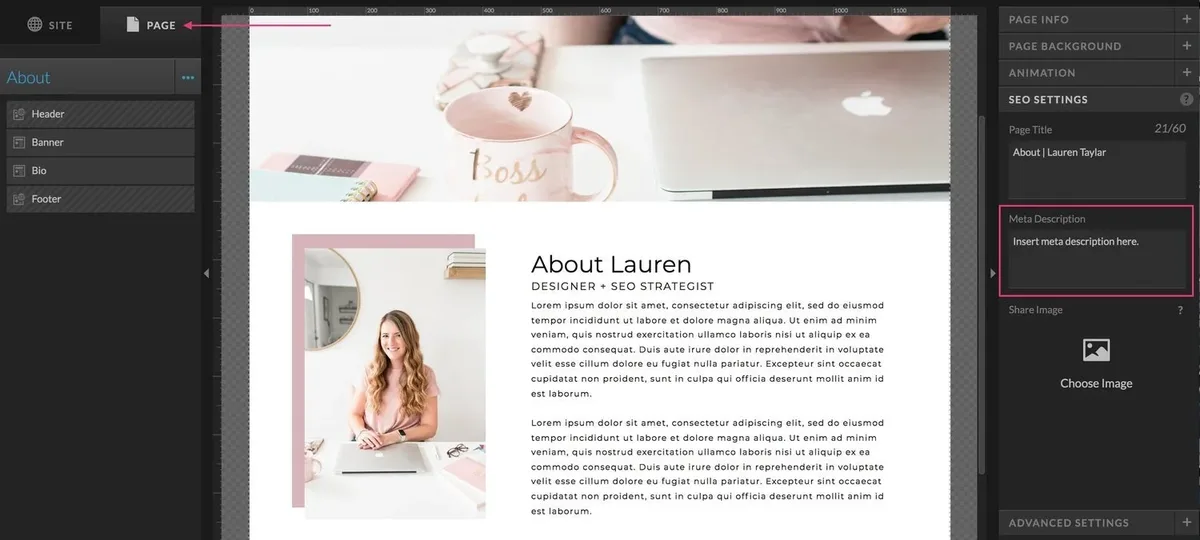
Here’s the thing most people get wrong: they write for their boss, not their customer. The boss wants “innovative solutions provider.” The customer wants to know if you fix leaky faucets on weekends. Guess which one gets the click.
The Three-Second Rule Behind Every Description
Readers scan descriptions the way they scan headlines. Eyes jump to the first few words, then to any numbers or names, then to the end. If the opening is generic, the scan ends there.
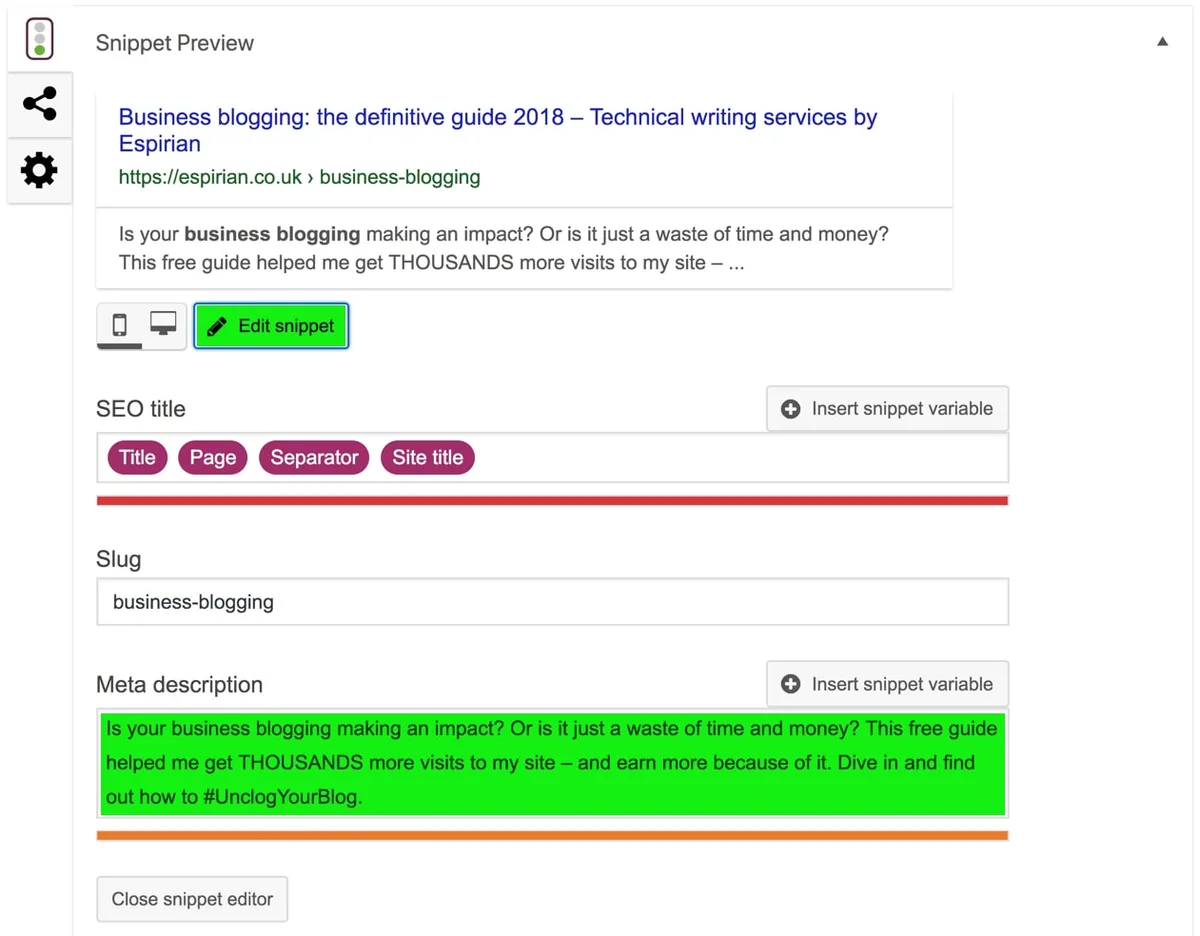
So front-load the value. “Emergency plumbing in Austin, on call nights and weekends” beats “We are a full-service plumbing company serving the greater Austin area since our founding.” Same business. Wildly different click rates.
A useful website description example always reads like the first line of a conversation, not the first line of a brochure. That’s the whole trick, and it’s why the templates below all start with the reader, not the writer.
Length, Tone, and the Numbers That Matter
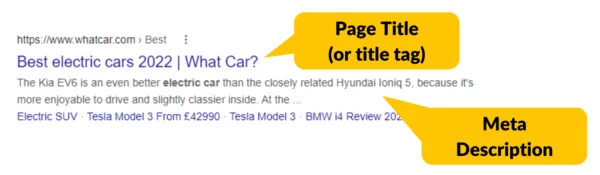
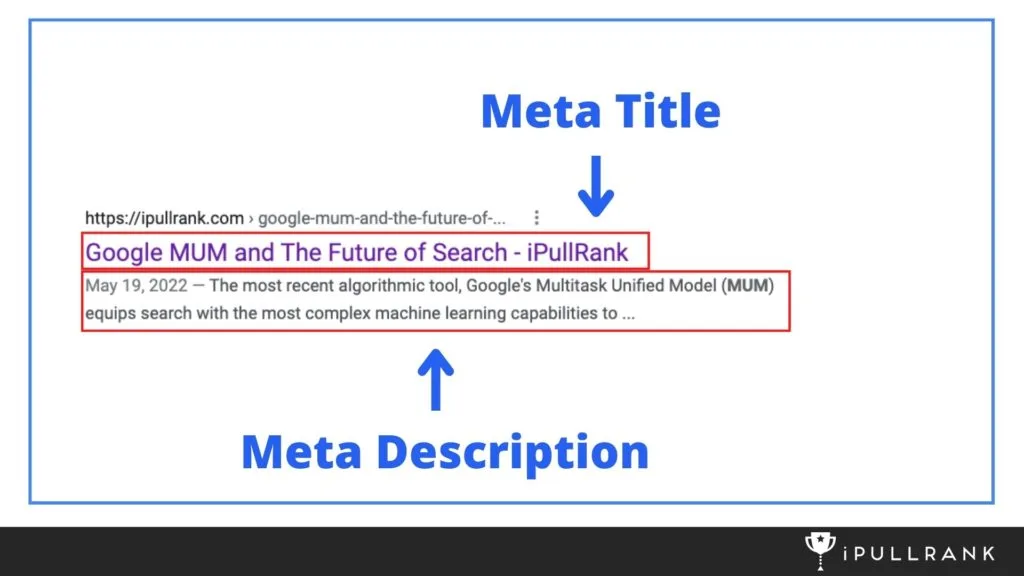
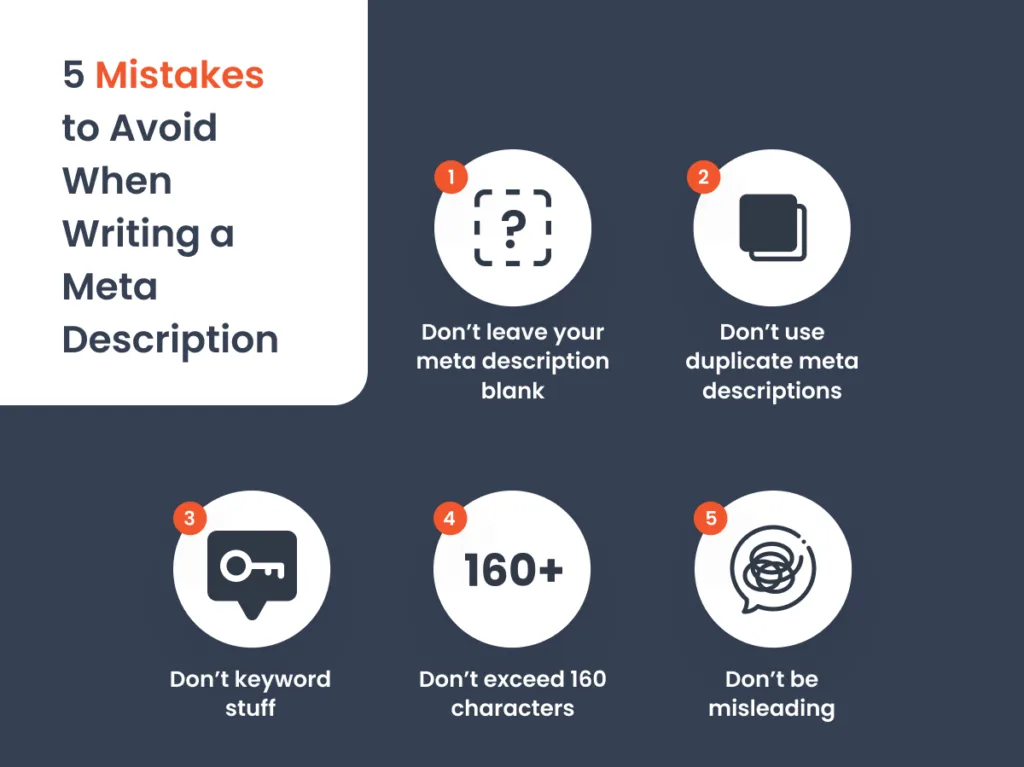
Google Business Profile descriptions cap at 750 characters. Meta descriptions get truncated around 155 characters. Directory listings vary wildly, usually between 150 and 300 characters. Know your box before you write.
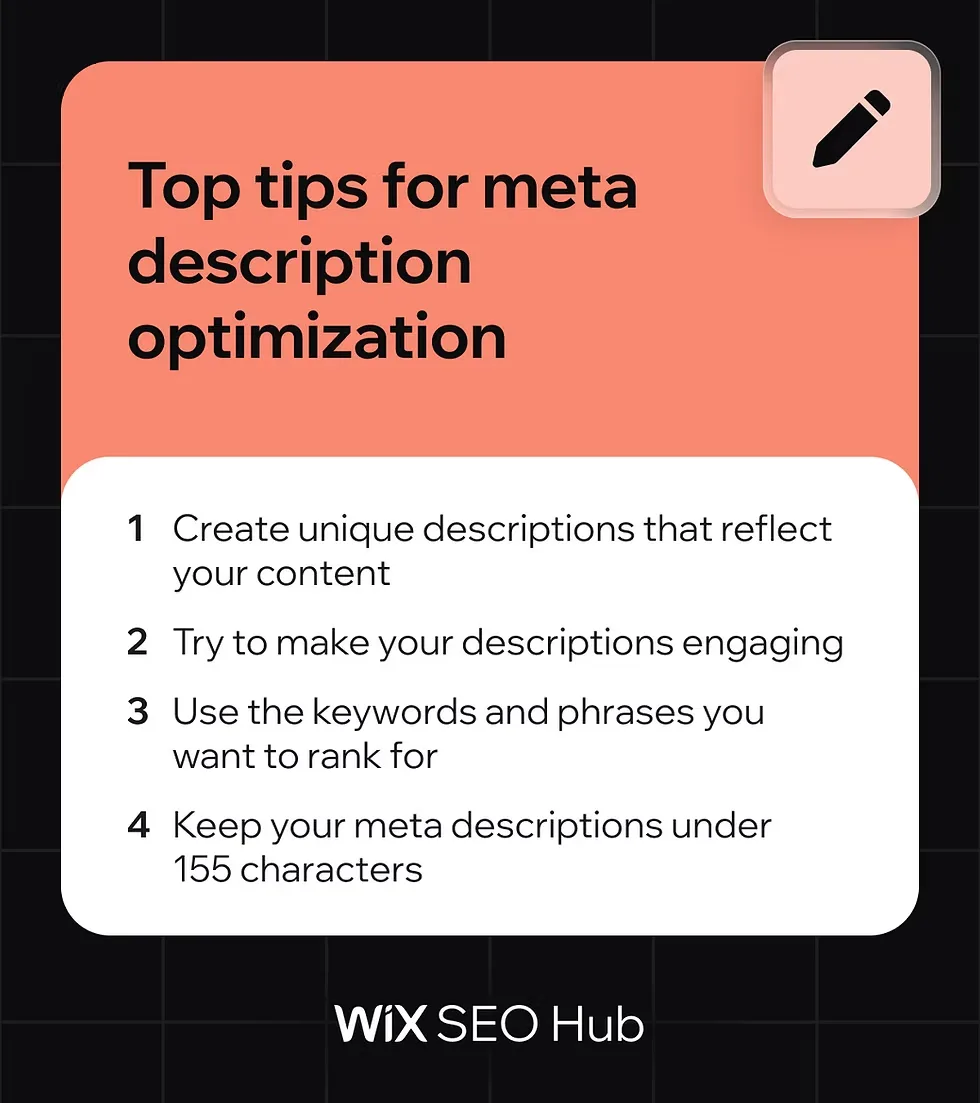
For most platforms, aim for 150 to 160 characters for the visible portion, then add a second sentence that survives truncation if the platform allows more. That way your website description example works whether it’s cut short or shown in full.
Tone matters just as much. A funeral home and a skate shop should not sound alike. Match the register of your audience, then push slightly warmer than feels natural. Warmth reads as confidence.
Website Description Example Templates for Local Businesses
Local search is where descriptions earn their keep fastest. Refining each detail of your website description example strengthens this section. Someone within five miles needs something today, and your blurb is competing against a dozen similar shops. Specificity wins every time.
Notice how each of these website description example templates names a place, a service, and a small differentiator. That trio is the backbone of local copy, and it scales from a single barber to a fifty-truck HVAC fleet.
- Service Area + Urgency: “Same-day drain clearing across Mesa and Gilbert. Flat-rate pricing, no weekend surcharge, techs who text before they arrive.” This works because it answers the three questions locals actually have: where, how fast, and will I get surprised on the bill.
- Neighborhood Anchor: “Family-run bakery two blocks from Riverside Park. Sourdough out of the oven at 6 a.m., sold out by noon most Saturdays.” Naming a landmark helps people place you instantly, and the scarcity detail creates gentle urgency.
- Niche Specialization: “We only do dog dental cleanings. No general practice, no waiting room chaos, just anesthesia-free cleanings for nervous pups.” Narrow beats broad when the niche is real and searchable.
- Credential Forward: “Licensed electricians, master-certified, background-checked. Panel upgrades and EV charger installs across Fairfax County.” Credentials reassure the cautious buyer who’s been burned before.
- Review-Backed: “Rated 4.9 stars by 300+ neighbors for honest auto repair. Free second opinions, loaner cars, and we show you the old parts.” Social proof plus a concrete perk is a strong combination.
Run these through your own business and you’ll feel which one fits. The best website description example for a plumber is rarely the best one for a boutique. Context decides.
Website Description Example Templates for Online Stores and Ecommerce
Ecommerce descriptions live in a harsher environment. Shoppers compare five tabs at once and bounce on the first whiff of generic copy. Your job is to reduce risk and increase desire in the same breath.
The strongest website description example in retail almost always mentions shipping, returns, or a guarantee. Those aren’t boring details. They’re the exact reasons someone hesitates at checkout.
- Guarantee First: “Free returns for 60 days, even on opened items. Small-batch ceramics fired in our Portland studio.” The guarantee removes friction, the studio detail adds craft appeal.
- Shipping Promise: “Orders before 2 p.m. Ship the same day from our Ohio warehouse. Tracking on every package, no drop-ship delays.” Speed and transparency beat vague promises about quality.
- Founder Voice: “I started this shop because I couldn’t find a rain jacket that fit my frame. Now we make them in six sizes and three lengths.” First-person origin stories convert surprisingly well when they’re short.
- Use-Case Framing: “Built for trail runners who hate wet socks. Merino blend, seamless toe, machine washable, tested over 400 miles.” Naming the customer’s exact scenario does more than listing materials.
- Subscription Clarity: “Fresh coffee every two weeks, pause or cancel anytime, roaster’s choice or pick your own. First bag ships free.” Subscription copy must kill the fear of being trapped.
If you’re writing for a marketplace profile rather than your own site, trim these to a single sentence. Platforms like Etsy and Amazon reward the first clause, not the third.
Website Description Example Templates for Service Providers and Consultants
Professional services face a unique problem: the buyer can’t see the product. They’re buying trust, and trust is built through specificity about process and outcomes.
Every effective website description example in this category answers the unspoken question, “What happens after I contact you?” Walk them through the first step and watch hesitation drop.
- Process Snapshot: “We start with a 30-minute audit, then send a fixed-scope proposal within two days. No retainers, no surprise hours.” Clarity about the first interaction is gold for cautious buyers.
- Outcome Specific: “We help SaaS teams cut onboarding drop-off by 20-40% in one quarter. Fixed fee, weekly demos, you keep all files.” Numbers create credibility faster than adjectives ever will.
- Anti-Pitch: “We’re not for everyone. If you need a website in a week, we’re the wrong fit. If you want one that converts for years, keep reading.” Disqualifying some readers makes the rest lean in.
- Credential Plus Niche: “Former Big Four accountant helping freelance designers untangle taxes. Flat monthly fee, plain-English answers.” Combining authority with a narrow audience feels tailor-made.
- Referral Signal: “Most of our clients come from referrals, and we keep it that way. Two new projects a month, six-week timelines.” Scarcity and word-of-mouth proof work beautifully together.
One caution: don’t stack every technique into a single blurb. Pick the one that matches where your buyer is in their decision. A cold reader needs the process snapshot. A warm one responds to the anti-pitch.
How to Adapt Any Website Description Example to Your Brand Voice
Templates are scaffolding, not scripture. The moment you paste one in unchanged, it stops sounding like you. Adaptation is where the real work happens, and it’s less intimidating than it sounds.
Start by listing five words your customers actually use when describing what you do. Effective execution in your website description example makes a tangible difference. Not industry jargon. Real words. Then rewrite the template using those words and see how it lands.
Next, cut every adjective you can’t defend with a number or a fact. “Fast” becomes “same-day.” “Affordable” becomes “flat-rate.” “Experienced” becomes “twelve years, licensed in three states.” Suddenly your website description example has teeth.
Matching Voice to Platform and Audience
The same business needs different phrasing on LinkedIn versus Yelp. LinkedIn rewards professionalism and outcomes. Yelp rewards personality and local flavor. Your website description example should shift accordingly, even if the underlying promise stays identical.
Test this by reading your blurb out loud in the voice of the platform. If it sounds like a LinkedIn post on Yelp, you’ve got a mismatch. Adjust the rhythm, not the substance.
Age and industry matter too. A fintech startup can be punchy and irreverent. A wealth management firm serving retirees should be steady and plain. Neither is better. Fit is everything.
Editing Checklist Before You Publish
Read it once for clarity. Read it again for length. Read it a third time pretending you’re the customer with thirty tabs open and no patience.
Check for passive voice, which drains energy from short copy. Check for stacked adjectives, which read as desperation. Check that your first four words carry the core value.
A quick pass through this checklist turns a decent website description example into one that actually performs. It takes five minutes. It’s worth every one of them.
Common Mistakes That Kill Otherwise Good Descriptions
Even talented writers trip on the same handful of traps. Knowing them in advance saves you a rewrite and a week of poor click-through data.
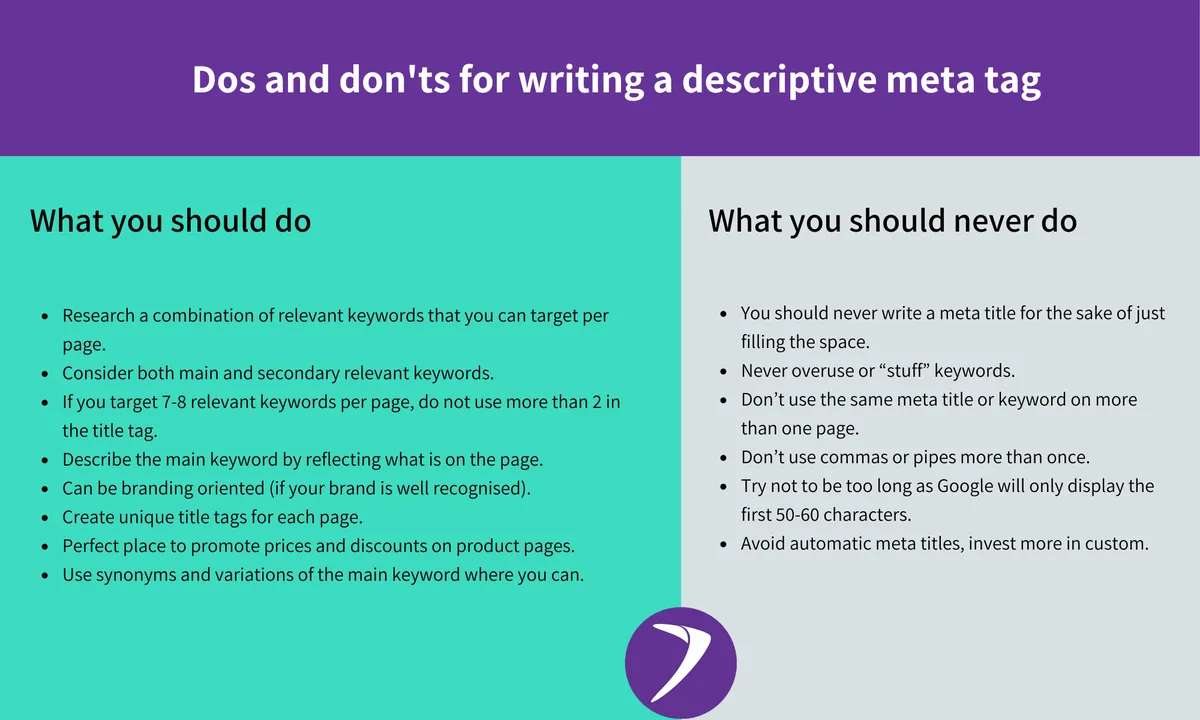
The biggest offender is starting with “We.” Readers don’t care about you yet. They care about their problem, and your website description example should reflect that priority from the very first word.
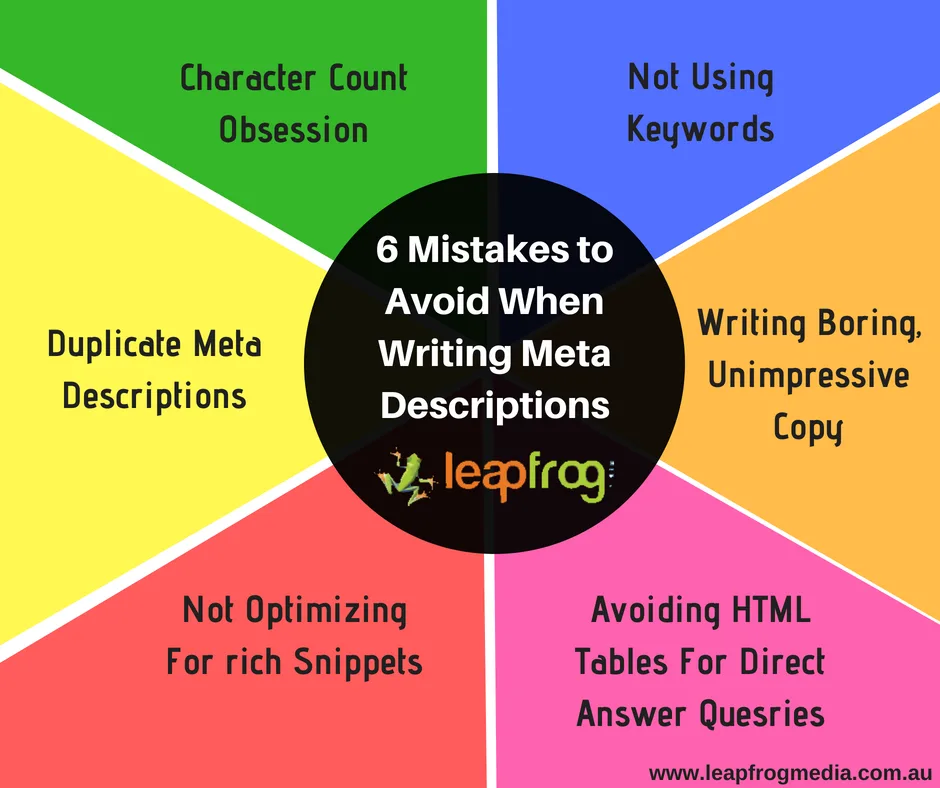
Second is vagueness disguised as sophistication. Maintaining clarity across your website description example remains essential. “Synergistic solutions” and “holistic approaches” mean nothing to a buyer scanning on a phone. Plain language outperforms clever language almost every time.
Keyword Stuffing and Other Ranking Myths
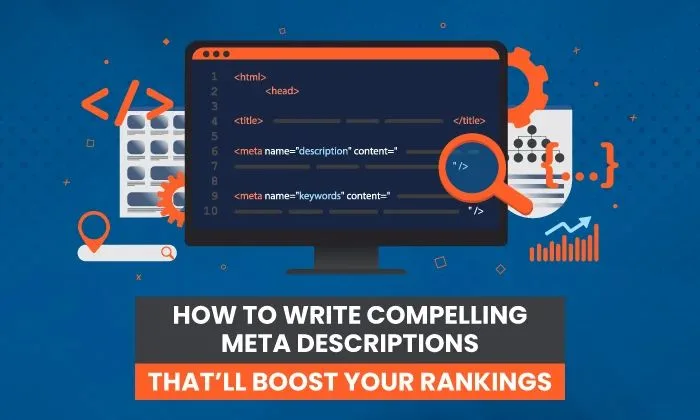
Some writers cram location names and service terms into descriptions hoping for a ranking boost. It rarely works and it always reads badly. Search engines have gotten smart about natural language.
Instead, write for the human and let the keywords fall where they naturally belong. A well-written website description example will mention your city and service because those are the facts, not because you forced them in.
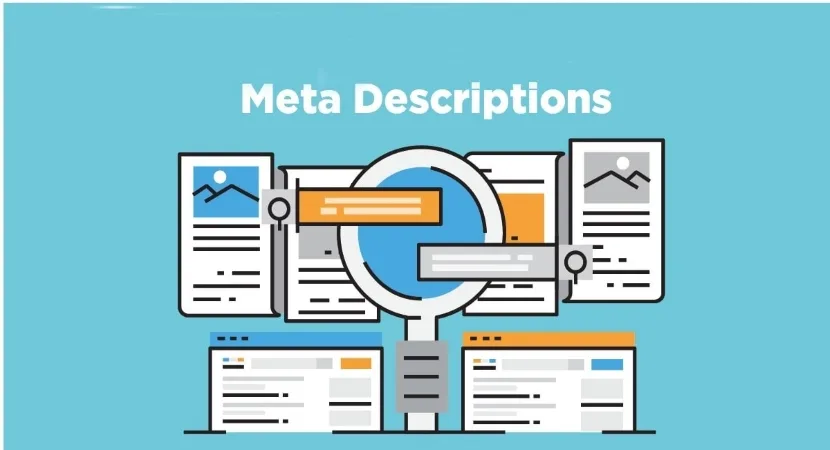
If you must optimize, do it in the title, the URL, and the headings. Leave the description to do its real job: persuade a human to click.
Ignoring the Mobile Reader
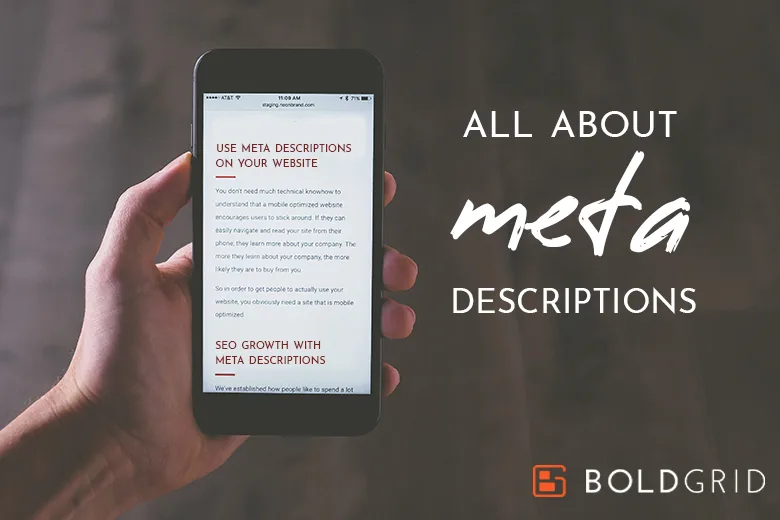
Most people will see your description on a phone, in a list, next to five competitors. That changes everything about how you write it.
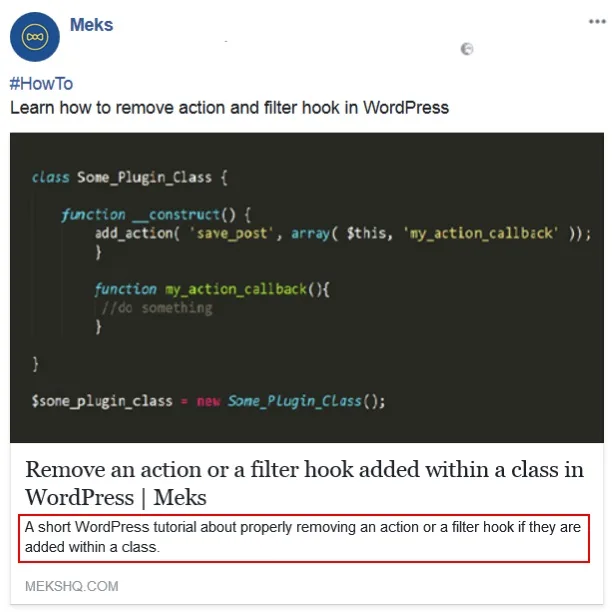
Front-load the value because the first line may be all that shows. Avoid long clauses that wrap awkwardly. Keep sentences short enough to scan in a thumb-scroll.
Test your website description example on an actual phone before publishing. What looks tidy on a laptop can look like a wall of gray on a small screen.
A Website Description Example Comparison Table
Seeing weak and strong versions side by side makes the principles click faster than any explanation. Here’s a quick reference you can bookmark.
| Weak Version | Strong Version | Why It Works |
|---|---|---|
| We are a full-service marketing agency. | We help local gyms fill classes with paid social. Flat monthly fee, month-to-month. | Names the audience, the outcome, and removes contract risk. |
| Quality products at great prices. | Handmade leather wallets, stitched in Denver, guaranteed for life. | Specific product, specific place, specific promise. |
| Experienced consultants ready to help. | Former CFO helping founders build 12-month cash forecasts. Two-week engagements. | Credibility plus a clear, bounded scope. |
| Your trusted partner for success. | We fix Shopify checkout bugs. Most jobs done in 48 hours, fixed price. | Narrow problem, fast timeline, no pricing surprises. |
| Innovative solutions for modern business. | Bookkeeping for freelance photographers. Monthly reports, no jargon. | Niche audience, concrete deliverable, plain language. |
Notice that every strong version could be its own website description example for a different business. That’s the point. The formula is portable; the details are what make it yours.
Testing and Improving Your Description Over Time
Publishing is the start, not the finish. A thoughtful approach to website description example reinforces your qualifications. Descriptions are living assets, and the best ones get sharper with each revision based on real data.
Track click-through rate where the platform allows it. On Google Business Profile you’ll see calls, direction requests, and website clicks. On directories, look at profile views versus inquiries.
If clicks are flat, the problem is almost always the first clause. Rewrite just that and rerun for two weeks. Small, isolated changes tell you what’s actually working.
What to Measure and When to Change
Give any new website description example at least two weeks before judging it. Shorter windows produce noise, not signal, especially for low-traffic listings.
After that, compare against your previous version. A ten percent lift in clicks is a win worth keeping. A drop means revert and try a different angle.
Keep a simple log of what you changed and when. Over a few months you’ll build a personal playbook of phrases that resonate with your specific audience.
Seasonal and Campaign Refreshes
Descriptions don’t need to be permanent. A holiday push, a new service line, or a slow season are all good reasons to refresh the blurb.
Swap in the seasonal detail without rewriting the whole thing. Change “same-day drain clearing” to “same-day drain clearing before the holidays” and you’ve got a fresh website description example with minimal effort.
Just remember to revert when the season passes. Structuring your website description example around proven patterns ensures impact. Stale seasonal copy signals neglect, which is the opposite of what you want.
Platform-Specific Notes for Your Website Description Example
Different platforms have different quirks, and a description that shines on one can flop on another. A few quick notes will save you from obvious mistakes.
Google Business Profile favors natural language and dislikes promotional fluff. Yelp leans into personality and community. LinkedIn wants outcomes and credentials. Facebook rewards warmth and storytelling.
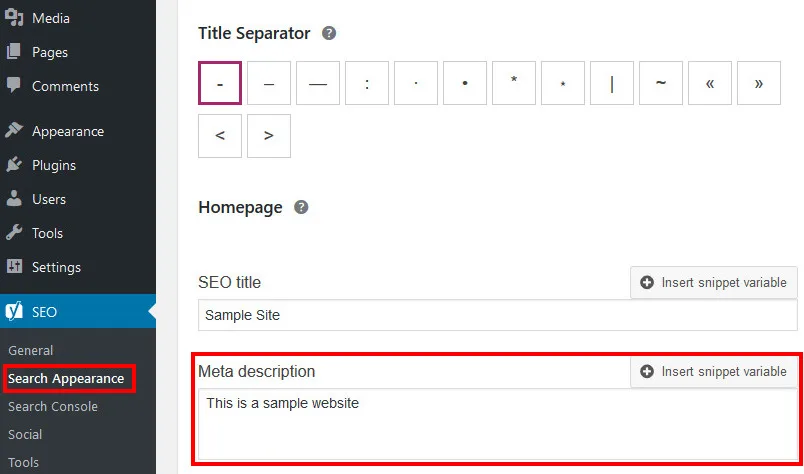
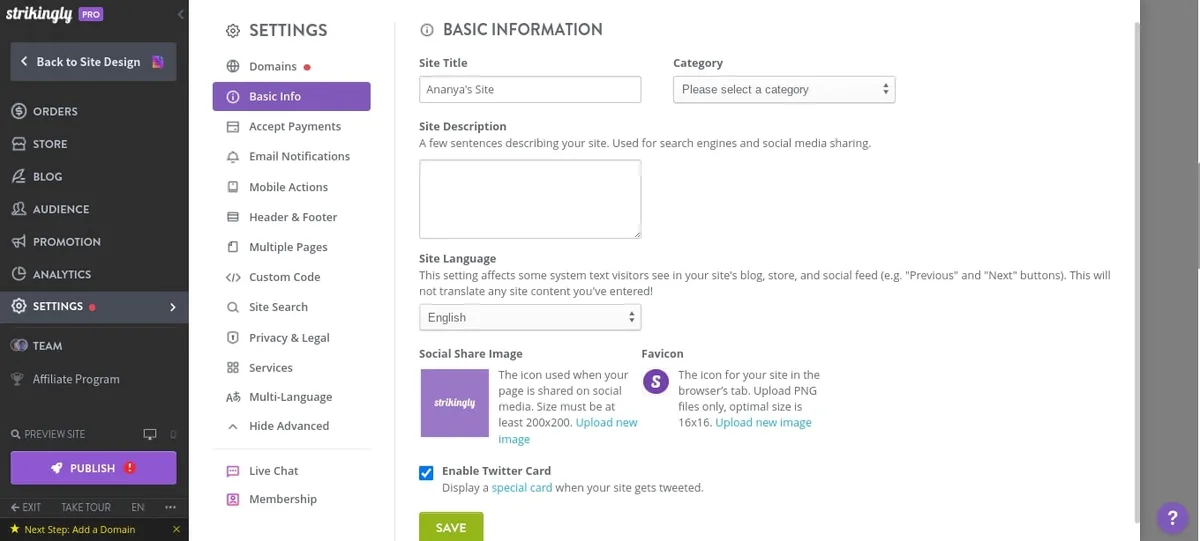
Directory sites like Yelp, Angi, and Thumbtack often have shorter limits, so trim to one strong sentence. Your website’s own meta description follows the same logic. Every website description example should be tuned to its container.
Google Business Profile Specifics
You get 750 characters, but only the first 250 or so show before the “more” click. Put your best material up front and treat the rest as bonus context.
Avoid URLs, phone numbers, and promotional offers, which Google may flag. Focus on what you do, who you serve, and what makes you different.
This is the single most valuable website description example slot for local businesses. Treat it like prime real estate, not an afterthought.
Social Bios and Directory Listings
Social bios are tighter still, often 150 characters or less. Every word has to pull weight, so cut ruthlessly and keep only the highest-impact phrase.
Directory listings vary, but the principle holds: first sentence sells, second sentence reassures, third sentence (if you get one) invites action.
Write the long version first, then trim down. It’s easier to cut than to expand, and you’ll end up with a cleaner website description example at every length.
Frequently Asked Questions About Website Description Examples
These come up constantly in client conversations, so let’s address them directly. Short, practical answers you can apply immediately.
How Long Should a Website Description Be?
Match the platform. Meta descriptions target 155 characters. Google Business Profile allows 750 but front-loads the first 250. Directories usually sit between 150 and 300. When in doubt, write 150 characters of pure value, then extend if the box allows.
Should I Include Keywords in My Description?
Only if they fit naturally. A good website description example reads like a human wrote it for a human. Forced keywords hurt readability and rarely help rankings enough to justify the damage.
Can I Use the Same Description Everywhere?
You can, but you shouldn’t. Each platform has its own audience and tone. A single master version trimmed and tuned for each context will always outperform a copy-paste job.
What if My Business is Hard to Explain?
Lead with the outcome, not the mechanism. People don’t need to understand how you do it. They need to know what changes for them. That reframe solves most “hard to explain” problems instantly.
How Often Should I Update It?
Every few months, or whenever your offer, audience, or positioning shifts. A stale website description example quietly costs you clicks without ever announcing itself.
Final Thoughts on Picking the Right Website Description Example
You now have fifteen templates, a comparison table, and a testing framework. That’s more than enough to write a description that actually earns clicks instead of collecting dust.
Start with the template closest to your situation. Rewrite it in your own words using specifics from your business. Test it for two weeks. Then iterate based on what the data shows you.
The best website description example isn’t the cleverest one. It’s the one that sounds like you, speaks to your reader, and gives them a clear reason to click. Everything else is decoration.
For verified reference and background research, consult the authoritative informational resource on this topic.