Viral marketing examples are the fastest way to see what actually moves people to share, and this breakdown of 15 winning examples to copy gives you the patterns behind each one.
You will not just read what happened; you will see why it worked, what to steal, and how to adapt it to your own product. Think of this as your working viral marketing examples guide, built for marketers who want to execute, not just admire.
Here is the honest truth: most “viral” campaigns people cite were not accidents. They were engineered around a specific human trigger — outrage, delight, identity, curiosity, or utility. Once you can name the trigger, you can reverse-engineer the playbook.
That is exactly what we are going to do across these viral marketing examples, grouped into the categories that matter most when you sit down to plan your own campaign.
Along the way, you will pick up viral marketing examples tips you can apply this week, a set of viral marketing examples best practices to keep you from embarrassing yourself, and a practical viral marketing examples checklist you can run against any idea before you spend a dollar. Let’s get into it.
What Makes These Viral Marketing Examples Worth Copying
Not every campaign that got a million views is worth copying. Some burned bright and left nothing behind — no sales lift, no brand recall, no repeatable lesson. The viral marketing examples in this collection were chosen because they produced a measurable business outcome, not just a spike in shares.
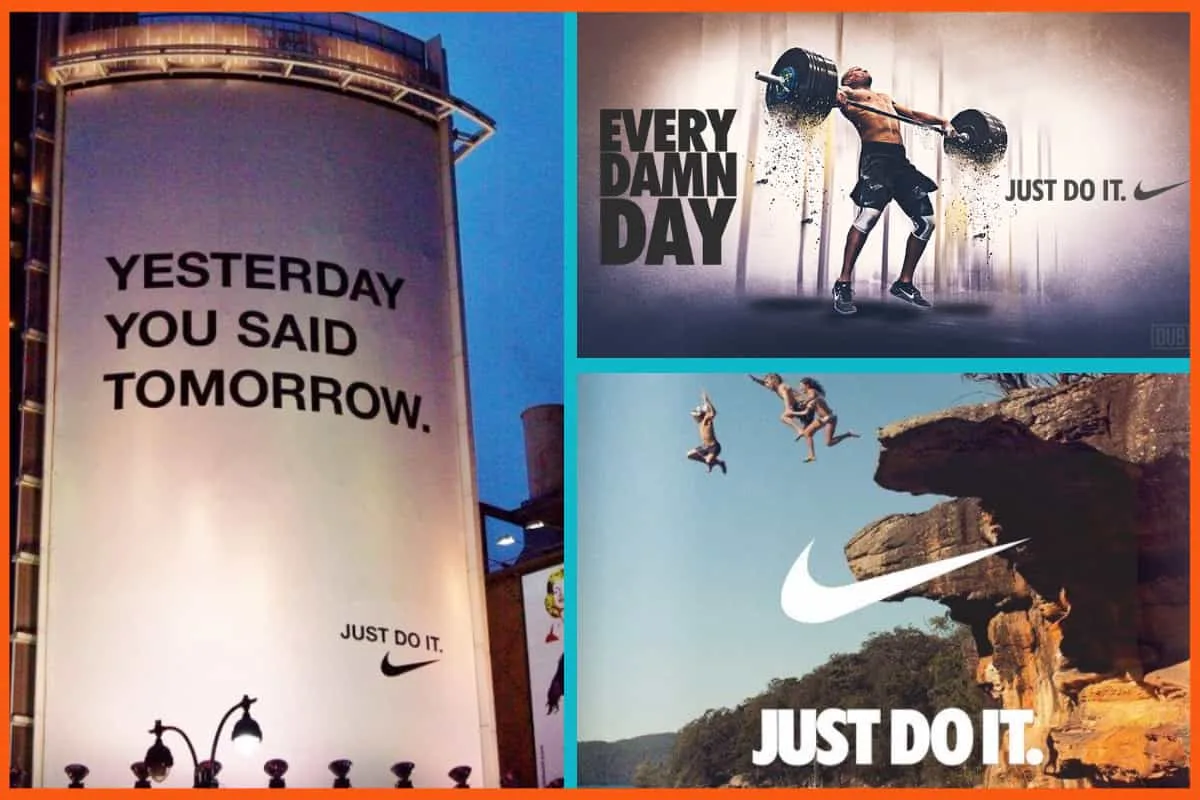
I screened candidates against three filters. First, did the campaign create a clear emotional or practical reason for the average person to pass it along? Second, did the brand own the moment rather than getting lucky with a random algorithm push? Third, is the core mechanic simple enough that a lean team could replicate it?
That last filter matters more than people admit. A stunt that requires a seven-figure budget and a Hollywood production crew is not a template — it is a flex. The best viral marketing examples leave you thinking, “we could actually pull that off.”
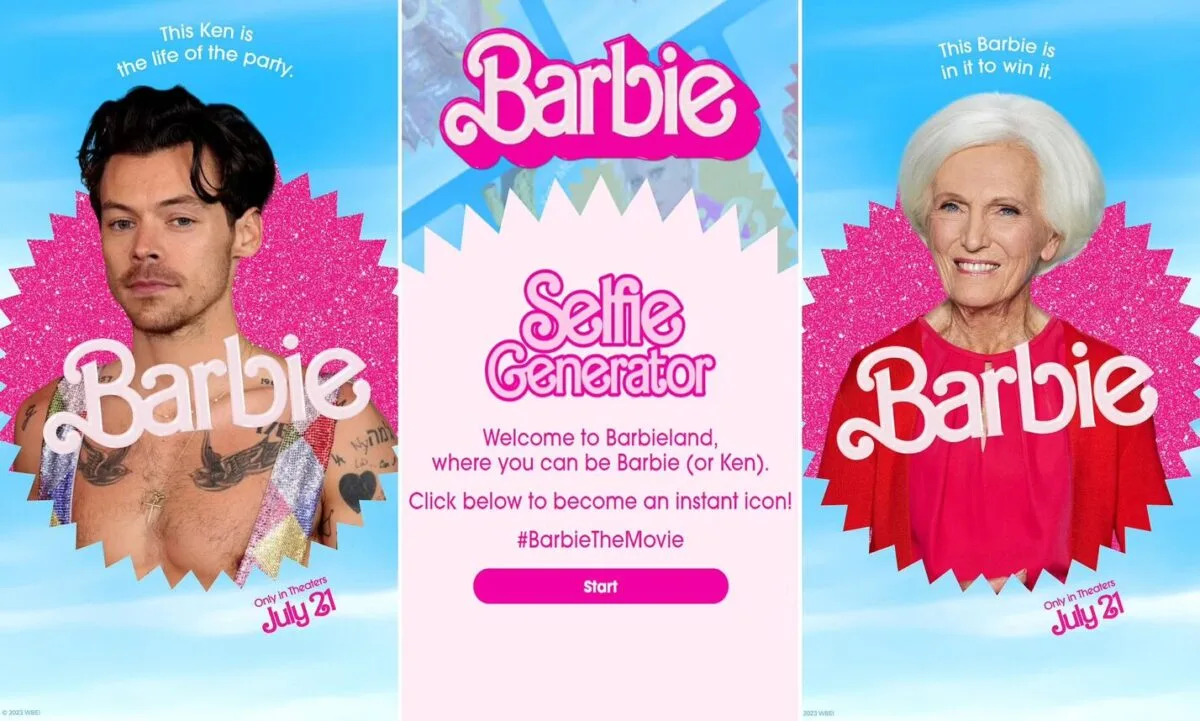
The Criteria We Used to Separate Winners from Flukes
Every entry here had to show evidence of organic sharing, not just paid amplification disguised as virality. We looked for campaigns where the audience did the distribution work, because that is the signal that the content hit a real nerve.
We also weighted longevity. A campaign that keeps getting referenced and remixed long after launch is a stronger teaching tool than one that peaked and vanished. The viral marketing examples that survive tend to have a flexible format — something others can remix, parody, or adapt.
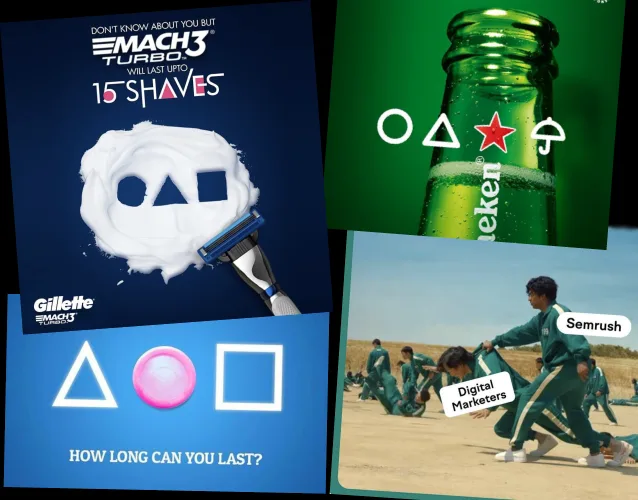
How to Read This List Without Copying Blindly
Copy the mechanic, not the surface. If a brand won with a self-deprecating video, the lesson is not “make a funny video” — it is “be willing to puncture your own brand ego in a way your audience finds refreshing.” That distinction is where most teams go wrong.
As you go through these viral marketing examples, keep a running note of which trigger applies to your audience. By the end, you will have a shortlist of mechanics worth testing, ranked by how well they fit your product and your people.

Emotion-Driven Viral Marketing Examples That Made People Feel Something
Emotion is the oldest engine of sharing. When something makes us laugh, tear up, or feel seen, the urge to pass it on is almost reflexive. The viral marketing examples in this group all lean hard into feeling — and they earned their reach honestly.
What separates the great ones from the forgettable is specificity. Vague sentiment slides off people. A precise, recognizable human moment sticks. Watch how each of these campaigns zeroes in on a feeling so specific that viewers recognize themselves in it.
- Always’ “Like a Girl” — reframing an insult into a rallying cry. The brand took a phrase used to demean and flipped it into a statement of strength, turning a tampon ad into a cultural conversation. The mechanic: identify a phrase or assumption your audience has absorbed, then reframe it so they feel proud instead of small. Application tip: find the throwaway language your customers use about themselves and give it a new, empowering meaning.
- Dollar Shave Club’s launch video — humor that punches at the category, not the customer. A founder, a warehouse, and a machete did more than a polished ad ever could, because the joke was aimed at overpriced razors, not at the viewer. The mechanic: make the villain a shared enemy (a bloated industry, a silly convention) so laughing together becomes bonding. Application tip: keep the joke on the problem, never on your buyer.
- Google’s “Year in Search” films — nostalgia engineered for a global audience. By stitching real search queries into a montage of human experience, the brand made millions feel part of one story. The mechanic: reflect the audience’s own behavior back at them with emotional framing. Application tip: mine your own data — reviews, support tickets, search terms — for the raw material of a story your customers already live.
Notice the through-line: none of these viral marketing examples rely on a product demo. They sell a feeling first and let the product ride along. That order matters, and it is one of the most reliable viral marketing examples best practices you can adopt.
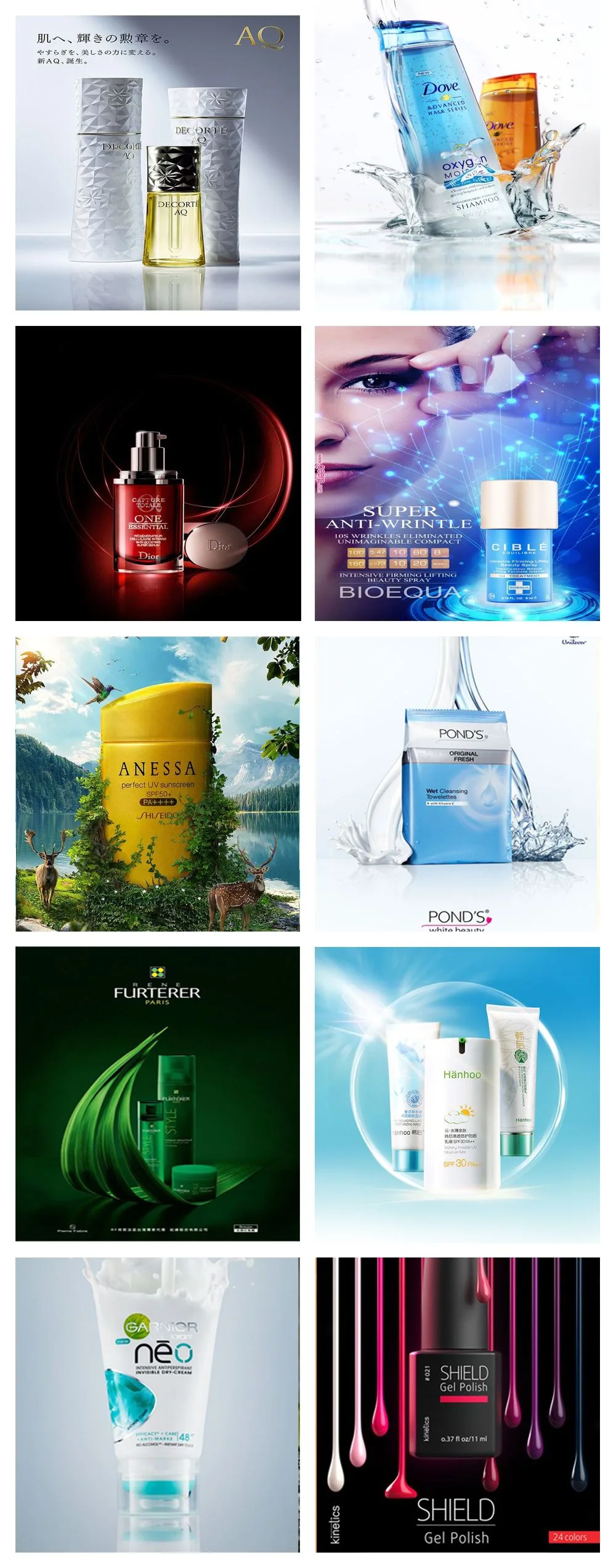
Identity and Belonging: Viral Marketing Examples Built on Tribe
People share what makes them look good to their own crowd. That is not vanity — it is social signaling, and it is one of the most powerful forces in marketing. The viral marketing examples in this section work because passing them along says something flattering about the sharer.
When you build for identity, you are not asking people to promote your brand. You are giving them a tool to express who they are. That shift in framing changes everything about how the content gets designed.
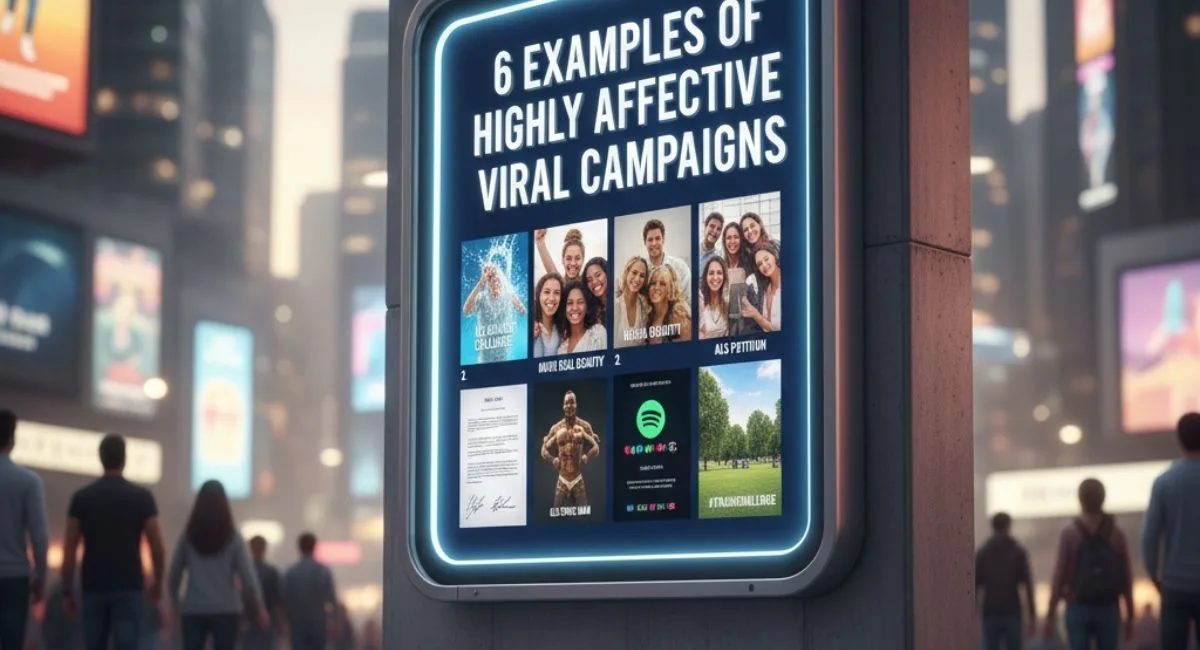
- Spotify Wrapped — turning personal data into a shareable badge. Every year, users flood feeds with their listening stats because the recap says “this is who you are.” The mechanic: personalize the output so heavily that sharing it becomes a form of self-expression. Application tip: any product with user data can build a personalized, visually striking summary that people want to post.
- Nike’s “You Can’t Stop Us” — belonging through shared struggle. The split-screen film matched athletes across sports and circumstances, making viewers feel part of something bigger than a shoe. The mechanic: show the audience the community they want to belong to. Application tip: feature real customers in parallel with each other, not with celebrities, so viewers see themselves in the frame.
- Duolingo’s unhinged owl — a mascot with a personality people adopt. The brand’s social team turned a mild green owl into a chaotic, meme-ready character that fans remix on their own. The mechanic: give your brand a persona with enough edge to be quoted and parodied. Application tip: let your mascot have opinions, flaws, and running jokes — perfect characters do not get shared.
These viral marketing examples prove that identity beats information. If sharing your content makes someone feel smarter, funnier, or more on-trend, you have done half the distribution work for them.
Why Tribe-Based Campaigns Outperform Generic Brand Posts
A generic brand post asks for attention. A tribe-based campaign gives people a reason to signal their identity to their peers. The psychology is simple: we curate our public selves, and we gravitate toward content that makes that curation easier.

This is why the strongest viral marketing examples in this category feel less like ads and more like cultural artifacts. They get screenshotted, quoted, and remixed because they became part of how a group talks about itself.
Utility and Challenge: Viral Marketing Examples That Gave People a Reason to Act
Not every share is emotional. Some of the most durable viral marketing examples spread because they are genuinely useful or because they dare the viewer to try something. Utility and challenge both create a “you have to see this” impulse that is hard to fake.

The magic here is low friction. If participating takes ten seconds and makes the sharer look clever or brave, you have a winner. Let’s look at how a few brands nailed it.
- Ice Bucket Challenge — participation as the message. The ALS Association turned a simple dare into a global phenomenon, raising awareness and funds at a scale no ad budget could buy. The mechanic: make the call to action itself shareable — the act of participating is the content. Application tip: design a challenge so simple a phone camera can capture it and so public that skipping it feels conspicuous.
- Blendtec’s “Will It Blend?” — demonstrating value through spectacle. Blending an iPhone to prove a blender’s power turned a boring product into must-watch content. The mechanic: dramatize your product’s core benefit in an absurd, repeatable format. Application tip: find the one claim about your product people doubt, then prove it in the most theatrical way possible.
- Airbnb’s “Live There” — utility wrapped in aspiration. By positioning itself as a way to live like a local rather than tour like a tourist, the brand gave travelers a genuinely useful frame they wanted to share with friends planning trips. The mechanic: reframe your product as a smarter way to do something people already care about. Application tip: hand your customers language that makes them look like insiders when they recommend you.
What ties these viral marketing examples together is a clear, low-effort invitation. The audience always knows exactly what to do next, and doing it makes them feel good. That clarity is worth more than any clever copy.
Real-Time and Reactive Viral Marketing Examples That Rode the Wave
Some of the sharpest viral marketing examples come from brands that moved fast when culture handed them an opening. Reactive marketing is risky — you can misfire badly — but when it lands, it feels effortless and earns enormous goodwill.
The winners in this group share a trait: they were already set up to move. They had approval processes short enough and a social team trusted enough to publish within hours, not weeks. Speed is a system, not a stroke of luck.
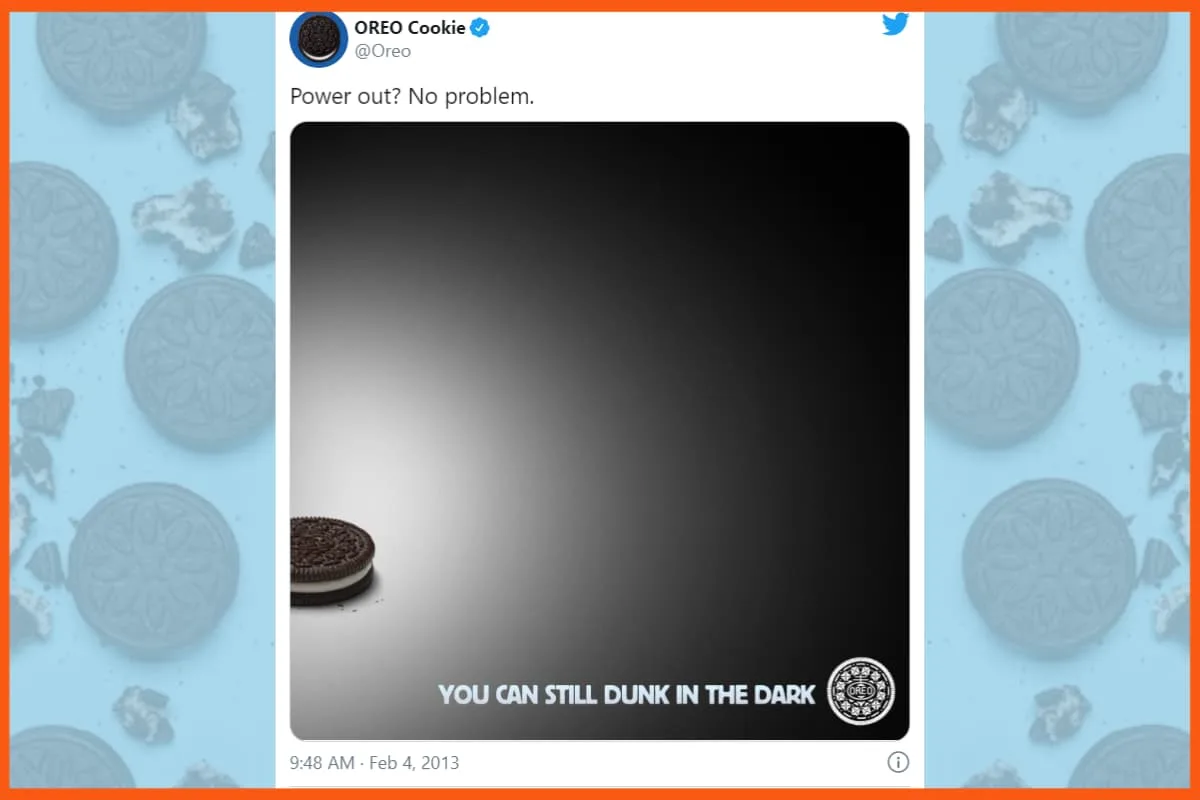
- Oreo’s “Dunk in the Dark” — the blackout tweet that became legend. When the lights went out at a major event, Oreo posted a perfectly timed image within minutes, proving that a pre-approved creative team can turn a moment into a headline. The mechanic: build a fast-response lane with pre-cleared templates and a decision-maker on call. Application tip: prepare a handful of evergreen visual templates your team can adapt in real time.
- Netflix’s tweet-game mastery — speaking the internet’s language. By replying to cultural moments with the tone of a witty friend rather than a corporation, Netflix turned its social presence into appointment viewing. The mechanic: adopt the voice of your audience, not your legal team. Application tip: give your social lead a clear tone guide and enough autonomy to be funny without a committee.
- Ryanair’s self-aware TikTok — owning the criticism. The airline leaned into complaints about its no-frills reputation, winning over younger audiences with honesty. The mechanic: defuse criticism by getting the joke first. Application tip: if your brand has a well-known weak spot, being in on the joke beats pretending it does not exist.
These viral marketing examples are a reminder that reactivity is a muscle. The brands that look spontaneous on the surface have usually rehearsed the fundamentals behind the scenes.
Setting Up a Real-Time Response System
You cannot plan a viral moment, but you can plan your readiness. A simple escalation path — who watches trends, who approves copy, who can publish — turns a slow bureaucracy into a fast responder. Without it, every opportunity dies in review.
The viral marketing examples in this category all had a decision-maker close to the publish button. That single structural choice is often the difference between a legendary tweet and a missed moment.
User-Generated Viral Marketing Examples That Let the Audience Do the Work
Some of the most cost-efficient viral marketing examples barely feature the brand at all. Instead, they hand the megaphone to customers and let their creativity do the heavy lifting. The brand sets the stage; the audience writes the show.
This approach scales in a way paid media never can, but it requires humility. You have to accept that you are not fully in control of the message — and design guardrails smart enough to keep it from going sideways.
- GoPro’s customer footage engine — product as content generator. By building a camera people wanted to film their adventures with, GoPro turned every user into a content creator whose clips fed the brand’s own channels. The mechanic: make your product the tool people use to create shareable moments. Application tip: run contests or featured-user campaigns that reward the best customer content with visibility.
- Starbucks’ White Cup Contest — a blank canvas for fans. Asking customers to doodle on their cups generated thousands of entries and endless social posts at almost no cost. The mechanic: give your audience a blank surface and a reason to fill it. Application tip: find the blank surface in your product or packaging and invite creativity on it.
- Lay’s “Do Us a Flavor” — co-creation that made fans evangelists. Letting customers invent and vote on new chip flavors turned product development into a participatory event people campaigned for. The mechanic: give fans real influence over a real decision. Application tip: let your community vote on something that genuinely matters, then actually ship the winner.
Notice how these viral marketing examples turn customers into co-authors. When people help build something, they have a personal stake in seeing it succeed — and a personal reason to tell everyone they know.
What These Viral Marketing Examples Teach Us About Timing and Format
Strip away the specifics and a pattern emerges. Almost every campaign in this list got two things right: it launched at the right moment, and it used a format that was easy to pass along. Miss either, and even a great idea can fizzle.
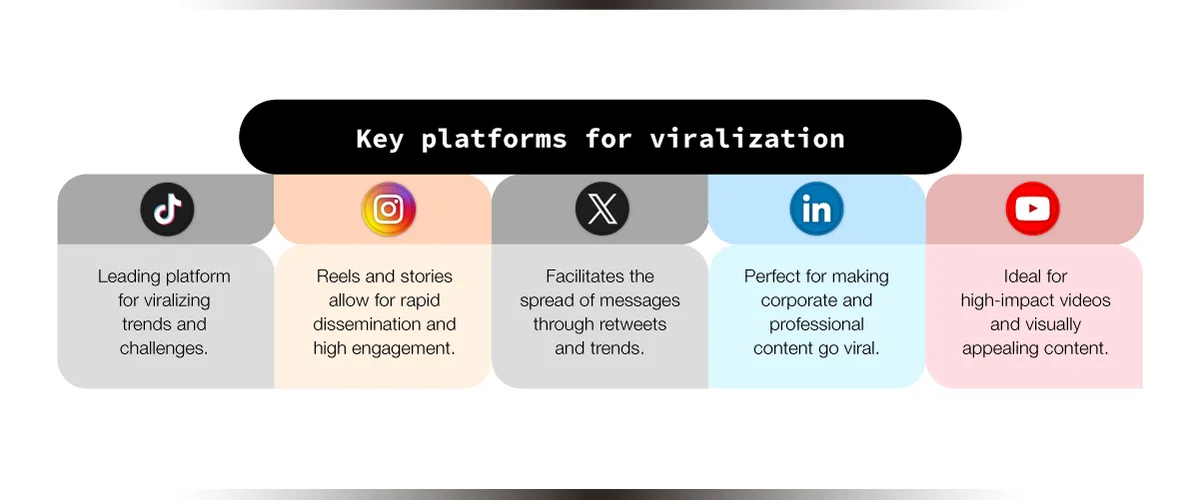
Timing is about cultural readiness. A challenge format works when people are restless and looking for connection; a nostalgia film lands when an audience needs comfort. Format is about friction — short video, a screenshot-friendly image, a one-line dare. The lower the effort to share, the further it travels.
If you take one thing from these viral marketing examples, let it be this: reduce the distance between “seeing” and “sharing” to almost nothing. Every extra step you add is a leak in the bucket.
Building a Shareable Format Before You Need One
The teams behind the best viral marketing examples did not invent their format on launch day. They had a repeatable structure ready — a series, a template, a character — so that when the moment came, execution was fast.
Start by defining one flexible format your brand can own. A recurring segment, a signature visual style, or a character with a voice. Then test it quietly until it feels natural, so that when a trend appears, you can plug your format straight into it.
A Practical Viral Marketing Examples Checklist Before You Launch
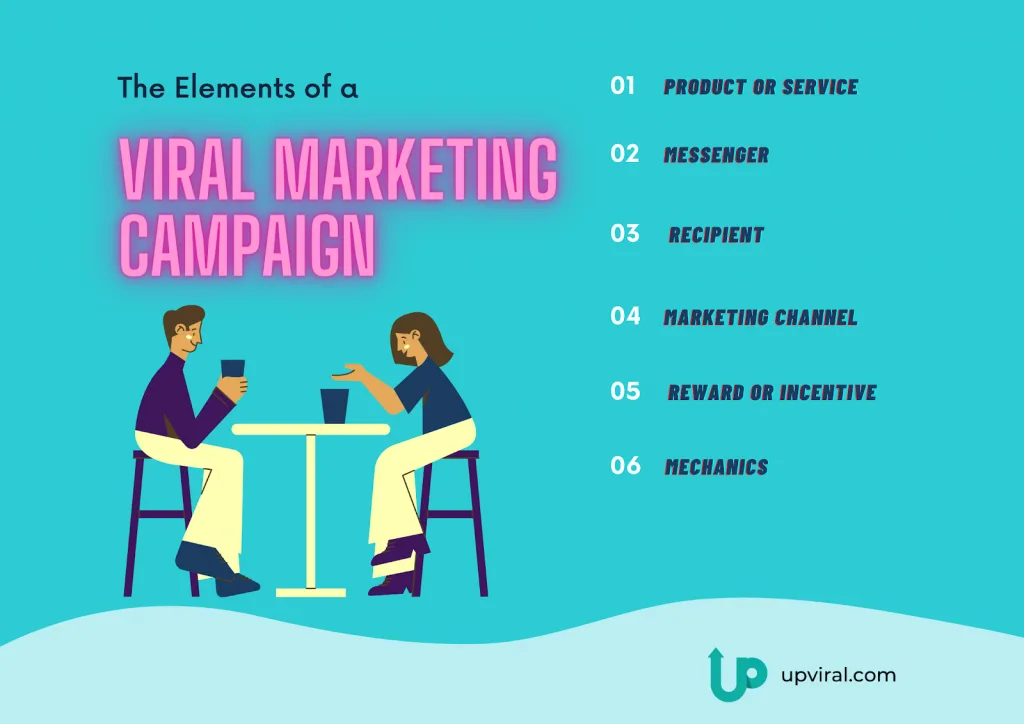
Good instincts are not enough. Before you commit budget or creative energy, run your idea through a structured test. This viral marketing examples checklist distills the lessons from every campaign above into questions you can answer in a single working session.
| Checklist Question | Why It Matters | Red Flag to Watch |
|---|---|---|
| Does it trigger a clear emotion or offer obvious utility? | Sharing needs a reason; vague content gets scrolled past. | “It’s kind of funny” is not a trigger. |
| Would sharing this make the audience look good? | Identity signaling drives a huge share of organic reach. | If sharing feels cringe, it will not spread. |
| Can someone participate in under a minute? | Low friction is the single biggest predictor of spread. | Multi-step sign-ups kill momentum. |
| Is the format remixable by others? | Remixability extends a campaign’s life well beyond launch. | One-off stunts rarely get repeated. |
| Do we have a fast approval lane? | Reactive opportunities vanish in slow review cycles. | Five approvers means you miss the moment. |
| Is there a measurable business outcome attached? | Vanity metrics hide campaigns that did not actually work. | Views with no sales or sign-ups is a warning. |
Treat this table as a gate, not a formality. If an idea fails three or more rows, it is not ready. The most disciplined teams use a checklist like this to kill weak concepts early, which frees up energy for the ones that can actually fly.
You will also want to revisit these viral marketing examples tips after launch. Post-mortems on your own campaigns — even the flops — teach you more than studying someone else’s success ever will.
Viral Marketing Examples Best Practices That Keep You Out of Trouble
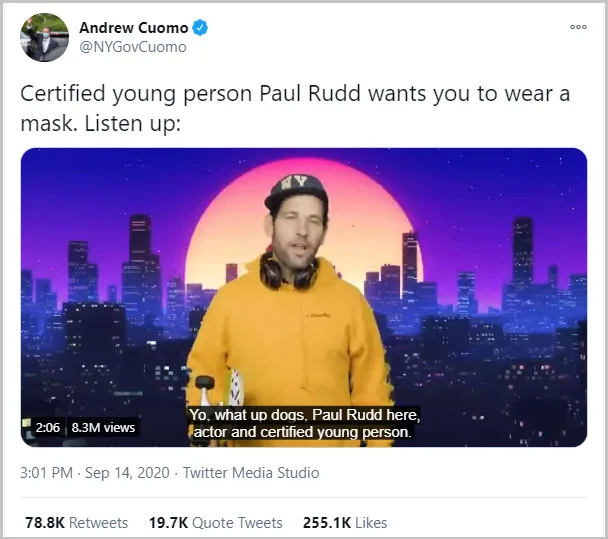
Chasing virality without guardrails is how brands end up in apology videos. The viral marketing examples that aged well all respected a few non-negotiables, and ignoring them is the fastest way to turn a win into a crisis.
First, never let the joke land on a vulnerable group. Second, have a crisis plan ready before you need it. Third, be honest — audiences can smell manufactured authenticity from a mile away, and they punish it publicly.
Another underrated practice: credit your community. When fans remix your content, amplify them instead of sending takedown notices. The viral marketing examples that built lasting goodwill treated their audience as collaborators, not as free labor to be managed.
Measuring Success Beyond the View Count
Views are a starting metric, not the finish line. Track downstream signals — branded search volume, direct traffic, sign-up conversion, and share-of-voice — to see whether the spike turned into something durable.
The clearest sign a campaign worked is a lift in branded search. When people start typing your name instead of a generic term, the viral marketing examples in this list have done their job. That is the metric that separates a real win from a pretty dashboard.
Turning These Viral Marketing Examples Into Your Own Playbook
You now have fifteen proven mechanics, grouped by the human trigger that powers each one. The mistake would be to pick your favorite and clone it. The smarter move is to match a mechanic to your audience’s existing behavior and your team’s real capabilities.
Start small. Choose one mechanic from these viral marketing examples, adapt it to your product, and run it through the checklist. Measure the result honestly, keep what works, and fold the lessons into your next attempt. Virality rewards iteration far more than it rewards perfection.
Keep this viral marketing examples guide handy as a reference the next time you are staring at a blank campaign brief. The patterns are repeatable — the creativity is yours to supply.
And if you want to go deeper, explore related topics like community-led growth, real-time social response, and user-generated content strategy, which all build on the mechanics covered here.
For verified reference and background research, consult the authoritative informational resource on this topic.