Growth Hacking: the Ultimate Beginner’s Guide
Growth hacking is the discipline of engineering fast, measurable business growth with limited resources, and this beginner’s guide walks you through it from first principles to your first real experiment. If you’ve ever watched a tiny startup outmaneuver a company a hundred times its size, you’ve already seen the results of it in action.
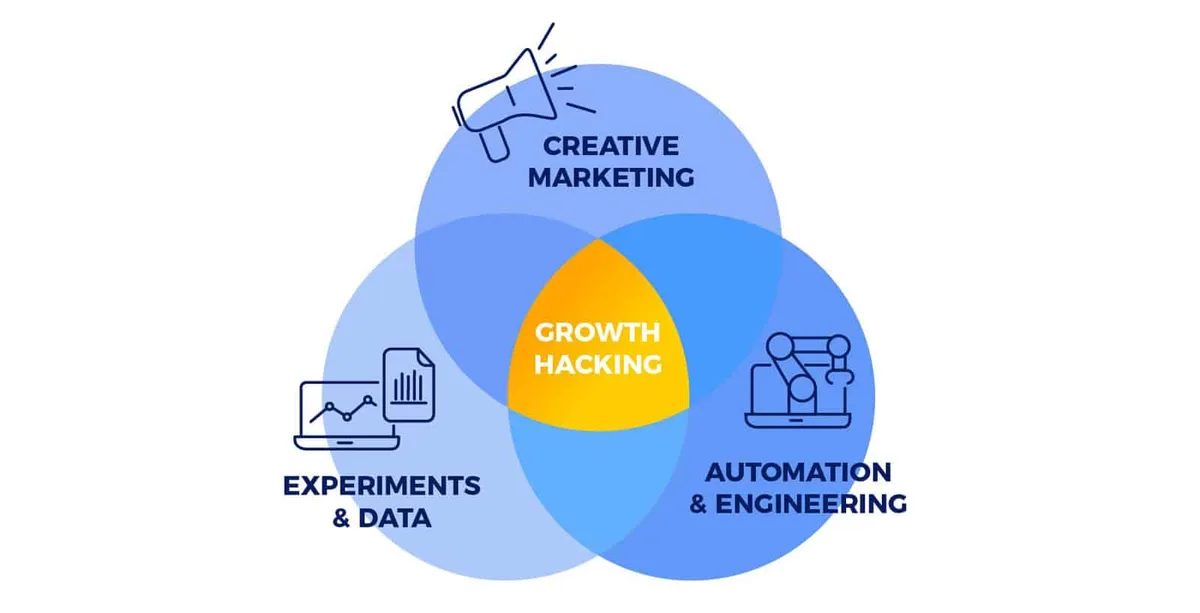
Here’s the thing most people get wrong: it isn’t a bag of shady tricks. It’s a structured way of thinking about product, data, and distribution as one connected system. You test, you measure, you learn, and you repeat. That loop, run with discipline, is what separates teams that grow from teams that stall.
Why Growth Hacking Exists in the First Place
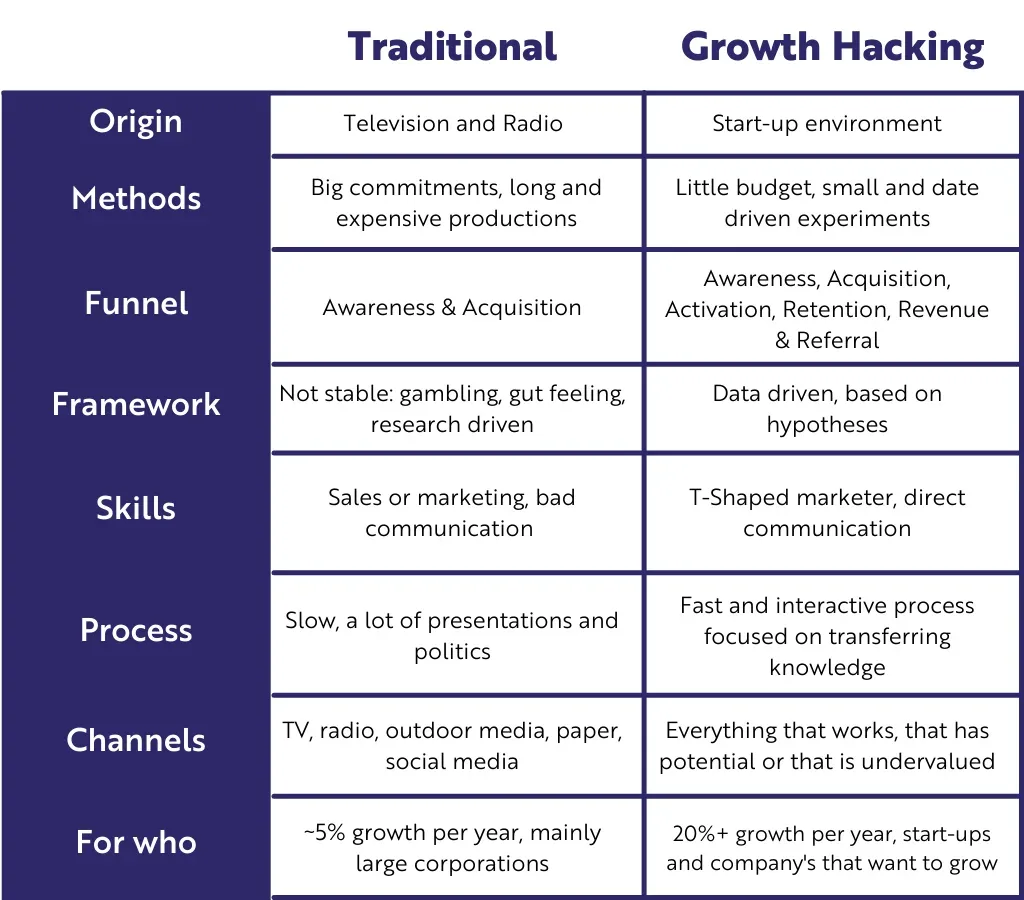
Traditional marketing was built for an era of big budgets and broad reach. Buy a billboard, run a TV spot, hope the numbers move. Growth hacking emerged because startups couldn’t afford any of that and still needed to find a repeatable path to customers.
The core insight is simple. Focusing on growth hacking provides clear direction here. When you can’t outspend the competition, you have to out-think and out-test them. That means leaning on product design, analytics, and creative distribution instead of paid reach alone.
It Isn’t Just Marketing With a Fancier Name
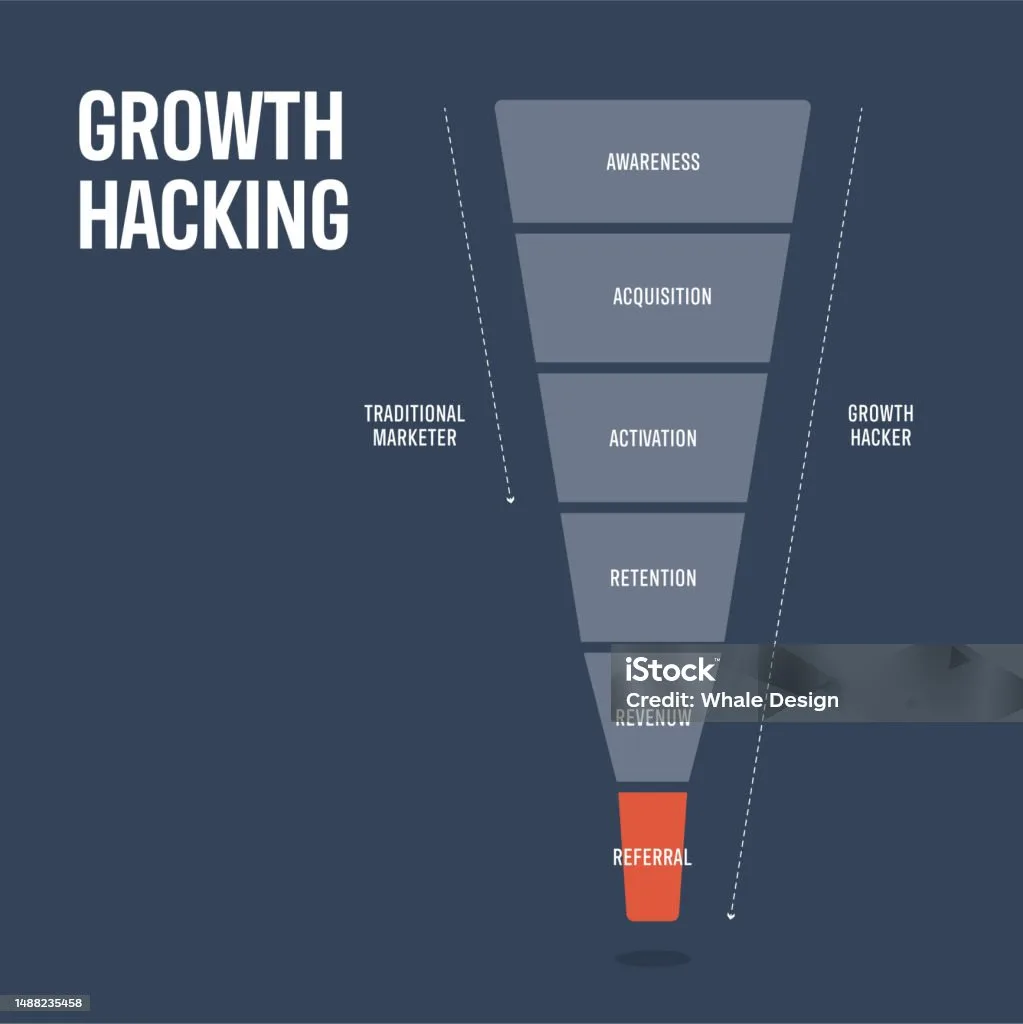
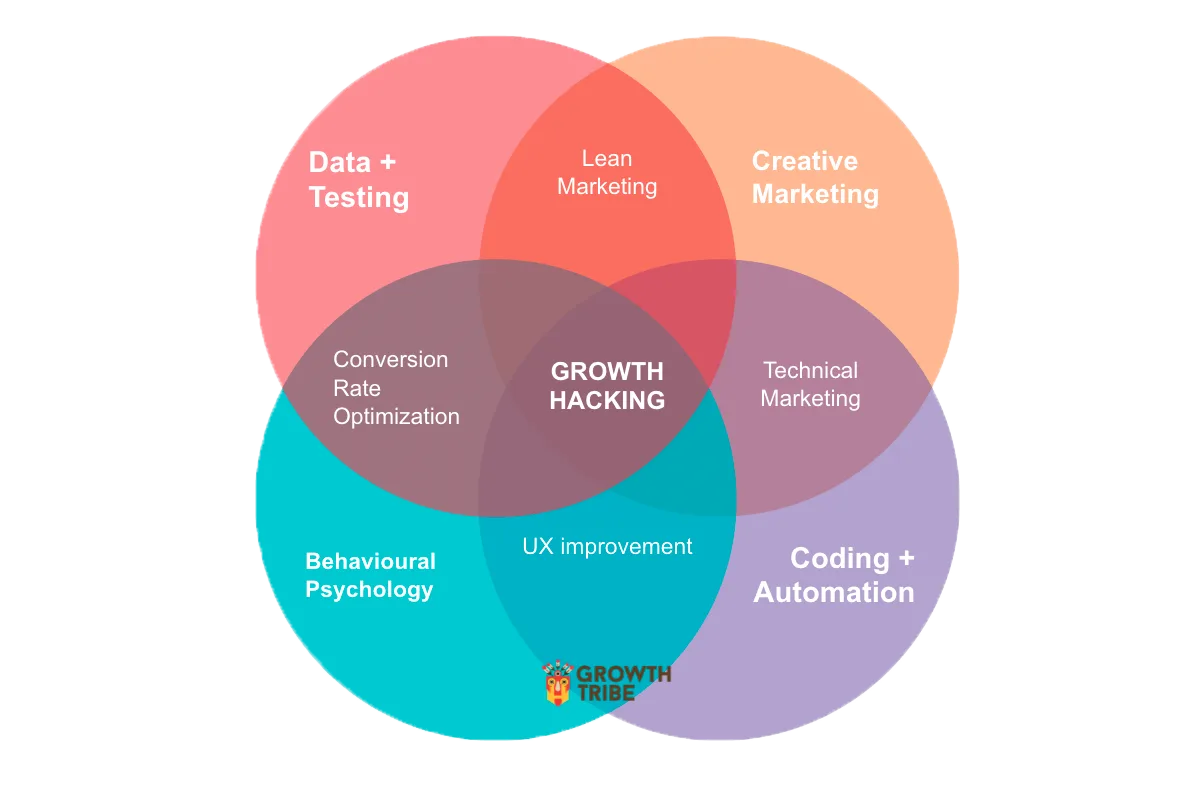
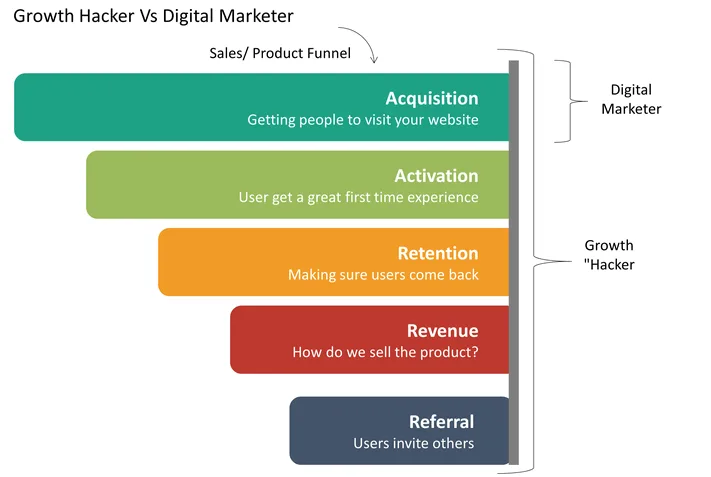
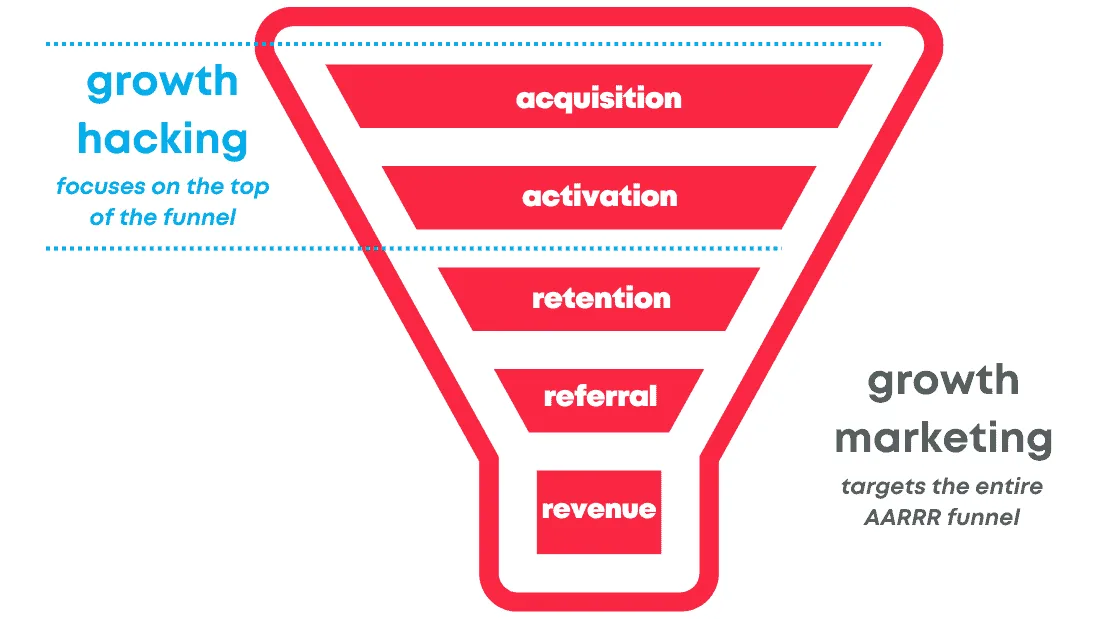
Marketing usually owns the funnel from awareness to purchase. It operates in a fairly separate lane from the product itself. Growth hacking refuses that separation. It treats the product, the onboarding flow, the referral mechanic, and the pricing page as marketing tools in their own right.
A good analogy is a bicycle: marketing without product involvement is like pedaling with one leg. You move, but you’re leaving half your power on the table.
The Origin Story You Should Actually Know
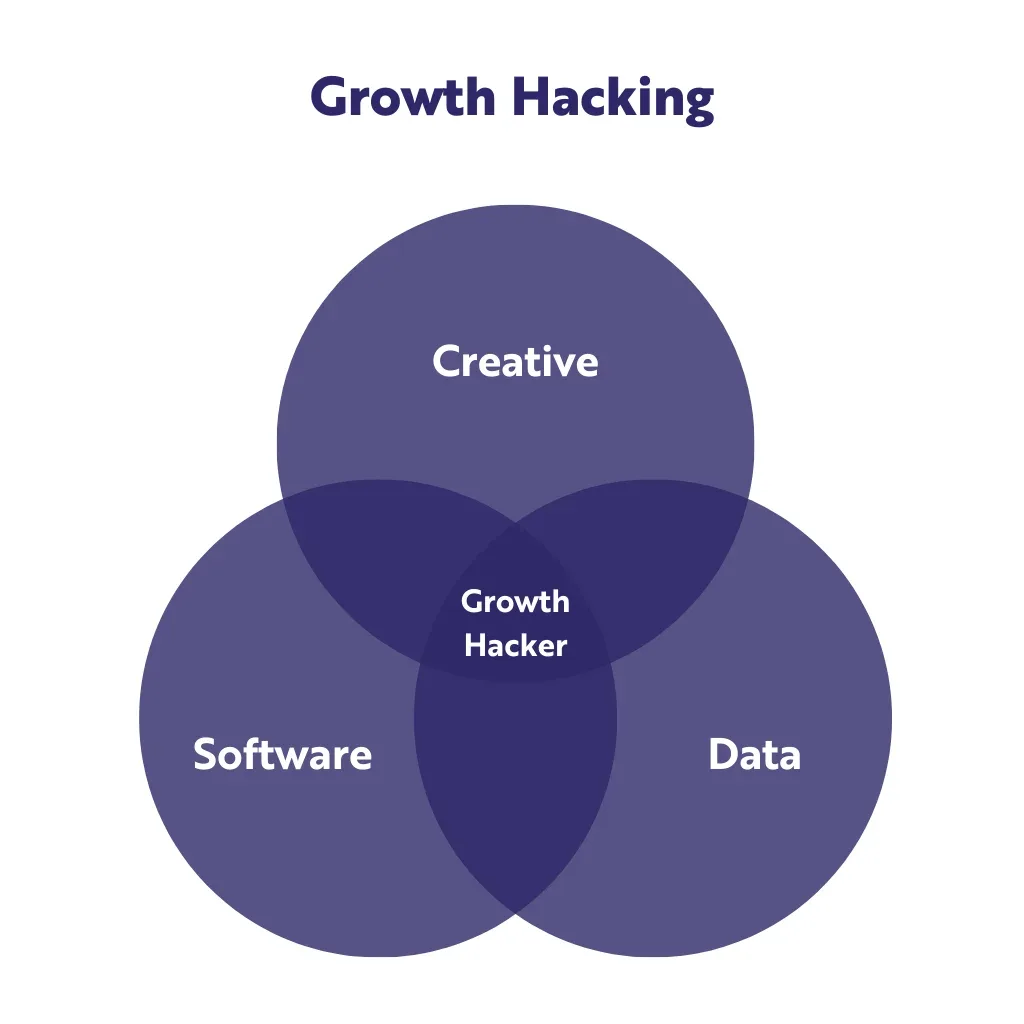
The term traces back to Sean Ellis, who used it around the time he was helping early-stage companies find repeatable growth. He was looking for a label for the hybrid of product, data, and marketing work his teams were doing. The label stuck because the practice predated the name.
What matters more than the history is the philosophy it captured. Small teams, tight feedback loops, and a preference for evidence over intuition. That philosophy spread because it worked.
The Core Framework: a Growth Hacking Guide for People Starting from Zero
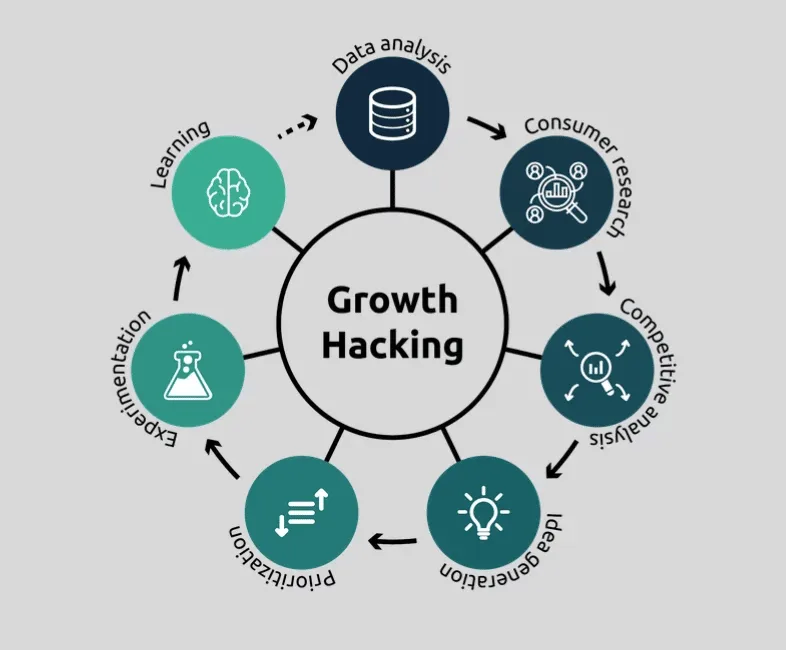
Every solid growth hacking guide comes back to one loop: identify the bottleneck, form a hypothesis, run the smallest possible test, measure honestly, then keep or kill. That’s it. Everything else is detail.
The hardest part isn’t running an experiment. Refining each detail of your growth hacking strengthens this section. It’s picking the right experiment. Most beginners chase ideas that feel exciting instead of ideas that sit at the actual constraint point. That’s where the loop breaks down.
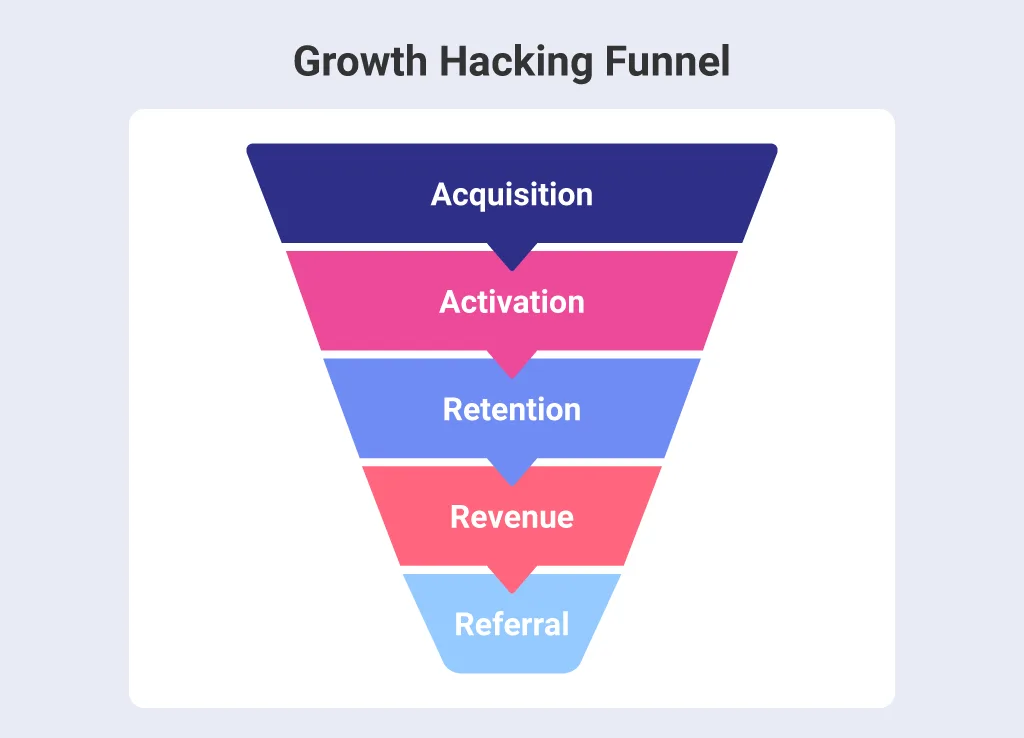
Step One: Find Your Single Biggest Bottleneck
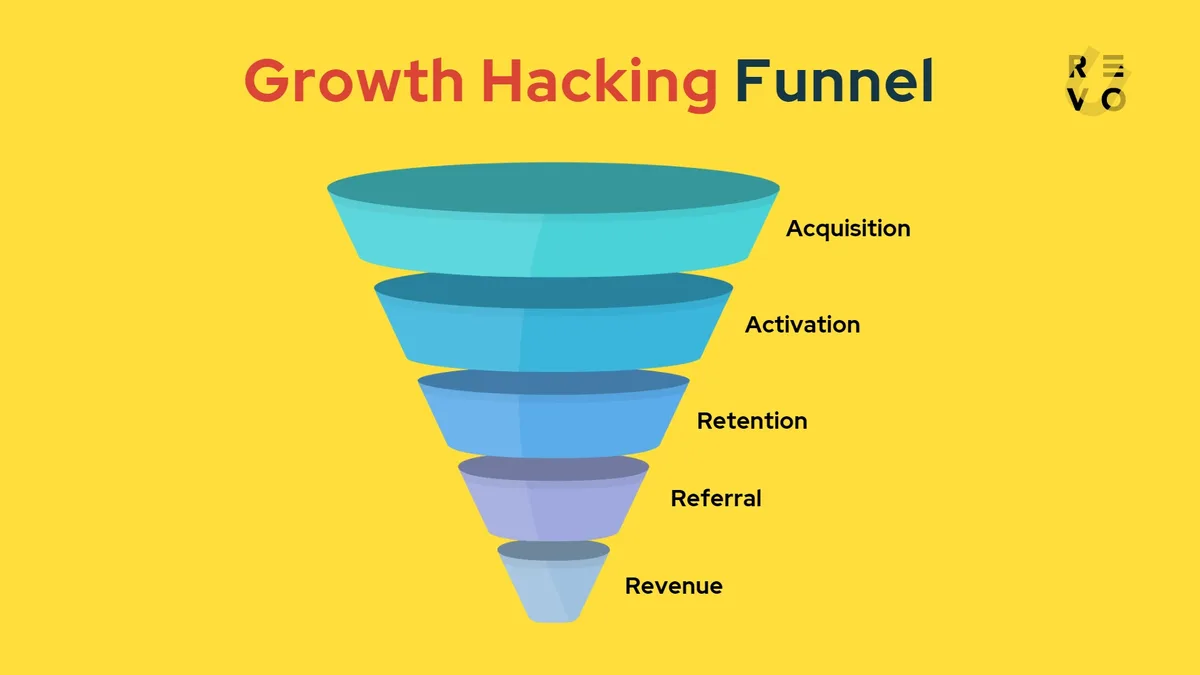
Draw your funnel from first touch to retention. Look at where the biggest drop-off happens and multiply that percentage by the value of the customers lost there. That number is your north star for the next few weeks.
For a SaaS product, for example, the bottleneck is often not acquisition but activation — the gap between sign-up and the first moment of real value. For a local service business, it’s usually lead quality, not lead volume.
Step Two: Write the Hypothesis Down Before You Test
Never start an experiment without writing a sentence like: “I believe that simplifying the checkout to two steps will increase completed orders by at least 10% because we saw 40% of users abandon at the third form field.” That sentence has a change, a predicted outcome, and a reason.
The reason part is what keeps the growth hacking honest. Without it, you’re just wandering. With it, every test teaches you something even when it fails.
Step Three: Run the Smallest Test Possible
Smaller is better. You don’t need six months and a full engineering sprint to test a bold idea. You need a version of the test that’s cheap, fast, and clear enough to tell you whether to invest more.
A landing page with a button the growth hacking leads nowhere can still tell you whether people are interested. A manual concierge version of a feature can tell you if it solves a real pain before you spend a dollar building it.
Step Four: Measure the Right Thing, Not the Easy Thing
Vanity metrics are everywhere. Page views, followers, and downloads all feel good and often mean nothing. The metrics that matter are the ones tied to the behavior that creates value: activation, retention, and revenue per user.
Pick one primary metric per experiment and one guardrail metric to make sure you’re not breaking something else while improving the first.
Getting the Marketing Foundations Right Before You Run
Before you fire a single growth hacking tips idea into production, make sure your product’s basic story is coherent. The fastest way to waste effort is to run experiments on a product people don’t understand or a promise they don’t believe.
Two pieces of groundwork make everything else easier: a clear value proposition in one sentence and a working analytics library that tracks what actually matters. Get those solid, and what follows compounds.
Your Value Proposition Must be Obvious
Visitors should know what you do, who it’s for, and why it’s better within seconds of landing on your site. If they can’t, no growth trick will save you. Test this by showing your homepage to five people who don’t work in your space and asking them to describe it back to you.
If they hesitate, rewrite it. Clarity always beats cleverness.
Analytics That Answer the Real Questions
Set up event tracking so that when you ask “did the new onboarding flow work?” you can answer with numbers, not guesses. Track the handful of events that map to activation and retention in your business. Everything else is noise until those are solid.
Growth Hacking Tips That Actually Move the Needle
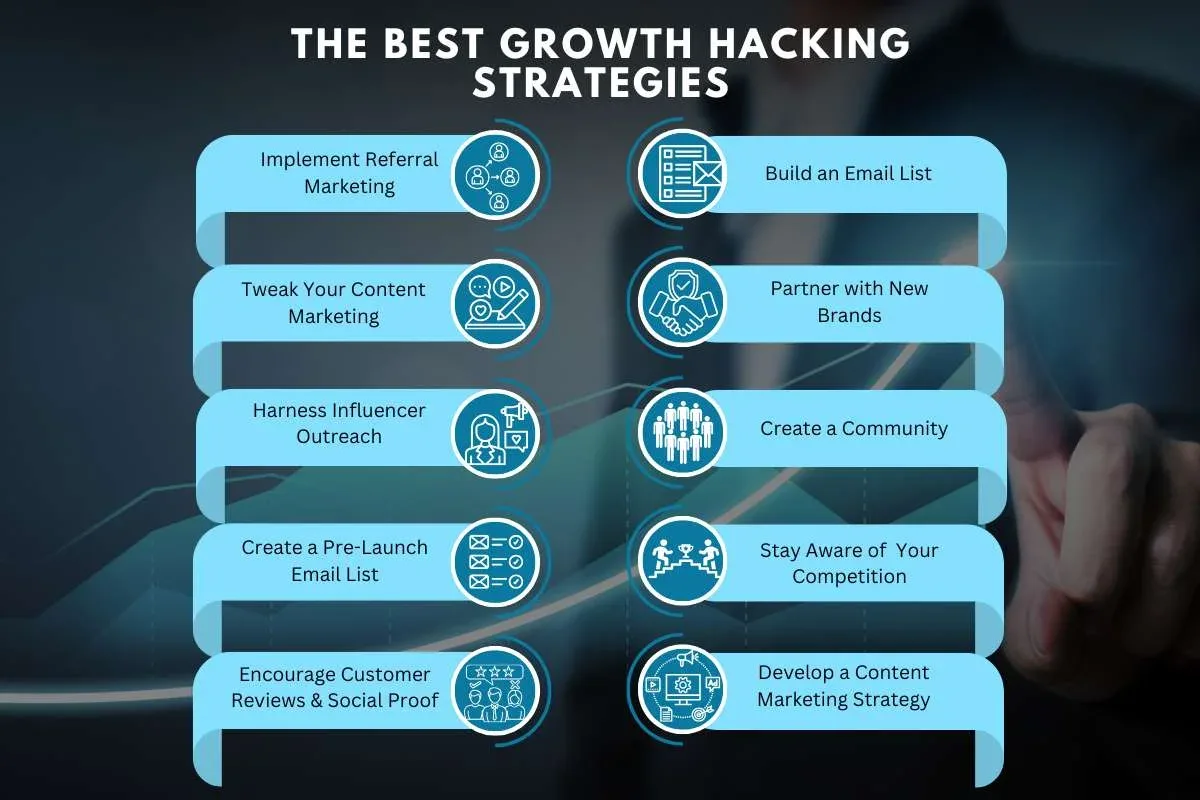
Plenty of growth hacking tips floating around are recycled marketing advice. The ones worth acting on share a pattern: they’re fast to test, tied to real behavior, and built on existing assets.
Here are the ones that pay off most consistently for teams starting from scratch, grouped by what they’re trying to fix.
1. Pre-Sell Before You Build
If the growth hacking’re launching something new, run a pre-sale or waitlist page before the product exists. It costs almost nothing and gives you demand data you’d otherwise guess at.
Dropbox’s famous explainer video did exactly this before the product was ready. It turned a video into a survey — the sign-ups told them whether the demand was real.
2. Use Your Existing Product as a Distribution Channel
Every onboarding flow, receipt, invoice, and in-app message is a chance to spread. Tools like PayPal’s early referral incentive, which paid both sides, turned users into recruiters without a marketing dollar spent.
Look for places your existing users already talk about you and make it easier for them to do it.
3. Borrow Other People’s Audiences
Guest posts, podcast appearances, community partnerships, and integrations with complementary tools all put you in front of an audience someone else already built. These moves are cheap and can be shockingly effective when you pick partners whose audience overlaps your ideal customer.
4. Make Referrals Intrinsic to the Product
Some products are naturally shared because the act of using them requires it. Calendly links end up in email signatures. Notion pages get shared. Slack invites flew out by necessity. If your product can be designed to require sharing, do it.
5. Compress Time to Value
The faster a user hits their first win, the more likely they stay. Measure the exact moment your product first delivers value, then ruthlessly strip away steps between sign-up and that moment.
A Practical Growth Hacking Checklist for Your First Thirty Days
A written growth hacking checklist forces you to turn intention into sequence. Without one, teams spin on interesting ideas and forget the boring work that makes experimentation possible.
Treat the growth hacking as a starting sequence. Adjust the specific tasks to your business, but keep the order.
- Map your funnel end to end. Write down every step from first discovery to loyal use, then measure the conversion rate at each step so you know where the actual leakage is.
- Define activation. Pick the exact user action that predicts retention in your product, and start tracking how many users reach it.
- Set up a lightweight experiment tracker. A simple spreadsheet with columns for hypothesis, metric, result, and decision is enough to start.
- Run one test per week. Keep a steady cadence. Small, frequent tests beat one big bet almost every time.
- Review the numbers every Friday. Decide what to keep, what to kill, and what to double down on. Write the decision down.
- Talk to five users per week. The fastest way to catch a fading conversion metric is to hear why people leave.
- Ship one improvement to your onboarding flow weekly. Even small friction reductions add up over a quarter.
- Build a simple referral loop. Start with an incentive on both sides and see if it moves.
- Audit your pricing page once. Test one change: a clearer comparison table, a simpler plan structure, or a more obvious outcome.
- Find five partnership opportunities. Reach out to one per week and see which conversations turn into reciprocal traffic.
Growth Hacking Best Practices That Keep You from Burning Trust
The biggest long-term risk in aggressive experimentation is the growth hacking it can damage trust. You’ve probably heard horror stories: dark-pattern unsubscribe flows, fake scarcity countdowns, hidden fees at checkout. These moves might lift a metric today and cost you a customer tomorrow.
Solid growth hacking best practices are less about tricks and more about discipline. Stay honest, respect the user, and treat retention as the true measure of success.
Test on Real Users, Not on Their Trust
Testing a new onboarding flow or a pricing page variant is fine. Hiding a cancel button, faking social proof, or making the user jump through hoops to leave is not. The line is simple: would you be comfortable if the user saw exactly what you were doing?

Protect the Experience as Much as the Metric
Every experiment should have a guardrail metric. If you’re testing an aggressive upsell on the checkout page, track complaints and refunds alongside conversion. If those move up by as much as the conversion rate does, you haven’t found growth — you’ve found short-term noise.
Document Everything
A test log is not bureaucracy. A thoughtful approach to growth hacking reinforces your qualifications. It’s how your team gets smarter instead of repeating the same failed experiments. Write down what you tested, why, what happened, and what you concluded. Your future self will thank you.
Common Mistakes Beginners Make With Growth Hacking
New people entering the craft tend to make the same handful of errors. Spotting them early saves months of wandering.
Chasing Tactics Before Diagnosing Problems
Copying a tactic you read about (a referral program, a viral loop, a paid ad campaign) before you’ve identified your actual bottleneck is the single most common mistake. A referral program doesn’t fix low conversion. An ad campaign doesn’t fix a leaky onboarding flow.
Diagnose first. Experiment second.
Optimizing for Metrics That Look Good
Followers, likes, impressions, downloads — none of these are the point. The point is a user who stays and pays. If your experiments only move vanity metrics, you may be accidentally optimizing for the wrong thing.
Running Too Many Tests at Once
Testing five things simultaneously feels efficient. In practice, when refining a growth hacking, it makes it almost impossible to know what caused the result. Run one primary test at a time, or split test on independent pages and flows that don’t interact.
Stopping the Loop Too Early
A failed experiment isn’t a wasted experiment. It’s a data point. The loop only works if you keep pushing after a “no” — either by adjusting the hypothesis or by moving to the next constraint.
How to Build a Lightweight Growth Hacking Toolkit
The growth hacking don’t need an expensive stack to get started. A simple, reliable set of tools covers most of what a beginner needs and costs far less than the flashy alternatives.
| Tool Category | What You Need It For | Beginner-Friendly Option |
|---|---|---|
| Analytics | Track events, funnels, and retention | A mature self-serve analytics product |
| Experiment Tracking | Log hypotheses, results, and decisions | A structured spreadsheet |
| Landing Pages | Validate demand before building | A no-code page builder |
| User Research | Hear from real users quickly | Scheduled calls and a short survey form |
| Email Automations | Nurture and re-engage users | A simple email marketing platform |
The exact tools matter far less than the discipline of using them every week. Pick a small set and run the loop with consistency.
Start With the Free Tier of Everything
The growth hacking can validate a lot on free plans. Run three experiments on free tools to learn whether a growth direction is worth investing more in. Upgrade later, once you know the test is worth a real budget.
Case Study: How a Small Team Applied Growth Hacking to a Dormant Product
Picture a small B2B SaaS team with a product that’s loved by its users but stuck at a low conversion rate from free trial to paid. They aren’t a household name, and their paid acquisition is thin on returns.
Here’s how they’d apply the framework step by step.
Diagnosing the Bottleneck
They map their funnel: sign-up to first successful task completion to weekly use to conversion. The biggest drop is between sign-up and first successful task. Roughly 65% of users sign up and never reach the moment where the product starts saving them time.
So that’s the bottleneck. Not acquisition.
Forming and Testing the Hypothesis
Their hypothesis: users who see a pre-filled example of their own data during onboarding will reach first value faster because the empty product state is intimidating.
The growth hacking test a “start with a demo project” onboarding path against the current empty state. Over two weeks, they see the demo path lift first-value completion by 22%.
Doubling Down
Because the test worked, they invest in making the demo path the default for new sign-ups and add a guided tour. Six weeks later, trial-to-paid conversion is up by 14%. No ad spend increase, no new copy, no magic — just a better start to the relationship.
Measuring the Right Metrics in Growth Hacking
Numbers without meaning are just decoration. Every metric you track should answer a real question about how your growth engine works.
Activation, Retention, and Revenue per User
Activation tells the growth hacking whether people reach the moment of value. Retention tells you whether the value lasts. Revenue per user tells you whether the economics work. Together, these three tell you almost everything you need to know about product-market fit and monetization.
The Weekly Scorecard
Keep a single scorecard with the growth hacking metrics updated every week. When a metric moves, you know where to look. When it doesn’t, you know you have a new problem to solve.
Frequently Asked Questions About Growth Hacking
These are the questions beginners ask most often once they start applying the concepts in practice. The answers here keep it simple.
Is Growth Hacking Only for Startups?
No. Startups tend to adopt it first because they have less budget and more urgency, but the principles apply to any team dealing with a bottleneck. A mature business can use it just as effectively — sometimes more so, because they have more data and more existing assets to tap into.
Do I Need to be Technical to Do This?
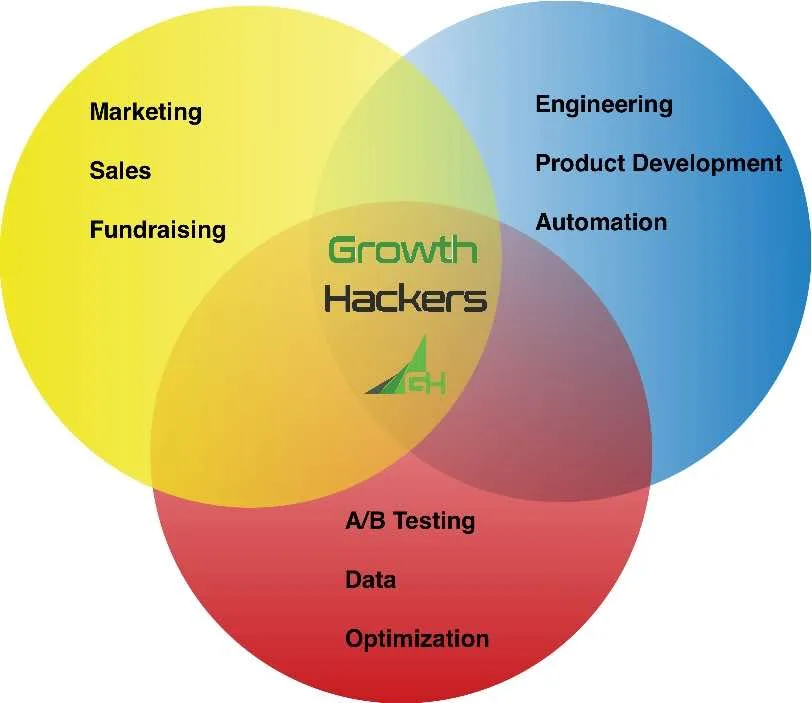
Technical skills help, but they’re not required to get started. Understanding what data to collect, how to interpret a test, and how to form a clean hypothesis matters far more than being able to code. Many effective growth practitioners are marketers or product people who partner with an engineering team.
How Do I Know When an Experiment “Worked”?
An experiment works when the primary metric moved in the direction the growth hacking predicted, by enough to matter, without a meaningful hit to the guardrail metric. It’s less about statistical purity and more about directional evidence. If the result is large and clear, act on it. If it’s small and noisy, rerun or drop it.
What’s the Difference Between Growth Hacking and Growth Marketing?
Growth marketing is a broader umbrella that includes paid acquisition, content, lifecycle marketing, and brand work. Growth hacking is the experimental, resource-constrained, product-integrated subset of that work — the part that asks “what can we test this week to unlock growth?”
Where Growth Hacking Fits Into Your Growth Strategy Going Forward
As you get more comfortable with the loop, you can start treating it as the core operating system of your growth work. Product changes, pricing shifts, referral mechanics, and channel experiments all flow through the same discipline.
The next natural topics to explore are lifecycle automation, conversion rate optimization on your checkout flow, and building a proper experimentation culture across the team. Each of these builds directly on the fundamentals covered here.
Treat growth hacking as a practiced muscle. Start small, run your first experiment this week, and let the evidence guide you from there. The teams that win long term are the ones that keep testing, keep learning, and keep shipping.
For verified reference and background research, consult the authoritative informational resource on this topic.