Unlinked Brand Mentions: Proven Playbook (7 Steps)
Unlinked brand mentions are the quietest kind of SEO opportunity — someone says your name, links nothing, and Google takes notes. Here is a proven playbook that turns those naked mentions into real authority. It sounds almost too simple, right?
It is not. Getting from “mentioned” to “linked” takes a system, and that system is exactly what this guide walks you through, step by step.
Most site owners never touch this. They obsess over new backlinks while ignoring the fact that their brand is already being talked about across the web without a single clickable pointer back to them. That is a missed opportunity sitting in plain sight. This unlinked brand mentions guide breaks down the whole process into seven actionable steps you can run this week.
Before the unlinked brand mentions dive in, let me frame the bigger picture. This article fits inside a larger topic cluster about brand-driven SEO — the parent topic being “brand signals as a ranking lever,” with sub-topics like link reclamation, digital PR outreach, and entity building feeding into it.
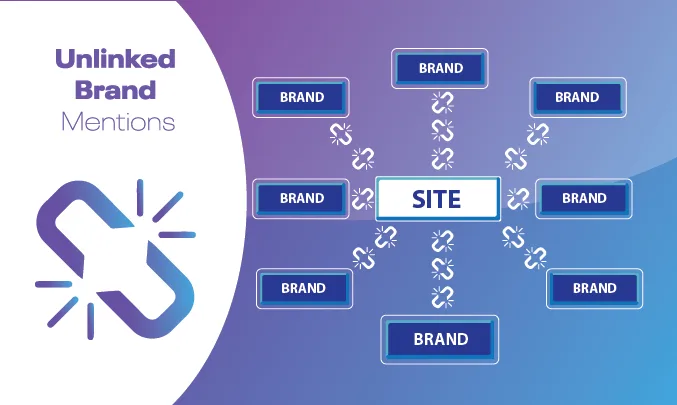
If you care about off-page authority at all, unlinked brand mentions sit near the center of that map. Think of this as your unlinked brand mentions checklist, and the seven steps below as the unlinked brand mentions best practices that actually move the needle.
What are Unlinked Brand Mentions, Really?
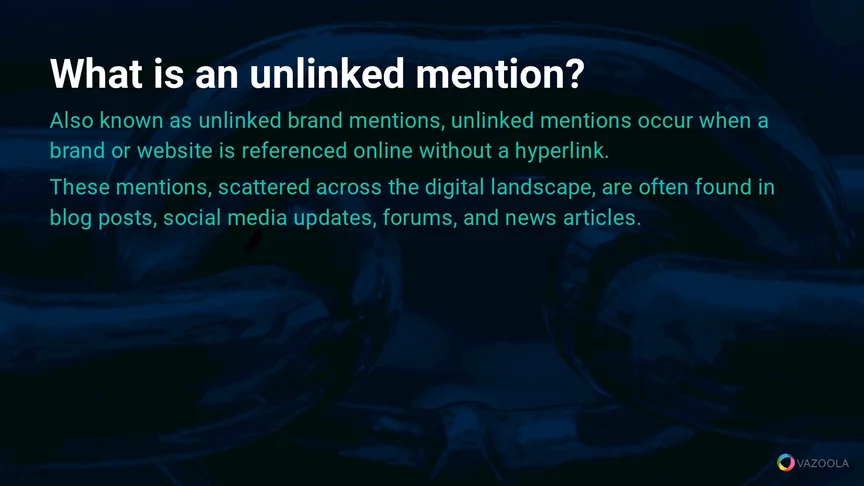
Let’s start with the basics, because people confuse the term constantly. An unlinked brand mention is any time your brand name appears on another website without a hyperlink. A blogger writes “I’ve been using Ahrefs for months” and never links to Ahrefs — that is a textbook example. A news outlet says “according to figures from Statista” with no link — same thing.
The value here is subtle but real. Refining each detail of your unlinked brand mentions strengthens this section. Google treats brand mentions as a signal of credibility and notability, even when they carry no link juice.
A site that gets named in industry roundups, reviews, and news stories reads as more established than one that does not. You are collecting evidence that you exist and matter, and search engines notice patterns like that.
Here is the part that surprises people: unlinked brand mentions are often easier to convert than cold outreach. The person already wrote about you. You are not asking for a favor from a stranger — you are pointing out a small omission. That makes the ask warmer and the conversion rate higher.
Also worth clarifying, since confusion runs deep here: a mention without a link is not worthless junk traffic. It still builds an association between your brand and a topic in Google’s knowledge graph, and it still exposes you to a new audience. The link just makes it measurable and passes direct authority.
Why Unlinked Brand Mentions Matter for Search Visibility
Let me get practical about the upside, because “the unlinked brand mentions helps SEO” is too vague to act on. Linking your unlinked mentions does three concrete things. First, it converts existing chatter into countable backlinks, which is the currency of off-page SEO. Second, it cleans up how your brand appears across the web, which indirectly affects click-through and trust.
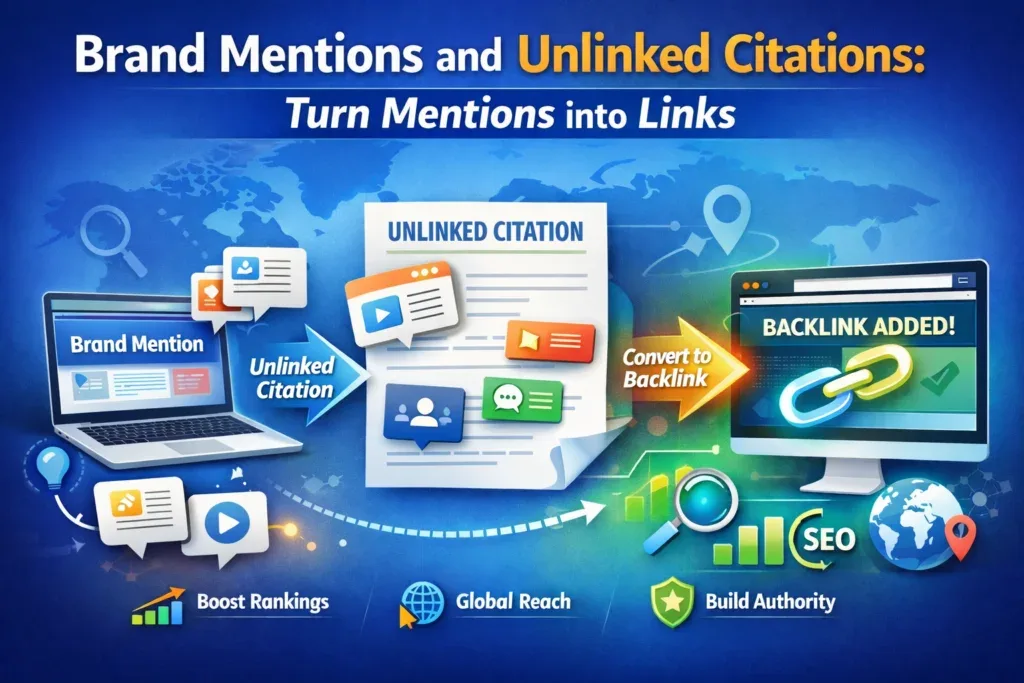
Third — and this is the one most folks miss — it gives you a legitimate reason to start a conversation with a publisher. That conversation often leads to more placements down the line. One reclamation email can turn into a long-term relationship if you play it right.
From a purely data-driven angle, reclamation tends to have a higher success rate than cold link building. Maintaining clarity across your unlinked brand mentions remains essential. You are reaching out to people who already demonstrated an interest in your brand. The hurdle is much lower, and the reply rate reflects that.
There is a reputation dimension, too. When your brand is mentioned without a link, readers who want more info have to hunt you down manually. Adding a link removes that friction and keeps the visitor journey intact, which is a win for referral traffic.
How Do You Find Unlinked Brand Mentions Efficiently?
You cannot fix what you cannot see, so step one of any unlinked brand mentions playbook is discovery. The good news is that finding these mentions is not a mystery — there are proven methods that cost nothing but time. Let’s walk through the most reliable ones.
Start with search operators. Wrap your brand in quotes and run a few Google queries: “your brand” -site:yourdomain.com surfaces mentions outside your own site. Add “your brand” -“yourdomain.com” to filter pages that mention you but don’t link to you. These operators are the bread and butter of unlinked brand mentions tips.
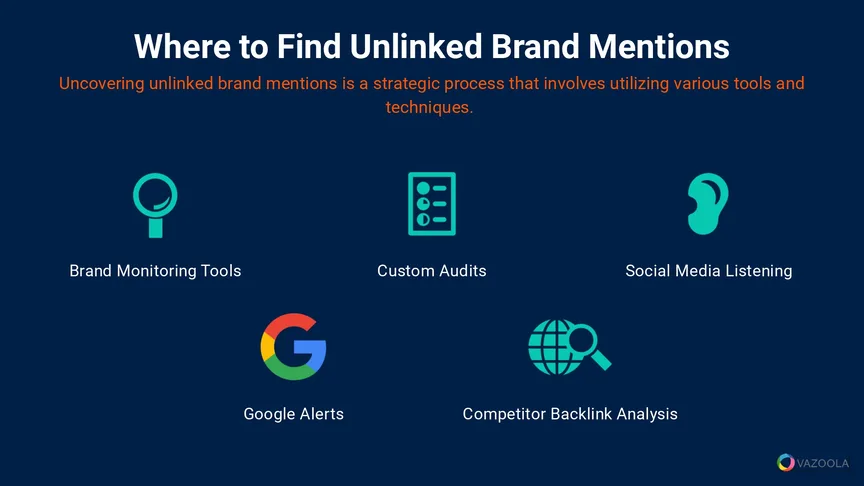
Then move to the paid tools if the unlinked brand mentions have budget. Ahrefs and Semrush both have dedicated “mentions” reports that flag brand references without links. Brand24 and Mention do similar monitoring at a social and news level. Pick one and run a weekly report so nothing slips through.
Google Search Console and Google Alerts are the free fallback. Set up an alert for your exact brand name plus common misspellings, and watch for new mentions in near real time. It is a low-effort way to stay on top of fresh placements.
Don’t forget the places people forget: Reddit threads, Quora answers, forum posts, and even YouTube descriptions. These are frequently mentioned but rarely linked, and they count as legitimate unlinked brand mentions worth reclaiming where appropriate.
The 7-Step Proven Playbook for Unlinked Brand Mentions
Here the unlinked brand mentions is — the core of this article and the reason the title promises seven steps. Each step builds on the last, so run them in order.
I’ll give you the concept, a concrete example, and an execution tip for each so you can actually do the work instead of just reading about it.
Treat this as your working unlinked brand mentions checklist. If you get through all seven, you will have a repeatable system, not a one-off hustle.
Step 1: Audit Every Mention You Can Find
Before you send a single email, build a master list. Pull every mention you found in the discovery phase into one spreadsheet with columns for URL, context, author or editor, top-level domain authority, and whether the mention currently links. This gives you a clean battlefield view.
I like to score each mention on two axes: relevance and authority. Applying these principles to your unlinked brand mentions yields measurable results. A mention on a low-authority forum is a low priority; a mention in an industry publication is worth a careful, personal email. This scoring saves hours of scattered outreach.
Here is a concrete example: a consultant who tracks ten mentions a week will typically find that three are on blogs, four are on social platforms, and three are on news sites. The news and blog mentions are the ones worth the email. The social mentions rarely convert, so deprioritize them.
Execution tip: keep a column for “date mentioned” so the unlinked brand mentions can prioritize fresh mentions. A mention from a month ago is more likely to still be edited than one from last year.
Step 2: Verify the Mention Context
Not every mention deserves a request. Before you fire off an email, read the surrounding paragraph. Is the brand mention positive, neutral, or negative? Is it a passing reference or a substantial discussion? A brief mention in a listicle may not warrant outreach; a detailed review deserves a careful ask.
The unlinked brand mentions is where most people get sloppy. They blast a template at every mention, and the response rate tanks. Taking two minutes to read the context doubles your odds of a reply because your email will actually match the situation.
Example: a restaurant finds its brand mentioned in a food blog’s “best tacos in the neighborhood” piece. That is a prime candidate — the blogger clearly likes the place. A quick, warm note asking to add a link to the restaurant’s menu page is a reasonable, low-friction request.
Step 3: Map Mentions to the Right Target Pages
Before the unlinked brand mentions reach out, decide what each reclaimed link should point to. You do not want every mention pointing to your homepage; that is wasteful.
Match the mentioned context to the most relevant page — a review of a specific product should link to that product page, a mention of a service should link to that service page.
The unlinked brand mentions step also protects you from looking lazy. An editor who gets a request to link to the exact page being discussed is more likely to comply than one who gets a generic “link to our site” ask. Specificity signals professionalism.
For example, a SaaS company mentioned in a review of its reporting dashboard should target the reporting-dashboard landing page, not the homepage. That makes the link editorially valuable and increases the chance of approval.
Step 4: Reach Out With a Warm, Personal Ask
The outreach email is where most campaigns live or die. Targeted refinements to your unlinked brand mentions streamline the entire review. Keep it short, human, and specific. Here is the structure I recommend: reference the exact page, quote the sentence that mentions you, make the request clear, and thank them for the coverage.
Do not write an essay. Editors are busy. A 90-word email that respects their time gets read more than a 400-word one. Your sender name should be a real person, not “the marketing team.”
A sample opening line: “Really enjoyed your piece on local roasters — thanks for the shout-out to our beans. Focusing on unlinked brand mentions provides clear direction here. Would you be open to linking the mention to our roasting page so readers can find us?” That is it. Warm, brief, and specific.
Execution tip: send from a real inbox and follow up once, politely, after five to seven days. One follow-up is enough; more than that reads as pressure.
Step 5: Convert the Link and Track the Result
Once a mention converts to a link, log the unlinked brand mentions. Record the date, the URL, the anchor text, and the target page. This gives you a growing dataset you can use to prove ROI and to spot patterns in which types of mentions convert.
Here is where discipline pays off. Sites that track conversion rates find that their best-converting mentions come from a specific type of publisher — often industry blogs rather than news outlets. That insight lets you focus discovery on the channels that convert.
Example: a design agency the unlinked brand mentions started tracking conversions noticed that 70% of successful reclamations came from design blogs and only 15% from news sites. They redirected their discovery effort toward design blogs and doubled their link volume without increasing outreach.
Step 6: Build a Repeatable Weekly Workflow
The seventh step of any unlinked brand mentions playbook is not a single action — it is a habit. Set up a repeatable cadence: run discovery once a week, log new mentions, and batch your outreach. Batching keeps you from context-switching and makes the whole process feel manageable.
I recommend a Tuesday discovery and a Wednesday outreach block. By separating the two, you avoid the trap of finding one mention and immediately drafting an email, which is slow and leads to sloppy outreach. Two focused hours a week is enough for a small team to make real progress.
Over time, the unlinked brand mentions cadence builds a pipeline. You will find that reclamation gets easier as your brand grows — more mentions mean more opportunities, and a good workflow means you never let them pile up.
Step 7: Scale With Tools and Automation
When you outgrow manual discovery, layer in automation. Tools like Ahrefs mentions, Brand24, and Semrush can surface new mentions automatically and even draft outreach sequences. Automation is not a shortcut around the work — it is a way to work on a bigger volume.
One caution: automate the discovery, not the personality. A thoughtful approach to unlinked brand mentions reinforces your qualifications. A templated blast that pretends to be personal fools no one. Use tools to find mentions and manage follow-ups, but keep the emails human and specific.
Example: a small ecommerce brand uses a mention-monitoring tool to catch every unlinked brand mention within 24 hours, then a shared spreadsheet to assign outreach to a teammate. They reclaim roughly fifteen links a month with about four hours of total effort.
Unlinked Brand Mentions Best Practices Worth Stealing
Now that you have the seven steps, let’s sharpen the edges. These are the unlinked brand mentions best practices that separate a professional campaign from a scattergun one. Adopt them from day one; retrofitting them later is more painful.
First, always thank before you ask. Acknowledging the mention earns goodwill before the request lands. Second, never demand a link — request one. Entitlement kills reply rates faster than anything else in outreach.
Third, keep your brand mention clean. Make sure your brand name, product name, and spelling are consistent everywhere, so publishers and readers can find you. Fourth, avoid requesting links to pages that are off-topic just because you want the link. Relevance is the filter that makes the link worth having.
Fifth, respect a no. If a publisher declines, move on. Your relationship with them is worth more than a single link, and they may mention you again later. Sixth, revisit old mentions quarterly — editors sometimes update articles and quietly drop links, and re-checking catches those.
Finally, track everything. The best campaigns are the ones you can measure, improve, and repeat. A simple dashboard with mentions found, outreach sent, links won, and conversion rate tells you whether your unlinked brand mentions playbook is working.
Common Exceptions, Edge Cases, and How to Handle Them
Reality is messy, so here are the situations that trip people up. Some mentions are on pages that will never link — things like social posts or app stores. Recognize those quickly and move on rather than waste outreach.
Some publishers only link when the mention is in a “resources” or “further reading” section. Ask about the context before reaching out. If the mention is in a passing sentence, the editor may be more open to adding a link if the surrounding content supports it.
Other edge cases include mentions on sites that require a reciprocal link, mentions in affiliate content where links are already present, and mentions in print-only or offline media. Each requires a different approach; most are simply not worth chasing. Focus on the online, editorial, unlinked mentions with the highest audience relevance.
One more: foreign-language mentions. If your brand is mentioned on a non-English site, a translated ask can work — but only if the audience is relevant. Don’t chase international mentions just to inflate your link count.
Quick Reference: Unlinked Brand Mentions Checklist
Use this as a one-page reference whenever you start a new reclamation round. It condenses the playbook into a checklist you can tick off quickly. Print it, pin it, and revisit it every quarter when you refresh your process.
| Step | Action | Goal |
|---|---|---|
| 1 | Run discovery searches and reports | Build master mention list |
| 2 | Score by relevance and authority | Prioritize high-value mentions |
| 3 | Verify mention context and tone | Filter out low-opportunity mentions |
| 4 | Match each mention to the right target page | Maximize editorial relevance |
| 5 | Send warm, specific outreach | Win the link without alienating the publisher |
| 6 | Log conversions and follow up once | Track results and confirm links |
| 7 | Batch the workflow weekly | Build a repeatable habit |
Pair this with a simple spreadsheet of your own and you have a working system. The key is consistency — the people who win here are the ones who run it every week without fail.
Frequently Asked Questions About Unlinked Brand Mentions
Here is an in-depth breakdown of key considerations regarding Frequently Asked Questions About Unlinked Brand Mentions:
How is an Unlinked Brand Mention Different from a Linked One?
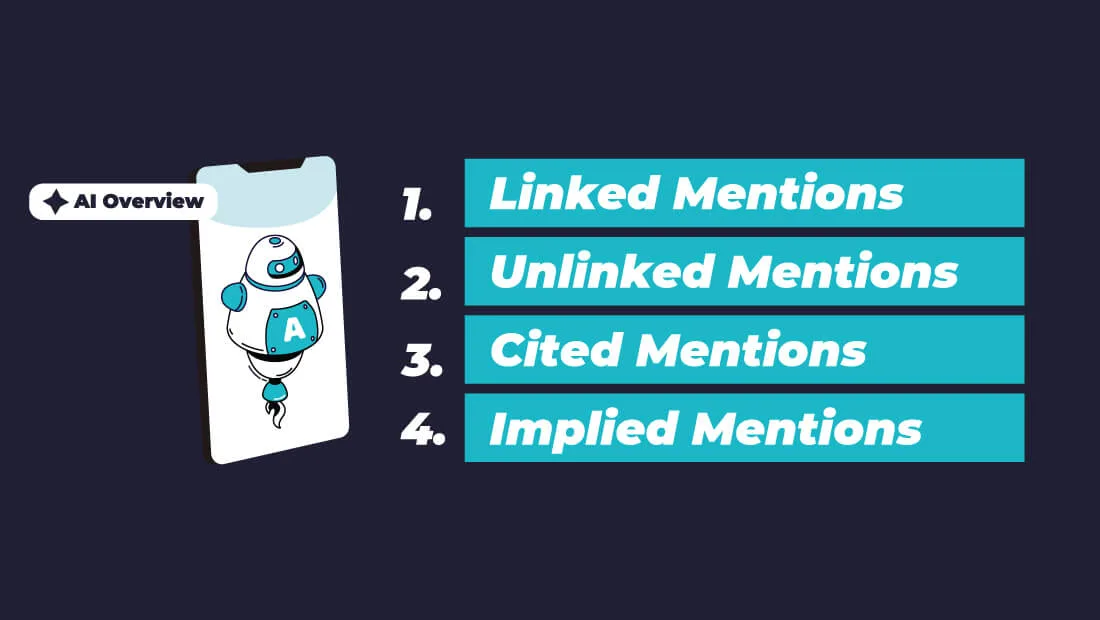
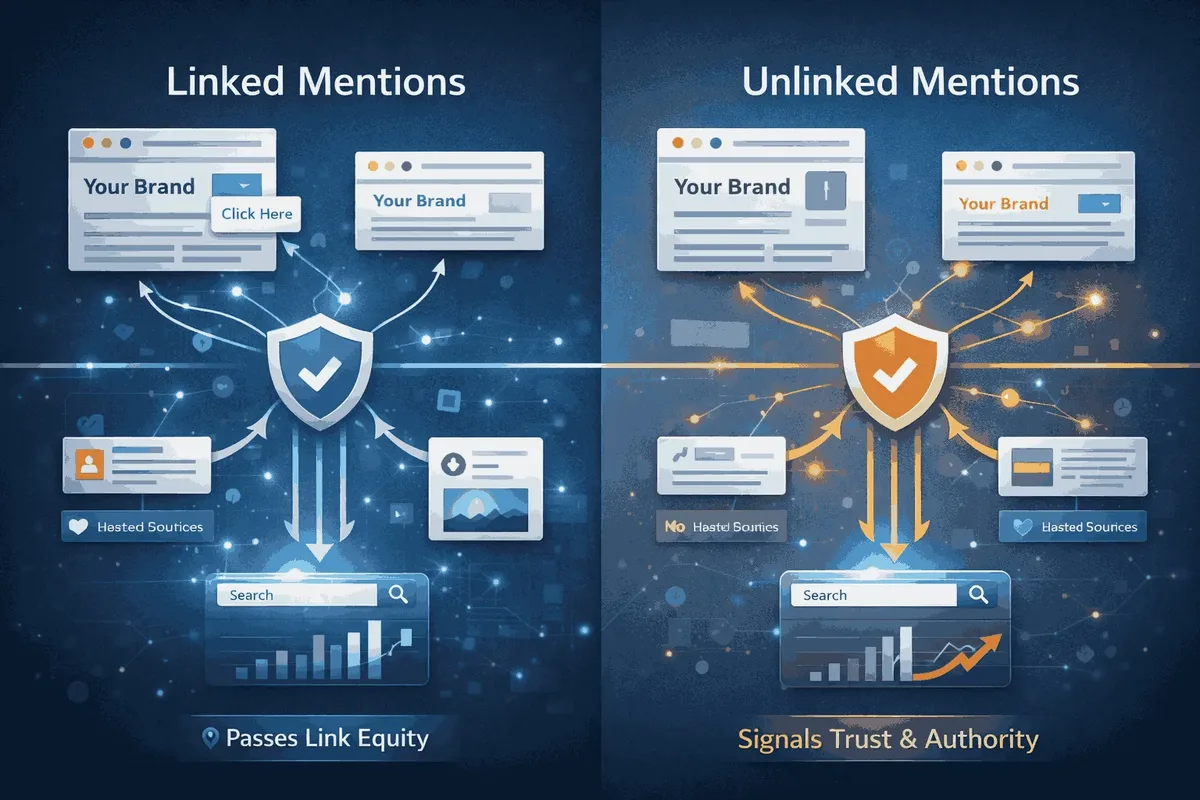
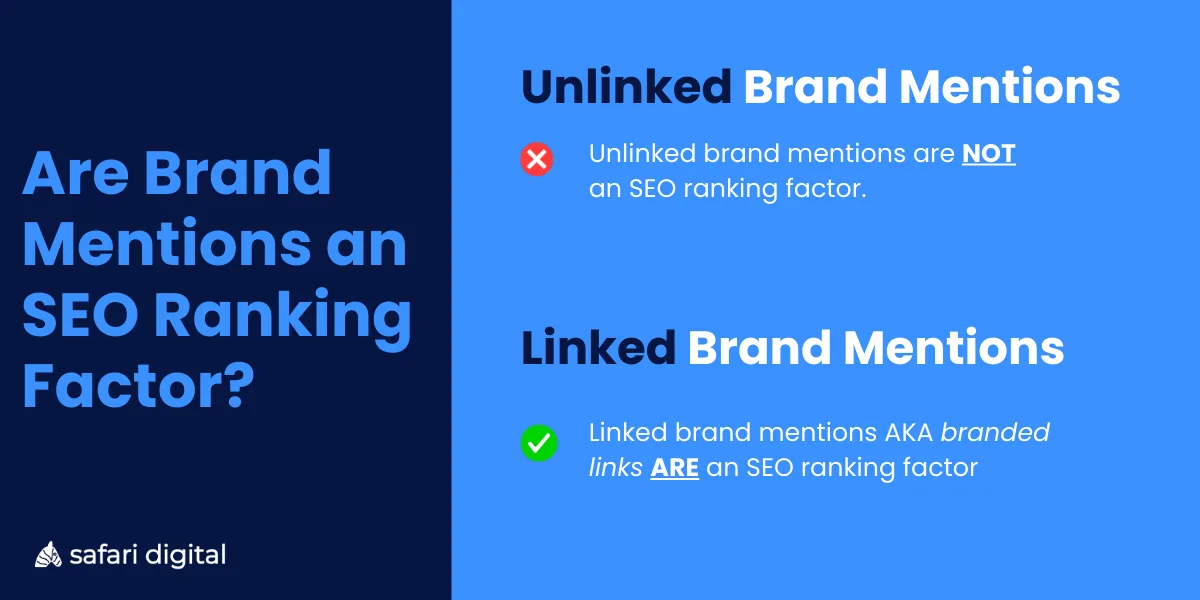
A linked mention passes authority and is measurable; an unlinked mention builds brand association and visibility but doesn’t transmit any direct ranking signal. Both matter, but the linked version is the one you can count on in a backlink audit. Turning one into the other is the whole point of reclamation.
Can Unlinked Mentions Hurt My SEO?
Not by themselves, unless they’re part of a coordinated spam or scam campaign using your name. In that case, you should contact the site to clarify the situation. A run-of-the-mill unlinked mention does nothing negative — it’s simply an unexploited opportunity.
What’s the Fastest Way to Find Mentions Without a Paid Tool?
Google search operators plus Google Alerts will get you far. Pair them with a weekly manual check of the places you’re most frequently discussed. It’s slower than a paid tool but free, and for small brands it’s often enough.
Do I Need to Track Unlinked Mentions on Social Media?
You can, but don’t over-invest. Social posts rarely convert to actual links and are often not indexable in the same way. Focus your tracking on blogs, news sites, and forums where a link request is plausible.
What if the Publisher Won’t Add a Link?
Thank them and move on. Pushing back damages the relationship and rarely works. Keep them on your list for future opportunities — the same site may mention you again in a context where a link is natural.
Putting the Playbook to Work
Unlinked brand mentions are not a secret weapon — they’re an overlooked one. The seven steps above give you a quiet, repeatable system that builds real authority over time. Start with discovery today, log your first mention, and send one warm email before the week is out.
Over months, this habit compounds. The links you reclaim become anchors of authority, and the publishers you build relationships with become future champions. That is how a simple unlinked brand mentions tips routine turns into a durable edge in search.
If you want to go further, explore the parent topic of brand signals and the sub-topics of link reclamation, digital PR, and entity building. Each one amplifies the others, and together they form the kind of authority that is hard to copy.
For verified reference and background research, consult the authoritative informational resource on this topic.