Trust Flow Citation Flow: Why These Two Metrics Decide Your Link Strategy
Trust flow citation flow is the pairing that tells you whether a backlink actually carries weight or just looks good in a spreadsheet. If you have ever built links, bought a guest post, or audited a competitor’s profile, you have probably stared at these two numbers without fully knowing what to do with them.
Here is the honest truth: most people look at one and ignore the other. That is a mistake. Trust flow without citation flow is a promise with no proof. Citation flow without trust flow is noise dressed up as authority.
This trust flow citation flow guide walks you through a five-step process that turns those two numbers into an actual decision-making tool, not just dashboard decoration.
You will learn how to read the ratio, spot fake authority, build a clean link profile, and set up a repeatable trust flow citation flow checklist you can run on any site in under an hour.
No fluff, no vague advice about “building quality links” — just the mechanics that separate a link profile that ranks from one that stalls.
What Trust Flow and Citation Flow Actually Measure
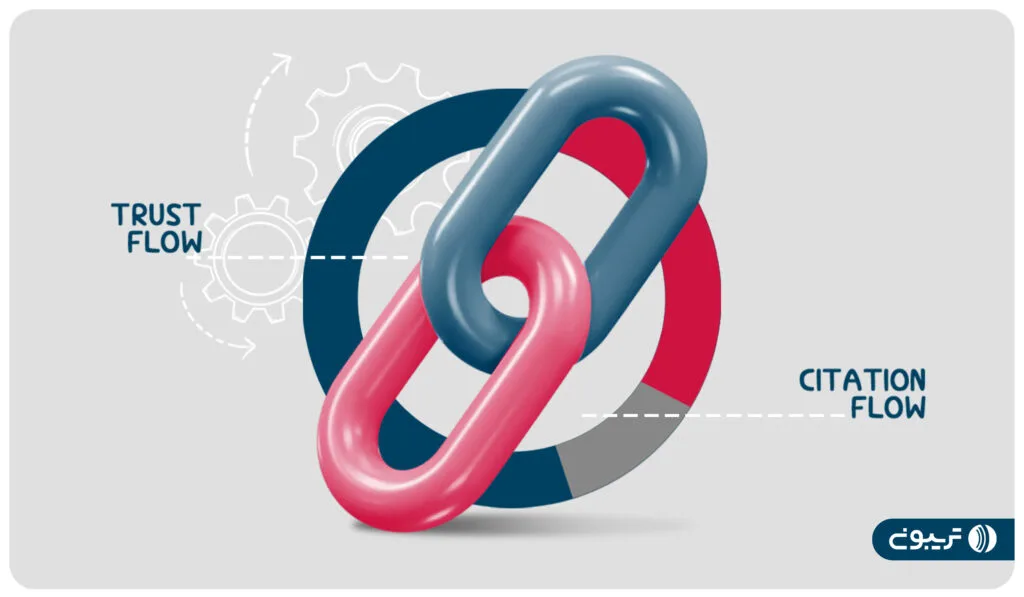
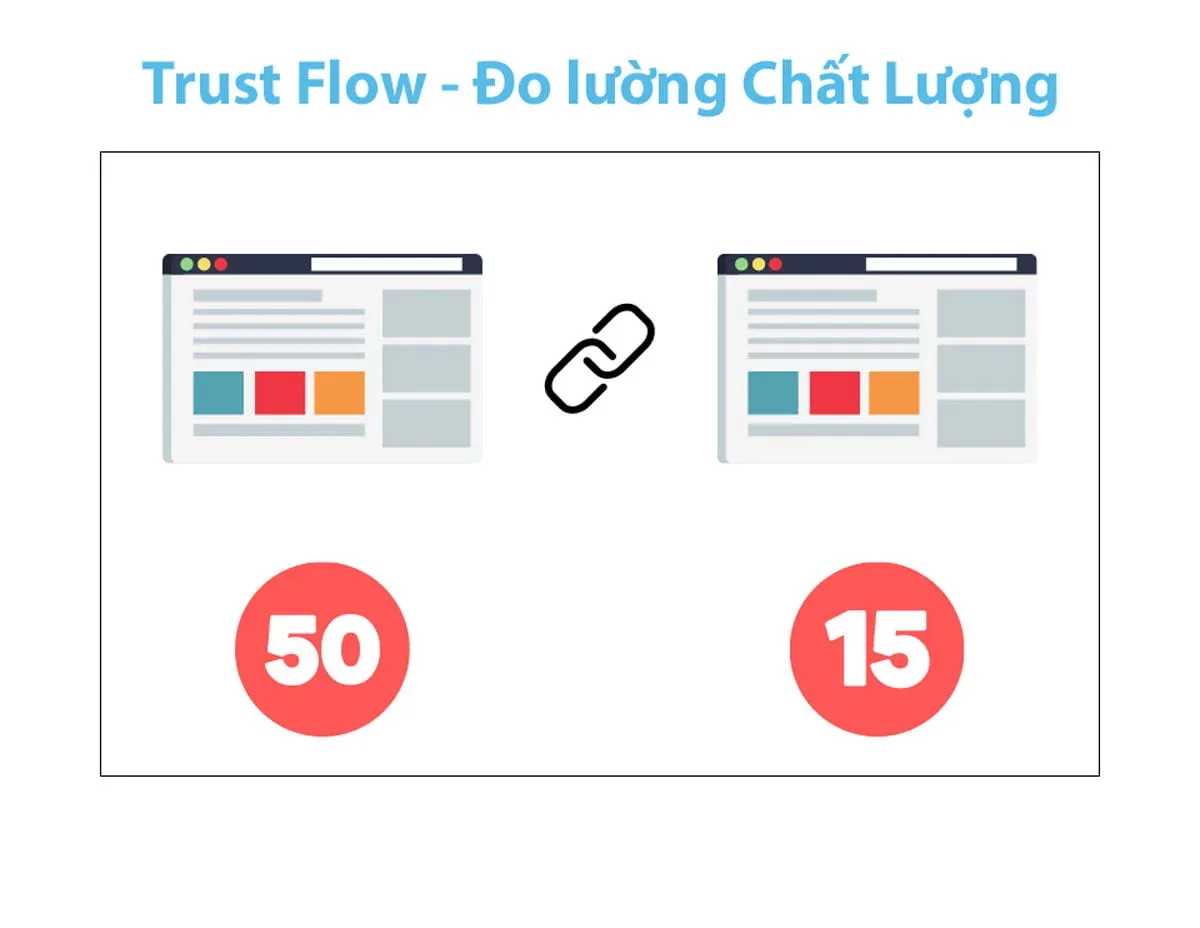
Majestic built both metrics, and they answer two different questions. Citation flow estimates raw link popularity — how many links point at a page and how influential those linking pages are. Trust flow estimates link quality — how close a page sits to a set of trusted seed sites that Majestic vets by hand.
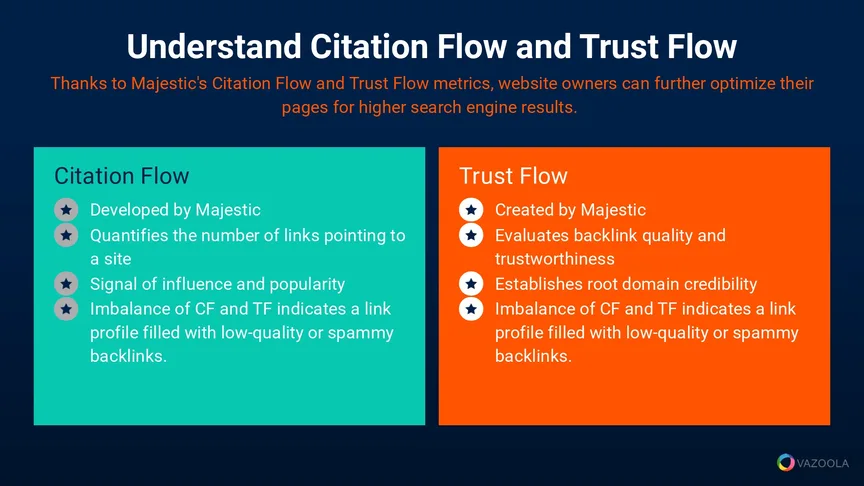
Think of citation flow as volume and trust flow as reputation. A site can have citation flow of 60 and trust flow of 8. That gap is a warning sign. It usually means the site has a lot of links, but those links come from low-quality neighborhoods — directories, spun content networks, or link farms.
For a deeper look at how Majestic defines these metrics, the official Majestic documentation is worth reading. But the practical takeaway is simpler: a healthy profile keeps the two numbers close together, with trust flow usually trailing citation flow by a modest margin.
Why the Ratio Matters More Than Either Number Alone
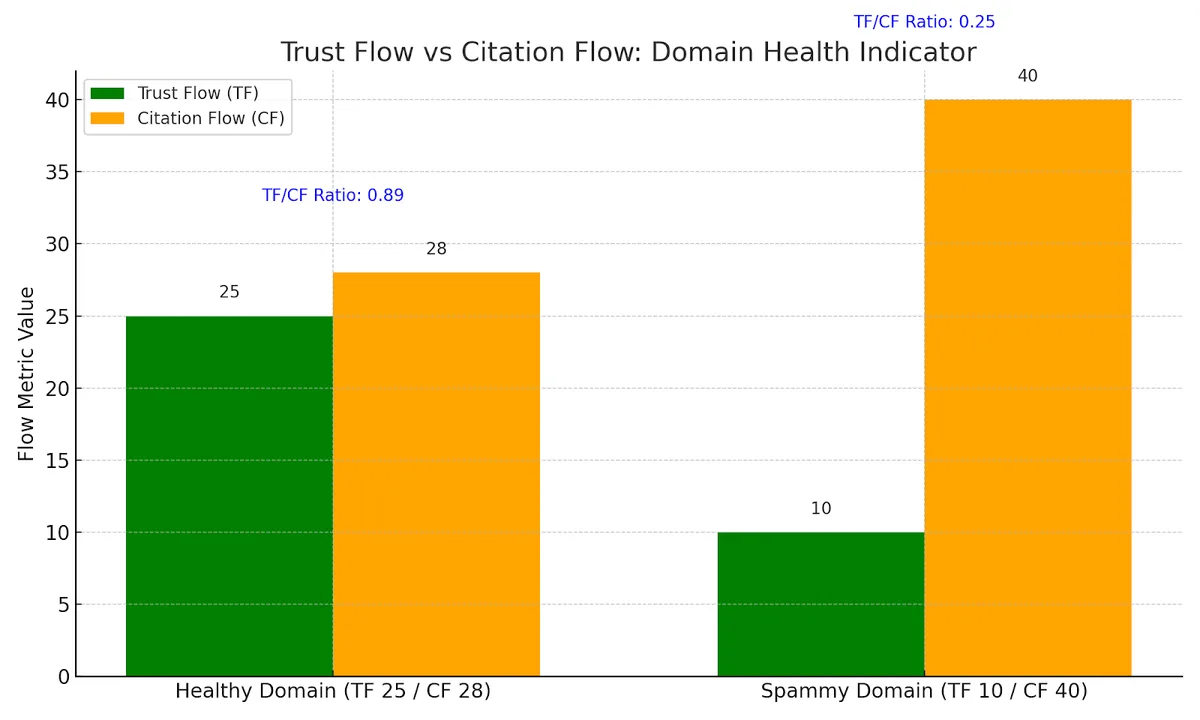
A trust flow citation flow ratio tells you the story behind the numbers. If trust flow is 40 and citation flow is 45, you are looking at a site with strong, relevant links. If trust flow is 12 and citation flow is 55, someone has been buying cheap links and the profile is hollow.

I have audited dozens of sites where the owner proudly showed off a high citation flow score, only to find trust flow sitting in the single digits. Those sites consistently underperform in competitive niches. Google’s systems are good at spotting link profiles that grew through volume rather than relevance.
The trust flow citation flow best practices rule of thumb: aim for trust flow within 70-80% of citation flow. Anything below 50% deserves a hard look at your link sources.
Step 1: Audit Your Current Trust Flow Citation Flow Baseline
Before you fix anything, you need a baseline. Pull your domain-level trust flow and citation flow from Majestic, then repeat the exercise for your top five competitors. Write the numbers down side by side — the comparison is where the real insight lives.
Do not stop at domain level. Focusing on trust flow citation flow provides clear direction here. Check the top-level metrics, then drill into the pages that generate the most organic traffic. A site can have strong domain trust flow while individual money pages sit in the low teens, which means the pages doing the selling are the weakest links in the chain.

This step is the foundation of any trust flow citation flow guide worth its salt. Skip it and every later decision becomes guesswork.
Tools You Need for a Clean Baseline
Majestic is the source of truth here, since both metrics originate there. But you can cross-reference with Ahrefs, Semrush, and Moz to catch discrepancies. Each tool samples links differently, so a gap between them is normal — what matters is the pattern.

Set up a simple spreadsheet with columns for domain, trust flow, citation flow, ratio, and referring domains. That single sheet becomes your benchmark for every future link decision.
Reading the Gap Between Your Score and Your Competitors
If your competitor has trust flow of 45 and you sit at 22, the gap is not about volume. It is about the quality of sites linking to them. Look at their referring domains and note which ones are editorial, industry-relevant, and topically aligned.
That list becomes your target list. In my experience, this single exercise reveals more about a competitor’s strategy than any expensive tool ever will.
Step 2: Score Every Backlink Source Before You Build
This is where most link-building campaigns fall apart. People chase domain authority and ignore trust flow entirely, then wonder why their rankings barely move. Every prospective link source needs a trust flow citation flow check before you invest time or money.

Run the source domain through Majestic. Check the trust flow, the citation flow, and the ratio. Then check the specific page you want a link from, not just the root domain. A strong domain can host a weak page, and Google evaluates the page, not just the site.
Here is a quick scoring table I use when vetting link prospects:

| Trust Flow | Citation Flow | Ratio | Verdict |
|---|---|---|---|
| 30+ | 30-45 | 70-100% | Strong — pursue aggressively |
| 20-30 | 25-40 | 60-80% | Solid — good addition to the mix |
| 10-20 | 20-35 | 40-60% | Marginal — only if topically relevant |
| Below 10 | Any | Below 40% | Avoid — likely low quality |
Notice the pattern. The ratio is what filters out the noise. A trust flow citation flow checklist without a ratio column is only doing half the job.
Why Topical Relevance Beats Raw Trust Flow
A link from a trust flow 35 site in an unrelated niche is worth less than a link from a trust flow 22 site in your exact space. Refining each detail of your trust flow citation flow strengthens this section. Google’s systems weigh topical alignment heavily, and so should you.

I have seen sites climb rankings after adding just three links from niche-relevant publications with modest trust flow. The same effort spent on high-trust-flow but irrelevant sites produced almost nothing.
Red Flags That Should Kill a Link Deal Instantly
Watch for trust flow that is wildly lower than citation flow, obvious paid-link footprints, and sites that publish anything for anyone. Those are the profiles that drag your own trust flow down over time.
Another red flag: sudden spikes in citation flow with flat trust flow. That pattern almost always means a batch of low-quality links was injected recently.

Step 3: Build Links That Raise Trust Flow Citation Flow Together
The goal is not to chase trust flow in isolation. You want links that lift both metrics together, because that is what a natural, healthy profile looks like. Editorial mentions, industry publications, and genuine partnerships do this automatically.
Guest posting still works when done right. The key is choosing publications with a healthy trust flow citation flow ratio, real editorial standards, and a genuine audience. One link from a respected industry blog beats twenty links from content mills.

Digital PR is the most reliable lever here. Getting mentioned in a roundup, quoted in an industry piece, or featured in a niche newsletter all generate links from sites with strong trust flow. Those mentions compound over time.
How to Pitch for High-Trust Links Without Begging
Lead with value. Effective execution in your trust flow citation flow makes a tangible difference. Offer original data, a unique angle, or a perspective the editor cannot get elsewhere. Editors at high-trust sites get dozens of pitches a day — the ones that survive are specific, useful, and free of fluff.
Keep the pitch under 150 words. Reference a specific piece they published. Explain in one sentence why your contribution fits. That is it. This approach has landed me links from publications I assumed were out of reach.

Internal Linking as a Trust Flow Citation Flow Multiplier
Internal links do not directly change trust flow, but they shape how link equity flows through your site. Link your strongest pages to your money pages so the trust you earn gets distributed where it matters.
Audit your internal links every quarter. Look for orphan pages, broken links, and pages with too few internal links pointing at them. Fixing these issues is one of the cheapest trust flow citation flow tips you will ever apply.
Step 4: Monitor Trust Flow Citation Flow Drift Over Time
Link profiles are not static. Links get removed, sites go offline, and publishers change their policies. If you do not monitor your trust flow citation flow regularly, you will not notice a decline until rankings drop.
Set a monthly reminder to pull your metrics. Track the movement in a simple chart. A gradual decline in trust flow is an early warning that something in your profile needs attention.

Pay attention to sudden jumps too. A sharp spike in citation flow with flat trust flow usually means someone built a batch of low-quality links — sometimes a competitor, sometimes an overeager agency.
What a Healthy Trend Looks Like
Healthy growth is slow and steady. Both numbers creep upward together, and the ratio stays stable. That is the signature of a profile built through genuine outreach and editorial links.

If trust flow grows faster than citation flow, the trust flow citation flow is fine — it means you are earning high-quality links without volume padding. If the reverse happens, investigate immediately.
When to Disavow and When to Wait
Disavowing is a last resort, not a first response. If a batch of toxic links appears, document them, monitor the impact, and only disavow if you see a clear ranking decline or a manual action.
Most of the time, the smarter move is to outbuild the problem. Add enough high-trust links and the toxic ones become statistically irrelevant.
Step 5: Run the Trust Flow Citation Flow Checklist Every Quarter
A repeatable checklist turns a one-time audit into an ongoing system. This is the step that separates sites with durable authority from sites that spike and fade. Here is the trust flow citation flow checklist I run every quarter:

- Pull domain and page-level metrics. Record trust flow, citation flow, and the ratio for your domain and your top ten pages. Compare against last quarter.
- Audit new referring domains. List every domain that linked to you since the last check. Score each one using the ratio table from Step 2.
- Flag toxic additions. Identify any new links from low-trust, high-citation sources. Document them but do not disavow yet.
- Check competitor movement. Note any competitor whose trust flow jumped. Investigate where those links came from.
- Review internal link structure. Confirm your strongest pages link to your money pages. Fix orphan pages.
- Refresh your target list. Add new high-trust prospects based on competitor analysis and industry developments.
- Plan next quarter’s outreach. Set a realistic target for new high-trust links and assign ownership.
This checklist takes about two hours per quarter. That is a small investment for the clarity it delivers.
Turning the Checklist Into a Team Habit
If you work with a team, assign each checklist item to a specific person. Shared ownership usually means no ownership, and the checklist quietly dies after the first run.
Put the results in a shared document. Review them in your quarterly planning meeting. When the trust flow citation flow numbers are visible to the whole team, link-building stops being a vague task and becomes a measurable goal.
Common Mistakes That Wreck Trust Flow Citation Flow
Most link-building failures come down to a handful of repeatable mistakes. Chasing domain authority while ignoring trust flow is the big one. Domain authority is a useful directional signal, but it says nothing about the quality of the specific link you are buying.
Buying links from marketplaces is another classic error. A thoughtful approach to trust flow citation flow reinforces your qualifications. Those links almost always come from sites with inflated citation flow and weak trust flow, and they leave a footprint that is easy to detect.
Ignoring the ratio is the third mistake. Two sites can have identical trust flow scores but wildly different citation flow, and the one with the tighter ratio is always the better bet.
Why “High DA” Guest Posts Often Backfire
Many guest post marketplaces sell links on sites with high domain authority but hollow trust flow. The sites publish anything, have no real audience, and exist purely to sell links. Google’s systems have gotten very good at spotting these patterns.
The fix is simple: always check trust flow and citation flow before you commit. If the ratio is weak, walk away regardless of what the domain authority says.
The Trap of Over-Optimizing Anchor Text
Exact-match anchor text used too often looks manipulative. Mix branded anchors, natural phrases, and naked URLs. A natural profile looks like a conversation, not a keyword list.
Trust flow citation flow metrics will not catch anchor text problems, but Google will. Vary your anchors and let the link profile look organic.
How Trust Flow Citation Flow Fits Into a Broader SEO Strategy
These two metrics are one piece of a larger puzzle. They tell you about link quality, but they do not replace technical SEO, content quality, or user engagement signals. Treat them as a diagnostic tool, not a ranking factor.
Use them alongside other link metrics — referring domains, anchor text distribution, and topical relevance. Structuring your trust flow citation flow around proven patterns ensures impact. Together, those signals paint a complete picture of your link profile’s health.
If you want to go deeper, this overview of search engine optimization provides useful context on how link signals fit into the broader ranking picture.
Pairing Link Metrics With Content and Technical Audits
A strong trust flow citation flow profile will not save a site with thin content or broken technical foundations. Run content and technical audits alongside your link audit so you catch problems before they compound.
In practice, the sites that rank best treat all three pillars — links, content, and technical health — as equally important. Neglecting any one of them caps your ceiling.
When to Bring in a Specialist
If your link profile has serious problems — a manual action, a history of paid links, or a trust flow score stuck in the single digits — a specialist can help. But do your homework.
Ask for case studies and verify their claims using the same trust flow citation flow audit you would run yourself.
Most site owners can handle routine link audits in-house. The specialist is worth the investment when the problem is structural, not cosmetic.
Frequently Asked Questions About Trust Flow Citation Flow
Here is an in-depth breakdown of key considerations regarding Frequently Asked Questions About Trust Flow Citation Flow:
What is a Good Trust Flow Citation Flow Ratio?
Aim for trust flow at 70-80% of citation flow. A site with trust flow 35 and citation flow 45 is healthy. A site with trust flow 10 and citation flow 55 is not, regardless of how impressive the citation flow number looks.
Can Trust Flow be Higher Than Citation Flow?
Yes, and the trust flow citation flow is usually a good sign. It means the site earns links from high-quality sources without padding volume. It is less common, but it is not a problem — it often signals a tightly curated link profile.
Does Google Use Trust Flow and Citation Flow Directly?
No. Both metrics are Majestic’s proprietary estimates, not Google ranking factors. They are useful proxies for link quality, but they should inform your strategy rather than dictate it. Use them alongside other signals and your own judgment.
How Often Should I Check My Trust Flow Citation Flow?
Monthly for monitoring, quarterly for a full audit. Link profiles change slowly, so daily checks add noise without value. A monthly snapshot plus a quarterly deep dive is the right cadence for most sites.
What Should I Do if My Trust Flow Suddenly Drops?
First, identify what changed. Check for lost links, expired domains, or sites that went offline. Then assess whether the drop correlates with a ranking decline. If it does, rebuild with high-trust links. If it does not, monitor and wait.
Is It Worth Building Links on Sites With Low Trust Flow?
Rarely. A low trust flow citation flow ratio is a warning sign. The exceptions are highly relevant niche sites with small but engaged audiences — those can still deliver value even with modest metrics. Use judgment, not a rigid threshold.
Putting the Five Steps to Work
The trust flow citation flow framework is not complicated, but it does require discipline. Audit your baseline, score every source, build links that lift both numbers, monitor drift, and run the checklist every quarter. That is the entire system.
The sites that win in competitive niches are not the ones with the most links. They are the ones with the cleanest ratio, the most relevant sources, and a monitoring habit that catches problems early.
Start with Step 1 this week. Pull your numbers, compare them to your top competitor, and let the gap tell you where to focus.
If you only take one thing from this trust flow citation flow guide, make it this: the ratio matters more than either number alone. Track it, protect it, and let it guide every link decision you make.