Spam Score Moz: 8 Costly Mistakes to Avoid
A spam score moz reading above 30 percent rattles even seasoned site owners, and for good reason. Moz’s metric doesn’t measure how “spammy” your writing feels to a human reader.
It flags link and domain patterns that correlate with penalized sites in Moz’s index, which is why a single number can send publishers into a panic spiral.
Here’s the uncomfortable truth I’ve watched play out across dozens of link audits: most people misread the metric entirely, then “fix” a problem the spam score moz never existed while ignoring the one that did. The mistakes below aren’t hypothetical.
They’re the same eight errors that show up again and again, and each one costs real traffic and real money.
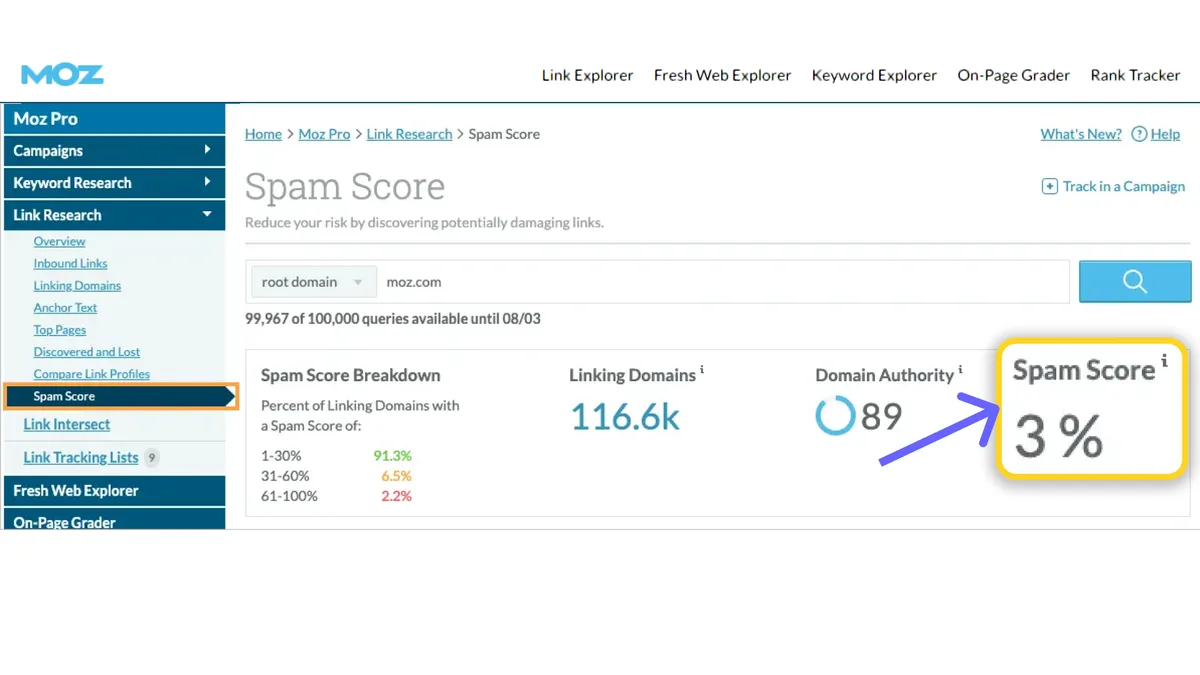
Why This Spam Score Moz Metric Confuses Almost Everyone
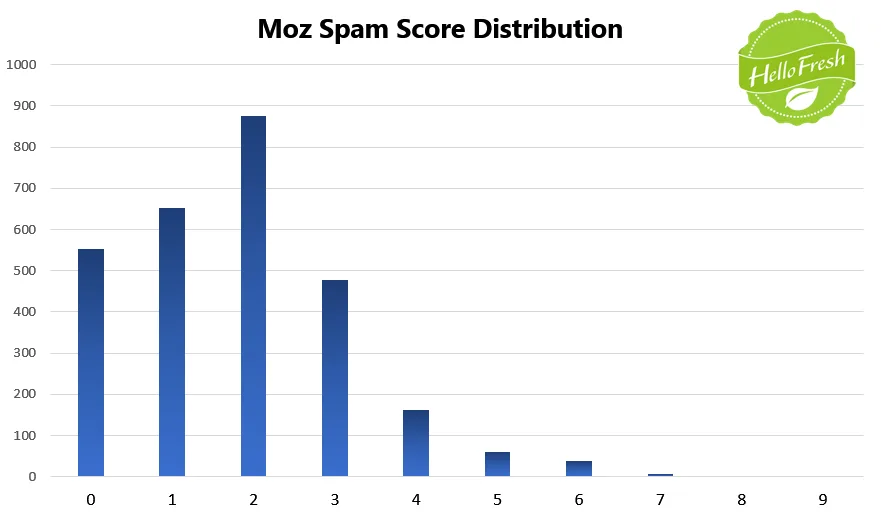
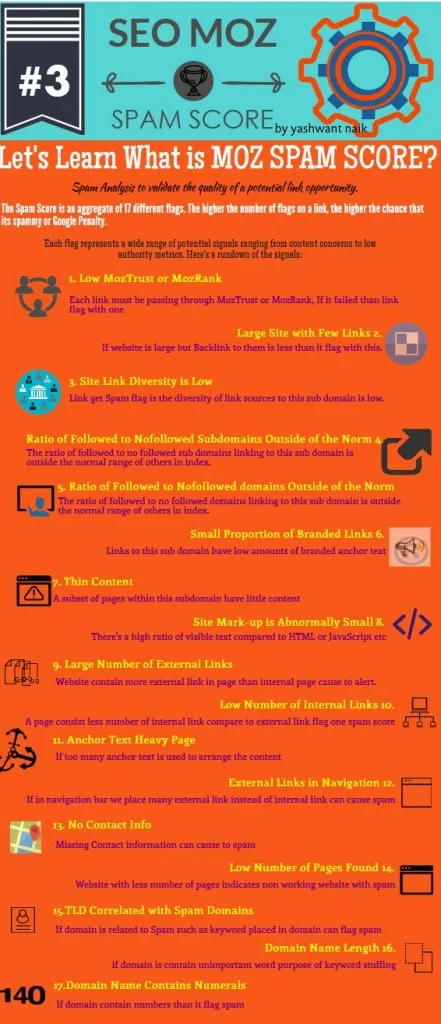
Moz calculates its spam score using machine learning trained on millions of sites, comparing your domain against known spam characteristics across 27 different signals. Those signals include things like thin content ratios, link velocity, and the proportion of low-quality external links pointing your way.
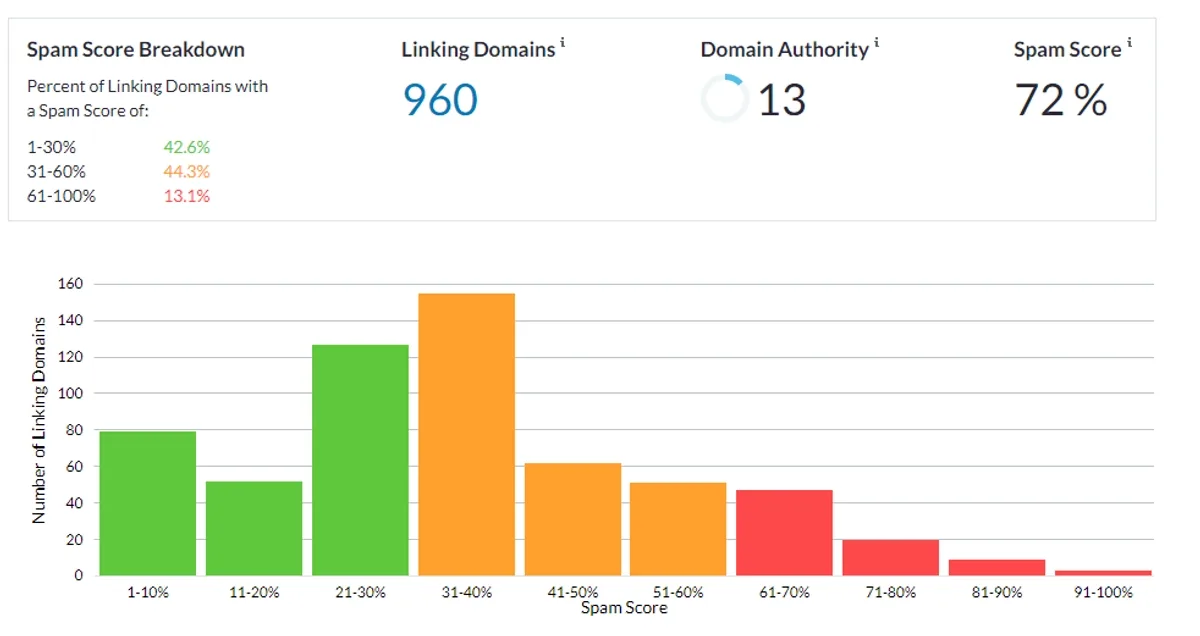
The critical detail most people miss: the score is a probability estimate, not a penalty. A score of 40% means sites with similar profiles are flagged as spam 40% of the time in Moz’s dataset. It says nothing definitive about your actual standing with Google.
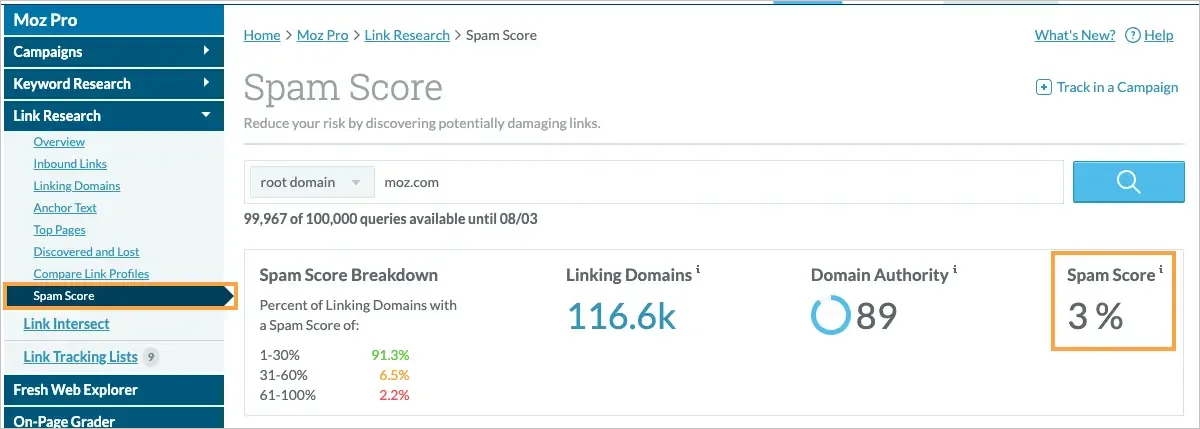
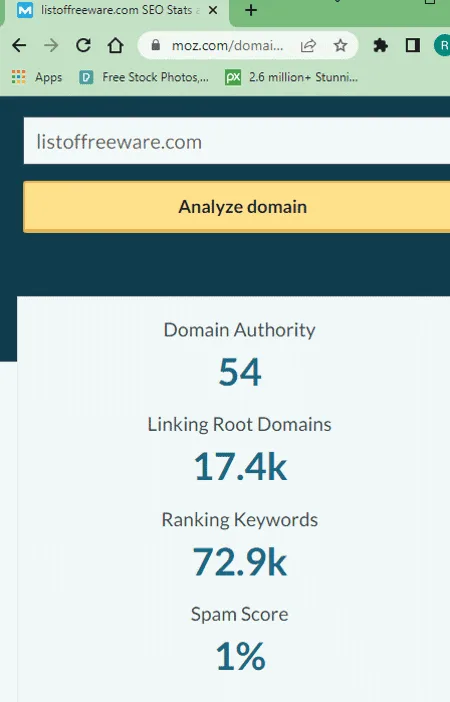
A small brand-new domain with twenty backlinks might score 35% simply because it lacks history. A massive, trusted publisher might score 8% despite some genuinely sketchy links. Context is everything, and the number alone tells half the story at best.
Keep that distinction in mind as we walk through the errors. Half of them stem from treating a correlational score as a verdict, and the other half come from reacting to it in ways that create genuine problems.
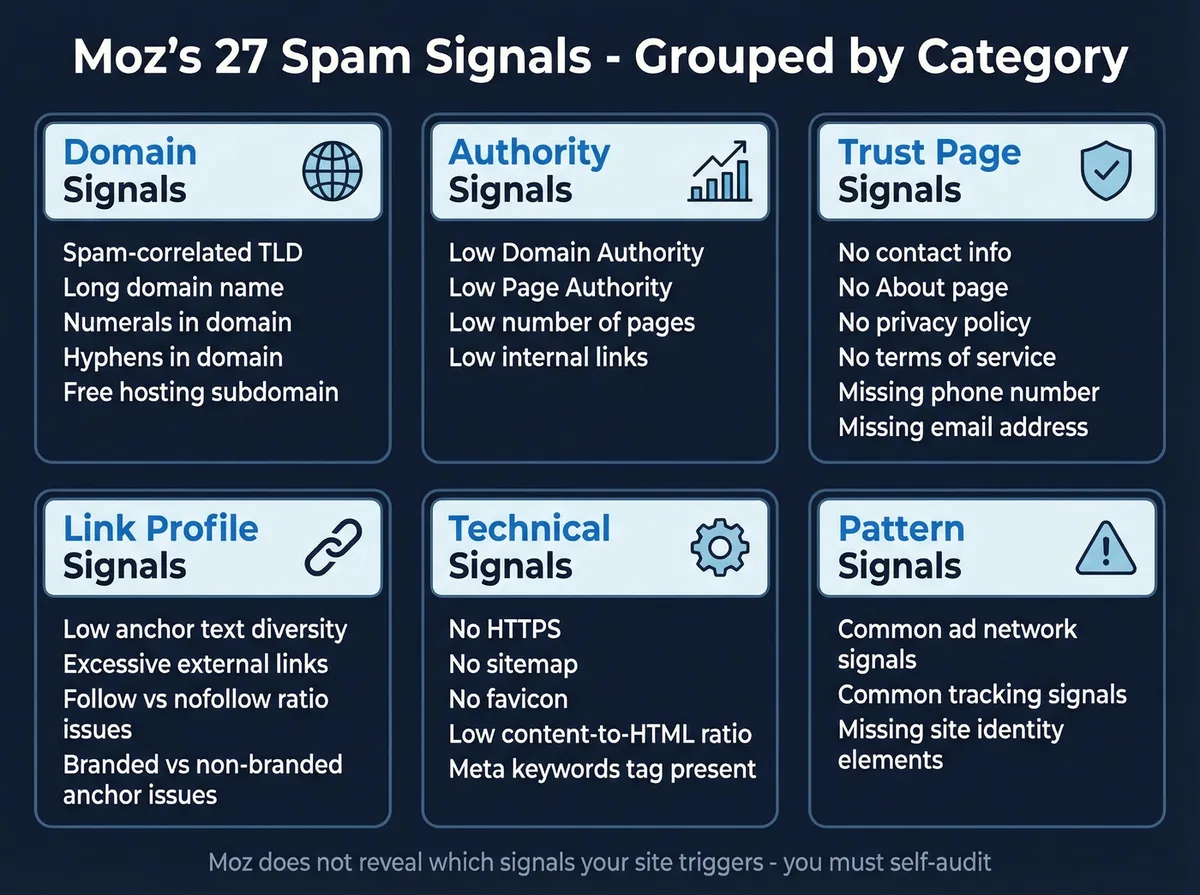
Mistake 1: Panicking Over a Spam Score Moz Above 30
The first and most common error is sheer panic. Someone runs the Moz spam score checker, sees 34%, and immediately starts disavowing links at midnight. That reaction is almost always premature and occasionally destructive.
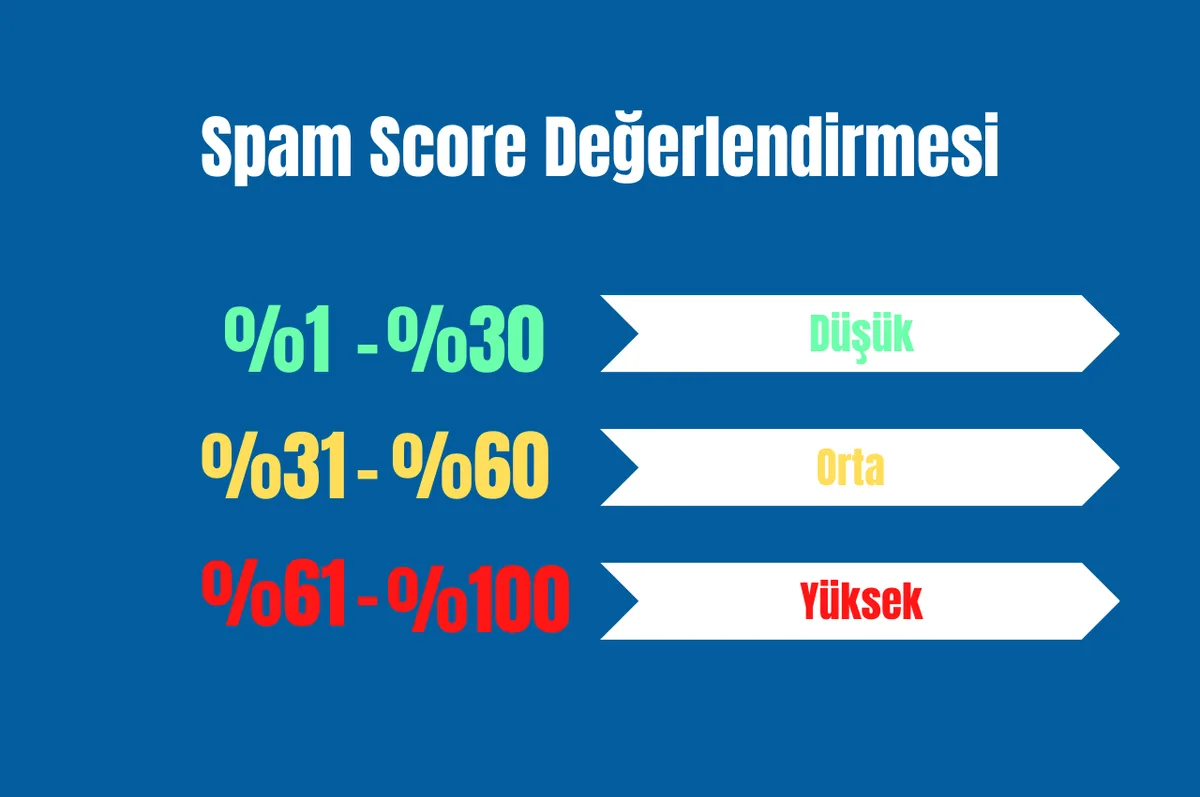
Moz itself publicly states the spam score moz scores below 30% carry no cause for concern, and even the 30-60% band is described as a signal worth monitoring rather than a fire alarm. The scoring system was built as a diagnostic tool, not a judge, jury, and executioner.
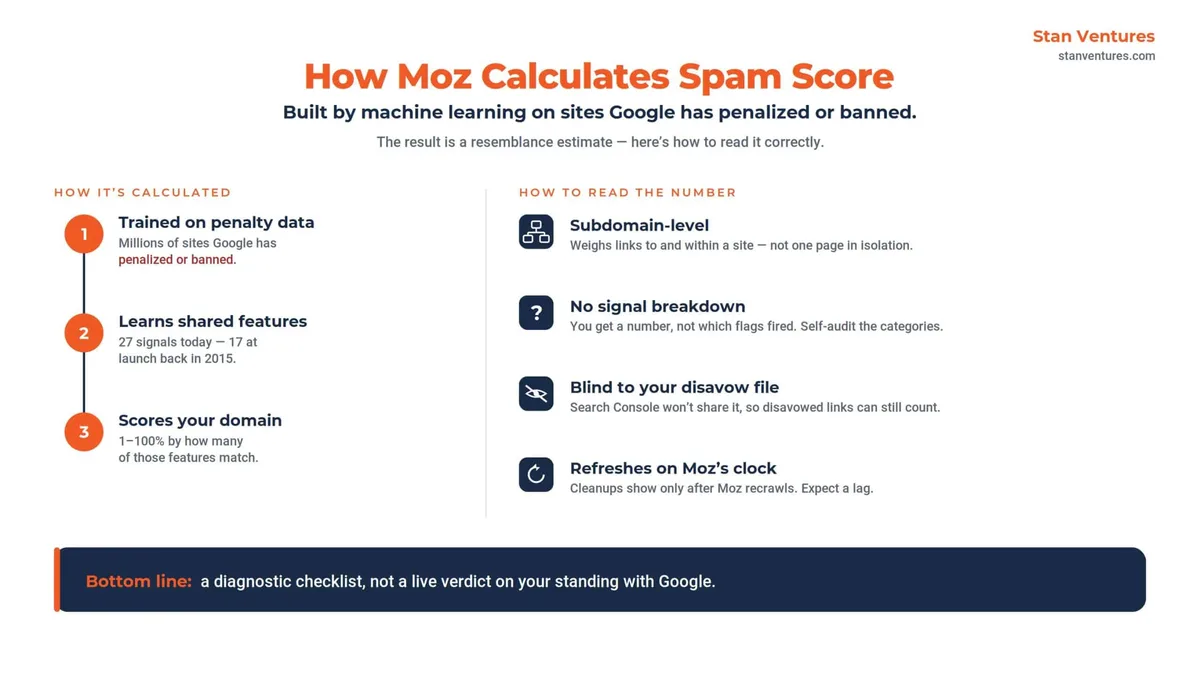
I’ve audited sites sitting at 45% with hundreds of thousands of monthly organic visitors and no manual action in Search Console. Conversely, I’ve seen 9% scores on sites that were bleeding traffic from a completely unrelated technical issue.
The smart move is to treat the number as a starting point for investigation. Pair it with Google Search Console data, actual ranking trends, and manual review of your backlink profile. Anxiety without diagnosis solves nothing.
Mistake 2: Confusing Spam Score Moz With Google’s Actual Spam Filter
This one trips up smart people constantly. Moz’s spam score and Google’s spam detection are entirely different systems with different inputs, different outputs, and no data sharing between them.
Google evaluates sites using its own secret signals, including SpamBrain, its machine learning spam detection system. Moz’s tool is an outside observer doing its best guess with public crawl data. The two can agree, but they often don’t.
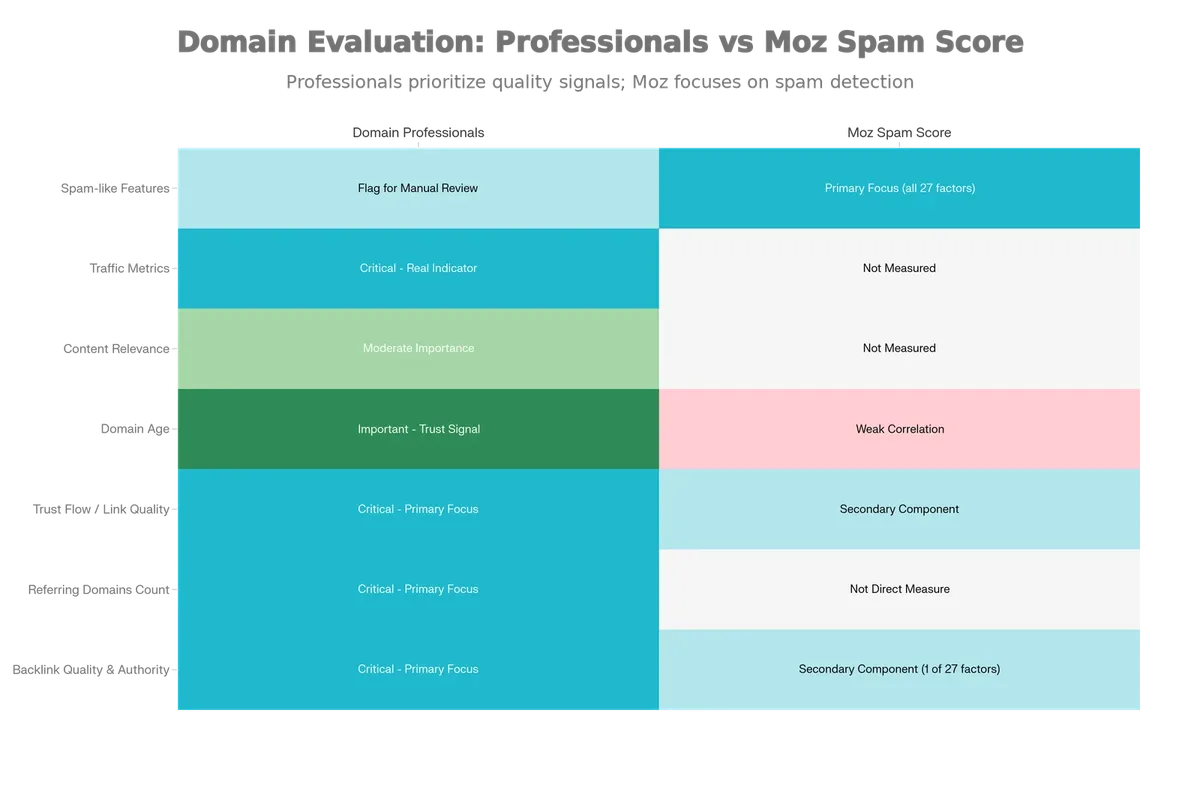
Here’s what that means in practice. A rising Moz score doesn’t mean Google penalized you. A falling Moz score doesn’t mean Google lifted a penalty you never had. The two metrics move on separate tracks.
If you suspect an actual Google penalty, the right place to look is the Manual Actions report inside Search Console and your organic traffic trend in Performance. Moz’s metric can hint at risk patterns, but it can’t diagnose a penalty. Stop treating it like a verdict from the search engine itself.
Mistake 3: Disavowing Links Without a Real Spam Score Moz Checklist
This is the mistake that turns a minor concern into a major problem. The disavow tool is powerful, and Google explicitly warns that misusing it can hurt rankings. Yet people fire off disavow files after seeing a heightened spam score moz value without a second thought.
Disavowing good links by accident is worse than living with a few questionable ones. Effective execution in your spam score moz makes a tangible difference. Every link you disavow is a vote you’re asking Google to ignore permanently, and many of those “bad” links actually carry value you’d be throwing away.
A responsible spam score moz checklist looks like this before any disavow action:
- Confirm the score context: Check whether the domain is new, recently migrated, or naturally link-heavy before assuming a problem.
- Export the backlink profile: Pull your full link list from Moz Link Explorer and cross-reference with Search Console.
- Segment by risk: Isolate links from known link farms, PBN clusters, and exact-match anchor overuse.
- Triage by intent: Distinguish links you earned organically from links you bought or exchanged in the past.
- Check for manual actions: Confirm whether Google has actually flagged the site before touching the disavow file.
- Disavow conservatively: Target only the segments that clearly represent manipulation, and document your reasoning.
- Monitor for 60-90 days: Watch organic traffic and ranking recovery before making further changes.
Notice that “disavow everything above a certain score” isn’t on that list. That’s not caution for its own sake. It’s the difference between a targeted cleanup and a self-inflicted wound.
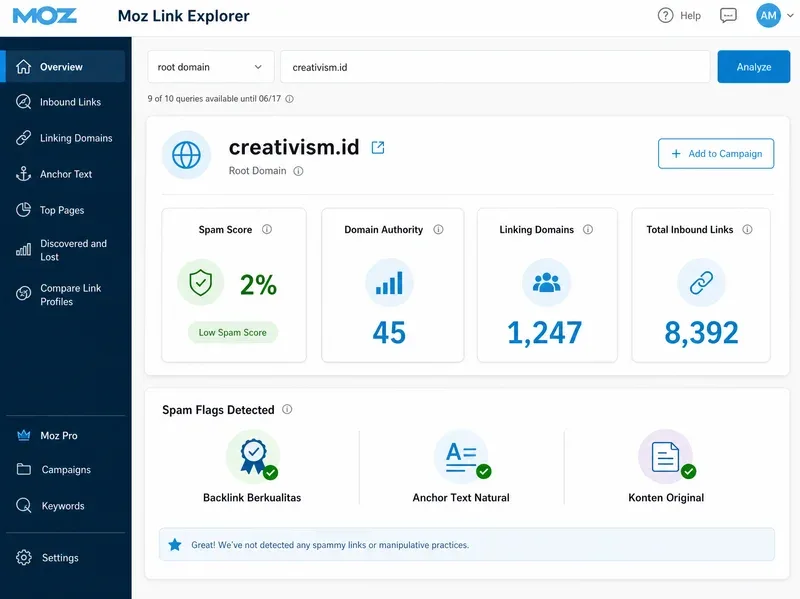
Mistake 4: Ignoring the Difference Between Domain and Page Spam Score Moz Values
Moz gives you both a domain-level and a page-level spam score. People commonly review one and ignore the other, which leads to lopsided decisions.
The domain-level score reflects the overall risk profile of the entire site. The page-level score looks at individual URLs and how they compare to known spam pages.
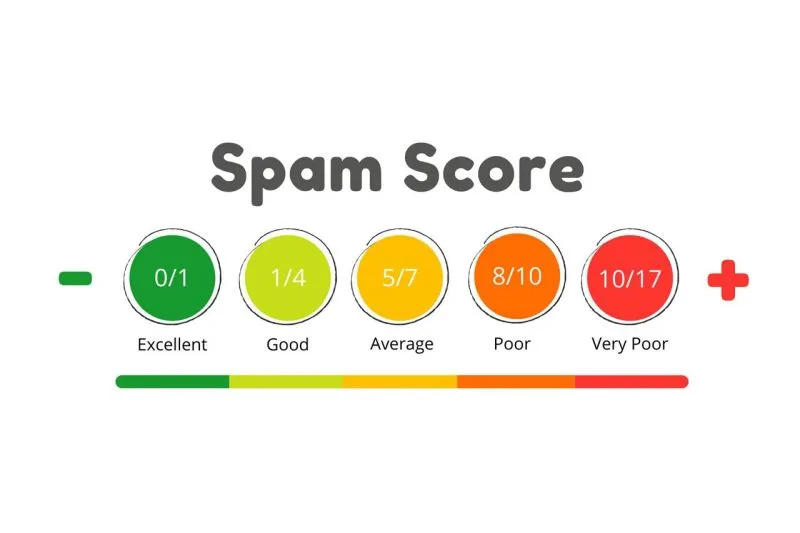
A domain can look clean at 12% while a specific page spikes to 60% because of something specific on that URL, like an overly aggressive internal linking pattern or duplicate content.
In one audit I ran, a client’s homepage showed a comfortable 11% spam score moz, but a product category page was sitting at 58%. The culprit was a batch of thin, templated pages published in bulk six months earlier.
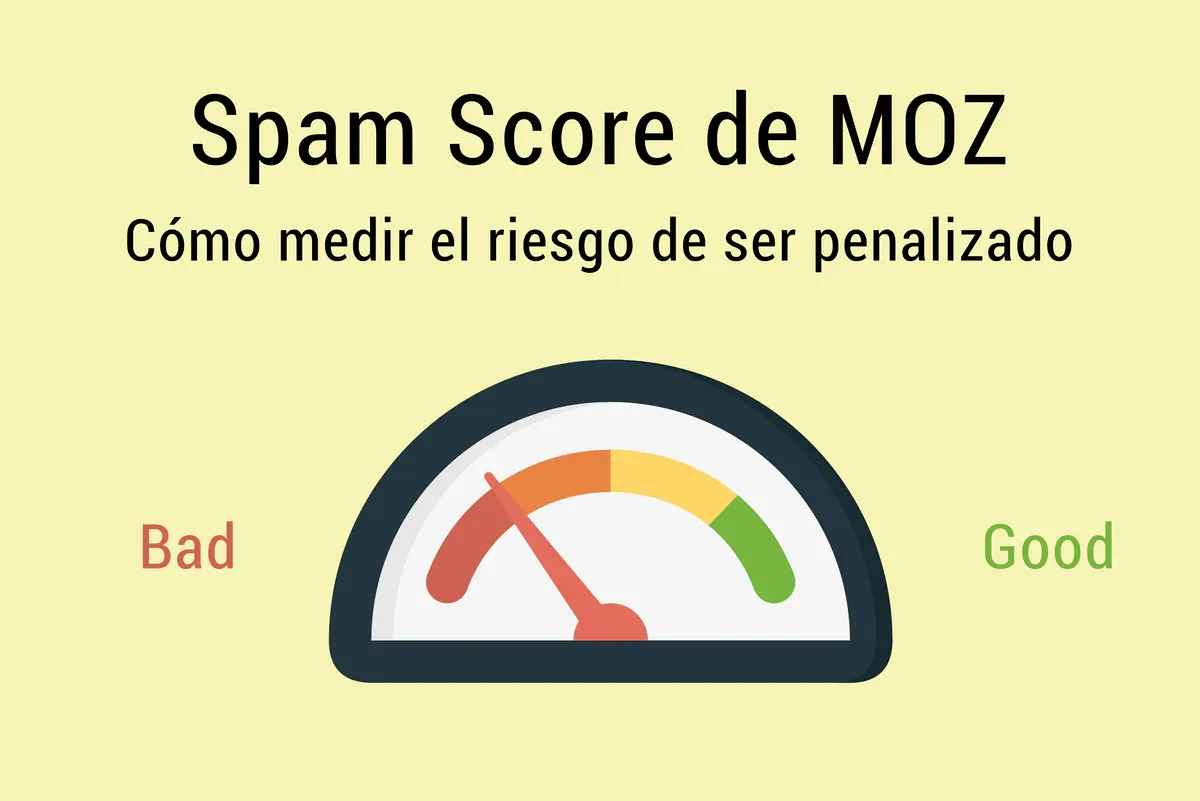
Always check both levels. A clean domain score can lull you into missing a page-level problem that’s actively costing you rankings in a high-value category.
Mistake 5: Treating Spam Score Moz as Static When It Fluctuates Daily
Site owners often check their score once, record it, and treat it as permanent. Then they panic when it jumps three weeks later after a competitor link campaign or a new batch of scraped backlinks appears.
The truth is the spam score moz Moz recalculates scores on a rolling basis, and backlink discovery alone can shift the number. New links get discovered, old links get dropped, and the score adjusts accordingly. A five-point swing in a week is routine.
What matters isn’t a single snapshot. It’s the trend line over 30, 60, and 90 days paired with your traffic data. A gradual creep upward might indicate a link-building tactic going wrong. A one-week spike with no traffic change is usually noise from freshly crawled links.

Set up a simple monthly check-in with Moz Link Explorer and record the value alongside organic session data. Patterns emerge from trends, never from single readings.
Mistake 6: Chasing a Perfect Low Spam Score Moz While Ignoring Real SEO Fundamentals
This is the most ironic mistake in the book. Publishers obsess over dropping their spam score from 22% to 8% while their core web vitals are crumbling, their internal linking is chaotic, and their topic clusters are unfocused.
A low score doesn’t rank you. It just removes one potential blocker. The 8% site with great content and solid technical SEO beats the 4% site with thin pages every single time.
Apply the same energy to a broader spam score moz best practices mindset: prioritize topical authority, improve page speed, prune thin content, fix broken internal links, and earn a handful of genuinely relevant brand mentions each month. That combination moves rankings in a way that shaving five points off your score never will.
Use the score as a hygiene metric, not a primary goal. A healthy site hitting 10-20% while doing everything right will outperform a paranoid 3% site with weak fundamentals.
Mistake 7: Applying One-Shot Fixes Instead of a Spam Score Moz Best Practices Routine
Sporadic audits are a slow-motion error. Someone runs an audit, does a big cleanup, and then ignores everything for a year. Twelve months later, dozens of new low-quality links have accumulated, and the score has crept back up.
Moz’s score rewards consistency. A thoughtful approach to spam score moz reinforces your qualifications. Small monthly housekeeping beats annual fire drills. A routine that actually keeps the metric healthy looks something like this:
- Weekly: Scan Search Console for new unnatural link alerts and unreachable pages.
- Monthly: Pull a fresh backlink delta from Moz and log the current spam score moz value.
- Quarterly: Review the top 30 referring domains by authority; flag any that shifted to spammy patterns.
- Annually: Do a full content prune, retire thin pages, and consolidate duplicate topics.
None of these steps take more than an hour. Together they prevent the sort of slow drift that catches publishers off guard, and they replace panic with predictability.
If you only remember one item from this list, remember this: a spam score moz tips habit beats a one-time cleanup every time. Consistency is the entire game.
Mistake 8: Overcorrecting After a Spam Score Moz Spike by Gutting Content
The final, most damaging mistake is aggressive overcorrection. A score jumps. The site owner deletes 40% of their content, disavows a pile of links, and strips all external linking. Six months later, organic traffic is down 60% and the score barely moved.
Content deletion is a blunt instrument that rarely helps. Moz’s spam score isn’t a thin-content audit, so removing content in bulk addresses a symptom that may not even exist on that front.
Better to diagnose first. Which new backlinks appeared in the last 60 days? Did another property you own suddenly link to this domain in a suspicious pattern? Did you migrate URLs and accidentally create redirect chains? Answer those questions before touching a single post.

The right sequence is diagnose, isolate, fix, then measure. Overcorrection is what happens when people skip the first two steps and jump straight to nuclear options.
Building Your Spam Score Moz Guide Into Daily Workflow
A solid spam score moz guide isn’t a one-time reading. It’s a lightweight workflow that keeps you ahead of drift without turning SEO into a chore.

Set a monthly calendar reminder to open Moz Link Explorer and record the current score alongside a screenshot of your organic traffic. If either value shifts meaningfully, dig in. If both are stable, move on. Simple.
Pair the spam score moz with Search Console’s link report and a quarterly content refresh. That combination covers the three things that actually move the needle: new link quality, content relevance, and technical hygiene.
Don’t chase perfection. Chase predictability. The publishers who stay calm and consistent are the ones whose sites keep ranking while competitors are stuck in panic cycles.
Quick Reference: Spam Score Moz Terms and What They Actually Mean
Before wrapping up, it helps to align on what the major terms you’ll encounter actually mean. This table is meant as a working glossary, not a definitive dictionary, since Moz’s exact weighting is proprietary.
| Term | What It Measures | Typical Concern Threshold |
|---|---|---|
| Domain spam score | Risk profile of the whole site based on 27 signals | Above 40 percent warrants investigation |
| Page spam score | Risk profile of an individual URL | Any page above 50 percent is worth a manual look |
| Link velocity | Speed at which new backlinks appear | Sudden 5x spikes are suspicious |
| Anchor text distribution | Ratio of exact-match to branded anchors | Over 30 percent exact-match is risky |
| Referring domain authority | Average strength of linking sites | Heavy concentration in DA under 10 is a red flag |
| Manual action status | Google’s own penalty flag | Any action in Search Console requires immediate review |
Frequently Asked Questions About Spam Score Moz
These are the questions I hear most often during audits, and they deserve direct answers rather than PR-style hedging.
Is a Spam Score Moz of 30 or Higher Automatically Bad?
No. Moz explicitly describes 30-60% as “medium risk” requiring monitoring, not urgent action. Actual risk depends on the underlying link profile, your site’s age, and whether Google has taken any manual action.
Treat 30 as a nudge to check your backlinks, not a signal to start disavowing or deleting content. Most sites in that range function perfectly well.
How Often Should I Check My Spam Score Moz Value?
Once a month is plenty for most publishers. Weekly checks add anxiety without adding information, since the score itself updates on a rolling schedule that doesn’t require your attention every seven days.
If you’ve recently run a link-building campaign or migrated a site, check weekly for the first six weeks to catch any surprises. After that, revert to monthly.
Can Improving My Score Actually Help Rankings?
Indirectly, yes, but not because the score itself is a ranking factor. Cleaning up spammy backlinks removes potential trust issues, and that cleaner profile can help Google’s algorithms evaluate your site more confidently.
But if you’re ranking poorly, the cause is almost never the score. It’s usually content quality, technical performance, or topical relevance.
Should a High Spam Score Moz Change My Link Building Strategy?
Only if the score is driven by questionable link acquisition practices. Genuine editorial link building rarely pushes a site into the danger zone. Paid guest posts, private blog networks, and low-quality directory submissions do.
If your score crept up after a specific campaign, that campaign is the place to look. Otherwise, keep doing what you’re doing and monitor monthly.
The Real Takeaway on Spam Score Moz Mistakes
The eight mistakes covered above share one root cause: treating a diagnostic number as a verdict. Spam score moz is a helpful compass, but it’s not the destination, and it’s certainly not a judge.
What separates a healthy site from a panicked one is the ability to read the score in context, cross-reference with real traffic data, and act with targeted precision instead of sweeping correction. That’s the difference between a routine cleanup and a self-sabotage spiral.
If you take one action away from this article, make it the monthly check-in. Consistent awareness, combined with a light touch on fixes, is what keeps a site healthy for years. Everything else is detail.
For an authoritative technical reference on spam scoring and how search engines classify it, the Wikipedia entry on spam provides a useful foundational background that complements this spam score moz guide.