Domain Rating Ahrefs: What It Really Measures and Why It Matters
Domain rating ahrefs is the single number most people check before they decide whether a backlink is worth chasing, and it is also the number most people misread.
If you have ever stared at two sites with wildly different scores and wondered why the one with 60 outranks the one with 75, you are in the right place.
The domain rating ahrefs is a practical field guide, not a definition dump. Twelve concrete moves follow, each one tested against real campaigns where the score had to move because a deal, a client, or a launch depended on it.
Before any of the domain rating ahrefs, you need to understand what the metric actually counts. That foundation is what separates a smart plan from blind link buying.
Link Graph Math, Not a Quality Verdict
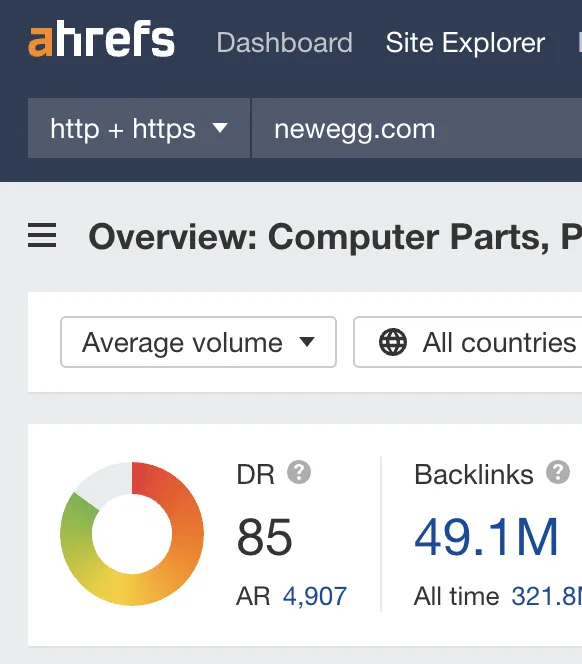
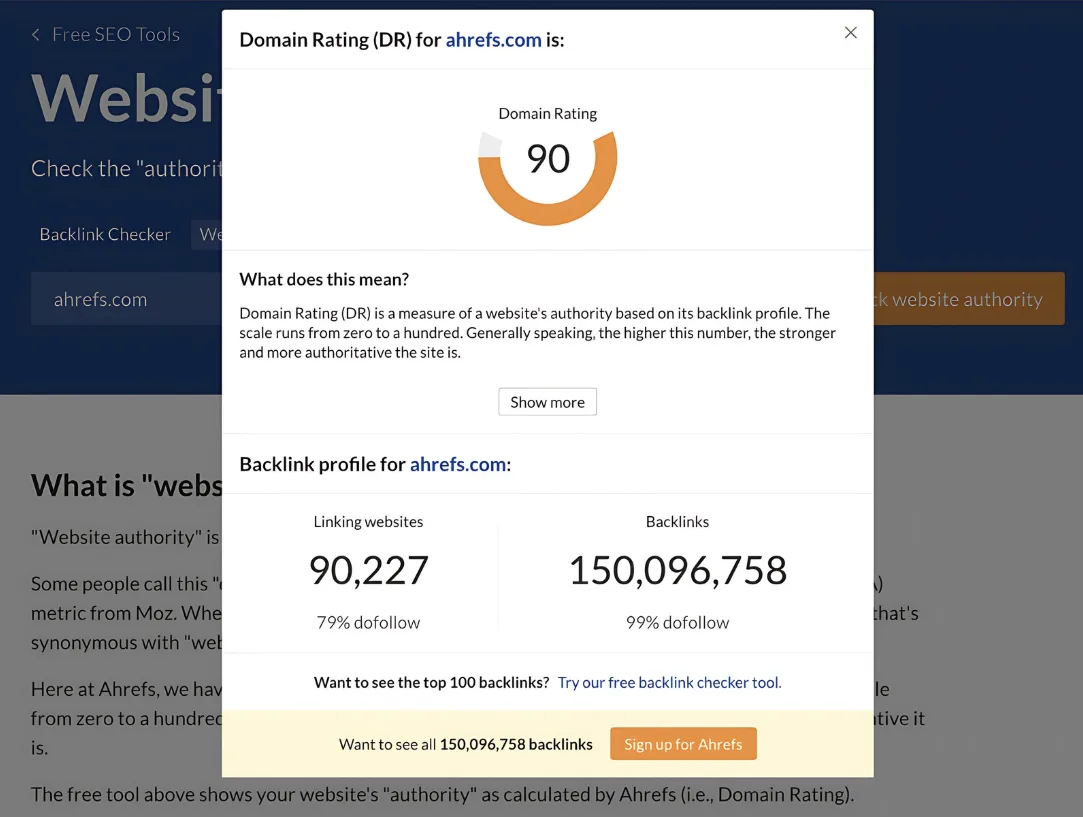
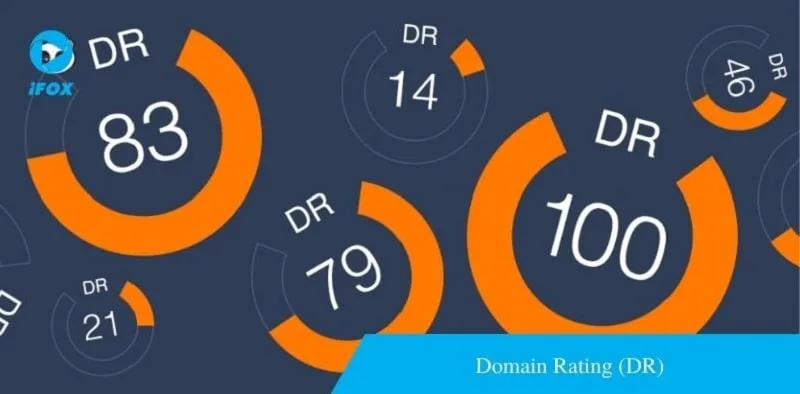
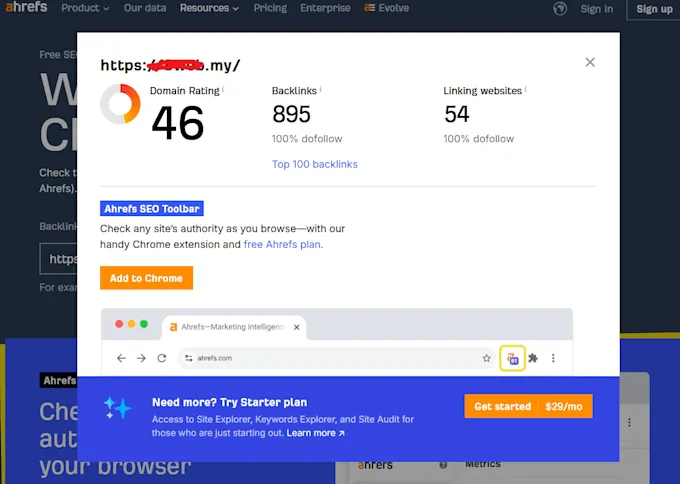
Ahrefs calculates domain rating on a logarithmic scale from 0 to 100. The score reflects the strength of a site’s backlink profile compared to every other site in the Ahrefs database.
Two inputs drive that number. Refining each detail of your domain rating ahrefs strengthens this section. The first is how many distinct domains link to the site. The second is the authority of each of those linking domains.
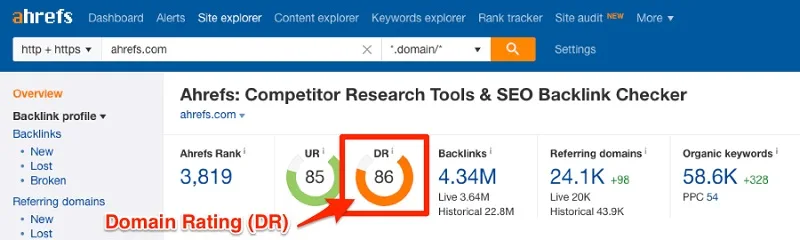
That is it. No traffic data, no content quality score, no brand sentiment. A domain rating ahrefs report card tells you about links, and links only.
The logarithmic curve deserves a second look. Moving from 20 to 30 is not the same amount of work as moving from 70 to 80. The higher you climb, the more raw link weight each point demands.
Practically, this means a small publisher leaping from 18 to 35 in six months is doing real work. A giant brand drifting from 82 to 84 might be spending seven figures on digital PR.
How Ahrefs Builds the Score
The crawl starts with followed outbound links. Effective execution in your domain rating ahrefs makes a tangible difference. Ahrefs ignores links marked nofollow, user-generated, or sponsored when calculating the score, so a thousand comment links move nothing.
Recursive propagation comes next. If a site gets a link from an already strong domain, that strength passes through the graph in diminishing amounts, which is why one editorial link from a major outlet can beat thirty directory listings.
A fresh site with three links from respected publications will often score higher than an old site with two hundred links from forgotten web directories. Age is not a variable in the formula, though older sites usually accumulate better links by accident of time.
Domain Rating Vs. Page Rating Vs. URL Authority
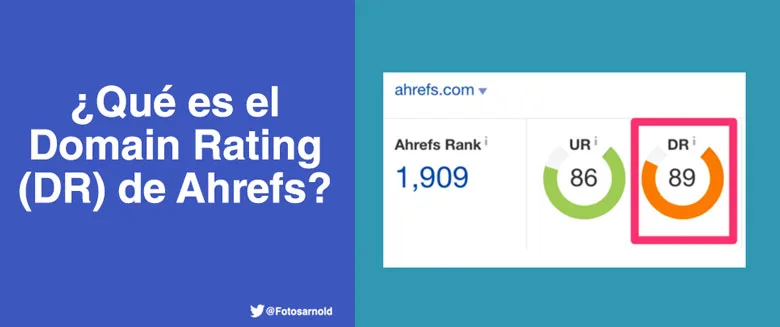
Here is where newcomers get tripped up constantly. A site can hold a domain rating ahrefs score of 70 while the specific page you want to rank sits at 3.
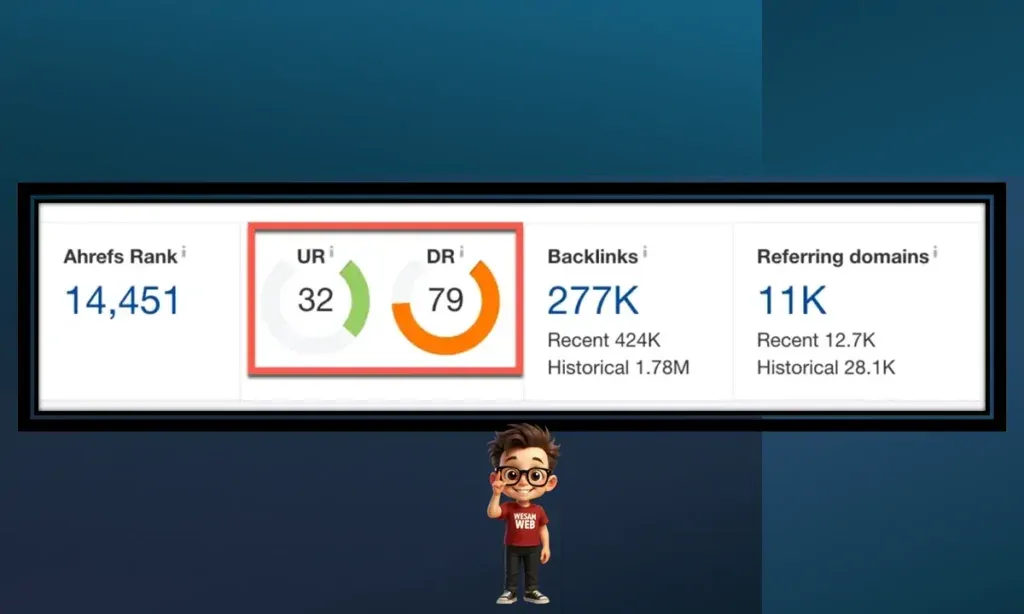
Domain rating measures the whole root domain. Maintaining clarity across your domain rating ahrefs remains essential. URL Rating measures the individual page. The page-level metric is what tells you whether that guest post page has any juice worth passing.
Compare both before you pitch. If the homepage soaks up all the links and the article page has none, the placement is mostly a brand play, not a ranking play.
| Metric | Scope | Best Used For |
|---|---|---|
| Domain Rating | Whole root domain | Assessing a site’s overall link strength |
| URL Rating | Single page | Judging the value of one specific placement |
| Referring Domains | Unique linking sites | Spotting diversity versus reliance on a few sources |
| Ahrefs Rank | Absolute ranking in the index | Comparing sites at the very top of the scale |
The Parent Topic This Sits Inside
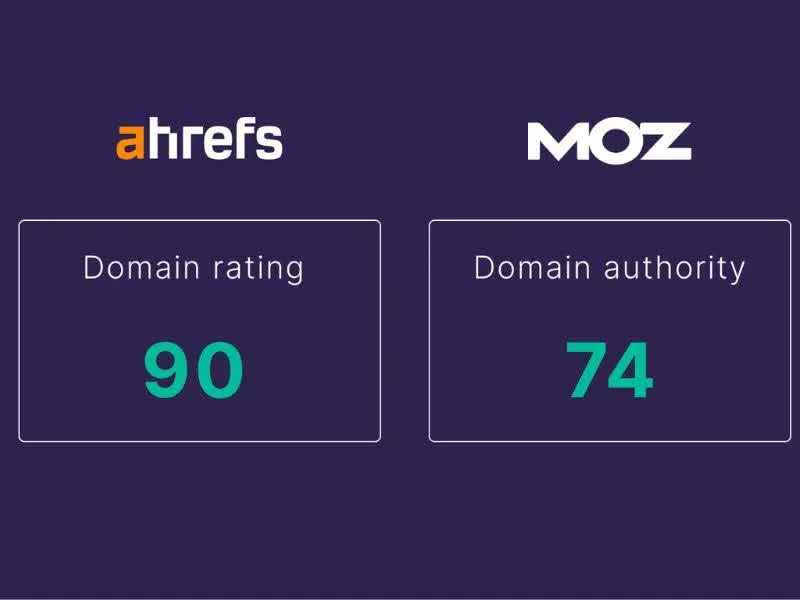
Think of domain rating ahrefs as one instrument in a larger dashboard called site authority. Sibling metrics include Moz’s Domain Authority, Semrush’s Authority Score, and Majestic’s Trust Flow.
When you go deeper into this topic cluster, you will eventually hit related areas: toxic backlink auditing, anchor text distribution, and internal link equity flow. Those are natural next reads once the basics here are locked in.
Domain Rating Ahrefs Guide: the 12 Proven Ways to Get Results
Twelve ways, grouped into four families. A thoughtful approach to domain rating ahrefs reinforces your qualifications. Link acquisition, profile hygiene, technical setup, and measurement discipline. Each one stands alone, and each one has produced measurable movement in real campaigns.
Skip none of them. A profile raised on acquisition alone, without hygiene and measurement, will plateau hard around the 40s and stay there.
Family One: Acquisition That Actually Moves the Needle
Getting links is the obvious part. Getting links that shift a logarithmic score is the part most people fumble, because volume feels productive while relevance is what moves numbers.
Treat the domain rating ahrefs family as the engine. The other three families keep the engine from burning out.
- Publish Original Data and Let It Earn Links. A survey of 400 practitioners, a benchmark study, an annual index — anything competitors cannot copy in a week. Data assets attract editors who need a citation, and those editorial links come from domains with strong scores. A logistics software blog I reviewed jumped 14 points in nine months on the back of one shipping cost index that industry newsletters kept citing. Publish one per quarter and track which posts get picked up.
- Run Digital PR Campaigns With a News Hook. Journalists link to stories, not service pages. Build a small, honest story — a regional comparison, a contrarian finding, a cost breakdown — and pitch it to trade publications. One placement in a respected industry outlet can outweigh fifty guest posts. The trick is a hook that survives the editor’s first glance. If the pitch opens with your brand name, rewrite it.
- Reclaim Broken and Unlinked Mentions. People cite your brand without linking all the time. Set an alert for your name, the product name, and any proprietary term, then email politely asking for a link. This is the cheapest win in the entire playbook because the hard part — earning the mention — is already done. I have seen a single afternoon of outreach add nine referring domains.
- Trade Guest Content Only With Genuine Fit. Guest posting still works when the host site is topically close and the audience overlaps. It backfires when you write for a general business blog that publishes anything for a fee. Ask one question before pitching: would this editor publish my piece if I weren’t paying? If the answer is no, the link is decoration.
Family Two: Profile Hygiene That Protects What You Built
Acquisition gets attention; hygiene prevents regression. A profile with 400 referring domains and 90 spammy ones can stall a score for months.
Here is a domain rating ahrefs checklist worth running every quarter, because link rot and spam accumulate quietly.
- Audit Referring Domains for Toxicity Quarterly. Export the referring domains report, sort by domain rating ahrefs score, and scan the bottom of the list. Link farms, expired-domain networks, and auto-generated directories cluster there. You cannot remove a link you do not control, but you can disavow the patterns and stop building more. One client’s profile had 1,200 referring domains and 38 that looked industrial: the score had been flat for a year.
- Prune Redirected and Repurposed Domains. A link from a site that has since been repurposed into a casino portal does not help you. Cross-check referring domains against current homepage content. If the domain changed hands and changed topic, note it and disavow. This is tedious work that almost nobody does, which is exactly why it returns value.
- Keep Anchor Text Natural and Varied. Over-optimized exact-match anchors are the fastest way to look bought. Aim for a mix: brand names, bare URLs, descriptive phrases, and the occasional keyword anchor. Pull the anchors report and check whether any single phrase dominates more than a reasonable share of the profile. If one does, dilute with brand mentions and natural editorial links.
- Fix Link Leaks Before Chasing New Links. Sometimes the fastest domain rating ahrefs gain comes from recovery, not acquisition. If a popular page 404s, its referring domains evaporate. Run a crawl, find broken internal links to pages that used to attract links, and redirect them to the closest live equivalent. A media site recovered four points in a month simply by restoring redirects for three old resource pages.
Family Three: Technical Setup Most Teams Ignore
No amount of outreach will help if crawlers cannot see the links pointing at you. These three fixes are unglamorous and consistently undervalued.
They also take an afternoon rather than a quarter.
- Make Sure Links Are Followed, Not Buried. Check the referring domains report against how those links actually render in the page source. Some CMS platforms inject rel attributes automatically on user-generated content. If an editor agreed to a followed link but the platform silently added nofollow, you have a mention, not a link, and the domain rating ahrefs calculation will ignore it.
- Resolve Canonical and Redirect Chains. Link equity dissipates across redirect hops. If your HTTP version, www version, and root domain all resolve separately, consolidate them with 301s and a single canonical. Run a full crawl and check for chains longer than one hop. Companies routinely find that their best-linked pages sit behind two redirects.
- Consolidate Duplicate and Thin Content. Split pages with the same target keyword cannibalize each other and dilute the equity moving through internal links. Merge them, redirect the weaker one, and pass the consolidated authority to the survivor. Internal equity flow is not counted in domain rating ahrefs directly, but cleaner site structure means more of your earned links reach pages that matter.
Family Four: Measurement Discipline
The domain rating ahrefs cannot run a strategy you do not measure. The last family is about reading the metric honestly.
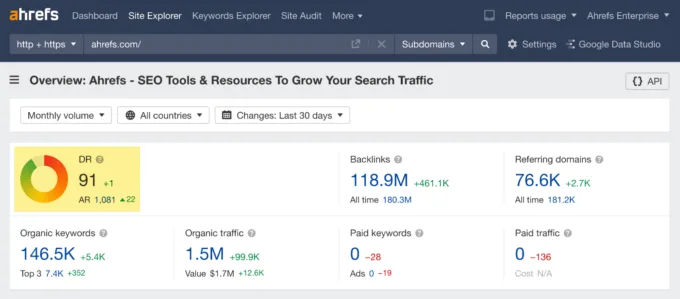
Set a baseline before the domain rating ahrefs touch anything. Track referring domains, anchor ratios, and score together on a monthly cadence, and resist the urge to check daily.
- Track Score Against Referring Domains, Not in Isolation. A rising score means little if referring domains are flat, and vice versa. Plot both on the same chart. Steady growth in referring domains with a score that sometimes lags is a healthy signal — the backlink index updates on its own crawl schedule, so a fresh link may take days or weeks to register. Patience on this one saves teams from overreacting to noise.
Domain Rating Ahrefs Best Practices for Choosing Targets
Now you can judge the number, use it to judge other people’s sites. This is where the metric earns its keep in day-to-day SEO decisions.
Prospecting, competitor research, and outreach prioritization all hinge on reading scores in context rather than as absolute verdicts.
Match Score to Topical Fit Before Anything Else
A link from a domain rating ahrefs 45 site in your exact niche beats a link from a 70 site in an unrelated niche more often than people expect. Topical relevance shapes how both readers and algorithms interpret a link.
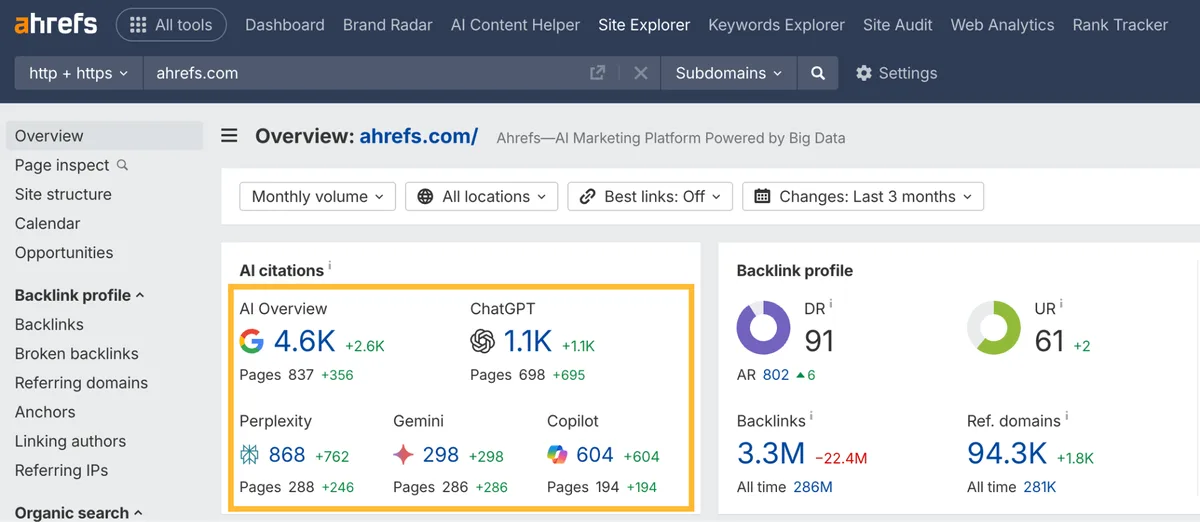
Build a target list sorted by two columns: score and relevance. If a prospect is high on both, pursue it first. If the score is low but relevance is perfect, still pursue it.
Reject the inverse case involving unrelated topical fit. High score, wrong niche, every single time.
Use Spider Web Freshness to Time Your Outreach
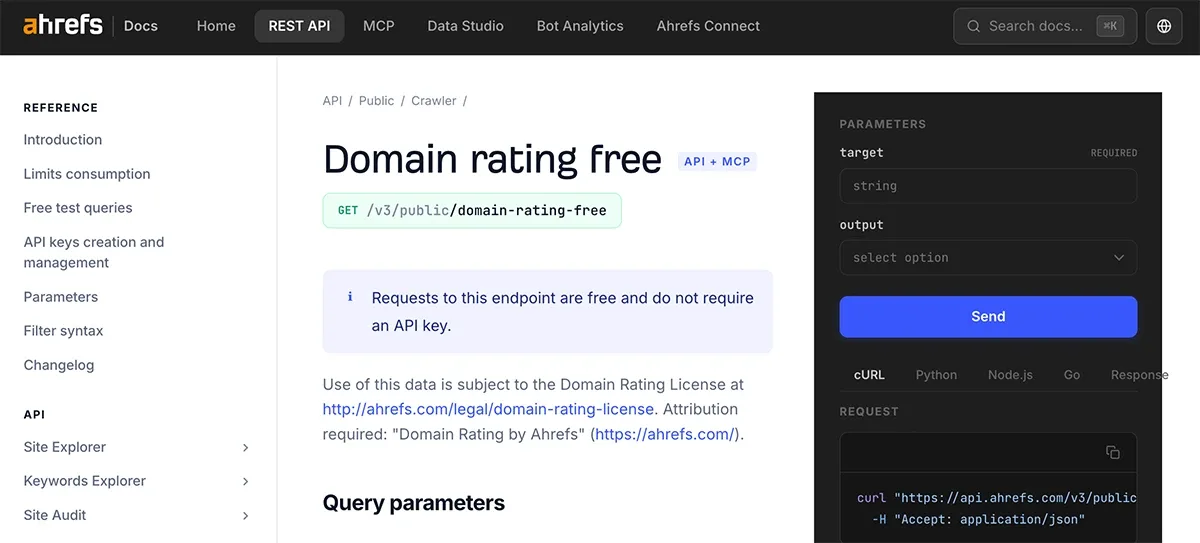
Ahrefs shows a spider web indicator the domain rating ahrefs signals how frequently crawling happens. Fresh, well-maintained sites tend to show strong scores quickly after acquiring links.
When you prospect, check the crawl freshness column alongside the score itself. A stale site with a decent score may take longer to reflect your link, which affects how fast you can report results.
Threaten Nothing With Paid Link Networks
The temptation to buy twenty links from a high-score network is real, and it is a trap. Those networks often sell placements to dozens of sites, leaving a footprint that audit tools catch easily.
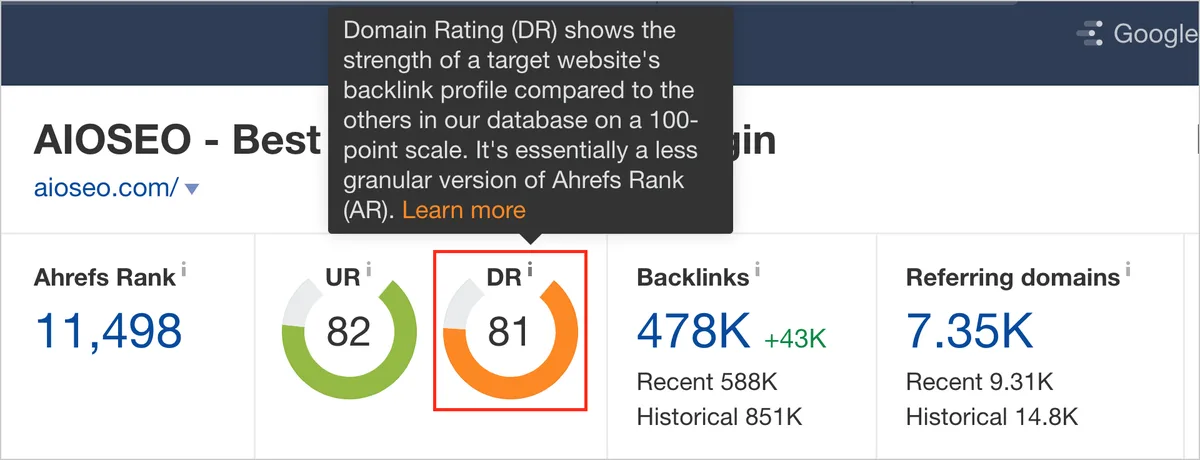
Search engines discount link schemes, and the score will not hide the pattern because the domain rating ahrefs model sees the referring domains, not just the placements. If your profile suddenly gains 30 links from the same parent company, that is the pattern.
Read Competitor Profiles to Find Gaps
Enter two competitor domains in the backlink comparison tool and look for referring domains linking to your rivals but not to the domain rating ahrefs. That report is a ready-made outreach list.
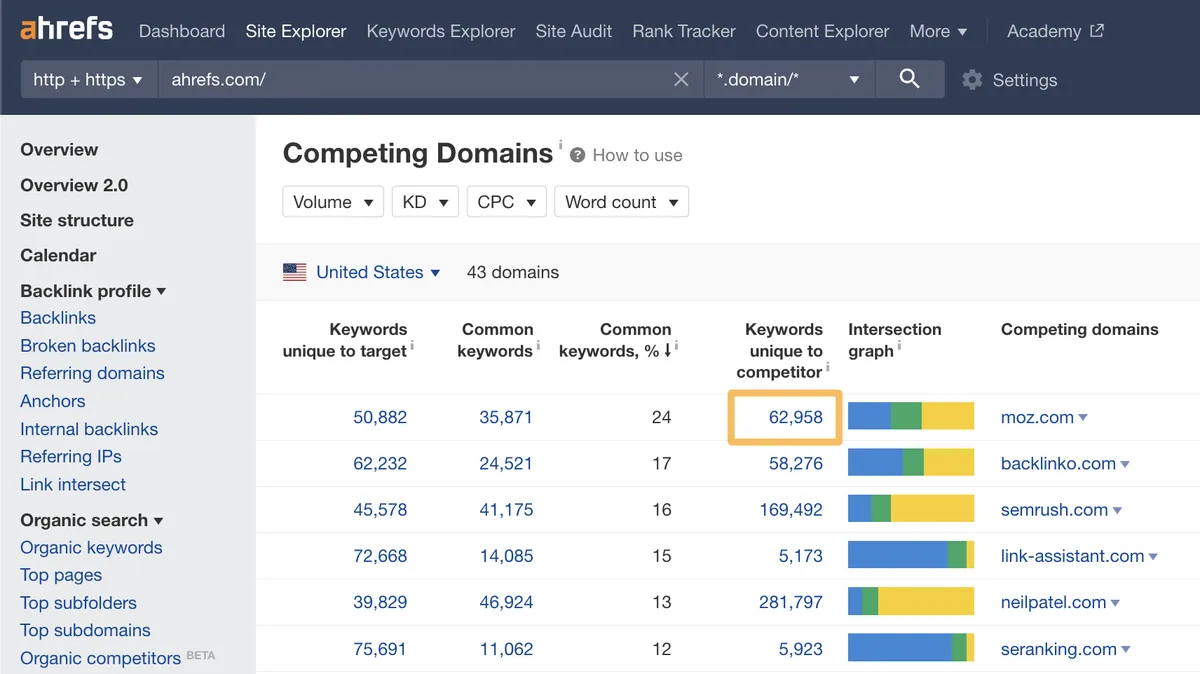
Filter the list by a domain rating ahrefs floor of around 30 to keep effort focused. Anything below that may still be worth a pitch, but prioritize the strong prospects first.
Domain Rating Ahrefs Tips: Building the Campaign Schedule
Consistency beats intensity here. A team publishing one data asset, one PR pitch, and one hygiene pass per month will beat a team doing everything in one heroic quarter and then going silent.
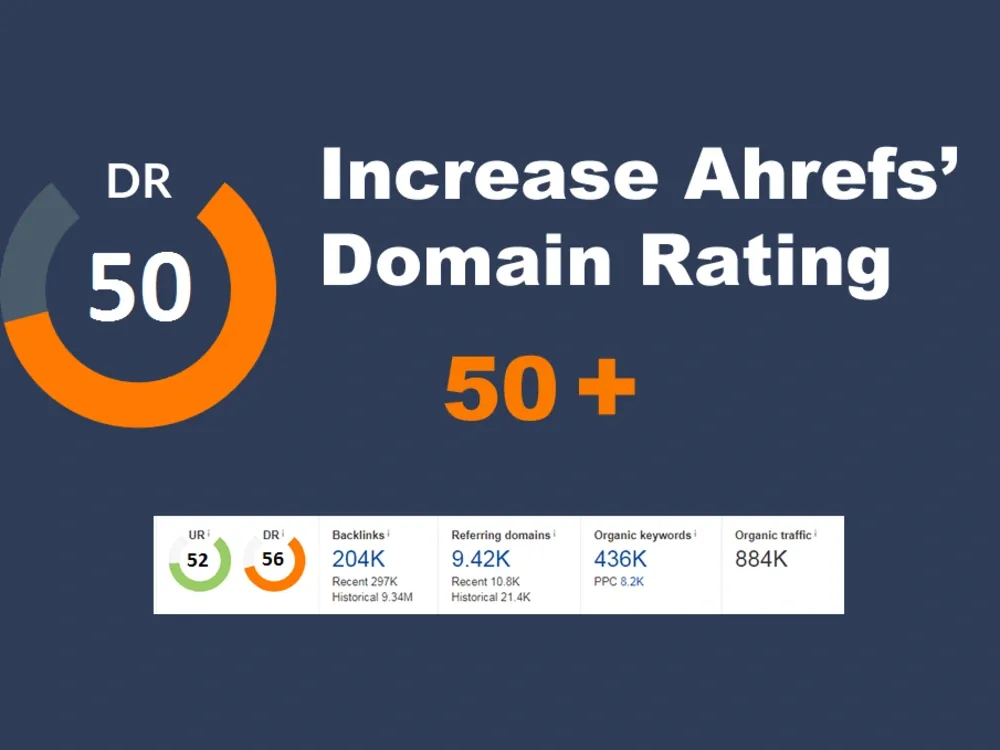
Set a rhythm. Review the domain rating ahrefs score monthly, not daily, and keep the acquisition calendar realistic against your content team’s capacity.
Split Budget Between Earned and Fixed Links
Most of your budget should go to content and digital PR the domain rating ahrefs earns editorial links. A smaller share covers placement costs where the fit is genuine and the audience is real.
Track return per channel at the referrer-domain level, not the score. Clear alignment with your domain rating ahrefs builds confidence from the start. Placements from domains with strong traffic and relevance pull weight; placements from a generic network do not, regardless of what the score reads.
Build a Small Outreach Panel, Not a Volume Machine
Ten well-researched pitches beat two hundred template blasts. Personalization takes maybe eight minutes per email if you actually read the target publication.
That said, volume still needs a floor. Set a weekly target you can sustain, even if modest. Momentum in the domain rating ahrefs score usually follows consistent referring domain growth over a full quarter.
Align Content With Link-Worthy Angles
A post that answers a search query rarely earns links. A post that delivers something people screenshot, cite, or quote does.
Look at what earned links for competitors in the past year, then build the missing resource. Integrating domain rating ahrefs into your workflow produces consistent quality. That could be a template, an interactive calculator, a survey, or a definitive comparison table. Each one is a natural target for the kind of link that actually registers.
Domain Rating Ahrefs Checklist Before Launching Any Link Campaign
Run this list before you send the first pitch. Nine out of ten stalled campaigns skip at least two items here.
The whole list takes maybe forty minutes to execute. The cost of skipping it is a quarter of wasted outreach.
| Check | What to Verify | Why It Matters |
|---|---|---|
| Baseline recorded | Score, referring domains, and anchor mix logged | Without a baseline, you cannot tell movement from noise |
| Target relevance | Every prospect’s niche tested against yours | Relevance multiplies the value of any placement |
| Page-level rating | URL Rating checked, not just domain rating | Dominant homepages may not pass equity to your target page |
| Anchor diversity | No single anchor phrase dominating | Looks natural to auditors and to algorithms |
| Redirect health | No chains longer than one hop | Chain hops leak equity before it arrives |
| Canonical sanity | HTTP, www, and root resolve as one | Split signals confuse crawlers |
| Toxic domains flagged | Disavow list drafted for known bad actors | Prevents future hygiene dread |
| Measurement cadence | Monthly review scheduled | Daily checking creates false panic |
| Reporting format chosen | Ref domain growth charted alongside score | Tells a clearer story than score alone |
Any unchecked line is a leak. Targeted refinements to your domain rating ahrefs streamline the entire review. Fill it before your first outreach email goes out, and keep the record somewhere a teammate can read.
Common Misreadings of Domain Rating That Cost Teams Money
Five traps show up again and again in agency audits and client conversations. Naming them plainly helps you avoid each one.
The first trap is conflating authority with profitability. A high score does not guarantee traffic or revenue — plenty of score-70 sites with real traffic also have no money problem, and plenty of score-40 sites earn seven figures a year.
Forgetting the Lag Between Links and Score
Ahrefs recrawls on its own schedule, and a newly placed link can take days or weeks to register. Focusing on domain rating ahrefs provides clear direction here. Teams that check daily see no movement, decide the campaign failed, and pivot too soon.
Build a reporting rhythm that reflects the crawl cycle. A monthly check catches movement reliably; a weekly check catches only noise.
Assuming Nofollow Links Do Nothing
Nofollow links do not feed the domain rating ahrefs calculation, but they do influence discovery and referral traffic. A well-placed nofollow mention in a major outlet still sends real visitors.
Treat nofollow links as brand assets with awareness value. Treat followed links as ranking assets. Keep them in separate mental buckets so you do not reject a worthwhile placement on technical grounds.
Chasing Score Without Revenue Context
If the domain rating ahrefs can move the metric but cannot move conversions, the campaign is an exercise in vanity. Tie every push to a business outcome: signups, demo requests, or product page rankings.
Ask of every campaign, whose score is this actually helping? If the answer is not your audience or your sales pipeline, reconsider.
Ignoring the Alternatives
Domain rating ahrefs is one score among several. Moz’s Domain Authority, Semrush’s Authority Score, and Majestic’s Trust Flow each weigh different signals. Use them for cross-checks, not consensus-by-averaging.
When all four moved in the same direction over the same period, you can trust the story. When they diverge, look at link diversity and relevance before you read too much into any single number.
Who Benefits Most from This Playbook
The score matters most for teams the domain rating ahrefs rely on organic search as a primary channel. It matters less for display-ad publishers and almost not at all for transactional sites ranked on brand demand.
Ecommerce stores built on category pages feel domain rating ahrefs pressure directly, because category pages rarely earn links on their own and depend on domain strength to compete.
When the Metric Should Guide and When It Should Follow
SaaS companies in competitive niches usually benefit from pushing the score, because the category pages they want to rank often lack link-earning potential. Publishers with link-magnet content can afford to let the score rise on its own.
Judge your case on one question: which pages do the domain rating ahrefs most need to rank, and do those pages earn links natively? If the answer is no, acquisition investment pays off. If the answer is yes, focus on republishing and outreach around the link-magnet content already working.
Frequently Asked Questions About Domain Rating Ahrefs
Here is an in-depth breakdown of key considerations regarding this section:
What is a Good Domain Rating to Aim For?
There is no universal threshold. Get close to or slightly above the median score of pages ranking for your target keywords. Use the top-ranking competitors in a keyword explorer report as a practical benchmark.
A new site at 25 competing against sites at 40 has a gap. A site at 55 competing against sites at 50 has an edge worth defending.
How Fast Can the Score Move?
Realistic gains land between 1 and 5 points per quarter for most mid-size sites. Size on the curve matters — jumping from 70 to 75 is far harder than going from 20 to 25.
Two things speed things up. High-relevance links from strong domains, and profile cleanup that removes drag. Neither is a shortcut. Both are repeatable.
Does a High Score Guarantee Rankings?
No. The score reflects backlinks, and backlinks are one ranking signal among hundreds. Relevance, technical health, content depth, and user satisfaction all weigh more, together, than any single metric.
Treat a rising score as a supporting indicator, not a guarantee. The same logic applies in reverse: a strong ranking page can live on a site with a modest score.
Should You Disavow Every Low-DR Link?
No. Aggressive disavowing can strip equity you actually needed. Focus on patterns that look industrial — mass directory listings, unrelated foreign-language networks, expired-domain schemes — and only when you can show the pattern consistently.
A single low-score link from a real publication is not a problem. A cluster of 200 from the same parent network is.
How Does Domain Rating Compare to Moz’s Domain Authority?
Both measure backlink strength and land on the same rough scale. They differ in the data sources and weighting, so the numbers rarely match exactly. Moz leans on different crawl inputs and freshness signals.
Use one as your primary tracking metric and the other as a sanity check. Switching back and forth mid-campaign creates confusing reports.
Putting the 12 Ways to Work
Twelve moves, four families, one theme. Acquisition earns links, hygiene keeps them, technical setup lets them flow, and measurement tells you the truth.
Start with the audit. Log the current domain rating ahrefs number, export referring domains, and run the checklist. Everything else builds on that baseline.
The temptation to chase the number directly is real, and it is a trap. The number follows your domain rating ahrefs profile. Fix the profile and the score responds on its own schedule.
For the next step, go deeper into the cluster: audit toxic backlinks, map anchor distribution, and study how internal link equity flows between your most important pages. Each one strengthens the same machine.
For verified reference and background research, consult the authoritative informational resource on this topic.