Trending Keywords: 11 Expert Tips You Need to Know
Trending keywords are the search phrases people are actually typing into Google right now, and getting them right is the single fastest way to pull qualified traffic toward your content. This guide hands you eleven expert tips for identifying, validating, and deploying those phrases without burning hours on guesswork.
Think of it as a working reference you’ll keep open in a second tab. It sits inside a wider content strategy cluster, and the sub-topics you’ll see referenced here, keyword research fundamentals, search intent mapping, and editorial workflow design, are each deep enough to deserve their own dedicated piece.
Let’s get into the eleven.
Why Bother Chasing Trending Keywords at All?
Before the trending keywords hand out tips, it’s worth being blunt about the upside. Search demand moves. A phrase that pulled nothing eighteen months ago can suddenly account for a healthy slice of your organic sessions because a news cycle, a platform update, or a cultural shift pushed it into the collective consciousness.
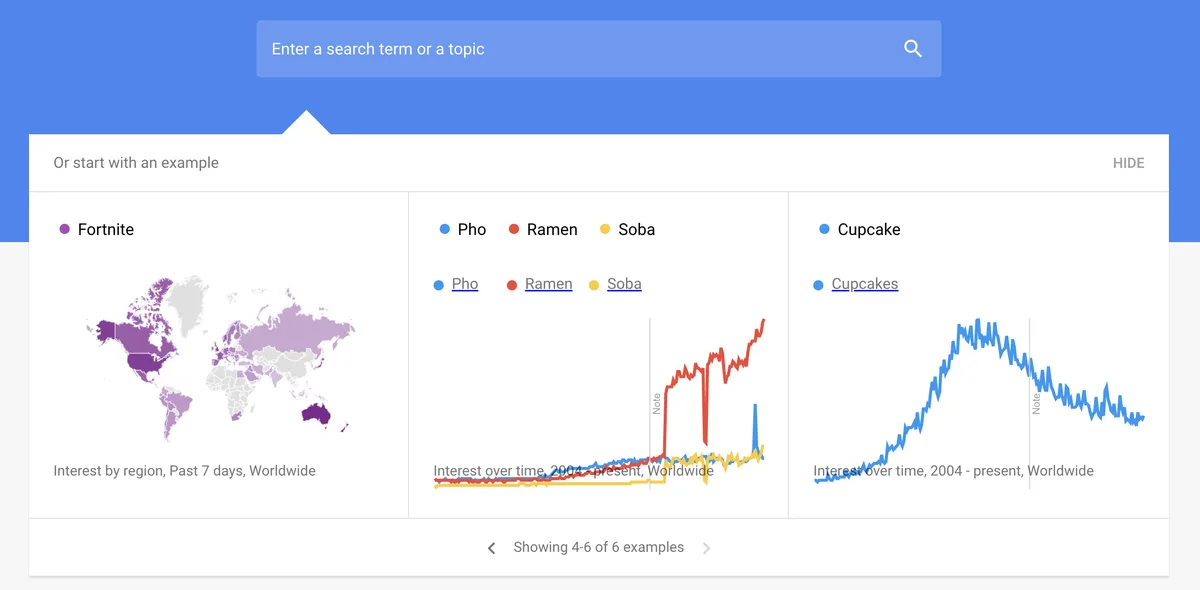
Finding that shift early is where the real advantage sits. A trending keywords tips approach isn’t about chasing every spike you see. It’s about distinguishing a genuine, sustainable rise in demand from a two-day blip that will leave you with a beautifully optimized article nobody searches for anymore.
The payoff is asymmetric. Get it right and you’re often competing against a handful of publishers instead of the hundreds fighting over evergreen head terms. That’s a much friendlier SERP to break into, especially for a site still building domain strength.
So the eleven tips below are arranged roughly in the order a practitioner would actually use them: discovery first, then validation, then execution, then the procedural stuff that keeps everything from falling apart.
Tips 1-3: How to Find Trending Keywords Before Everyone Else Does
Discovery is where most people stumble, because they open one tool and call it research. That’s like tasting one tomato and calling yourself a chef. You want multiple, independent signals pointing at the same phrase before you commit.
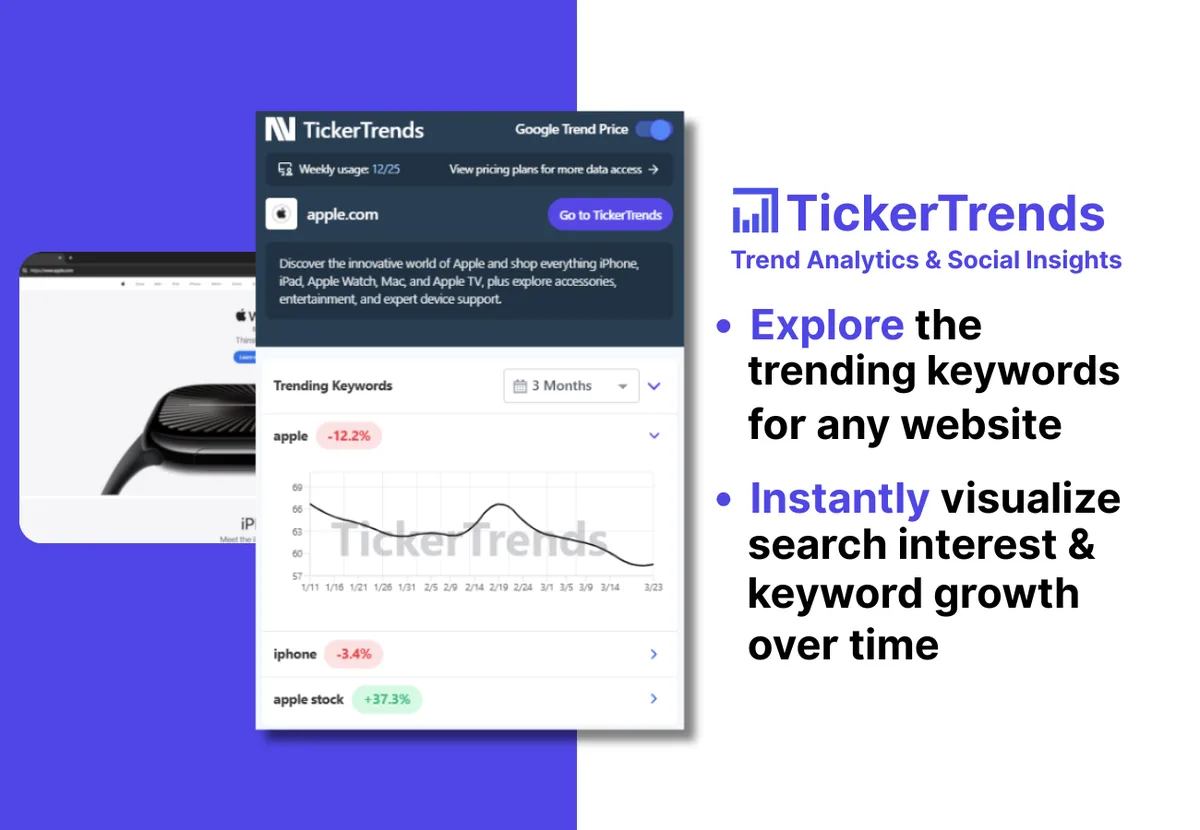
The three methods below are the ones I’d reach for first, and they tend to produce the most actionable raw material for the rest of the process.
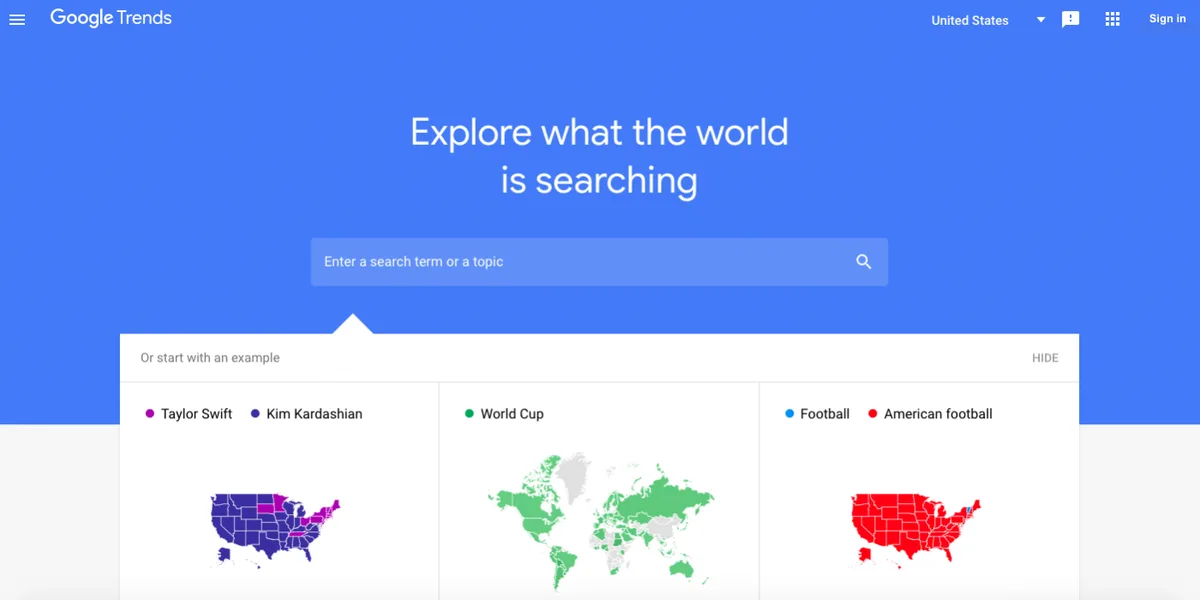
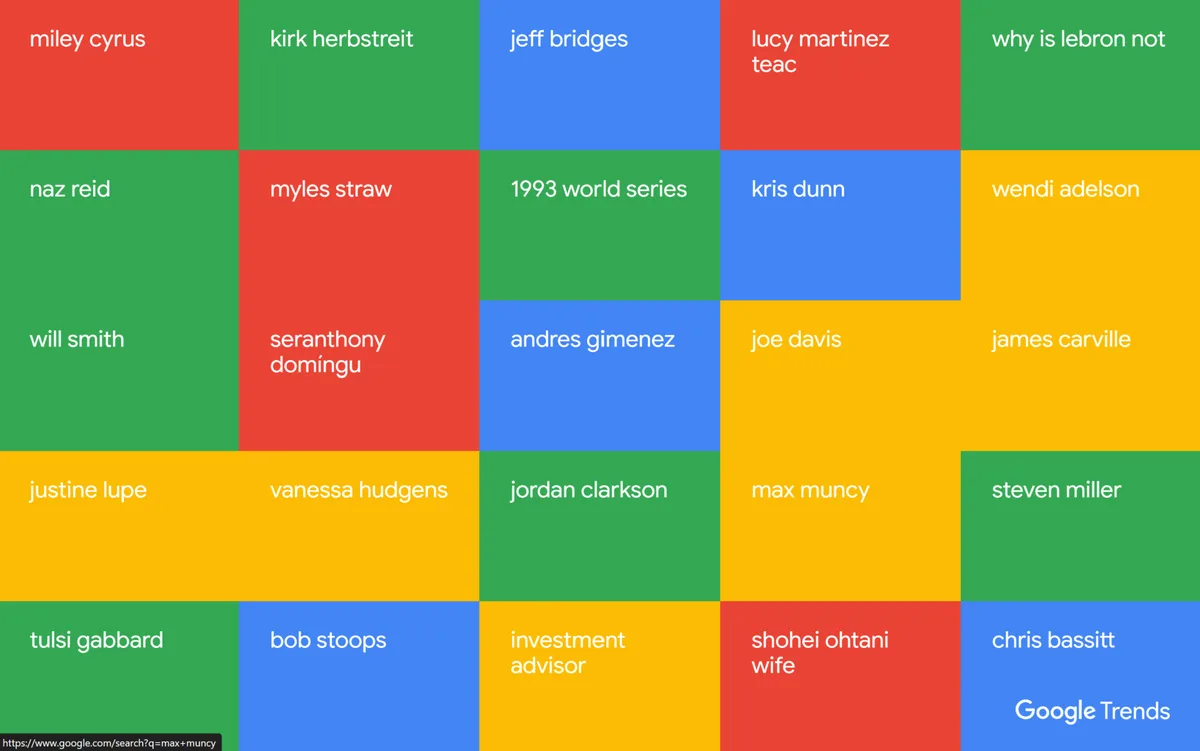
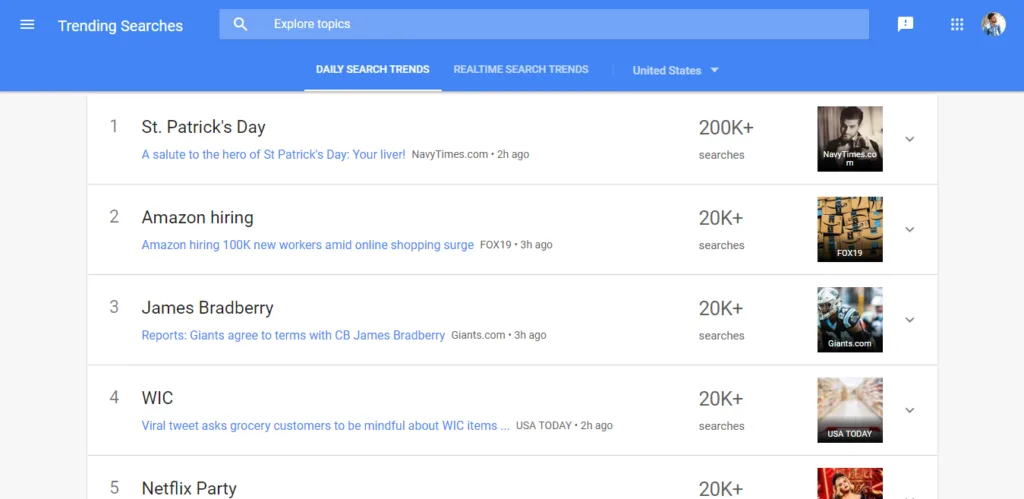
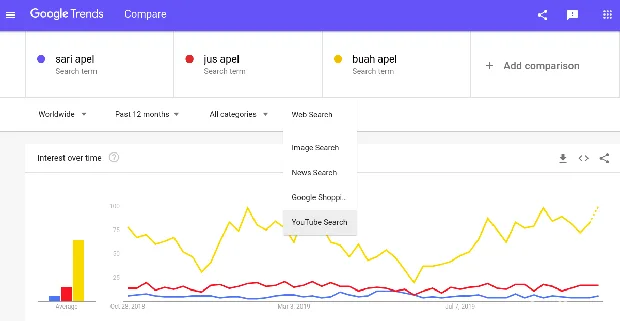
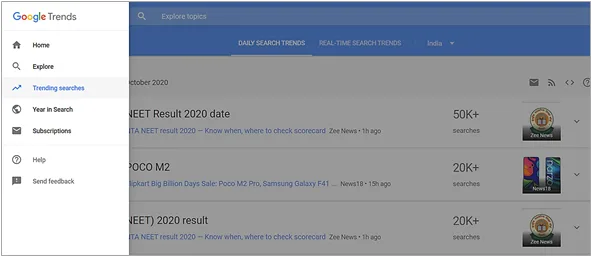
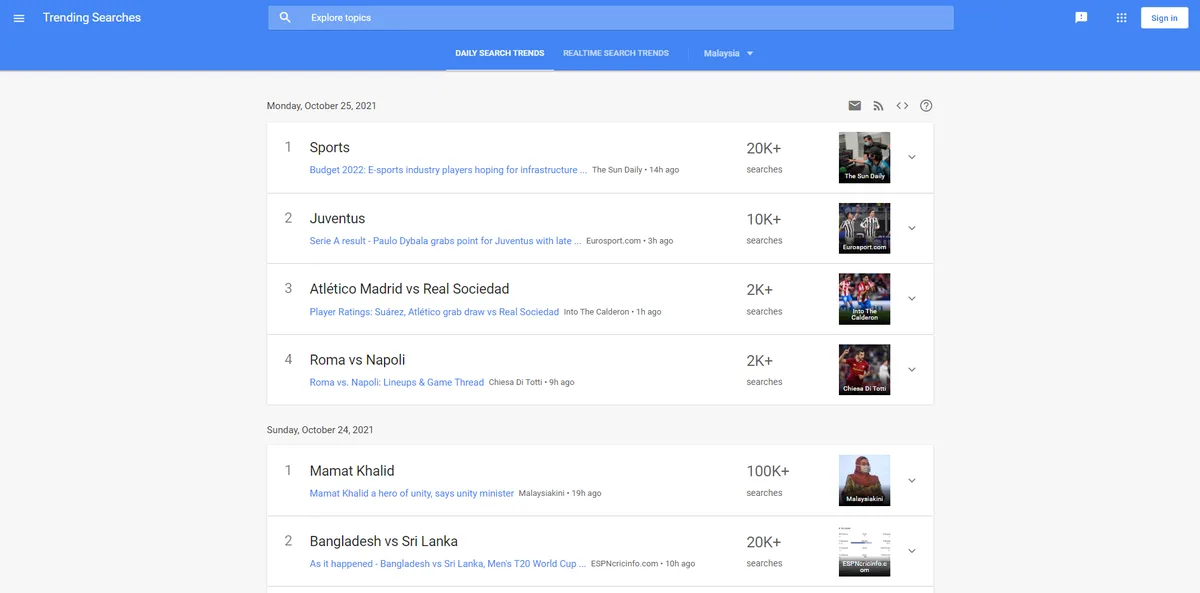
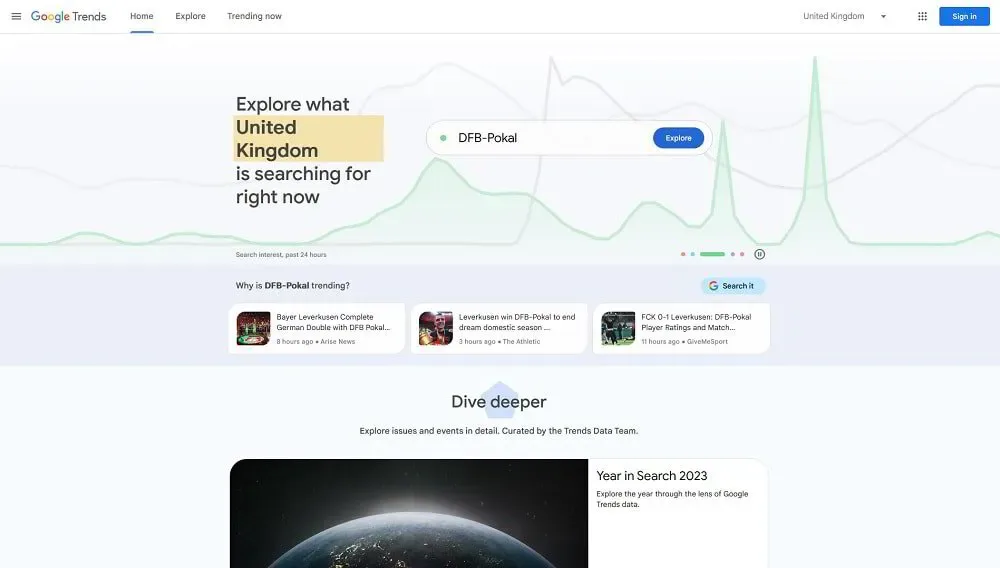
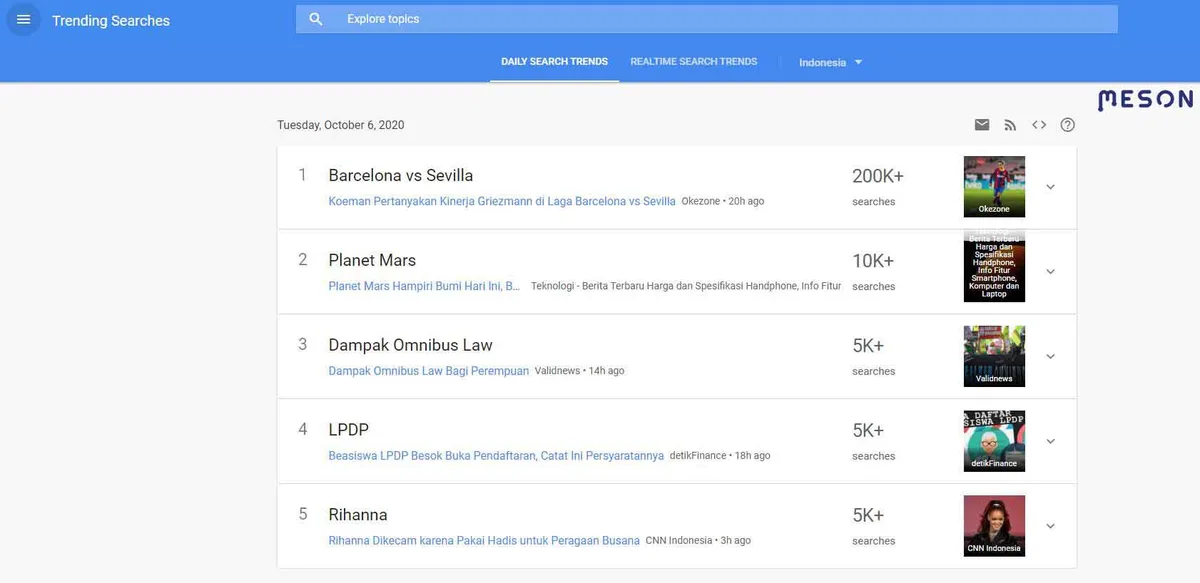
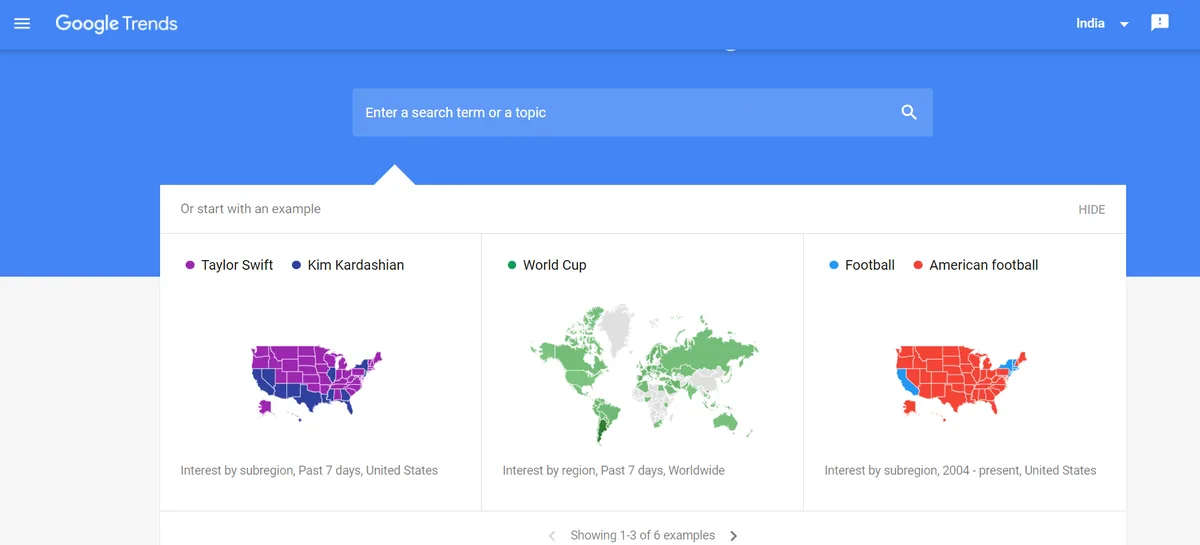
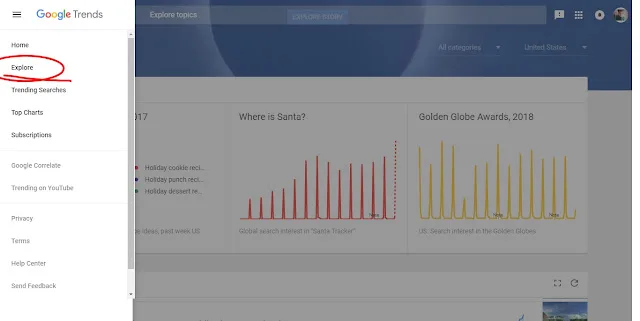
- Mine Google Trends with comparison mode, not just single-term mode. Most folks plug in one term and stare at the line. Instead, stack three or four related phrases and look for relative velocity, the term that’s climbing fastest against its own baseline. The gap between a term sitting at 40 and rising versus one sitting at 80 and falling tells you more than either number alone. Practical move: set the time window to ninety days and the geography to your primary market, then check the “related queries” panel for the “rising” list specifically.
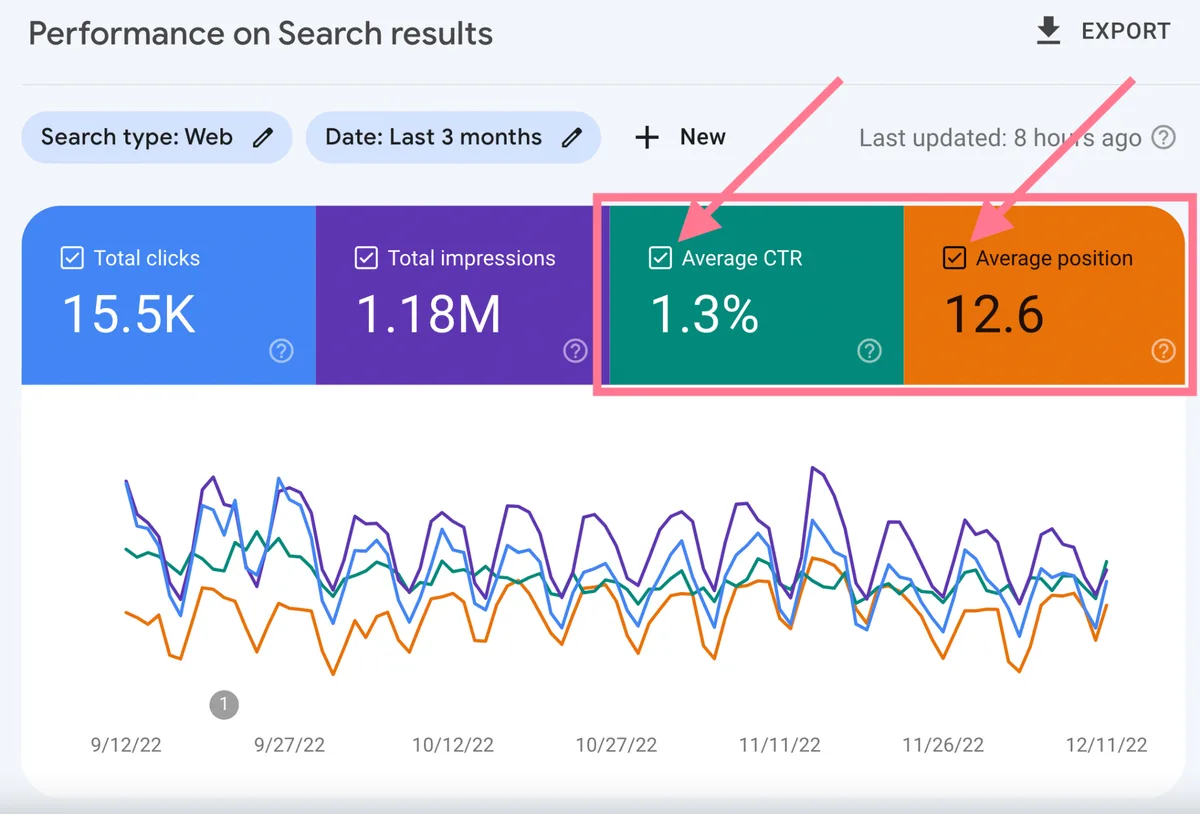
- Harvest the “people also search for” layer from your own Search Console queries. Pull a ninety-day query report and sort by impressions with a low click-through rate. Those are phrases your pages are being served for but not winning, which usually means the search intent has drifted from what you wrote. A cluster of those queries is a strong signal that a related topic is heating up around your existing content. Practical move: filter for queries containing question words and compare their impression trend month over month.
- Watch platform-native search, not just Google. YouTube’s autocomplete, TikTok’s search suggestions, Reddit’s rising threads, and Pinterest’s guided search all surface demand earlier than traditional keyword tools because the tools lag by weeks. If a phrase is climbing in TikTok autocomplete, expect it to appear in Google Suggest within a few weeks. Practical move: open an incognito window, type your seed phrase plus a space, and screenshot the autocomplete list once a week for a month.
One caution worth stating plainly: these discovery sources tell you what’s being searched, not what’s worth ranking for. That gap gets closed in the next section.
Tips 4-6: Vetting Trending Keywords for Real Commercial Value
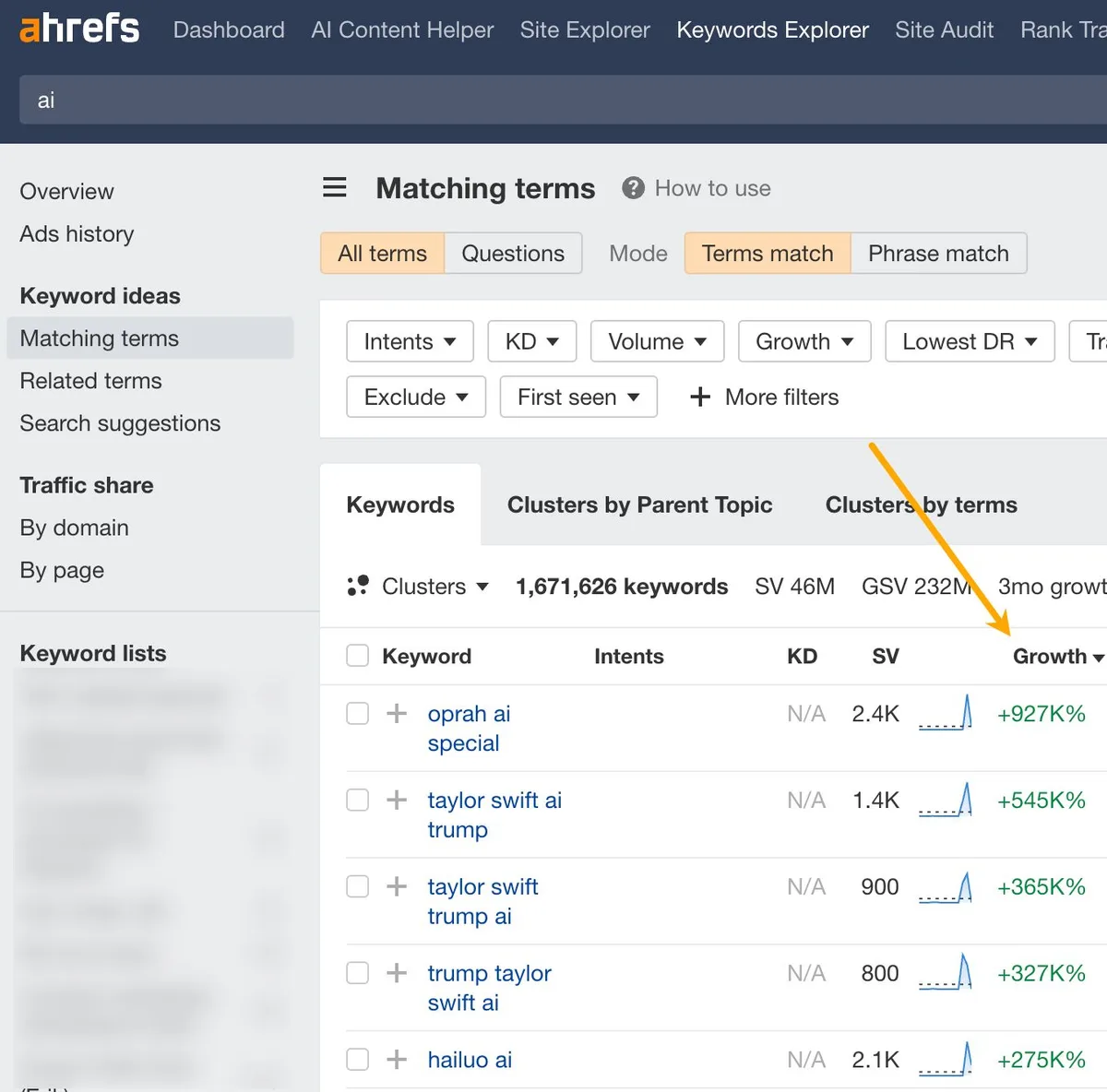
A phrase can be trending and completely useless to you. This is the part of the process people skip, and it’s why so much trending keywords content gets published and then forgotten. Validation is unglamorous, but it’s the difference between a traffic spike and a business outcome.
Here’s my trending keywords guide to the three filters I run every candidate phrase through before a writer gets assigned anything.
- Match search intent, not just search volume. If a phrase is informational, a product page will fail to rank no matter how well it’s optimized. If a phrase is transactional, a 4,000-word explainer will get skipped. Open the SERP for your candidate phrase and categorize every result in the top ten: blog post, category page, product listing, video, forum thread. Whichever format dominates tells you what Google believes the searcher wants. Practical move: if more than six of the top ten results are forum threads, the searcher wants human opinions, so plan a roundup or a discussion format rather than a how-to.
- Check seasonality before you commit a budget. A term climbing sharply might be doing so because of a holiday, a sporting event, or an election cycle. Those are perfectly good targets, but they need to be planned as campaigns with an on-ramp and an exit, not as permanent pillars. Look at a five-year trend line to see whether the pattern repeats. Practical move: if the five-year chart shows the same spike every twelve months, build the content with a refresh cycle baked in rather than treating it as evergreen.
- Screen for SERP saturation by major brands. Some trending keywords are dominated by brand-owned properties, official documentation, or news outlets with enormous authority. You can still win a slice, but you need a differentiated angle. Look at whether the top results are thin, dated, or missing the specific sub-questions people are asking in the “people also ask” box. Practical move: pull the top five results, count the words, note the publication date, and look for at least two obvious gaps. If you can find three or more gaps, the SERP is worth targeting.
I’ll be honest: most candidates fail at least one of the trending keywords three checks. That’s fine. The whole point of running them is to kill bad candidates fast so you don’t waste a week on a phrase that was never going to work.
Tips 7-8: Writing Content That Actually Ranks for Trending Keywords
Once you’ve got a validated phrase, execution becomes the whole game. This is where trending keywords best practices diverge most sharply from traditional SEO writing, because speed matters in a way it doesn’t for evergreen topics.
Two structural decisions, made early, do most of the heavy lifting here.
Tip 7: Build the Outline Around the Actual SERP Questions
Don’t guess at subheadings. Pull every question from Google’s “people also ask” feature, from the “related searches” footer, and from the top three ranking pages’ H2s. Then structure your outline so each of those questions gets addressed under a heading that mirrors the phrasing people actually use.
The reason the trending keywords matters: when search intent is still forming around a new phrase, Google leans heavily on question coverage as a relevance signal. A page that answers eight of the ten common questions will outrank a page that answers two, even if the latter has better backlinks and a sleeker design.
Practical execution: build a simple two-column spreadsheet. Left column, every question you found. Right column, the H2 or H3 that will answer it. If any question lacks a corresponding heading, add one. If any heading doesn’t map to a real question, cut it.
Tip 8: Publish Fast, Then Refine in Public
Speed beats polish on rising phrases. Maintaining clarity across your trending keywords remains essential. A solid article published on day three will accumulate links, engagement signals, and topical authority while a perfect article published on day twenty-one is still being edited.
The workflow that works: publish at roughly eighty percent confidence, then refine based on actual performance data. Search Console will tell you within two weeks which questions are pulling impressions, and that’s your signal for where to expand.
Practical move: add a “Related Questions” section after two weeks based on impression data, and update the metadata once you see which query is driving the most clicks.
This is the opposite of the evergreen workflow, where you’d want forty research hours before a single word gets written. Different phrases, different playbook.
Tips 9-10: Tracking Performance and Avoiding False Signals
Measurement is where a lot of trending keywords work quietly falls apart. The reporting cadence for a trending topic is completely different from an evergreen one, and using the wrong cadence will make you abandon good content just before it matures.
Two habits keep the signal clean.
Tip 9: Measure Position Movement, Not Just Traffic
Traffic for a trending keywords target can be volatile for reasons entirely unrelated to your work. Search volume itself is moving week to week, so raw session counts bounce around in a way that says nothing about whether your content is getting better.
What the trending keywords want to watch is average position on a fixed set of tracked queries, plus impression share. If position is climbing steadily while impressions are volatile, your content is working and the market is just noisy.
If position is flat or falling while impressions climb, the market is growing but you’re losing share. Those two scenarios call for very different responses.
Practical execution: build a small weekly dashboard with three columns, tracked query, average position, and impression share. Structuring your trending keywords around proven patterns ensures impact. It takes ten minutes to check and it prevents the classic mistake of rewriting content that was already winning.
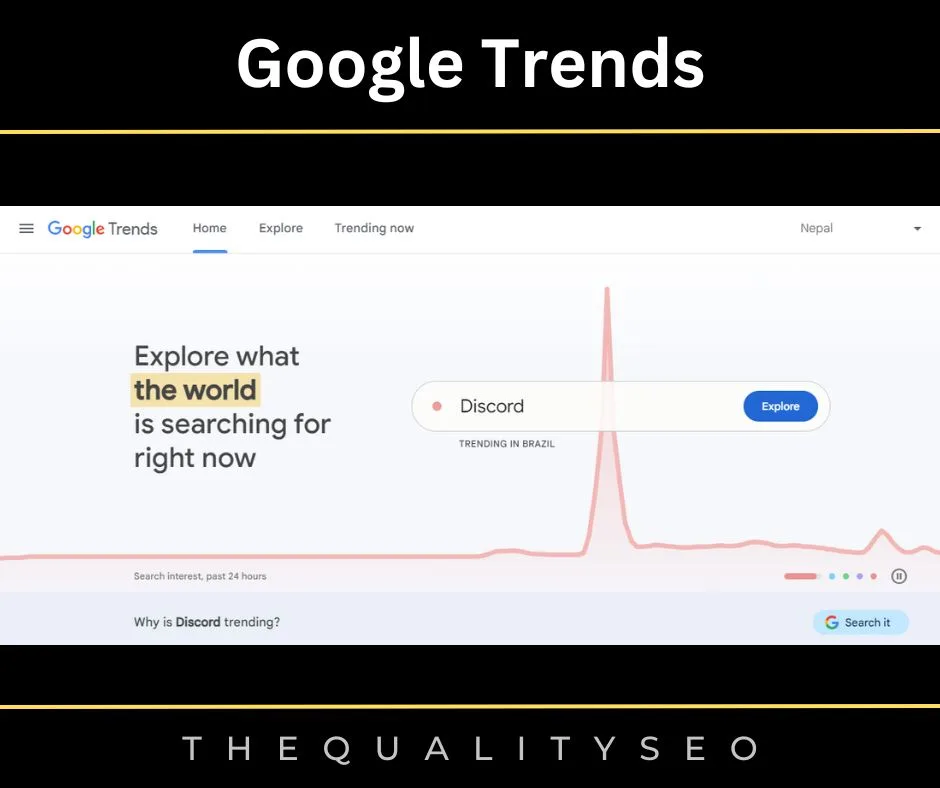
Tip 10: Distinguish a Cooling Trend from a Bad Investment
Every trending keyword cools eventually. The question is whether the cooling represents the phrase losing relevance or the market simply settling into a stable demand level after a spike.
Look at the shape of the decline. Applying these principles to your trending keywords yields measurable results. A sharp drop to near-zero suggests a fad that’s done, and you should stop investing.
A gentle glide down to a level still meaningfully above where it was before the spike suggests a phrase that’s become permanent, which is a win, not a loss.
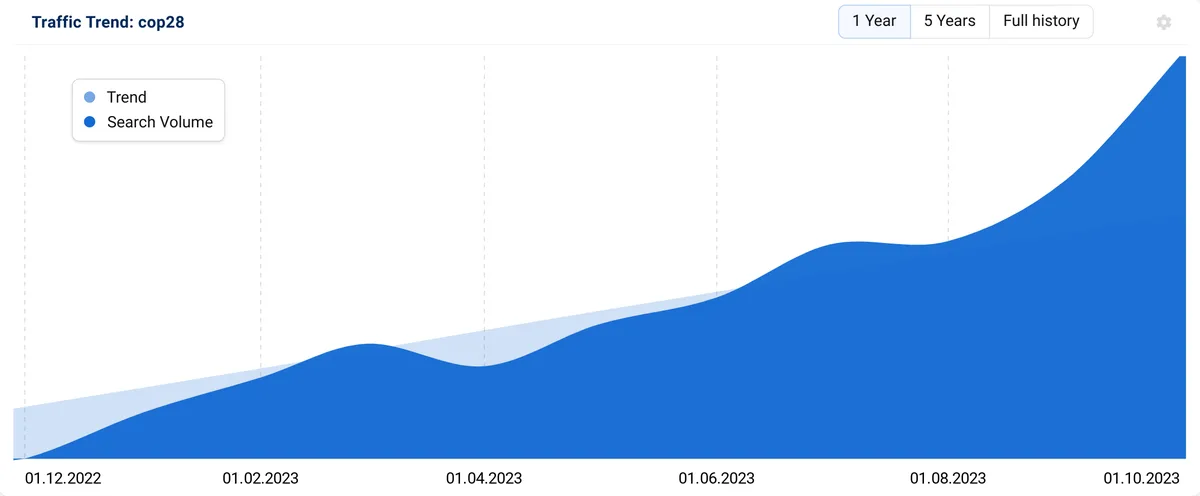
Practical move: compare current ninety-day average against the twelve-month average from before the spike began. If current is higher, the phrase has earned permanence.
Using a structured trending keywords checklist here helps enormously, because it keeps you evaluating against criteria rather than reacting to a scary-looking chart.
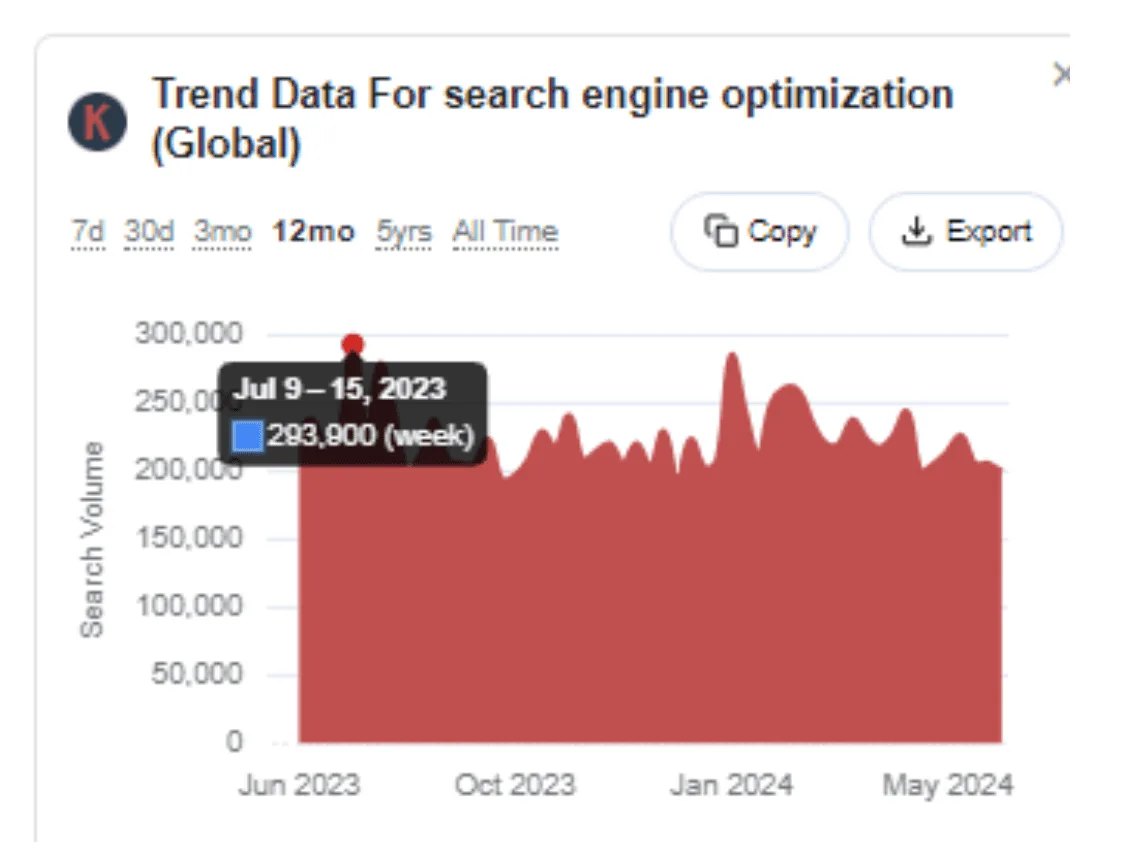
Tip 11: Running a Repeatable Trending Keywords Checklist Operation
The final tip is the meta-tip. Proper attention to your trending keywords sets a strong baseline. One-off discoveries are fun. A repeatable operation is what actually compounds.
Here’s the trending keywords checklist we run weekly, and it’s deliberately short so it doesn’t become its own burden. Every Monday, the person responsible works through four steps in order, and the whole thing takes about forty minutes.
| Step | Action | Time | Output |
|---|---|---|---|
| 1 | Pull rising queries from Google Trends for the content vertical’s seed terms | 10 min | List of 8-12 candidate phrases |
| 2 | Run each candidate through the intent, seasonality, and saturation filters | 15 min | Shortlist of 2-3 validated phrases |
| 3 | Check SERP question coverage for the shortlist against existing site content | 10 min | Decision: new article, refresh, or skip |
| 4 | Log the decision and reasoning in a shared sheet | 5 min | Searchable archive of past decisions |
The log is the part people underestimate. Six months in, that archive becomes an invaluable record of what kinds of phrases tend to work for your specific audience, and that pattern recognition is worth more than any tool subscription.
Pair the trending keywords with a quarterly review where you look at published trending content and ask a single question: did this move the needle on something we care about beyond sessions? If the honest answer is no for most of them, tighten the validation filters in step two.
What Does a Trending Keywords Checklist Look Like in Practice?
Here is the compact version of the trending keywords checklist, distilled from all eleven tips above. Keep this handy when a phrase starts screaming at you from three different signals at once.
- Is the phrase rising on at least two independent sources (Google Trends, autocomplete, forum activity, or platform search)?
- Does the SERP for this phrase return a content format you can actually produce well?
- Does the five-year pattern suggest this is seasonal, evergreen, or event-driven, and do you have a plan for each?
- Can you identify at least two genuine gaps in the current top five results?
- Have you mapped every “people also ask” question to a specific heading in your outline?
- Is there a two-week post-publish review scheduled to refine based on real impression data?
- Is average position being tracked alongside impressions, not instead of them?
- Have you logged the decision and reasoning for future reference?
Eight checkpoints, forty minutes, once a week. That’s the operation.

Frequently Asked Questions About Trending Keywords
These come up constantly when people start running this process for the first time. I’ll answer them directly, then you can decide what to adapt to your situation.
How Quickly Do Trending Keywords Need to be Targeted?
Roughly within two to three weeks of a signal appearing. Clear alignment with your trending keywords builds confidence from the start. After that, the SERP has usually solidified, and top positions become significantly harder to displace without major authority behind you. For fast-moving categories like consumer tech or cultural moments, the window can be as short as a week.
Can I Use the Same Approach for Evergreen Topics?
Partly. The discovery methods transfer well, but the execution differs. Evergreen content benefits from extended research, deep-link building before publication, and a slow, deliberate launch. Trending content rewards speed and post-publication refinement instead. Running the evergreen playbook on a trending phrase is the most common reason people miss the window entirely.
What Signals Indicate a Trend is Actually a Fad?
Three red flags. Integrating trending keywords into your workflow produces consistent quality. First, the rise is entirely driven by a single news event with no related-query diversification. Second, zero related queries exist below the main phrase, suggesting nobody is exploring the topic laterally.
Third, the phrase involves a specific named entity that has a short natural lifespan, such as a single product launch or a single episode of something. If you see two of those three, treat it as a campaign, not a pillar.
Do I Need Specialized Tools to Do This?
No. Targeted refinements to your trending keywords streamline the entire review. Google Trends, Search Console, Google Suggest, and a spreadsheet will carry you a long way. Paid tools speed things up and add historical data, but the fundamental workflow doesn’t require them.
The one place paid tools genuinely earn their cost is historical backlinks data in competitive SERPs, which is hard to reconstruct manually.
How Many Trending Keywords Should I Target at Once?
Two to three validated phrases per content team per month is a sustainable pace. More than that and quality slips, or you end up with a pile of thin articles nobody can maintain. The temptation to chase everything is real, but the discipline pays off.
Where This Leaves You
The eleven tips here boil down to one idea: treat trending keywords as a workflow, not a hunt. Discovery through multiple independent signals, validation through intent and saturation filters, execution on a fast-refinement cycle, and measurement that separates real progress from market noise.
Start with the eight-point checklist and the weekly forty-minute rhythm. Adapt the specifics to your vertical and team size. The structure is what matters, and once it’s running, the compounding effect of consistent catch-and-validate will do most of the work for you.
For verified reference and background research, consult the authoritative informational resource on this topic.