Ask ten SEOs whether they would rather have a high-volume keyword or an easy-to-rank one, and you will get ten different answers. The keyword volume vs difficulty debate sits right at the center of every keyword research session, and getting it wrong sends months of content work in the wrong direction.
I have watched teams chase 40,000-search keywords for a year and win nothing, while a quiet little 400-search term paid their salaries. So let’s settle this properly, with seven facts that actually hold up under pressure.
This piece is your working reference for the whole topic: a keyword volume vs difficulty guide built from real audits, not theory. We will walk through the mechanics of each metric, when one should outweigh the other, and how to combine them into a decision you can defend in a budget meeting.
What the Keyword Volume vs Difficulty Debate Really Asks
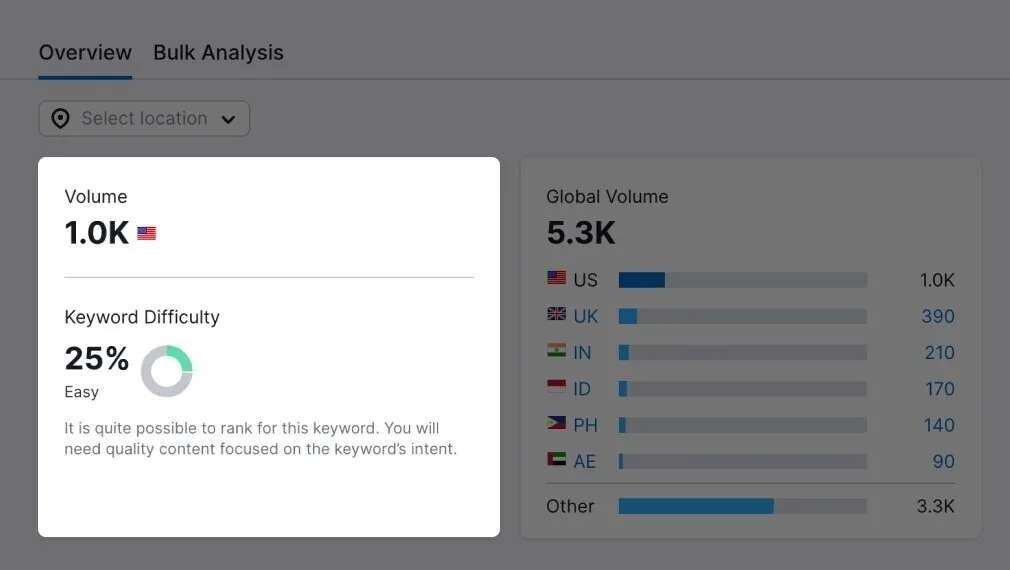
At its core, the question is simple. Focusing on keyword volume vs difficulty provides clear direction here. Search volume tells you how many people type a phrase into Google each month. Difficulty estimates how hard it is to land on page one for that phrase. One measures demand; the other measures resistance. Alone, each is a half-truth.
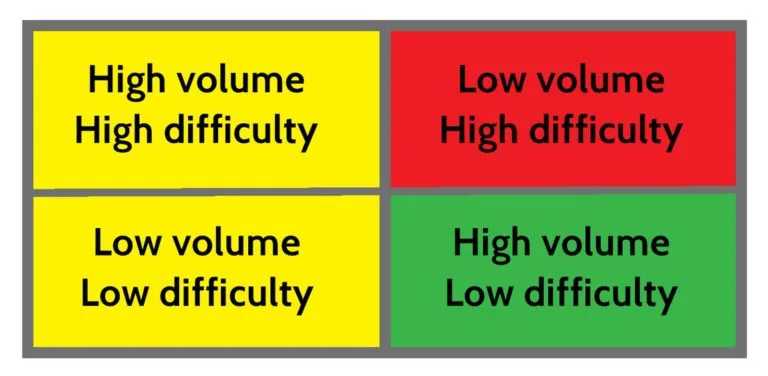
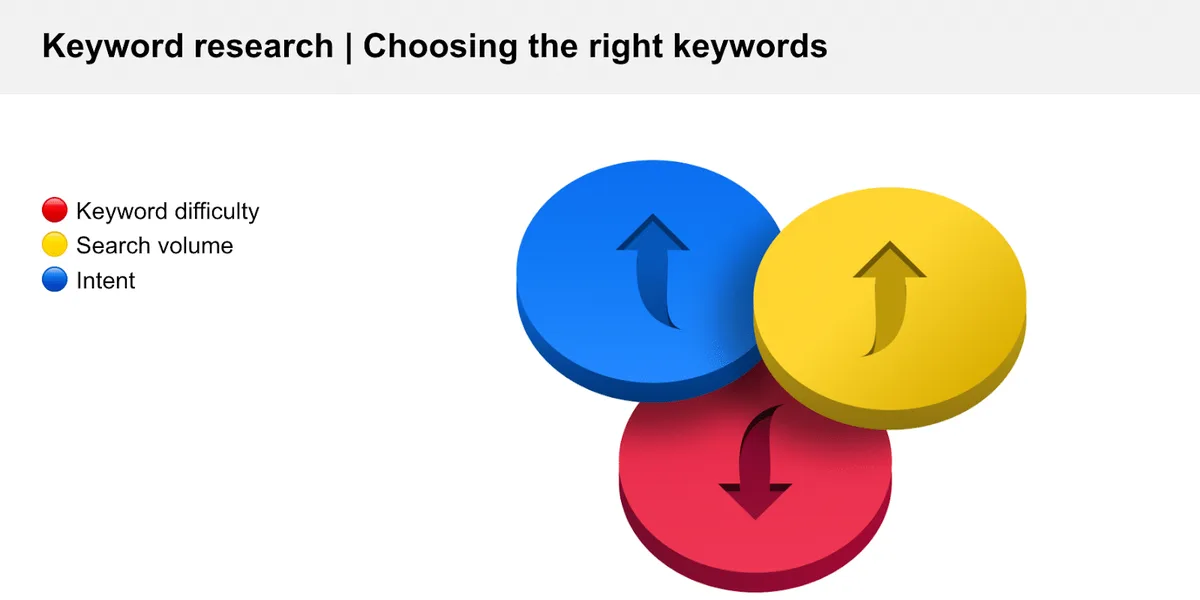
The keyword volume vs difficulty conversation is really about risk. High volume with high difficulty is a lottery ticket. Low volume with low difficulty is a small guaranteed paycheck. Most of the strategic thinking happens in the middle, where the two metrics trade off against each other in interesting ways.
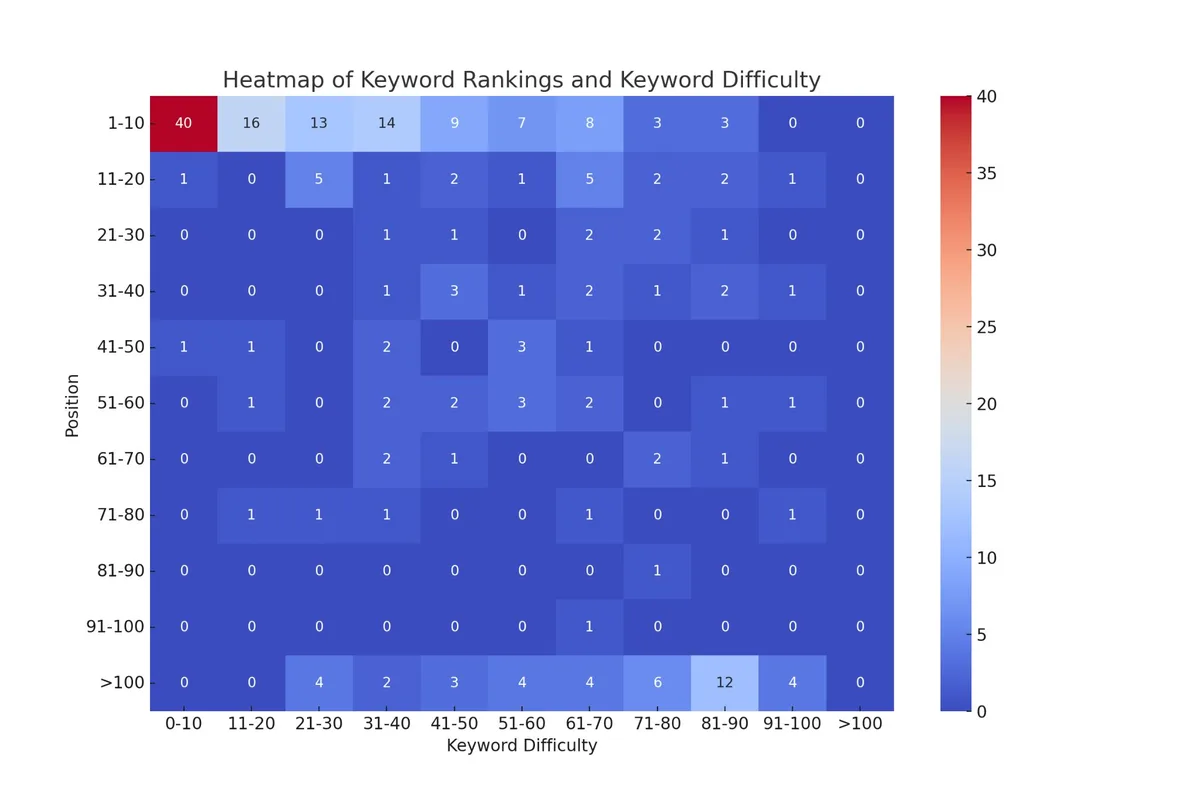
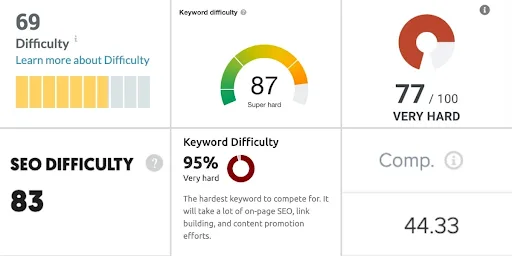
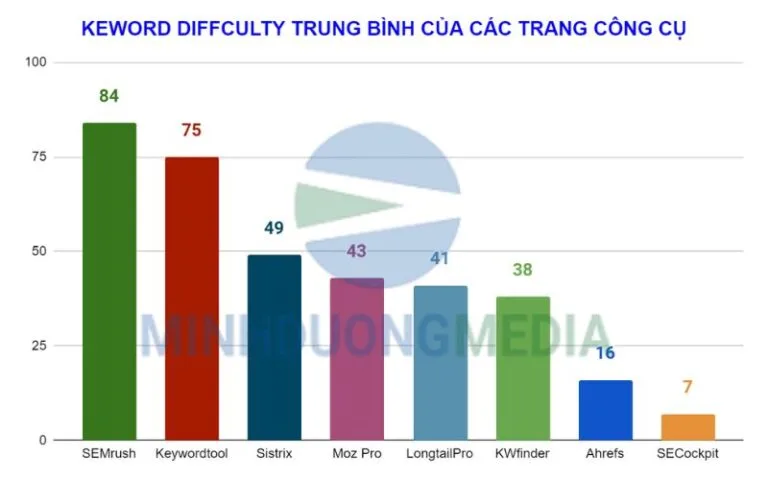
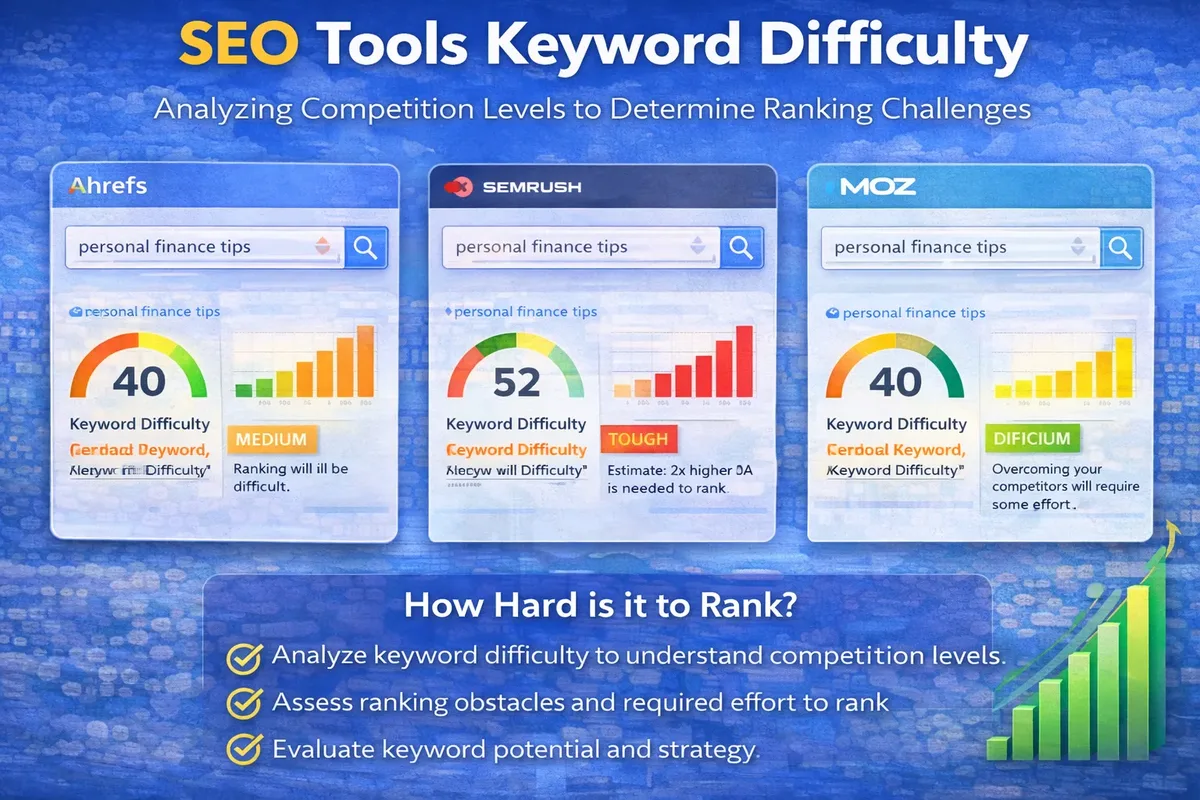
Here is something most beginners miss: volume and difficulty are not measured by the same people. Volume comes from keyword tool estimates, which vary wildly between providers. Difficulty is usually a proprietary score from a tool like Ahrefs or Semrush, built from backlink profiles of the current top 10 results. Neither number is gospel.
A quick sanity check before you trust any dashboard:
- Volume variance: compare the same keyword across two or three tools. A 30% spread is normal; a 400% gap means someone’s data is thin.
- Difficulty drift: scores move as competitors publish. Re-check quarterly, not once at the start of a campaign.
- Intent overlay: a keyword can be easy and still useless if the searcher wants a product comparison and your article is a definition.
Get comfortable with that uncertainty and you stop treating keyword volume vs difficulty as a binary. It’s a negotiation between two fuzzy signals. Good SEOs learn to read the fuzziness and make confident calls anyway.
Fact 1: Volume is a Demand Signal, Not a Popularity Contest
Search volume reflects intent at scale. When 12,000 people a month search a head term, they are all trying to solve something. But volume spikes do not always mean a healthy opportunity.
Some high-volume terms are dominated by navigational intent (“facebook login”) or informational queries where Google answers directly in the SERP, leaving no clicks for you.
I have seen writers chase a 25,000-volume keyword and walk away with 1,400 impressions in six months. Why? Every result above them was a Google answer box or a forum thread. The volume was real, the clicks were not.
So the first fact in any honest keyword volume vs difficulty analysis is this: high volume promises attention, not traffic. Your job is to figure out whether that attention actually reaches a website, and whether it converts once it arrives.
How to Read Volume Honestly
Look at the SERP before the keyword volume vs difficulty fall in love with the number. If the top three results are YouTube videos, Reddit threads, and a featured snippet, your blog post has very little room. If the top results are mostly published articles from real sites, you have a shot.
A practical keyword volume vs difficulty tips habit I teach: open the SERP in an incognito window and count how many organic results are actually clickable. Then cross-check search volume against ad competition. High ad spend with low organic click potential usually means commercial intent hiding behind informational phrasing.
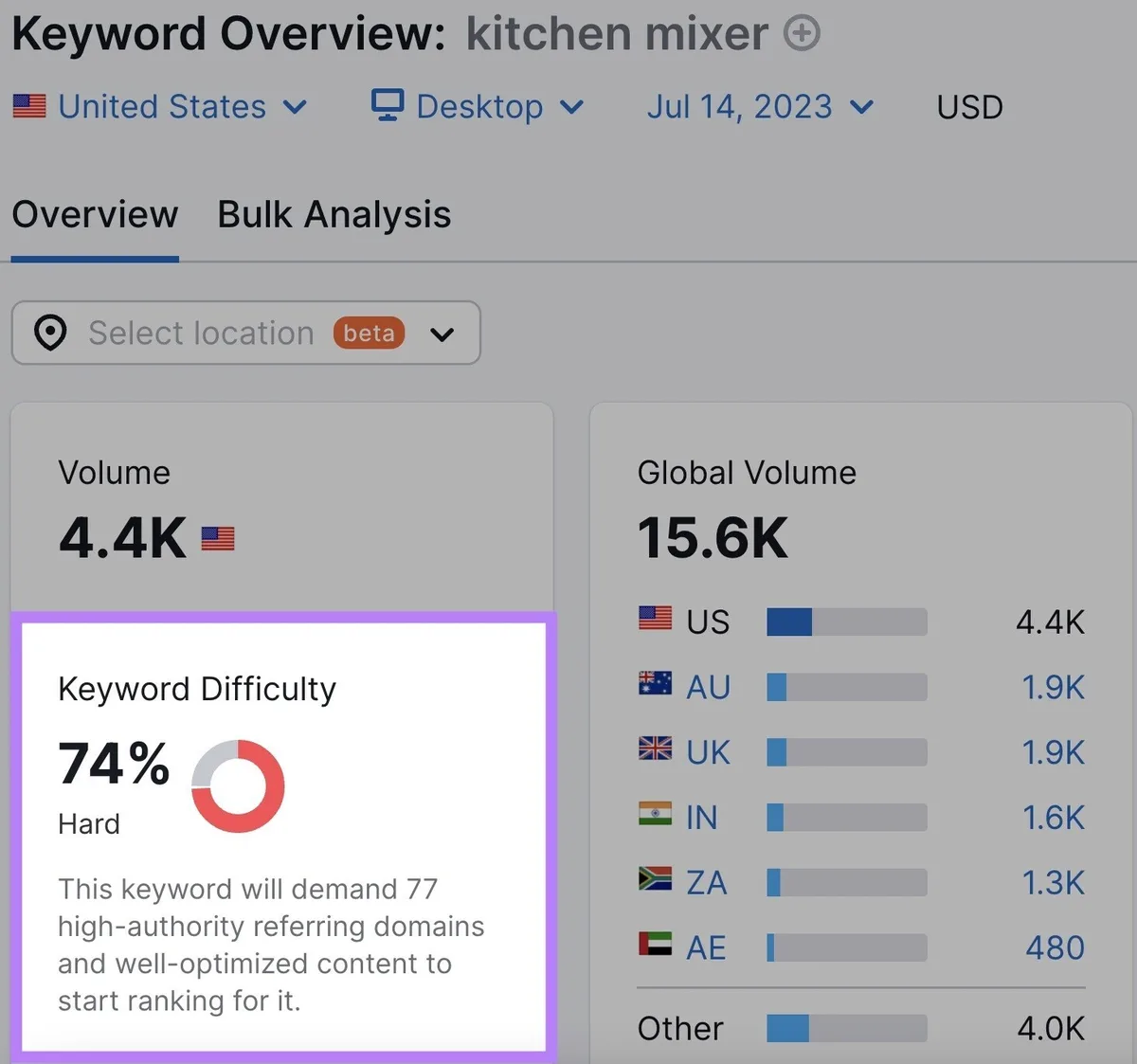
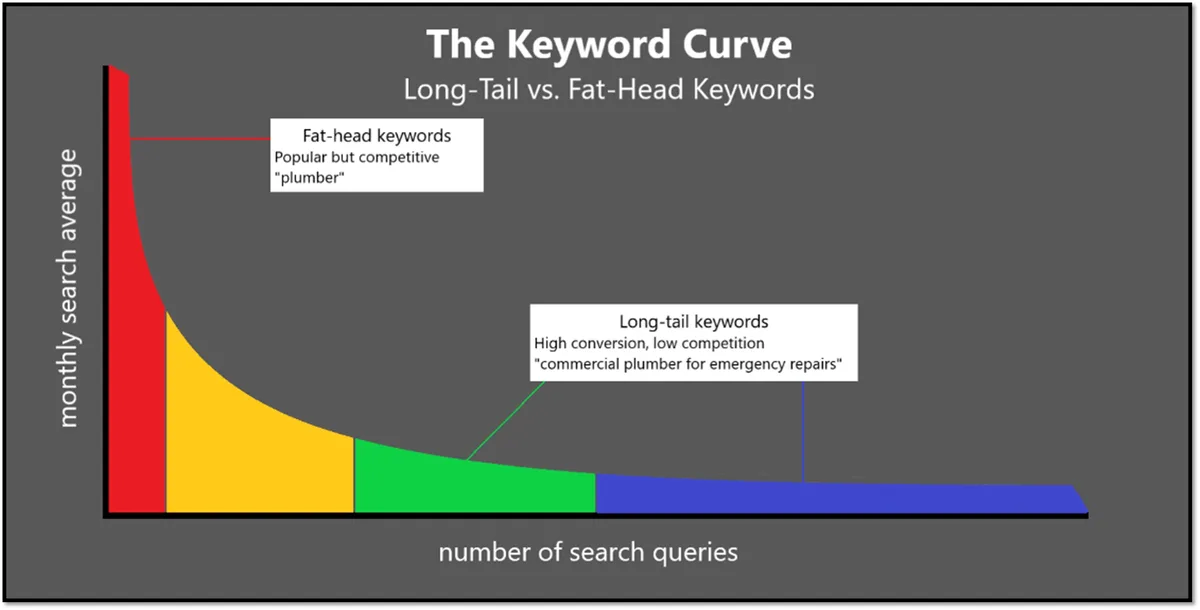
Also separate head terms from long tails. Refining each detail of your keyword volume vs difficulty strengthens this section. A 40,000-volume keyword may sound impressive, but if the SERP is owned by three national publishers and a Wikipedia page, your real audience is probably searching the 600-volume long-tail versions of the same question.
Fact 2: Difficulty Measures Competition, Not Your Ability
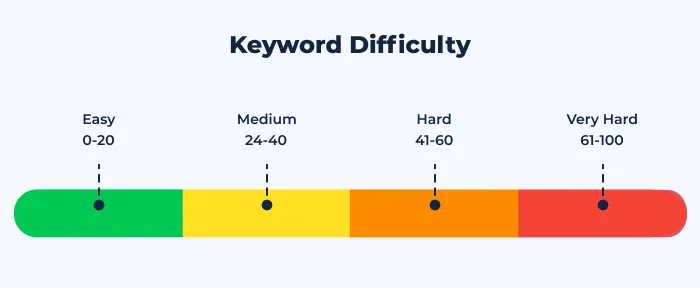
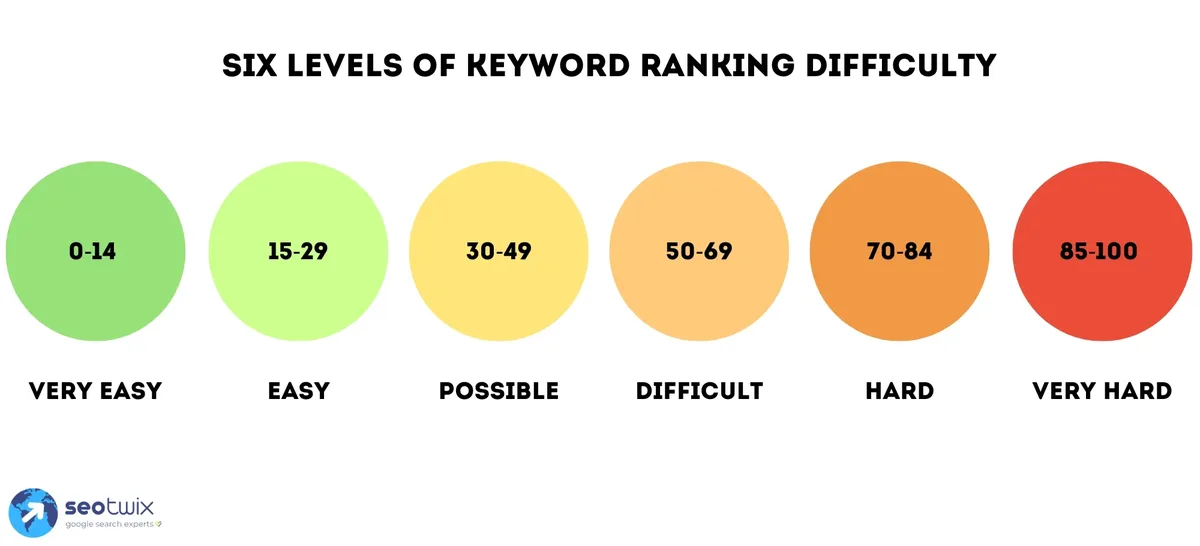
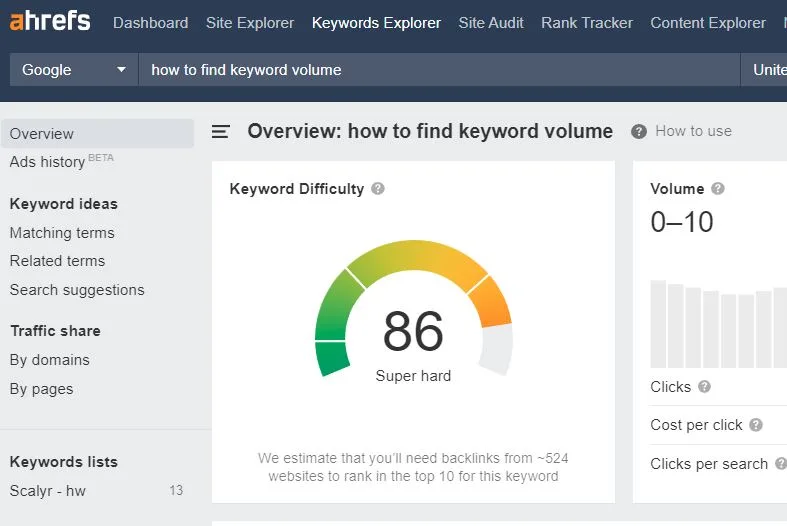
Keyword difficulty scores are built mostly from backlink data. The tools look at the top-ranking pages for a term and ask: how strong are their link profiles, how authoritative are the domains, how much does the average page need to compete? That gives you a rough number, usually on a 0–100 scale.
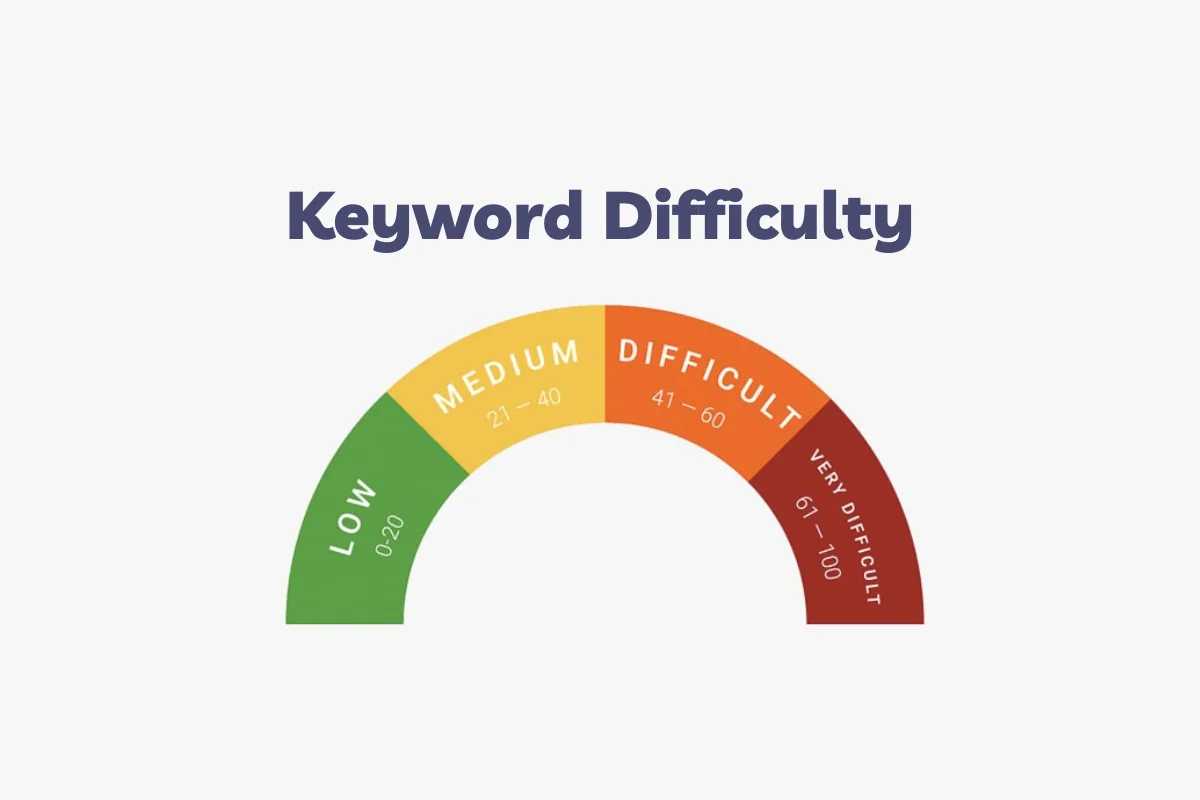
What it does not measure is you. A difficulty score of 45 is brutal for a two-month-old site and routine for a domain with 4,000 referring pages. The same keyword volume vs difficulty picture looks completely different depending on who is reading it.
That is the second fact worth tattooing onto your keyword spreadsheet. Difficulty is not an absolute barrier. It is a ratio between the competitive field and the asset you are bringing to it.
Translating Difficulty Into a Realistic Test
Here is how I do the keyword volume vs difficulty in practice. Take your site’s domain rating and compare it with the median domain rating of the top five results. If you are within 10–15 points and you have topical authority in the subject, an “easy” difficulty score is genuinely easy. If the gap is 40 points, you need a very good reason to try.
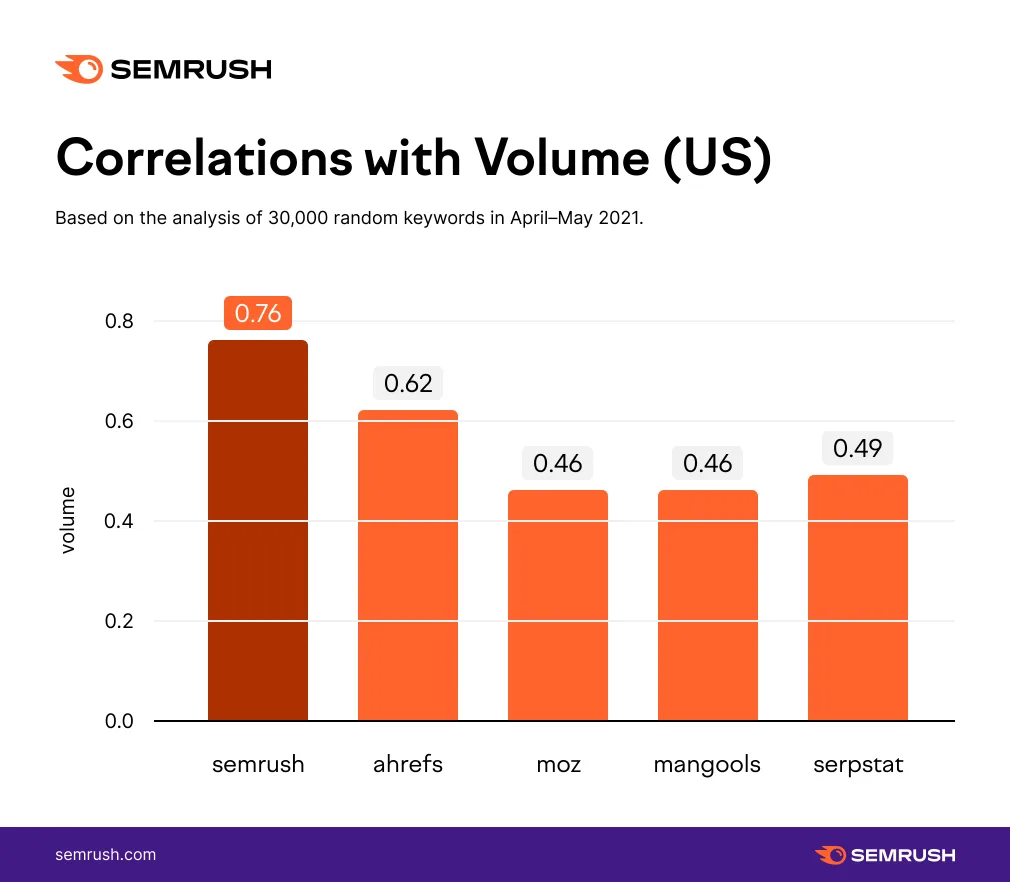
A keyword volume vs difficulty guide worth its salt will tell you to check whether the current top results are old. A stale page with a strong link profile is much easier to beat than a fresh one. Two-year-old content ranking on a 65-difficulty keyword is a sign of neglect, and neglect is where opportunity hides.
Watch the SERP features too. If the ranking results include a “people also ask” block and a video carousel, the difficulty of the written result is diluted. You may need to win secondary placements rather than position one.
Fact 3: the Best Ratio Beats the Best Number
Neither metric wins alone. The winning move is choosing keywords where the ratio of potential traffic to competitive friction is high. That is the third fact and probably the most actionable one in this whole keyword volume vs difficulty discussion.
Run this simple calculation in a spreadsheet:
| Keyword | Monthly Volume | Difficulty (0–100) | Ratio (Volume ÷ Difficulty) | Verdict |
|---|---|---|---|---|
| term A | 18,000 | 78 | 231 | Big but punishing |
| term B | 4,200 | 22 | 191 | Sweet spot candidate |
| term C | 900 | 6 | 150 | Quick win, low ceiling |
| term D | 2,600 | 14 | 186 | Balanced long-term play |
Term A looks tempting until the keyword volume vs difficulty realize that ranking requires 40+ referring domains and six months of outreach. Term B scores slightly lower on ratio but is realistically winnable in eight weeks, and the traffic easily pays for the effort.
That is the pattern I see repeatedly across audits: mid-volume, low-to-medium difficulty keywords are where small and mid-sized sites actually build momentum. They are also where the best keyword volume vs difficulty best practices live. Win a handful of those, and suddenly your site clears the authority threshold to compete for the head terms.
Fact 4: Search Intent Can Flip the Verdict Overnight
Here is the fact the keyword volume vs difficulty trips up otherwise careful SEOs. A keyword can have perfect volume and friendly difficulty and still be worthless to you because the intent does not match your content. Volumes and scores are averages; intent is human.
Imagine a 9,800-volume keyword with a difficulty of 18. Beautiful numbers. But if the phrase is “free invoice template” and you sell invoicing software, you will get traffic from people who want the free version.
Your conversion rate will hover near zero, and the keyword volume vs difficulty math collapses because the traffic does not convert.
Intent analysis is not a luxury. It is the lens that tells you whether the numbers are telling the truth.
Three Intent Types That Change Everything
Informational keywords want answers. Commercial investigation keywords want comparisons. Transactional keywords want to buy. Same topic, dramatically different SERPs. A keyword volume vs difficulty checklist item that gets forgotten constantly is this: match the content format to the dominant intent in the SERP, not the intent in your head.
Open the top three results. A thoughtful approach to keyword volume vs difficulty reinforces your qualifications. If they are listicles, write a listicle. If they are product pages, write a comparison or try to insert into the ecosystem rather than fight head-on. Fighting the format of the SERP is the most expensive mistake in keyword research.
One more layer: watch for keywords where the SERP has shifted from articles to marketplace listings. That flip usually signals Google reassessing intent, and it can turn a formerly easy keyword into a commercial battleground overnight. Re-audit before assuming yesterday’s keyword volume vs difficulty verdict still holds.
Fact 5: Small Sites Should Respect Difficulty First, Then Scale Volume
If you run a site under two years old or under 100 referring domains, respect difficulty before volume. This is the fifth fact and it saves a lot of heartache.
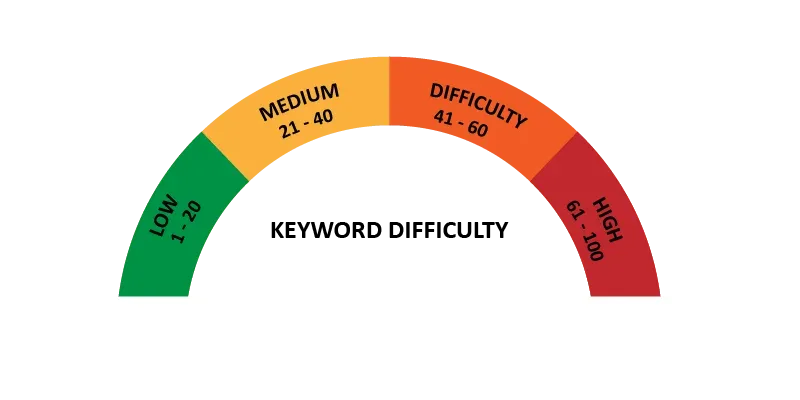
The temptation to chase big numbers is strong, especially when a niche tool shows you a 20,000-search keyword with difficulty 60 and whispers that you could be the exception.
The keyword volume vs difficulty probably are not the exception. Building topical authority requires wins, and wins come from ranking. Ranking requires beating someone. Beat the easy ones first.
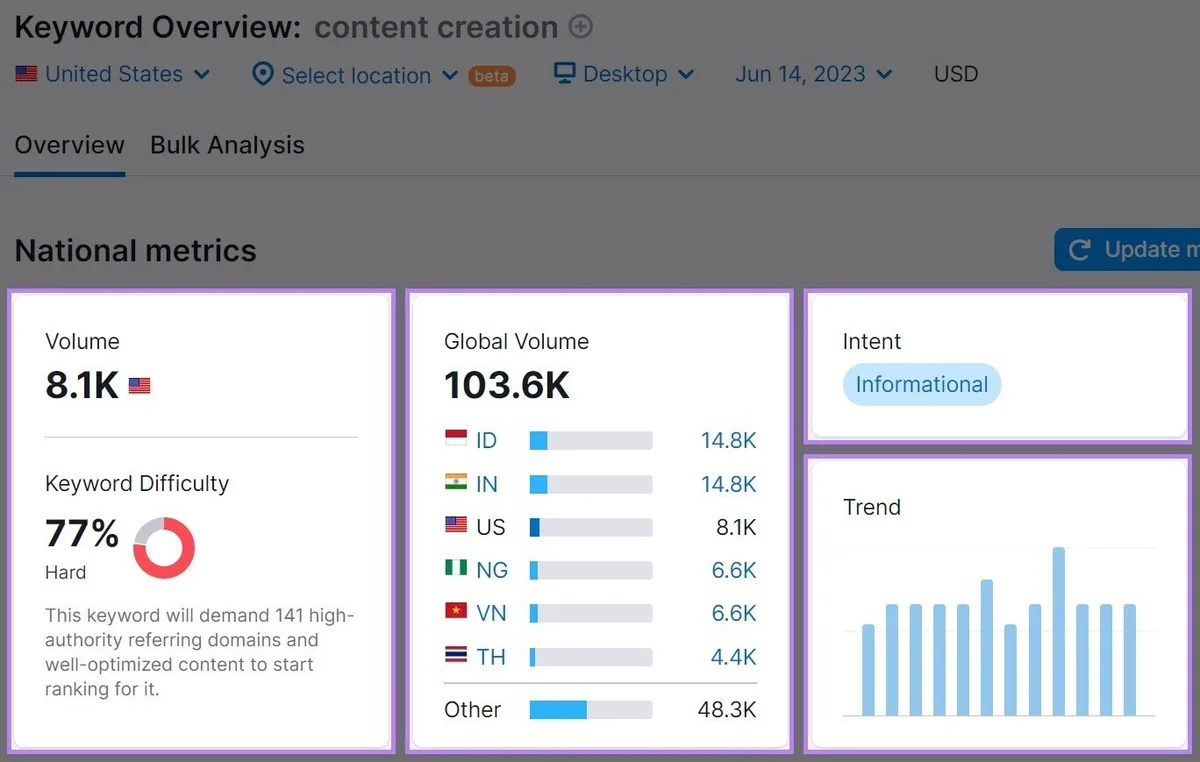
Here is a rough benchmark I use with clients running smaller domains:
- Months 1–3: target keywords with difficulty under 15 and volume above 200. Build a cluster of 15–25 published pages in one topic.
- Months 4–6: raise the ceiling to difficulty 25–30 as internal links and topical signals accumulate.
- Months 7–12: attempt difficulty 35–45 keywords where you already cover adjacent subjects.
- Months 12+: start turning toward head terms with strong supporting content already ranking.
Each stage is a negotiation between keyword volume vs difficulty, and the ratio shifts slowly as your site matures. Skipping stages does not accelerate growth; it usually shortens the runway.
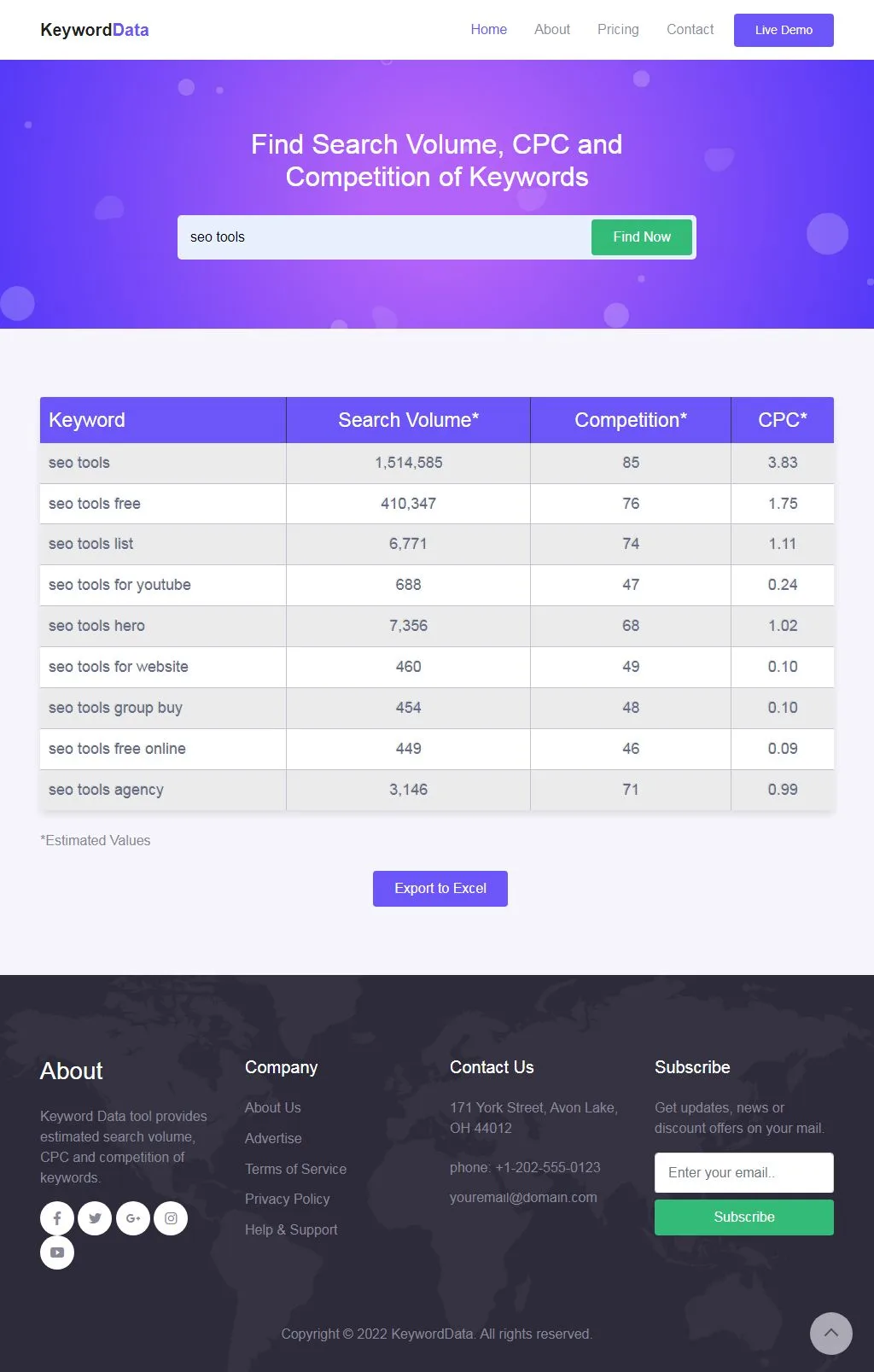
What Authority Actually Buys You
Authority is not a badge. It is the accumulated trust that lets you rank for hard keywords without a massive outreach campaign. Once you have ten or twenty mid-tier wins in a niche, Google starts treating your site as a credible source, and the difficulty ceiling effectively drops.
That is the hidden benefit of playing the long game. The keyword volume vs difficulty landscape is not static; it changes as you build. Content you publish in month 12 competes on different terms than content from month 2.
Fact 6: Data Quality is the Quiet Variable Nobody Checks
The sixth fact is boring and crucial. Volume and difficulty numbers are estimates, and the two major sources of error are tool methodology and seasonality. Most people never check either.
Tools sample clickstream data, extrapolate from keyword databases, and blend in Google Keyword Planner numbers. Applying these principles to your keyword volume vs difficulty yields measurable results. Each source has known biases.
Google’s own data rounds volume in ranges (competitive direct manufacturer pricing–competitive direct manufacturer pricing) for many phrases, which is almost useless for precise planning. Third-party tools re-estimate from smaller samples.
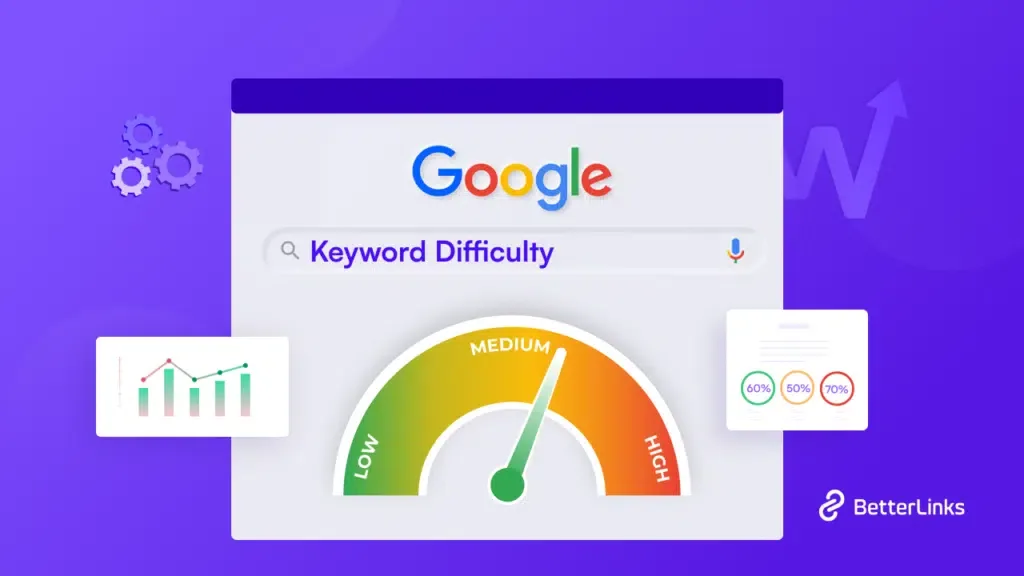
A keyword volume vs difficulty review that skips data quality is like reading a weather forecast without checking who produced it. You might be right, but you are guessing with confidence.
The Seasonality Trap
Some keywords spike for three months and disappear. Effective execution in your keyword volume vs difficulty makes a tangible difference. “Black Friday deals” style terms are obvious, but plenty of B2B and lifestyle keywords hide seasonal curves behind 12-month averages. A keyword showing 6,000 monthly volume might mean 1,500 in the off-season and 15,000 in peak.
Check Google Trends for at least 12 months before committing resources. A flat trend with stable volume is vastly better than a spiky one, even if the average looks the same. This is one of the underrated keyword volume vs difficulty tips: volume stability is a factor, not a footnote.
Then consider volatility in difficulty. SERPs shift when new competitors arrive. If a keyword just saw three major brands publish new pages, its difficulty score is lagging behind reality. If old pages are ranking with weak content, the score may be overstating the challenge.
Fact 7: the Right Answer Keeps Changing, and That is the Point
The final fact closes the loop. There is no permanently correct answer to keyword volume vs difficulty. The winning answer is a moving target that depends on your domain strength, your topical fit, your content format, and what your competitors are doing this quarter.
The keyword volume vs difficulty is freeing once you accept it. Instead of hunting for the perfect keyword, build a repeatable process that surfaces candidates, scores them against your current authority, and re-scores them quarterly. The process creates the edge, not any single choice.
I have watched this pay off in a real niche. Two teams with similar sites started identical keyword lists. Team A chose the highest-volume terms they could find. Team B chose the best ratio terms, tracked difficulty changes quarterly, and doubled down on clusters that worked. After a year, Team B had three times the organic traffic.
Same inputs. Different decision framework. The keyword volume vs difficulty question is not something you solve once; it is something you get better at answering.
Putting the Keyword Volume vs Difficulty Checklist to Work
Now let’s operationalize. Here is the exact sequence I run before committing content to a keyword. It works for solo bloggers and for teams shipping 20 articles a month.
- Verify the SERP: what content formats dominate? Any answer boxes eating traffic?
- Confirm intent: informational, commercial, or transactional? Match it or skip.
- Check data quality: cross-tool volume, Google Trends curve, difficulty freshness.
- Compare authority: your domain rating against the median top-5 result.
- Compute the ratio: volume ÷ difficulty, then sanity-check with realistic ranking time.
- Estimate lifetime value: traffic × conversion rate × average order value. A lower-volume keyword that converts can beat a high-volume one that does not.
- Schedule a re-check: revisit the keyword in 90 days to see if the landscape moved.
Run the keyword volume vs difficulty list religiously and your keyword decisions get sharper within weeks. The first few passes feel tedious; after a dozen, you start spotting traps before the checklist catches them.
How to Score Your First Month
If the keyword volume vs difficulty are new to this, do not try to optimize the entire list at once. Pick ten candidate keywords, run them through the checklist, and publish three. Track rankings weekly for eight weeks. Then reassess based on which one actually moved.
The practical benefit of a proper keyword volume vs difficulty checklist is not precision. It is consistency. You stop making decisions based on whichever metric happened to be loudest on the day and start compounding small, defensible choices.
Where Volume and Difficulty Fit Inside Your Full SEO Strategy
Step back from the keyword level, and the same logic applies to the broader topical authority play. Your site is a portfolio of pages, and each page has a job. Some pages defend head terms with high volume and high difficulty. Others win long tails with low difficulty. Others simply capture brand searches or educate visitors.
The keyword volume vs difficulty debate matters most at the portfolio level. A healthy site balances ambitious bets against reliable small wins. If every keyword you chase is a high-volume head term, you are betting everything on lottery tickets. If every keyword is a 100-search long tail, you never build authority to compete where it counts.
My rule of thumb: roughly 20% of your content budget on ambitious head terms, 50% on the sweet-spot ratio keywords, and 30% on defensive or supporting content. Clear alignment with your keyword volume vs difficulty builds confidence from the start. Adjust based on how much runway you have.
Internal Linking as the Multiplier
Internal links are the mechanism that turns easy keyword wins into hard keyword capabilities. Every time a low-difficulty page ranks, use it to pass context and link equity to a more ambitious target. Over time, the easy keywords literally raise your ceiling.
This is also why topical clusters matter. Google interprets subject depth as trust. A site with fifty expert pages on project management can rank for a 60-difficulty head term in that space faster than a generalist site with fifty unrelated pages. The keyword volume vs difficulty math shifts because contextual authority changes what counts as competition.
Frequently Asked Questions About Keyword Volume vs Difficulty
Here is an in-depth breakdown of key considerations regarding this section:
Is Keyword Volume More Important Than Difficulty?
Neither is universally more important. Volume without a path to ranking is fantasy. Difficulty without enough search demand is wasted effort. The answer depends on your site’s authority, the intent behind the keyword, and whether the traffic will convert.
For a newer site, difficulty usually matters more because ranking at all is the prerequisite. For an established domain, high-volume terms become viable and volume starts to carry more weight.
What is a Good Keyword Volume to Difficulty Ratio?
There is no universal cutoff, but as a starting point, aim for a ratio of at least 100 (volume ÷ difficulty). A keyword with 2,000 monthly searches and difficulty 15 (ratio 133) is generally a better investment than one with 10,000 searches and difficulty 80 (ratio 125) for smaller sites.
The ratio is a heuristic, not a law. Combine it with intent analysis and competitive assessment before committing.
Should I Target High Volume Keywords With Low Difficulty Whenever Possible?
Yes, but those keywords are rare precisely because everyone wants them. When you find one, act fast, because competitors notice quickly. In competitive niches, high-volume low-difficulty keywords usually disappear or become high-difficulty within months.
Treat such keywords as opportunistic wins rather than a reliable strategy.
How Often Should I Re-Evaluate My Keyword Volume vs Difficulty Decisions?
At minimum, every 90 days for active keywords and every 12 months for your wider backlog. Revisit sooner if you see sharp shifts in the SERP, new entrants in your niche, or a sudden change in organic traffic to an older page.
Annual re-scoring is not obsessive. It is the difference between a keyword strategy that adapts and one that slowly loses relevance.
Does Keyword Difficulty Account for Content Quality?
Not really. Most difficulty tools weight backlinks heavily and content quality lightly. That is why well-researched, expert-authored content can sometimes outrank a higher-authority competitor whose page is thin. Content quality is the variable that tools underplay.
Use difficulty as a starting filter, then look at the actual content of the top results. Weak pages with strong backlinks are your easiest targets.
Where to Go from Here
The keyword volume vs difficulty question refuses to settle into a tidy one-line answer, and that is a feature, not a bug. Treat it as an ongoing skill: one you sharpen with every campaign, every audit, and every SERP you open. Volume and difficulty are tools, not verdicts.
If the keyword volume vs difficulty take one thing from this deep dive, take the ratio mindset. Stop asking whether volume or difficulty wins; start asking whether the two numbers, taken together, justify the effort for your site right now. That mental shift alone changes how teams prioritize.
Pair this piece with our deeper work on search intent analysis and topical authority building, the two natural extensions of the keyword volume vs difficulty framework. Get all three aligned and your content plan stops wrestling with ambiguity and starts compounding.
For verified reference and background research, consult the authoritative informational resource on this topic.