Referring domains are the backbone of every serious link profile, and if you have been treating them as a numbers game, this breakdown will change how you work. Here is the honest truth: a thousand links from ten sites will never beat fifty links from fifty different sites. Quality and diversity win, every single time.
This is the full referring domains guide I wish someone had handed me a decade ago — covering the foundational best practices, the metrics that actually matter, and five easy wins you can implement without a six-figure budget.
Whether you are a solo founder building your first backlink profile or an in-house SEO tightening a mature one, the framework below applies to you.
What are Referring Domains, Exactly?
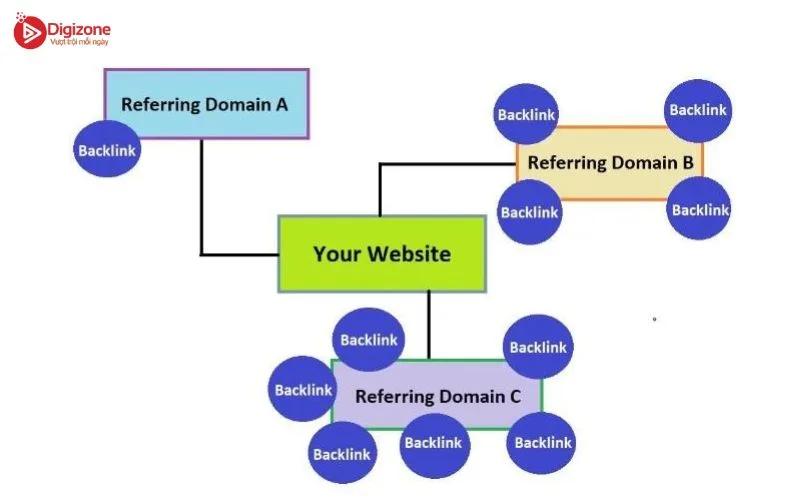
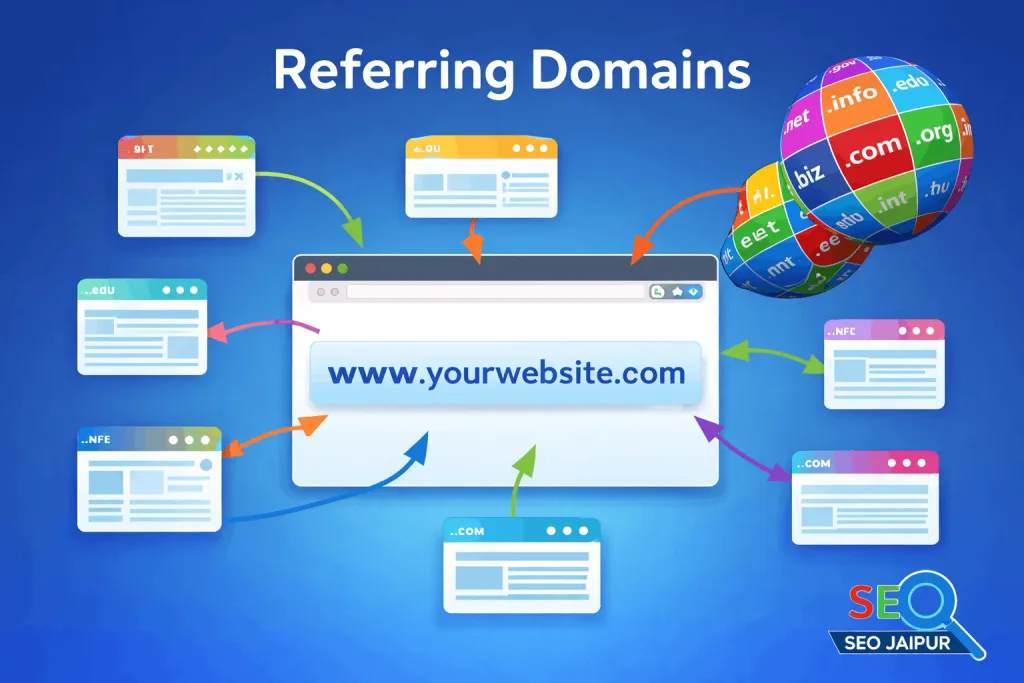
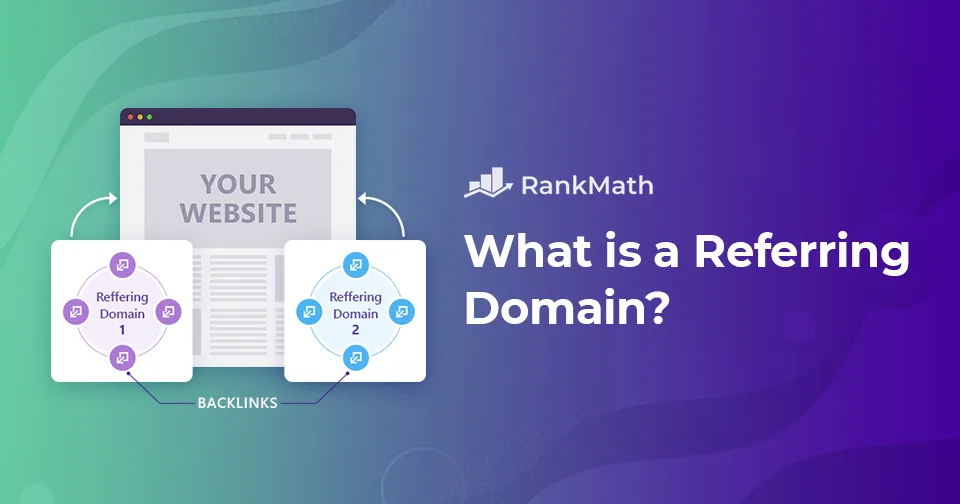
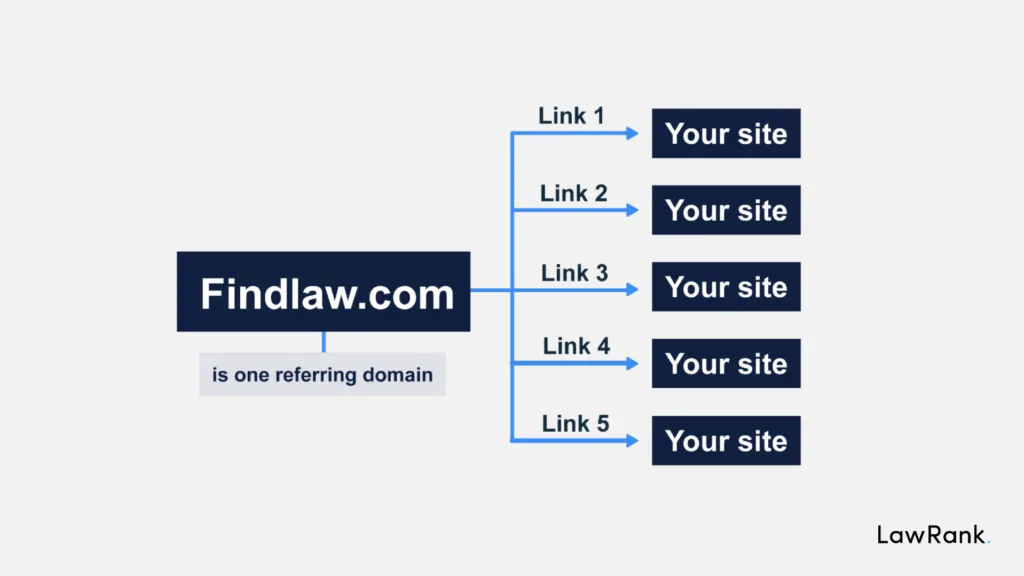
At its core, the term describes the unique websites linking to you, not the raw number of links, and referring domains tips is what the reader checks first. If one site links to you five times from five different pages, most tools will count that as one referring domain but five backlinks. That distinction matters more than most people realize.
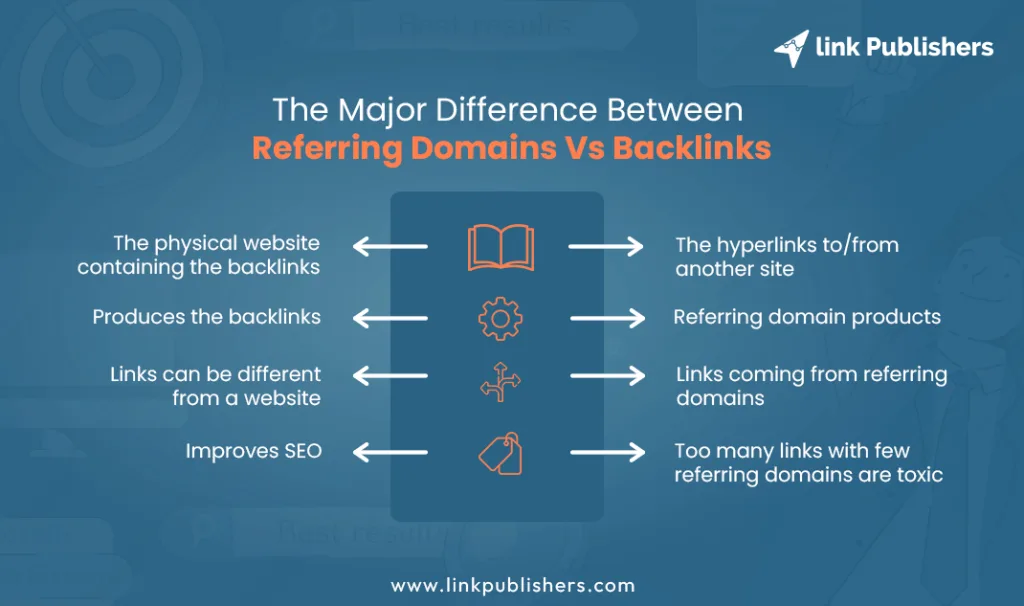
Here’s why. Search engines read a single domain as a single endorsement of your site. Five links from the same blog tell the algorithm roughly the same thing as one link from that blog: somebody there trusts you.
Five links from five different blogs tell it something far more compelling — that five separate corners of the web independently decided your content was worth citing.
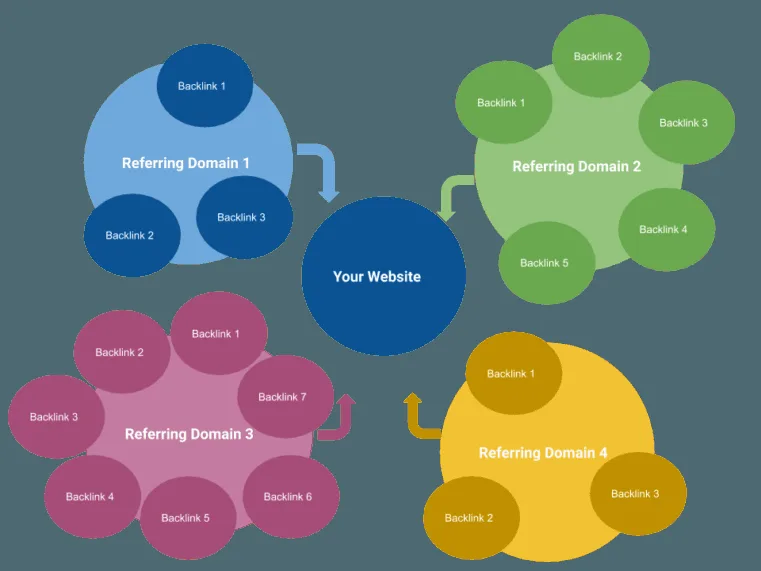
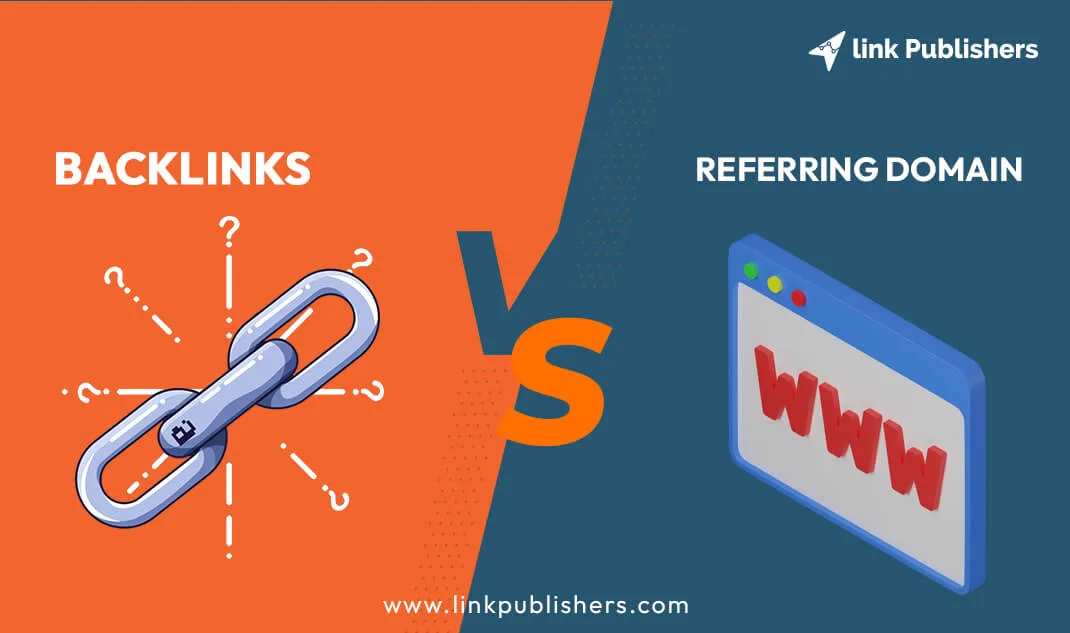
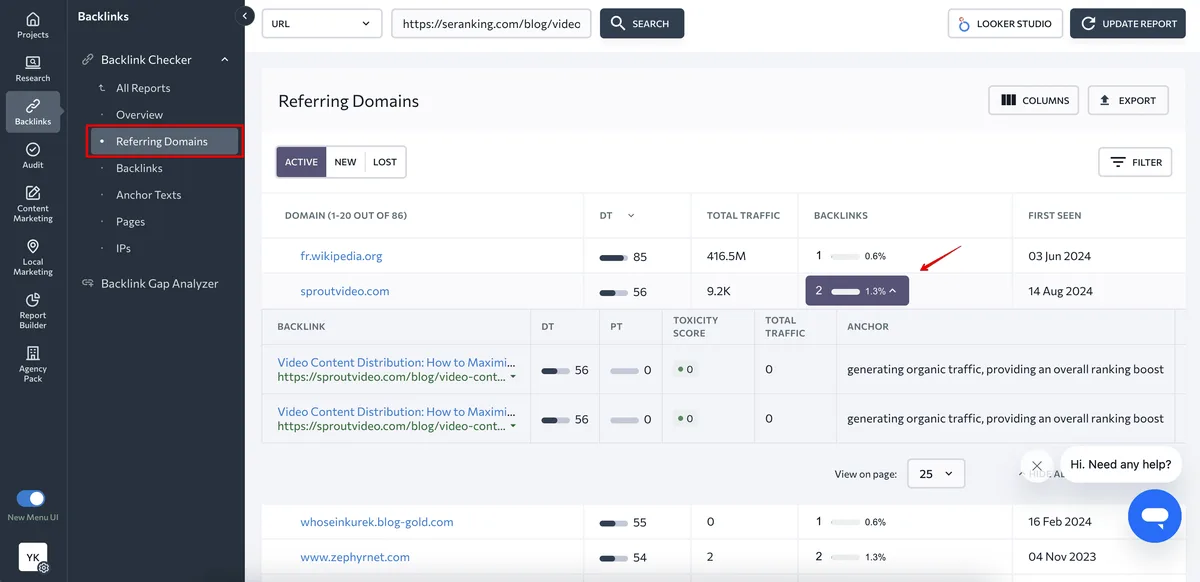
Tools like Ahrefs, Semrush, and Moz track this metric separately for good reason. When you pull up any site’s link profile, you’ll see “Backlinks” and “Referring Domains” sitting side by side. The gap between those two numbers tells you a lot about link quality.
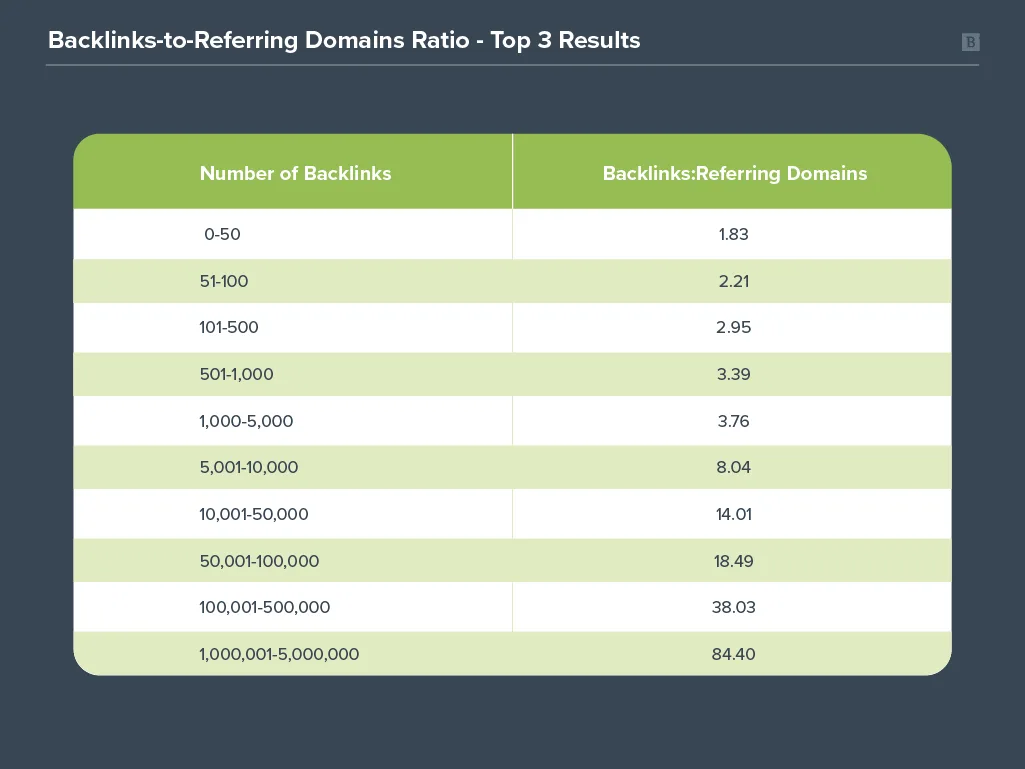
A ratio of 1:1 suggests every link comes from a unique source. A ratio of 50:1 usually means someone bought a package of blog-comment or directory links — the kind of thing you want to avoid entirely.
Think of it like a restaurant review. Fifty reviews from fifty different diners says something meaningful. Fifty reviews from one enthusiastic regular? Useful, but far less persuasive.
Why Referring Domains Carry So Much Weight in Rankings
Backlinks have always been the currency of the web, but the algorithm has evolved. It used to reward sheer volume. Then manipulators flooded the system with spam, and search engines responded by shifting toward diversity, authority, and relevance as primary signals.
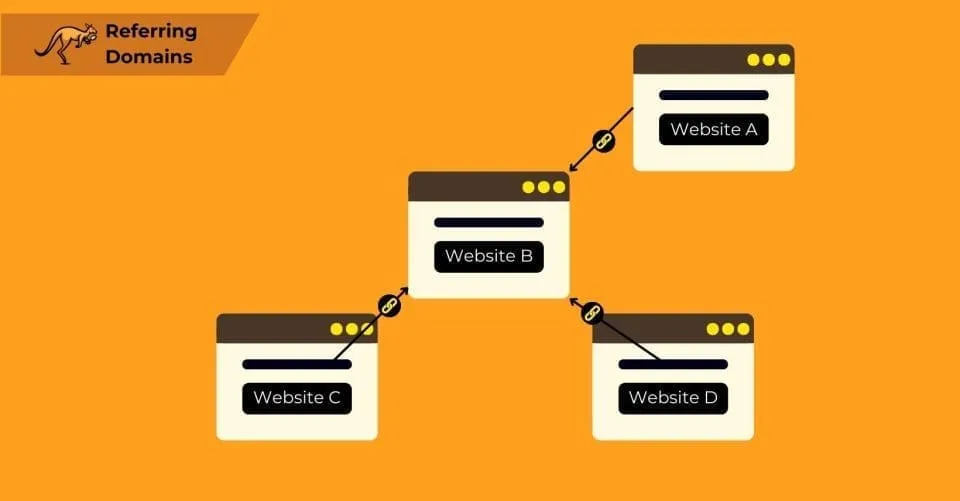
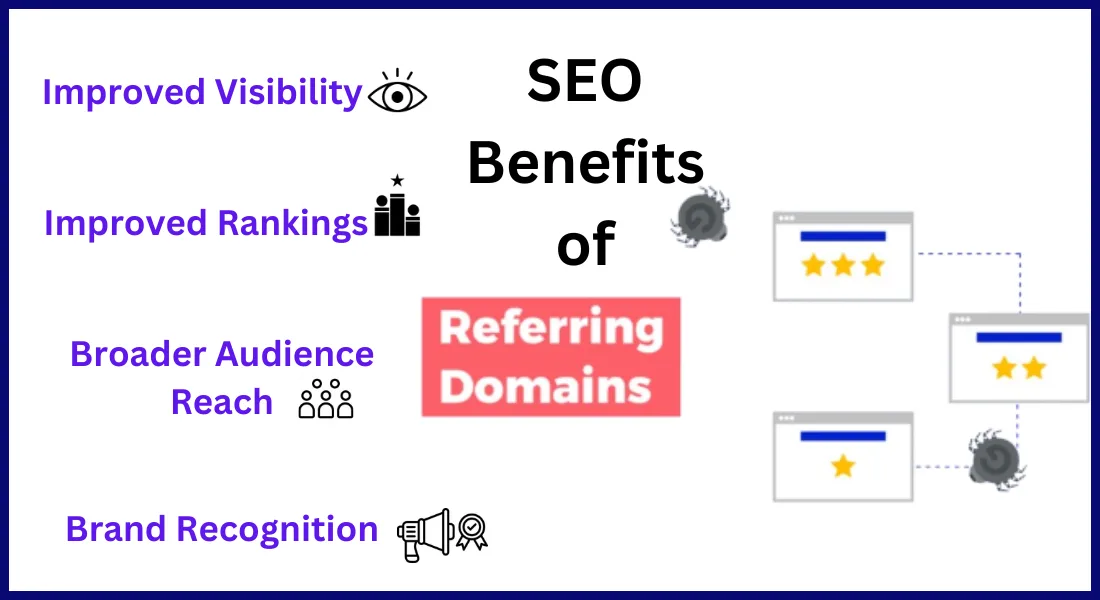
A referring domain is essentially a unique trust vote. Because each one comes from a separate website with its own identity, reputation, and topical focus, the algorithm treats it as an independent signal. That independence is what makes it valuable.
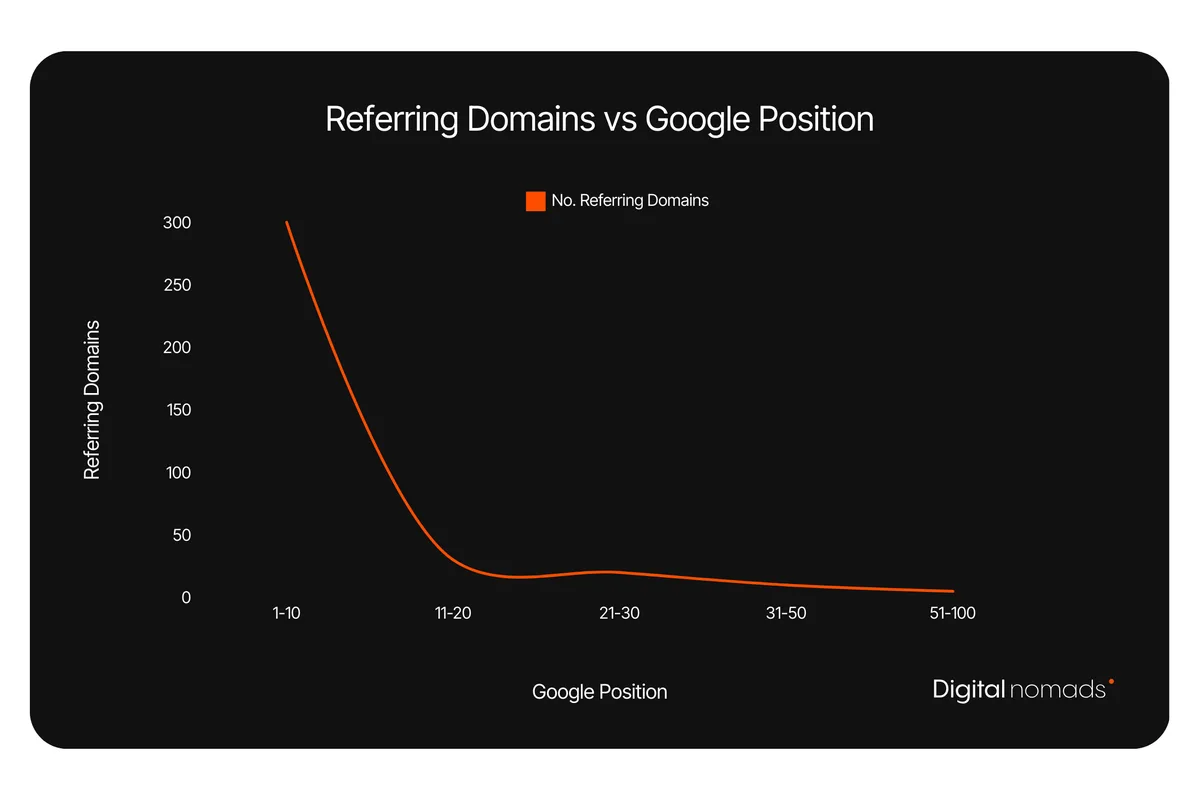
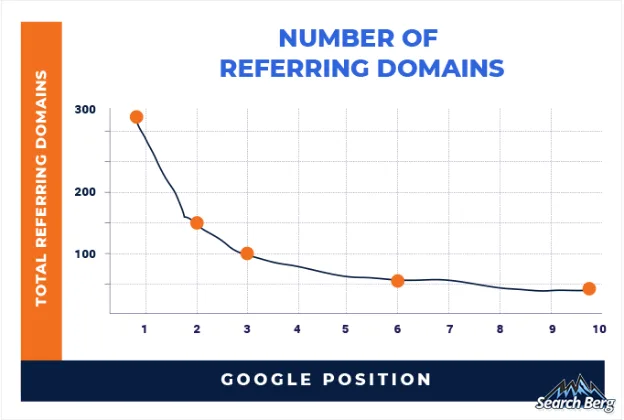
In practice, I’ve seen sites jump two to three positions for competitive terms simply by adding a handful of links from genuinely authoritative, topically relevant domains — no content overhaul required. I’ve also seen sites with hundreds of backlinks and only twelve referring domains stay stuck on page three for years. The pattern is remarkably consistent.
This is why the referring domains checklist any serious SEO uses starts with diversity. It’s also why link-building agencies that sell “500 backlinks” packages are often selling you a trap.
Establishing Your Referring Domains Best Practices Baseline
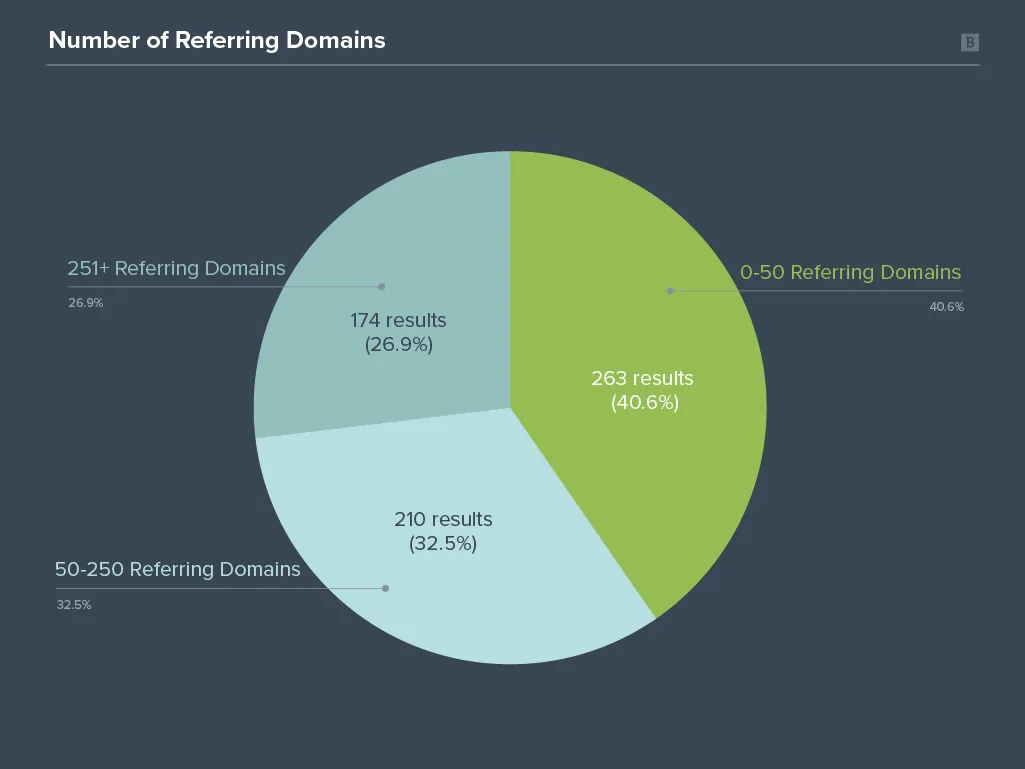
Before you chase new links, you need to understand what a healthy baseline looks like for your specific situation. Not every niche supports the same numbers. A local plumber might realistically target fifty referring domains. A SaaS brand in a saturated vertical might need several hundred just to be competitive.
The most reliable way to find your target is to audit competitors. Pull the referring domains of the top three sites in your space and note the median. That number, not an arbitrary target pulled from a blog post, becomes your working benchmark.
Tools like Ahrefs’ “Link Gap” feature make this straightforward — you’ll see exactly which referring domains link to competitors but not to you.
Once you have the benchmark, the referring domains best practices below become your operational playbook:
- Prioritize relevance over volume. A link from a niche industry publication outperforms fifty links from unrelated general directories. Relevance signals topical trust to search engines.
- Balance domain authority. Mix high-authority sites (DA 70+) with mid-tier sites (DA 30-60). A natural profile is skewed toward mid-tier.
- Diversify link types. Combine editorial mentions, guest posts, resource pages, business citations, digital PR, and organic social mentions.
- Watch the anchor text distribution. Branded anchors should dominate. Exact-match keyword anchors above 20% rarely look natural.
- Verify the link is actually live. Many purchased links get removed after a few months. Use a monitoring tool and audit quarterly.
- Track the do-follow to no-follow ratio. Healthy profiles sit between 60-80% do-follow. Everything else suggests manipulation.
That’s the skeleton of good practice. It’s not glamorous, but it’s the difference between a profile that ages well and one that gets discounted within a year.
Measuring the Right Referring Domains Metrics (and Ignoring the Rest)
Not all metrics deserve your energy. Vanity numbers tempt you into shortcuts. Instead, focus on the handful that correlate with ranking movement.
The first and most important is referring domain growth rate. Slow, steady acquisition — say, five to fifteen new domains per month — mimics natural editorial pickup better than a sudden spike of two hundred in one week.
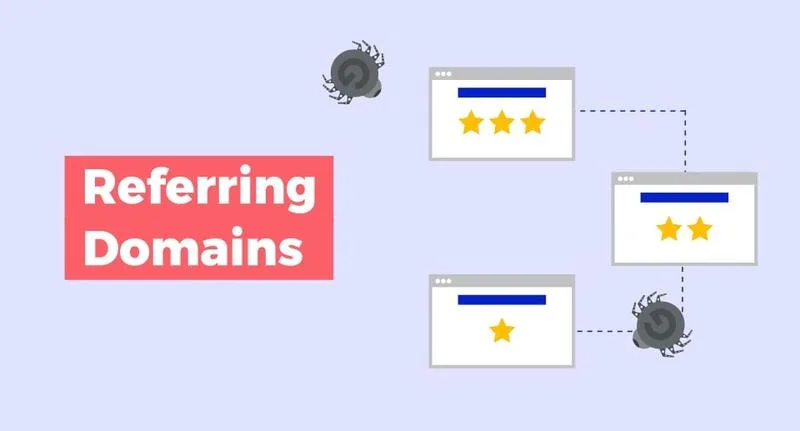
The second is domain authority distribution across your profile. If 90% of your links come from DR 10-20 sites, you may struggle in competitive niches.
A third metric worth tracking: the ratio of referring domains to total backlinks. Anything under 1:5 is healthy. When you see 1:40 or wider, that signals link concentration on a small set of sources — a profile with limited diversity.
| Metric | Healthy Range | Red Flag |
|---|---|---|
| Referring domains to backlinks ratio | 1:1 to 1:5 | 1:30 or wider |
| Do-follow percentage | 60% to 80% | Over 95% or under 40% |
| Branded anchor text | 40% to 60% | Under 20% |
| Exact-match keyword anchors | Under 15% | Over 25% |
| New referring domains per month | 5 to 15 | Sudden spikes over 100 |
| Average DR of linking domains | Mixed (30-70) | All under DR 15 |
That table is the short version of a full referring domains checklist I keep pinned in my project management tool. Numbers alone won’t tell the whole story, but they reveal patterns fast.
The Core Referring Domains Best Practices Every Site Needs
Here’s where strategy separates from tactics. Anyone can buy a link or send a cold outreach email. The sites that consistently win build their referring domains on four pillars: relevance, authority, natural velocity, and anchor diversity.
Relevance Beats Everything Else
Search engines treat links from topically related sites as more trustworthy. A nutrition blog linking to your fitness app carries far more weight than a real estate newsletter linking to the same app, even if the real estate site has higher domain authority. Relevance is a filter that amplifies everything else.
So when judging whether a referring domain is worth your time, ask: does this site publish content related to my topic? Would their audience actually care about my page? Two yeses mean pursue the link. One yes means maybe. Two no’s means skip it regardless of what the DR number says.
In practice, I use the following exercise. Open the prospective site, pick three random articles, and read the headlines. If you can imagine any of those headlines sitting on your own blog, the site is relevant. If not, walk away.
Authority Still Counts
Domain authority is a third-party metric (not a real Google signal), but it’s the best proxy we have for site reputation and inbound value. Prioritize links from sites that hold authority in your space — established publications, respected trade journals, university resources, or well-known industry brands.
You don’t need every link to come from a DR 80+ juggernaut. In fact, an all-high-DR profile looks suspicious. Aim for a natural pyramid: a handful of exceptionally authoritative referring domains, a solid middle tier, and a diverse tail of smaller ones.
Velocity Must Look Natural
Link velocity is how fast your referring domains grow. Too fast, and algorithms flag patterns that resemble purchased links. Too slow, and rankings stall or slide.
The safest approach is to land five to fifteen new referring domains monthly with high consistency. When you land a big win — say, a mention in a major publication — that’s fine, but temper subsequent outreach volume for a couple of months so the profile doesn’t spike unnaturally.
Anchor Text Needs Diversity
Anchor text is the clickable phrase that carries the link. If most of your referring domains link using the exact same keyword, that pattern reads as artificial. Instead, distribute anchors across branded phrases, naked URLs, generic call-to-actions (“click here”, “read more”), and partial-match keywords.
Branded anchors work as your safety net. They should represent forty to sixty percent of the total profile. Exact-match keyword anchors should stay under fifteen percent. When you’re building new referring domains, ask yourself whether you’re adding anchor variety — or just repeating what you already have.
Auditing Your Existing Referring Domains Before You Build
Before adding a single link, spend a week auditing what you already have. I’ve seen budgets wasted on new link-building when the existing profile was half-toxic and dragging down rankings.
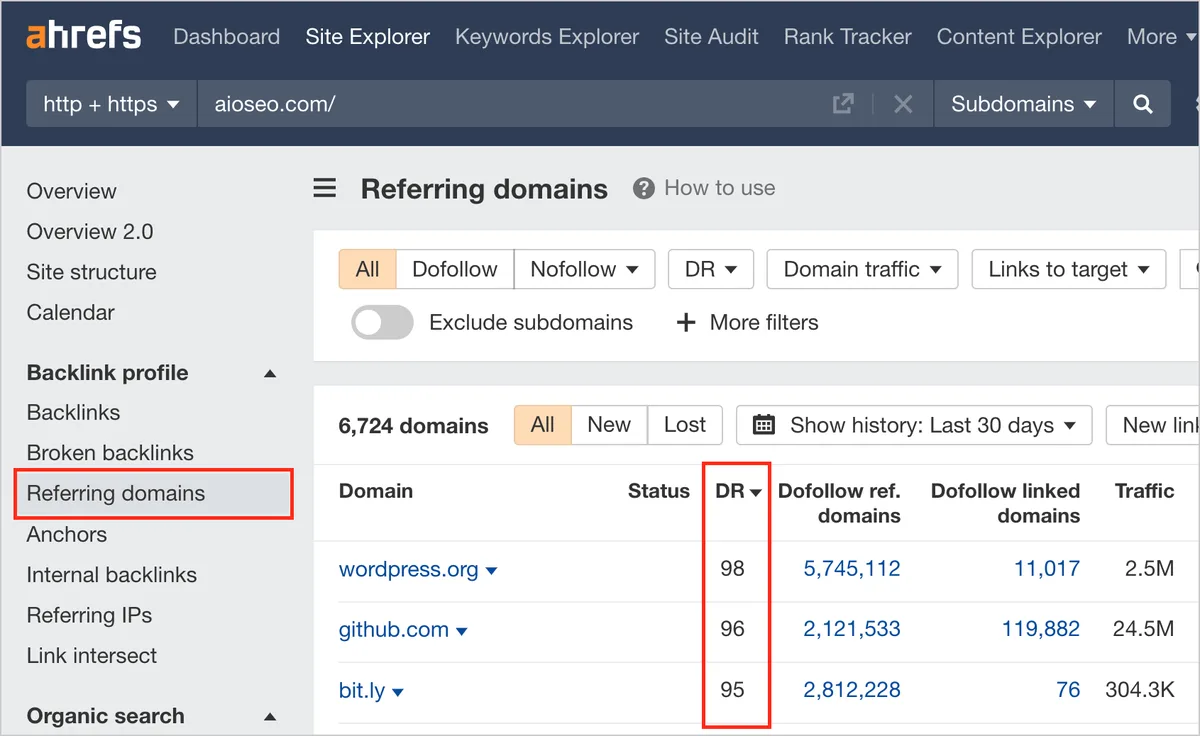
Export your full referring domains list from Ahrefs or Semrush. Sort by domain rating. Look for the low-DR tail — these are usually the easiest to run through a link-quality filter. Sites with zero content, copied content, or overtly spammy structures deserve a disavow if they’re using manipulative anchors.
Then run the same export through a “lost links” report. You’d be surprised how many valuable referring domains quietly dropped off when a link partner redesigned their site or removed a page. Reaching out to restore lost links often yields faster gains than any new outreach campaign.

A solid audit also reveals content gaps. If you have zero links from a particular high-authority niche — say, university extension sites or government resources — you know where to point your next round of outreach.
Five Easy Wins for Building Referring Domains Without a Big Budget
Here’s the part most guides skip. The best practices above are the foundation, but the real leverage comes from a handful of tactics that consistently deliver results even on a tight budget. These are the five easy wins I return to for almost every project.
- Reclaim unlinked brand mentions. Search for your brand name, product names, and CEO name in Google and across review platforms. When you find a mention without a link, send a short, polite note asking for attribution. Conversion rate sits around 20-30% because the publisher already likes you.
- Turn every podcast appearance into an article link. After a podcast episode airs, offer the host a “show notes” summary that includes a natural mention of your site. Most hosts appreciate the free content — and you get a valuable referring domain without pitching anything.
- Build a resource page that earns citations. Create a genuinely useful list, directory, or toolkit that other creators reference by default. You are effectively building a magnet for referring domains because other writers link to you without you asking.
- Publish original data. Run a survey or analyze a dataset that only you can produce. Original statistics attract editorial links because writers need a numeric source to cite. I’ve seen single data studies generate forty-plus referring domains over a six-month window.
- Answer expert roundups promptly. When industry publications request quotes, respond within twenty-four hours with a thoughtful, quotable answer. These roundups often link every contributor — an effortless way to grow referring domains at scale over time.
Notice what’s not on that list: paid link packages, private blog networks, or mass guest posting. Those channels often create more cleanup work than value. The easy wins above take effort, but they compound quietly and don’t create liabilities.
Win #1: Reclaiming Unlinked Brand Mentions for Referring Domains
This is the fastest tactic to implement and the one with the best starting ROI. You’re not building something new. You’re asking for credit that already exists.
Start by searching your brand name in quotes on Google and Bing. Also check industry blogs, Reddit threads, review sites like G2 and Capterra, and PDF reports that mention your company. Open each result, find the mention, and check whether it’s linked. If the mention is unlinked, save the URL to a spreadsheet.
Once you have a list, send the publisher a brief email. Keep it to three sentences. Mention you appreciated the specific article, note where you were referenced, and ask if they’d be willing to add the link.
Include the exact URL you want linked and the anchor text you’d prefer — not the company home page, unless that’s the most relevant destination.
Conversion rates for this tactic often run higher than cold outreach because you’re solving a small editorial gap the publisher overlooked. In one campaign I ran for a B2B client, forty-two unlinked mentions turned into fourteen live links within six weeks. That’s fourteen new this approach for the cost of a hundred emails.
One word of caution: don’t automate the emails. Personalization matters. A template that starts with “Hi there” gets deleted. A template that references the specific paragraph gets a reply.
Win #2: Converting Podcast Appearances Into Referring Domains
Podcast interviews are an underrated source of this approach. Hosts typically link to guest websites on their show-notes pages, but only if guests make it easy — and most don’t.
The trick is to arrive at every podcast prepared to deliver a specific, quotable takeaway. Hosts love a guest who makes their job easier. When you send a follow-up email the day after recording with a short summary of your main points, the host often copies that summary directly into the show-notes page.
That summary should include one or two natural mentions of your site’s URL as the source. Not stuffed, not forced — just “the full research is at yourdomain.com/study” as a reference. Editors will usually carry that through.
In practice I’ve turned a single podcast appearance into eight this practice by following up consistently. The recording generated the initial link. The follow-up summary seeded three more, because the host cited us in a subsequent blog post.
The appearance got picked up by two industry newsletters, which added another two this approach. And the podcast guest directory added one more.
Each one is do-follow, topically relevant, and comes with zero ongoing cost. That’s the compounding power of a well-executed podcast strategy.
Win #3: Building a Resource Page That Earns Referring Domains Passively
A genuinely useful resource page is one of the highest-leverage assets you can create. When you compile the best tools, templates, or data in your niche into one destination, other writers start citing it as a reference — and each citation is a new referring domain.
The key is to make it comprehensive, not just a list of links. Include short descriptions, use cases, and honest evaluations. Add a “how we chose these” section so writers can quote you as an authority rather than just a directory.
Example: a SaaS client in the project management space built a resource page comparing forty-five tools with original ratings and screenshots. Within five months, that single page earned sixty-three this approach from blogs, newsletters, and roundup articles.
It now ranks on page one for a competitive “best project management tools” query and continues to attract links passively.
If you’re not sure where to start, look at the top-ten ranking pages in your niche. Any query with a “best of” or “top tools” pattern reveals what writers want to link to. Build the definitive version of that page, then quietly let it accumulate this approach over time.
Don’t forget to reach out to anyone who already published a “top tools” list and mention your resource. Many will add it if it fills a gap.
Win #4: Publishing Original Data That Attracts Referring Domains
Original data is the most reliable link magnet I know. Journalists, bloggers, and content marketers need numbers to cite. If you publish the only study on a particular topic, you become the default source.
The study doesn’t need to be a million-dollar research project. A survey of two hundred practitioners, an analysis of your own customer data (anonymized), or a hand-coded audit of five hundred websites all qualify.
What matters is that nobody else has run exactly that analysis — and that the finding is surprising enough to be worth mentioning.
Once the study is live, promote it in three waves. First, reach out to five to ten journalists in your niche with a specific angle drawn from the findings. Second, publish the key findings as social content and get industry figures to comment. Third, submit the study to listservs and newsletters that cover your topic.
One client published a benchmark report on email open rates by industry. It generated forty-two this approach over six months with zero additional outreach. Bloggers, newsletters, and academic papers all cited the report because it filled a genuine data gap.
If you can’t commission a full study, start smaller. Even a “we analyzed one hundred landing pages” post can earn meaningful this practice if the finding is specific and quotable.
Win #5: Answering Expert Roundups to Grow Referring Domains Faster
Expert roundups are everywhere. Publications, marketing blogs, and niche newsletters constantly request short quotes from practitioners. The trap is that most people ignore these requests, miss the deadline, or send something generic.
The proactive play: build a habit of scanning industry newsletters and Twitter lists for roundup requests twice a week. When you spot one, respond within twenty-four hours. Submit a specific, quotable answer — ideally with a concrete example or data point, not just opinion.
Publications typically link every contributor, which is why roundups are such an efficient way to grow this approach. One submission results in one link. Ten submissions per month, with a conversion rate of thirty percent, results in three new referring domains monthly — all from genuinely interested editors.
The best part: the effort per submission is roughly twenty minutes. Compare that to guest posting (hours per link) or digital PR (days per campaign), and the efficiency becomes obvious.
Two implementation details I’ve found make a real difference. First, save your best twenty quotes in a running file so you can pull from them quickly when requests arrive. Second, note which publications actually link contributors versus which merely mention them — some only link the publisher, not individual experts.
How Referring Domains Interact With Topic Clusters
Here’s something most link-building guides ignore: this practice grow faster when your site is organized into clear topic clusters. Each cluster is a group of related articles under a parent topic, cross-linked internally so search engines recognize the topical depth.
When you create a cluster, every new piece of content becomes a linkable asset. Journalists citing your parent topic naturally link to the pillar page. Writers building smaller pieces within the cluster link to specific articles.
And because you’re already trusted on the topic, each additional referring domain contributes more to rankings than it would in isolation.
Consider our examples: the resource page from Win #3 works better as a pillar page within a topic cluster about project management. The original research from Win #4 lives naturally in a data-driven cluster.
Even the podcast content from Win #2 aligns with cluster content if you plan backward — select podcast topics that reinforce your cluster themes.
If you’re mapping your next year of content, invert the usual approach. Start with clusters. Then plan link-building tactics per cluster. That reframing turns this approach from isolated wins into a compounding engine.
Common Mistakes That Weaken Your Referring Domains Profile
The worst profile isn’t the one with too few links. It’s the one with the wrong ones. Here are the mistakes I see most often when auditing.
Mistake one: overusing exact-match anchor text. If every new referring domain uses the same keyword, the profile looks engineered. Mix in brand and naked-URL anchors deliberately, even when the exact-match anchor would rank faster.
Mistake two: buying “high-authority” link packages without verifying the sites actually exist. If you cannot navigate to a homepage with real content and a real editorial team, the link is worthless — and often toxic.
Mistake three: ignoring lost links. Every month you lose this approach to site redesigns and dead pages. Build a monitoring habit. Quarterly audits will help you recover dozens of lost links per year.
Mistake four: over-optimizing the ratio. It’s tempting to push this practice to 100% do-follow and 100% relevant. Real profiles aren’t that clean. A profile with zero no-follow links looks unnatural to search engines because genuine web mentions include social links, forum posts, and curated directories that are all no-follow by default.
Mistake five: failing to document the work. Keep a spreadsheet of every referring domain you acquire — the source URL, the date landed, the anchor text used, and the contact. When the profile needs maintenance or cleanup, you’ll be glad you tracked it.
Frequently Asked Questions About Referring Domains
Here is an in-depth breakdown of key considerations regarding this section:
How Many Referring Domains Do I Need to Rank Competitively?
There’s no universal number, but the most reliable benchmark is competitor comparison. Pull the this practice counts for the top three sites ranking for your target keyword. Aim for a number within 20-30% of the median. In local niches, fifty may be plenty. In saturated national verticals, several hundred is often the floor.
Are Referring Domains More Important Than Backlinks?
They measure different things. Backlinks count the number of individual link placements. this approach count the number of unique websites linking. In practice, referring domains matter more to search algorithms because each new domain signals an independent endorsement. A high backlink count is worthless if it comes from a single site.
How Fast Can I Grow My Referring Domains?
Five to fifteen new domains per month is a sustainable range for most sites. You can accelerate temporarily after a big win, but sustained spikes above that range risk triggering algorithmic reviews. Natural editorial pickup is uneven — some months will bring three new links, others twenty — and the algorithm expects exactly that pattern.
What’s a Healthy Referring Domains-to-backlinks Ratio?
Between 1:1 and 1:5 for most sites. A ratio of 1:1 means every link comes from a unique source. A ratio wider than 1:10 often suggests link concentration on a small group of sites or the use of blog-comment and directory spam. Audit any profile that drifts above 1:15 before pursuing new links.
Should I Disavow Low-quality Referring Domains?
Only when the sites are genuinely toxic — typically sites with copied content, zero editorial standards, or manipulative anchors pointing at your pages. Google’s algorithm has improved markedly at ignoring low-quality links, so a disavow is more of a cleanup act than a ranking booster. Audit carefully; don’t over-disavow.
Do No-follow Referring Domains Count for Anything?
They don’t pass PageRank in the traditional sense, but they aren’t worthless. A no-follow mention from a major publication signals relevance and often brings direct traffic. Google also treats these mentions as trust indicators in link-profile analysis. Aim for a natural profile — 60-80% do-follow — not a 100% do-follow one.
How Do I Find Competitors’ Referring Domains?
Use Ahrefs’ “Link Gap” tool or Semrush’s “Backlink Gap” report. Both show which domains link to competitors but not to you. Sort by domain rating and relevance.
Prioritize the top twenty or thirty for outreach — you’ll get higher conversion rates than cold lists because the publishers have already shown willingness to link to sites in your space.
A Working Referring Domains Checklist for Quarterly Reviews
This is the checklist I run every quarter on every project I work with. Save it, adjust it to your niche, and treat it as a standing appointment rather than an occasional task.
- Export the current referring domains list and compare it to the previous quarter. Identify net growth, lost domains, and the ratio of new referring domains to new backlinks.
- Audit anchor text distribution. Flag any exact-match keyword that exceeds 20% of the total profile.
- Review domain authority distribution. If more than 70% of your referring domains sit below DR 20, prioritize outreach into higher-authority niches.
- Check do-follow percentages. Anything above 90% or below 50% warrants investigation — either the profile was engineered or a monitoring tool is missing data.
- Run a “lost links” report and prioritize three to five high-value restoration targets.
- Disavow toxic referring domains identified through independent link-quality filters. Only disavow sites you’re confident about.
- Update the tracking sheet with every referring domain acquired this quarter — source, date, anchor, contact.
- Set next quarter’s acquisition target based on competitor gap analysis. Adjust the target based on the current profile’s health.
That’s the checklist you want to run quarterly, not weekly. Weekly reviews lead to over-optimization. Quarterly cadence gives the profile enough time to produce meaningful trends.
One thing I’ve noticed across dozens of audits: the biggest gains often come from the boring items — restoring lost links, disavowing three toxic this practice, and adjusting anchor distribution. These moves don’t require new outreach. They just require attention.
Putting the Referring Domains Framework Into Practice
The five easy wins are the accessible entry point. Claim your unlinked brand mentions, convert podcast appearances, build a resource page, publish original data, and answer roundups. Each one produces this approach without requiring paid links or a large team.
Around those wins, layer the best practices: relevance over volume, diversity over concentration, natural velocity over sudden spikes. Run the quarterly audit consistently. Track the metrics that correlate with rankings rather than chasing the vanity numbers.
If you’re building this from scratch, start with the audit. You may already have dozens of this approach you can upgrade, restore, or convert. If you’re starting from zero, prioritize Win #1 and Win #5 first — they produce results fastest and cost the least.
The 5 Easy Wins framework works best when paired with an aggressive content strategy. Each piece of content becomes a linkable asset. Each referring domain amplifies the ranking power of that content.
The compound effect over twelve to twenty-four months is what separates sites that climb into the top three from sites that plateau on page two.
If you found this referring domains guide useful, bookmark the checklist and audit your profile this week. Nine out of ten sites I review have at least a dozen easy wins sitting unnoticed in their existing link data. Yours probably does too.
For verified reference and background research, consult the authoritative informational resource on this topic.