
Which means SEO best practises aren’t arbitrary rules someone invented. They’re the observable patterns that correlate with pages Google trusts. When you follow them, you’re speaking the search engine’s language instead of fighting it.
How Google Actually Evaluates a Page
Think of Google as a librarian who’s read every book in the building but has never met you. When someone asks for a recommendation, the librarian pulls from three buckets: what the book is about, whether it’s trustworthy, and whether readers actually found it useful.
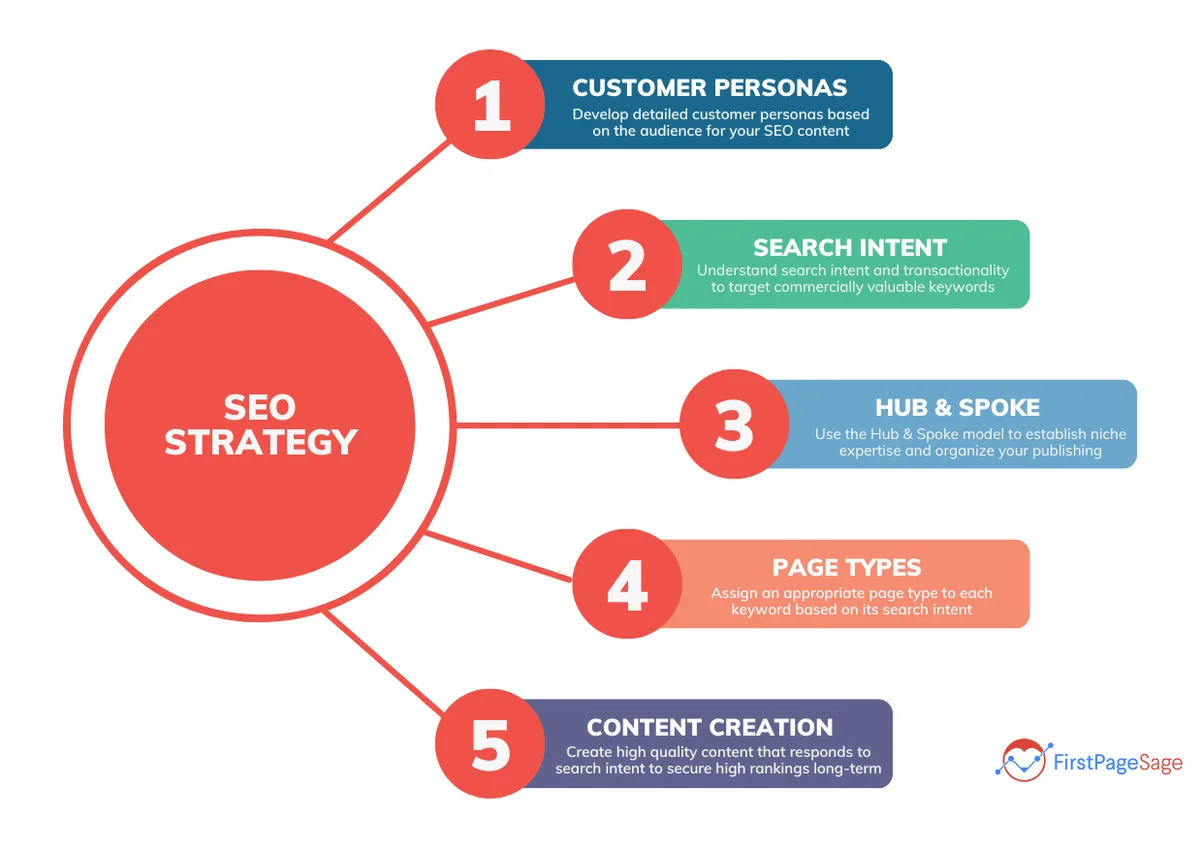
Your job is to make all three obvious. Focusing on SEO best practises provides clear direction here. The page needs to clearly signal its topic through titles, headings, and body copy. It needs signals of authority — links from respected sites, author credentials, accurate information. And it needs engagement data that suggests real humans found what they came for.
Miss any one of those and you’re leaving rankings on the table. The SEO best practises in this guide map directly to those three buckets, so you’re never guessing which lever to pull.
The Cost of Skipping the Fundamentals
Here’s a scenario I see constantly. A business spends thousands on a beautiful new website, launches it, and waits for traffic. Six months later, almost nothing. The reason is almost never the design. It’s that nobody bothered with the basics — broken sitemaps, no internal linking, thin content, missing schema.
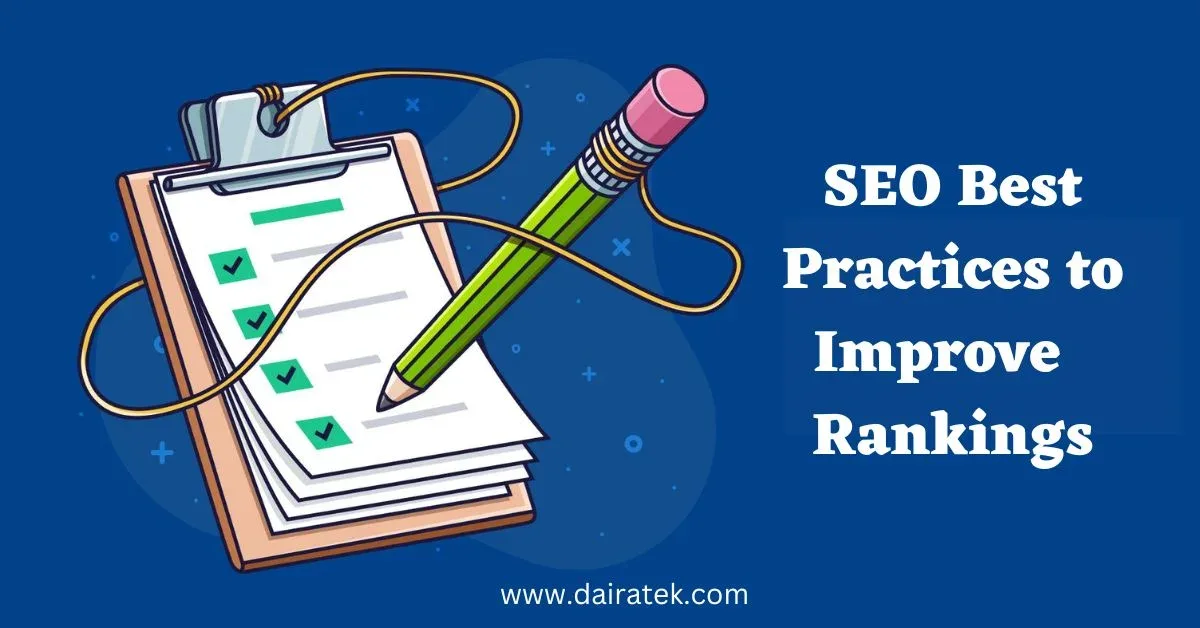
Recovering from that takes twice as long as doing it right the first time. I’ve watched agencies charge five figures to fix problems that would have cost nothing to avoid. That’s the real cost of ignoring SEO best practises.
On the flip side, sites that build on solid foundations tend to grow steadily for years. They don’t need tricks. They just keep compounding.

Technical SEO Best Practises That Keep Google Happy
Before content, before links, before anything else — Google has to be able to crawl and index your pages. If it can’t, nothing else matters. Technical SEO best practises are the plumbing of your entire organic strategy.
The good news is that most technical issues fall into a handful of categories. Fix those and you’ve eliminated 90% of the problems that quietly kill rankings.
Crawlability and Indexation
Start with your robots.txt file. It tells search engines which parts of your site they can and can’t access. A single misplaced character can block your entire site from being indexed — and yes, I’ve seen it happen more than once.
Next, verify your XML sitemap is clean. It should include every page you want indexed, exclude everything you don’t, and update automatically when you publish. Submit it in Google Search Console and check the coverage report monthly.
One more thing: watch for accidental noindex tags. A developer testing a staging environment sometimes pushes those to production. When that happens, your pages vanish from search results within days.
Site Speed and Core Web Vitals
Google’s Core Web Vitals measure three things: how fast your largest content element loads (LCP), how quickly the page responds to input (INP), and how much the layout shifts while loading (CLS). Refining each detail of your SEO best practises strengthens this section. All three are ranking factors, and all three are fixable.
In practice, the biggest culprits are oversized images, render-blocking JavaScript, and cheap hosting. Compress images to WebP, defer non-critical scripts, and upgrade your server if you’re on a shared plan that buckles under traffic.
I once helped a client cut their LCP from 4.8 seconds to 1.6 just by switching image formats and removing two unused plugins. Their organic traffic climbed 34% over the following quarter. That’s the kind of lift technical SEO best practises deliver.
Mobile-First Indexing Reality
Google indexes the mobile version of your site first. Full stop. If your desktop experience is polished but your mobile version is cramped, slow, or hard to tap, you’re being judged on the weaker version.
Test everything on a real phone, not just a browser resize. Check tap target sizes, font legibility, and whether pop-ups block content. Google penalizes intrusive interstitials, especially on mobile.
The SEO best practises here are simple: design mobile first, then scale up. Not the other way around.
Structured Data and Schema Markup
Schema is code that helps search engines understand what your content actually is. A recipe, a product, an FAQ, a how-to — each has its own schema type, and each can earn you rich results in search.
You don’t need to be a developer to add it. Most CMS platforms have plugins that handle the basics. Validate your markup with Google’s Rich Results Test before publishing.
Rich results don’t directly boost rankings, but they increase click-through rate significantly. Higher CTR sends positive engagement signals, which does influence rankings over time. That’s why schema belongs in any serious list of SEO best practises.
On-Page SEO Best Practises for Every Single Page
On-page optimization is where most people either shine or stumble. It’s the art of making a single page unmistakably clear about its topic — to both readers and search engines.
Get this right and every other effort multiplies. Effective execution in your SEO best practises makes a tangible difference. Get it wrong and you’re pushing a boulder uphill.
Title Tags That Earn the Click
Your title tag is the single most important on-page element. It tells Google what the page is about and tells searchers whether to click. Keep it under 60 characters so it doesn’t get truncated in results.
Put your primary keyword near the front. Add a specific benefit or angle that differentiates you from the nine other results on the page. Skip generic filler like “best” or “ultimate” unless it genuinely adds meaning.
One habit that separates pros from amateurs: write the title for the human, then check it for the algorithm. Not the reverse. The SEO best practises around titles always start with clarity for the reader.
Meta Descriptions That Drive Clicks
Meta descriptions don’t directly affect rankings, but they absolutely affect click-through rate. And CTR affects rankings indirectly. So they matter more than most people admit.
Aim for 140–155 characters. Include your primary keyword naturally. End with a soft call to action or a specific promise. Avoid the generic “learn more” endings that every competitor uses.
If Google rewrites your description — which it often does — it’s usually because yours was too vague or didn’t match search intent. Sharpen it and Google will use yours more often.
Heading Structure and Content Hierarchy
Use one H1 per page. Use H2s for main sections and H3s for subsections. Never skip levels for styling reasons — that confuses screen readers and search engines alike.

Your headings should read like a table of contents. Maintaining clarity across your SEO best practises remains essential. If someone scanned only your headings, they should understand the full argument of the page.
This is one of those SEO best practises that seems trivial until you audit a site where every heading is an H2 regardless of hierarchy. Fixing that alone can improve crawl understanding noticeably.

Keyword Placement Without Stuffing
Your primary keyword belongs in the title, the H1, the first 100 words, at least one H2, the meta description, and one image alt tag. That’s the baseline.
Beyond that, use natural variations. Synonyms, related terms, and semantic phrases. Google’s language models understand context now — they don’t need you to repeat the same phrase fifteen times.
Keyword density targets like 1.2% to 1.5% are useful as guardrails, not gospel. Write for humans first. If a phrase feels forced, cut it. That instinct is one of the most underrated SEO best practises.
Internal Linking as a Ranking Tool
Internal links do three things: they help Google discover pages, they pass authority between pages, and they signal topical relationships. Most sites underuse them badly.
Link from high-authority pages to pages you want to rank. Use descriptive anchor text that includes the target page’s keyword. Keep the link count reasonable — 3 to 10 contextual links per 1,000 words is a healthy range.
I’ve seen pages jump from position 18 to position 4 purely from internal linking improvements. No new content, no new backlinks. Just better architecture. That’s how powerful this particular SEO best practises habit is.
Content SEO Best Practises That Build Topical Authority
Content is still king — but only content that actually answers the question better than everything else on the internet. Thin, generic, or AI-spun content doesn’t rank anymore. It just wastes crawl budget.
The bar has risen. Here’s how to clear it.
Search Intent Comes Before Everything
Before you write a single word, figure out what the searcher actually wants. Are they looking for information, a comparison, a product, or a local service? The answer shapes the entire page.

Search “how to bake sourdough” and you’ll see recipes, videos, and step-by-step guides. A thoughtful approach to SEO best practises reinforces your qualifications. Search “best sourdough starter” and you’ll see product reviews and buying guides. Same topic, completely different intent.
Match the intent and you’ll rank. Mismatch it and no amount of optimization will save you. This is the foundational SEO best practises rule that everything else depends on.

Depth Beats Word Count
Long content doesn’t rank because it’s long. It ranks because it covers the topic more completely than shorter competitors. Word count is a symptom, not a cause.
Ask yourself: what questions would a reader have after finishing this page? Answer them. What objections might they raise? Address them. What related topics would they explore next? Link to them.
That’s how you build depth. Not by padding paragraphs, but by genuinely anticipating what the reader needs.
E-E-A-T and Why It Matters More Than Ever
Google’s quality guidelines emphasize Experience, Expertise, Authoritativeness, and Trustworthiness. In plain terms: is the person writing this actually qualified, and does the site demonstrate that?
Add author bios with real credentials. Cite sources. Include original data, photos, or firsthand experience. Link to authoritative external references like Wikipedia’s overview of search engine optimization when it genuinely helps the reader.
Google’s own guidance on creating helpful content is worth reading in full. It’s essentially a public statement of what SEO best practises look like from Google’s perspective.
Content Freshness and Updates
Not every page needs constant updating, but pages targeting competitive keywords benefit from periodic refreshes. Add new data, update outdated references, expand thin sections.
When you update a page, change the “last modified” date. Structuring your SEO best practises around proven patterns ensures impact. Google uses that signal to decide whether to recrawl. Skip it and your updates might sit unnoticed for weeks.
One client doubled their organic traffic over eighteen months just by updating their top 20 blog posts quarterly. No new content. Just disciplined maintenance.
Link Building SEO Best Practises That Actually Work
Backlinks remain one of Google’s strongest ranking signals. But the tactics that worked will get you penalized today. The game has changed.

Modern link building is about earning links from sites that would link to you anyway — because your content is genuinely worth citing.
Digital PR and Data-Driven Outreach
Original research, surveys, and data studies attract links naturally. Journalists need statistics, and if you’re the source, they’ll cite you.

Run a small survey in your industry. Publish the results with clean charts and quotable findings. Pitch it to relevant publications. Even modest studies can earn dozens of high-quality links.
This is one of the most reliable SEO best practises for building authority without risking penalties.
Guest Posting Without the Spam
Guest posting still works — but only on sites with real audiences and editorial standards. Skip the “write for us” pages that accept anything for a fee.
Target publications your customers actually read. Applying these principles to your SEO best practises yields measurable results. Pitch topics that fill a genuine gap in their content. Include one contextual link back to a relevant page on your site, not your homepage.

Two or three guest posts per quarter on quality sites will outperform fifty on low-grade networks.
Broken Link Building
Find pages on relevant sites that link to dead resources. Reach out and suggest your content as a replacement. It’s tedious but effective.

Tools like Ahrefs and Semrush make the discovery process manageable. The outreach still requires manual effort, but the conversion rate is far higher than cold pitching.
This tactic works because you’re solving a problem for the site owner, not asking for a favor. That framing is one of the quiet SEO best practises that separates successful outreach from ignored emails.
Unlinked Brand Mentions
When someone mentions your brand without linking, reach out and politely ask for a link. Most people say yes. It’s one of the easiest wins in link building.
Set up Google Alerts for your brand name and key product names. Check monthly. Convert mentions into links. Over a year, this compounds into meaningful authority.
Local SEO Best Practises for Service Businesses
If you serve customers in a specific geographic area, local search is where the money lives. The SEO best practises for local are different from national campaigns, and getting them right can transform a small business.

Google Business Profile Optimization
Claim and verify your Google Business Profile. Fill out every field. Add photos weekly. Post updates regularly. Respond to every review — positive and negative.
Your primary category matters enormously. Proper attention to your SEO best practises sets a strong baseline. Choose the one that best matches your core service, not the one with the most search volume.
Businesses that post to their profile weekly see significantly higher engagement than those that set it and forget it. That’s a documented pattern, not a guess.
Local Citations and NAP Consistency
Your Name, Address, and Phone number should be identical everywhere they appear online. Yelp, Yellow Pages, industry directories, your website footer — all the same.
Inconsistencies confuse Google and dilute trust signals. Audit your citations annually and fix discrepancies. It’s boring work, but it’s foundational.

Local Content and Location Pages
Create dedicated pages for each city or region you serve. But make them genuinely useful — local case studies, area-specific FAQs, neighborhood references. Not the same template with the city name swapped.
Google’s algorithms detect templated location pages easily. The SEO best practises here require real local substance.

Analytics and Measurement SEO Best Practises
You can’t improve what you don’t measure. And most sites measure the wrong things. Rankings alone don’t tell you whether SEO is working. Revenue does.
Track Rankings, Traffic, and Conversions Together
Rankings without traffic mean nothing — position 3 for a keyword nobody searches is worthless. Traffic without conversions is a vanity metric. Track all three together.
Set up conversion tracking in Google Analytics or your analytics platform of choice. Developing your SEO best practises with precision highlights key strengths. Tie organic sessions to actual business outcomes — form submissions, purchases, calls.
This is the SEO best practises that most teams skip, and it’s the one that justifies your budget to leadership.

Google Search Console is Non-Negotiable
Search Console shows you exactly which queries bring impressions, which pages get clicks, and where your rankings are slipping. Check it weekly.
Pay attention to pages with high impressions but low CTR. That usually means your title or meta description needs work. Fixing those often produces quick wins.
Also watch the “Queries” report for unexpected keywords. Sometimes you rank for terms you never targeted — and those can reveal content opportunities.
Competitive Benchmarking
Identify three or four direct competitors. Track their top-performing pages monthly. What are they ranking for that you aren’t? What topics are they covering that you’ve ignored?
You don’t need to copy them. But understanding their strategy helps you find gaps and differentiate. That’s one of the most practical SEO best practises for staying competitive.
Common SEO Mistakes That Kill Rankings
Even experienced teams make these. Some are subtle. Others are obvious in hindsight. All of them cost traffic.
Keyword Cannibalization
When multiple pages target the same keyword, they compete against each other. Google gets confused about which to rank, and often ranks neither well.
Audit your content quarterly. Clear alignment with your SEO best practises builds confidence from the start. Consolidate overlapping pages or differentiate their targeting. One page per keyword intent is the rule.
Ignoring User Experience Signals
High bounce rates, low dwell time, and poor engagement tell Google your page didn’t satisfy the query. Even if everything else is perfect, weak UX signals drag rankings down.
Improve readability. Add visuals. Break up long paragraphs. Answer the question fast, then expand. That’s the SEO best practises most content teams underrate.
Chasing Trends Over Fundamentals
Every year brings a new “SEO hack” that promises overnight results. Most fade within months. The fundamentals — technical health, quality content, real links — never do.
Stay curious about new developments, but don’t rebuild your strategy around them. The SEO best practises that worked a decade ago still work today, just with sharper execution.
Comparison: SEO Best Practises by Priority Level
| Priority | Practice | Impact | Effort |
|---|---|---|---|
| Critical | Crawlability & indexation | Very High | Low |
| Critical | Title tags & meta descriptions | High | Low |
| Critical | Mobile-first design | High | Medium |
| High | Content depth & intent matching | Very High | High |
| High | Internal linking architecture | High | Medium |
| High | Core Web Vitals | Medium | Medium |
| Medium | Schema markup | Medium | Low |
| Medium | Link building outreach | High | High |
| Medium | Local citations | Medium | Low |
| Ongoing | Analytics & measurement | High | Low |
Building a Sustainable SEO Workflow
SEO isn’t a project you finish. It’s a system you run. The teams that win are the ones that treat it as an ongoing operation, not a one-time sprint.
Weekly, Monthly, and Quarterly Cadence
Weekly: check Search Console for errors, review new queries, publish or update one piece of content. Monthly: audit internal links, refresh top pages, review competitor movements. Quarterly: full technical audit, content inventory, backlink profile review.
This cadence keeps you responsive without burning out. It also ensures nothing critical slips through the cracks.
Documenting Your SEO Best Practises
Write down your processes. What do you check before publishing? How do you structure internal links? What’s your outreach template?
Documentation turns individual knowledge into team capability. When someone new joins, they inherit a system instead of starting from scratch.
It also makes it easier to spot where your SEO best practises are drifting. If the process says one thing and the team does another, you’ve found a gap worth fixing.
Scaling Without Sacrificing Quality
As you grow, the temptation is to produce more content faster. Resist it. One excellent page beats five mediocre ones every time.
Instead, scale by improving systems: better briefs, clearer templates, stronger editorial review. Quality at scale comes from process, not shortcuts.
The SEO best practises that got you to page one are the same ones that keep you there. There’s no secret level two.
Frequently Asked Questions About SEO Best Practises
Here is an in-depth breakdown of key considerations regarding this section:
How Long Until SEO Best Practises Show Results?
Technical fixes can show impact in days or weeks. Content and link building typically take three to six months to move rankings meaningfully. Competitive niches take longer. Patience is part of the job.
Do SEO Best Practises Change Every Year?
The fundamentals stay stable. What changes is emphasis — new signals get added, old ones get deprecated. Focus on the core principles and adapt as Google announces updates.
Is Keyword Density Still Relevant?
Not in the old sense. Google’s language models understand context better than word counting. Use your keyword naturally, include related terms, and stop worrying about hitting a specific percentage.
Can I Do SEO Myself or Should I Hire an Agency?
Small sites can absolutely handle SEO in-house with the right tools and a few hours per week. Complex sites with technical debt usually benefit from expert help. Start with a self-audit before deciding.
What’s the Single Most Important SEO Best Practise?
Publishing content that genuinely answers the user’s query better than anything else available. Everything else — technical, links, structure — exists to help that content get found and trusted.
Does Social Media Affect SEO?
Not directly. Social signals aren’t a ranking factor. But social distribution drives traffic, which drives engagement, which can indirectly influence rankings. Treat social as a distribution channel, not an SEO tactic.
How Do I Handle SEO for a New Website?
Start with technical foundations, publish a handful of genuinely useful pages, and build a clean internal linking structure. Don’t chase links early. Focus on getting indexed and demonstrating quality first.
Final Thoughts on Getting SEO Best Practises Right
Nobody wins at search by chasing shortcuts. The sites that dominate are the ones that show up every week, fix the boring problems, and publish content worth reading. That’s the whole game.
If you take one thing from this guide, let it be this: treat SEO best practises as a discipline, not a checklist. Understand why each one exists, and you’ll know how to adapt when Google changes the rules — which it will, again and again.
Start with the technical foundations. Layer in content that matches intent. Build links the honest way. Measure what matters. Repeat. That’s how you rank higher on Google, and stay there.