Return on Ad Spend: 10 Powerful Tips to Boost Rankings
Return on ad spend is the number that tells you whether your paid campaigns actually earn their keep, and this guide hands you ten battle-tested tactics to make that number stronger — for your bottom line and your search rankings alike. Stick with me, because most advertisers track this metric badly and then wonder why their budgets evaporate.
Here’s the uncomfortable truth I’ve seen play out at dozens of brands: people obsess over clicks and impressions while the one ratio that decides profitability sits neglected in a spreadsheet tab nobody opens. We’re going to fix that.
Below you’ll find practical tips, a checklist you can steal for your own team, and the kind of best practices that separate campaigns which scale from campaigns that quietly bleed cash.
Before diving into the ten tips, let’s get our footing straight. If you already know the formula, skim ahead — but don’t skip the nuance, because the definition matters more than most people admit.
What Return on Ad Spend Really Measures (And What It Doesn’t)
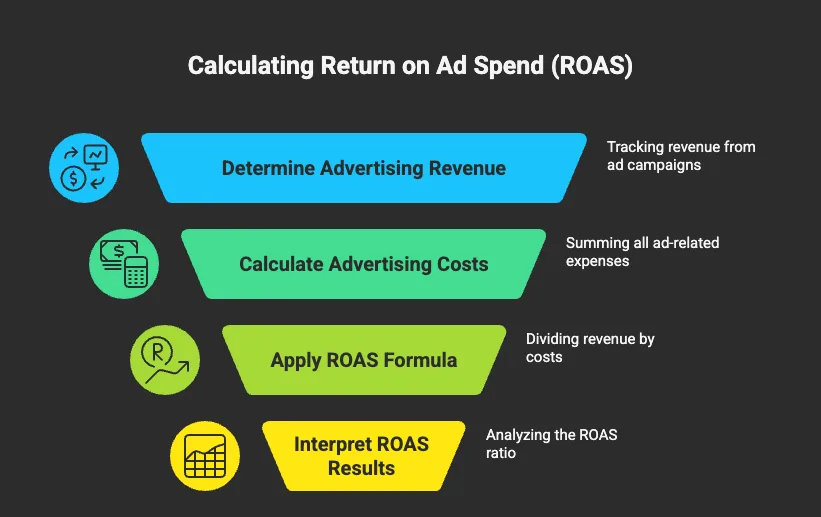
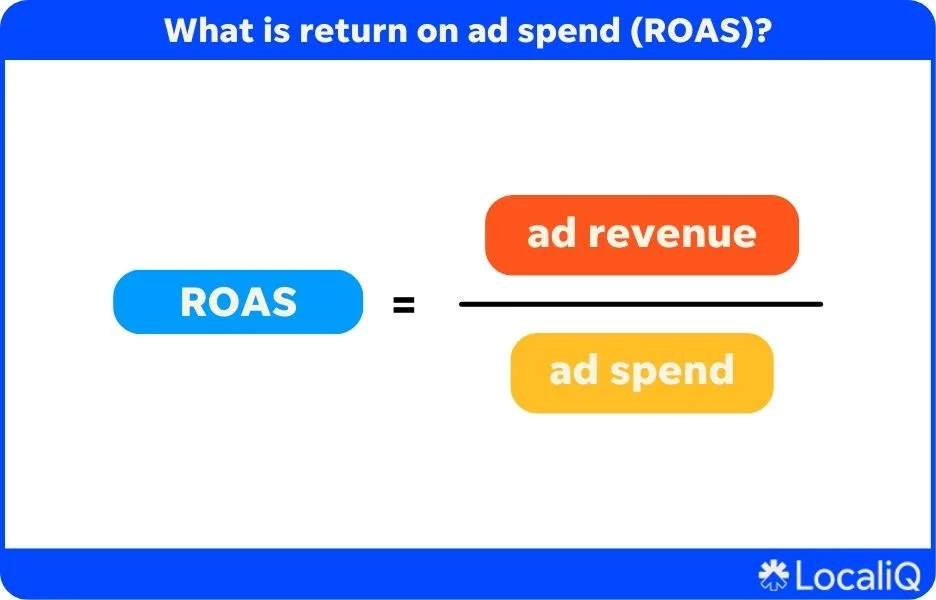
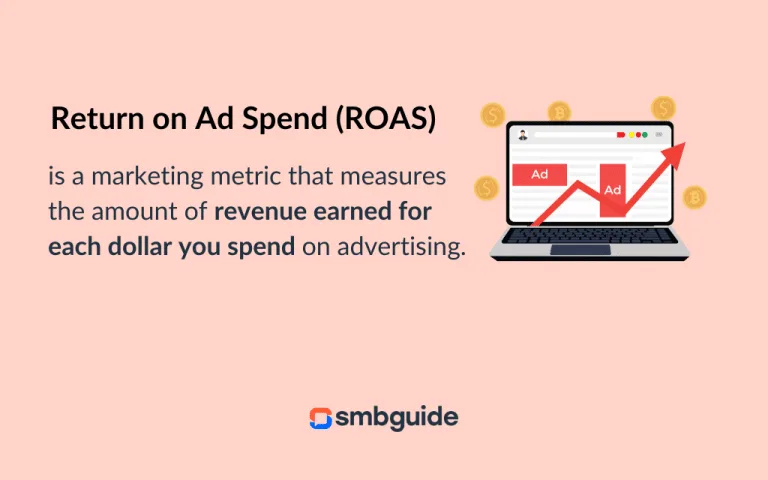
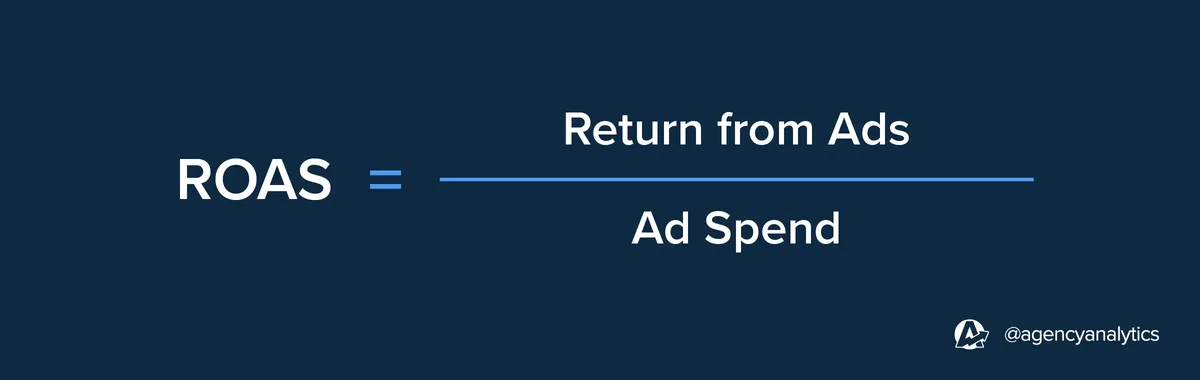
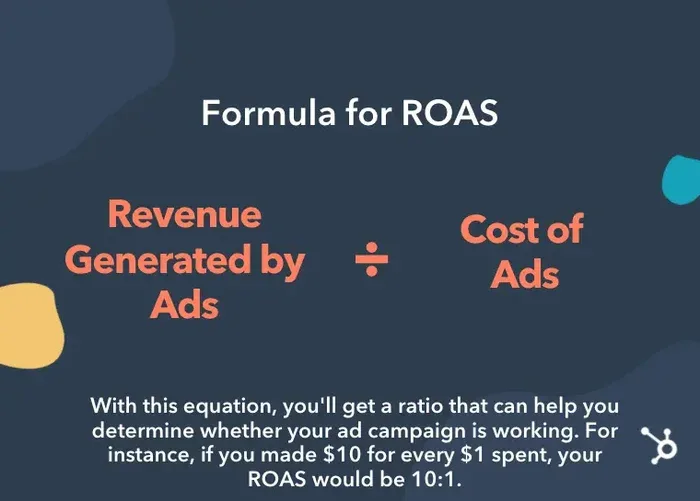
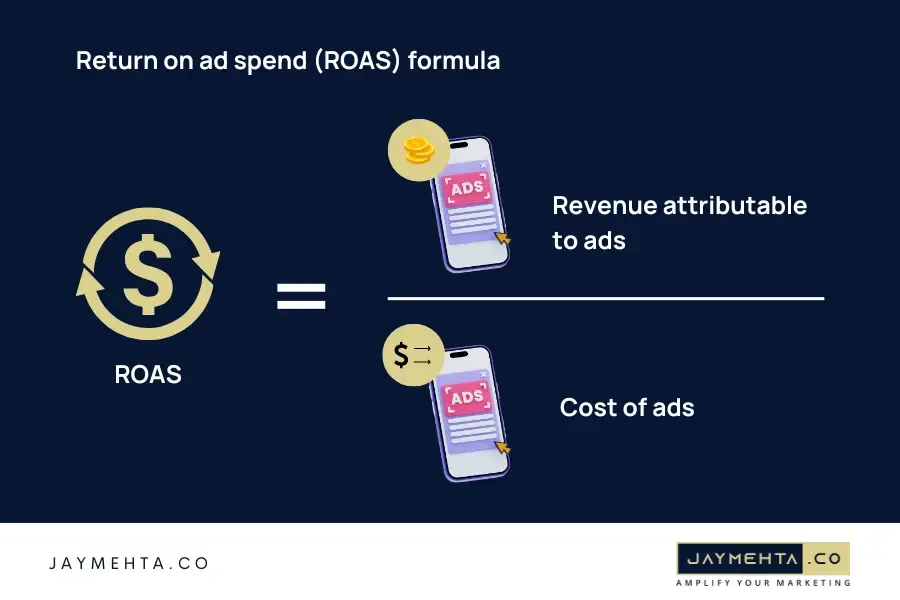
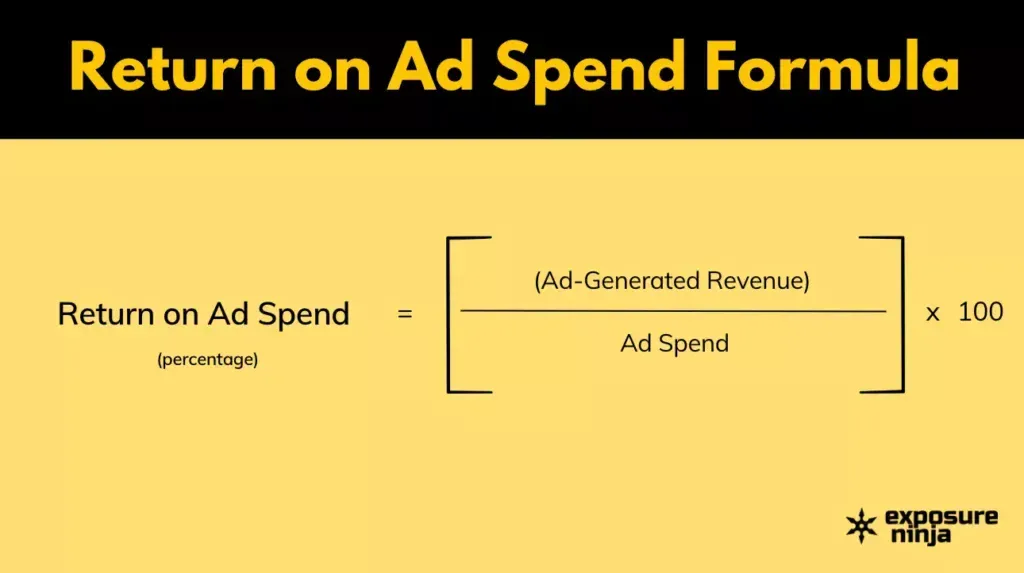
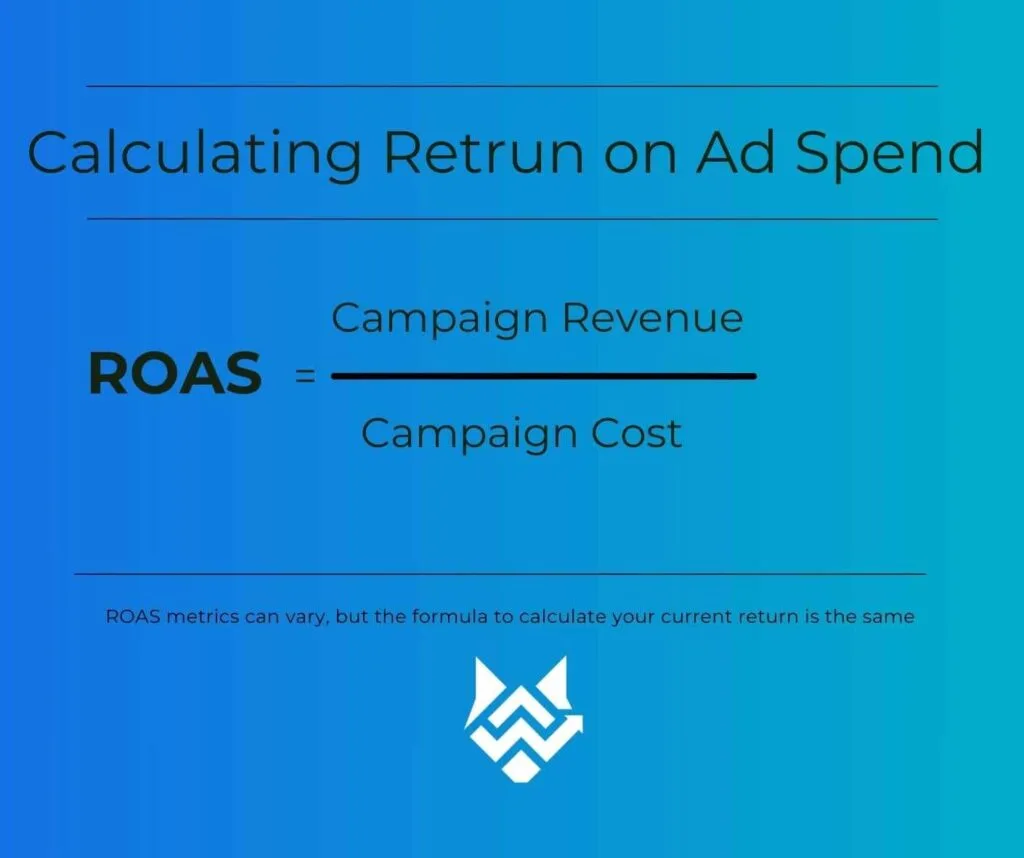
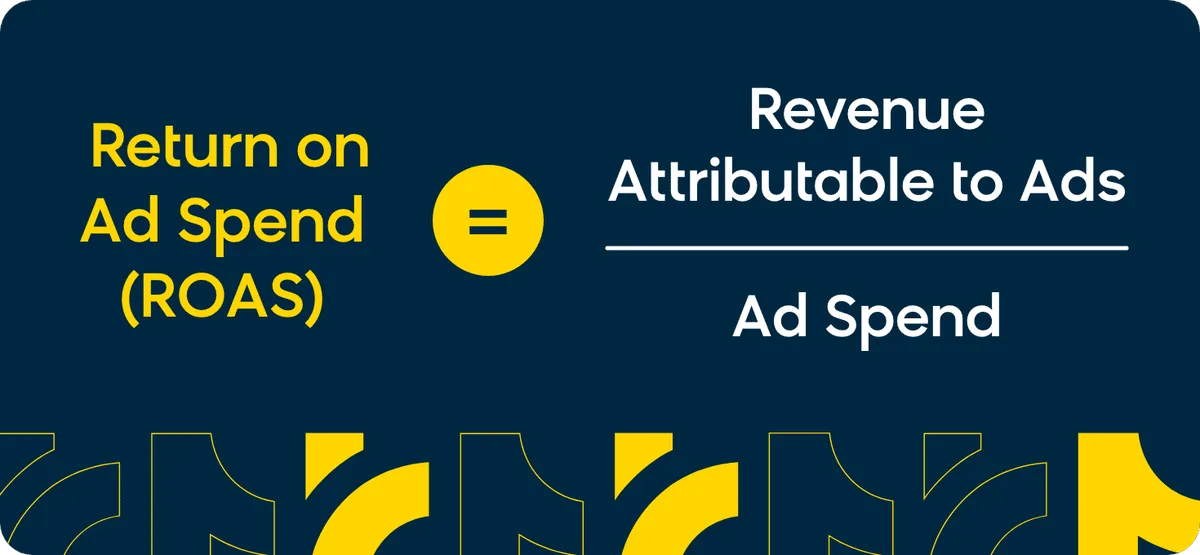
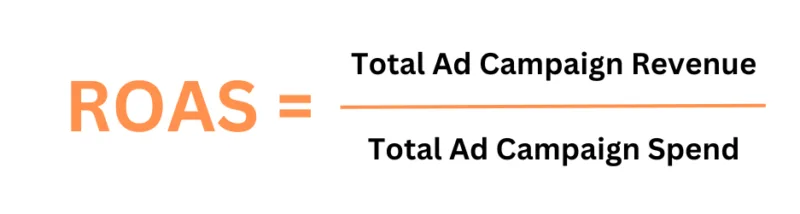
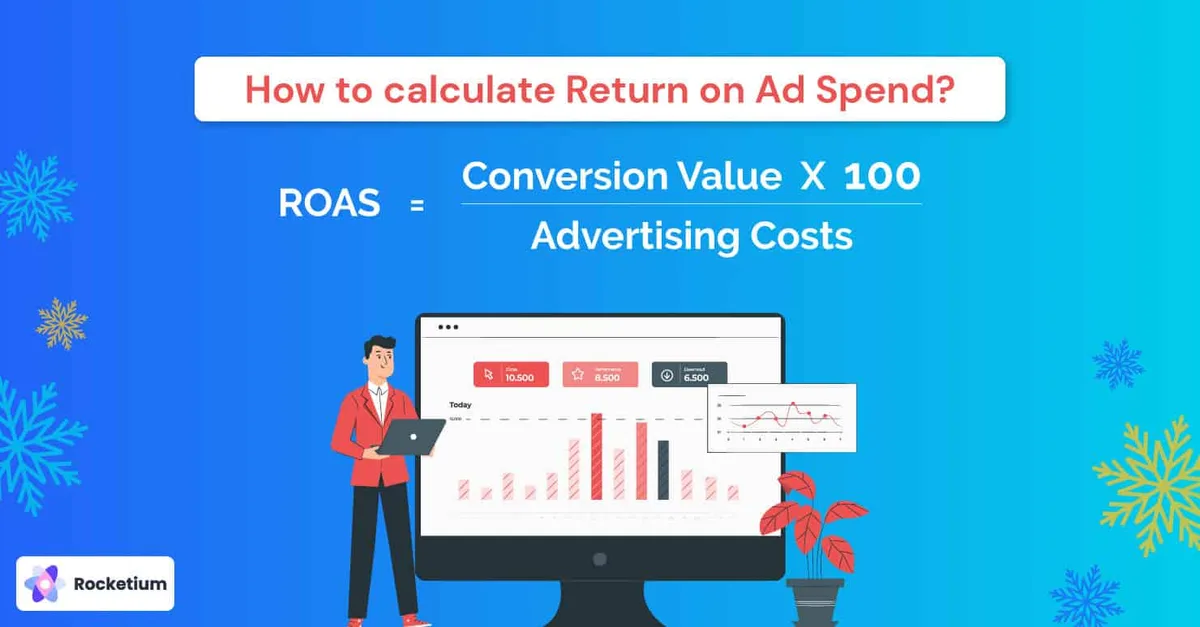
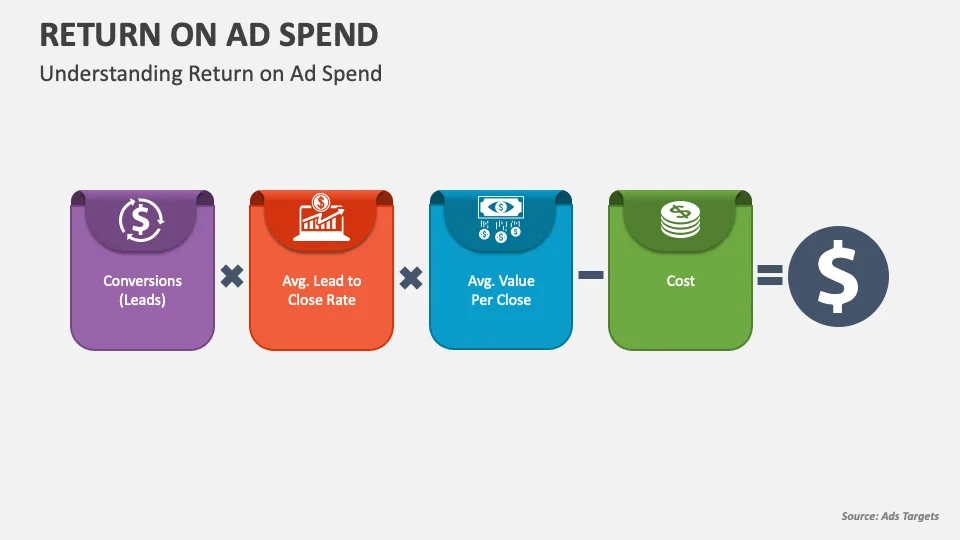
At its core, return on ad spend divides the revenue a campaign generates by the money you spent on it. A 4:1 ratio means every dollar in produced four dollars back. Simple on the surface, deceptively tricky underneath.
The catch is that this ratio lives in a vacuum of its own making. It tells you nothing about profit margin, customer lifetime value, or whether the sale would have happened anyway through organic search or a returning customer’s bookmark.
I’ve watched ecommerce teams celebrate a 6:1 return on ad spend on a product with a 12% margin, only to realize after fulfillment and shipping costs they were treading water.
So treat the number as a directional signal, not gospel. It rewards you for spending efficiently on acquisition, but it can’t see the customer who comes back three more times over the next year.
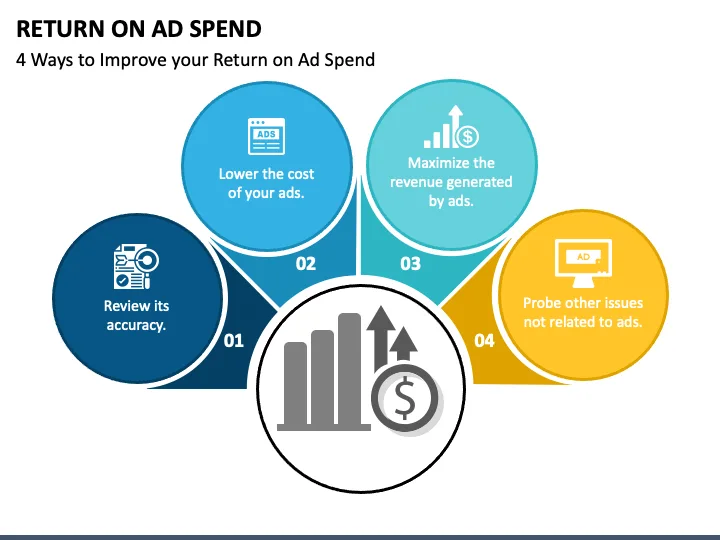
That blind spot is why a return on ad spend guide worth its salt always pairs the ratio with margin data and repeat-purchase behavior.
Why This Metric Shapes Your Search Rankings Too
You might wonder what paid efficiency has to do with climbing the organic results. Quite a lot, actually. Google’s quality frameworks — think Helpful Content signals and the broader emphasis on satisfying search intent — reward pages that keep visitors engaged, convert them, and earn links. A campaign that drives traffic to a landing page where nobody buys is a campaign feeding a weak page.
When your return on ad spend is healthy, it usually means your landing pages convert, your messaging aligns with intent, and your audience finds what they came for. Those same qualities push rankings upward.
SEO and paid media aren’t rivals fighting over budget; they’re two lenses on the same question of whether your page deserves the click.
I’ve seen brands lift organic rankings simply by fixing the landing pages the return on ad spend were tanking their paid efficiency. Better copy, faster load, clearer offer — the paid metrics improved and the search console lit up within weeks. That overlap is worth keeping front of mind as we work through the tips.
Return on Ad Spend Checklist: the Fundamentals Before You Optimize
Jumping straight into advanced tactics without a baseline is like tuning a race car with a flat tire. Run through this short checklist first, because every tip below assumes these basics are already solid.
| Foundation Item | What “Good” Looks Like | Why It Matters |
|---|---|---|
| Conversion tracking | Every purchase, lead, and micro-conversion fires a clean event with correct value | Without accurate revenue data, your ratio is fiction |
| Attribution model | Chosen deliberately (data-driven, position-based, or first-click) and documented | Different models tell wildly different stories about the same spend |
| Margin visibility | Product-level profit margins mapped to campaign-level spend | A high ratio on a low-margin item can still lose money |
| Landing page speed | Loads in under 2.5 seconds on mobile | Slow pages kill both paid conversion rates and Core Web Vitals |
| Audience separation | New vs. Returning, branded vs. Non-branded, all split out | Blended numbers hide your weakest segment |
Notice the last row especially. Blended return on ad spend is the sneaky villain of honest reporting. When someone asks how your campaigns are doing and you quote one big number, you’re almost certainly hiding a segment that’s underperforming. Split it out and you’ll find the leaks fast.
Run this checklist once, then revisit it quarterly. Tracking breaks, attribution drifts, and margins shift as suppliers change pricing. A return on ad spend checklist isn’t a one-and-done ritual — it’s a recurring health check.
Tip 1: Segment Your Return on Ad Spend by Channel and Campaign
Here’s the first tip, and honestly the one that pays for itself fastest: stop reporting one blended number. Break your return on ad spend apart by channel, campaign, and audience. Search, shopping, social, display — each deserves its own line in the ledger.
When a mid-sized apparel client of mine split their numbers this way, the picture flipped overnight. Their overall ratio looked respectable at 3.8:1. Drilled down, shopping campaigns were humming at 6:1 while a display retargeting line was dragging along at 0.9:1 and quietly eating a quarter of the budget. Nobody had noticed because the average masked the loser.
Do the same exercise and you’ll almost always find at least one zombie campaign. Kill it, reallocate the spend to your strongest segment, and watch the blended figure climb without a single creative change. Segmentation isn’t glamorous, but it’s the highest-leverage move on this list.
How to Segment Without Drowning in Reports
You don’t need forty dashboards. Start with three cuts — channel, campaign objective, and new-versus-returning audience — and build a simple pivot that refreshes weekly. Anything deeper only makes sense once those three are clean.
Set a threshold rule: any segment below a return on ad spend you’ve defined as your floor gets flagged for review. That single rule keeps you from having to eyeball every campaign and turns the morning reporting routine into a five-minute scan.
Tip 2: Track Contribution Margin, Not Just Revenue
Revenue is the flattering number. Contribution margin is the honest one. This second tip asks you to weigh your return on ad spend against what each sale actually leaves in your pocket after product cost, fulfillment, and fees.
Picture two products. Product A returns 5:1 but carries a 15% margin; Product B returns 2.5:1 with a 45% margin. If you’re optimizing purely for the ratio, you pour money into A. But B may well generate more profit per dollar spent once you account for what’s left after the sale.
I’ve watched brands scale themselves into losses the return on ad spend way — roaring ratios, thin margins, and a finance team asking uncomfortable questions at quarter-end. Rework your reporting so margin sits next to the ratio on the same line, and suddenly your bidding strategy sharpens.
Tip 3: Separate New-Customer Acquisition from Retargeting
Retargeting flatters every campaign it touches. Of course it does — you’re re-engaging people who already showed intent. But when acquisition and retargeting share one return on ad spend figure, the retargeting halo hides the true cost of finding new buyers.
The fix is simple in principle and transformative in practice: tag new-customer conversions separately, then compute two ratios. Acquisition spend on cold audiences will always look worse on paper. That’s fine — it’s the engine that fills your retargeting pool in the first place.
Plenty of return on ad spend best practices boil down to this kind of honest accounting. When a brand tells me retargeting “carries” their whole program, I usually find acquisition is being starved. Feed the top of the funnel properly and the retargeting ratio stays healthy without cannibalizing growth.
Tip 4: Build a Return on Ad Spend Guide for Your Own Team
Every organization needs its own internal reference document — a living return on ad spend guide that spells out definitions, formulas, attribution choices, and the thresholds that trigger action. Without it, everyone in the room argues from a different definition of the same term.
I once sat in a meeting where the media buyer and the finance lead were quoting ratios that differed by nearly double. Neither was wrong. One counted revenue at checkout, the other netted out returns and discounts. Forty minutes of circular debate could have been avoided by a one-page document everyone agreed on.
Keep the guide brief. Define the ratio, list the revenue and cost inputs, specify the attribution model, and name the owner who updates it. Circulate it to marketing, finance, and anyone else who touches campaign reporting. A shared vocabulary is worth more than any single optimization tactic.
What Belongs in That Guide
Cover the formula you use, the lookback window, how you treat returns and cancellations, and which audiences count as new. Add a short section on the channels you run and what “good” looks like for each — search will naturally sit higher than upper-funnel display.
Then add a decision rule: what happens when a campaign falls below your floor for two consecutive weeks? Making that rule explicit means the team acts without waiting for a memo, and it keeps the return on ad spend conversation disciplined rather than reactive.
Tip 5: Use Return on Ad Spend Tips in Your Creative Testing Loop
Creative is the variable with the biggest swing in most campaigns, and treating your return on ad spend tips as a testing input rather than an afterthought changes how you brief designers. Every new ad variant should carry a hypothesis you can measure against revenue, not just clicks.
Run a disciplined loop: launch three to five variants, give each enough spend to reach statistical confidence, then cut the losers and iterate on the winner’s angle.
I’ve seen a single headline change lift a campaign’s ratio by 40% — not because the copy was clever, but because it finally spoke to a pain point the audience actually had.
Track click-through and conversion rate alongside the ratio so you can diagnose why a variant won. High clicks with low conversion means an offer or landing page problem. Low clicks with decent conversion means the hook isn’t landing. Reading the trio together tells you what to fix.
Tip 6: Align Landing Pages With Ad Intent to Protect Your Ratio
You can run the sharpest campaign in the world and still wreck your return on ad spend the moment the landing page breaks the promise the ad made. Message-match is not a luxury — it’s the bridge between the click and the conversion.
Take a skincare brand I worked with. Their ads promised a two-week trial; the landing page asked visitors to commit to a full subscription. Bounce rates were brutal and the ratio sat near 1.4:1. We rebuilt the page to lead with the trial, made pricing crystal clear, and the ratio doubled inside a month. Same traffic, better alignment.
Audit your top-spending campaigns against their landing pages this week. Does the headline echo the ad? Is the offer immediately visible above the fold? Is the form short enough that a distracted mobile user will finish it? Every friction point you remove flows straight into revenue.
Tip 7: Set Bid and Budget Rules That Respond to Return on Ad Spend
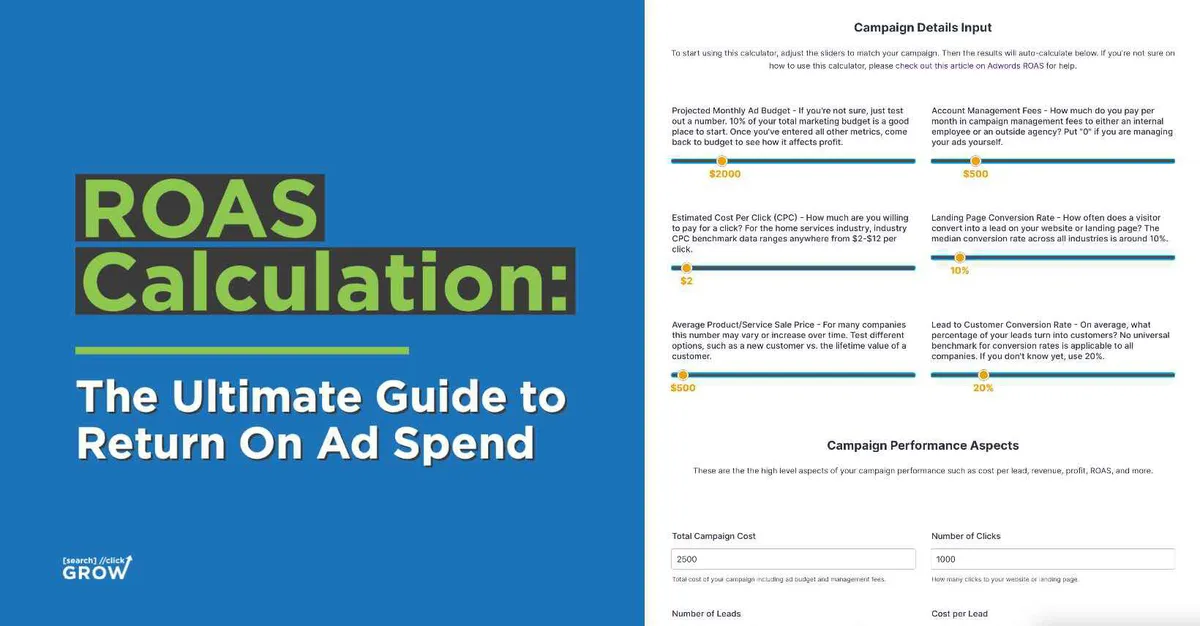
Static budgets have no idea whether they’re working. This tip turns your ratio into an automated control signal: when a campaign performs above target, give it more room; when it sags below your floor, throttle it back.
Platform bid strategies can help, but don’t hand the wheel over entirely and forget it. I’ve watched automated bidding chase volume and drag a return on ad spend down by over-optimizing for cheap, low-value clicks. A human-set target ratio keeps the algorithm honest.
Start with a simple weekly rule. Any campaign beating target by more than 20% gets a budget bump; anything below your floor for two weeks gets paused or restructured. Over a quarter, that small discipline compounds into meaningfully better allocation and a healthier blended number.

Guardrails Worth Setting
Cap how much any single campaign can grow week over week so you don’t break learning phases. Set a floor on spend — too little and the algorithm never gathers enough data to optimize. And review the rules monthly, because what counts as a healthy return on ad spend shifts with seasonality and inventory.
Write the return on ad spend guardrails into your internal guide so the whole team applies the same logic. Consistency beats brilliance here; even modest rules applied reliably outperform a clever one-off tweak.
Tip 8: Bring Lifetime Value Into the Equation
A campaign that breaks even on the first purchase can be a goldmine if the customer returns. Judging everything on first-order return on ad spend alone will push you to underinvest in the very audiences that generate long-term profit.
Pull a cohort view: for customers acquired through each channel, what do they spend over the next six to twelve months? Subscription businesses will see this clearly. Even for one-off products, repeat purchase and referral behavior change the math.
A 2:1 first-order ratio on a customer who buys three more times is a far better investment than a 3:1 ratio on a one-and-done buyer.
Once you have lifetime value by channel, you can set differentiated targets. Cold acquisition can justify a lower immediate ratio than retargeting, because it’s buying future value. That reframing alone can unlock growth budgets that pure first-click accounting would have killed.

Tip 9: Run Regular Return on Ad Spend Audits With a Fixed Cadence
Chaos creeps in quietly. Tracking scripts break, audiences overlap, seasonal demand distorts benchmarks. A fixed audit cadence — weekly for active campaigns, monthly for the broader account — catches problems while they’re still small.
Give the audit a structure so it doesn’t become vague hand-waving. Check tracking health, review the ratio by segment, compare against the prior period, note any anomalies, and log actions taken. I’ve found the simple act of writing down what changed last week forces clearer thinking about what to do next.
Involve a second pair of eyes if the return on ad spend can. The person who built a campaign is often the last to notice it’s drifted. Pair the media buyer with someone from finance or analytics for a monthly walkthrough and you’ll catch blind spots that solo reviews miss.
Tip 10: Treat Return on Ad Spend as One Signal in a Broader Scorecard
The final tip is a mindset shift. This ratio is powerful, but it isn’t the whole story. Pair it with metrics that capture what it can’t see — customer acquisition cost, lifetime value, profit margin, and branded search volume — and you get a scorecard that reflects reality.
I’ve seen teams chase a top-line return on ad spend target so single-mindedly that they cut branded campaigns, let organic visibility erode, and lost the halo effect that made their paid numbers look good in the first place. The metric became a cage rather than a compass.
Use the ratio to make spending decisions, but surround it with context. A scorecard of four or five metrics, reviewed together, resists the myopia of any single number. That’s the real mark of mature return on ad spend best practices — knowing when to trust the number and when to look past it.
Worked Example: a Year-End Push from 2.3:1 to 4.1:1
Let me show you how these tips combine in practice. A home-goods retailer came to me with a blended return on ad spend of 2.3:1 and a nervous founder. Budget was growing, revenue was flat, and nobody could say why. We ran through this list in order.
Segmentation exposed a display line at 0.7:1 that nobody had audited in months. We paused it and reallocated to shopping and search, both already above 4:1.
Contribution margin analysis showed their best-converting product carried a razor-thin margin, so we shifted spend toward a high-margin accessory line with a slightly lower ratio but far more profit per sale.
Landing pages got an intent check — the worst offender had been promising free shipping that didn’t apply to the advertised item. Fixed that, and conversion jumped. Creative testing on the top channel ran for six weeks, producing two winning variants that lifted conversion rate by roughly a third.
Finally, we split acquisition from retargeting and set budget rules that rewarded strong segments automatically. Four months in, the blended number sat at 4.1:1, and profit — not just revenue — was finally trending the right way. No single tip did that. The combination did.
Common Mistakes That Quietly Sink Your Ratio
Most campaigns don’t fail dramatically; the return on ad spend leak. Here are the mistakes I see most often, because spotting them early saves months of wasted spend.
- Reporting one blended number. The average masks your losers. Split by segment and the leaks reveal themselves, usually within the first report.
- Ignoring returns and cancellations. Counting gross revenue inflates every ratio. Net out refunds before you compute anything, and your picture gets brutally honest.
- Optimizing for clicks. Cheap clicks on low-intent keywords can drag a return on ad spend down while dashboards glow green. Chase revenue, not traffic.
- Letting tracking rot. A broken purchase event can make a great campaign look dead or a dead one look great. Audit tracking before you trust any report.
- Cutting acquisition to protect the ratio. Starving the top of the funnel keeps the number pretty for a quarter, then the pipeline dries up.
- Setting targets without margin context. A target that ignores contribution margin may be steering you toward low-profit growth.
- Ignoring seasonality. Comparing a holiday boost against a quiet baseline tells you nothing. Benchmark like periods against like periods.
- Never revisiting the model. Attribution choices drift as channels and customer behavior change. Review the model at least annually.
Every one of these is fixable, and most take an afternoon to correct. The trick is building the habit of looking. A recurring return on ad spend checklist keeps you from letting small leaks turn into floods.
Frequently Asked Questions About Return on Ad Spend
Here is an in-depth breakdown of key considerations regarding Frequently Asked Questions About Return on Ad Spend:
What is a Good Return on Ad Spend?
There’s no universal number, and anyone who quotes one is guessing. A healthy ratio depends on margin, industry, and customer lifetime value. Low-margin ecommerce might need 5:1 or higher to profit, while a software business with strong recurring revenue could be happy at 2:1. Set your target from your own margin math, not from a blog post.
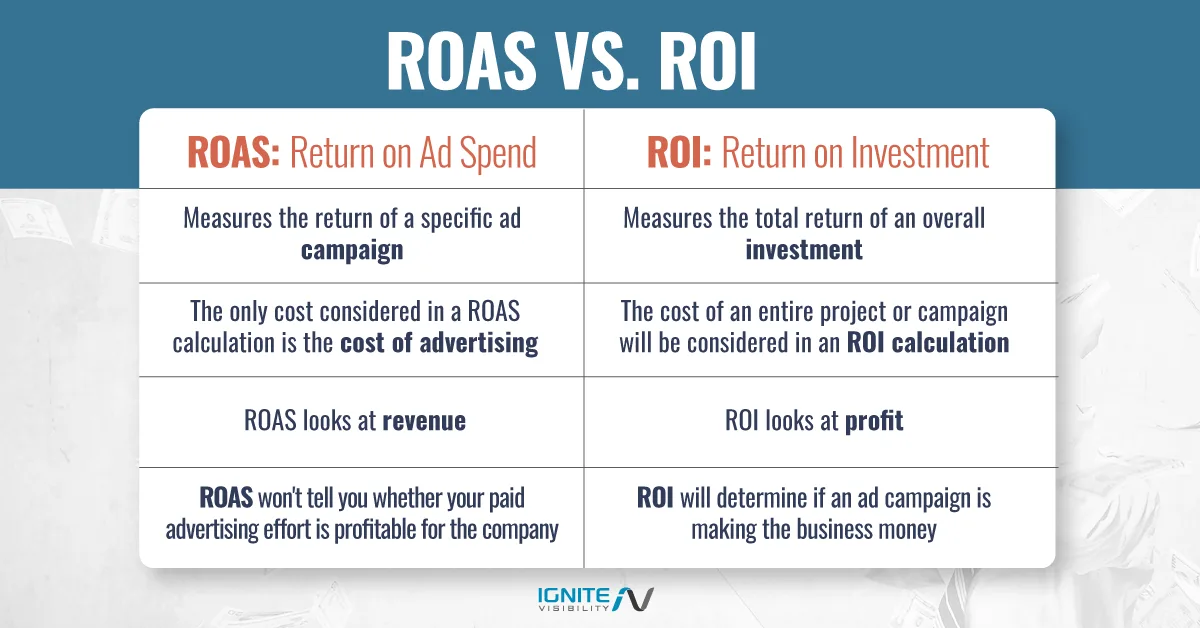
How is Return on Ad Spend Different from ROI?
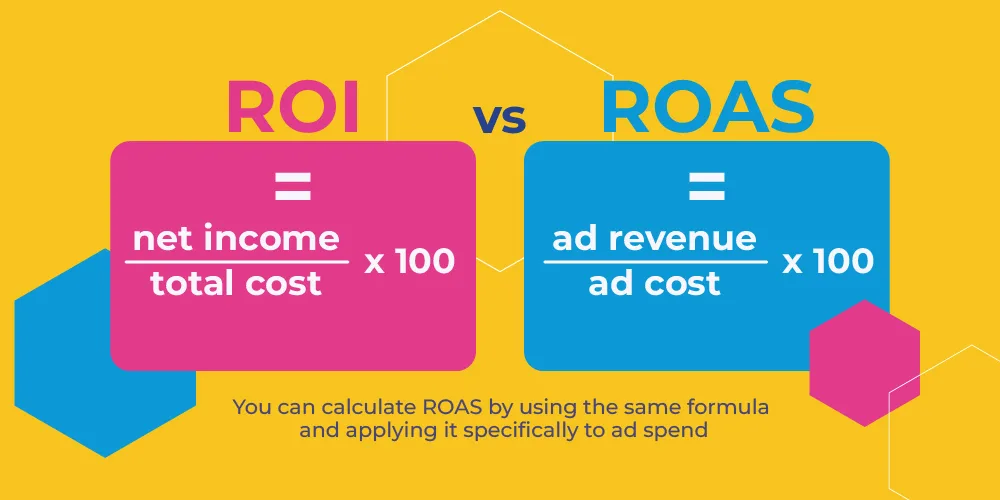
ROI measures profit relative to total investment, while return on ad spend compares revenue to ad spend alone. The ratio is narrower and faster to compute, which makes it handy for daily optimization. ROI is broader and better for strategic decisions, but it requires full cost data. Use the ratio for tactics and ROI for strategy.
How Often Should I Review My Campaigns?
Weekly reviews catch problems early without creating panic over normal fluctuation. Monthly reviews give the bigger picture, and quarterly reviews inform budget realignment. The cadence matters less than the consistency — a fixed weekly slot for the ratio review beats sporadic deep dives every time.
Can a High Ratio Still Mean Losing Money?
Absolutely. If margins are thin, returns are high, or fixed costs are heavy, a strong-looking ratio can mask a loss-making operation. This is exactly why contribution margin analysis needs to sit alongside the ratio. A high return on ad spend on a low-margin product is sometimes worse than a modest one on a healthy product.
Should I Include Branded Search in My Calculation?
It depends on what you want to learn. Branded campaigns usually show high ratios because the searcher already knows you, which flatters the blended number. Track branded and non-branded separately so the branded halo doesn’t camouflage the true cost of finding new customers.
How Do I Improve a Struggling Campaign Quickly?
Start with the landing page and the offer — those two levers move fastest. Then check audience overlap and tracking health. If the fundamentals are solid and the return on ad spend is still weak, cut the lowest-performing segment and reinvest. Quick wins come from removing friction, not from creative brilliance alone.
Taking This Further: Building a Complete Return on Ad Spend Practice
These ten tips form a foundation you can build on for years. The natural next steps — if you want to deepen this work — are incrementality testing, media mix modeling, and marketing-mix-level attribution.
Each of them answers a question this ratio alone can’t, like whether your paid campaigns are genuinely creating demand or just harvesting it.
Think of the return on ad spend article as one branch of a larger tree. The parent topic is paid media efficiency, and its sub-branches include budget pacing, creative strategy, and measurement frameworks. Master the ratio first, then branch outward as your data matures.
Above all, keep your definitions consistent, your margin data close, and your segmentation honest. Return on ad spend is a tool for asking better questions — not a trophy to display. When you treat it as a compass rather than a scoreboard, the rankings you’re chasing have a way of following.
For verified reference and background research, consult the authoritative informational resource on this topic.