Cost per Acquisition: Honest Pricing (7 Key Facts)
Cost per acquisition explained honestly: seven key facts on pricing, lifetime value, and channel audits, plus a cost per acquisition checklist to spot inflated quotes.
Cost per acquisition is the single number that tells you whether your marketing budget is buying customers or just buying noise.
If you’ve ever stared at a dashboard full of impressions, clicks, and engagement rates and still couldn’t answer the one question that matters — “what does each new customer actually cost me?” — you’re in the right place.
This cost per acquisition guide cuts through the vendor spin and gives you seven honest facts about pricing that most agencies would rather keep buried.
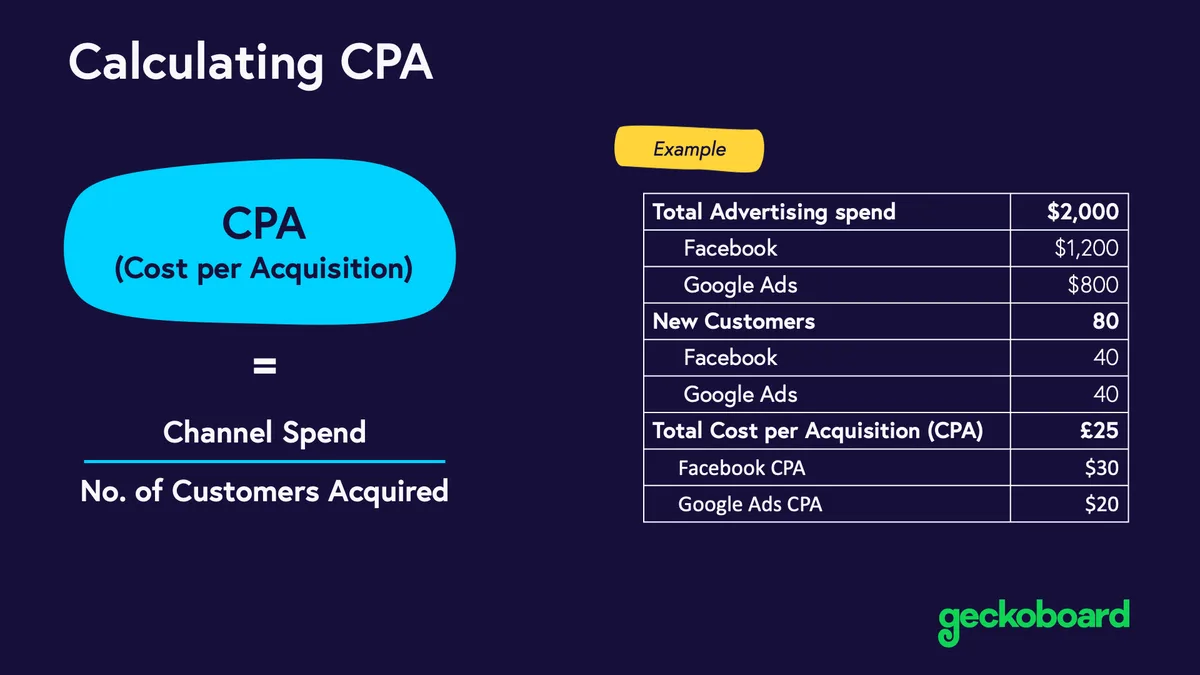
Here’s the uncomfortable truth: plenty of businesses celebrate a rising revenue line while quietly bleeding cash on acquisition. They scale ad spend, watch lead volume climb, and never stop to divide total spend by total new customers. That division is where reality lives. So let’s walk through it together, plainly and without the fluff.
What Cost per Acquisition Really Measures (And What It Doesn’t)
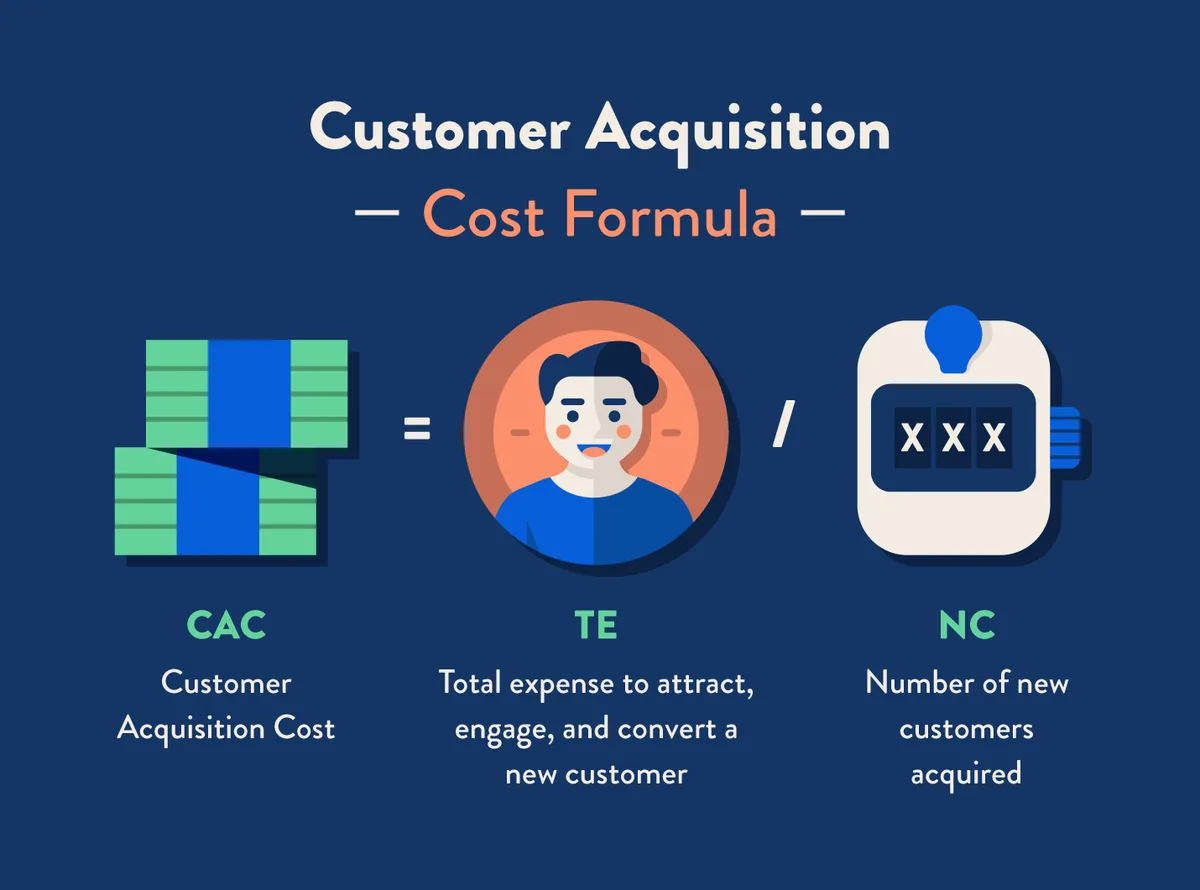
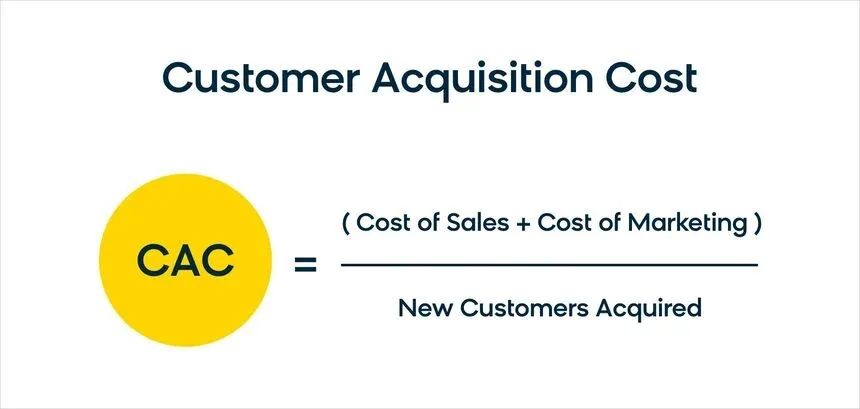
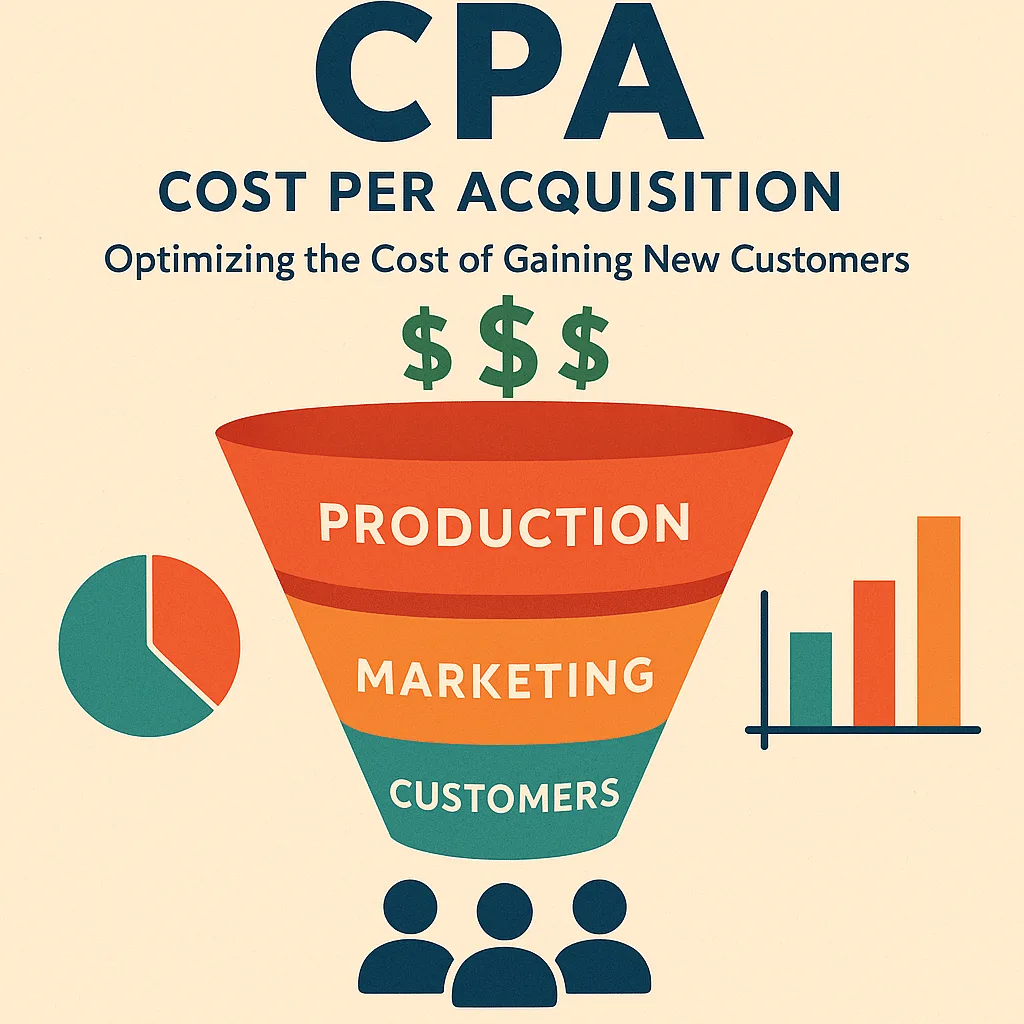
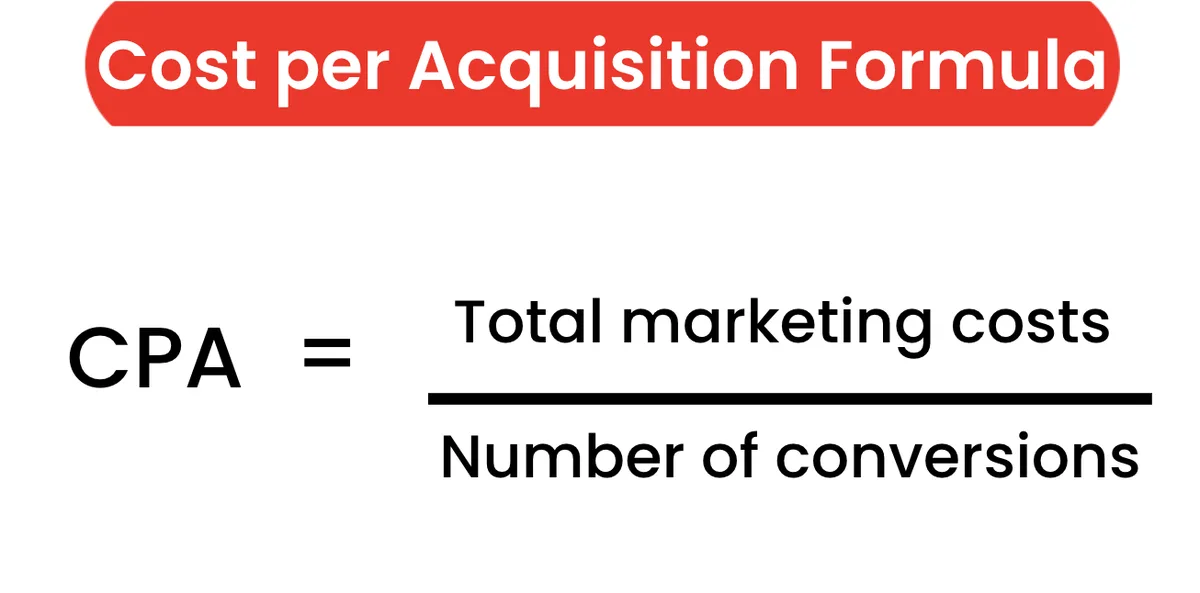
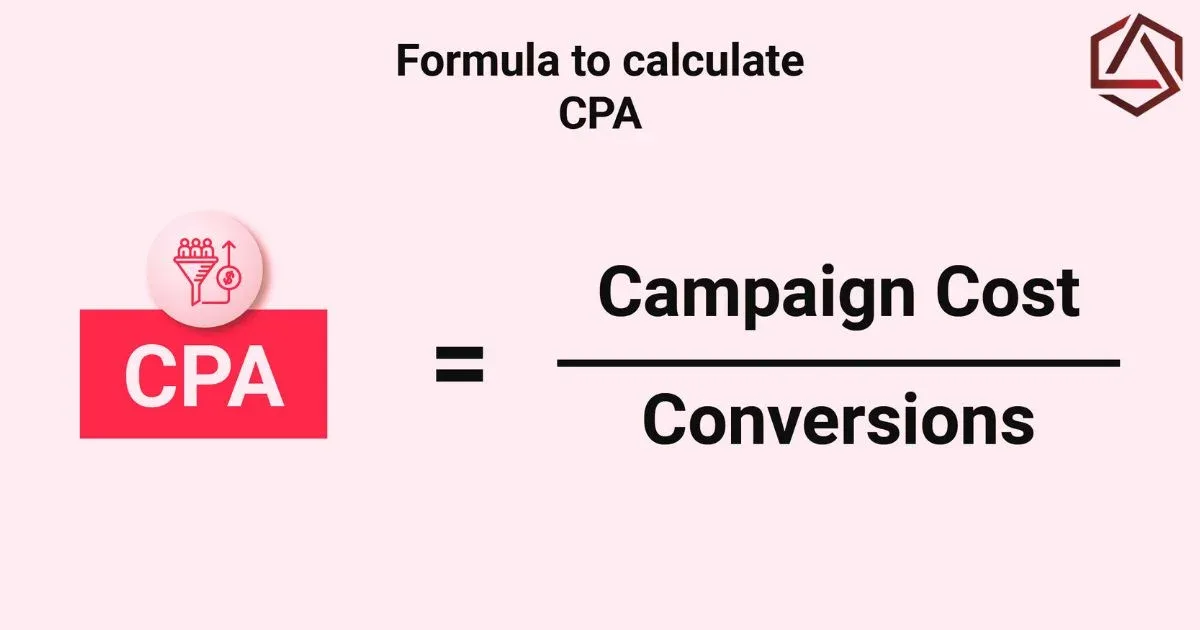
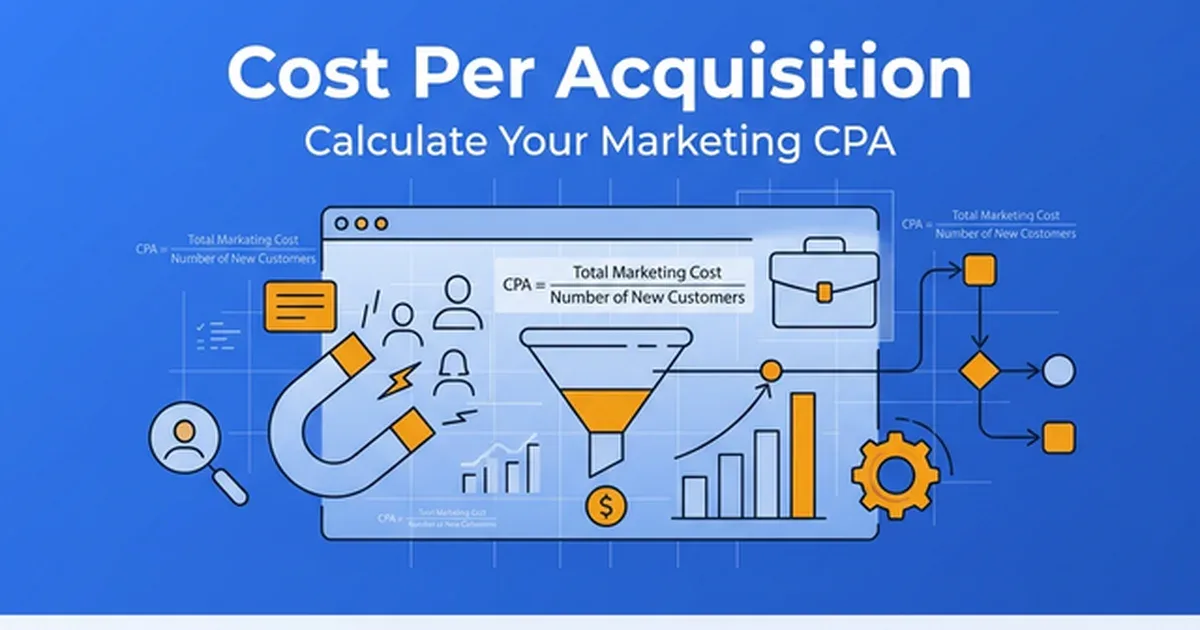
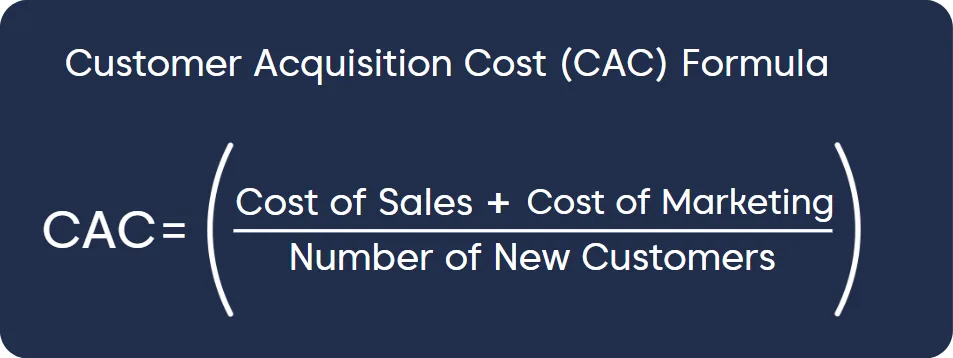
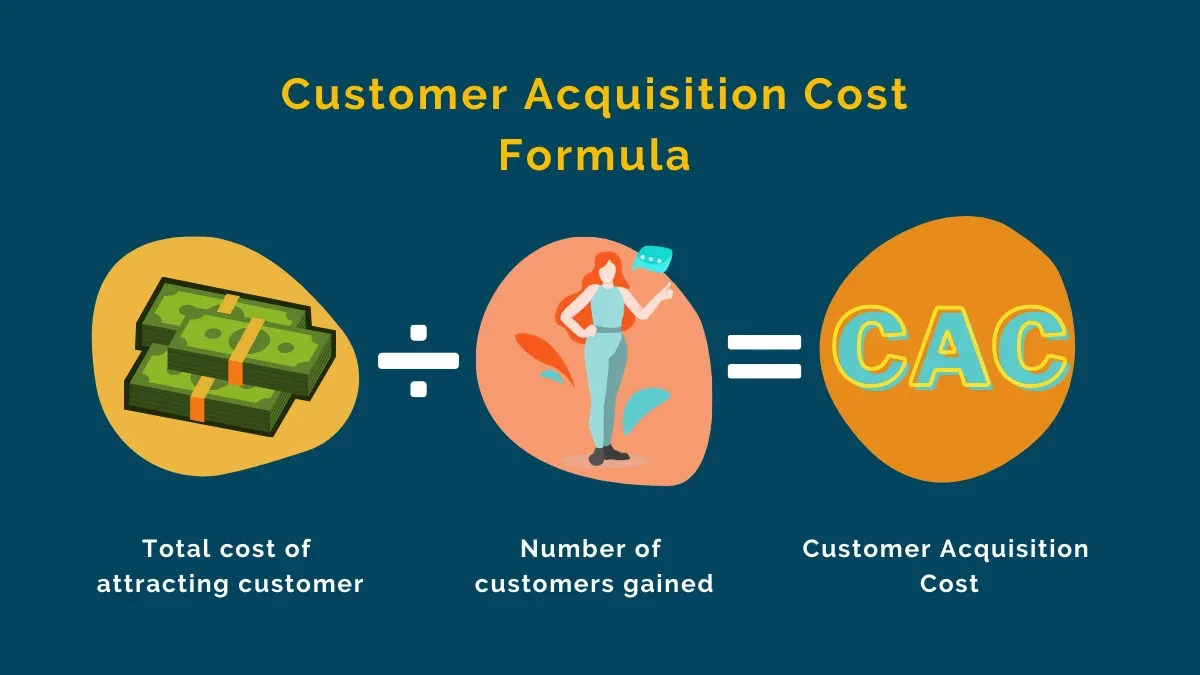
At its core, cost per acquisition divides your total marketing and sales spend by the number of new customers you actually won in a given period. Sounds simple. It almost never is.
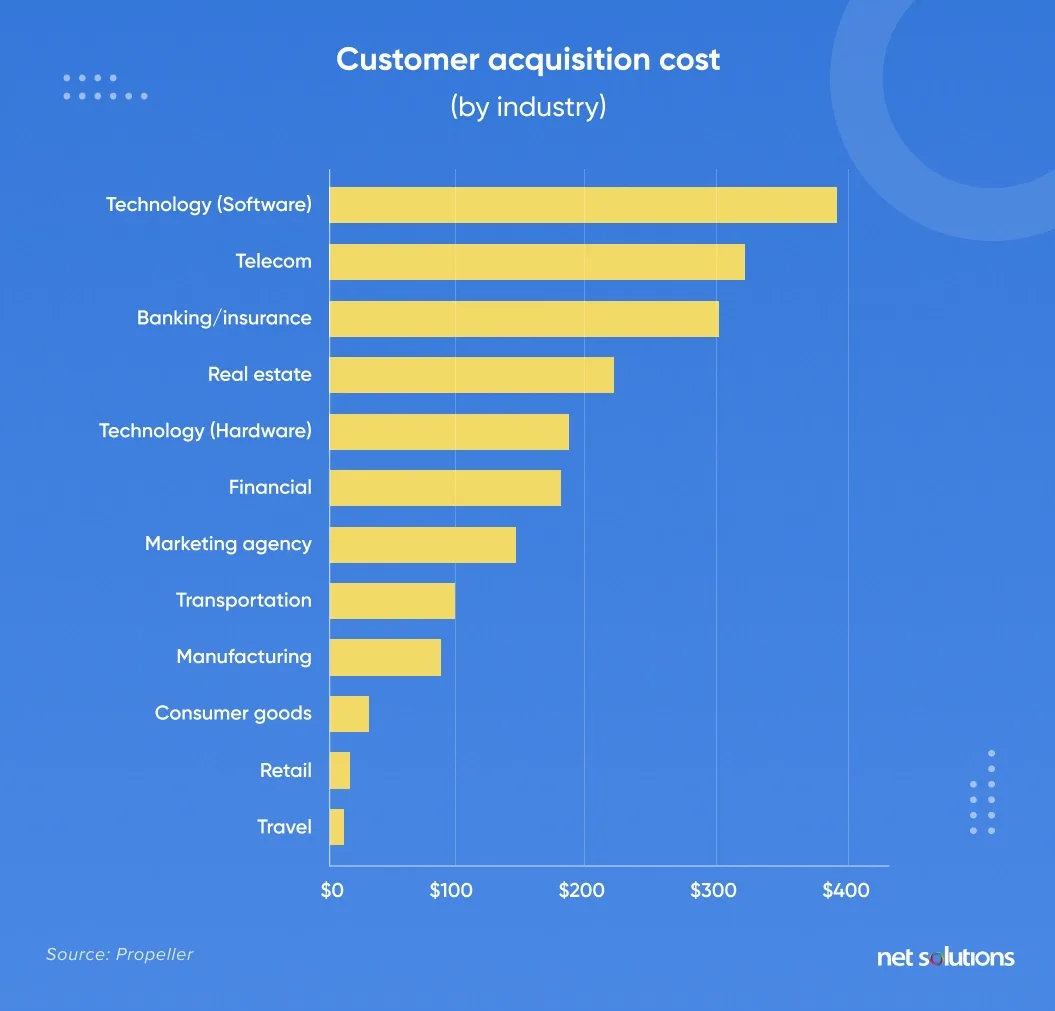
The definition of “acquisition” changes depending on who’s talking — a signup, a first purchase, a booked call, or a closed deal all get called “acquisition” by different teams.
That ambiguity is exactly where dishonest pricing hides. An agency can quote you a stunningly low cost per acquisition by counting email signups as acquisitions, while your finance team counts only paying customers. Same campaign, two wildly different numbers, one very confused business owner.
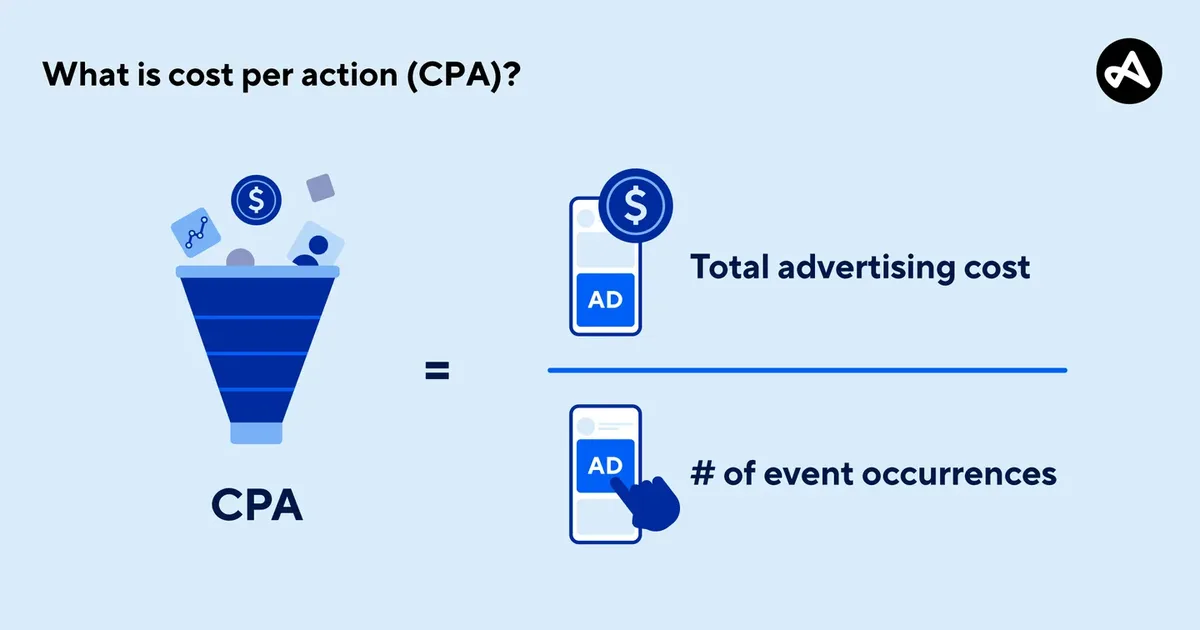
So before you trust any cost per acquisition figure — yours or a vendor’s — pin down three things. What counts as an acquisition? What’s included in the spend (media, tools, salaries, agency fees)? And over what time window are you measuring? Get those locked and the number becomes a real decision tool instead of a vanity metric.
It also helps to separate cost per acquisition from cost per lead. A lead is a hand raised; an acquisition is a hand that opened its wallet. Blurring the two is the most common mistake I see, and it flatters every report it touches.
Fact 1: the Lowest Quoted Cost per Acquisition is Usually the Least Honest
When a vendor leads with an eye-poppingly low cost per acquisition, your first instinct should be suspicion, not celebration. A number that low almost always rests on a generous definition of “acquisition,” a narrow slice of spend, or a campaign window cherry-picked to look good.
Think about it from the vendor’s side. They want your signature. Quoting a blended, all-in this approach — media plus management plus tools plus creative — produces a bigger, scarier number. Quoting a media-only cost per acquisition on a single high-performing channel produces a tiny, seductive one. Guess which shows up in the pitch deck?
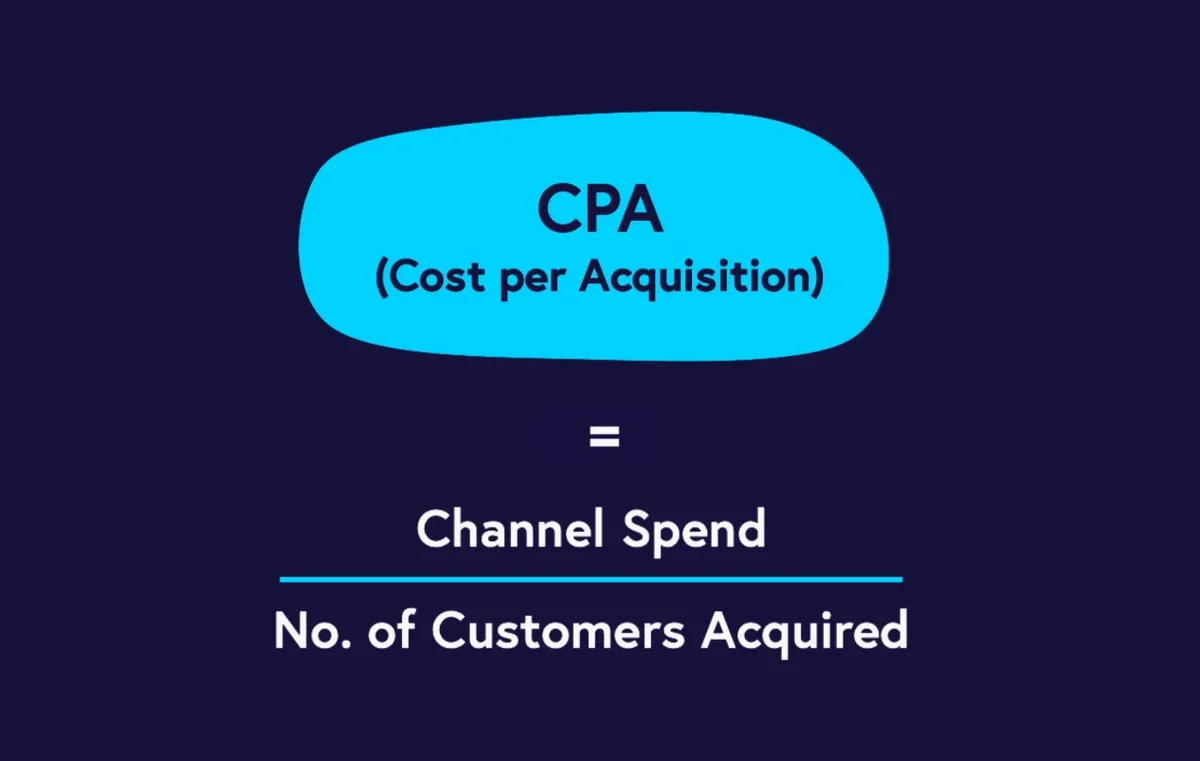
Honest pricing means the vendor shows you the full denominator and the full numerator. Ask directly: “Does this this practice include your management fee, ad spend, and tooling?” A straight answer within seconds tells you a lot. A dodge tells you more.
I’ve watched a mid-sized retailer sign a contract built on a media-only this approach, then discover their true all-in figure was nearly double once fees and creative costs landed. The campaign wasn’t a failure. The pricing presentation was.
Fact 2: a Cost per Acquisition Guide That Ignores Lifetime Value is Dangerous
Here’s a fact that saves businesses from slow financial death: this practice means nothing in isolation. It only means something next to customer lifetime value.
A competitive direct manufacturer pricing acquisition cost is catastrophic if a customer spends competitive direct manufacturer pricing total, and it’s a steal if that customer spends competitive direct manufacturer pricing over three years.
This is why a responsible this practice guide always pairs the metric with lifetime value. The ratio between the two tells you whether you’re building a business or funding a leak.
As a rough industry yardstick, a lifetime value at least three times your this approach gives you breathing room; below that, you’re skating on thin ice.
Plenty of pricing conversations conveniently skip the cost per acquisition. A vendor can look brilliant on this practice while quietly destroying margin because nobody asked what a customer is worth over time. Bring that question to every table.
Run the math before you sign anything. If the numbers don’t clear a healthy multiple, no clever campaign will rescue the economics.
Fact 3: Channel-Level Cost per Acquisition Hides the Real Story
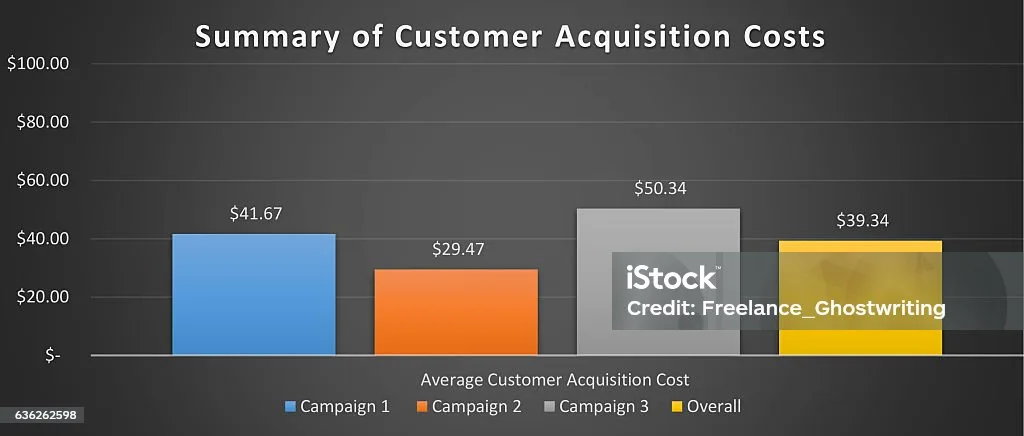
Blended this practice — total spend divided by total acquisitions — is the number leadership loves and the number that hides the most. It averages your best channel with your worst and produces a comfortable middle that tells you almost nothing actionable.
Break it down by channel and the truth spills out. Paid search might run lean while display quietly torches money. Social might look cheap on paper until you account for the returns and support tickets it generates. The blended figure smiles through all of it.
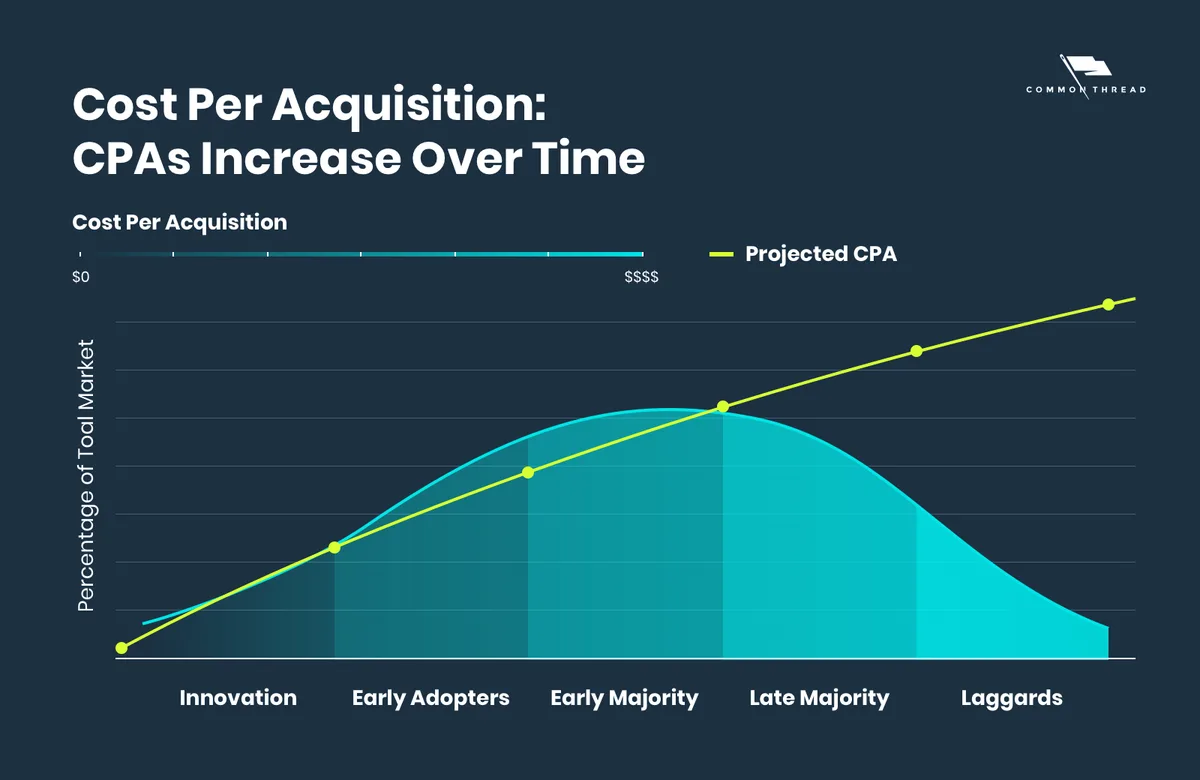
Best practices here are unglamorous but decisive: report this practice per channel, per campaign, and per audience segment. Then rank them. You’ll usually find that a small handful of channels carry the whole operation while a long tail drags the average up.
One subscription brand I worked with cut total this approach by nearly a third without spending a dollar more. They simply killed the two channels sitting above their target and shifted the budget to the three performing below it. The blend had been hiding the answer the whole time.
Fact 4: Pricing Models Shape Your Cost per Acquisition More Than You Think
The way you pay your marketing partners directly changes your this practice, and not always in the direction you’d expect. Flat retainers, percentage-of-spend fees, performance bonuses, and pure pay-per-acquisition deals each push behavior in different directions.
Percentage-of-spend models quietly reward higher budgets — the partner earns more when you spend more, regardless of efficiency. Pure pay-per-acquisition deals sound attractive but often come with inflated per-lead prices baked in to cover the partner’s risk. Flat retainers can align incentives nicely, but only if the scope is tight and the reporting is honest.
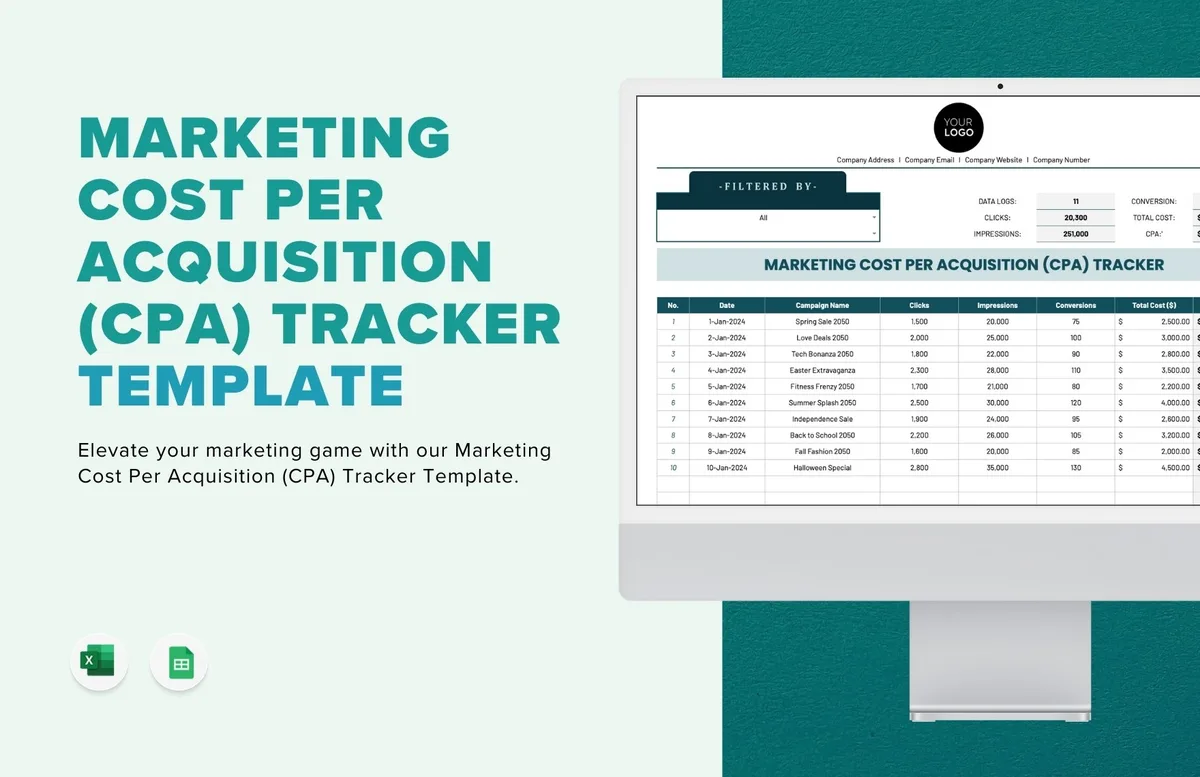
Honest pricing, in practice, means the model rewards the outcome you actually want. If you care about this practice, tie at least part of the fee to it. When the partner’s paycheck moves with your efficiency, the conversation about “what counts as an acquisition” gets refreshingly precise.
Watch for the hidden-cost shuffle too. Setup fees, creative charges, and platform markups can inflate your true this approach to cost per acquisition well beyond the headline rate. Ask for an all-in number in writing.
Fact 5: a Cost per Acquisition Checklist Beats a Cost per Acquisition Promise
Promises are cheap. A checklist is not. When you’re evaluating any partner, pricing sheet, or internal plan, run it against a concrete this practice checklist rather than trusting a confident pitch.
Here’s the checklist I hand to clients. It’s short, and it catches most of the nonsense before it costs anyone money.
- Definition locked: Everyone agrees on what counts as an acquisition, in writing, before launch.
- Full spend included: Media, fees, tools, and creative are all in the numerator — no cherry-picking.
- Time window stated: The measurement period is explicit, not quietly shifted to flatter results.
- Lifetime value attached: The cost per acquisition is shown next to customer lifetime value, not floating alone.
- Channel breakdown provided: You get per-channel numbers, not just a comforting blended average.
- Attribution method disclosed: You know whether the numbers use last-click, first-click, or a blended model.
- Exit and adjustment terms clear: You know how pricing changes if performance drifts.
Run this list against a proposal and watch how quickly vague promises turn into specific commitments. That transformation is the whole point.
Fact 6: Cheap Traffic Can Inflate Your Cost per Acquisition Without Anyone Noticing
This one stings because it looks like success on the surface. A campaign drives a flood of cheap clicks and signups, the this approach drops, everyone high-fives — and then the customers never buy again. Cheap acquisition that produces low-value customers is a trap dressed as a win.
The fix is to measure this practice against quality, not just quantity. Track repeat purchase rate, average order value, and retention by acquisition source. A channel with a slightly higher cost per acquisition but twice the retention is usually the better deal by a wide margin.
I’ve seen this play out in subscription businesses repeatedly. A dirt-cheap lead source filled the funnel with people who churned within a month, while a pricier source delivered loyal customers who stayed for years. The cheap channel won the this approach trophy and lost the business argument.
Honest pricing accounts for this. It asks not just “how much did each customer cost?” but “how much is each customer worth?” Those two questions together tell the real story.
Fact 7: Cost per Acquisition Tips That Actually Move the Number
Enough theory. Here are this approach tips you can act on without rebuilding your entire operation. Each one targets a different part of the equation, so pick the ones that fit your situation.
Tighten your targeting before you touch your budget. Most inflated this practice numbers trace back to reaching people who were never going to buy. Sharpening audience definitions often drops the metric faster than any bid adjustment.
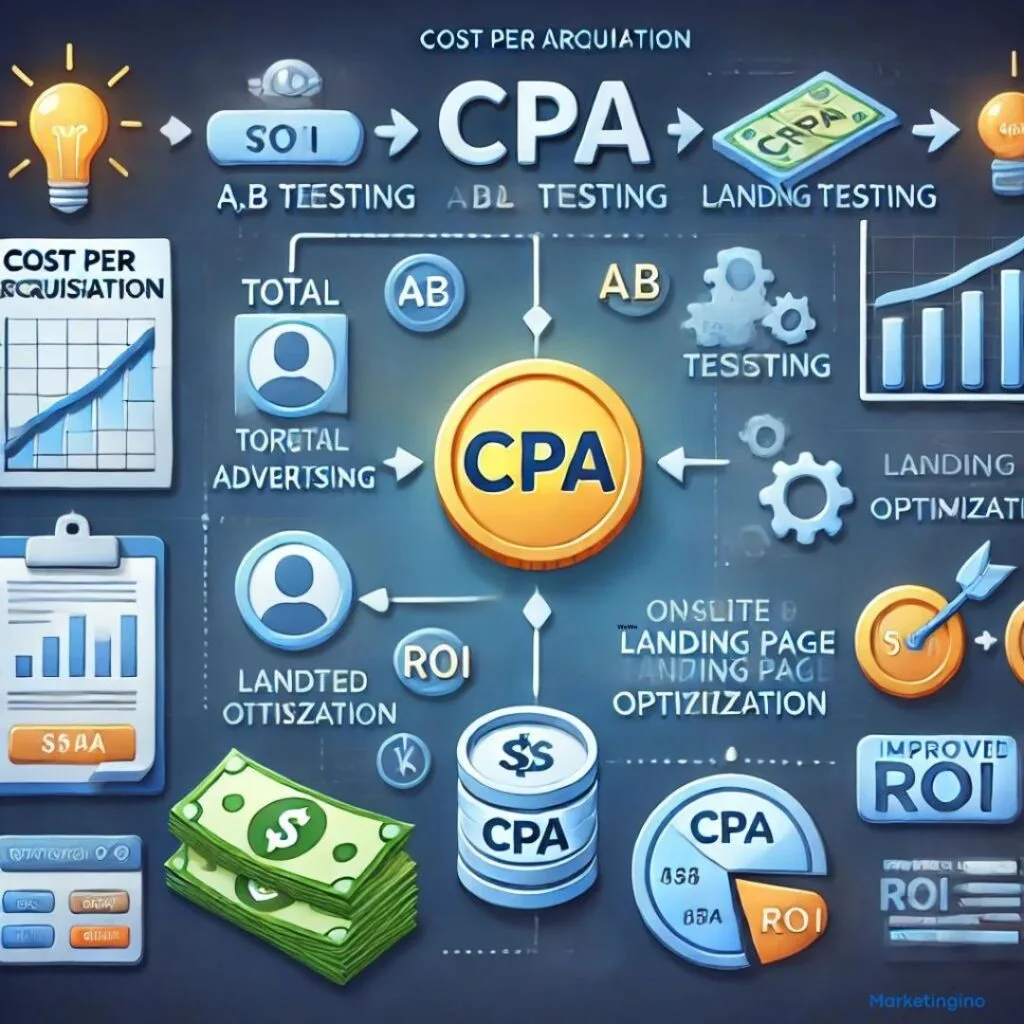
Fix the landing experience, not just the ad. A brilliant ad pointing at a confusing page wastes every dollar it earns. Small improvements to clarity, load speed, and the call to action frequently cut this approach to cost per acquisition by double digits.
Retarget the near-misses. People who almost converted are the cheapest acquisitions you’ll ever find. A modest retargeting budget aimed at cart abandoners and page visitors usually delivers a lower this practice than any cold campaign.
Test creative relentlessly. The same offer with a sharper message can halve your this approach. Treat creative as a lever, not an afterthought.
Cut what doesn’t work, fast. The single biggest this practice improvement most businesses can make is stopping the spend that’s dragging the average up. Discipline beats cleverness here.
None of these require a bigger budget. They require attention. That’s the honest version of optimization that vendors rarely advertise.
How to Audit a Cost per Acquisition Quote Before You Sign
You now have the facts. Let’s turn them into a practical audit routine so you can pressure-test any this practice quote that lands on your desk. The goal isn’t to catch people out — it’s to make sure the number you’re comparing is the same number across every proposal.
Start by requesting the all-in figure in writing, with every cost line itemized. Then ask for the acquisition definition, the attribution model, and the measurement window. Finally, ask for a channel-level breakdown and a lifetime value estimate.
A partner who can supply all of this quickly is worth talking to. One who can’t, or won’t, has told you something important.
Put the numbers side by side in a simple table. Honest proposals survive this treatment; inflated ones fall apart. Here’s a comparison framework you can adapt.
| What to Compare | Vague Proposal | Honest Proposal |
|---|---|---|
| Acquisition definition | “Leads and signups” | Paying customers, defined in writing |
| Spend included | Media only | Media, fees, tools, creative |
| Time window | Unstated or flexible | Fixed and disclosed |
| Lifetime value context | Missing | Shown alongside cost per acquisition |
| Channel breakdown | Blended only | Per-channel detail |
| Attribution model | Undisclosed | Clearly stated |
When the cost per acquisition line proposals up this way, the honest ones stand out immediately. The vague ones reveal themselves without you having to argue.
Common Cost per Acquisition Mistakes That Quietly Cost You Money
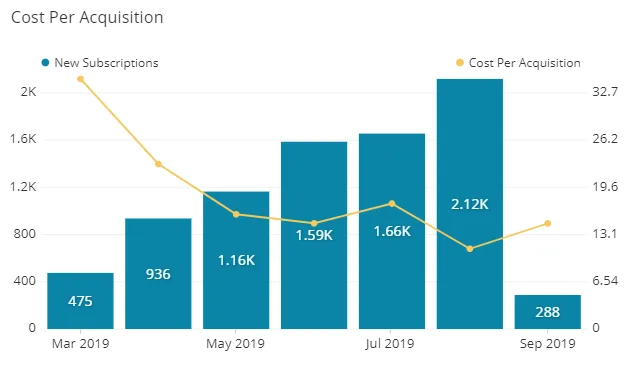
Even careful teams trip over the same handful of this approach mistakes. Knowing them in advance is half the battle. The first and most expensive is treating the metric as a single snapshot instead of a trend — one month’s number tells you little, but a six-month curve tells you almost everything.
The second is ignoring seasonality. A this practice that looks alarming in a slow quarter may be perfectly normal for that time of year. Compare like with like, or you’ll chase ghosts.
The third is letting departments measure differently. Marketing counts leads, sales counts closed deals, finance counts revenue. Three definitions, three this approach numbers, endless meetings. Standardize it once and the confusion evaporates.
The fourth is optimizing for the metric at the expense of the business. You can always lower this practice by chasing the cheapest possible customers — and slowly starve your company of the high-value buyers who actually fund growth. Keep the metric in service of the business, never the other way around.
Finally, watch for the set-and-forget trap. this approach drifts as platforms change, competitors move, and audiences tire. The businesses that stay efficient review the number on a fixed cadence and adjust before small leaks become floods.
Building Cost per Acquisition Best Practices Into Your Weekly Rhythm
This practice best practices only work when they’re baked into routine, not dusted off during a quarterly review. The teams that keep acquisition efficient share a simple habit: they look at the number often and act on it quickly.
A practical rhythm looks like this. Weekly, review this approach by channel and flag anything drifting outside its target band. Monthly, revisit lifetime value assumptions and check the ratio still holds. Quarterly, audit the full picture — definitions, attribution, and pricing models — to make sure nothing has quietly shifted.
This cadence does two things. It catches problems while they’re small, and it keeps the whole team aligned on what “acquisition” actually means. Both are worth more than any single clever campaign.
And keep the checklist handy. A thoughtful approach to cost per acquisition reinforces your qualifications. Best practices fade when nobody enforces them. A short, recurring review keeps the discipline alive without turning into bureaucracy.
Why Honest Pricing Wins in the Long Run
Every fact above points to the same destination: honest pricing beats clever pricing over any meaningful timescale. A vendor who quotes a realistic, all-in this practice and explains the trade-offs earns something a flashy lowball never will — trust. And trust compounds just like customers do.
For buyers, honesty cuts the other way too. When you demand transparent numbers, you make better decisions, avoid nasty surprises, and build partnerships that survive their first bad month. The alternative — chasing the lowest headline figure — reliably ends in disappointment and a contract you regret.
So treat this practice as an honest mirror. It reflects your targeting, your creative, your pricing model, and your customer quality all at once. Look into it clearly, and it will tell you exactly where to improve.
That’s the real promise of this this approach guide: not a magic number, but a clear-eyed way to see your business as it actually is. Get that right, and the customers — and the margins — follow.
Frequently Asked Questions About Cost per Acquisition
Here is an in-depth breakdown of key considerations regarding this section:
What is a Good Cost per Acquisition?
There’s no universal figure — it depends entirely on your customer lifetime value and margins. A healthy rule of thumb is keeping this practice at roughly a third or less of lifetime value, so you have room for overhead and profit. Compare against your own historical trend and industry benchmarks rather than a single arbitrary target.
How is Cost per Acquisition Different from Cost per Lead?
A lead is someone who raised a hand; an acquisition is someone who actually became a paying customer. Cost per lead is usually far lower because leads haven’t converted yet. Confusing the two inflates performance and is one of the most common pricing tricks to watch for.
Should Cost per Acquisition Include Agency Fees?
Yes — the honest version always does. An all-in this practice includes media spend, management fees, tooling, and creative costs. Media-only figures look better but mislead you about your true economics. Always ask for the all-in number in writing.
How Often Should I Review My Cost per Acquisition?
Weekly for channel-level trends, monthly for lifetime value ratios, and quarterly for a full audit of definitions and pricing models. Frequent small reviews catch leaks early, while periodic deep audits keep the whole framework honest and aligned.
Why Does My Cost per Acquisition Keep Rising?
Rising cost per acquisition usually traces to audience fatigue, increased competition, weaker creative, or a landing page that no longer converts. Diagnose channel by channel before assuming the worst — often a single underperforming source is dragging the blended average up while everything else holds steady.
For verified reference and background research, consult the authoritative informational resource on this topic.