Retargeting ads are the quiet workhorse of digital marketing, yet most accounts waste them. If you’ve ever stared at a flat ROAS line while your audience grows, this breakdown of six simple secrets is for you. No fluff, no jargon walls — just practical moves that shift real numbers.
Stick with me here. I’ve audited dozens of accounts where the retargeting layer was either misconfigured, over-optimized, or simply abandoned. The fixes rarely require new tools. They require better judgment about who you’re talking to, how often, and what you’re actually asking them to do next.
What Retargeting Ads Really Do (And Why Most Campaigns Underperform)
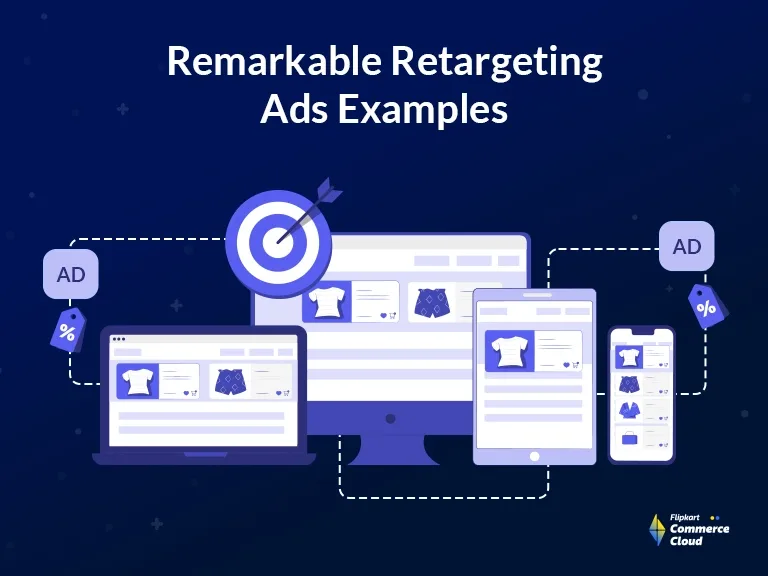
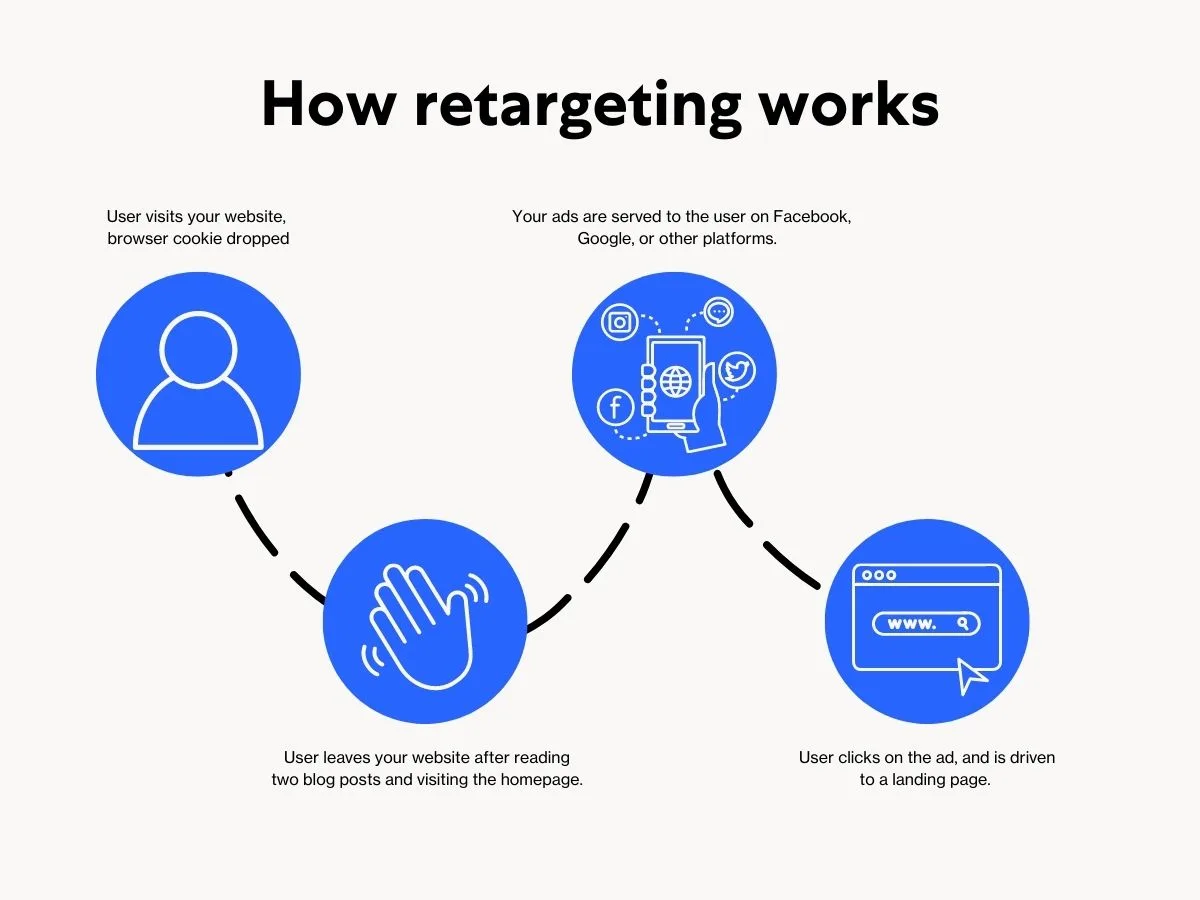
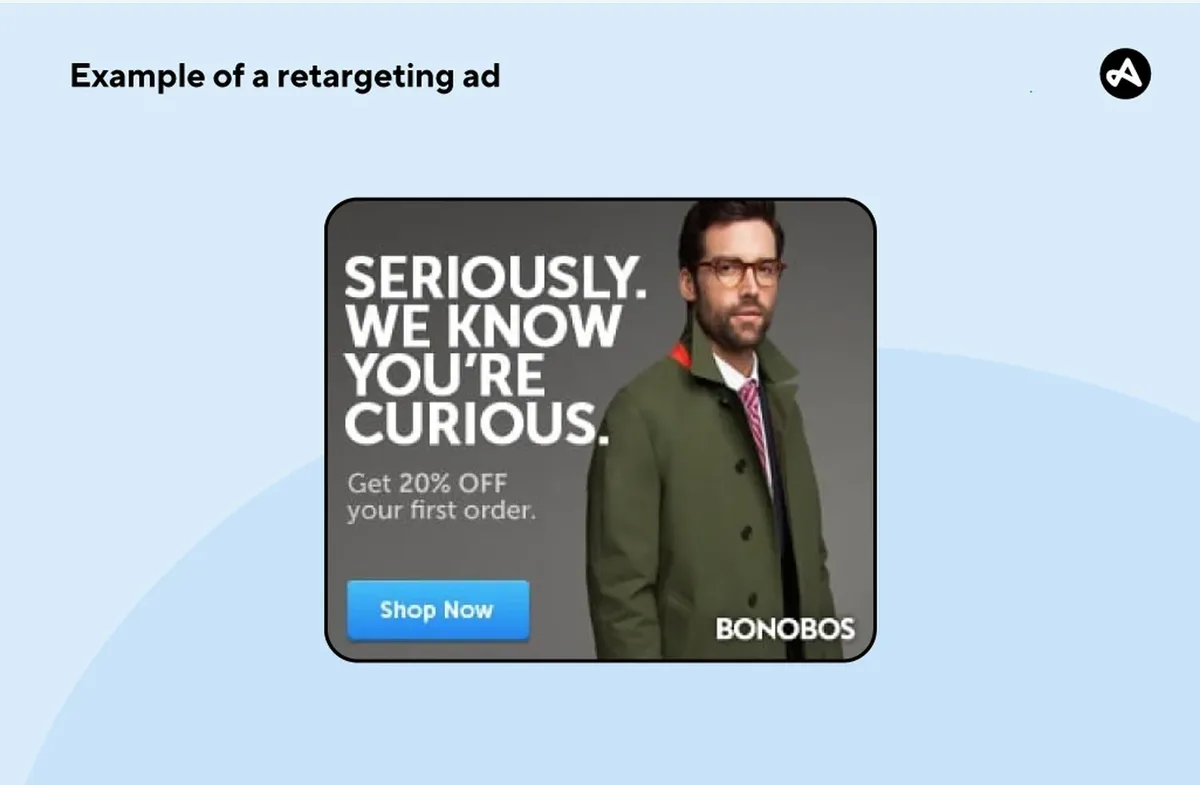
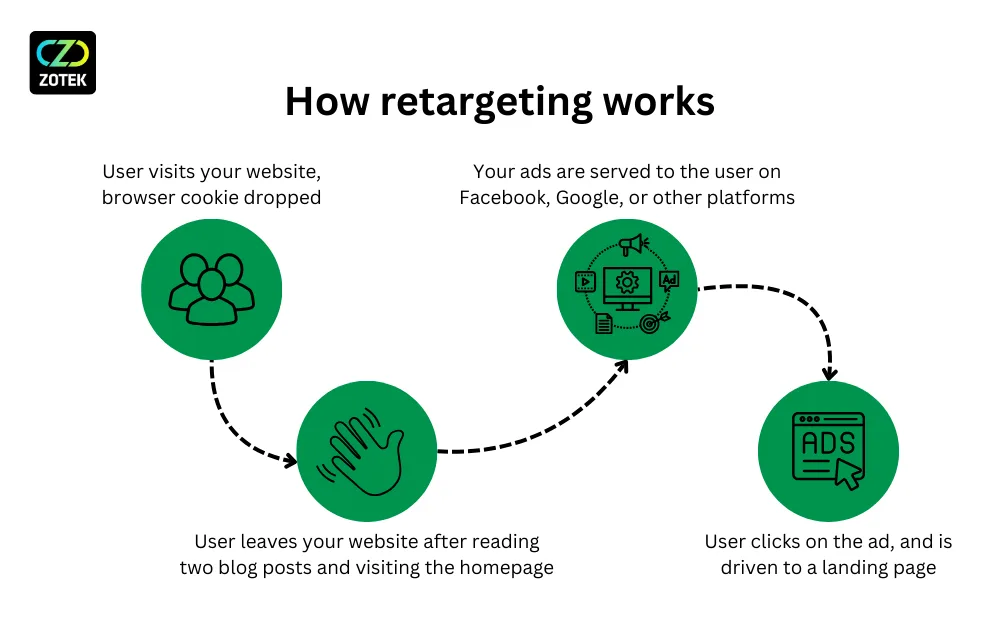
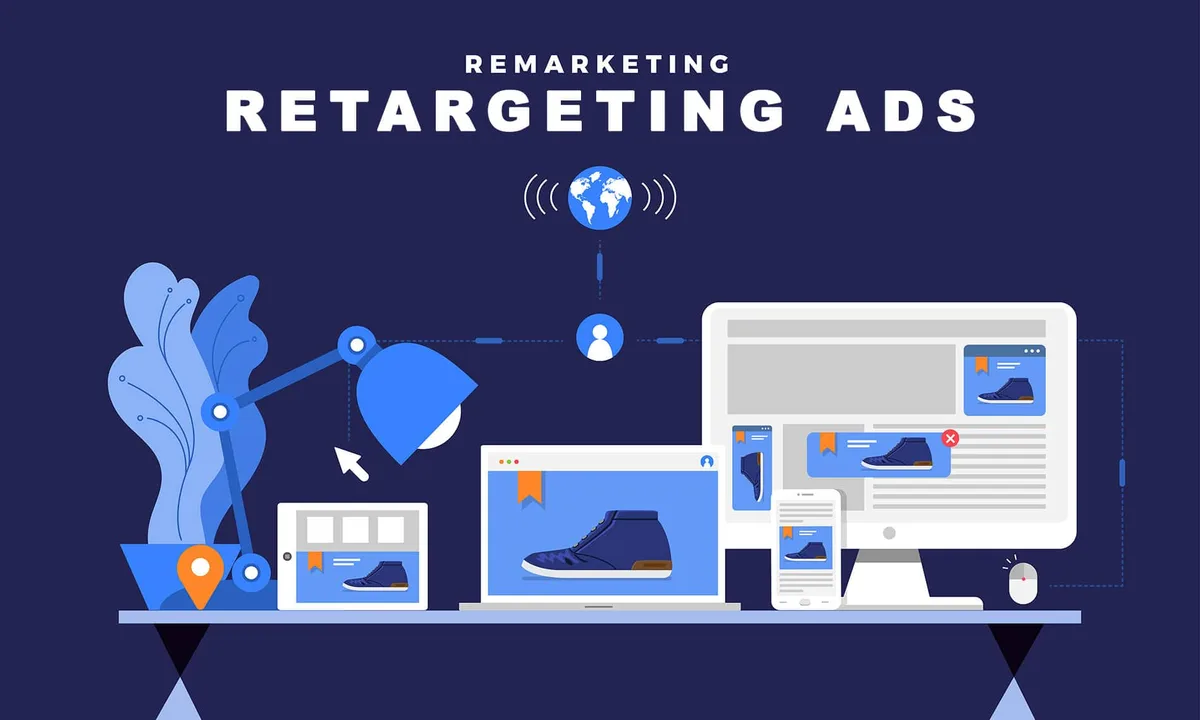
Retargeting ads serve your message to people who already interacted with your brand — visited a page, added to cart, watched a video, opened an email — but didn’t convert. The premise is elegant: warmer audiences cost less to persuade. The execution is where most teams stumble.
Here’s the truth I keep running into. Plenty of accounts treat retargeting as a default bucket: toss every visitor into one list, run one ad, set a modest budget, hope for the best. That approach rarely produces the compounding returns a properly structured program can deliver through a disciplined retargeting ads guide.
Think of the retargeting ads like a coffee shop remembering your usual order. A good barista doesn’t re-introduce themselves every visit. They recall what you like and nudge you toward the pastry that pairs well. Retargeting should behave the same — recognize context, offer relevance, and skip the awkward pitch.
Before the retargeting ads get into the six secrets, sit with this: the audience you’re retargeting has already voted with a click. Your job isn’t to re-sell them on the category. It’s to close the gap between their interest and their decision.
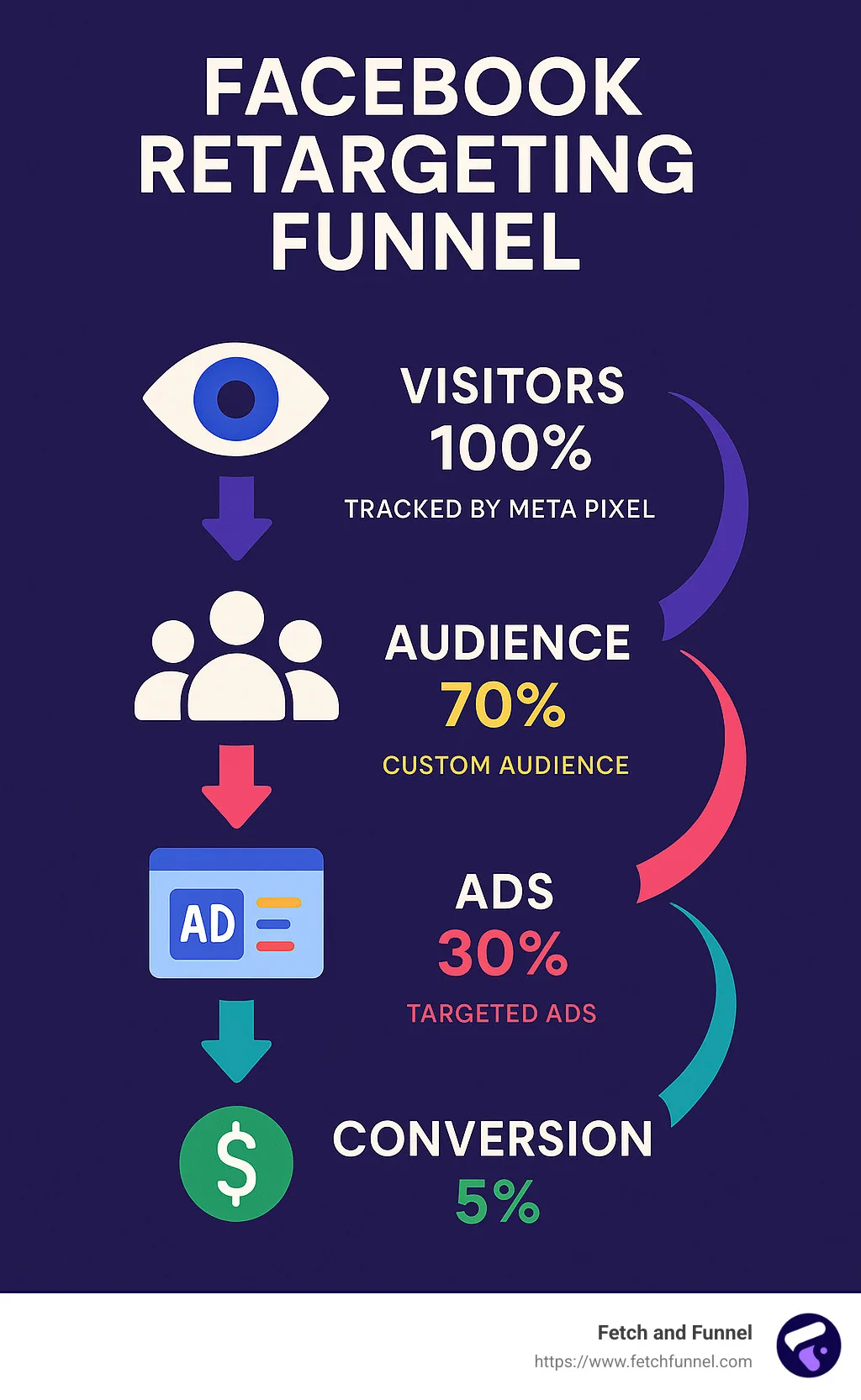
Secret 1: Segment by Intent, Not by Recency Alone
Most teams segment retargeting audiences by time windows: 7-day visitors, 14-day visitors, 30-day visitors. That’s a fine starting frame, but it misses the crucial variable — what people actually did. Recency tells you when. Intent tells you why.
An example the retargeting ads plays out constantly in e-commerce: someone who spent 90 seconds on a product page and read three reviews is qualitatively different from someone who bounced off the homepage in four seconds. Both land in your “30-day visitors” list. Treating them the same is a waste of both spend and creative.
Building Intent Tiers That Actually Work
Map your funnel on a sliding scale. At the bottom sits the soft audience — homepage visitors, blog readers, low-signal browsers. In the middle, product viewers and category explorers who engaged multiple pages. At the top, cart abandoners, checkout drop-offs, and repeat visitors who returned within 72 hours.
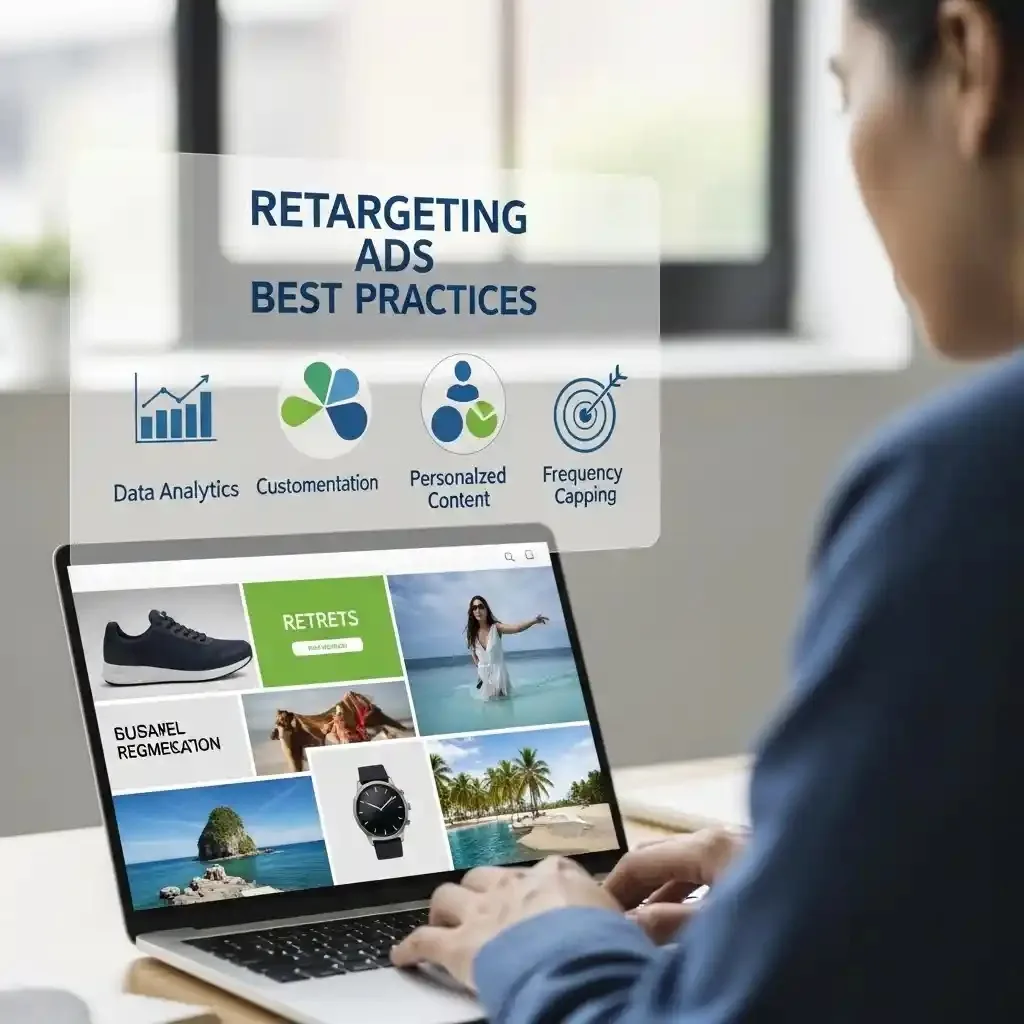
Each tier deserves its own message. That’s the first tip in any serious set of retargeting ads tips: intent tiers, not time tiers. A soft audience needs a value proposition and proof. A mid-tier audience needs comparison help and objection handling. A hot audience needs a reason to act now, not a reason to keep browsing.

I’ve seen accounts double their conversion rate simply by splitting one retargeting audience into three and writing three distinct headlines. Same budget. Same product. Different conversation.
Secret 2: Frequency Capping is a Feature, Not a Chore
Here’s where a lot of spend quietly burns. Effective execution in your retargeting ads makes a tangible difference. Retargeting audiences are small by definition, and without a cap, your hottest segment sees the same ad 18 times before they convert — or, more often, before they mute you. Overexposure breeds fatigue that no creative refresh can undo.
Set hard caps at the platform level and respect them. In practice, when refining a retargeting ads, most accounts land somewhere between 3 and 7 impressions per user per week for cold retargeting layers, and slightly higher for cart abandoners who genuinely need a nudge. Watch frequency distribution like a hawk.
The Warning Signs of Frequency Fatigue
Look for three telltale signals: CTR dropping week over week while spend holds steady, CPMs creeping up on the same audience, and negative sentiment in comments or ad feedback. If you see all three trending together, you’ve hit fatigue. Don’t wait for the audit — cut the cap today.

One more thing worth saying. Frequency capping is a retargeting ads best practice, not a concession to the platform. It protects your brand. It preserves your creative runway. And it keeps the small retargeting pool fresh enough that each impression still has a fighting chance to move someone.
Secret 3: Refresh Creative on a Cadence, Not on a Crisis
The most common pattern I see among struggling retargeting campaigns: creative is launched, forgotten, and refreshed only after the ROAS craters. Maintaining clarity across your retargeting ads remains essential. By then, you’ve paid for two weeks of fatigue before reacting. The fix is a cadence — a scheduled refresh regardless of whether things look fine.
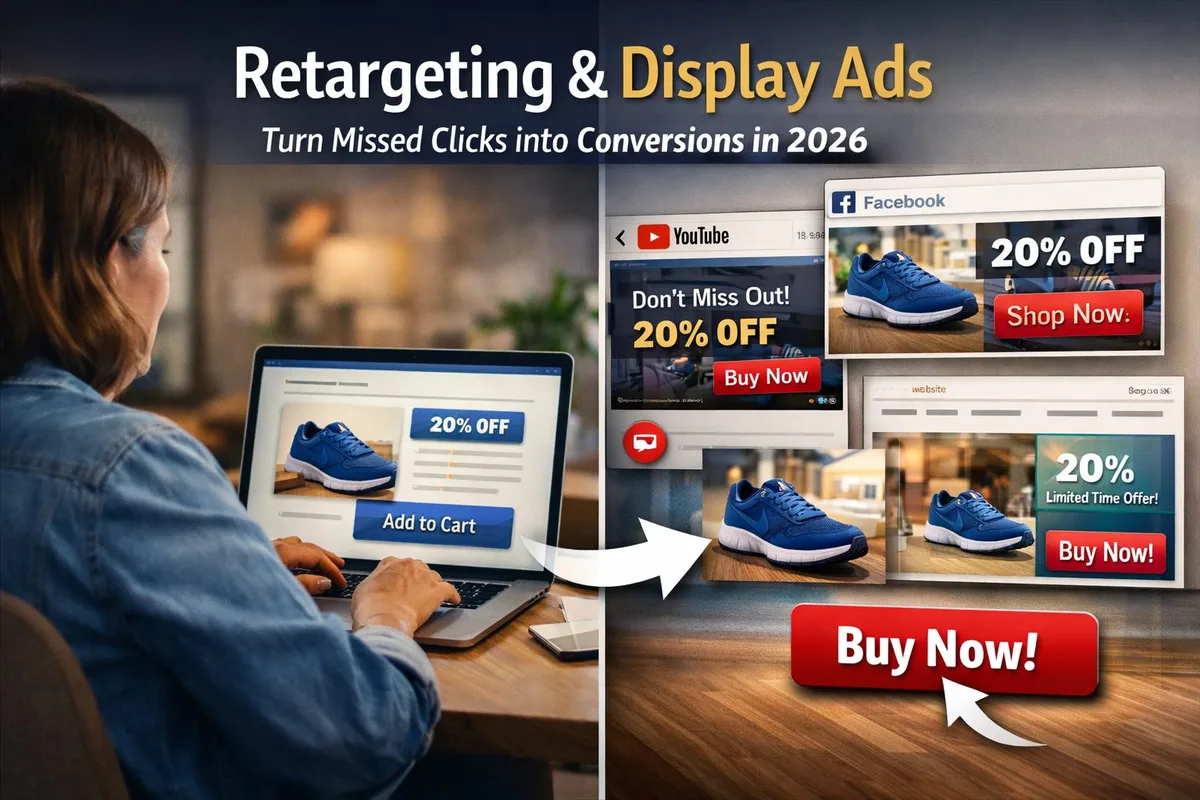
Some rough timing that works: rotate primary creative every 14 to 21 days for warm audiences, every 7 to 10 days for hot audiences like cart abandoners. Static image fatigue hits faster than video. Testimonial spots outlast feature pitches. Keep two backup creatives in production at all times so you never scramble.
What to Test in Each Refresh
Don’t just swap the image. Test one variable at a time so you know what moved the needle. Openers, social proof placement, offer framing, CTA copy, and thumbnail selection are all live variables. Rotate through them systematically rather than changing everything at once.
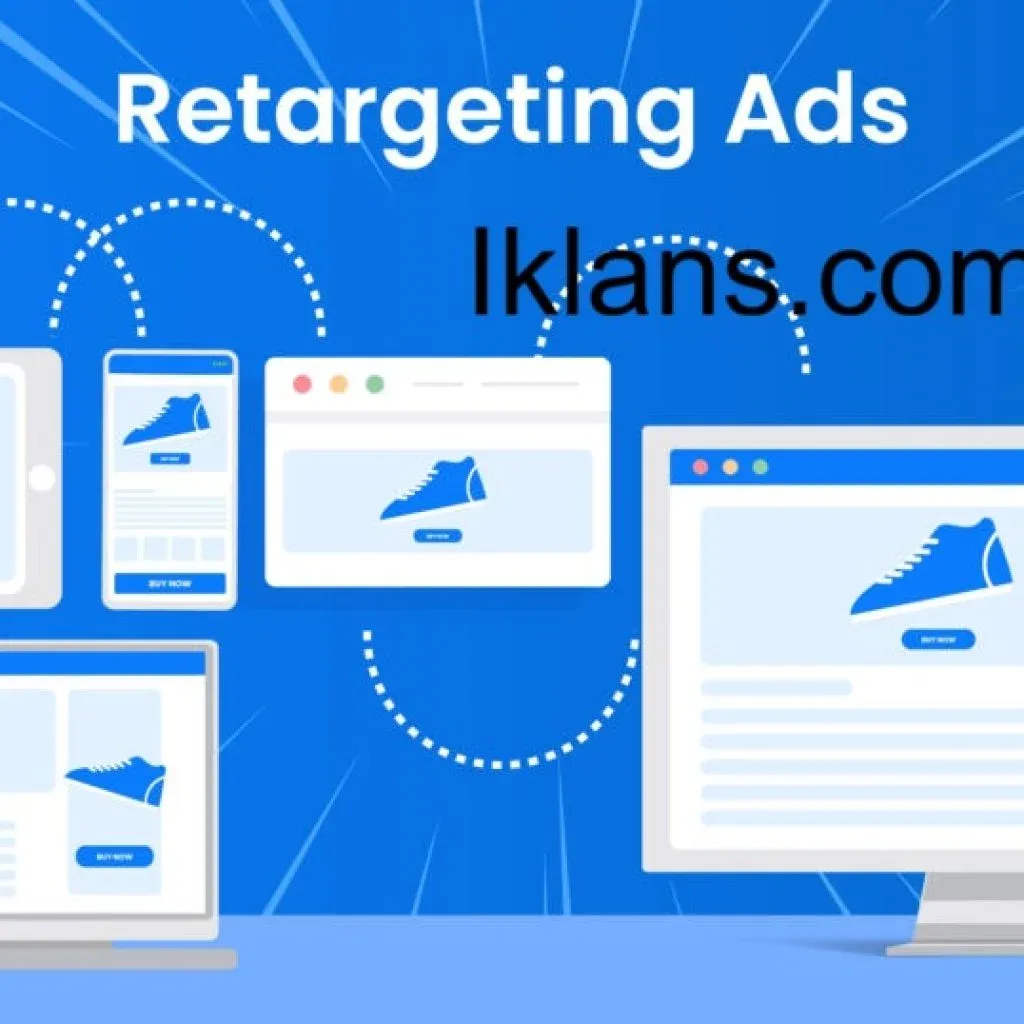
Keep a swipe file. When something works — a specific headline rhythm, a specific lighting style, a specific kind of testimonial — log it. Over time, your swipe file becomes the most valuable asset in your retargeting ads checklist because it captures institutional knowledge instead of letting it evaporate with each campaign cycle.
Secret 4: Match Your Offer to the Funnel Stage (Not Just the Product)
Offers get lazy. A thoughtful approach to retargeting ads reinforces your qualifications. Teams default to “10% off” across every stage, then wonder why hot and cold audiences respond identically — or don’t respond at all. The offer needs to match where someone stands in the decision arc, not just which product they touched.
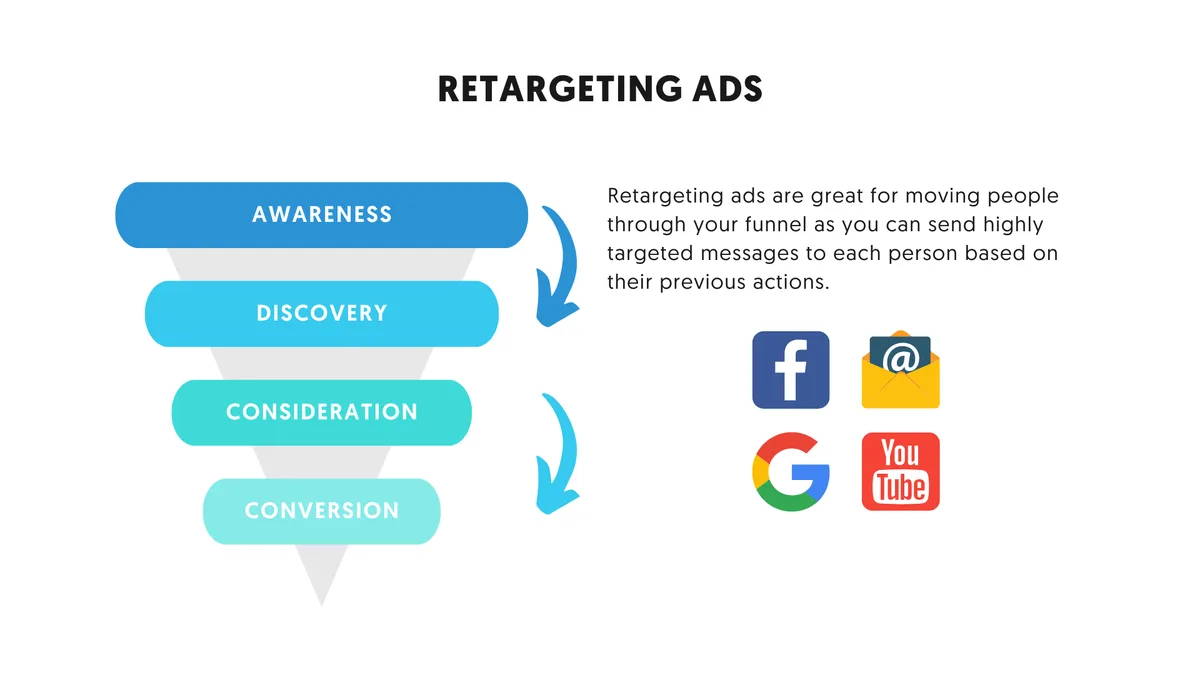
A cold retargeting audience — recent first-time visitors — responds better to a low-commitment offer: a free sample guide, a short demo video, an email newsletter with a specific value hook. A mid-funnel audience responds to comparison content, bundled pricing, or a limited-time extended-trial. A hot cart-abandoner audience responds to friction removal: free shipping, easy returns, and a low-pressure nudge toward completion.
Why “Same Discount, Everyone” Fails
The math is simple. If your cold audience wasn’t ready to buy, a 10% discount didn’t change the readiness variable. It changed the price variable. Those aren’t the same. The audience is still stuck on the same unanswered question — is this product right for me? — and a discount doesn’t answer that question.

Match the offer to the actual objection. If people bounce before reading the specs, sell the specs. If they bounce at the return policy page, spotlight the return policy. This is where the retargeting ads guide mentality pays off over generic “best practices” copy-paste playbooks — you’re reading the data instead of the trend report.
Secret 5: Use Exclusion Lists Like a Sculptor Uses Negative Space
What the retargeting ads don’t show is as important as what you do show. Exclusion lists — audiences you deliberately remove from a retargeting campaign — are the invisible architecture of a well-built account. Get them right, and your reporting cleans up almost instantly.
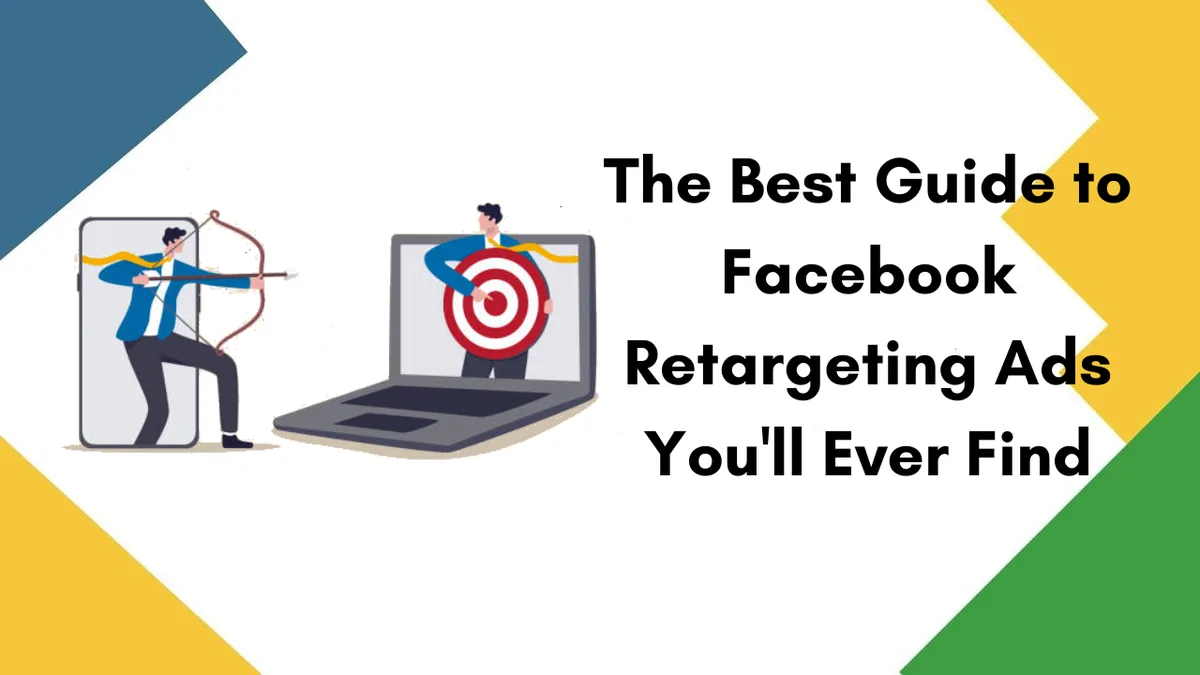
Start with the obvious: exclude converters from acquisition campaigns. Nothing inflates ROAS faster than paid reach to people who already bought. Beyond that, exclude cross-product viewers from unrelated campaigns (a person who bought running shoes doesn’t need a hiking boot retargeting ad unless they showed intent). Exclude “recently purchased” windows, support ticket submitters, and long-term unsubscribers from reactivation pushes.
The Most Overlooked Exclusions
Here are three exclusions most teams miss. First: exclude people who already saw your top-funnel video from top-funnel retargeting. They moved on. Second: exclude deep-funnel audiences from broad awareness campaigns — they don’t need awareness, they need a reason.
Third: exclude employees and internal traffic. Applying these principles to your retargeting ads yields measurable results. It sounds obvious, but I’ve seen accounts where 8% of “retargeting audience” was company IPs.
Build the exclusion maps once, document them, and revisit quarterly. This is one of the highest-leverage retargeting ads best practices and one of the most consistently neglected. It’s not glamorous work. It just quietly removes the noise that makes reporting unreadable.
Secret 6: Measure Incrementality, Not Just Attribution
Attribution lies to the retargeting ads in a specific, consistent way. Platform-reported ROAS for retargeting is almost always inflated because retargeting captures people at the moment they were already about to convert. The platform takes credit for a purchase it influenced at the margin, if at all.
Incrementality testing fixes this. Whether you run a holdout group, a geo-control, or a platform-native lift study, the goal is one question: would this conversion have happened without the ad? Answer that honestly and your budget allocation changes fast.
Setting Up a Simple Holdout
The retargeting ads don’t need a data-science team. A straightforward holdout works. Randomly exclude 10% of a retargeting audience from seeing your ads for 30 days. Compare conversion rates between the exposed and holdout groups. The delta is your incrementality, give or take margin of error.
Run this on one channel at a time. Document the results in your retargeting ads checklist. Over a year, you’ll build a real map of which channels and which audiences are genuinely additive versus which ones are riding on organic momentum and telling tall tales in the dashboard.
The Retargeting Ads Checklist You’ll Actually Use
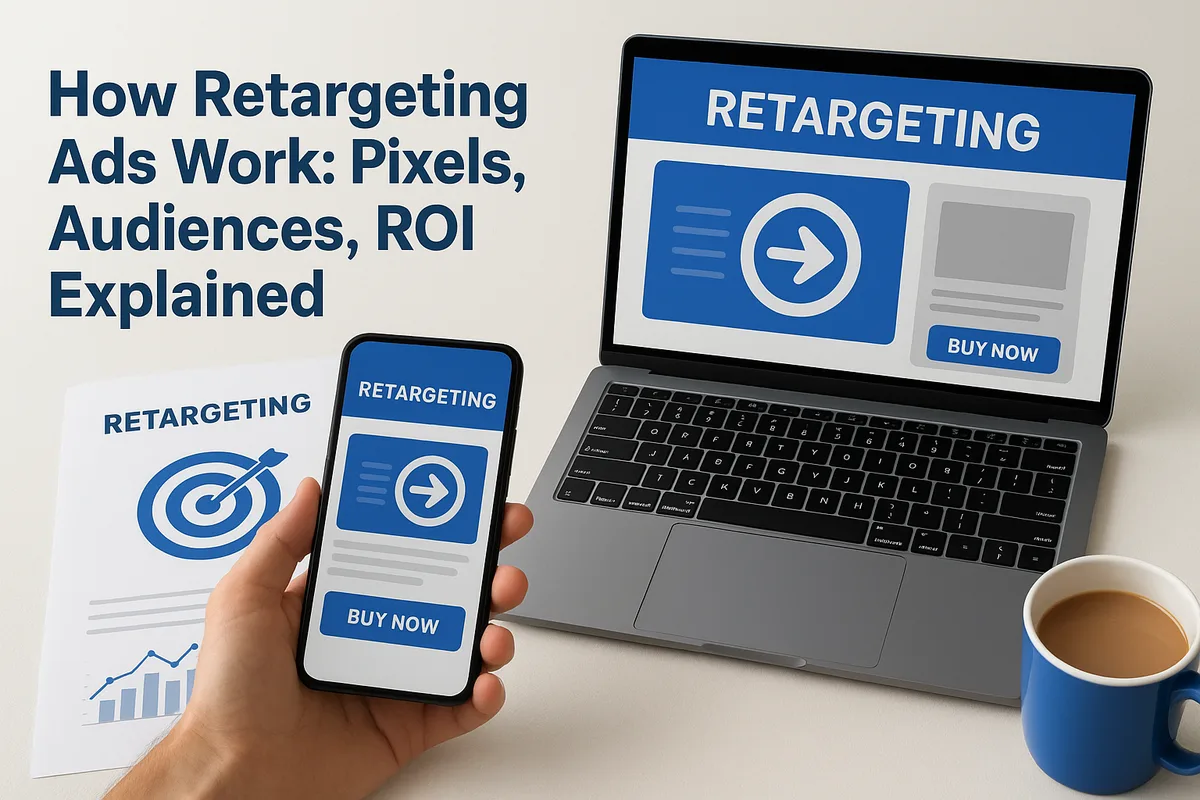
Six secrets are only half the story. Execution needs a repeatable structure. Here’s a practical retargeting ads checklist you can run through at the start of every campaign cycle — with new launches, refreshes, or quarterly reviews.
| Area | Task | Cadence |
|---|---|---|
| Audiences | Confirm intent tiers exist; recency windows updated | Monthly |
| Exclusions | Converters, cross-product, internal IPs excluded | Quarterly |
| Creative | Two backup creatives in production at all times | Bi-weekly |
| Frequency | Caps audited; fatigue signals reviewed | Weekly |
| Offers | Offer matches stage and objection | Per launch |
| Incrementality | Holdout or geo-control live | Ongoing |
| Reporting | Platform-reported vs. Incrementality compared | Monthly |
Print it. Pin it. Run it. The checklist isn’t bureaucracy — it’s a forcing function that stops the six secrets above from silently degrading between quarters.
Common Mistakes That Sink Retargeting Campaigns
Before we close out, a quick catalog of the mistakes I see repeatedly. Not because teams are careless, but because retargeting is easy to set up and hard to keep sharp.
Treating retargeting like a single audience. Developing your retargeting ads with precision highlights key strengths. Ignoring frequency until fatigue bites. Refreshing creative only when forced. Copying the same offer across every stage. Skipping exclusions “for now.” Trusting the dashboard ROAS without a sanity check. Each of these individually is small. Together they turn a channel that should compound into a channel that coasts.
The “Set and Forget” Trap
The most common mistake is also the simplest to fix. Teams launch retargeting, get a decent ROAS in month one, and move on. Three months later, the same account is underperforming and no one knows why — because nobody was watching the frequency distribution, nobody was rotating creative, nobody was updating audiences.
Schedule 20 minutes a week for a retargeting review. Check capping, creative, and audience counts. That’s it. Twenty minutes is the difference between a channel that compounds and one that quietly decays. If you take one retargeting ads tip from this entire piece, take this one.
Frequently Asked Questions About Retargeting Ads
These are the questions that keep coming up in calls, in Slack threads, and in the inbox. Here are direct answers.
How Long Should a Retargeting Window Be?
The retargeting ads depends on your sales cycle. Fast-moving consumer products often perform well with 7 to 14-day windows. Considered purchases — B2B software, high-ticket retail, real estate — need 30 to 90 days. Test one window at a time. Long windows inflate audience size and burn budget; short windows cut off the consideration layer entirely.

How Many Impressions per User is Too Many?
Most accounts saturate between 8 and 12 impressions per user per month in a given campaign. Past that point, marginal lift drops sharply. Watch frequency distribution, not just average frequency — averages hide the fat tail.
Should Retargeting Use the Same Creative as Prospecting?
Usually not. Prospecting ads introduce the brand to strangers. Retargeting ads continue a conversation that already started. Different job, different creative. A person who saw your ad three times already doesn’t need another introduction — they need a reason to act.
What’s the Ideal Audience Size for a Retargeting Campaign?
Big enough to exit the learning phase, small enough to feel targeted. On most platforms, that translates to somewhere between 10,000 and 100,000 users per audience. Below that, you can’t optimize. Above that, you’re not really retargeting — you’re running broad-ish marketing with a smaller pool.
Do Retargeting Ads Work for B2B?
Yes, with adjustments. B2B sales cycles are longer, so retargeting windows stretch to 60 or 90 days. Audience definitions focus on content consumption (specific blog posts, whitepaper downloads, pricing page visits) rather than product page views. And creative emphasizes trust signals — case studies, compliance credentials, founder credibility — over discounts.
Where Retargeting Fits in Your Larger Growth Stack
Retargeting ads don’t live in isolation. They sit inside a broader growth system that includes prospecting, retention, email lifecycle, organic content, and affiliate or partnership channels. The most effective retargeting programs I’ve seen treat the channel as a bridge, not a silo.
The parent topic here is audience activation — the whole discipline of getting the right message to the right person at the right time across every touchpoint. Retargeting is one layer of that stack. Email flows, site personalization, SMS reactivation, and community-based re-engagement all sit alongside it, and the best programs orchestrate them together.
A few related sub-topics worth exploring next if you’re serious about the space: audience identity resolution (matching the same person across devices and channels), creative automation at scale, and cookieless measurement architecture. Each one is a dedicated rabbit hole, and each one directly affects your retargeting performance.
Bringing It Together
Six secrets, one theme. Retargeting ads work best when they’re treated with the same care and discipline you’d give new-customer acquisition. Segment by intent. Cap frequency. Refresh creative on a cadence. Match offers to stages. Master exclusions. Measure incrementality, not just attribution.
None of these are exotic. None of them require new tools or bigger budgets. They require judgment and consistency — the two things that separate accounts that compound from accounts that coast. Pick one secret from this list and implement it this week.
Then pick the next. Stack the wins. That’s how retargeting goes from a “check the box” line item to a genuine growth engine in your stack.
And if you only remember one phrase from this whole guide, remember this: retargeting ads reward teams who treat the audience as a conversation partner rather than a targeting parameter. That single mindset shift changes everything downstream — the segmentation, the creative, the offers, the measurement, the lot of it.
For a deeper grounding in the mechanics of retargeting as a discipline, the Wikipedia entry on behavioral retargeting is a useful reference and a solid retargeting ads guide starting point if you want to trace the practice back to its roots.
Now go audit your frequency caps. That’s where the cheapest wins usually live.