Remarketing Campaigns: Best Practices & 5 Easy Wins
Remarketing campaigns work because they talk to people who already showed interest in what you sell — and that warm audience is where the easiest revenue hides. If you’re hunting for a practical remarketing campaigns guide that skips the jargon and gets straight to results, this is the place.
I’ve run these setups for small e-commerce shops, B2B SaaS teams, and local service businesses, and the pattern is always the same: the fundamentals do the heavy lifting.
Below the remarketing campaigns’ll find the core best practices that separate campaigns which actually convert from ones that just burn budget. Then we walk through five easy wins — specific, low-effort moves you can ship this week.
Along the way, treat this as your working remarketing campaigns checklist: read it once, then keep it open while you build in Google Ads, Meta, or your platform of choice.
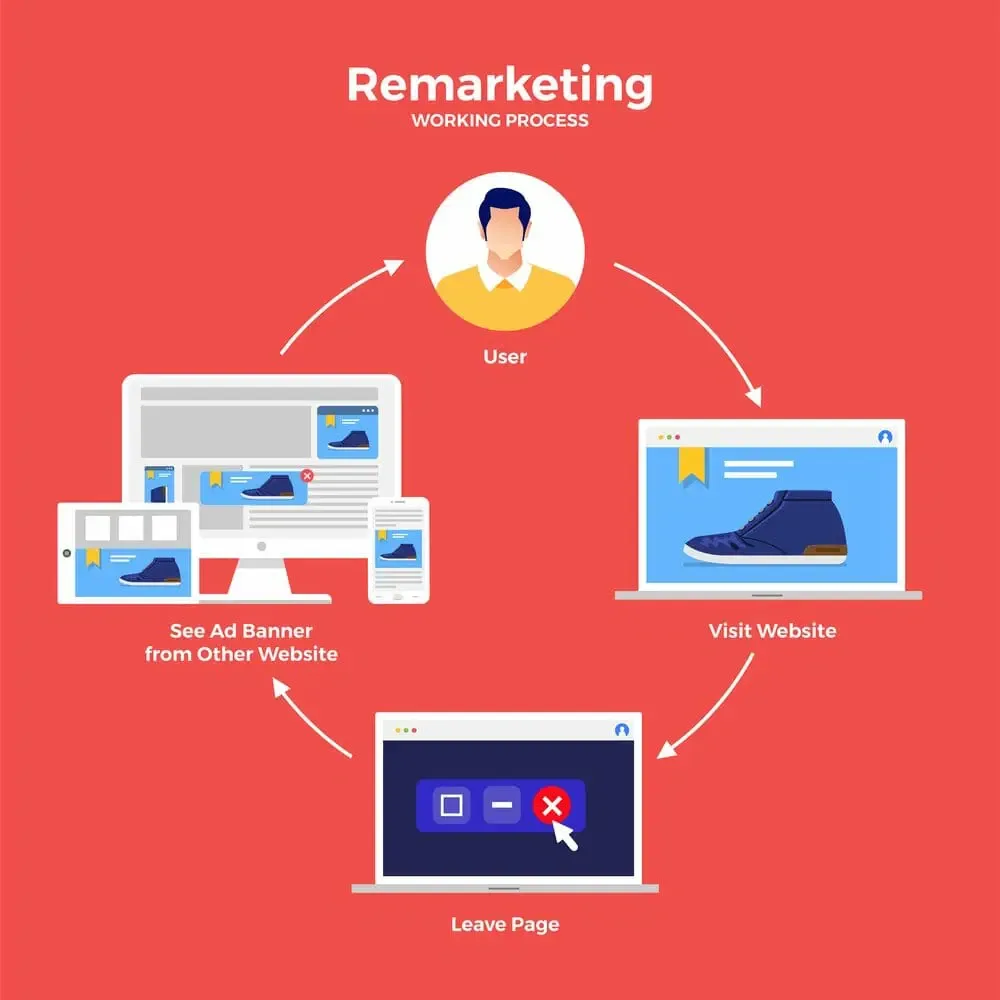
What are Remarketing Campaigns, Really?
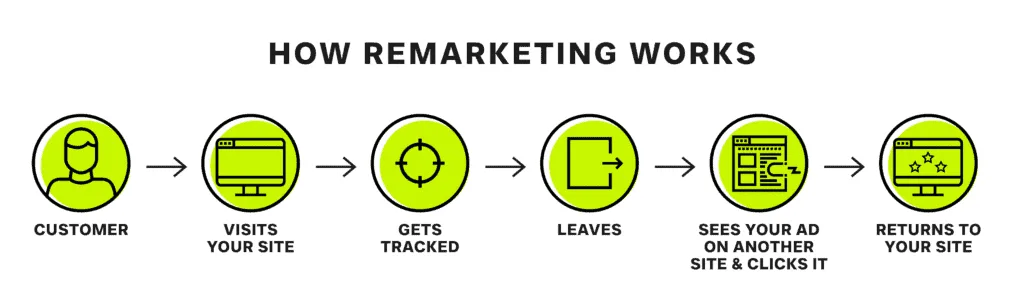
Remarketing campaigns are paid ad sequences that target people who interacted with your brand but didn’t convert — they visited a product page, abandoned a cart, watched half a video, or downloaded a lead magnet and vanished.
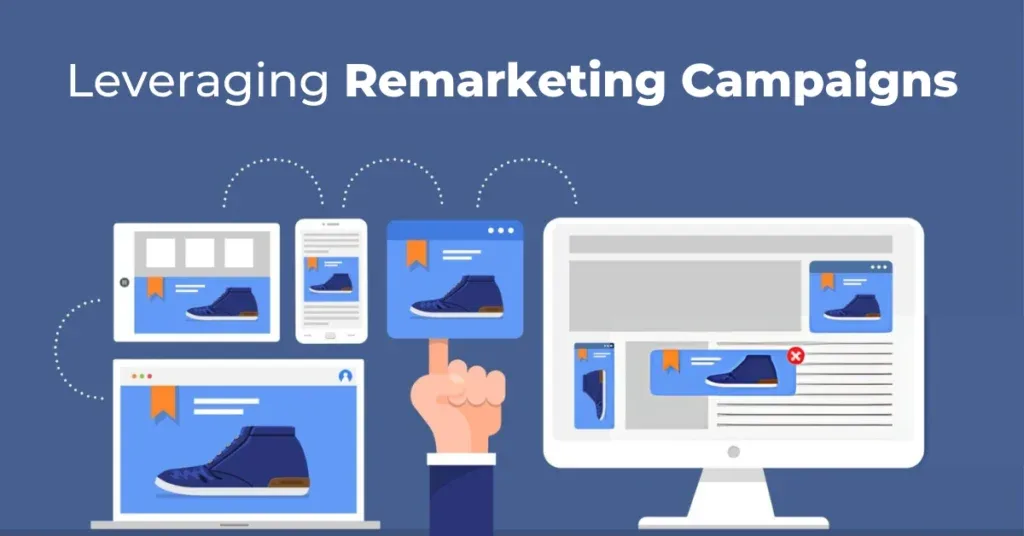
The ad shows up later on another site, inside a social feed, or in their inbox, reminding them you exist.
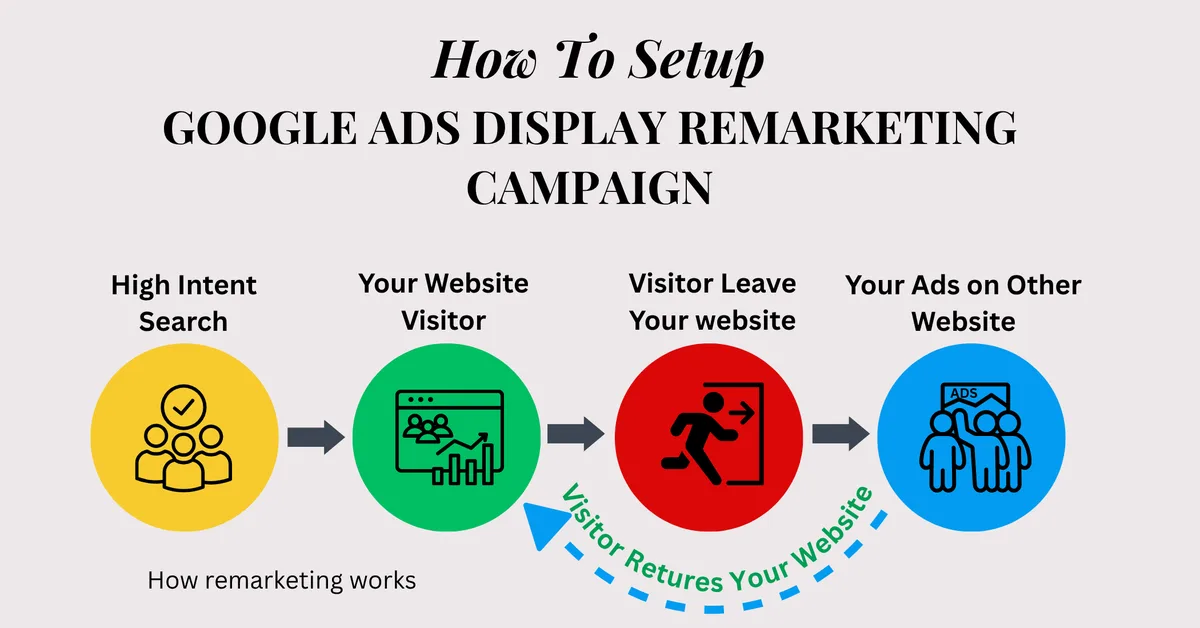
The mechanic underneath is a tracking pixel or tag. It drops a small cookie (or uses a hashed identifier) on the visitor’s browser, sorts them into an audience segment, and matches that segment against the ad platform’s inventory. When the same person browses elsewhere, the platform recognizes the identifier and serves your creative.
Terminology trips people up. Google calls it “remarketing.” Meta and most display networks call it “retargeting.” Functionally they’re the same idea, though the audiences and placements differ. For this guide, assume they’re interchangeable unless I say otherwise.
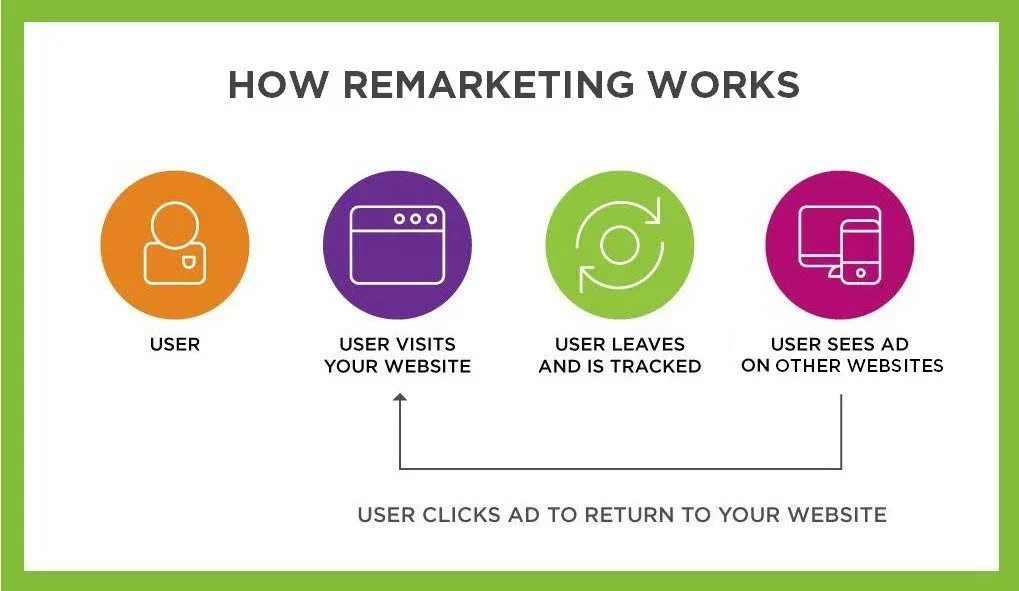
Why does any of this matter? Because the person who left your checkout page isn’t a cold stranger. They’ve seen your product, formed an opinion, and got distracted.
A well-built remarketing campaigns setup gives you a second, third, and fourth chance to close — often at a fraction of the cost of acquiring a brand-new customer from scratch.

Why Remarketing Campaigns Beat Cold Acquisition on Cost
Cold traffic is expensive because you’re paying to convince someone who has no idea who you are. Warm traffic is cheaper because the convincing already started. That gap shows up directly in your cost per acquisition.
Across accounts I’ve managed, remarketing campaigns consistently land somewhere between a third and a half of the CPA of a comparable cold prospecting campaign. The exact number swings wildly by vertical — a competitive direct manufacturer pricing consumable behaves nothing like a competitive direct manufacturer pricing B2B retainer — but the direction never moves.
Here’s the trap, though. Cheap conversions create a temptation to over-rely on remarketing campaigns and neglect the top of the funnel. That works for a few months, then the audience pool drains and performance collapses because nobody’s refilling it. Treat remarketing as the closer, not the whole sales team.
The remarketing campaigns’s also a nuance most write-ups skip: diminishing returns hit fast. If someone sees your ad eleven times in three days, ad fatigue sets in, frequency caps get ignored, and you’re paying to annoy a person who was already going to buy. Cap your frequency. Respect the ceiling.
Remarketing Campaigns Best Practices: the Foundation Layer
Before you chase the five easy wins, get the plumbing right. These are the non-negotiables — the stuff that, when skipped, makes every downstream tactic worthless. I’ve audited dozens of accounts where someone built a beautiful creative library on top of broken audience logic, and the result was always the same: money out, nothing back.
Segment Your Audiences by Intent, Not Convenience
Lumping every site visitor into one big “all visitors” audience is the single most common mistake I see. It feels efficient. It isn’t.
Someone who read your blog post once and someone who added three items to a cart and reached the payment screen are not the same person, and they shouldn’t see the same ad.
Build your remarketing campaigns around behavioral buckets: cart abandoners, product page viewers who didn’t add to cart, pricing page visitors, lead form starters who didn’t finish, past purchasers (for upsells and cross-sells), and newsletter subscribers who never bought. Each gets its own message, its own creative, and its own bid strategy.
Set audience durations deliberately. A cart abandoner is worth chasing for seven to fourteen days. A blog reader might stay in a low-priority bucket for thirty days with a soft, content-led message. Match the window to the buying cycle, not to whatever default the platform hands you.
Cap Frequency Before It Caps Your Results
Frequency is how many times one person sees your ad in a given period. Left uncapped, remarketing campaigns become a nuisance machine. I’ve seen accounts serve twenty-plus impressions per user per week and wonder why click-through rate cratered.
A reasonable starting cap is three to five impressions per user per week for most consumer products, and two to three for high-ticket B2B offers where the audience pool is smaller and repetition gets irritating faster. Watch your frequency report weekly and pull the lever the moment CTR starts sliding.
Platforms will happily let the remarketing campaigns ignore this. That’s the point of the cap — you’re the only adult in the room.
Keep Creative Fresh or Watch Performance Rot
Creative fatigue is real and it accelerates in remarketing. The same person sees your ad repeatedly, so a message that felt clever on impression one feels like wallpaper by impression six. Rotate your creative on a two-to-four week cadence — new imagery, new headline, new offer angle.

Running remarketing campaigns without a creative rotation schedule is like running a billboard that never changes. It works briefly. Then eyes glaze over. Keep three to five variants live per audience and let the platform optimize, but refresh the pool regularly rather than letting one winner run to exhaustion.
Exclude the People Who Already Converted
Nothing wastes revenue faster than advertising your product to someone who bought it yesterday. Build exclusion audiences for recent purchasers and suppress them from your acquisition-focused remarketing campaigns. For the first week after purchase, at most, consider sending them a thank-you or onboarding message instead of a “still thinking about it?” nudge.
After thirty to sixty days, you can fold them back in for upsells and repeat purchases — but only with messaging that acknowledges they’re an existing customer. Different audience, different ad.
Match Your Landing Page to the Ad Promise
The click is only half the transaction. If your ad says “20% off your first order” and the landing page buries that offer three scrolls deep, you’ve spent money to confuse someone. Every remarketing campaigns asset should hand the visitor off to a page that continues the exact conversation the ad started.
For cart abandoners, that often means a checkout-return link or a pre-filled cart. For pricing-page visitors, it’s a demo request or a plan comparison. Get this wrong and your conversion rate dies no matter how good the ad was.
Remarketing Campaigns Checklist: Run This Before You Launch
Treat the items below as a pre-flight checklist. Audio checks, so to speak, before takeoff. Every item on this list has prevented a real budget leak in at least one account I’ve worked in.
- Tracking verified end to end. Confirm your pixel or tag fires on every relevant page — homepage, product pages, cart, checkout, thank-you page. Use the platform’s debugger, not a guess.
- Audiences built and populated. Every intent bucket exists, has a defined membership window, and actually has users in it. An empty audience serves nothing.
- Exclusion lists live. Recent purchasers, existing subscribers, and internal staff are suppressed from acquisition-focused remarketing campaigns.
- Frequency caps set. Per-week impression ceilings configured for each audience tier.
- Creative depth ready. At least three variants per audience, with a rotation date on the calendar.
- Landing pages matched. Each audience’s ad sends traffic to a page that honors the ad’s promise and continues the funnel step.
- Conversion events defined. You know exactly what counts as success — purchase, lead, booked demo, subscription — and it’s tracked correctly.
- Budget guards in place. Daily spend caps set at the campaign level so a runaway audience can’t drain the month in a week.
- UTM parameters tagged. Every remarketing campaigns ad URL carries UTMs so analytics tells you which audience and creative drove the conversion.
- Consent and privacy intact. Cookie consent, regional privacy rules, and platform policies are respected. No workaround hacks.
Print it, tick it, run it. Boring works here.
5 Easy Wins You Can Ship This Week
Now the fun part. These five moves consistently produce the biggest lift for the least effort. They don’t require new tools, huge budgets, or a design team sprint. All five take under a week to implement, and most show measurable movement within the first two weeks of data.
Easy Win 1: Build a Cart Abandonment Sequence Worth Replying To
Cart abandonment is the highest-intent audience the remarketing campaigns have, and most teams treat it like an afterthought. The fix: three touchpoints across three channels, timed deliberately.
Here’s a sequence that consistently works. First, an email eighteen to twenty-four hours later — gentle, no pressure, just a reminder with the cart link. Second, a paid ad on the network of your choice at the forty-eight-hour mark, showing the product and a small incentive if your margin allows.
Third, a final email around day four or five, with the offer expiring or a helpful nudge (“questions before you check out?”).
The critical detail: don’t discount on the first email. You’d be surprised how many people come back simply because you reminded them, no incentive needed. Save the discount for the last touch, and only if your unit economics survive it.
In one skincare account I worked on, moving the discount from touch one to touch three recovered roughly the same number of carts while cutting discount spend by more than half.
Make sure your cart abandonment remarketing campaigns exclude anyone who completed the purchase. Otherwise you look careless to the customer who already paid.
Easy Win 2: Personalize by Product Category
Dynamic remarketing — or “dynamic product ads” depending on the platform — pulls product details directly from your feed. Instead of showing a generic banner, the ad displays the exact item the visitor viewed, with current price and availability.
The remarketing campaigns isn’t new, but the win is in how you deploy it. Break your feeds into category groupings and let the platform serve the right products to the right viewers.
A furniture retailer I advised split its feed into three buckets — living room, bedroom, office — and saw click-through on remarketing campaigns climb almost instantly, because the ad actually reflected what the person had been browsing.
If you sell more than a handful of SKUs, dynamic remarketing is table stakes. It’s one of the easiest wins in this list because it’s almost entirely a setup exercise — once it’s live, it runs.
Easy Win 3: Add a Lead Magnet Upsell for Content Readers
Not everyone is ready to buy. Content readers — people who landed on your blog or resource pages — belong in a different track. Instead of pushing a purchase, offer them something of genuine value in exchange for an email or phone number.
That could be a downloadable template, a short email course, a free audit, or a public checklist (this very page works as a remarketing campaigns checklist you could offer as a lead magnet, if the fit is right). Then your follow-up via email handles the long game.
The reason this works: content readers rarely convert on a purchase ad, but they convert readily on a valuable free resource. Once they’re on your list, your future remarketing campaigns can target them far more affordably through email than through paid inventory.
Easy Win 4: Turn Customer Reviews Into Your Creative
You probably have reviews and testimonials sitting on your site collecting digital dust. Pull the best three to five, screenshot them, and build them into your ad creative. Real customer quotes outperform branded messaging by a wide margin in most accounts I’ve tested — particularly on social placements.
The trick is authenticity. Avoid heavy graphic polish that makes the quote look invented. A simple, legible screenshot with the reviewer’s name (first name is enough) and star rating reads as genuine because it looks like what it is.
Run remarketing campaigns with a “here’s what real customers say” angle against your product-viewer and pricing-page audiences. Track performance for two weeks, then rotate the quotes. Freshness matters; a review from feels stale in the same way a generic ad does.
Easy Win 5: Test Frequency Capping Against Your Default
Most platforms default to no meaningful frequency cap. That’s an easy win waiting to happen. Run an A/B split on a single audience — same creative, same bid, same budget, but two campaigns with different frequency caps.
One split at three impressions per user per week, the other at seven. Structuring your remarketing campaigns around proven patterns ensures impact. Give both two weeks of data, then compare conversions and cost per conversion. In every account I’ve tested, the lower cap either matched performance at lower spend or beat the higher cap outright.
The only variable is how far you can pull the lever before conversions dip — which is why you test rather than guess.
This one is almost free to implement and gives you a permanent dial for your remarketing campaigns once you know the answer. Most teams never bother.
Remarketing Campaigns Tips for Avoiding the Common Traps
Even well-built setups bleed. Here are the patterns I see repeatedly, and the fix for each.
Attribution tunnel vision. Your remarketing campaigns get credit for conversions that would have happened anyway. That’s called view-through attribution, and it inflates your numbers. Use incrementality testing — hold out a small control segment and don’t serve them remarketing — to see the real lift. Do this quarterly.
Cross-device blindness. A user who browsed on mobile but buys on desktop looks like two people to a naive audience builder. Modern platform identity graphs mostly solve this, but it’s worth confirming your audience sizes aren’t wildly inflated. If your “all visitors” audience is bigger than your monthly site traffic, something’s off.
One-and-done creative. Related to the frequency issue. If you’re running the same ad for eight weeks, you’re not really running remarketing campaigns — you’re running a billboard nobody reads anymore. Rotate.
Ignoring the delete-me crowd. If someone has seen your ad twenty times and not clicked, they’re not going to. Suppress them. Serving them further just wastes spend and irritates an already-cold prospect.

Frequently Asked Questions About Remarketing Campaigns
Here is an in-depth breakdown of key considerations regarding Frequently Asked Questions About Remarketing Campaigns:
How Many Remarketing Campaigns Should I Run at Once?
Start with three to five, organized by intent level. One for cart abandoners, one for product viewers, one for content readers or lead-magnet visitors. Add more only when you can justify a distinct message and a distinct audience definition. Running fifteen variants on day one is a recipe for muddy data.
Does Remarketing Work for B2B and Long Sales Cycles?
Yes — arguably better than for e-commerce, because the buying cycle is longer and the decision involves multiple people. Just stretch your audience windows (thirty to ninety days instead of seven), swap to lead-gen offers instead of purchase prompts, and expect lower volume with higher value per conversion. Your remarketing campaigns tips should lean on content and case studies rather than limited-time discounts.
What’s a Reasonable Budget for Remarketing?
Most accounts allocate somewhere between ten and thirty percent of total paid budget to remarketing, scaled to how much warm traffic you generate. The key is to think of it as a percentage of cold spend rather than a fixed number. If your top of funnel dries up, no amount of remarketing budget helps.
How Quickly Do Remarketing Campaigns Produce Results?
First data usually lands in three to five days once tracking is verified and audiences fill. Meaningful performance comparisons need about two weeks. Don’t judge on day two — audiences need time to populate and creative needs time to accumulate impressions.
What’s the Difference Between Remarketing and Retargeting?
Practically, nothing. The terms are largely interchangeable across platforms. Google tends to use “remarketing,” while Meta and many display networks use “retargeting.” Focus on the underlying mechanics rather than the label.
Common Mistakes That Sink Even Good Remarketing Campaigns
Good setups can still fail. Here are the failure modes worth watching for, listed roughly by how often I see them.
- No exclusion list. Recent purchasers see offers they already accepted. Fix: suppress purchasers for thirty days minimum.
- Audience windows too long. A ninety-day window for a spontaneous-purchase product serves irrelevant ads to people who forgot you. Fix: shorten windows to match the buying cycle.
- Creative running past fatigue. Same ad, weeks on end. Fix: rotate every two to four weeks.
- Landing page mismatch. Ad promises a discount the page doesn’t show. Fix: audit every remarketing campaigns ad against its landing URL.
- Tracking gaps. A checkout step isn’t tracking properly so the audience is broken. Fix: run the platform’s tag debugger end to end every time you touch the site.
- Attribution blindness. Crediting remarketing for conversions that would have occurred anyway. Fix: run incrementality tests, not just platform-reported numbers.
- No consent handling. Serving ads to users who haven’t consented where required. Fix: integrate your consent management platform with the ad pixel.
- Under-budgeting the top of funnel. All remarketing, no prospecting, audience dries up. Fix: keep cold acquisition healthy, treat remarketing as the closer.
Measuring Remarketing Campaigns: the Metrics That Matter
Every platform shows you a dozen numbers. Most don’t change decisions. Focus your reporting on the following.
| Metric | What It Tells You | Healthy Range |
|---|---|---|
| Cost per acquisition (CPA) | Whether the campaign is profitable per conversion | Below gross margin per sale |
| Return on ad spend (ROAS) | Revenue per dollar spent | Above your break-even threshold |
| Click-through rate (CTR) | Creative and audience relevance | Roughly 3-10x cold CTR |
| Frequency | Whether you’re over-serving | 3-5 impressions per user per week |
| Audience size | Health of your warm pool | Growing or stable, not shrinking |
| View-through conversions | Conversions attributed to impressions (not clicks) | Track separately; test incrementality |
| Incremental lift | True causal effectiveness | Any positive value validates the spend |
The two that quietly cause the most damage when ignored are frequency and incremental lift. Everyone tracks CPA. Almost nobody tests causality. The teams who do end up spending less to earn more.
Where Remarketing Campaigns Fit in a Bigger Marketing System
I want to zoom out for a moment. Remarketing is a channel, not a strategy. It belongs inside a wider lifecycle marketing system: paid acquisition feeds it, email and SMS nurture the contacts it produces, and retention work (loyalty, repeat purchase, referral) captures the value on the other side. Pull one piece out and the system wheezes.
If you’re building or auditing your own setup, treat this page as the parent topic and follow the natural next steps: audience segmentation deep dives, creative testing frameworks, email lifecycle design, and incrementality testing.
Those sub-topics build on the fundamentals here — you can’t do any of them well without the tracking, audience logic, and frequency discipline this guide walks through.
The teams I’ve seen win at this treat remarketing campaigns as one instrument in an orchestra. Not the whole band. Not an afterthought. A reliable, well-tuned section that closes the deal the top of the funnel started.
Start small. Ship the five easy wins. Tick off the checklist. Then, once the foundation is steady, expand from there. The remarketing campaigns tips in this article will still apply the hundredth time you revisit them — that’s the beauty of getting the fundamentals right the first time.
For verified reference and background research, consult the authoritative informational resource on this topic.