Product Led Growth: the Operating Model Behind Products That Sell Themselves
Product led growth is the discipline of making the product itself the primary engine of acquisition, activation, retention, and expansion — and the companies that get it right treat it less like a marketing tactic and more like a company-wide operating system.
If you’re here because you want a practical, no-fluff breakdown of what actually works, you’re in the right place. This isn’t a theoretical tour. It’s a working playbook built from watching dozens of SaaS teams try this and half of them stumble on the same predictable rocks.
We’ll walk through five easy wins you can implement without a rebuild, then go deeper into the mechanics that separate a real motion from a logo redesign with a “sign up free” button slapped on it.
Why This Conversation Matters More Than Ever
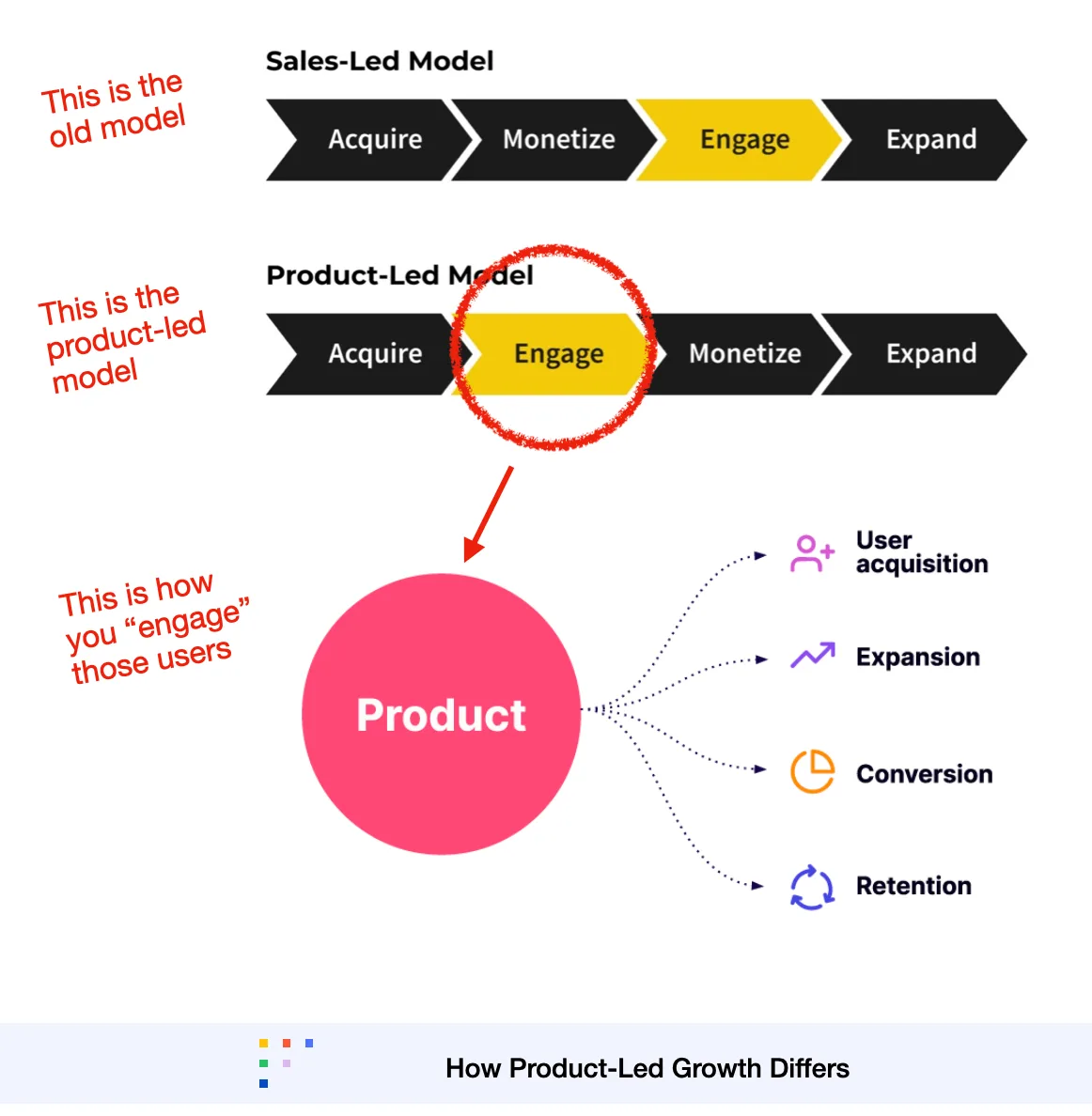
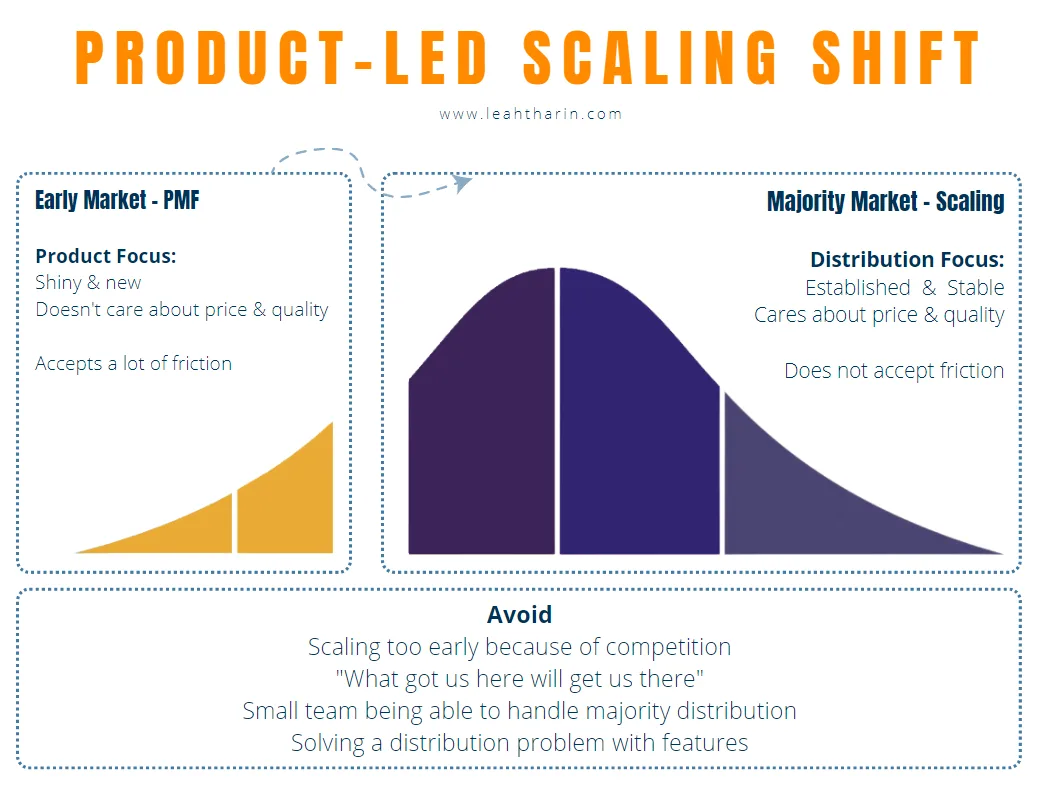
Buyers changed. They don’t want a demo before they understand your product. They want to try it, poke at it, and decide in their own time. Sales-led motions still matter at the top end, but the gravitational center has shifted toward the free tier, the in-app trial, and the “invite your teammate” button.
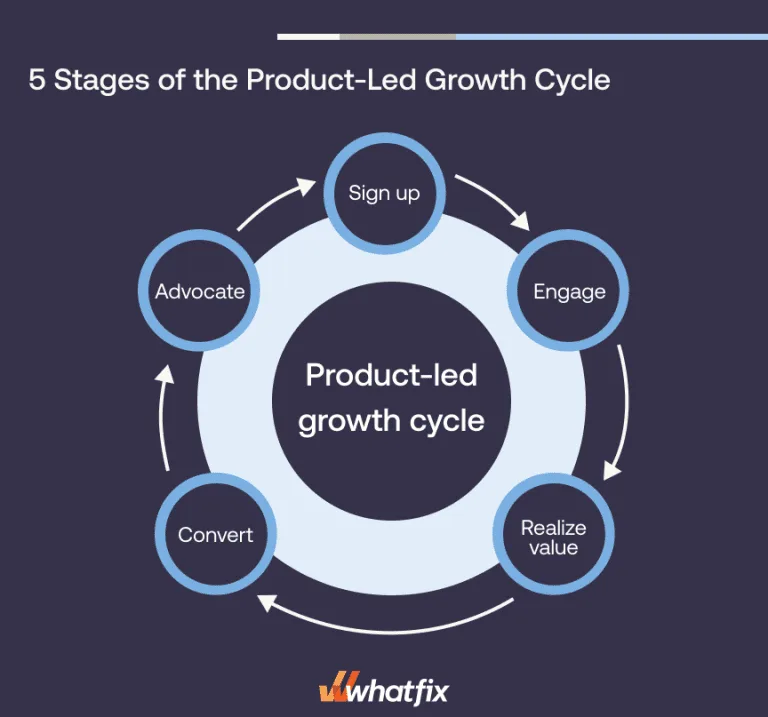
The result? A product led growth guide that used to be a nice-to-have is now table stakes for anyone selling software to teams who buy the way they bank, book travel, and order groceries — self-directed, informed, and impatient.
What Product Led Growth Actually Means (And What It Doesn’t)
The definitions floating around are usually either too vague or too narrow. Let’s fix that. Product led growth is when user value delivered inside the product drives revenue growth — not marketing campaigns, not outbound sequences, not partner deals.
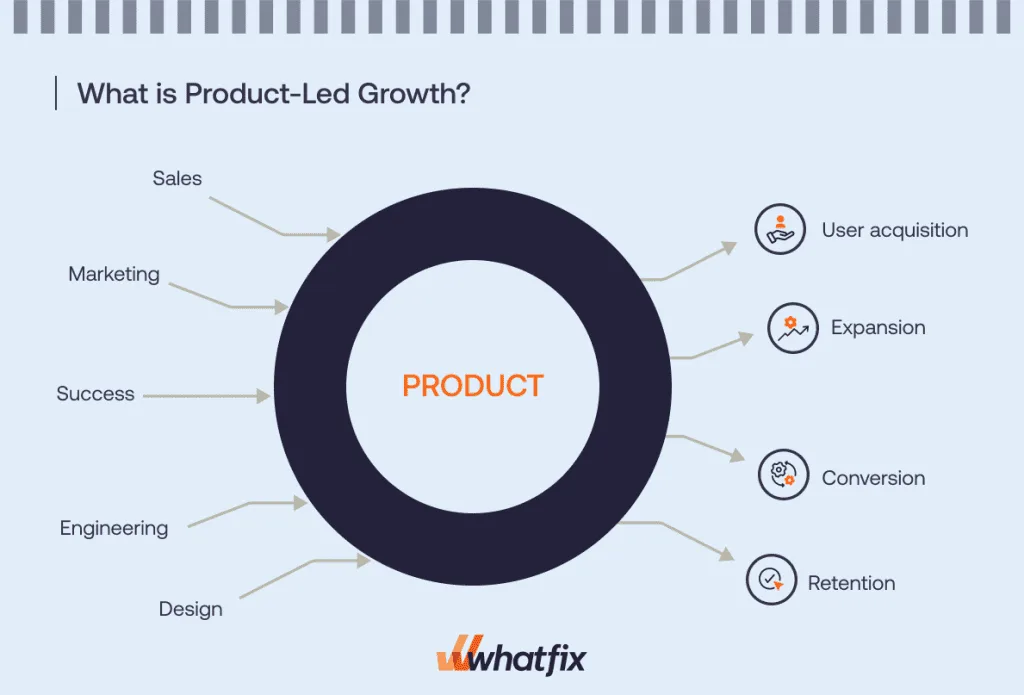
It doesn’t mean “no sales team.” It doesn’t mean “free forever.” And it certainly doesn’t mean hiding the pricing page behind a demo request.
The Three Non-Negotiables
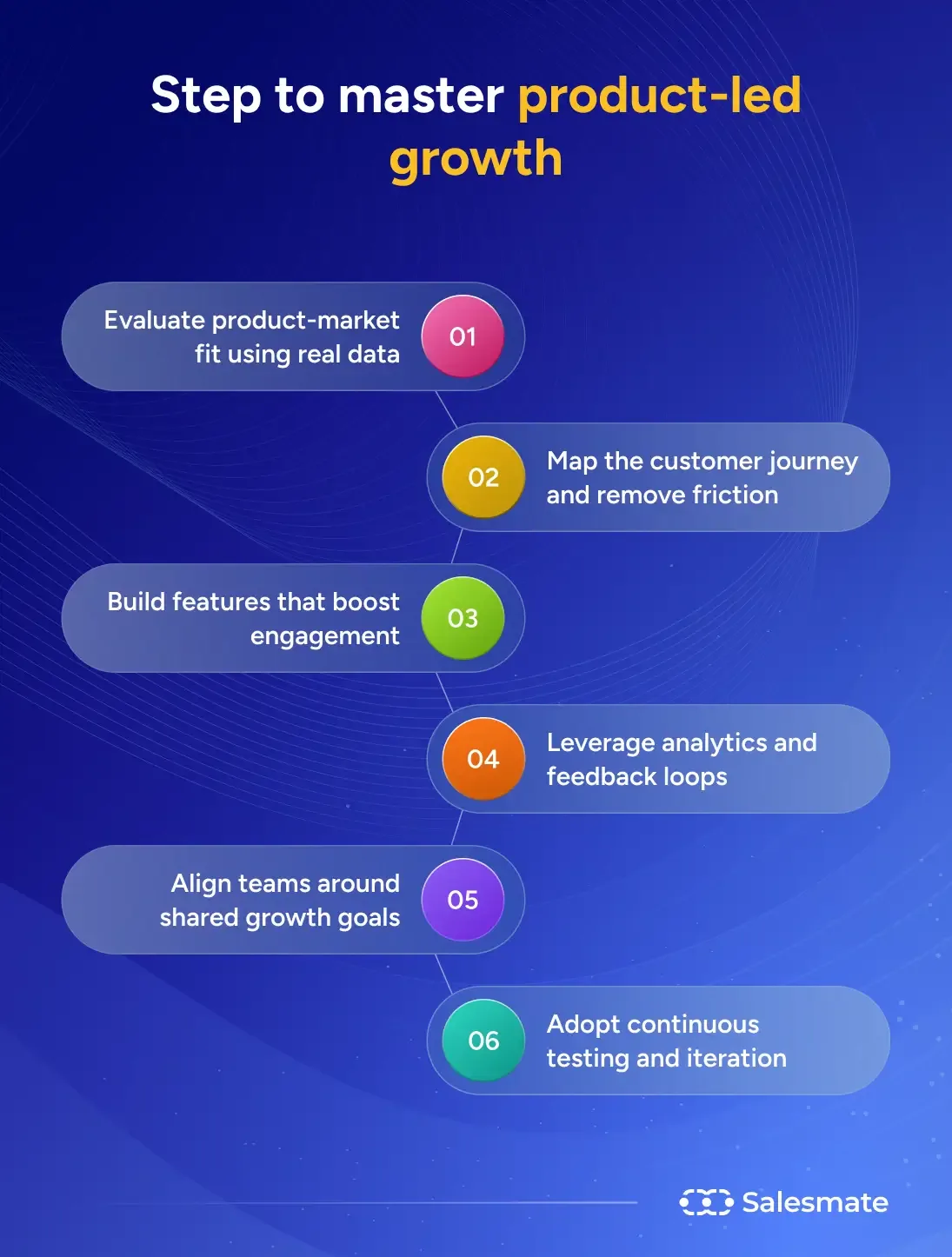
First, time-to-value has to be measured in minutes, not weeks. Focusing on product led growth provides clear direction here. If a new user can’t feel a real win on day one, nothing else you build on top will save you.
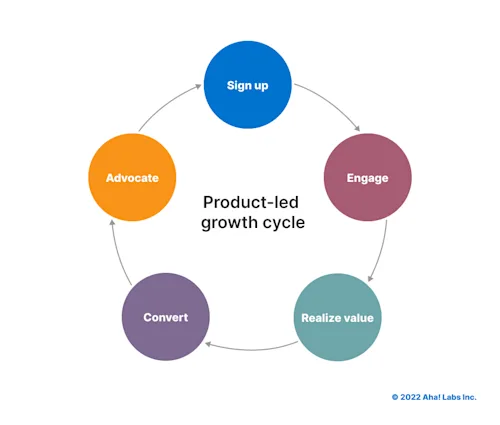
Second, the product has to be self-explanatory enough that most users never need a human. That means onboarding that teaches while it works, empty states that point at the first meaningful action, and copy that reads like help, not homework.
Third, usage has to be observable. If you can’t see what a user did inside the product, you can’t trigger the right message, upsell, or intervention. Instrumentation isn’t a nice-to-have — it’s the nervous system of the whole motion.
The Product Led Growth Checklist: Ten Things to Have in Place First
Before you start optimizing funnels, make sure the foundation is solid. This is the checklist I hand to every team before we touch a single onboarding screen. If you’re missing more than a few items, you’re not ready for a product led growth push yet — you’re ready for a foundation sprint.
- Defined activation metric. One measurable action that reliably predicts retention — not “signed up,” but something like “created a first project and shared it with a teammate.”
- Clean behavioral event tracking. Product analytics wired to capture the events that matter, not everything that moves. Segment, Amplitude, Mixpanel, PostHog — pick one and instrument it properly.
- Self-serve signup flow. No credit card wall before value is delivered, unless the product genuinely demands it.
- In-app onboarding checklist. Three to five steps, visible, progress-tracking, dismissible once complete.
- Transparent pricing page. Real numbers, real tiers, comparison table, no “contact us” for every row.
- Usage-based upgrade triggers. In-app nudges when a user hits a real limit, not a random 30-day email blast.
- Product qualified lead (PQL) definition. Clear scoring that tells sales when usage signals real intent.
- Collaborative by design. Sharing, inviting, and commenting baked into the core flow — this is where viral loops come from.
- Friction journal. A running log of where users drop off, with screen recordings or session replays attached.
- A feedback loop you actually close. Not a NPS survey, but a channel where the product team reads user complaints weekly and ships in response.
Run the product led growth list against your product this week. Honest answer, not aspirational. The gap between what you have and what you need is your roadmap for the next two quarters.
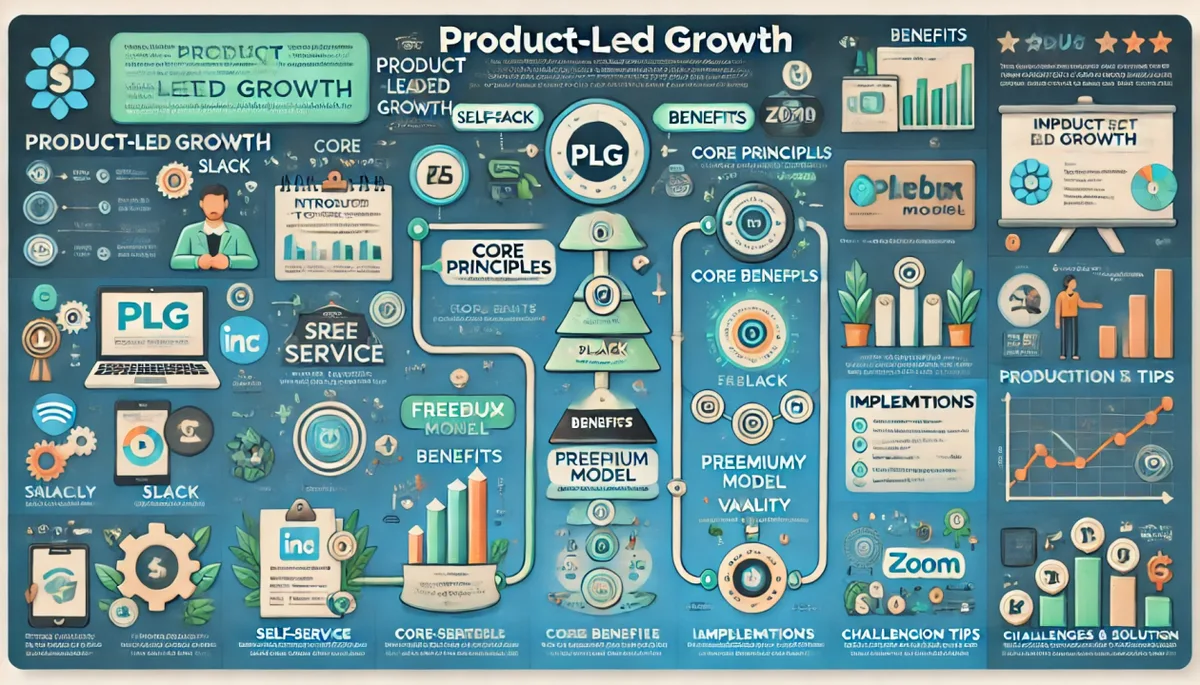
Product Led Growth Best Practices That Actually Move the Needle
Now the part everyone wants. Best practices are cheap to list and expensive to execute. What follows is the set that consistently produces results across very different products — from developer tools to collaboration platforms to fintech.
The product led growth’ll notice none of these are “add a free trial.” Free trials are a feature, not a strategy. These are behaviors your team has to adopt.
1. Shorten Time-to-Value Obsessively
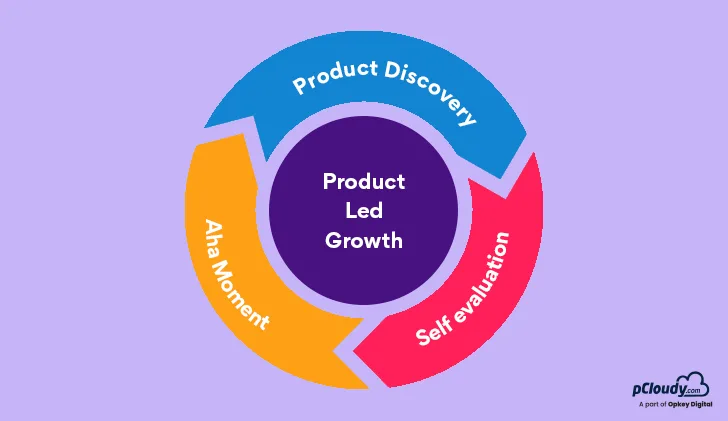
Every second between signup and first win is a leak in the bucket. The best product led growth companies measure time-to-value as a first-class metric, right next to MRR and churn.
Slack made the product led growth under ten minutes back when it launched. Notion, Calendly, Figma — same story. They found the single “aha” moment and removed everything in front of it, even at the cost of showcasing other features.
Ask yourself: what’s the one action, if a new user takes it in the first five minutes, makes them 3x more likely to stick around for thirty days? Now build your entire onboarding toward that action.
2. Instrument Before You Optimize
I’ve watched teams debate onboarding color schemes for weeks while having no idea where users actually drop off. That’s backwards. Get your events in order first.
Track activation rate week-over-week, funnel step conversion, feature adoption by cohort, and expansion path by account. Maintaining clarity across your product led growth remains essential. Without these, every optimization is a guess dressed up as a decision.
3. Make Collaboration the Default
Products that grow fastest through product led motion share one trait: you almost can’t use them alone. Canva, Figma, Slack, Notion, Loom — the usage itself creates the invitation.
This is where compounding kicks in. Every shared document, every link to a project, every comment notification is a tiny acquisition event. It doesn’t feel like marketing because it isn’t. But it works better than most marketing.
4. Price for the Growth You Want
Pricing decisions made early often lock in the wrong economics for years. A thoughtful approach to product led growth reinforces your qualifications. The classic trap: seat-based pricing that punishes the very collaboration that drives your growth.
Ask what behavior you want to encourage. If sharing is good, don’t charge per viewer. If usage expands naturally, price on usage. If teams of ten use it, price so the tenth seat costs about the same as the first. Align the meter with the motion.
5. Treat Sales as a Companion, Not a Competitor
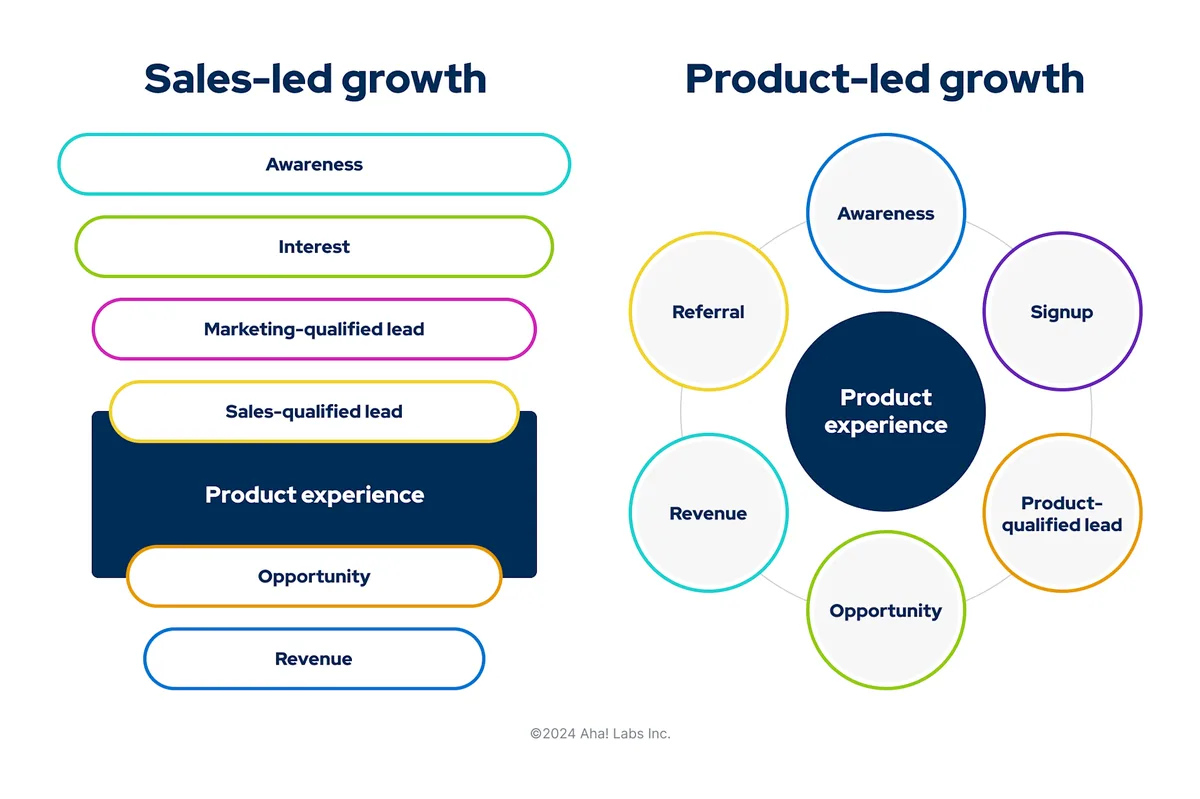
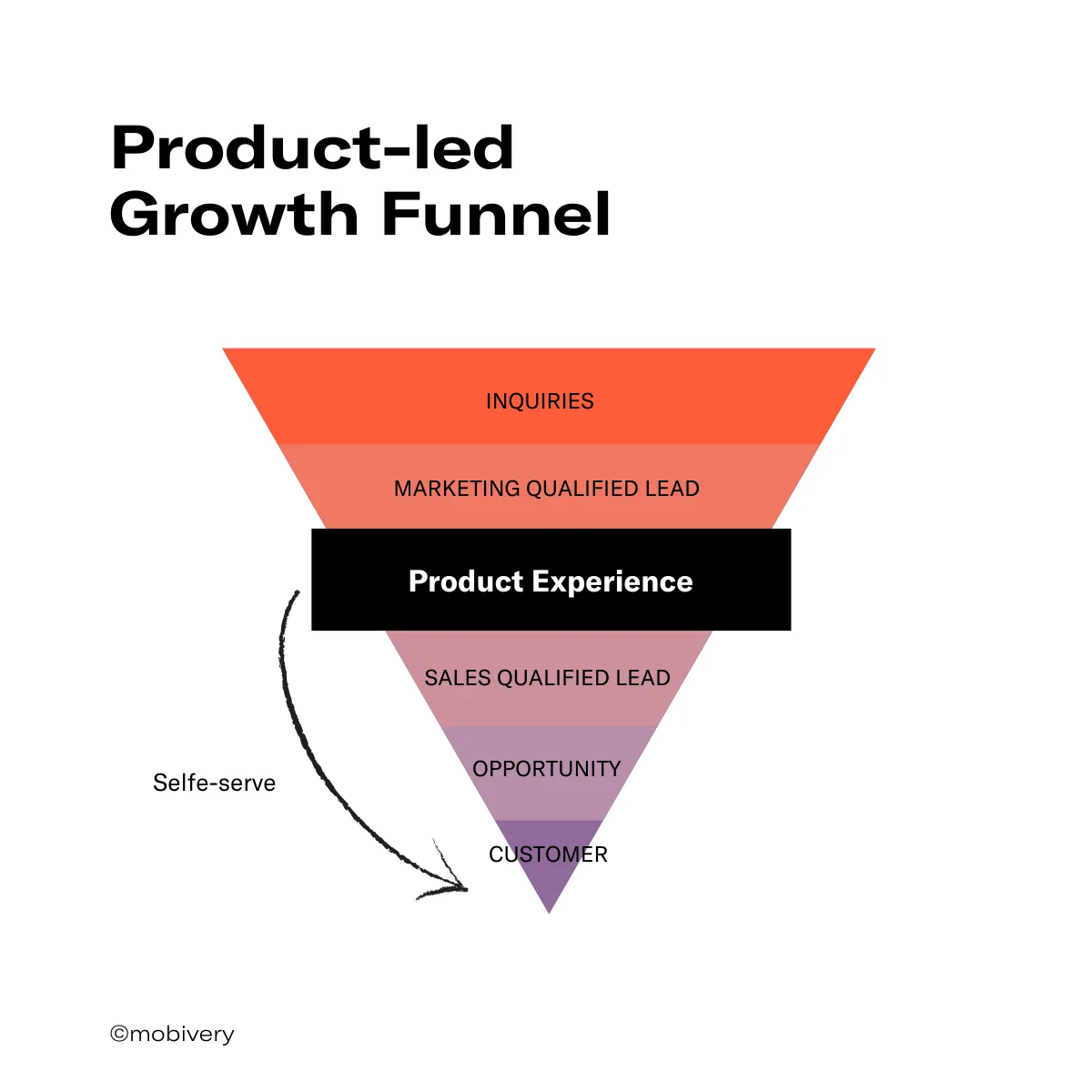
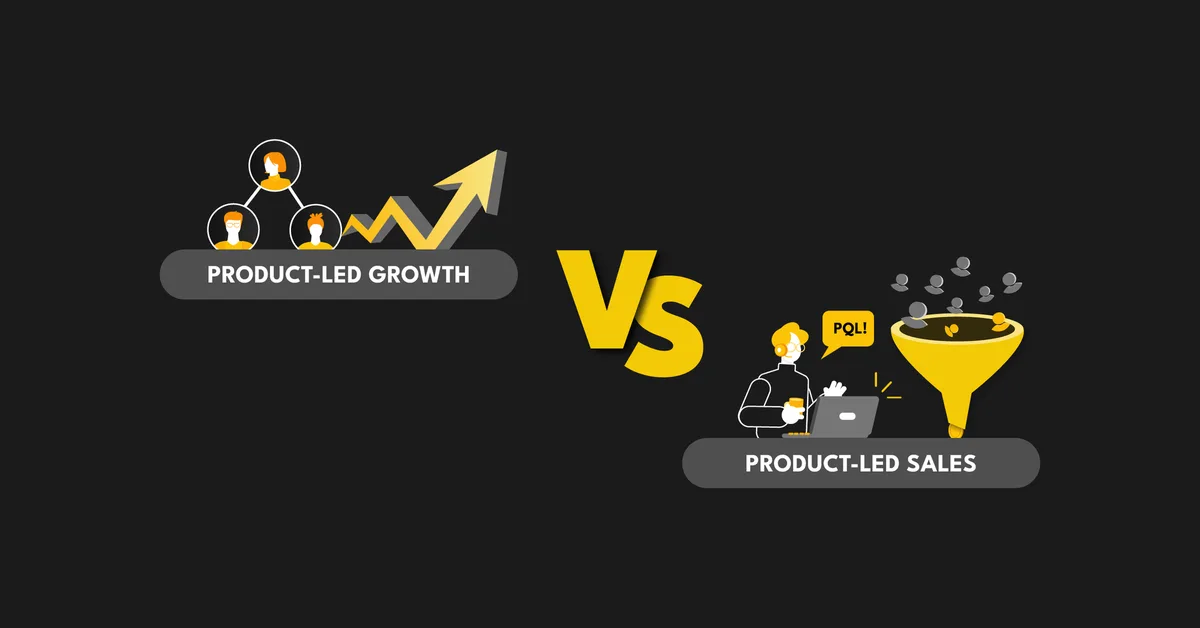
The “PLG vs sales” debate is mostly theater. The best-run companies I’ve seen pair self-serve with sales assist in a way that feels seamless to the buyer. Sales steps in when usage says to, not when a rep decides to.
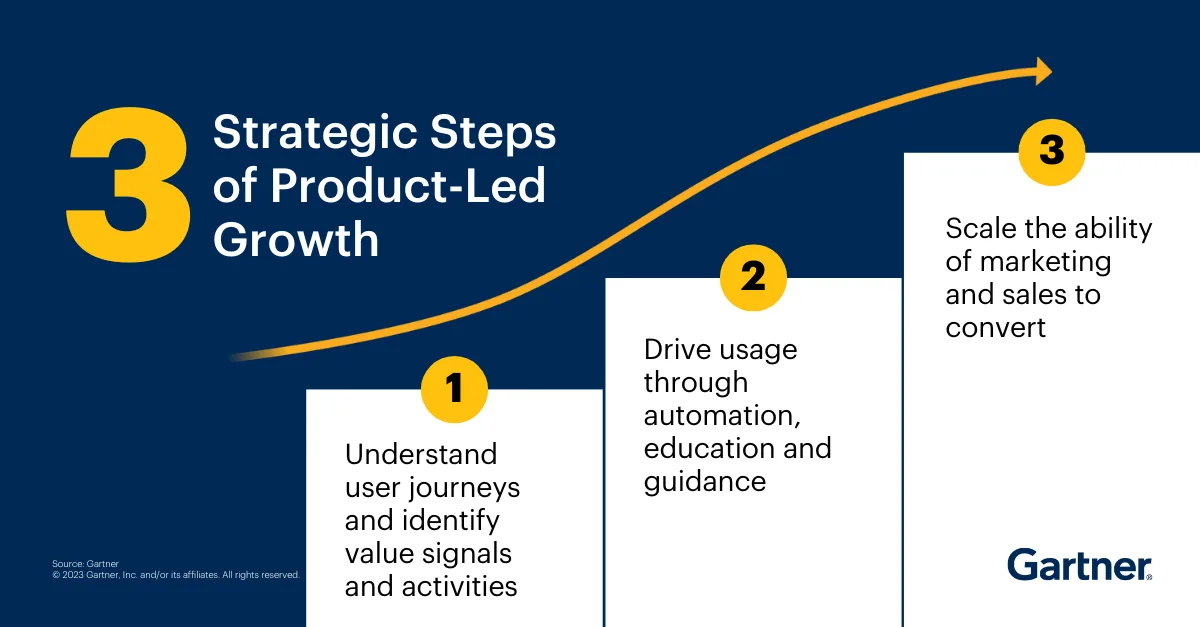
The product led growth’s what product qualified leads are for. When an account hits a usage threshold — five active users, a certain volume of events, a certain feature combination — a rep reaches out with context, not a cold pitch. The buyer already understands the product. The sales call just removes the last hurdle.
Product Led Growth Tips from the Front Lines
These are the less-obvious bits — the ones that rarely make it into blog posts because they’re a bit awkward to teach formally. Take them or leave them, but they’ve held up across every team I’ve worked with.
Steal a Page from Consumer Product Design
Consumer apps have been obsessed with activation, retention, and referral for a decade because their businesses depended on it. B2B teams are only now catching up. Study how Duolingo keeps streaks going, how Spotify personalizes the first screen, how Cash App removes every step from a transfer.
Borrow the patterns. The register is different but the mechanics are the same.
Empty States are Your Best Salesperson
The first screen a new user sees is usually empty. Applying these principles to your product led growth yields measurable results. Most companies treat it as a placeholder — a gray box with “no data yet” and a shrug. That’s a missed chance.
The best empty states do three jobs: explain what to do next, show what a full state looks like (sample content, GIFs, or previews), and give one obvious next step. That’s not decoration. That’s activation.
Watch the Second and Third Sessions
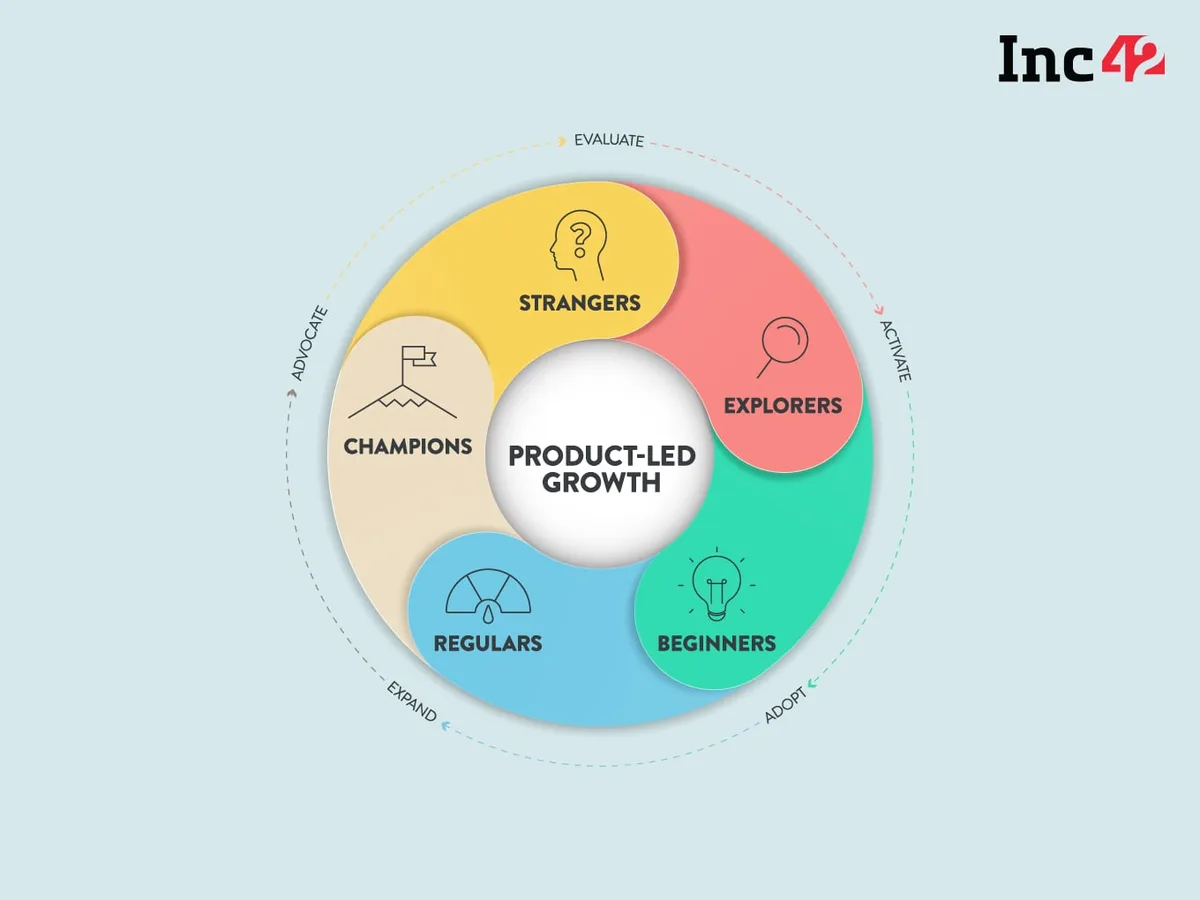
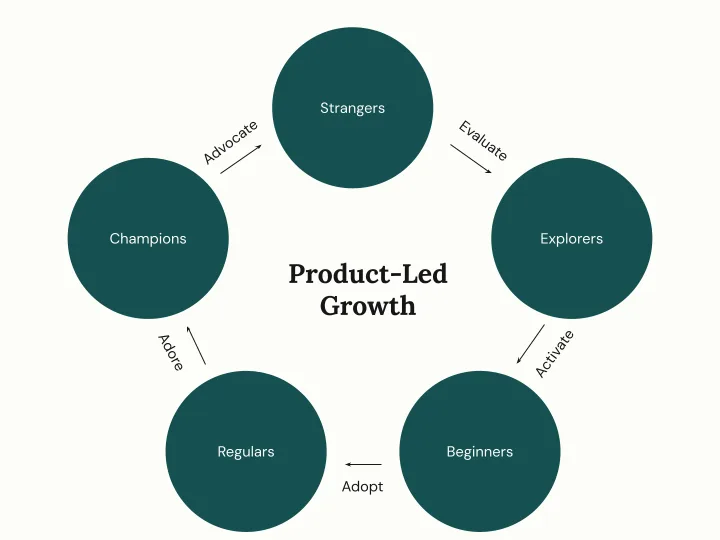
Retention doesn’t happen on day one — the product led growth happens around day three and day seven. Users who come back a second time within the first week convert to long-term usage at dramatically higher rates. So don’t optimize just for day one. Optimize for the reason to come back.
Emails, in-app reminders, and notifications all matter here, but only if the product led growth carry real value. A “we miss you” email after three days of silence is noise. A “here’s what your teammate just did” notification is signal.
Kill the Sales Gate on Self-Serve
If a user wants to swipe a card and start using your product, let them. Every “contact sales to upgrade” barrier between a willing buyer and a working product costs you money — and it costs your product the chance to keep expanding inside that account.
Route enterprise inquiries to sales. Route everyone else to a checkout page that just works.
Five Easy Wins You Can Ship This Month
Big product led growth transformations take quarters, sometimes years. But you don’t need to wait for a full rebuild to see results. These are the five easy wins I’d hand any team on day one, and every one of them can ship inside thirty days without a single new engineer hire.
Win 1: Kill the Credit Card Requirement on Free Signup
The card wall is the highest-leverage single change most B2B products can make. Developing your product led growth with precision highlights key strengths. Yes, you’ll see more low-intent signups. Yes, some of them will never activate. But the ones who do activate go on to convert at rates that more than cover the noise.
The exception: products where real value requires a payment method to unlock (financial services, some infrastructure tools). Everyone else — drop the card, watch activation climb, and use usage-based triggers to monetize.
Win 2: Rewrite Your Onboarding Copy Like a Friend Wrote It
Open your product. Refining each detail of your product led growth strengthens this section. Read every tooltip, modal, and empty state out loud. Does it sound like a human or a compliance memo? Most teams are shocked at how bad this is once they actually read it.
Rewrite for one user, not for the whole audience. Clear alignment with your product led growth builds confidence from the start. “Let’s set up your first board” beats “Please create a new workspace to begin.” Tiny change. Disproportionate impact on completion rates.
Win 3: Add a Progress Checklist Inside the Product
A visible, three-to-five-item checklist that fills in as the user takes action. Not a modal blocking the page — a small persistent widget. Done items collapse. The next item is always the obvious next move.
Products using this pattern routinely see 20-40% lifts in activation rate for new signups. It’s one of the cheapest interventions available.
Win 4: Trigger Upgrade Prompts at the Moment of Value
Don’t upsell on the pricing page. Integrating product led growth into your workflow produces consistent quality. Upsell at the moment a user hits a wall they care about — the workflow that just exceeded the free limit, the export button that requires a paid tier, the teammate who can’t be added.
These in-context upgrade prompts convert at 3-10x the rate of email campaigns. Users understand the value because they just felt it, and the friction to pay is one click.
Win 5: Instrument One Funnel End-to-End
Pick the single most important user journey — signup to first shared artifact, or signup to first integration, or signup to first invited teammate. Effective execution in your product led growth makes a tangible difference. Instrument every step. Then watch where the drop-off lives and fix the top one.
This isn’t glamorous. Targeted refinements to your product led growth streamline the entire review. It’s the highest-ROI thirty days a product team can spend on growth, period.
How the Motion Breaks: Common Failure Modes
Knowing why product led growth fails is as useful as knowing how to build it. These are the patterns I see most often when a promising motion stalls.
| Failure Mode | What It Looks Like | The Fix |
|---|---|---|
| Late activation | Users sign up but never reach the “aha” moment | Cut steps before first value; add guided onboarding checklist |
| Weak monetization | Free tier is generous but upgrade triggers are rare | Introduce usage-based prompts at moments of friction |
| Sales conflict | Reps chase free users; PLG team fights for self-serve | Define PQL thresholds clearly; route by usage, not by title |
| No viral loop | Every user uses it alone; no sharing by design | Rebuild core flows around collaboration and invitations |
| Metric blind spots | Team can’t tell which cohort activates or expands | Fix event tracking before shipping any optimization |
Notice how every failure in the table is structural, not tactical. No amount of clever copy or A/B testing fixes a product that isn’t set up to grow through its users. Get the structure right, then optimize.
How Do You Know Product Led Growth is Working?
You know it’s working when inbound signups grow without a proportional jump in marketing spend — and when a predictable slice of those signups turns into paying accounts through a self-serve path. That’s the whole game.
The signals to watch, in order of priority: activation rate trend, expansion revenue from existing free accounts, organic signup share of total pipeline, and PQL-to-close rate. If those four are improving quarter over quarter, the motion is real.
The Metrics That Actually Predict Success
Activation rate is the single best early indicator. It moves before revenue does and tells you whether the foundation is set. If activation rate is flat and revenue is up, you’re likely riding sales-led wins rather than PLG gains.
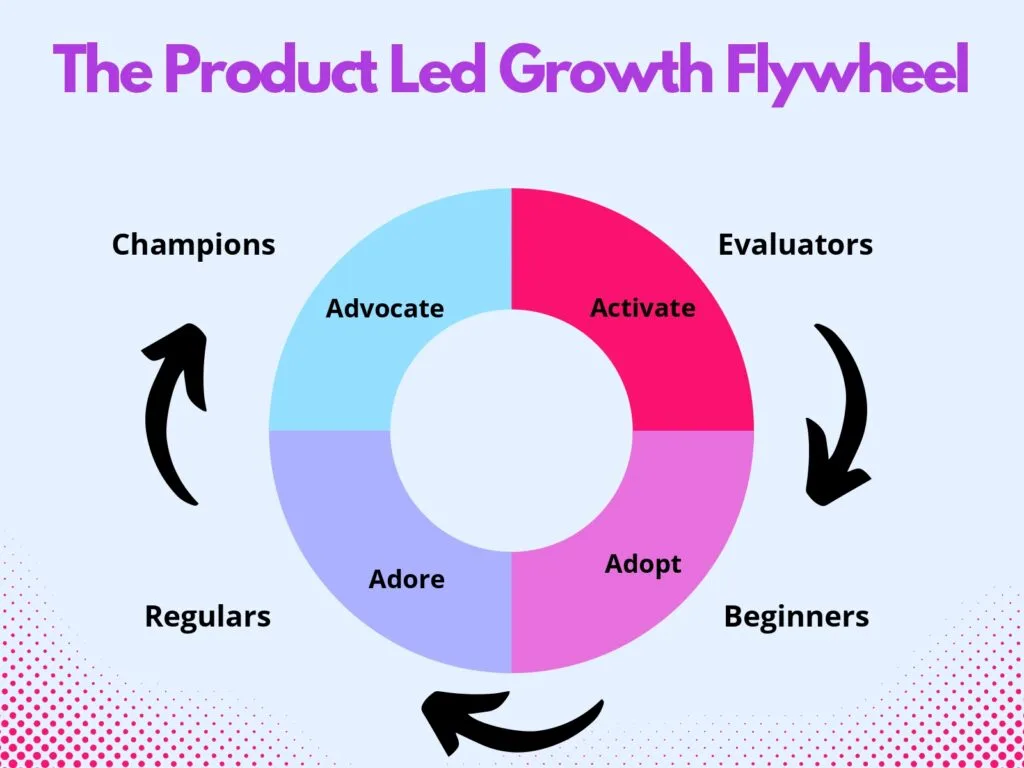
Then watch expansion revenue. In a healthy product led growth business, expansion inside accounts — more seats, more usage, more modules — becomes a bigger share of new revenue over time. When it does, the flywheel is spinning on its own.
Where Product Led Growth Fits in Your Broader Strategy
None of this replaces good positioning, sharp brand work, or a competent sales team at the top end. It sits underneath all of it, turning every free signup into a small piece of evidence that your product can sell itself when it’s pointed at the right person.
Treat the motion as a layer, not a replacement. The strongest companies I’ve seen — Figma, Notion, Slack, Calendly, Loom — run product led growth as a foundation that everything else layers on top of.
Sales assist at scale. Marketing amplifies the loop. Support extends the product experience. The pieces reinforce each other because the foundation is real.
If you take one thing from this, take the sequencing. Foundation first. Then easy wins. Then optimization. Then scale. Skipping ahead breaks the math — and the math is the whole point.
Now go look at your signup flow with fresh eyes. The first fix is probably closer than you think.
For verified reference and background research, consult the authoritative informational resource on this topic.