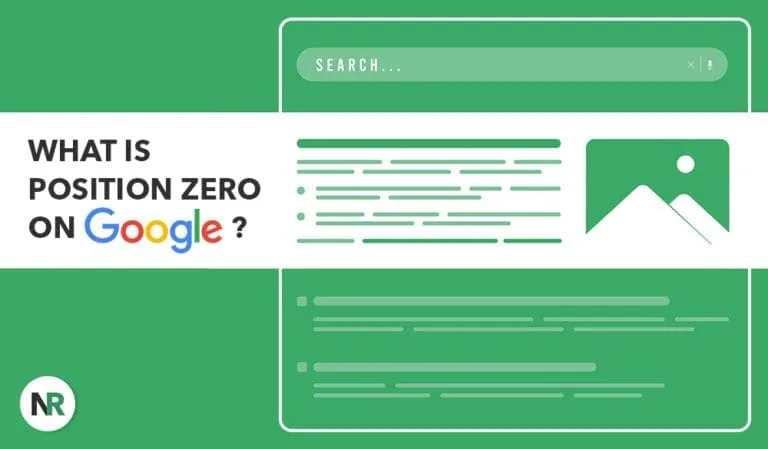
Position zero SEO is the craft of earning that single, boxed answer that Google sometimes plants above every organic result — the featured snippet. It looks small on a phone screen. Its impact is not.
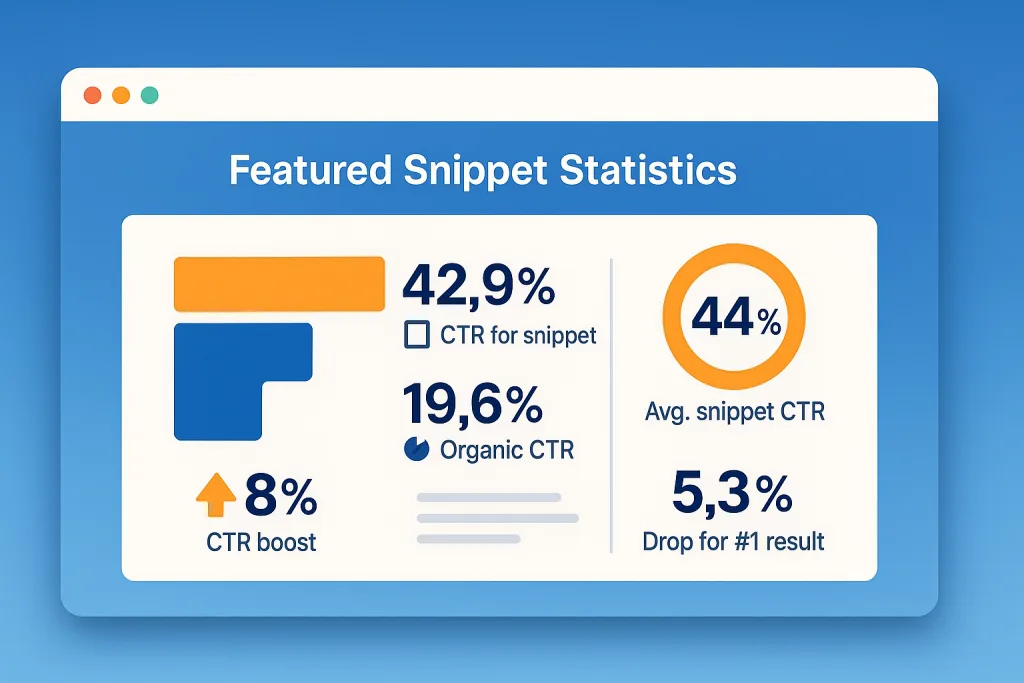
Studies across thousands of search results keep pointing to the same pattern: the boxed answer grabs a wildly disproportionate share of attention, and the page holding it often outclicks the number one blue link sitting right below.
So if you have ever watched a competitor snatch that top spot while your article sat patiently at position four, this guide is built for you.
We will walk through how the box actually gets chosen, what the data really says about click behavior, and then work through seven pro tactics you can apply to a live page this same week.
What Position Zero SEO Actually Means
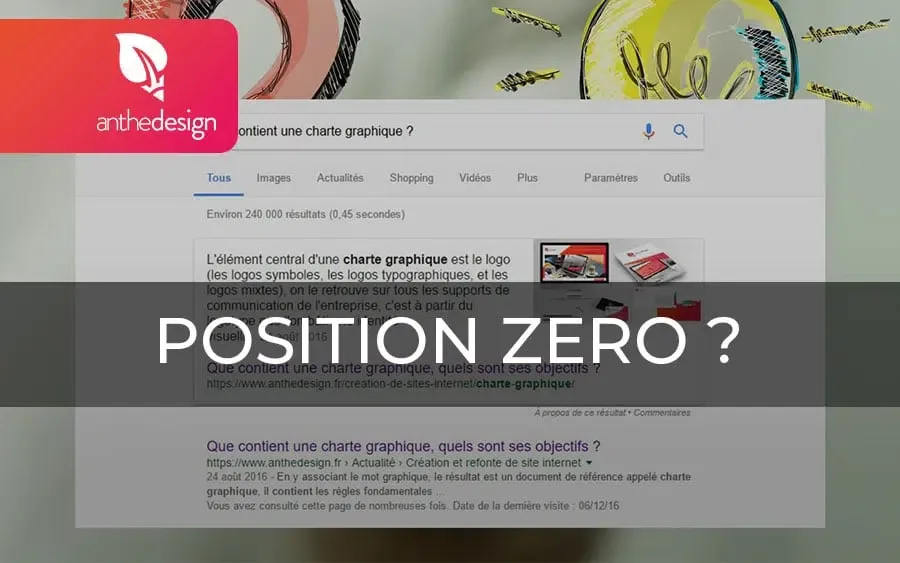
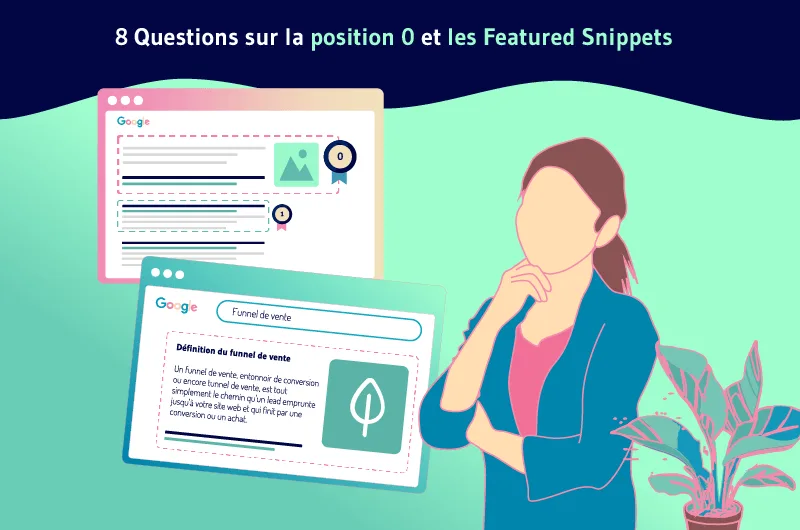
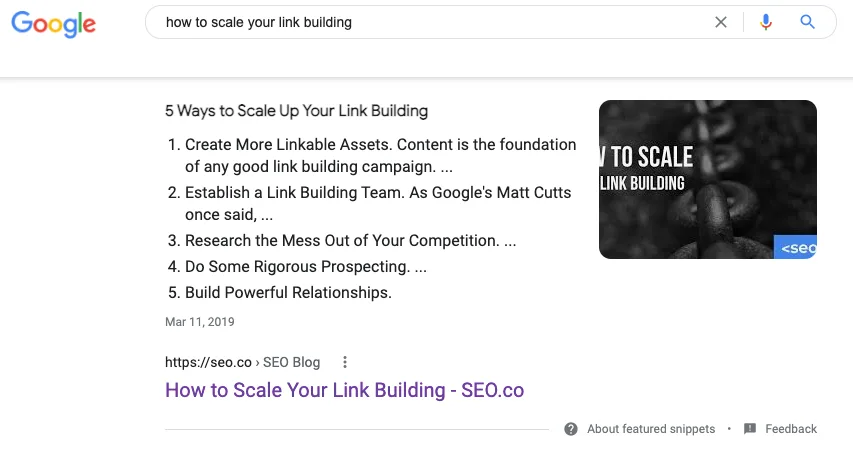
Picture a typical search for a definition, a how-to, a price table, or a quick list. Focusing on position zero SEO provides clear direction here. Before the first organic listing, Google often renders a highlighted answer box with a source link, a “Read more” expander, or a video thumbnail. That placement is what the industry calls position zero — literally above the ranking hierarchy rather than inside it.
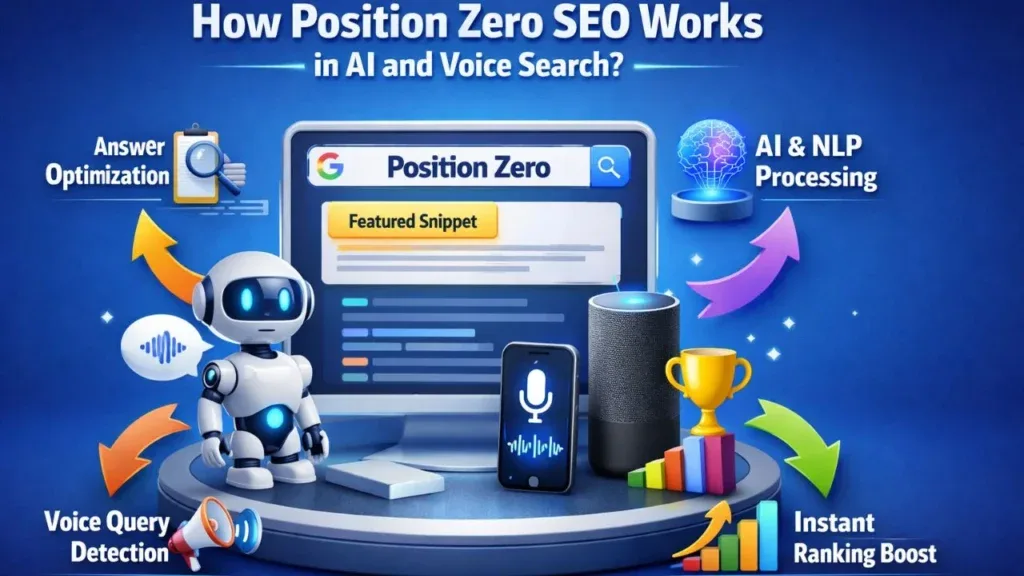
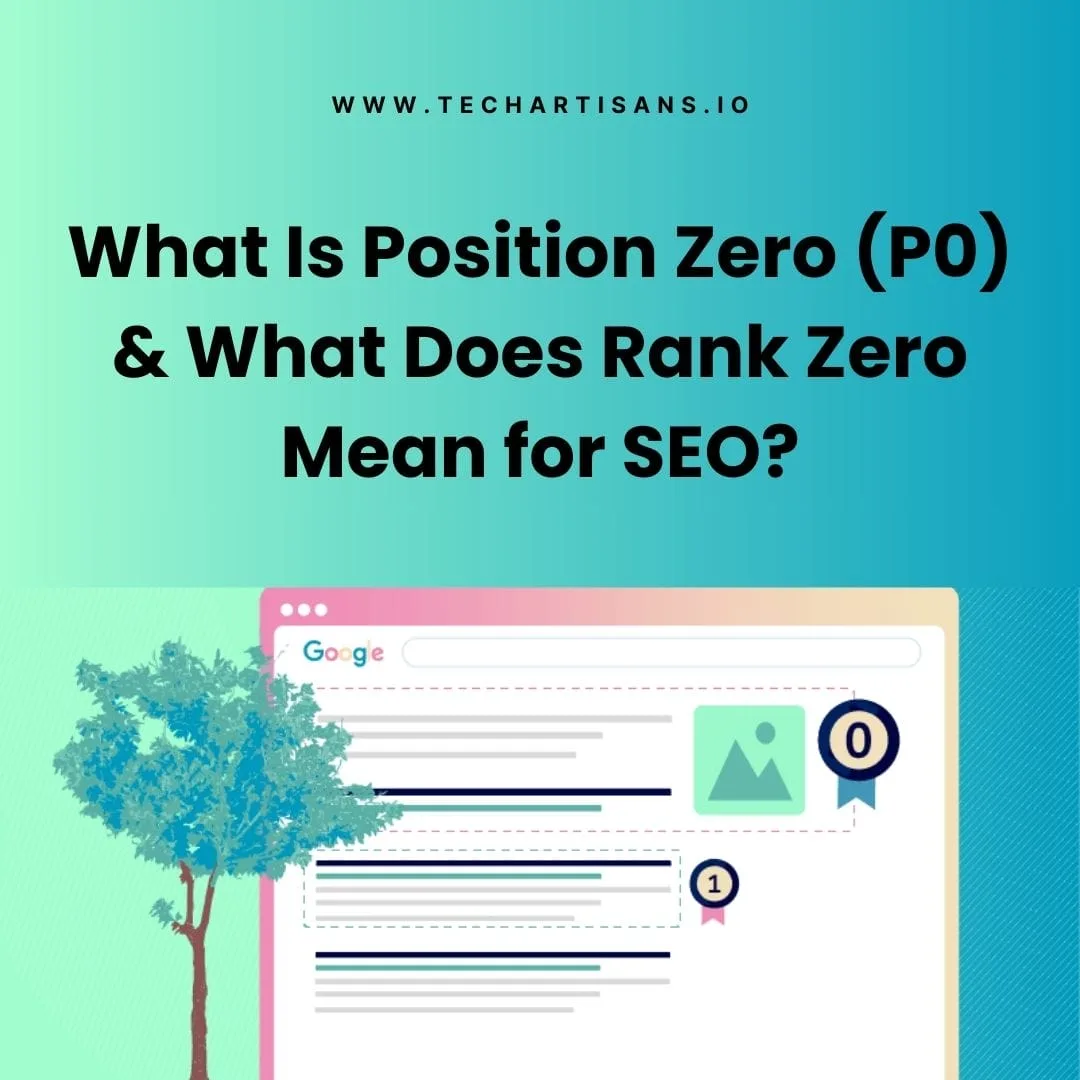
Here is the part most people miss: position zero is not a formal ranking slot in Google’s documentation. There is no “featured snippet rank” in Search Console.
It behaves more like a bonus layer that Google decides to render when it believes one specific page answers the query cleanly enough to be lifted out of the results.

That distinction matters for strategy. You are not chasing a rank number. You are chasing a formatting and relevance pattern that makes Google confident enough to quote you directly. And once you understand that pattern, position zero SEO stops feeling like luck and starts feeling like a checklist you can run.
How Google Chooses the Featured Snippet
Google’s systems pull a snippet when a page, or a passage within a page, is a strong match for the query and can be summarized in a compact block.
Historically that meant pulling text from an already high-ranking page, but passage-level indexing changed the picture considerably — a single well-structured section can be surfaced even if the whole page is not a top contender for the broad term.
Three signals show up again and again in practice. First, the page must genuinely answer the question, not hint at it. Second, the answer needs to be extractable — a clear sentence, a short ordered list, a clean table.

Third, the surrounding context has to establish credibility, which is why author bios, citations, and topical depth quietly influence the outcome.
If the position zero seo want a useful mental model, think of the snippet as Google borrowing your sentence for its own page. The easier you make that borrowing feel safe and accurate, the more often it happens.

Why Position Zero Matters More Than You Think
Attention behaves very differently above the first organic result. Refining each detail of your position zero SEO strengthens this section. Heatmap and clickstream analysis routinely show the boxed answer absorbing a large slice of clicks that would otherwise distribute across positions one through three. For informational queries, that advantage is often dramatic.
Equally interesting is the brand halo effect. When a searcher reads a crisp answer and sees your domain attached to it, recognition builds even if they never click. That is the kind of soft equity a position zero SEO strategy compounds quietly over months.
Voice assistants and AI overviews lean heavily on the same extractable answer formats. Get your content into snippet shape and you are simultaneously feeding the surfaces that answer spoken questions and summarize search results. One structural habit, several channels served.
Featured Snippet Formats You Need to Recognize
Not every box looks alike, and the format tells the position zero SEO what structure to build. Paragraph snippets reward a direct definition followed by supporting detail. List snippets reward clean ordered or unordered sequences with consistent grammar. Table snippets reward tidy comparison grids with clear headers.
There is also the video snippet, which pulls a YouTube result into the box, and the double-snippet layout, where Google stacks two different sources for two related sub-questions in a single query journey. Each of those is a slightly different target, and pretending they are one thing is a common source of wasted effort.
A practical habit: before writing anything, screenshot the current snippet for your target query. Maintaining clarity across your position zero SEO remains essential. Whatever format Google currently prefers is your first build spec, because the engine rarely changes basic block type without reason.
Build Your Position Zero SEO Checklist Before You Write
Here is a position zero SEO checklist that keeps the workflow honest instead of reactive. It mirrors what experienced content teams actually do, minus the theater.
- Confirm the query has a snippet at all — no box means no box to win, and other opportunities may be better.
- Identify the current format — paragraph, list, table, or video — and note the word count of the existing answer.
- Map the sub-questions — the “People also ask” cluster usually reveals what the snippet expands into.
- Audit your existing page — does it already rank in the top ten for the query? Proximity helps.
- Draft the extractable answer first — 40 to 60 words for paragraph, 5 to 8 items for lists.
- Add the supporting depth below — the paragraph the snippet came from still needs context around it.
- Mark up structure — clean headings, real list elements, and table headers with proper tags.
- Request re-indexing and track — give Google a reason to revisit, then monitor the box weekly.
That last step is the one people skip, and it is usually the difference between a page that wins the box and a page that theoretically could have.
Position Zero SEO Best Practices That Hold Up Under Scrutiny
Most position zero SEO best practices can be reduced to one idea: remove ambiguity. Google has to be able to lift a self-contained answer without dragging along caveats it cannot verify. The cleaner your sentence, the safer the lift.
Practically, the position zero SEO means answering the question within the first two sentences under a heading that matches the query language, then expanding. It means avoiding pronoun-heavy openings like “This is when you…” because the extracted fragment loses its anchor.
It also means keeping numbers, units, and steps in a consistent format so the algorithm does not have to reconcile contradictions.
Above all, resist the urge to say everything at once. Structuring your position zero SEO around proven patterns ensures impact. A snippet is a bite, not a banquet. Give the bite, then serve the meal underneath it for readers who want the full context.

7 Pro Tactics for Winning the Answer Box
Now to the seven tactics promised in the title. Each one is standalone, tested in practice, and designed to be applied to a real page without a redesign. Work through them in order if you are starting fresh, or cherry-pick if you already have a page sitting at position four.
Tactic 1: Target Questions With Existing Snippets First
The fastest wins come from queries where a snippet already exists. Applying these principles to your position zero SEO yields measurable results. Google has shown its cards — it likes the format, it likes the query, and it has proven willingness to render a box. Your job is simply to be a better source than the incumbent.
In practice, filter your keyword list for queries where the current snippet is thin, outdated, or pulled from a page that does not fully answer the question. Those are the fragile boxes. A 55-word definition that is more precise than a 90-word ramble frequently swaps the winner within a few weeks.
A real example I have watched: a B2B software blog ranked eighth for a definitional query, rewrote a single section into a 48-word answer under an H2 phrased as the question, and took the box within a month without touching anything else on the page.
Proper attention to your position zero SEO sets a strong baseline. That is the kind of leverage this tactic creates.
Tactic 2: Write the Extractable Answer First, Context Second
Most writers draft the flowing version and then try to retrofit a snippet. Refining each detail of your position zero seo strengthens this section. That is backwards. Write the 40-to-60-word answer as if it must survive alone, then build the surrounding paragraphs to support it.
Structure the position zero SEO as: a direct answer sentence, a qualifier or scope note, and a short “why” clause. Skip the throat-clearing. If your first sentence begins with “In order to understand…” you have already lost the extraction.
Then add depth beneath. Readers who want the nuance still get it, and Google gets an unmistakable answer to lift. This single habit is probably the highest-yield change in any position zero SEO tips list, because it forces clarity at the sentence level.
Tactic 3: Match the Snippet Format Google Already Prefers
If the current box is a numbered list, a table will not replace it. Google’s format preference is sticky, and fighting it wastes effort. Match the block type, then out-execute on precision and freshness.
For list snippets, keep items parallel in grammar and roughly similar in length. Clear alignment with your position zero SEO builds confidence from the start. For table snippets, use descriptive column headers and rows that resolve cleanly. For paragraph boxes, keep the answer tight and avoid embedded sub-clauses that confuse the boundaries of the extract.
This is the least glamorous tactic and yet one of the most reliable parts of any sound position zero SEO guide. Format alignment is table stakes; content quality then decides the winner.
Tactic 4: Use a Question-Shaped Heading and Answer It Immediately
Headings do a lot of work here. If your H2 or H3 mirrors how searchers phrase a question, you have already told Google what the following block is about. Then answer it in the first sentence or two — not in the fourth paragraph.
Consider the difference. Integrating position zero SEO into your workflow produces consistent quality. A heading like “Considerations for Implementation Timing” is nearly invisible to a query like “when should I start.” A heading phrased as “When Should You Start?” with an immediate answer is instantly legible. Same content, radically different odds.
Across the pages I have audited, this adjustment alone tends to move a page from “not considered for the box” to “shortlisted.” It is cheap, reversible, and low-risk — a good reason to treat it as a default rule in every position zero SEO checklist you run.
Tactic 5: Build Tables for Comparison and Spec Queries
Whenever a query implies “X versus Y,” “best,” “cheapest,” or a spec sheet, Google loves a clean table. Tables signal structured comparison in a way prose simply cannot, and they are easy to extract without ambiguity.
The winning pattern is boring in the best way: three to six columns, five to ten rows, headers the position zero SEO state exactly what is being compared, and no merged cells. Put the most decision-relevant column second so it survives extraction on smaller screens.
Here is a simplified comparison table showing how the main snippet formats behave differently, which is useful when deciding where to place your effort.
| Snippet Format | Best For | Typical Extraction Pattern | Common Failure Mode |
|---|---|---|---|
| Paragraph | Definitions, “what is” queries | First 40 to 60 words under a heading | Opening with filler before the answer |
| Ordered list | How-to, process, ranked steps | Consistent verbs, 5 to 8 items | Mixed grammar, uneven item length |
| Unordered list | Feature lists, options, criteria | Parallel phrasing, short items | Items that merge two ideas |
| Table | Comparisons, specs, pricing bands | Clear headers, uniform rows | Merged cells and decorative rows |
| Video | Demonstrations, walk-throughs | Relevant title and transcript | Off-topic thumbnail and title mismatch |
Study the failure column more than the success column. Most missed opportunities are not brilliant competitors — they are pages that made one avoidable formatting mistake.
Tactic 6: Layer Entity and Semantic Depth Around the Answer
An answer does not sit in a vacuum. Google judges whether your page is a credible source on the broader topic before it hands you the box. That is where semantic and entity coverage earns its keep.
Include the natural companions of your topic: related tools, key metrics, adjacent concepts, common alternatives, and the questions people always ask in the same breath. Mention them as entities with context, not as a keyword dump.
A page about featured snippets should naturally reference rich results, structured data, passage indexing, and search intent — because real practitioners would.
The position zero SEO is the slowest-acting but most durable tactic. It also protects you when the snippet format shifts, because a page with topical authority tends to remain eligible for the next rendering of the query.
Tactic 7: Track, Iterate, and Defend the Box
Winning the box is not the finish line. Boxes swap owners routinely, and defending one is its own discipline. The teams that hold position consistently treat it as a monitored asset rather than a one-time victory.
Set up a weekly check: query the target phrase, note who holds the box, and compare your answer’s word count, structure, and freshness. When a competitor overtakes you, diagnose the format or precision difference rather than rewriting the whole page.

Then refresh deliberately. Nudge the answer wording, confirm internal links point to the right section, and re-request indexing when you make material changes. Defending position zero SEO results is mostly maintenance — unglamorous, disciplined, effective.
Common Position Zero SEO Mistakes to Avoid
The most common error is stuffing three answers into one section. Google cannot lift a block cleanly when the block argues with itself, and extraction fails quietly. Second most common: burying the answer under a metaphor, which reads nicely but extracts horribly.
Another trap is ignoring the query language entirely. Effective execution in your position zero seo makes a tangible difference. If searchers ask “how long does X take,” a heading that says “Timeframe Considerations” is technically relevant and practically invisible. Mirror the phrasing.
Finally, some teams obsess over the box while their page does not rank in the top twenty for the query at all. Passage indexing helps, but proximity still matters. Fix the base ranking signals before you chase the bonus layer.
Tools and Metrics for the Featured Snippet Workflow
The position zero SEO do not need expensive software to run this workflow, though a few tools shorten the loop considerably. A rank tracker that flags snippet ownership saves manual checks, and Google Search Console’s query data reveals pages with high impressions but low clicks — often exactly the pages that lost a box.
For drafting, a plain text editor with word count visible is enough. The extraction itself is a writing discipline, not a tooling problem. Structured-data validators matter when you deploy FAQ or HowTo style markup, since malformed markup can quietly disqualify a block.
Keep the toolkit lean and the review cadence strict. Effective execution in your position zero SEO makes a tangible difference. Weekly checks beat quarterly audits, because snippet shifts happen faster than most content calendars.
Frequently Asked Questions About Position Zero SEO
Here is an in-depth breakdown of key considerations regarding this section:
Is Position Zero the Same as Rank One?
No. Rank one refers to the first organic result in the standard list. Position zero is the boxed element rendered above it, and it may come from a page that is not ranked first at all. That is exactly why it is worth targeting separately.
How Long Does It Take to Win a Featured Snippet?
Timelines vary wildly. Maintaining clarity across your position zero seo remains essential. Some pages win their box within two weeks of a well-structured rewrite, especially where the incumbent answer is weak. Pages that lack base ranking signals can take months or never qualify. The realistic expectation is two to twelve weeks of iteration for a page already ranking reasonably.
Can I Win Multiple Featured Snippets on One Page?
Yes, and it happens more than people assume. Different headings on the same page can satisfy different sub-questions, and Google may render snippets for several of them across different queries. Structure multiple extractable answers, each under its own question-shaped heading.
Does Schema Markup Guarantee a Snippet?
No. Structured data improves the odds of certain rich result types and helps Google understand your content, but it does not force a featured snippet. Content quality and extractability remain the deciding factors. Treat markup as an assist, not a guarantee.
What Happens if I Lose the Box?
You keep the traffic from wherever you rank, plus residual brand recognition. Diagnose what changed, adjust the answer format or specificity, and re-request indexing. Duplicate the box by expanding into adjacent sub-questions your page does not yet answer.
Who Should Prioritize This Strategy (And Who Should Not)
Position zero SEO pays best for publishers, SaaS and B2B marketers, and service businesses competing on informational queries. If you own questions like “what is,” “how to,” “best,” or “versus,” you are squarely in the target zone.
The position zero SEO pays less for brands chasing purely transactional terms with no answerable question attached, or for local businesses where map pack visibility dominates the click pattern. Those deserve different tactics entirely.
Be honest about effort versus reward. A thoughtful approach to position zero seo reinforces your qualifications. A single defensible box often generates more qualified interest than a dozen mid-tier listicles, and the discipline of extractable writing improves your entire content library.
Putting the Position Zero SEO Guide to Work
Everything above converges on one principle: make the answer obvious. A thoughtful approach to position zero SEO reinforces your qualifications. Obvious in placement, obvious in format, obvious in language. Most pages fail not from lack of expertise but from reluctance to simply state the answer early and cleanly.
Start small. Pick one query, run the position zero SEO checklist, rewrite a single section into an extractable block, and monitor for four weeks. Then repeat. The rhythm of tuning and tracking does more than any single tactic, and the compounding effect on your broader SEO work is real.
Treat this as one part of a larger technical and content portfolio — alongside technical audits, topical content clusters, and internal linking strategies that support them.
For verified reference and background research, consult the authoritative informational resource on this topic.
<!– TOPSEO: keywords="position zero SEO, position zero SEO guide, position zero SEO tips, position zero SEO best practices, position zero SEO checklist
” description=”” –>