A paid search engine is where search results meet advertising budgets, and if you’ve ever clicked a sponsored link at the top of Google, you’ve already interacted with one.
Here’s the honest truth most guides skip: these platforms decide whether a small brand gets discovered or buried, and picking the wrong one can quietly drain a marketing budget before anyone notices. Let’s walk through what they actually are, how they work under the hood, and which options deserve your attention.
What a Paid Search Engine Actually Means
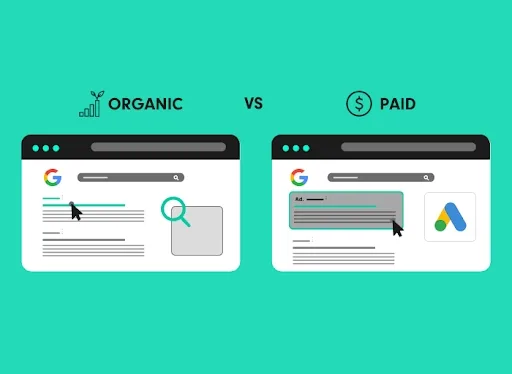
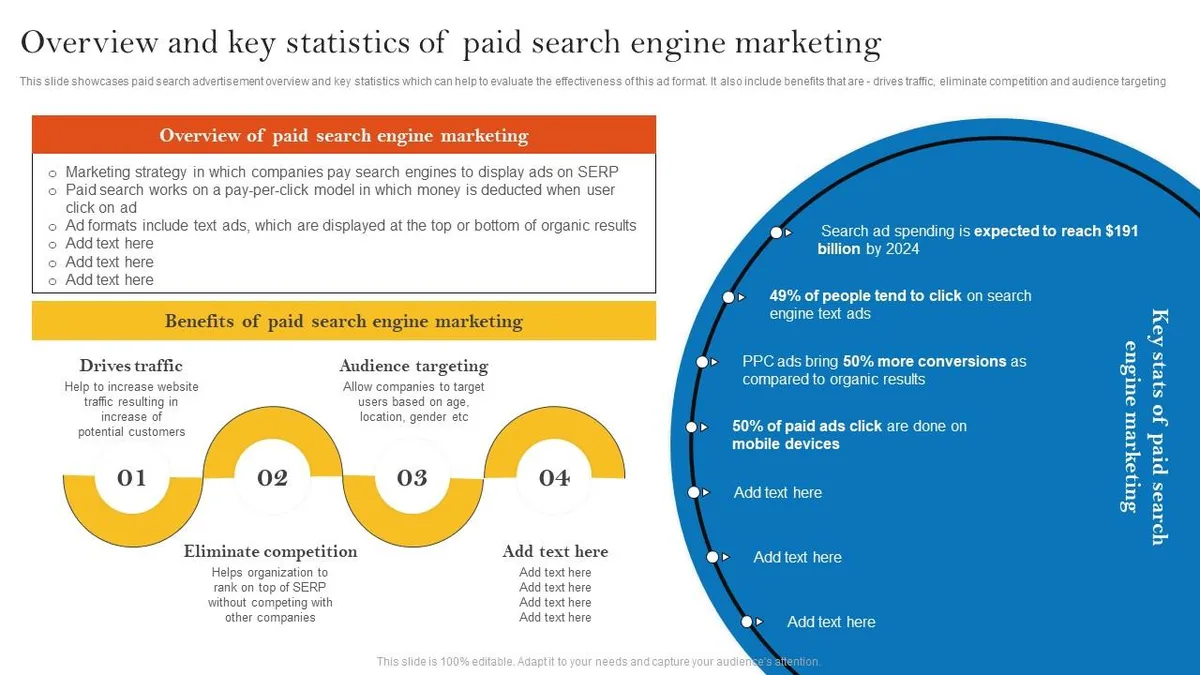
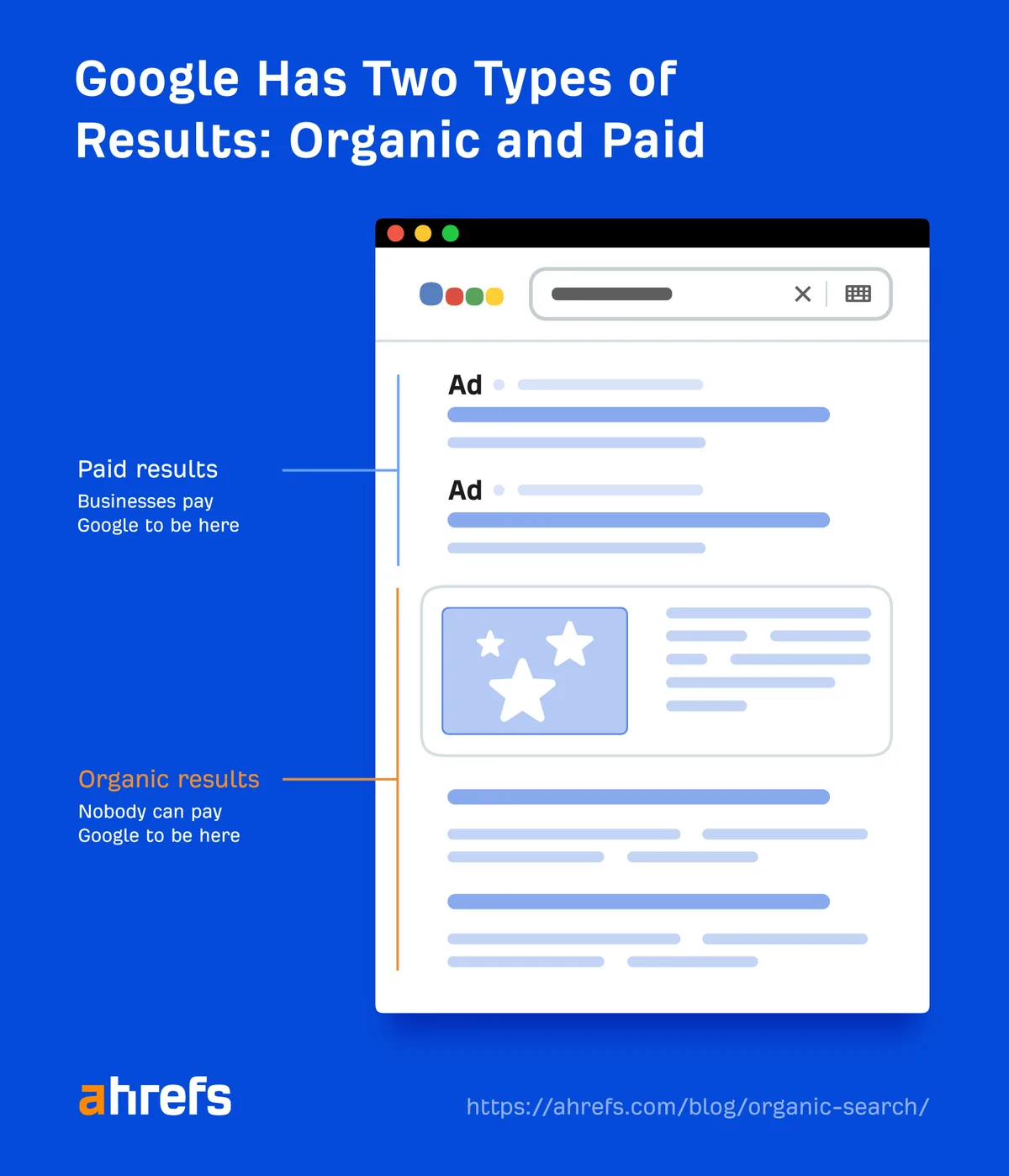
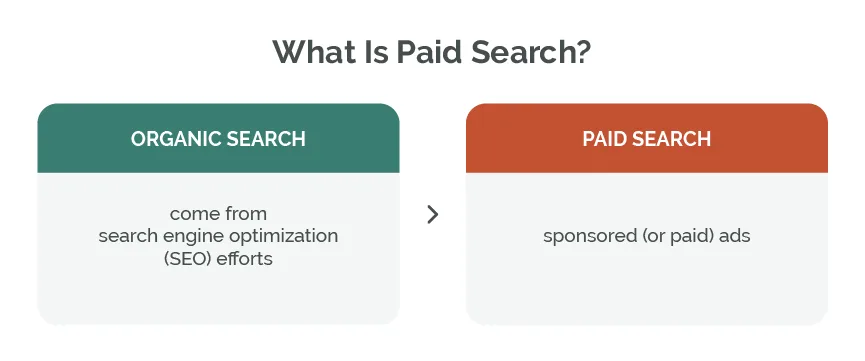
Strip away the marketing jargon and a paid search engine is simply a search platform that lets advertisers bid for placement alongside organic results. Google Ads, Microsoft Advertising, and Amazon Ads all fit that description. You pay for visibility, and in return you get traffic that’s actively looking for something. For further industry background, see the comprehensive reference on paid search engine.
The distinction matters because people confuse paid search with display advertising all the time. Display throws your banner onto random websites hoping for a glance. A paid search engine puts your message directly in front of someone typing a query — intent already baked in.
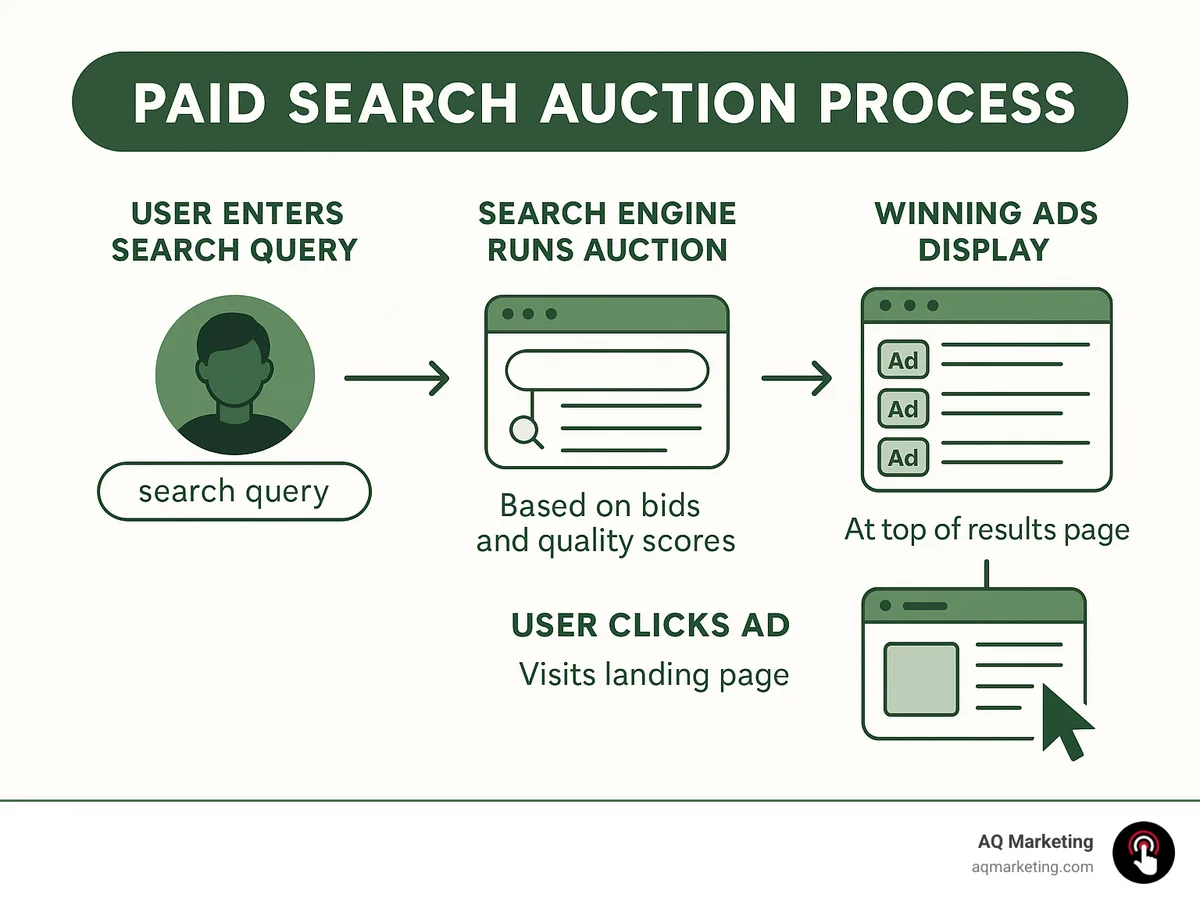
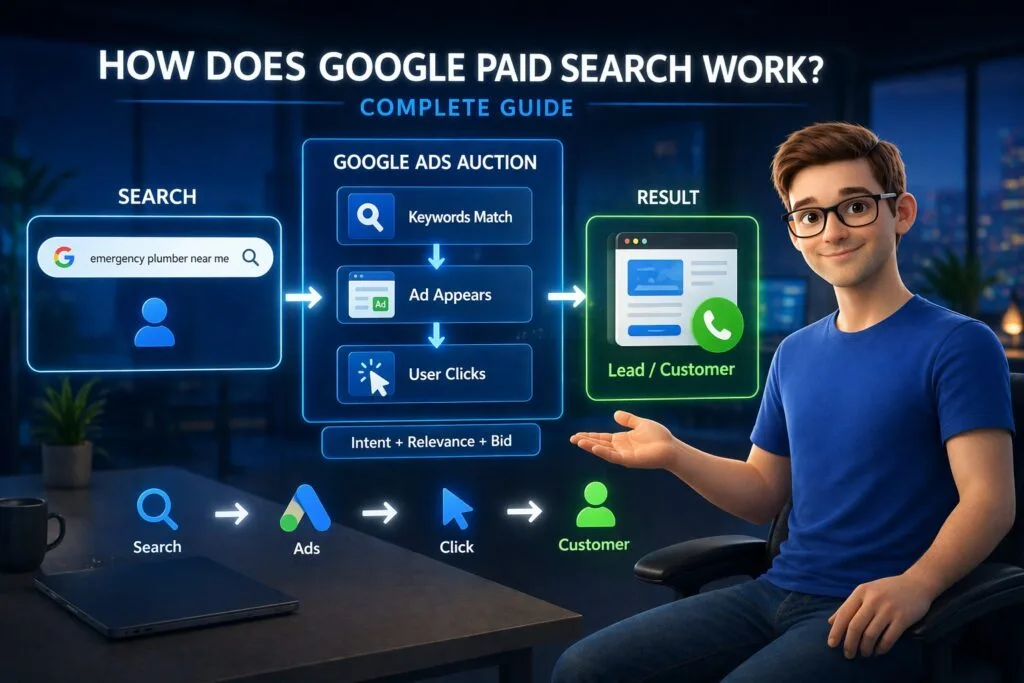
That intent is the whole game. When someone searches “emergency plumber near me,” they’re not browsing. They need help now. A paid search engine lets you show up at that exact moment, which is why conversion rates on search ads routinely beat social media placements by a wide margin.
How the Auction System Works Behind the Scenes
Every time a query fires, the platform runs a lightning-fast auction. Focusing on paid search engine provides clear direction here. Advertisers submit bids, but the highest bid doesn’t automatically win. Quality Score, ad relevance, landing page experience, and expected click-through rate all factor into the final ranking.
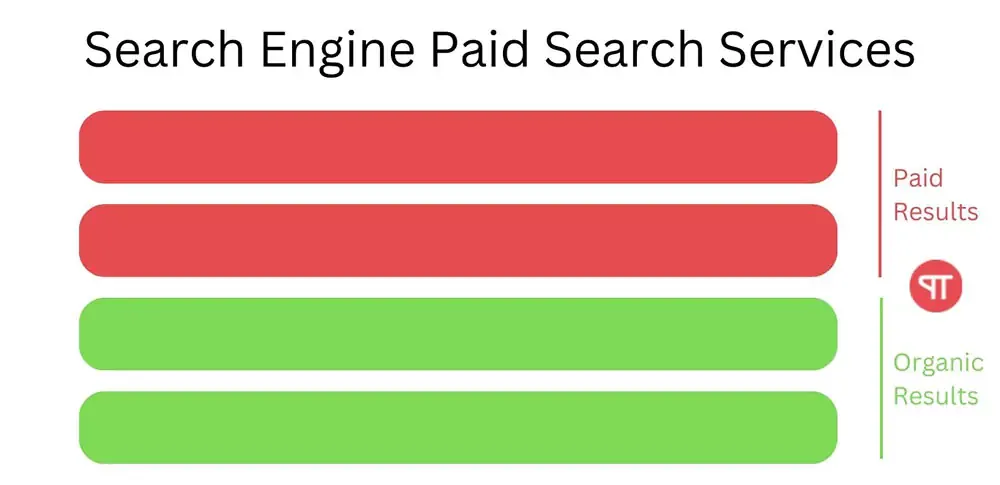
This is where newcomers stumble. They assume throwing more money at a paid search engine guarantees top placement. It doesn’t. A competitor bidding half as much with a sharper ad and better landing page can outrank you consistently.
Think of it like a restaurant review score combined with a bidding war. Google wants to show ads people actually click, because clicks generate revenue. If your ad gets ignored, the system penalizes you with higher costs per click.
Quality Score and Why It Quietly Controls Your Costs
Quality Score runs on a 1-to-10 scale, and most advertisers never check it. That’s a mistake. Moving from a 5 to an 8 can slash your cost per click dramatically without changing anything else about your campaign.
Improving it usually comes down to three things: tighter keyword-to-ad matching, more specific landing pages, and higher click-through rates. A paid search engine rewards relevance, so generic ads get punished.
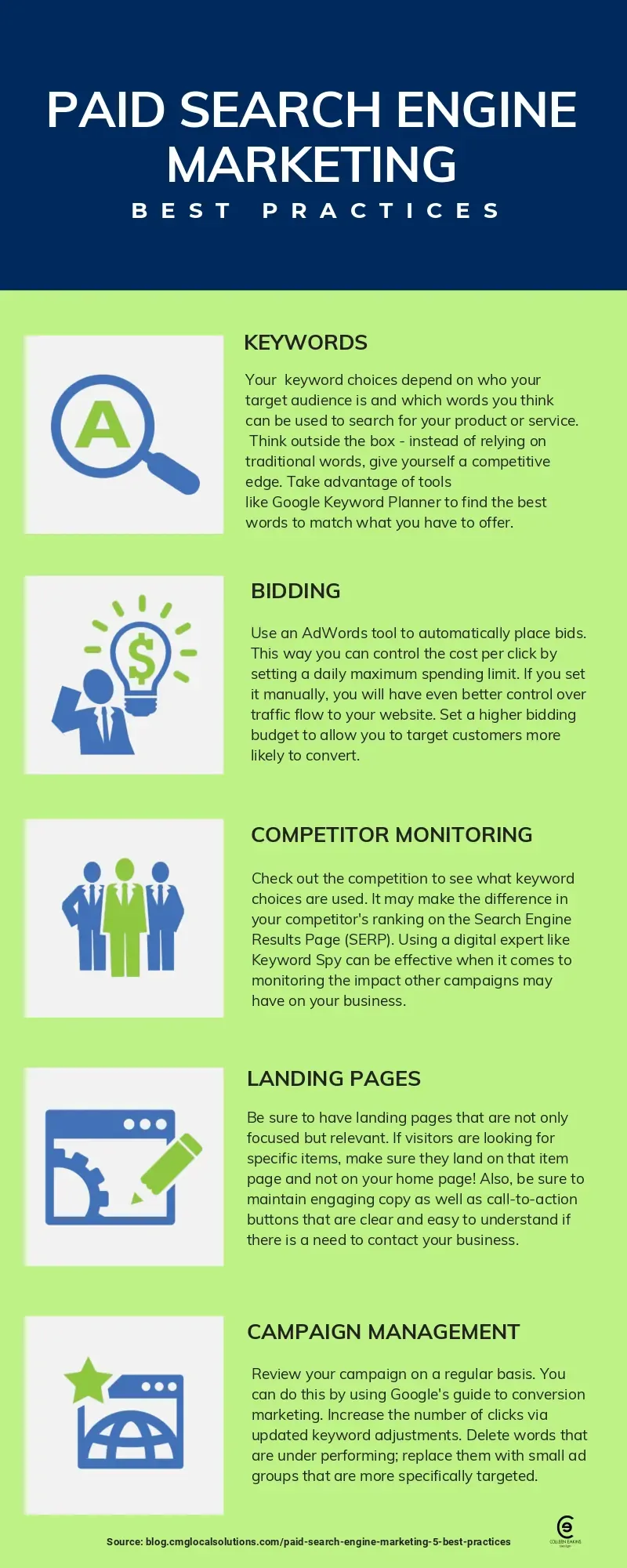
I’ve watched small businesses cut their ad spend nearly in half just by rewriting headlines to match search intent more precisely. No budget increase, no new tools — just better alignment with what the platform rewards.
Major Paid Search Engine Platforms Compared
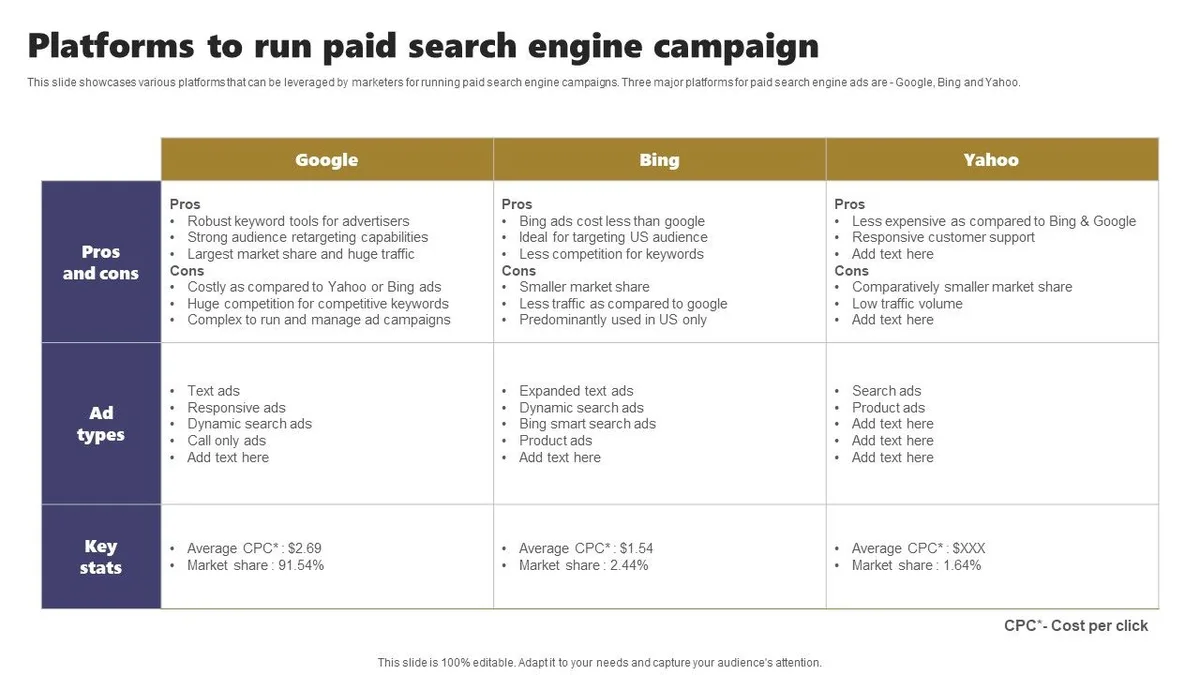
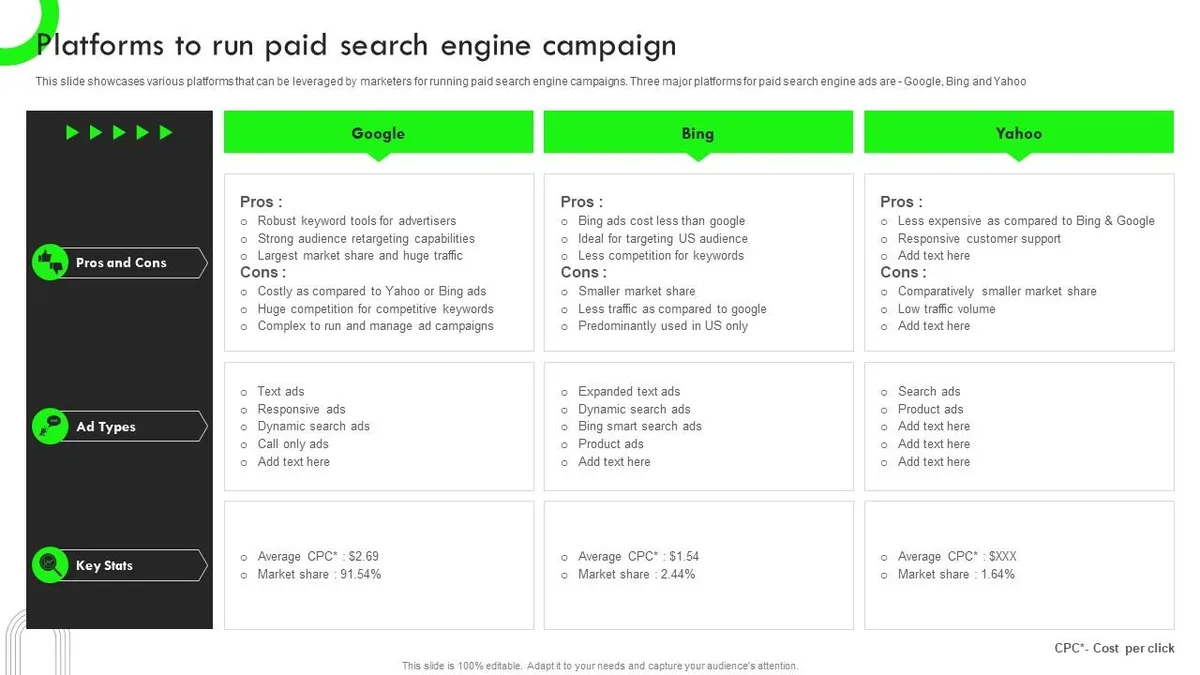
Not every platform suits every business, and pretending otherwise wastes money. Each paid search engine has its own audience, cost structure, and quirks. Here’s how the big players stack up.
| Platform | Best For | Typical Audience | Notable Strength |
|---|---|---|---|
| Google Ads | Broad reach, most industries | Global, all demographics | Largest search volume worldwide |
| Microsoft Advertising | B2B, older professionals | Desktop-heavy, higher income | Lower competition, cheaper clicks |
| Amazon Ads | E-commerce, product sellers | Purchase-ready shoppers | Direct path to checkout |
| YouTube Ads | Video-first brands | Massive mobile viewership | Strong brand recall |
| Pinterest Ads | Lifestyle, home, fashion | Predominantly female, planning mindset | Visual discovery intent |
Google dominates volume, but that dominance means brutal competition. Microsoft Advertising, often overlooked, delivers surprisingly solid results for B2B services because fewer advertisers fight over the same keywords.
Amazon operates as a paid search engine with a twist — users are already in buying mode. Someone searching “wireless earbuds” on Amazon isn’t researching; they’re comparing prices. That proximity to checkout changes everything about how you should structure campaigns.
Google Ads: the Default Choice for Most Advertisers
Google handles billions of searches daily, making it the paid search engine most marketers learn first. Its reach is unmatched, and the targeting options run deep — location, device, time of day, audience segments, and more.
The downside is cost. Competitive keywords in insurance, legal, and finance can run into double-digit dollars per click. Small businesses need disciplined budget caps or they’ll burn through funds fast.
Search campaigns, Performance Max, Shopping, and Display all live under one roof. That flexibility is powerful but also overwhelming. Start narrow, master one campaign type, then expand.
When Google Ads Makes the Most Sense
If your customers search for your service by name or category, Google Ads should be your first paid search engine. Local service businesses, SaaS companies, and national retailers all fit this profile.
It also works well when you need immediate traffic. Refining each detail of your paid search engine strengthens this section. SEO takes months to gain traction. A well-built Google campaign can generate leads within days, which matters when cash flow is tight.
One caveat: don’t chase every keyword. Long-tail phrases with clear commercial intent almost always outperform broad head terms for smaller budgets.
Microsoft Advertising: the Underrated Contender
Bing powers Microsoft Advertising, and while its search share trails Google significantly, the audience skews older, wealthier, and more desktop-oriented. For certain industries, that’s gold.
Legal services, financial planning, and B2B software often see better returns here because competition is thinner. The same keyword that costs a premium on Google might cost a fraction on this paid search engine.

Importing campaigns from Google Ads takes minutes, and the interface feels familiar. If you’re already running Google campaigns, testing Microsoft costs almost nothing in setup time.
Where Microsoft Advertising Wins
Consider a retirement planning firm targeting users aged 55 and up. That demographic over-indexes on Bing, and the lower cost per click stretches the budget further. Same message, better economics.
Enterprise software companies report similar patterns. Decision-makers at large firms often use Windows machines with Bing as default, making it a natural fit for B2B outreach through a paid search engine.
Amazon Ads: Search Meets Shopping Cart
Amazon functions as a paid search engine built entirely around commerce. Sponsored Products, Sponsored Brands, and Sponsored Display let sellers bid for visibility on search results and product pages.
The beauty here is intent. Nobody browses Amazon for entertainment. They’re shopping, comparing, and often ready to buy within minutes. Conversion rates reflect that urgency.
But margins get thin. Amazon takes its cut, ad costs add up, and price competition is relentless. Sellers need tight product listings and strong reviews to make the math work.
Product Listing Optimization for Amazon Success
Your listing page is your landing page on this paid search engine. Blurry images, vague titles, and thin descriptions kill conversion rates regardless of ad spend.
Focus on the first three images, the title’s keyword placement, and bullet points that answer objections. Effective execution in your paid search engine makes a tangible difference. Reviews matter enormously — a product with 500 reviews and 4.5 stars will outperform a competitor with 20 reviews every time.

Running Sponsored Products on low-competition long-tail keywords often delivers the best return. Broad head terms get expensive fast, especially in crowded categories.
YouTube Ads: Video Power Within the Google Ecosystem
YouTube runs on the same advertising backbone as Google, so technically it’s part of the same paid search engine family. The format differs, but the targeting engine is shared.
Skippable in-stream ads, bumper ads, and in-feed video ads each serve different goals. Brand awareness campaigns lean on reach; direct response campaigns lean on tight audience targeting.
The first five seconds decide everything. If viewers skip immediately, you pay for nothing. Strong hooks, clear value, and fast pacing keep people watching long enough to hear your pitch.
Pinterest Ads: Visual Discovery With Buying Intent
Pinterest behaves like a paid search engine for people planning purchases. Users pin ideas for weddings, home renovations, recipes, and outfits — often weeks before they buy.
That planning window is valuable. A furniture brand can reach someone researching living room designs long before they visit a store. Retargeting later closes the loop.
Costs tend to run lower than Google or Amazon, though conversion attribution is trickier. It’s a strong complement rather than a replacement for more direct platforms.
Building a Campaign That Doesn’t Waste Money
Platform choice is step one. Execution decides whether you profit or bleed cash. Here’s the framework that consistently works across every paid search engine.
- Define one clear conversion goal. A form fill, a purchase, a phone call — pick one and optimize everything around it. Campaigns chasing multiple goals simultaneously dilute their data and confuse the algorithm.
- Start with exact-match keywords. Broad match burns budget on irrelevant queries. Exact match keeps spending tight while you gather data on what actually converts.
- Write ads that mirror search intent. If someone searches “affordable web design for restaurants,” your headline should mention restaurants and affordability. Generic copy gets ignored.
- Send traffic to a dedicated landing page. Your homepage rarely converts paid traffic well. Build a page that matches the ad promise word for word.
- Set negative keywords from day one. Block “free,” “jobs,” “DIY,” and anything else irrelevant. This single step saves more budget than most optimization tricks combined.
- Review search terms weekly. The actual queries triggering your ads reveal waste and opportunity. Add negatives, promote winners, adjust bids.
- Test one variable at a time. Changing headline, landing page, and bid strategy simultaneously tells you nothing about what worked.
Most wasted ad spend traces back to skipping step five. Negative keywords are boring, unglamorous, and absolutely essential on any paid search engine.
Tracking and Attribution Without the Headache
You can’t optimize what you don’t measure. Every paid search engine offers conversion tracking, and setting it up properly should happen before you spend a single dollar.
Google Tag Manager simplifies this across platforms. Install one container, configure tags for each conversion action, and you get clean data flowing into Google Analytics.
Attribution gets murky when customers touch multiple channels. Maintaining clarity across your paid search engine remains essential. Someone might see a YouTube ad, search on Google, then buy via Amazon. Last-click attribution credits only the final touchpoint, which undervalues upper-funnel efforts.
For most small businesses, last-click is fine as a starting point. As budgets grow, consider data-driven attribution models that distribute credit more realistically across the journey.
Common Tracking Mistakes to Avoid
Duplicate conversion tracking inflates numbers and skews bidding. If both Google Ads and Analytics fire on the same action without deduplication, you’ll think you’re getting twice the results.
Another frequent error: counting form views instead of form submissions. A view means nothing. A submission means someone actually raised their hand.
Phone call tracking matters too, especially for service businesses. Without it, calls generated by a paid search engine go completely uncredited, making campaigns look worse than they are.
Budgeting Realistically Across Platforms
New advertisers often ask how much they need. The honest answer: enough to gather meaningful data, which usually means a few hundred dollars minimum spread over several weeks.
Splitting a tiny budget across five platforms guarantees failure everywhere. Concentrate on one paid search engine first, prove the model, then expand.
Expect cost per click to vary wildly by industry. E-commerce often sees single-digit costs; legal and insurance can hit triple digits. Benchmark against your specific niche, not generic averages.
Set daily caps and monitor weekly. If a campaign isn’t producing after a reasonable test period, pause it and reallocate. Sunk cost thinking destroys ad budgets.
Common Mistakes That Sink Paid Search Campaigns
After watching hundreds of campaigns, patterns emerge. These mistakes show up again and again, and each one quietly drains money from your paid search engine budget.
- Ignoring mobile experience. Most search traffic comes from phones. A slow, clunky mobile landing page destroys conversion rates regardless of how good your ads are.
- Chasing vanity metrics. Impressions and clicks feel good but don’t pay bills. Focus on conversions and cost per acquisition.
- Never testing ad copy. Running one version forever means leaving performance on the table. Continuous testing finds winners you’d never predict.
- Setting and forgetting. Algorithms change, competitors adjust, seasons shift. Campaigns need regular attention to stay profitable.
- Overbidding on branded terms. Bidding on your own company name often cannibalizes organic traffic you’d get anyway. Test carefully before committing budget.
- Neglecting landing page speed. Every extra second of load time drops conversions measurably. Compress images, trim scripts, and test on real devices.
The mobile issue deserves extra emphasis. I’ve seen beautifully designed desktop campaigns fail completely because the mobile checkout took twelve seconds to load. Fix speed first, then optimize everything else.
Advanced Tactics for Experienced Advertisers
Once basics are solid, layering advanced strategies squeezes more from every dollar. These tactics work across any paid search engine but require clean data to execute well.
Audience Layering and Remarketing
Combine keyword targeting with audience signals — past visitors, cart abandoners, email subscribers. Bid higher for people who’ve already shown interest.
Remarketing lists for search ads let you re-engage people who visited but didn’t convert. They’re further down the funnel, so they convert at higher rates with the right message.
Automated Bidding Strategies
Target CPA and Target ROAS bidding let machine learning adjust bids in real time. They work well once you have conversion data, but struggle with low-volume accounts.
Give automation at least two weeks to learn before judging results. Early performance is noisy and often misleading.
Scripts and Custom Automation
Google Ads scripts automate repetitive tasks — pausing underperforming keywords, adjusting bids by weather or inventory, generating reports. They save hours weekly on larger accounts.
For most advertisers, simpler tools handle the job. But at scale, scripts become essential for keeping a paid search engine account healthy without constant manual intervention.
Frequently Asked Questions
Here is an in-depth breakdown of key considerations regarding this section:
Is Google Ads the Same as a Paid Search Engine?
Google Ads is the advertising system that runs on Google’s search engine. In practice, people use “paid search engine” to describe the whole category — Google, Bing, Amazon, and similar platforms where you pay for placement in search results.
How Much Should a Beginner Spend on Paid Search?
Start with a modest daily budget you can sustain for at least a month. The goal is gathering data, not immediate profit. Scale once you know which keywords and ads convert.
Can Small Businesses Compete With Big Budgets?
Absolutely. Focus on long-tail keywords, local targeting, and niche audiences where large competitors don’t bother. A paid search engine rewards relevance as much as spending power.
How Long Before Campaigns Become Profitable?
Most campaigns need two to four weeks of data before optimization kicks in. Some niches convert immediately; others require patience and iteration. Expect a learning curve either way.
Do I Need a Landing Page or Can I Send Traffic to My Website?
A dedicated landing page almost always outperforms a homepage. It matches the ad’s promise directly, removes distractions, and gives visitors one clear action to take.
Which Paid Search Engine is Best for E-commerce?
Amazon Ads for product-focused sellers, Google Shopping for broader reach. Many successful stores run both, using Amazon for immediate sales and Google for discovery.
How Do I Know if My Campaign is Working?
Track conversions, not clicks. If you’re getting form submissions or sales at a cost below your profit margin, it’s working. If not, diagnose the weakest link — ad, keyword, or landing page.
Final Thoughts on Choosing Your Platform
No single paid search engine fits every business, and anyone claiming otherwise is selling something. Google offers reach, Microsoft offers value, Amazon offers intent, and the others fill specific niches.
Start where your customers already search. Test small, measure carefully, and scale what works. That disciplined approach beats chasing every shiny new platform.