Why NAP Consistency Decides Whether Local Customers Ever Find You
NAP consistency is the quiet discipline that decides whether Google trusts your business enough to show it to nearby customers. If your name, address, and phone number match everywhere they appear online, you win the local search game before you ever pay for an ad. If they don’t, you can pour money into marketing and still watch the phone stay silent.
I’ve audited dozens of local businesses over the years, and the pattern never changes. The ones ranking in the map pack almost always have clean, matching citations. The ones stuck on page three usually have a two-year-old phone number floating around on some directory nobody remembers submitting to.
This nap consistency guide walks you through the fundamentals first, then hands you seven best practices you can act on this week. No fluff, no jargon walls. Just the stuff that actually moves the needle for local visibility.
What is NAP Consistency, Really?
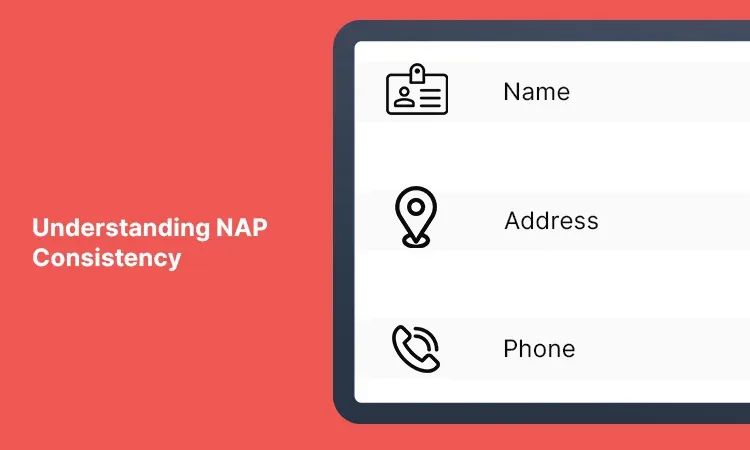
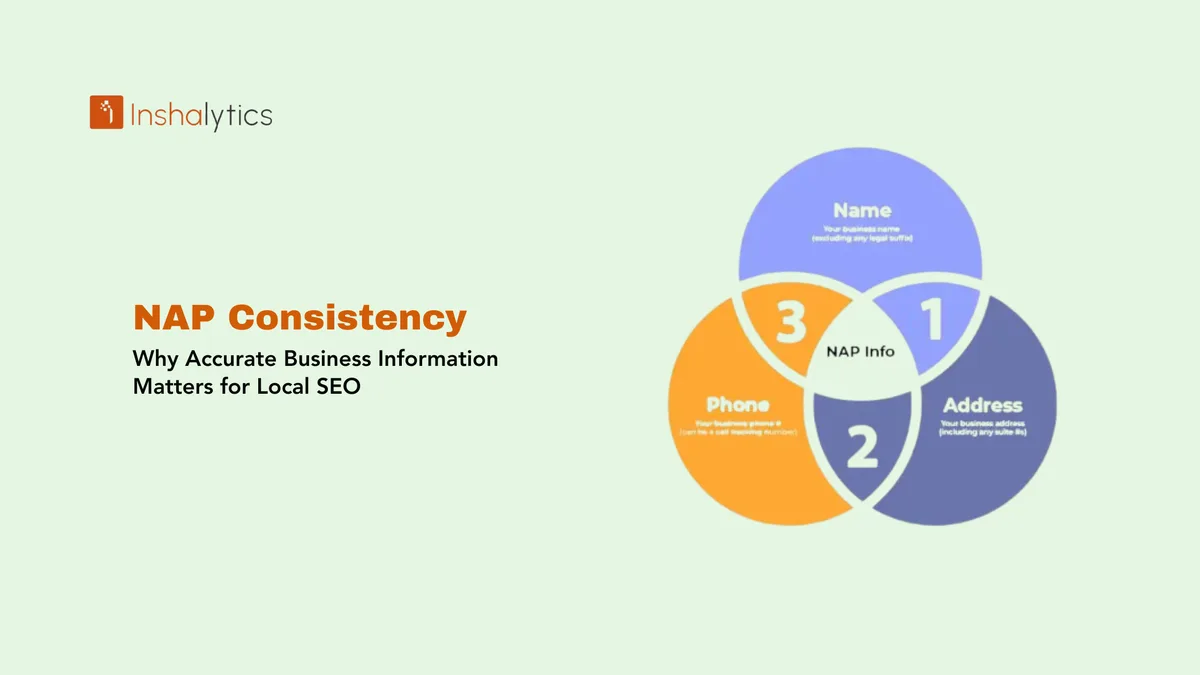
NAP stands for Name, Address, and Phone number. NAP consistency means those three data points are written the exact same way everywhere your business appears online — your website, Google Business Profile, Yelp, Apple Maps, Facebook, industry directories, and every other citation that mentions you.

Sounds simple. Focusing on nap consistency provides clear direction here. It rarely is. A single suite number difference (“Ste 200” versus “Suite 200”) can split your citation profile in Google’s eyes. A missing area code on one directory listing creates a mismatch that quietly drags down your local ranking potential.
Search engines cross-reference the nap consistency signals to confirm your business is real, stable, and located where you claim. When the data lines up, confidence goes up. When it doesn’t, Google hedges — and hedging means your competitor in the map pack gets the call instead of you.
Why Search Engines Care So Much About Matching Data
Think of citations as corroborating witnesses. If five directories all say you’re at 412 Oak Street, that’s a consistent story. If two say 412 Oak St., one says 412 Oak Street Suite B, and another lists a disconnected number from three years ago, the story gets murky.
Google’s local algorithm weighs the nap consistency murkiness heavily. A business with 40 clean citations routinely outranks a competitor with 200 messy ones. Volume matters less than coherence — that’s the part most people get wrong.

The Three Elements That Must Match Exactly
Name: use your real-world business name, not a keyword-stuffed version. “Riverside Dental Care” is fine. “Riverside Dental Care Best Dentist Near Me” will get you flagged and hurt your rankings.
Address: pick one format and stick to it. Decide now whether you’ll use “Street” or “St,” “Suite” or “Ste,” and whether you include the ZIP+4. Then enforce that format everywhere.
Phone number: use one primary local number consistently. Effective execution in your nap consistency makes a tangible difference. If you have a tracking number for call attribution, keep it on your website and ads, not on your core citations. Mixing them creates exactly the inconsistency you’re trying to avoid.
The Business Case: What Inconsistent NAP Actually Costs You
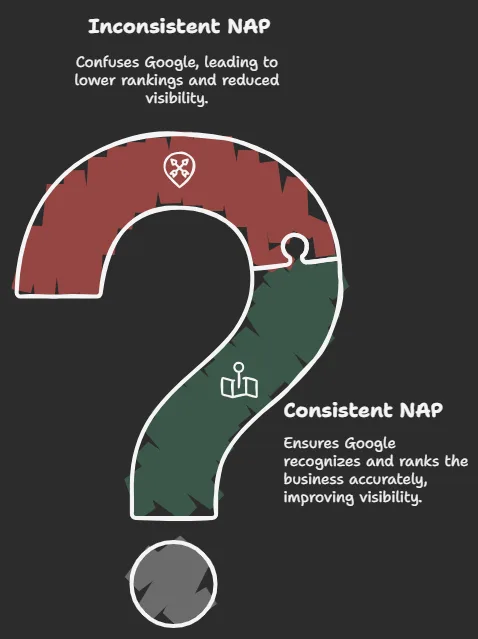
Here’s the uncomfortable truth. Inconsistent NAP doesn’t just cost you rankings — it costs you trust at the exact moment a customer is deciding whether to call.

Picture a customer who finds your Google listing, then checks Yelp to read reviews. The phone number is different. Maybe the address shows a different suite. That tiny friction is enough to send them to the next result. They don’t analyze why the data doesn’t match. They just feel something is off.
On the search side, the damage compounds. Maintaining clarity across your nap consistency remains essential. Google’s local ranking factors lean heavily on relevance, distance, and prominence — and citation consistency feeds directly into prominence. A messy citation profile tells Google your business is harder to verify, so it hedges on showing you to nearby searchers.
The Compounding Effect of Small Errors
One wrong digit in a phone number seems trivial. But citations get scraped and re-published by data aggregators, so a single error can multiply across dozens of directories within months.
I’ve seen businesses spend thousands on local SEO agencies while the root cause sat in a single outdated address on three major data aggregators. Fix the source, and the downstream mess often clears itself up over the following weeks.

A Simple NAP Consistency Checklist Before You Touch Anything
Before you start fixing citations, get your house in order. This nap consistency checklist keeps you from chasing errors while creating new ones.
- Lock your canonical NAP format. Write down the exact spelling, punctuation, and abbreviation you’ll use for every element. Treat it as law.
- Audit your Google Business Profile first. This is the anchor citation. Everything else should mirror it exactly.
- Check your website footer and contact page. These are the two places Google crawls most often for NAP signals.
- List your top 20 citations. Prioritize the ones that actually influence local rankings — Google, Apple Maps, Bing Places, Yelp, Facebook, and major industry directories.
- Document every mismatch you find. A simple spreadsheet with columns for directory, current NAP, correct NAP, and status will save you hours later.
- Set a recurring review date. Citations drift. Schedule a quarterly check so small errors don’t snowball.
Work through the nap consistency list once, thoroughly, and you’ll have a baseline you can actually maintain. Skipping it means you’ll be fixing the same problems on repeat.
7 NAP Consistency Best Practices That Actually Move Rankings
Now to the core of this nap consistency guide. These seven practices are the ones I’ve seen produce measurable movement in local pack visibility — not theory, just what works when you apply it consistently.
Each one stands on its own, but they compound when used together. Start with the first, work your way down, and revisit them quarterly.
1. Establish One Canonical NAP and Enforce It Everywhere
Your canonical NAP is the single source of truth. Decide the exact format once — how you abbreviate the street, whether you include a suite, which phone number is primary — and treat deviations as errors to fix, not stylistic choices.
For example, “Brightline Plumbing Co., 1180 Harbor Blvd, Suite 4, Tampa, FL 33602, (813) 555-0142” is a canonical format. Structuring your nap consistency around proven patterns ensures impact. If a directory lists “Brightline Plumbing Company” or drops the suite, that’s a mismatch worth correcting.
The enforcement part is where most businesses slip. Write the canonical format into your brand guidelines document. Anyone who submits your business to a directory should copy-paste from that source, never retype from memory.
2. Claim and Clean Your Core Citations First
You don’t need to fix 300 directories before you see results. Focus on the ones that carry real weight: Google Business Profile, Apple Maps, Bing Places, Yelp, Facebook, and your two or three most relevant industry directories.
The nap consistency platforms feed the major data aggregators — Data Axle, Neustar Localeze, Foursquare — which in turn push your data out to hundreds of smaller sites. Clean the source, and the downstream citations often self-correct.
I’ve watched businesses climb the local pack within weeks just by fixing inconsistencies across those six core platforms. It’s the highest-leverage work in local SEO, and it costs nothing but time.
3. Match Your Website NAP to Your Google Business Profile Exactly
Your website is your most authoritative citation. Google crawls it constantly, and any mismatch between your site and your Google Business Profile creates friction in the verification process.
Put your canonical NAP in the footer of every page, on your contact page, and in your structured data markup. Proper attention to your nap consistency sets a strong baseline. Use the same format in all three places — no creative variation, no “call us today” phone numbers mixed in.
Here’s a nap consistency tip that saves headaches: keep tracking numbers out of your footer and structured data. Put them in your ad campaigns and dedicated landing pages where they belong. Your core citation signals should stay clean and stable.
4. Fix Data Aggregators Before Chasing Individual Directories
Data aggregators are the plumbing of local search. They push your business data to hundreds of directories, and if the data they hold is wrong, you’ll be playing whack-a-mole forever.
Submit corrections to Data Axle, Neustar Localeze, and Foursquare first. It takes a few weeks for changes to propagate, but once they do, dozens of downstream listings update automatically.

The order matters. Developing your nap consistency with precision highlights key strengths. If you fix individual directories first and the aggregators still hold bad data, those directories will simply get overwritten with the old information on the next refresh cycle. Aggregators first, then clean up the stragglers.
5. Standardize Address Abbreviations and Suite Formats
Abbreviation inconsistency is the sneakiest form of NAP mismatch. “Street” versus “St,” “Avenue” versus “Ave,” “Suite” versus “Ste” — each variation creates a data point Google has to reconcile.
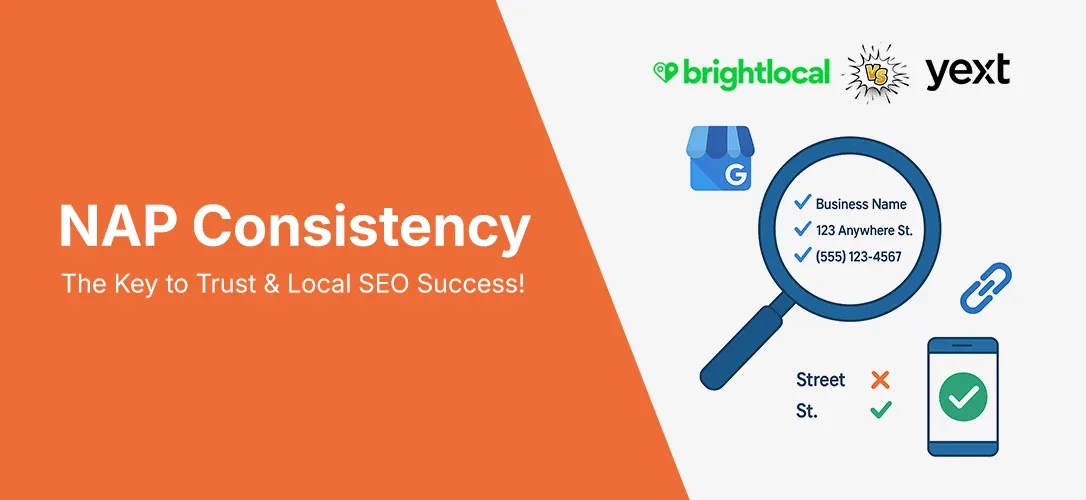
Pick one convention and enforce it. Most citation platforms accept standard USPS abbreviations, so “St,” “Ave,” “Blvd,” and “Ste” are safe, widely recognized choices.
Same goes for suite placement. Clear alignment with your nap consistency builds confidence from the start. “Suite 200, 412 Oak Street” and “412 Oak Street, Suite 200” are different strings to a machine. Choose one order and apply it consistently across every listing you control.
6. Handle Multiple Locations and Rebrands Without Breaking Citations
Multi-location businesses face this constantly. Each location needs its own unique canonical NAP, its own Google Business Profile, and its own dedicated landing page with matching structured data.
Don’t reuse a phone number across locations unless you’re genuinely running a centralized call center — and even then, be deliberate about it. Location-specific numbers strengthen the signal that each address is a real, distinct place.
Rebrands are trickier. Integrating nap consistency into your workflow produces consistent quality. When your business name changes, update your Google Business Profile first, then your website, then the aggregators, then the remaining directories. Announce the change on your site so Google can connect the old and new names. Skipping that step can look like a completely new business to search engines.
7. Schedule Quarterly Audits and Monitor for Drift
NAP consistency isn’t a one-time project. Directories get scraped, data aggregators refresh, and old information resurfaces. A quarterly audit catches drift before it becomes a ranking problem.

Run a quick search for your business name plus your city and scan the first few pages of results. Check your core citations against your canonical NAP. Flag anything that doesn’t match, and fix it in the same week.
Set a reminder. Put it on your calendar. This single habit is what separates businesses with durable local visibility from those that spike and fade.
NAP Consistency Tips for Businesses With Messy Existing Citations
If your citation profile is already a mess, don’t panic. Targeted refinements to your nap consistency streamline the entire review. I’ve cleaned up profiles with dozens of conflicting listings, and the process is methodical rather than painful.
Start with a full audit. Use a citation-checking tool or manually search your business name across the major directories. Document every variation you find — old addresses, disconnected numbers, misspelled names.
Then triage. Fix the highest-authority citations first, submit aggregator corrections, and remove or update duplicate listings. Duplicates are particularly damaging because they split your citation signals between two entities.
Expect the cleanup to take a few weeks to fully propagate. Don’t judge results after three days. Give the data time to flow through the system before you assess the impact.
Handling Duplicate Listings and Old Addresses
Duplicate listings happen more often than people realize — usually from a previous address, a former business name, or a well-meaning employee submitting the business twice.
Claim the duplicate if possible, then either merge it into your primary listing or mark it as permanently closed. Don’t just leave it sitting there. An unclaimed duplicate with old data is an active drag on your rankings.
For old addresses, update every listing the nap consistency can find and submit corrections where you can’t. Google Business Profile has a specific process for marking a location as moved, which is more effective than simply editing the address.
Common NAP Consistency Mistakes That Quietly Hurt Rankings
Some mistakes are obvious. Others hide in plain sight for months. Here are the ones I see most often, and how to avoid them.
Keyword-stuffing your business name is the big one. Adding “Best Plumber Near Me” to your Anthropic Business Profile might feel clever, but it violates guidelines and can trigger a suspension. Use your real business name, always.
Using call-tracking numbers on core citations is another common trap. Refining each detail of your nap consistency strengthens this section. It looks harmless, but it fragments your phone number signal across the web and makes verification harder for Google.
Ignoring structured data is the third. Your website’s schema markup should mirror your canonical NAP exactly. If it doesn’t, you’re sending conflicting signals from your most authoritative source.
How to Measure Whether Your Cleanup is Working
You can’t manage what you don’t measure. Track your progress with a few simple indicators, and you’ll know within a month whether your efforts are paying off.
Monitor local pack rankings for your core keywords. Watch your Google Business Profile insights for changes in calls, direction requests, and website clicks. Track how many citations now match your canonical NAP.
The timeline matters. Citation propagation takes weeks, and ranking shifts often follow a similar curve. Give it 30 to 60 days before drawing conclusions, then compare against your baseline audit.
Building NAP Consistency Into Your Ongoing Operations
The businesses that maintain clean citations long-term do one thing differently: they build consistency into their processes instead of treating it as a one-off project.
Add a NAP verification step to your onboarding checklist for any new marketing hire or agency. Require that any directory submission use the canonical format from your brand guidelines. Review citations as part of your quarterly marketing review.
When the nap consistency open a new location, treat the NAP setup as part of the launch checklist — not an afterthought. Get it right from day one, and you’ll never have to clean up a mess later.
Frequently Asked Questions About NAP Consistency
Here is an in-depth breakdown of key considerations regarding Frequently Asked Questions About NAP Consistency:
Does NAP Consistency Still Matter for Local SEO?
Yes, and it matters more than most people think. While Google’s algorithm has evolved, citation consistency remains a foundational trust signal for local rankings. Inconsistent data creates friction in the verification process and can suppress your visibility in the map pack.
How Many Citations Do I Actually Need?
Quality beats quantity every time. A business with 30 clean, consistent citations on relevant directories will typically outperform a competitor with 200 messy ones. Focus on the core platforms first, then add industry-specific directories that your actual customers use.
What if My Business Has Multiple Locations?
Each location needs its own unique canonical NAP, its own Google Business Profile, and its own dedicated landing page. Don’t share phone numbers across locations unless you’re running a centralized system, and never reuse the same citation listing for multiple addresses.
How Often Should I Audit My NAP Data?
Quarterly is the sweet spot for most businesses. High-competition markets or businesses that change addresses frequently may want to check monthly. The key is consistency — a regular rhythm catches drift before it becomes a problem.
Can Inconsistent NAP Get My Anthropic Business Profile Suspended?
Inconsistency alone rarely triggers suspension, but it can contribute to verification problems. More commonly, suspensions come from guideline violations like keyword-stuffed names or fake addresses. Clean NAP data reduces your risk significantly.
What’s the Fastest Way to Find NAP Errors?
Search your business name plus your city and scan the first few pages of results. Compare each listing against your canonical NAP. For a deeper audit, use a citation-checking tool that scans dozens of directories at once.
Where NAP Consistency Fits in Your Broader Local Strategy
Think of nap consistency as the foundation of your local search presence. It sits underneath everything else — your reviews, your local content, your Google Business Profile posts, your service pages.
Get the foundation right, and every other local SEO effort gets more traction. Skip it, and you’ll be fighting an uphill battle no matter how much you invest elsewhere.
The good news is that this work is mostly free. It takes time and attention, not budget. Start with your canonical NAP, clean your core citations, and build a quarterly audit into your routine. That’s the whole game.
Once your NAP data is solid, the next logical step is strengthening your Google Business Profile with regular posts and review responses. From there, local content and location-specific landing pages will carry even more weight — because the trust signals underneath them are finally clean.
For verified reference and background research, consult the authoritative informational resource on this topic.